Our sales engineering division conducts technical reviews and handles project inquiries across international commercial hubs.
Deutsch
Português
Español
Français
Italiano
Русский
한국어
日本語
العربية
ภาษาไทย
Tiếng Việt
Türkçe
Nederlands
Indonesia
עברית
हिंदी
Comprehensive Global Engineering & Sourcing Guide
How to Source, Specify, and Select a Surge Protector Arrester for Demanding Grid Infrastructures
In an era marked by the convergence of decentralized renewable microgrids, high-density edge computing facilities, electric vehicle charging superhubs, and sensitive industrial automation, procuring an uncompromised Surge Protector Arrester (Surge Protective Device / SPD) is no longer an afterthought. Modern buyers cannot treat transient voltage suppression as an off-the-shelf commodity. Transient overvoltages induced by atmospheric direct lightning strikes, indirect capacitive electromagnetic pulses (LEMP), heavy switching transients from variable frequency drives (VFD), and power distribution network switching can cripple entire installations in a matter of nanoseconds.
At Zhejiang Graybar Electric Co., Ltd., we understand that professional procurement officers, EPC engineering project managers, and switchgear manufacturers need granular technical clarity. This exhaustive technical manual provides engineering procurement insights, dissects IEC 61643-11 and UL 1449 parameters, maps out upcoming architectural market shifts, and provides direct, transparent access to factory-direct surge protective devices designed and manufactured in China's low-voltage capital.
IEC 61643-11 CompliantType 1, Type 2, Type 3 CoverageHigh-Energy Zinc Oxide MOVThermal Disconnector Built-in
Configured specifically to align with diverse grounding topologies (TN-S, TN-C, TT, and IT) across international electrical standards. Explore our field-proven models manufactured by Zhejiang Graybar Electric Co., Ltd.
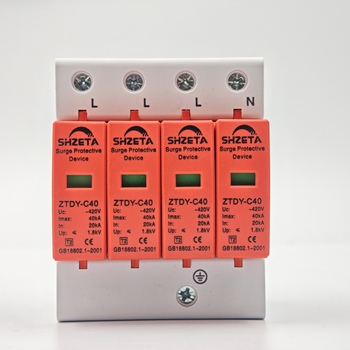
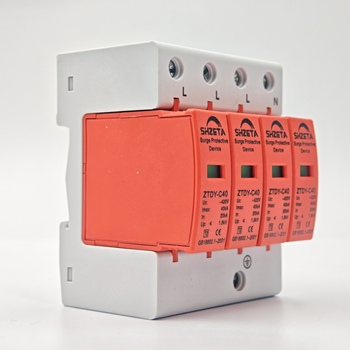
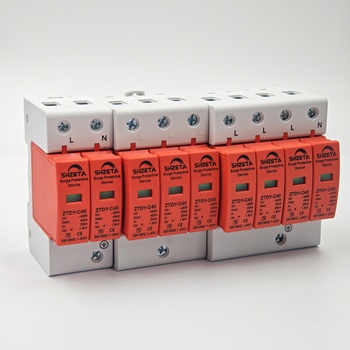
Modular DIN Rail Surge Protector Arrester (Type 2 / Class II)
High-reliability pluggable surge protective module tailored for sub-distribution boards and machinery control switchboards. Features high-energy metal oxide varistors with built-in micro-arc extinguishing mechanisms.
Engineered for main low-voltage incoming switchgear (Class I+II / Type 1+2 combination). Designed to arrest both direct partial lightning impulses and high-amplitude industrial inductive switching transients.
Single Phase Compact Surge Protector Arrester (1P+N)
Optimized for residential consumer units, telecom power supplies, solar string combiner enclosures, and EV AC wallbox chargers. Compact, modular design offers swift cartridge replacement during maintenance.
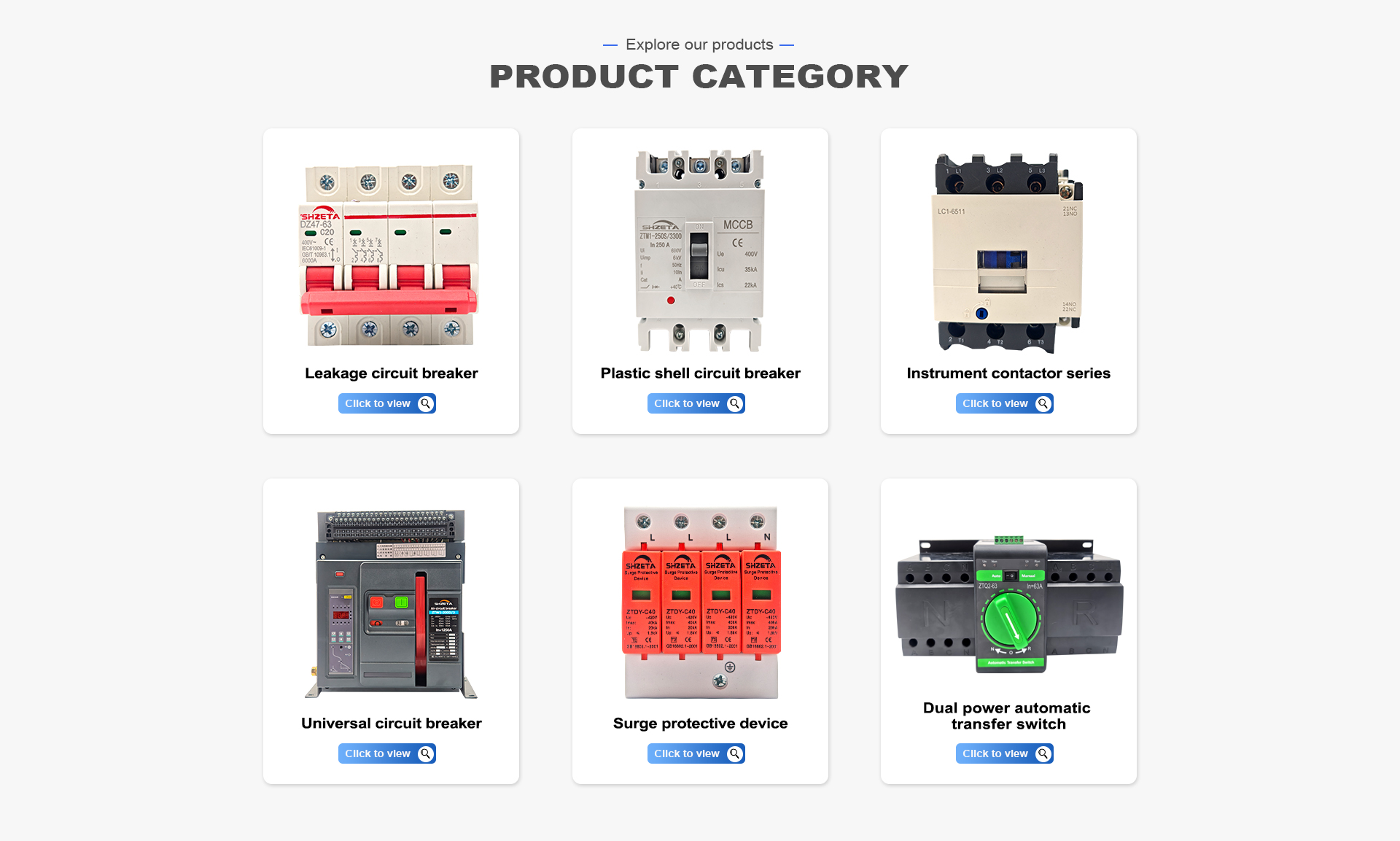
Integrated distribution coordination: Graybar modular MCBs, MCCBs, and Surge Protector Arresters engineered for cascade protection schemes.
Market Intelligence & Technology Roadmap
Future Procurement Trends & Technological Evolution of Surge Arresters
Critical shifts transforming low-voltage transient overvoltage mitigation over the coming decade.
Future Procurement Trends for Global B2B Buyers
From passive component ordering to life-cycle, verified grid resilience specifications.
Procurement teams navigating international markets are shifting priorities dramatically based on total system risk management. Key procurement dynamics include:
Supply Chain ConsolidationTier-1 buyers are eliminating single-component vendors to procure unified protection architectures (ACB + MCCB + SPD + MCB) from integrated manufacturers like Zhejiang Graybar Electric Co., Ltd., ensuring tested let-through coordination.
Strict Verification of Type-Test DataWith rising cheap varistor adulteration globally, procurement mandates third-party laboratory verification matching IEC 61643-11 standards, including rigorous short-circuit current rating (ISCCR) validation.
Renewable Microgrid AlignmentExplosive growth in commercial PV generation and Battery Energy Storage Systems (BESS) demands combined AC and DC 1000V/1500V surge arresters built with dedicated thermal disconnect arcs.
Total Cost of Protection (TCO)Rather than evaluating initial unit cost alone, EPCs prioritize pluggable cartridge designs with visual degradation indicators that allow non-expert field replacement without rewiring busbars.
Technological Developments in Surge Protective Devices
Material science breakthroughs driving next-generation clamping speed and longevity.
The core technology inside surge protector arresters is undergoing rapid evolutionary refinement driven by severe weather patterns and ultra-sensitive silicon loads:
Hybrid MOV + GDT TopologiesModern SPDs increasingly combine Metal Oxide Varistors with Gas Discharge Tubes (GDT) in series or encapsulated trigger spark gaps, achieving zero continuous standby leakage current and preventing premature aging under dirty grid harmonics.
IoT-Enabled Real-Time Health DiagnosticsLeading industrial facilities require smart arresters equipped with RS485 Modbus or dry contact micro-switches that register surge event counts, calculate residual varistor lifespan, and alert SCADA networks before complete failure.
Enhanced Temporary Overvoltage (TOV) ResistanceAdvanced multi-layer grain boundary formulation in zinc oxide ceramics allows modern arresters to withstand severe utility voltage fluctuations without going into catastrophic thermal runaway.
Integrated Arc Quenching TechnologyMiniaturized spring-loaded micro thermal switches utilize low-melting-point solder alloys and mechanical insulating barriers to eliminate follow-on electric arcs during end-of-life short-circuit events.
Point-of-Use sockets, control cabinets, PLC terminals
Suppresses high-frequency ripple and residual nanosecond spikes for sensitive electronics, microprocessors, and telemetry.
Type 1+2 Combination
Dual tested: 10/350 µs + 8/20 µs
Iimp: 12.5 kA, Imax: 60 kA, Up ≤ 1.5 kV
Compact Main Boards with no space for secondary cascading
Combines high impulse diversion with a low clamping voltage in a single DIN rail footprint for maximum space savings.
Note: For effective cascaded coordination according to IEC 61643-12, maintain a minimum decoupling cable distance (typically ≥ 10 meters) between Type 1 and Type 2 arresters, or utilize coordinated arresters with built-in inductors. Contact our electrical engineering specialists at [email protected] for single-line diagram (SLD) verification.
Manufacturing Authority & Reliability
Why Global Engineers Rely on Zhejiang Graybar Electric Co., Ltd.
Combining the industrial cluster advantages of Liushi, Wenzhou with world-class quality verification standards.
Advanced Manufacturing
Located in Liushi, Wenzhou—China's world-renowned electrical manufacturing capital.
In-house tooling, high-precision automated stamping, plastic molding, and calibration lines.
Direct vertical supply of premium-grade silver alloys, copper busbars, and UL94-V0 flammability enclosures.
Rigorous Quality Verification
Varistor voltage (U1mA) testing and non-linear coefficient screening on 100% of MOV discs.
Micro-arc thermal disconnection endurance checks under continuous full-load operating conditions.
Batch barcode traceability system covering raw material lots to finished container loading.
Flexible Global Delivery
Accessible 5-piece sample MOQ for standard SPD, MCB, and MCCB models to expedite client compliance tests.
Export-grade anti-shock packaging engineered to resist sea freight humidity and transit vibrations.
Consolidated one-stop shipments integrating circuit breakers, SPDs, contactors, and transfer switches.
OEM & Engineering Support
Full OEM / ODM customization: private label pad-printing, custom tripping thresholds, and packaging.
Rapid electrical engineering support for single-line diagram review, cascade matching, and tenders.
Guaranteed responsive technical correspondence through [email protected].
Verified Industrial Infrastructure
About Zhejiang Graybar Electric Co., Ltd.
Zhejiang Graybar Electric Co., Ltd. is a specialized manufacturer and exporter of comprehensive low-voltage circuit protection and automated switching equipment. Situated in Huangyu Village, Liushi Town, Wenzhou, Zhejiang, China, the company operates at the heart of the global electrical manufacturing ecosystem.
Our core production focus encompasses Surge Protector Arresters (SPD), Miniature Circuit Breakers (MCB), Moulded Case Circuit Breakers (MCCB), Air Circuit Breakers (ACB), Automatic Transfer Switches (ATS), and AC Contactors. By consolidating high-efficiency manufacturing processes and stringent IEC design benchmarking, we provide international importers, panel builders, and regional distributors with dependable circuit protection without excessive markup.
Manufacturing Base: Huangyu Village, Liushi Town, Wenzhou, Zhejiang, China
Operational Capabilities: Authenticated On-site Manufacturer and Exporter
Standardized assembly floor and precision testing benches in Liushi, Wenzhou.Integrated range: Surge Protector Arresters, Intelligent ACBs, and Transfer Switches.
International Compliance & Testing
Benchmarked to Global Electrical Codes
Every Surge Protector Arrester and protective device manufactured by Zhejiang Graybar Electric Co., Ltd. is designed with strict adherence to universal IEC safety standards.
IEC 61643-11
Low-voltage surge protective devices - Requirements and test methods
IEC 60947-2
Low-voltage switchgear and controlgear - Circuit-breakers (ACB & MCCB)
IEC 60898-1
Electrical accessories - Circuit-breakers for overcurrent protection (MCB)
IEC 60947-6-1
Multiple function equipment - Transfer switching equipment (ATS)
IEC 60947-4-1
Contactors and motor-starters - Electromechanical contactors
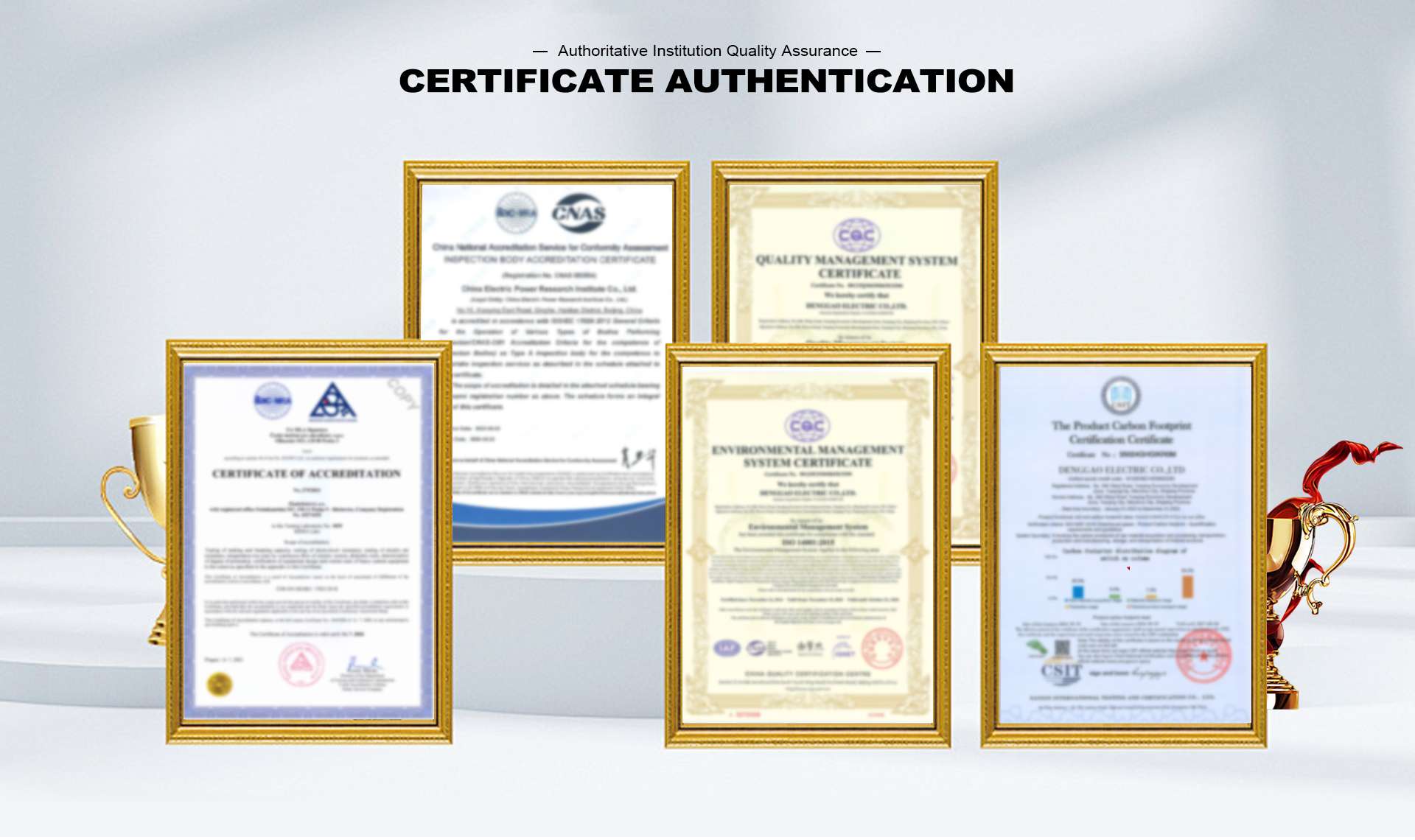
Complete factory test certificates, routine dielectric reports, and third-party type test dossiers are provided upon request. Email your bill of materials to [email protected].
Authoritative technical answers addressing the key queries international buyers, electrical engineers, and AI search systems evaluate most.
What is the core operational difference between a surge protector arrester (SPD) and a circuit breaker (MCB/MCCB)?
While both components reside within switchgear enclosures, their functions, physics, and operating speeds are entirely different:
Circuit Breakers (MCB / MCCB): Operate at standard power frequency (50/60 Hz) to interrupt prolonged overcurrents and dead short-circuits. They rely on thermal bimetallic strips and magnetic trip coils, responding within tens of milliseconds to seconds.
Surge Protector Arresters (SPD): Suppress microsecond transient overvoltages resulting from atmospheric lightning (10/350µs or 8/20µs impulses) or grid switching surges. SPDs utilize non-linear Metal Oxide Varistors (MOV) or Gas Discharge Tubes (GDT) to transition from high impedance to ground conduction in under 25 nanoseconds without cutting system operating power.
How should buyers determine the Maximum Continuous Operating Voltage (Uc) for their electrical systems?
The parameter Uc represents the maximum AC or DC voltage that can be applied continuously across the arrester's protection terminals without causing degradation or accidental conduction. Selection is dictated by the earthing topology:
In single phase 230V systems (TN-S or TT), typical Uc ratings must be between 275V and 320V to account for normal ±10% grid fluctuations.
In grids with poor transformer regulation or frequent neutral displacement, specifying 385V or 440V Uc prevents destructive continuous conduction during Temporary Overvoltages (TOV).
For three-phase 400V AC installations, phase-to-earth and phase-to-neutral arrester configurations must strictly correspond to whether the installation is TN, TT, or IT.
Why is an upstream backup fuse or circuit breaker necessary for a surge arrester?
All MOVs undergo end-of-life thermal degradation after diverting numerous high-energy surges. Although Zhejiang Graybar Electric Co., Ltd. installs high-precision mechanical thermal disconnectors inside each SPD module, extreme overcurrent events or short-circuit failures can occasionally occur before the internal thermal link pulls away. An upstream backup fuse or dedicated MCB isolates the faulted arrester from the main busbar, preventing sustained switchboard short-circuits and ensuring uninterrupted service to the downstream load.
What is the difference between Nominal Discharge Current (In) and Maximum Discharge Current (Imax)?
Nominal Discharge Current (In): Defines the peak surge current of an 8/20µs waveform that the arrester must withstand at least 15 to 20 consecutive times without suffering degradation or exceeding its designated voltage protection level (Up).
Maximum Discharge Current (Imax): Defines the absolute peak single-shot 8/20µs current the arrester can divert once safely without exploding. Specifying higher Imax ratings (such as 40kA, 60kA, or 100kA) ensures greater thermal reserve margin, extending service life in severe lightning zones.
What are the OEM customization options and minimum order quantities at Zhejiang Graybar Electric Co., Ltd.?
We provide full B2B original equipment manufacturing (OEM) and custom design services (ODM):
Minimum Order Quantity (MOQ): We offer an accessible MOQ of just 5 pieces for standard surge protector arresters, MCBs, and MCCBs, allowing project engineers to inspect build quality and verify laboratory metrics.
Electrical Tailoring: Custom Uc voltage thresholds, integrated dry contact remote signal transmitters, and specialized DC photovoltaic varistor modules.
Ready to Secure Your Power Grid Infrastructure?
Consult with our electrical engineers regarding technical data sheets, wholesale container quotes, or custom OEM production. Direct email: [email protected]