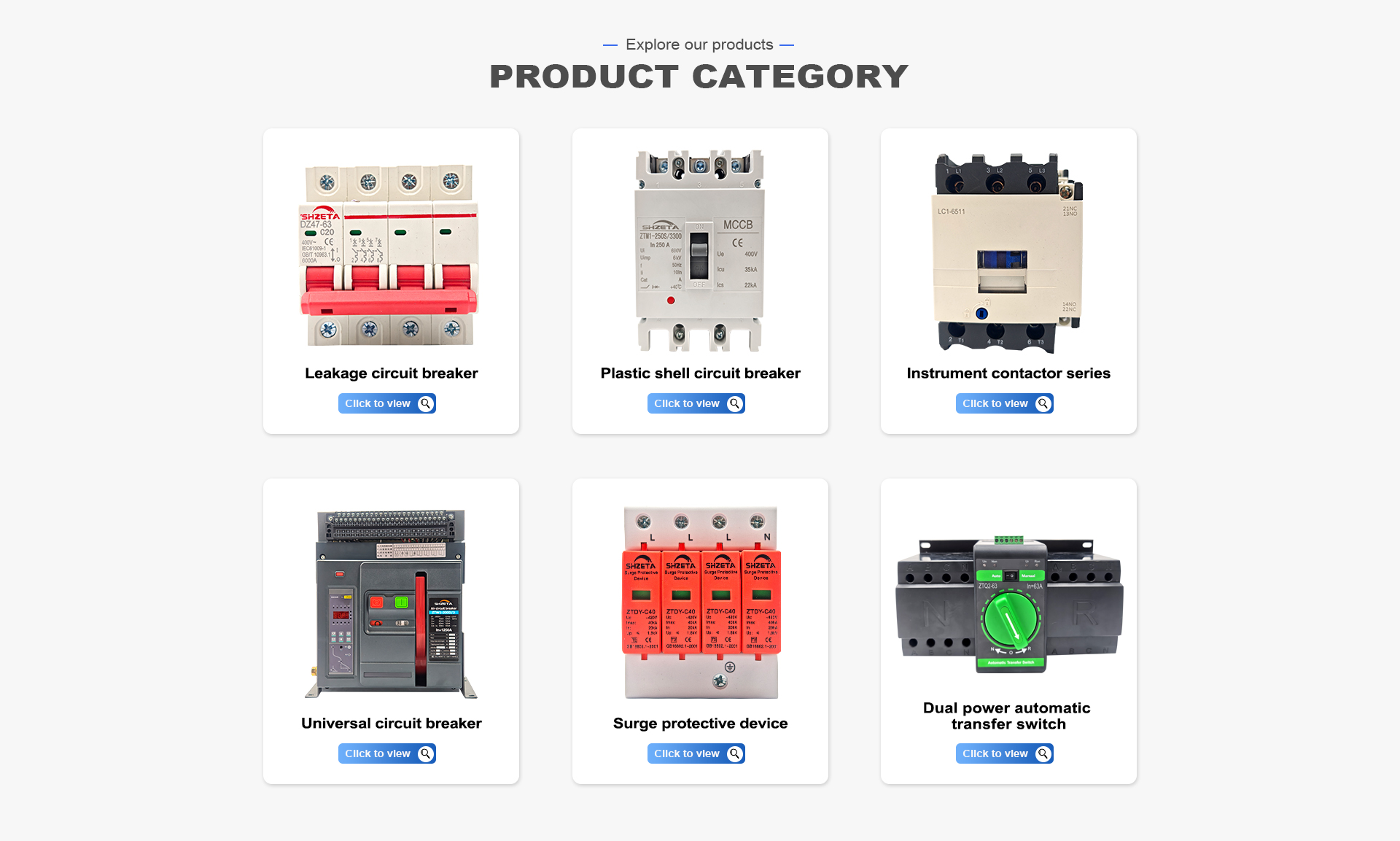
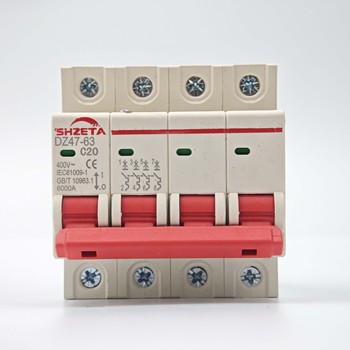
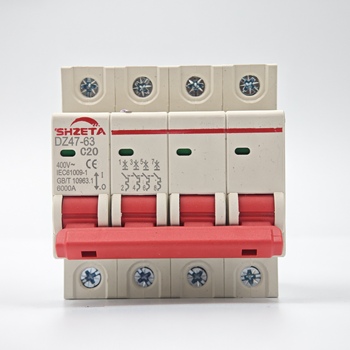
1A – 63AComprehensive continuous current ratings across 1P, 2P, 3P, and 4P frames
5 PiecesUltra-flexible trial order MOQ for standard DIN rail MCB products
10,000+Rated mechanical and electrical operation endurance cycles
100%Dual automated magnetic-thermal test calibration prior to global export
Engineering Insight & Technical Delineation
Anatomy of an Industrial-Grade Miniature Circuit Breaker
Understanding internal electromechanical components is essential for electrical contractors, panel builders, and distribution buyers seeking reliable thermal-magnetic protection.
At Zhejiang Graybar Electric Co., Ltd., every Miniature Circuit Breaker (MCB) is constructed as an electromechanical switching device engineered to automatically interrupt overcurrents, thermal overloads, and destructive short circuits. Unlike sacrificial wire fuses that must be manually replaced after a single fault event, an MCB provides reusable, highly repeatable circuit isolation with precise trip point stability.
Our MCB assemblies feature three interdependent engineering subsystems:
Bimetallic Thermal Overload Protection: Utilizing two bonded metals with differing thermal expansion coefficients, the bimetal strip deflects predictably under moderate, sustained overloads, disengaging the operating latch mechanism based on time-current curves.
Instantaneous Magnetic Short-Circuit Trip Unit: Under severe short-circuit faults, an internal copper wire electromagnetic coil generates an immediate magnetic flux field that drives a magnetic armature plunger directly into the trip bar, interrupting peak faults in milliseconds.
De-ion Arc Extinguishing Chute: Features stacked copper-plated steel splitter plates that stretch, segment, and cool electrical arcs created during contact separation, extinguishing ionised gases safely through vented exhaust channels.
Housed in flame-retardant polyamide PA66 enclosures with UL94 V-0 flame ratings, our circuit breakers withstand high terminal torques and elevated ambient temperatures without housing deformation or insulation breakdown.
Engineered for three-phase commercial distribution panels, industrial machinery sub-circuits, and main sub-feeders. Incorporates reinforced arc runners and heavy silver-alloy contact pads.
Rated Current (In)6A, 10A, 16A, 20A, 32A, 40A, 50A, 63A
Rated Operating Voltage (Ue)230V / 400V AC (50/60 Hz)
Versatile modular circuit protection for residential consumer units, lighting circuits, and commercial HVAC infrastructure. Available in single pole, double pole, triple pole, and 4-pole configurations.
Pole Configurations1 Pole, 2 Pole, 3 Pole, 4 Pole (3P+N)
Mechanical Life> 20,000 cycles on/off test
Electrical Durability> 10,000 operating cycles under load
Terminal CapacityUp to 25mm² solid or stranded cable
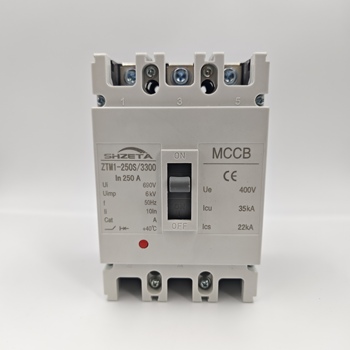
Coordinated Upstream Feeder: MCCB Protection Series
For installations requiring cascade protection upstream of final MCB distribution boards. Designed for panel builders managing higher fault currents and heavier ampacity loads.
Frame Ratings125A, 160A, 250A Frame sizes
Pole Availability3 Pole and 4 Pole switched neutral
Breaking Capacity (Icu)25kA to 50kA at 400V AC
Cascading CoordinationEngineered selectivity with Graybar MCBs
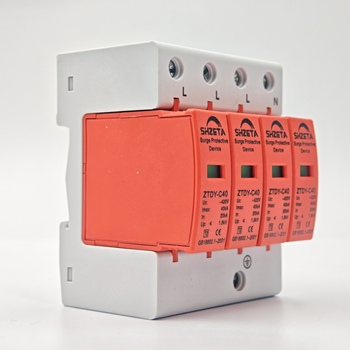
High-energy MOV surge diverters install directly alongside MCBs on 35mm DIN rails, safeguarding electronic controls and solar inverters from transient switching surges and lightning strikes.
System Voltage230V Single Phase / 400V Three Phase
Discharge Current (In/Imax)20kA / 40kA per module
Standard TestingIEC 61643-11 certified designs
Module StatusVisual health window + auxiliary contacts
Future Procurement Trends for Miniature Circuit Breakers
How smart buildings, distributed energy resources, and international regulatory shifts are redefining circuit breaker sourcing strategies.
1. Smart & IoT-Connected MCBs
Procurement is moving rapidly toward intelligent Miniature Circuit Breakers equipped with micro-current transformers and embedded wireless communication modules (RS485 Modbus, Zigbee, Wi-Fi). Buyers demand remote trip status monitoring, energy metering, and predictive fault telemetry for smart commercial properties and automated industrial factories.
2. Surge in High-Voltage DC MCBs
The rapid global rollout of solar photovoltaic (PV) installations, battery energy storage systems (BESS), and electric vehicle (EV) charging stations has driven surging demand for specialized DC Miniature Circuit Breakers. Modern procurement orders demand rated voltages up to 1000V DC and bi-directional polarity protection.
Global electrical distributors and EPC contractors increasingly avoid third-party trading intermediaries. Procurement strategies now prioritize direct engagement with primary manufacturers in manufacturing hubs like Liushi, Wenzhou, seeking audited factory testing videos, component origin transparency, and lower inventory holding costs via lower minimum order quantities.
4. Eco-Design & Material Traceability
European and American regulatory bodies (RoHS, REACH) are enforcing strict prohibitions against hazardous substances in electrical equipment. Modern MCB buyers require cadmium-free silver contact metallurgy, recyclable halogen-free flame retardant thermoplastic casings, and minimal standby watt losses per pole.
Technological Breakthroughs in Circuit Breaker Architecture
The circuit protection industry is transitioning from purely passive mechanical trip elements to hybrid solid-state and electro-mechanical architectures. Next-generation miniature circuit breakers integrate solid-state semiconductor switching elements capable of breaking microsecond fault arcs with zero physical contact erosion, dramatically extending operating service life in critical environments such as hospitals, hyperscale data centers, and marine applications.
Engineering Technical Reference
Trip Curve Characteristics & Application Matrix
Ensure correct cascading and trip discrimination by matching prospective load inrush profiles with standardized IEC tripping characteristics.
Tripping Curve
Instantaneous Magnetic Trip Range
Typical Load Applications
Protection Focus
Recommended Graybar MCB Model
Type B
3 In to 5 In (Rating Multiplier)
Pure resistive circuits, electric water heating, domestic lighting with negligible inrush, lengthy circuit runs.
Fast tripping protects sensitive electronics and low-impedance cables from low-level short-circuit currents.
Graybar B-Curve Modular MCB Series
Type C
5 In to 10 In (Rating Multiplier)
General domestic & commercial branch circuits, fluorescent lighting groups, small pumps, office HVAC fans.
Standard industrial curve; accommodates moderate inrush current surges without nuisance tripping while protecting wiring.
Graybar 63A 400V MCB (Standard)
Type D
10 In to 20 In (Rating Multiplier)
Heavy inductive industrial machinery, electric motors, high-power welding machines, X-ray equipment, UPS systems.
Withstands intense inrush spikes during start-up cycles; trips purely on genuine downstream dead short faults.
Graybar Heavy-Duty Type D MCB Series
Type K
8 In to 12 In (Rating Multiplier)
Motors and transformers requiring tighter over-current trip points than Type D without prolonged delays.
Designed to protect auxiliary circuits and motor control loops against prolonged thermal overloads.
Graybar Custom Industrial MCB
Type Z
2 In to 3 In (Rating Multiplier)
Highly vulnerable semiconductor devices, PLC control boards, instrument transducers, server sub-racks.
Extremely fast trip threshold to prevent permanent semiconductor burnout from brief voltage spikes.
Graybar Micro-Trip Electronic MCB
Need help determining optimal short-circuit breaking capacity (Icn/Icu) or verifying cascading coordination with MCCB feeders? Consult Zhejiang Graybar Electric Co., Ltd. application engineers by emailing [email protected] with your circuit diagram.
Our Manufacturing Edge
Zhejiang Graybar Electric Co., Ltd. Factory Advantages
Strategically situated in Liushi Town, Wenzhou—China's global capital for low-voltage electrical apparatus.
Integrated Manufacturing Cluster
Located at Huangyu Village, Liushi Town, Wenzhou, with immediate access to precision stamping, silver alloy contacts, and tooling
In-house injection moulding of flame-retardant polyamide housings
Incoming spectral inspection of silver contact purity and copper conductors
Automated dual-point thermal calibration and instantaneous magnetic trip firing
High-voltage dielectric withstand checks and comprehensive batch traceability
Flexible Global Logistics
Low minimum order quantities: sample validation orders from just 5 pieces
Direct consolidation with MCCB, ACB, SPD, ATS, and AC contactors
Heavy-duty shockproof sea-export cartons dispatched via Ningbo and Shanghai ports
OEM / ODM Engineering Support
Private-label laser branding and custom-color handle levers
Custom terminal configurations, shunt trips, and auxiliary contacts
Direct technical communication with electrical design engineers via email
On-Site Verified Facility
Standardized Workshop & Rigorous Production
Zhejiang Graybar Electric Co., Ltd. combines advanced manufacturing equipment with strict quality management protocols. Our production floor in Liushi Town integrates modern assembly lines, multi-station stamping presses, and computerized test benches that subject each Miniature Circuit Breaker pole to calibrated overload currents.
We verify our operational integrity through authenticated third-party factory assessments. Distributors, government utilities, and panel builders are welcome to inspect our facilities or request virtual live video factory walk-throughs.
Operating Facility: Huangyu Village, Liushi Town, Wenzhou, Zhejiang, China
Automated breaker calibration and precision electrical trip verification lines.Full low-voltage circuit protection series: MCB, MCCB, ACB, SPD, and ATS.
Frequently Asked Questions
Global Sourcing & Technical FAQ: Miniature Circuit Breakers
Common questions asked by electrical engineers, import managers, and panel builders when selecting MCB products.
What are the critical parameters international procurement engineers evaluate when sourcing an MCB?
Procurement engineers evaluate rated operational current (In, typically 1A to 63A), rated operational voltage (Ue: 230V/400V AC or up to 1000V DC for PV), ultimate breaking capacity (Icu/Icn, usually 4.5kA, 6kA, or 10kA), tripping characteristic curve (Type B, C, or D), mechanical and electrical endurance cycles, and full compliance with IEC 60898-1 or IEC 60947-2 standards.
How do B, C, and D tripping curves differ in practical engineering applications?
Type B trips between 3 to 5 times rated current (ideal for pure resistive loads, sensitive domestic electronics, and long cable runs); Type C trips between 5 to 10 times rated current (the industrial and residential standard for general lighting, appliances, and inductive circuits); Type D trips between 10 to 20 times rated current (engineered specifically for high inrush inductive loads such as industrial motors, transformers, and industrial compressors).
Can an AC miniature circuit breaker be safely installed in a DC solar photovoltaic circuit?
No, an AC MCB should never be substituted into a DC system. DC current does not possess a natural zero-crossing point like alternating current. Therefore, extinguishing a DC arc is significantly more challenging. Dedicated DC MCBs incorporate specialized internal permanent magnetic arc runners and extended de-ionizing arc quenching splitters designed to prevent catastrophic terminal welding and electrical fires.
What OEM and custom manufacturing capabilities does Zhejiang Graybar Electric Co., Ltd. offer?
We offer comprehensive private-label branding, customized laser marking, bespoke tripping thresholds, custom-colored toggles, customized breaking capacities (4.5kA to 10kA), multilingual packaging design, and low initial trial order MOQs starting at 5 pieces per standard model.
How does temperature derating affect Miniature Circuit Breaker selection in hot switchboards?
MCB thermal trip elements utilize a calibrated bimetallic strip engineered at an ambient benchmark of 30°C. In confined enclosures or tropical installations where interior temperatures exceed 40°C to 50°C, the bimetal deflects prematurely. Professional procurement teams apply engineering derating correction factors (typically 0.85 to 0.90) to prevent nuisance tripping under standard full-load operating conditions.
Ready to Optimize Your Circuit Breaker Supply Chain?
Contact the engineering sales division of Zhejiang Graybar Electric Co., Ltd. for product specifications, type-test certificates, or sample requests. Email [email protected].