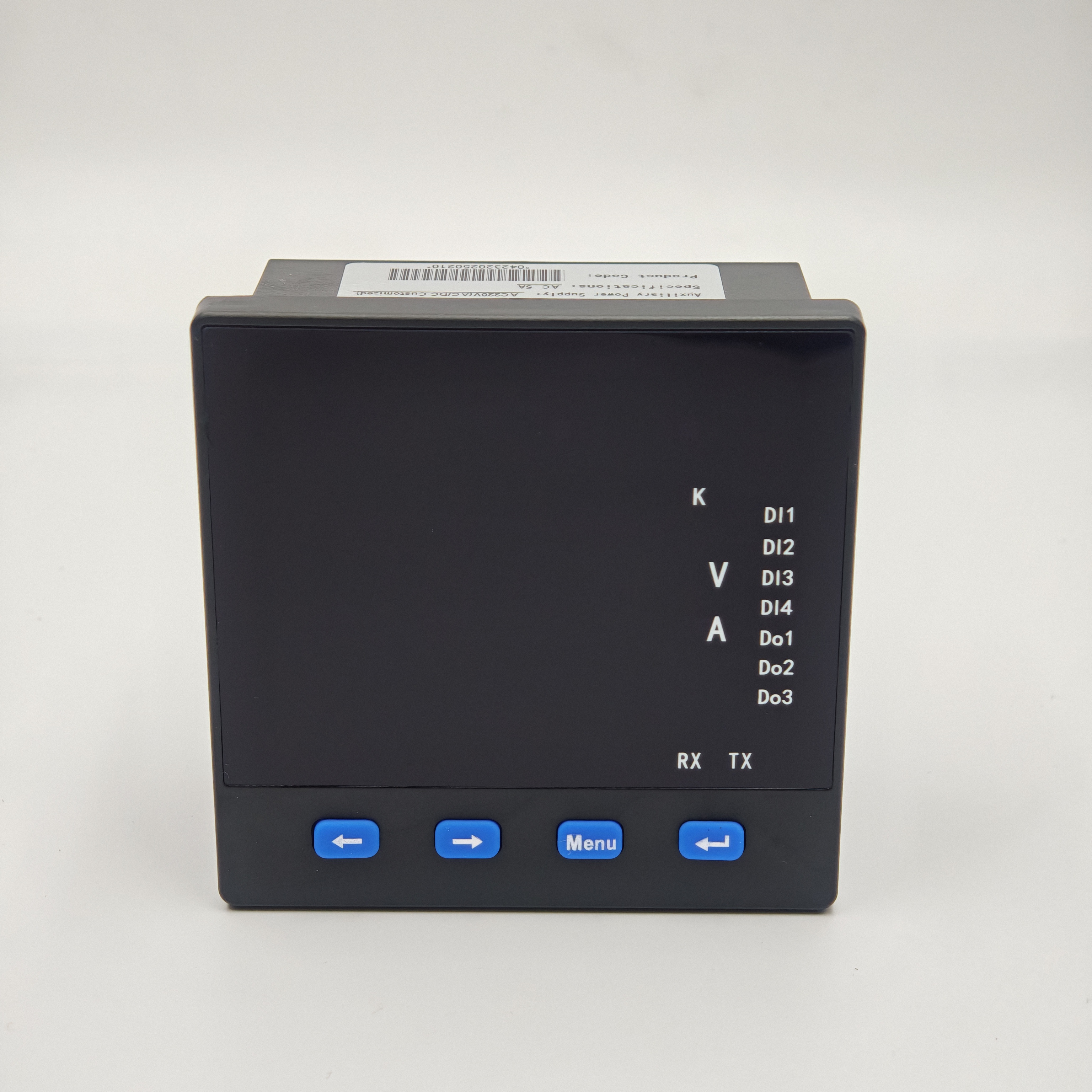
ZTDSI/ASCT HY-311-80VY Series 0.5 Accuracy Class Three-Phase Multifunction Energy Meter
- Voltage RangeAC/DC 60~280V
- InterfaceRS485 Modbus-RTU
- AccuracyClass 0.5 Precision
Engineered to mitigate electrical surges, brownouts, transient line spikes, and sustained phase imbalances typical of rapidly developing grid infrastructures.
A rigorous examination of electrical load dynamics, distribution transients, and component sizing requirements for critical infrastructure.
The department of Masaya represents an active agro-industrial and handicraft powerhouse located strategically within the Pacific corridor of Nicaragua. Connected through sub-transmission lines that bridge Managua and Granada, electrical distribution systems in Masaya encounter distinct infrastructure bottlenecks. Seasonal shifts between intensely arid periods and torrential rainy cycles trigger frequent atmospheric electrical discharges, sub-cycle overvoltage transients, and deep voltage sags.
Agricultural processing plants, artisan workshops in Monimbó, cold-storage distribution hubs, and regional healthcare institutions constantly operate under the risk of utility supply sags falling below 85V on nominal 120V circuits, alongside transient swells exceeding 320V on 240V split-phase distribution. When line potential drifts outside permissible thresholds, single-phase motors and three-phase refrigeration compressors experience severe winding overheating due to excessive current draw. As an established electrical protection manufacturer, our engineering teams build devices designed to prevent thermal insulation breakdown and mechanical seizure by instantly severing volatile incoming connections before destructive thermal loads develop.
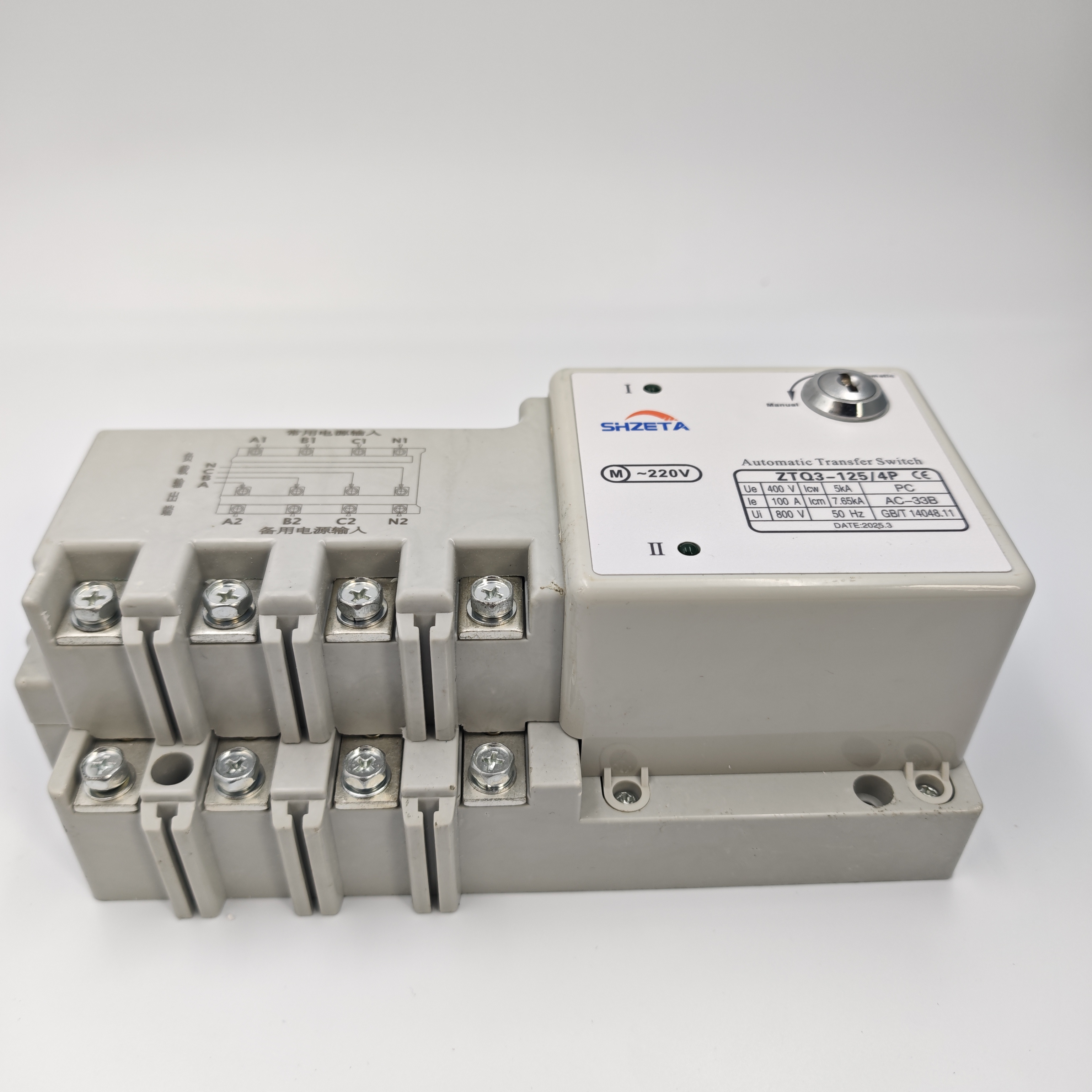
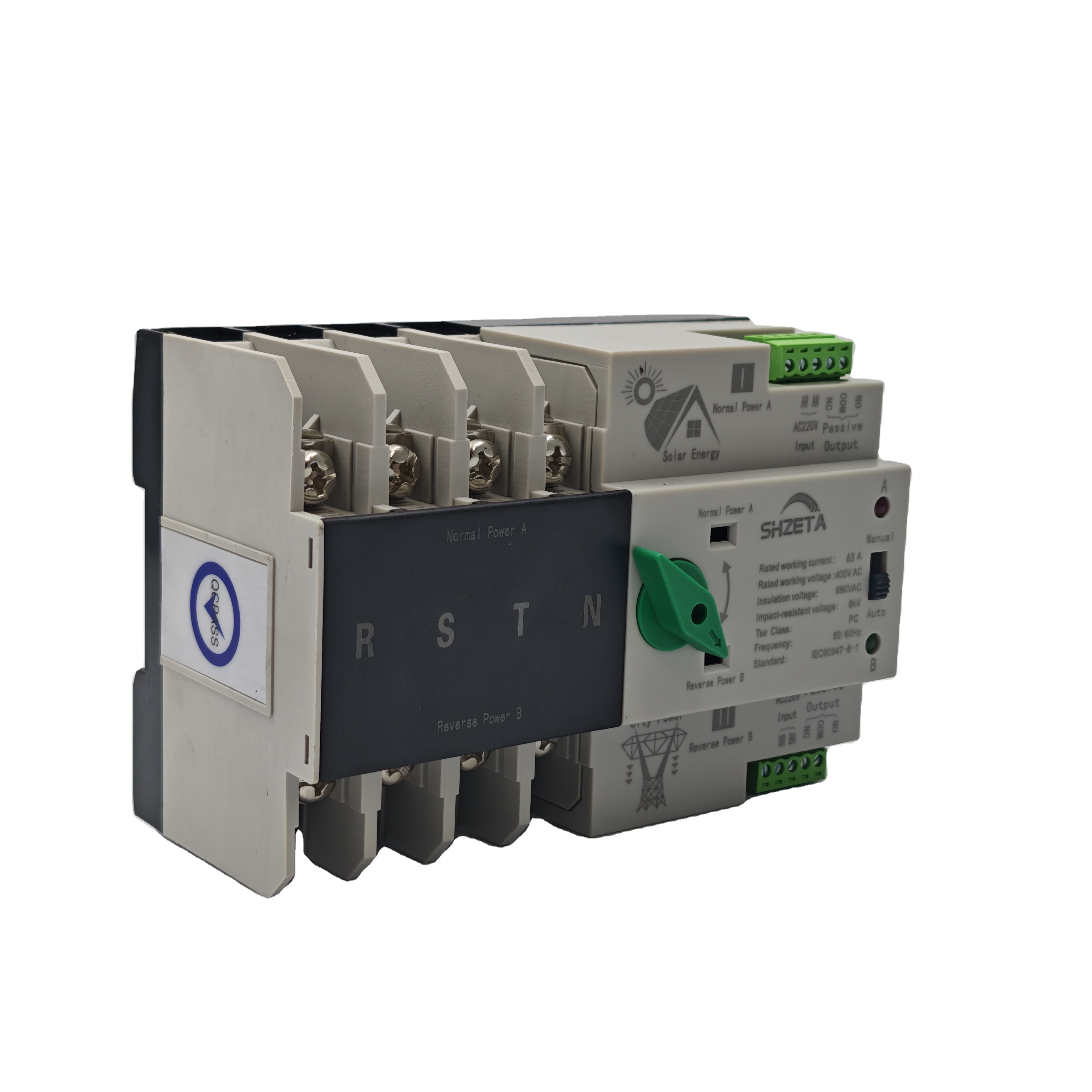
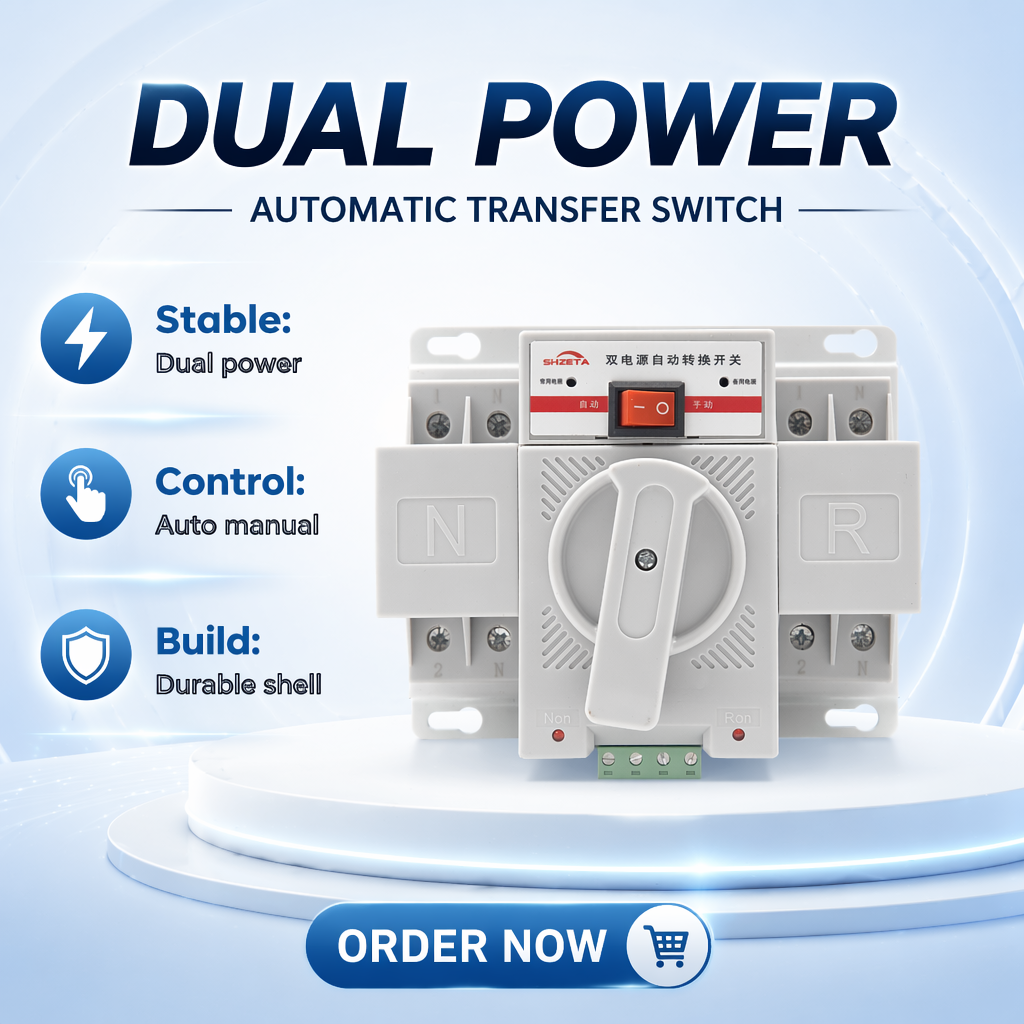
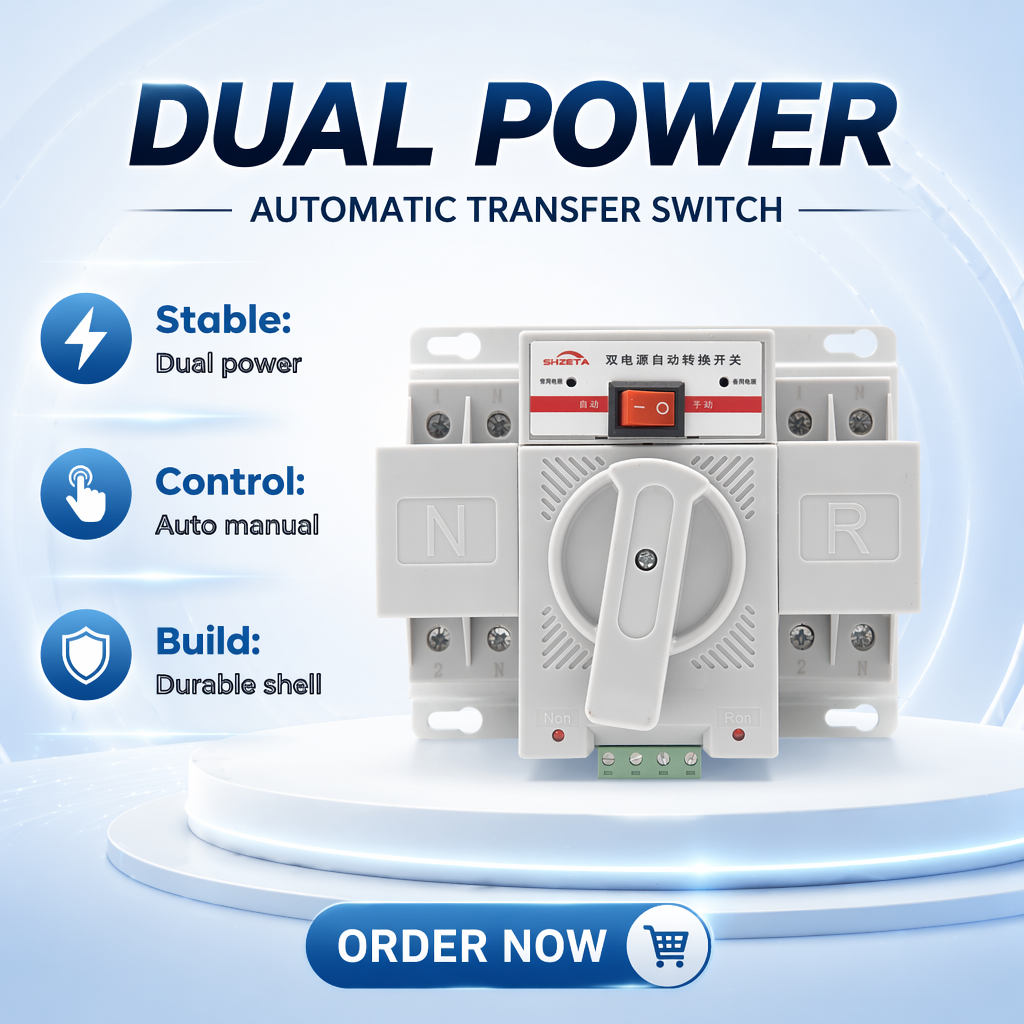
Reliable switchboard design requires a coordinated, multi-stage defense strategy rather than relying on isolated surge suppressors. At service entrances, Type 1 and Type 2 Surge Protective Devices (SPDs) compliant with IEC 61643-11 divert lightning surges and switching transients safely toward grounding electrodes via calibrated metal-oxide varistors (MOVs). Immediately downstream, DIN rail automatic transfer switches (such as the ZTQ3-100A frame or compact PC-class units) isolate compromised public utility power lines and initiate emergency standby generator or photovoltaic inverter transfers within a window of under 16 milliseconds.
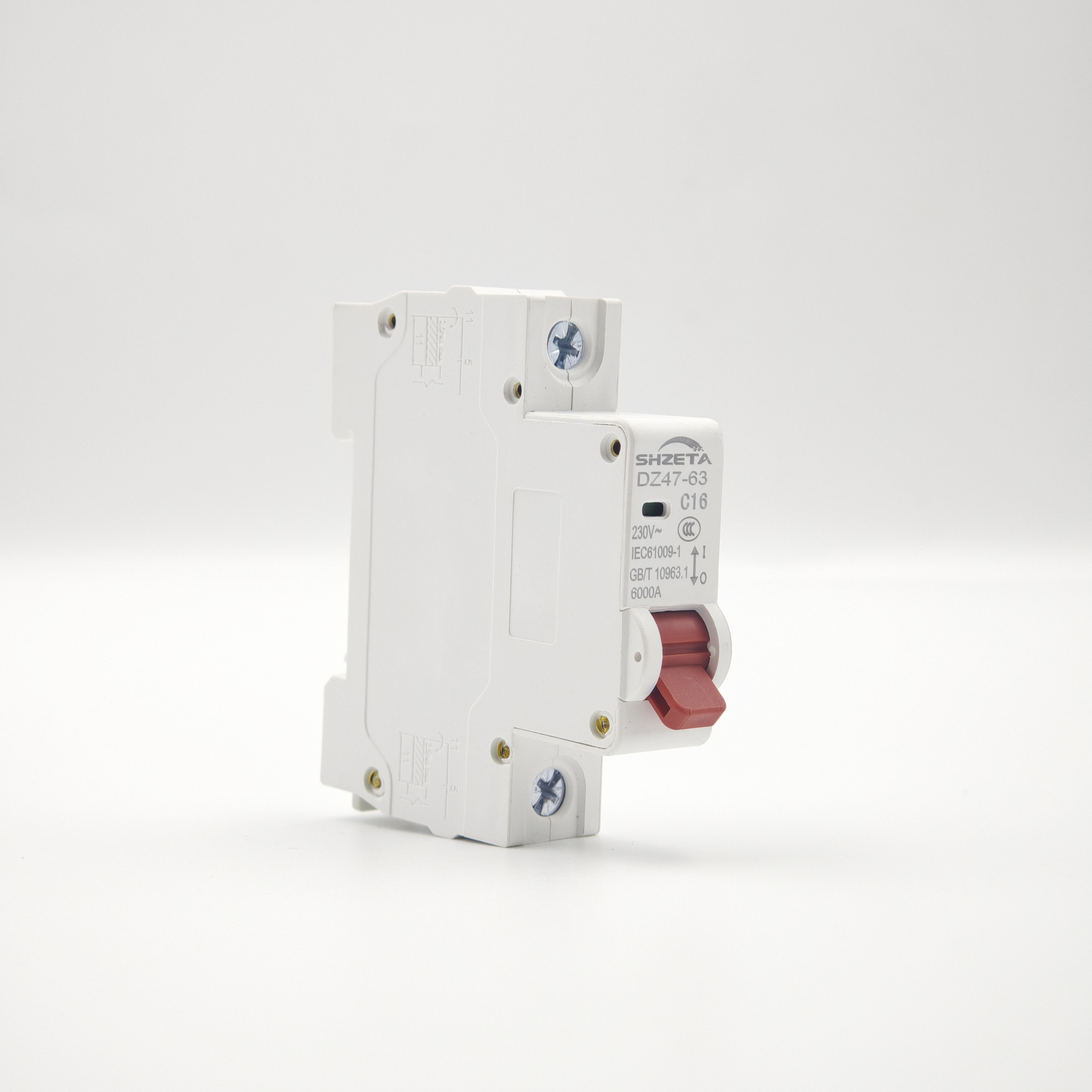
Our low-voltage protection topology ensures downstream sensitive electronic equipment, such as SCADA controllers, commercial payment terminals, and Modbus-connected energy meters, remain isolated from hazardous grid anomalies. Miniature circuit breakers with calibrated bi-metallic strips prevent thermal overcurrent, while high-speed magnetic solenoids clear short-circuit faults before transformer primaries trip upstream fuses.
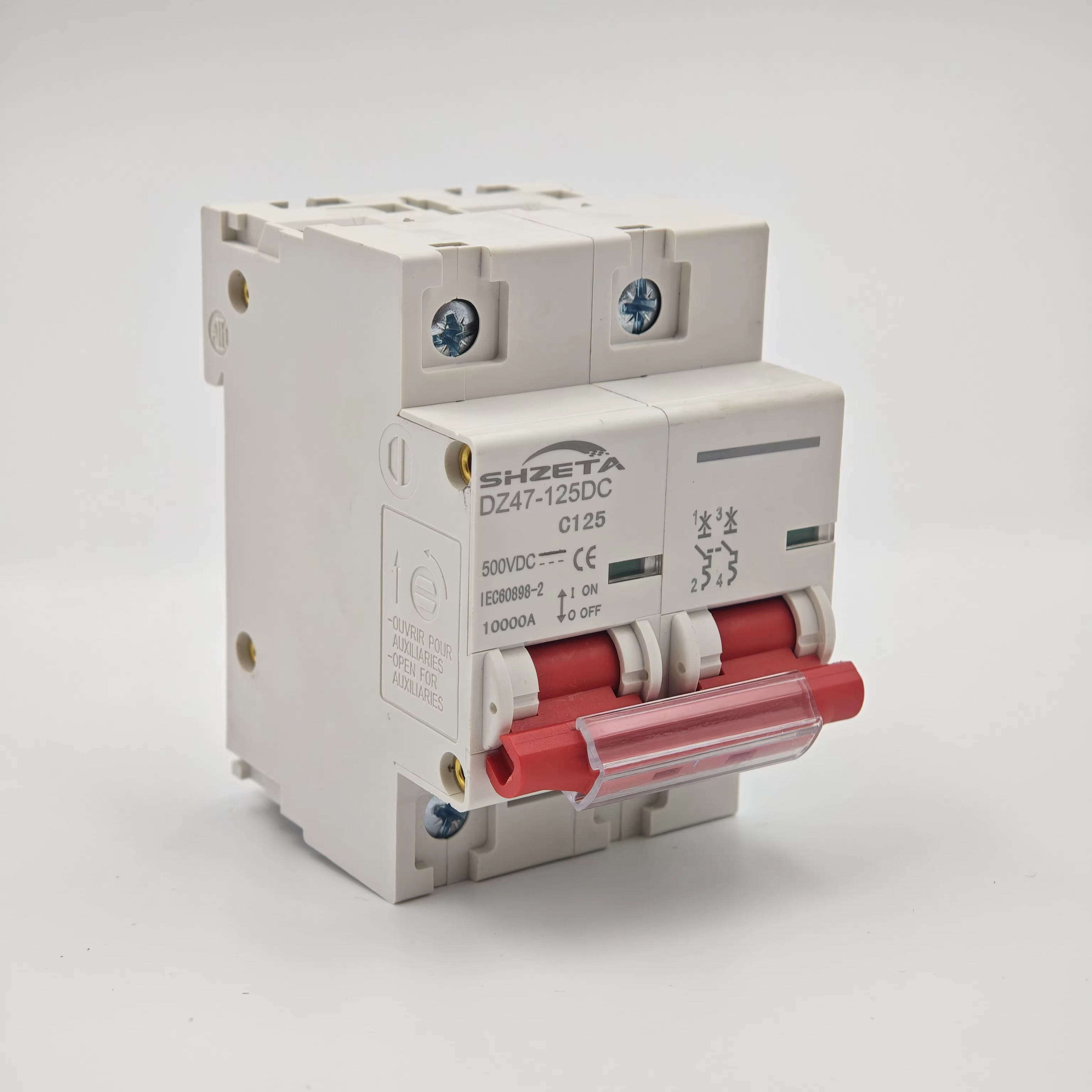
Given the escalating adoption of distributed rooftop solar arrays across western Nicaragua, low-voltage distribution boards must handle bi-directional power flows and unique DC fault characteristics. DC arcs do not possess a natural zero-crossing point like alternating current; uncoordinated disconnects can sustain intense plasma arcs that ignite control enclosures. Our 2P 500V DC MCB family utilizes deep arc-chute chambers equipped with strong permanent magnets to stretch, cooling-quench, and extinguish high-voltage DC arcs cleanly. This level of protection ensures commercial operations across Masaya can deploy renewable solar assets without elevating facility fire risks.
Tailoring circuit protection, transfer reliability, and motor protection to the operational conditions of local enterprises.
Processing plants around Nindirí and Masaya handle perishable fruit, coffee, and meat requiring continuous refrigeration. Our high-amperage contactors and 4-pole MCCBs defend compressor coils against phase loss, voltage drops, and sudden grid dropouts, ensuring the integrity of the cold chain.
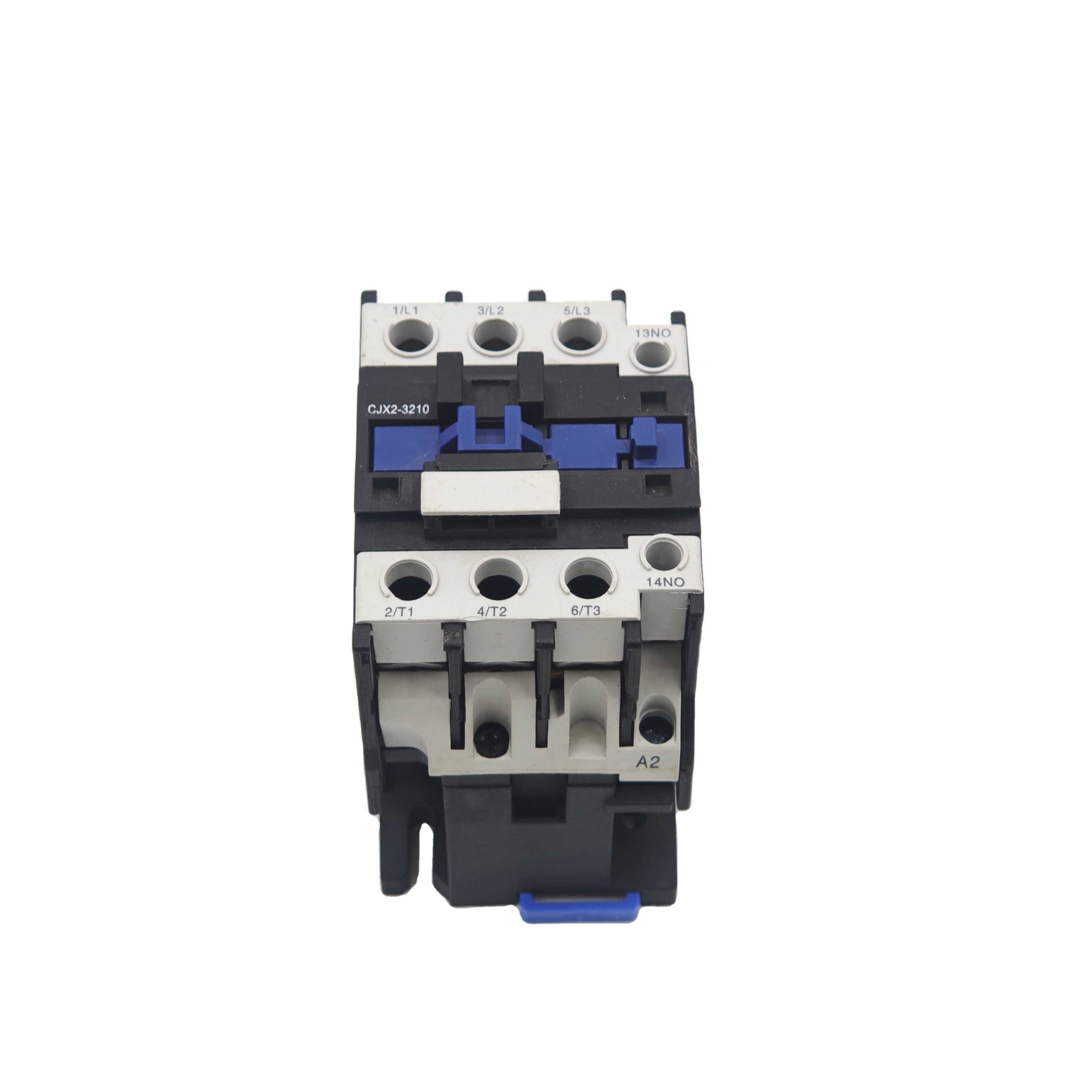
Woodworking machines, leather tanning drums, and textile machinery demand rugged motor-starting performance. CJX2-series magnetic contactors and C-curve MCBs withstand frequent start-stop duty cycles and severe inrush currents without spurious tripping.
Diagnostic equipment, payment processing networks, and emergency lighting systems cannot tolerate brownouts. Our PC-class compact DIN-rail transfer switches coordinate utility-to-generator switching instantaneously, preventing telemetry resets and computer data corruption.
Key technical shifts shaping equipment selection by panel builders, project contractors, and plant engineers in Central America.
Industrial operations are moving away from passive analog dials toward RS485-enabled multifunction meters like the HY-311-80VY, capturing harmonic distortions and power factor metrics directly into central supervisory systems.
Industrial commercial users increasingly install hybrid battery backup systems to combat daytime peak energy tariffs, necessitating specialized 500V–1000V DC breakers with certified magnetic arc-blowout capabilities.
Electromechanical manual break switches are being phased out in favor of compact PC-grade and CB-grade ATS units that transfer critical loads automatically without operator intervention during voltage collapses.
Non-linear loads and utility neutral shifts are making 4-pole changeover switches standard practice to eliminate floating neutral potentials and ground loops during emergency generator operation.
Combining Liushi’s low-voltage electrical component supply ecosystem with certified manufacturing standards.
Headquartered in China's low-voltage equipment manufacturing center, we control silver-alloy contact sourcing, flame-retardant thermoplastics, and bimetallic strip production directly to ensure competitive price-to-performance ratios.
Every circuit breaker, ATS, and contactor undergoes trip-time verification, contact resistance checks, and high-voltage dielectric tests before leaving the factory. Test records remain fully traceable per production batch.
We accommodate consolidated LCL and FCL shipments routed to Puerto Corinto or via airfreight to Managua (MGA), offering accessible trial MOQs (starting at 5 units) that lower sourcing hurdles for regional distributors.
We support private-label laser etching, Spanish-language user manuals, custom packaging, and specific coil and trip curve configurations, helping local brands deliver tailored solutions to their customer base.
Straightforward technical answers regarding international standards, voltage compatibility, and import processes.
Review single-line diagrams, confirm IEC breaking capacities, or request sample units for distribution board projects across Masaya and Central America.