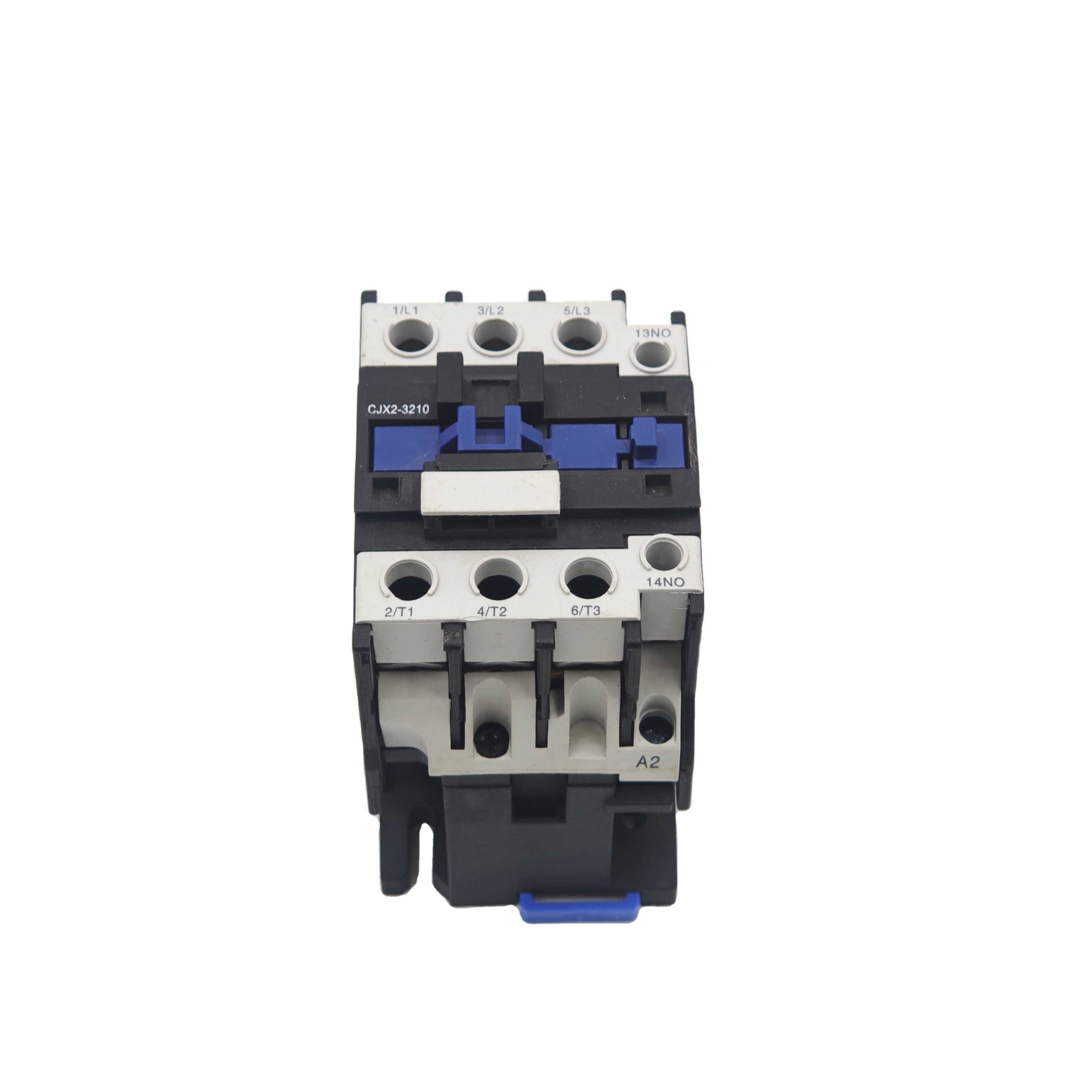
Industrial Protection Lineup
Certified Switchgear & Circuit Breaker Solutions
From robust thermal-magnetic moulded case circuit breakers to automatic changeover systems, every device is manufactured under Liushi Town's premier precision standards for demanding Middle Eastern electrical infrastructure.
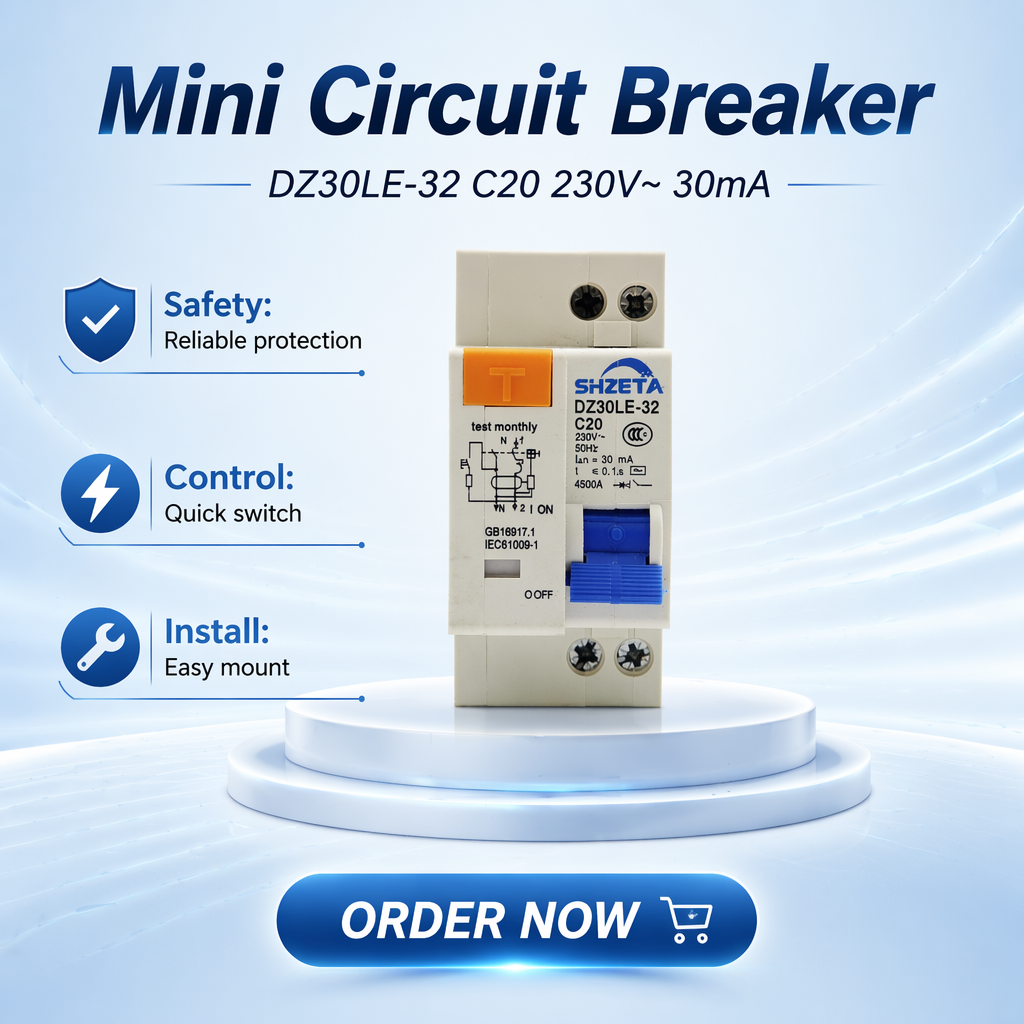
DZ30LE-32A Plastic Circuit Protection System for Office Hotel Shop/Supermarket & Public Lighting
View Technical Specs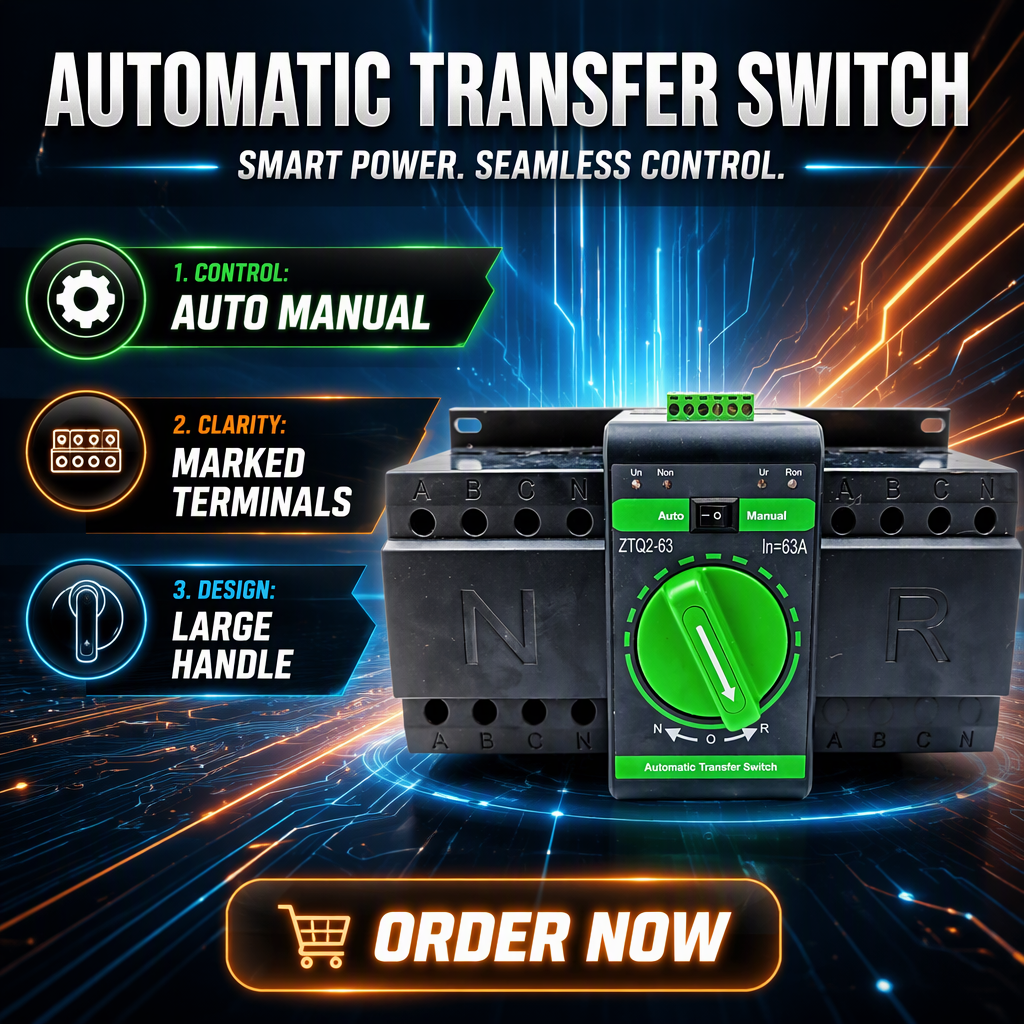
Customizable 2-Pole 4P Single/Three Phase Manual Conversion ATS 10kA Breaking Capacity 125A
View Technical Specs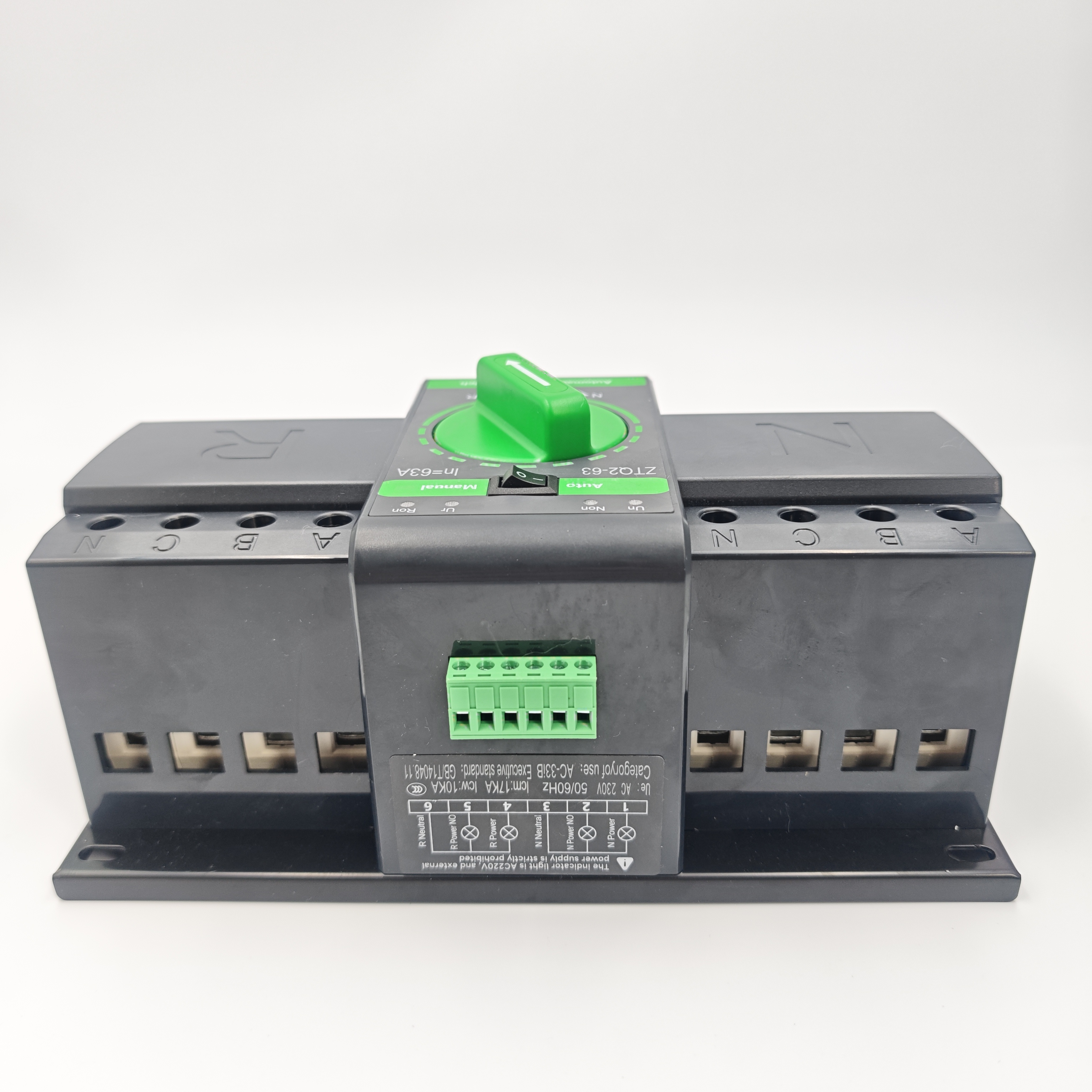
Dual Power Transfer Switch Circuit Automatic ATS PC Three Phase 63A - 125A
View Technical Specs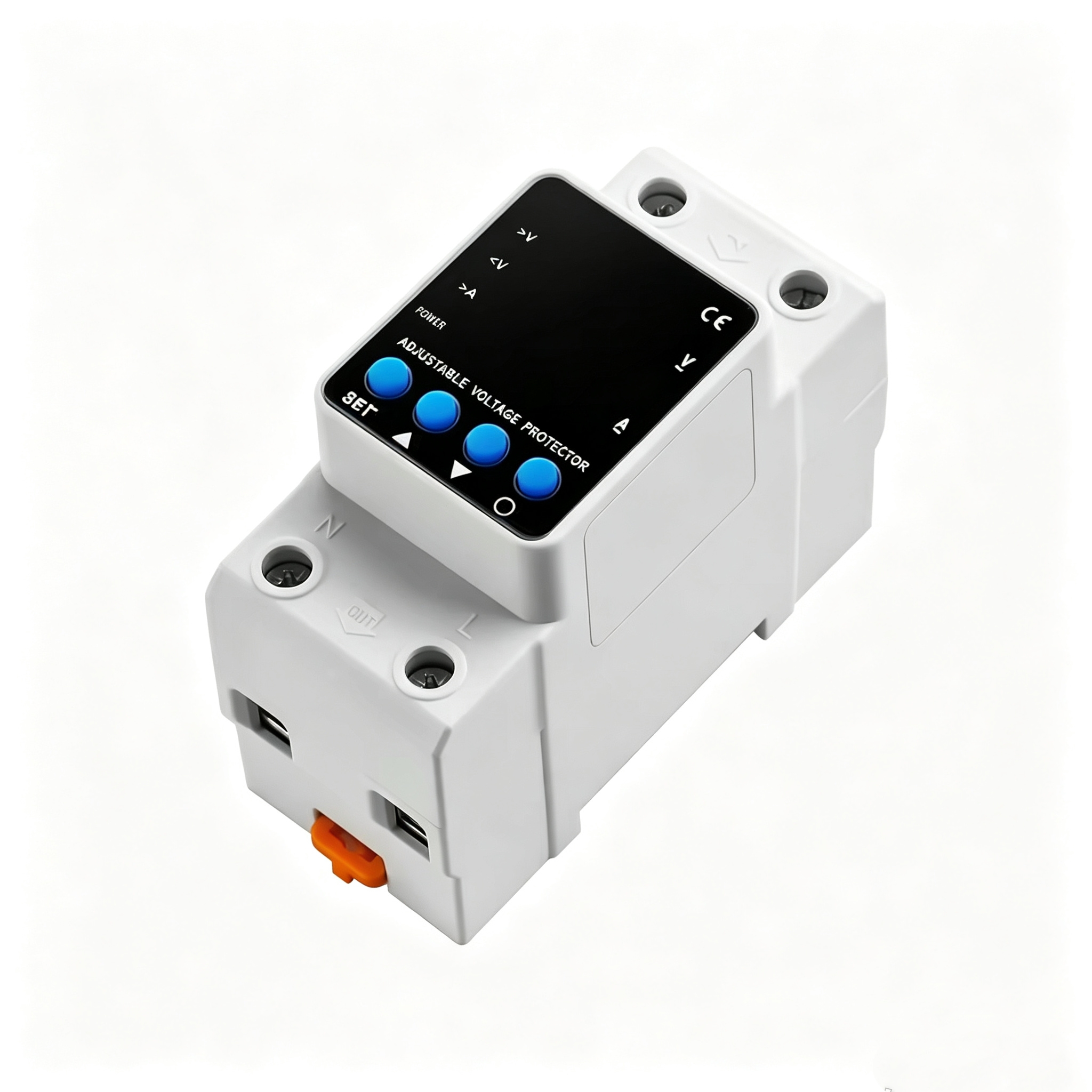
2P 63A AC230V 50/60Hz 6kVA High Efficiency Intelligent 6-in-1 Auto Reconnect Over/Under Voltage
View Technical Specs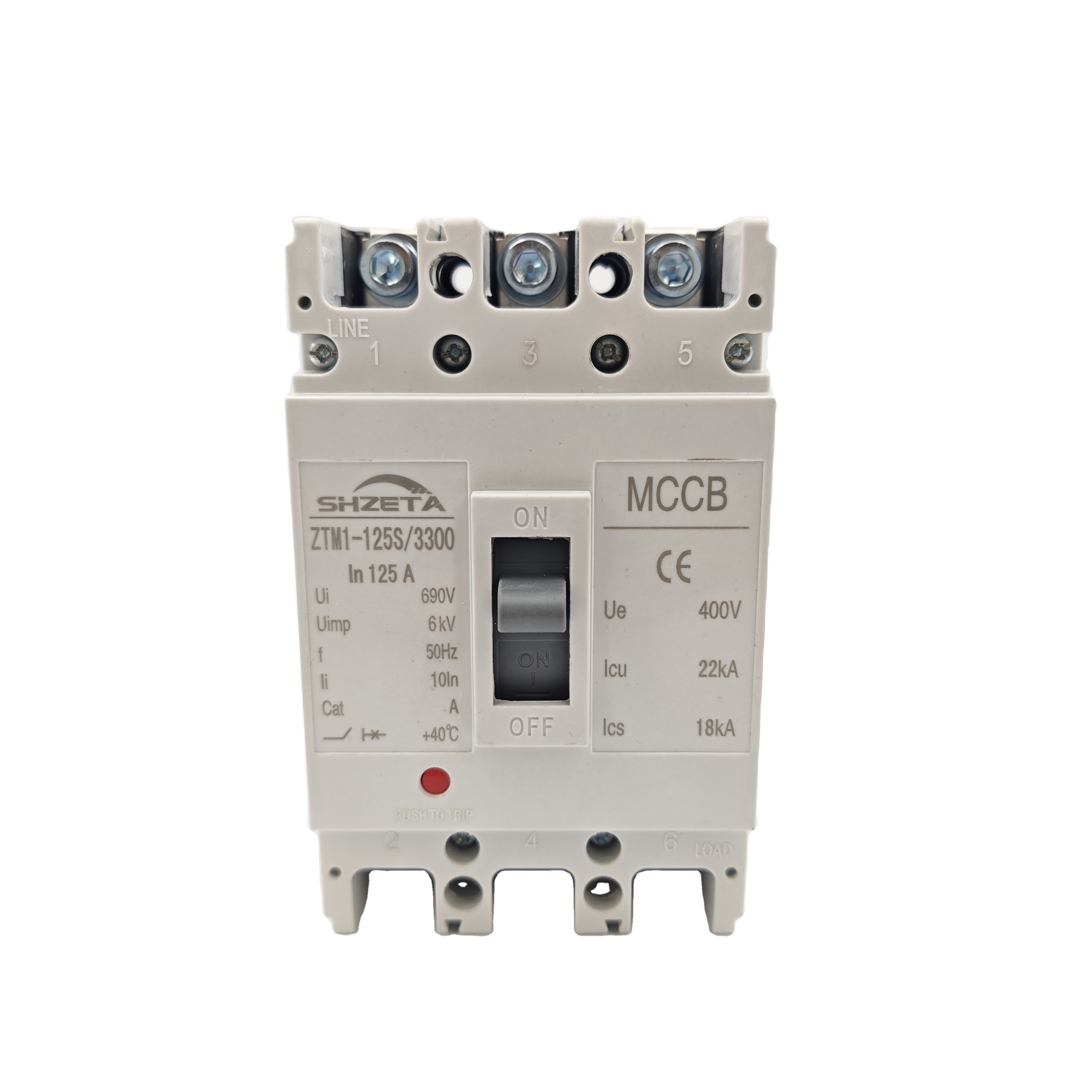
Mutai 3p 80amp 100 Amp Thermal Magnetic Circuit Breaker 415V 35kA 50/60Hz
View Technical Specs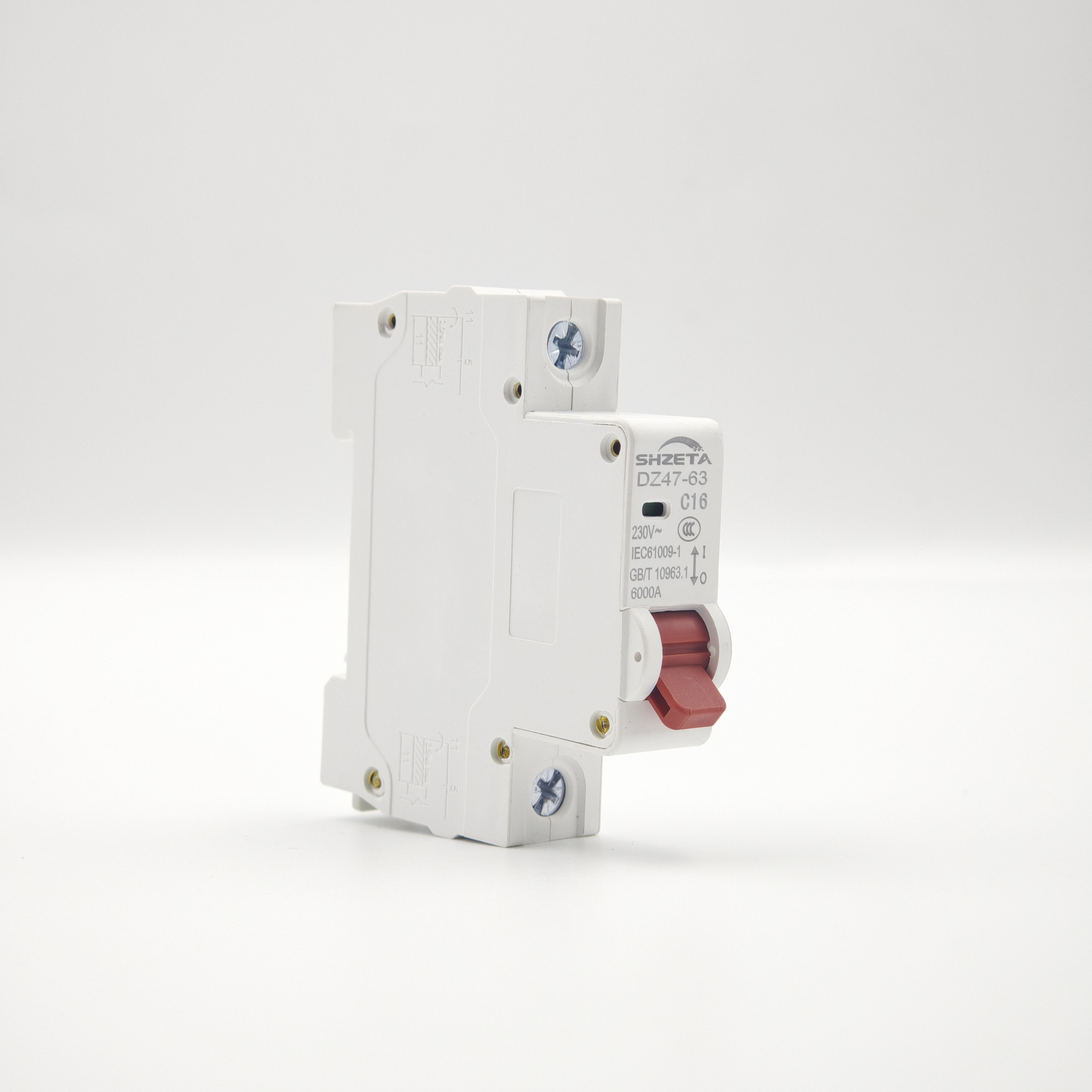
Mini Circuit Breaker 1P+N 2P 3P 4P 50Hz Mechanical Interlocking Low Price DC MCB
View Technical Specs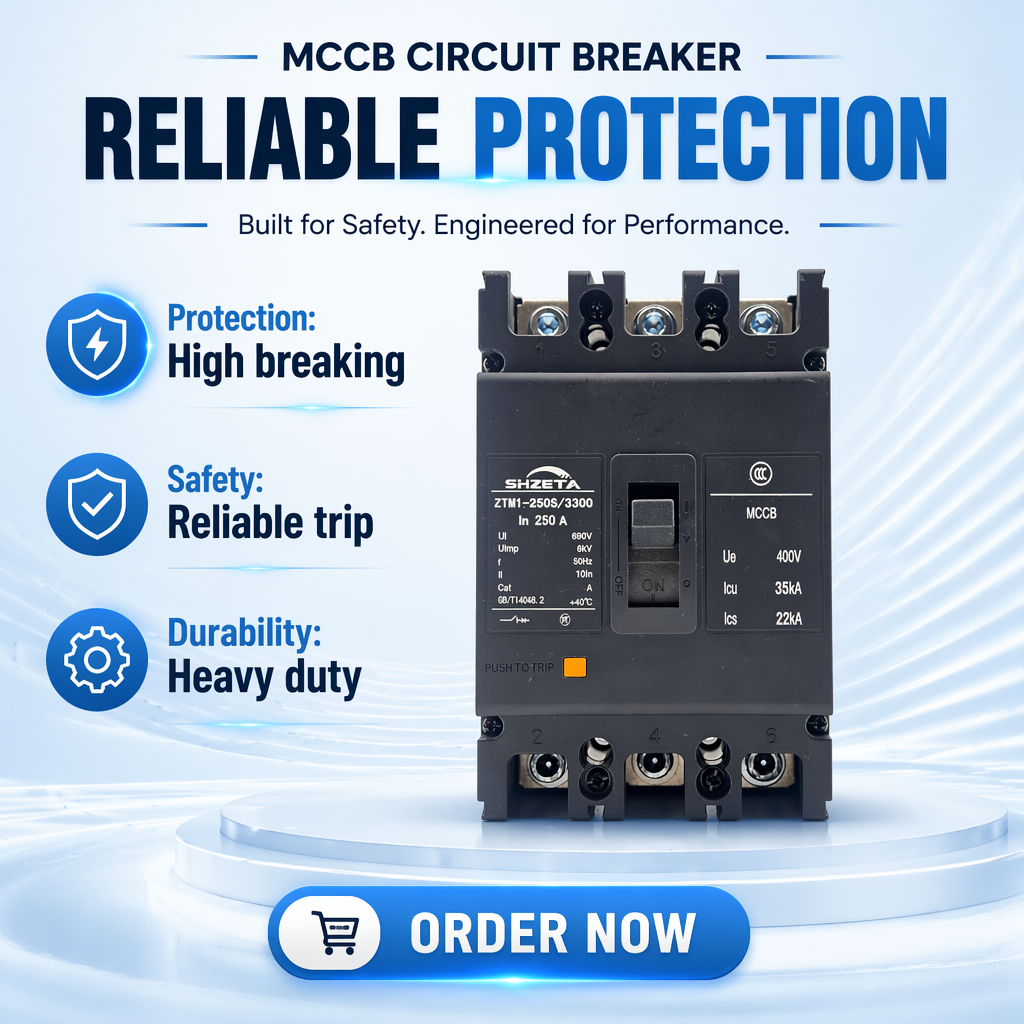
Molded Case Circuit Breaker Thermal-Magnetic Trip Unit Copper & Plastic 50kA/100kA 400VAC/690VAC
View Technical SpecsThermal-Magnetic MCCB Engineering in Salmiya: Overcoming Desert Marine Stress
Salmiya represents one of Kuwait’s most commercially vibrant and structurally dense coastal urban sectors. Situated along the Arabian Gulf within the Hawalli Governorate, the district combines high-density commercial complexes along Salem Al-Mubarak Street, premier retail waterfront developments such as Marina Mall, luxury hospitality towers, and extensive multi-story residential housing blocks. Operating electrical distribution hardware in Salmiya presents a rigorous set of electrical and environmental engineering challenges that standard off-the-shelf switchgear cannot survive without rapid degradation.
The primary concern for electrical project engineers and switchboard fabricators in this locality is thermal derating. Under ambient summer heat where exterior temperatures regularly exceed 50°C (122°F), switchboards located in rooftop mechanical rooms, unconditioned plant enclosures, or surface-mounted service pillars experience internal cabinet temperatures approaching 65°C to 70°C. Standard thermal-magnetic molded case circuit breakers (MCCB) calibrated to standard European 30°C or 40°C benchmarks suffer from severe nuisance tripping when exposed to continuous high loads, as the inverse-time bimetallic strip deflects prematurely without the presence of actual circuit overloads.
Furthermore, Salmiya’s proximity to the Arabian Gulf creates an aggressively humid, salt-laden marine air corridor. Airborne saline mist entering ventilation louvers triggers electrochemical oxidation on copper busbar connections, silver alloy terminal interfaces, and mechanical toggle springs. Zhejiang Graybar Electric Co., Ltd. addresses this hostile operating climate by manufacturing thermal-magnetic MCCBs utilizing high-percentage silver-nickel (AgNi) alloy contacts, anti-tracking thermoset polyester casing materials with high CTI (Comparative Tracking Index > 600V), and internal factory calibration curve adjustments calibrated for a 50°C or 55°C operational baseline.
50°C–55°C Base Calibration
Our bimetallic deflection strips are thermo-mechanically matched with high-grade Cu-Ni-Mn alloys to prevent premature de-latching under elevated Middle Eastern switchroom temperatures.
Saline-Resistant Metallurgy
De-ion arc chute plates undergo heavy zinc-nickel passivated plating, while primary terminals are constructed of electro-tinned 99.9% ETP electrolytic grade copper to eliminate salt-fog pitting.
High Breaking Envelope
Available in ultimate breaking capacities (Icu) reaching 50kA, 85kA, and 100kA at 400V/415V, easily handling low-impedance faults directly adjacent to Ministry of Electricity & Water (MEW) substations.
Thermal-Magnetic Principle & Selective Fault Coordination
A dual-action thermal-magnetic MCCB serves as the foundational barrier in LV feeder networks, providing two interdependent protection modes within a unified molded frame:
1. Overload Protection (Thermal Mechanism): Operates on the inverse-time characteristic ($I^2t$). As continuous current exceeds nominal rating ($I_n$), a calibrated bimetal consisting of two bonded metallic strips with disparate thermal expansion coefficients begins to bend. This physical deformation gradually trips the mechanical operating mechanism. For commercial cooling operations across Salmiya, where massive chiller compressors and multiple central AHUs create thermal inertia, precise calibration ensures start-up spikes do not provoke non-genuine trips, while authentic thermal overloads are quenched reliably before thermal degradation can damage cross-linked polyethylene (XLPE) insulated cables.
2. Short-Circuit Protection (Magnetic Mechanism): Utilizes an electromagnetic solenoid or magnetic yoke assembly. In the event of catastrophic short-circuit currents (phase-to-phase, phase-to-earth, or bolted busbar faults), high instantaneous flux generates rapid magnetic forces that displace the trip latch in less than 10 milliseconds, driving the movable contacts apart before peak short-circuit currents reach full mechanical destruction potential. This fast opening is accelerated by electrodynamic repulsion forces between the stationary and movable contacts.
| Protection Metric | Standard Commercial MCCB | Graybar Tropicalized MCCB (Salmiya Spec) | Project Engineering Impact |
|---|---|---|---|
| Reference Calibration Temperature | 30°C to 40°C | 50°C to 55°C Factory Preset | Eliminates 15–25% forced oversizing of breaker frames in uncooled rooftop plant rooms. |
| Ics / Icu Ratio | 50% to 75% | 100% Rated Service Breaking | Device maintains full operational continuity and dielectric integrity after clearing an extreme fault. |
| Molded Housing Compound | Standard Thermoplastic (PA66) | High CTI Glass-Fiber Reinforced BMC/SMC | Zero frame carbonization, superior self-extinguishing capability (UL94 V-0), high arc containment. |
| Arc Quenching Chamber | 9 to 11 Steel De-ion Plates | 13 to 15 Nickel-Plated Copper Composite Plates | Rapid arc stretching, split-cooling, and quenching under 8ms; minimal contact ablation. |
| Dielectric Withstand (Ui) | 690V | 800V to 1000V AC | Superior withstand against extreme line surges, switching impulses, and grid harmonic distortion. |
Localized Application Scenarios in Salmiya & Kuwait Urban Grids
The urban topography of Salmiya requires specialized electrical coordination across diverse facility types. Zhejiang Graybar Electric Co., Ltd. provides comprehensive engineering configurations suited to specific installation parameters across Kuwait:
Rooftop HVAC and Central Chilled Water Plants: Commercial venues along Salem Al-Mubarak Street and Gulf Road maintain intensive variable refrigerant flow (VRF) and heavy water-cooled chillers operating 24/7 during May–October heat waves. High ambient temperatures inside external control cubicles demand MCCBs that combine high motor inrush tolerance (10–12× $I_n$ magnetic pickup) with stable thermal tripping characteristics that do not drift under blistering rooftop sunshine.
Coastal Mixed-Use Developments & Marina Complexes: Installations adjacent to the Salmiya coastline encounter persistent salt mist and high humidity, which can degrade low-voltage switchboards. The combination of our Molded Case Circuit Breaker Thermal-Magnetic Trip Units and 3-Phase Surge Protective Devices (SPD) forms an integrated defense line against transient utility spikes caused by lightning or switching surges on local substations, while eliminating tracking faults across internal phase separators.
Multi-Family Residential Towers & Commercial High-Rises: Dense residential housing throughout blocks 1 through 12 in Salmiya requires sub-distribution panelboards that ensure selective cascade tripping. When a localized fault occurs on a branch circuit equipped with our Miniature Circuit Breakers (MCB), our upstream 125A–250A thermal-magnetic MCCBs maintain continuity on adjacent branch lines, preventing blackouts across common areas, elevator shafts, or booster pump circuits.
Standby Power & Critical Continuity Facilities: In private medical clinics, financial branches, and data communication nodes throughout Salmiya, continuity of power is legally mandated. Our Dual Power Transfer Switch Circuit Automatic ATS (63A–125A) pairs with our 4-Pole thermal-magnetic MCCBs to switch between utility lines and emergency standby generators in under 100 milliseconds, completely isolating phase and neutral conductors to protect sensitive electronic gear against neutral circulating currents and phase floating.
Emerging Trends in Kuwait’s Electrical Infrastructure Procurement
Procurement practices among Kuwaiti contractors, panel builders, and MEP consultants have fundamentally shifted. Driven by strict mandates from the Ministry of Electricity & Water and Renewable Energy (MEW), energy efficiency initiatives, and large-scale public-private partnerships under Kuwait Vision 2035, the low-voltage market demands unprecedented technical rigour:
1. Strict Preference for 4-Pole Neutral Isolation: Due to heavy asymmetric non-linear loads created by LED driver arrays, variable frequency drives (VFDs) for HVAC equipment, and computer servers across Salmiya commercial centres, triplen harmonics (3rd, 9th, 15th) cause significant neutral conductor overheating. Modern specifications overwhelmingly stipulate 4-Pole MCCBs with fully rated (100% neutral) or adjustable neutral protection to safeguard against neutral conductor burnouts.
2. Direct-from-Factory OEM/ODM Partnerships: Supply chain delays and high markups associated with multinational legacy brands have encouraged local switchgear assemblers in Shuwaikh, Al-Rai, and Sabhan industrial sectors to partner directly with tier-1 Chinese manufacturers located in Liushi Town, Wenzhou. By securing verified factory partnerships with Zhejiang Graybar Electric Co., Ltd., local panel builders access competitive bill-of-materials pricing, custom laser-etched branding, tailored connection lug configurations, and reduced lead times.
3. Comprehensive System Packaging: Contractors are no longer purchasing components piecemeal. Modern tenders require cohesive protection architectures where incoming Air Circuit Breakers (ACB), sub-distribution Thermal-Magnetic MCCBs, final distribution MCBs, AC Contactors, and Surge Protective Devices (SPD) arrive with cross-verified cascade tables and fault coordination documentation, eliminating interoperability liabilities on-site.
Strict International Compliance Standards & Factory Verification
Each thermal-magnetic circuit breaker exported from our Liushi facilities to Kuwait undergoes routine dielectric, calibration, and tripping verification strictly aligned with international testing directives:
IEC 60947-2
Industrial Low-Voltage Switchgear & Controlgear: Circuit Breakers
IEC 60898-1
Circuit Breakers for Overcurrent Protection in Household Installations
IEC 61643-11
Low-Voltage Surge Protective Devices for Power Distribution
IEC 60947-6-1
Multiple Function Transfer Switching Equipment (ATS)
IEC 60947-4-1
Electromechanical Contactors & Motor Starters
Why Global EPCs & Salmiya Importers Rely on Graybar Electric
Headquartered in Huangyu Village, Liushi Town, Wenzhou, Zhejiang—globally recognized as China’s epicentre for low-voltage electrical apparatus—Zhejiang Graybar Electric Co., Ltd. offers a verified, vertically integrated manufacturing operation tailored to international B2B buyers:
1. End-to-End Vertical Manufacturing Under One Roof: Unlike traders who assemble components from disparate vendors, our facility integrates injection molding for BMC/SMC frames, high-speed automated progressive die punching for copper contacts and arc chutes, automated bimetal welding, and precision thermal-calibration testing benches within a unified factory footprint. This integration gives our clients strict control over quality, trace-level batch consistency, and stable pricing unaffected by middle-tier broker markups.
2. Low MOQs with Agile Customization: Recognizing that MEP contractors often require specialized sample batches to achieve local client approval, we maintain low starting minimums: standard MCCBs, MCBs, and SPDs start at only 5 pieces per model, while industrial Air Circuit Breakers start at 1 piece. This enables panel builders in Salmiya to test mechanical fits, verify physical busbar clearances, and conduct independent third-party lab testing before committing to full container orders.
3. Comprehensive OEM/ODM Private Labeling: We provide full engineering support for private labeling, including high-contrast laser marking of customized electrical schematics, custom company logos, bespoke terminal covers, and multilingual packaging (Arabic and English instruction manuals designed specifically for Gulf regional standards).
4. Rapid Export Logistics & Third-Party Verification: With rapid highway and rail corridors linking our Liushi warehouses directly to Ningbo and Shanghai sea terminals, standard orders ship on accelerated schedules. Our operations are fully on-site authenticated by international inspection agencies, ensuring complete transparency across trade capacity, credit ratings, and past shipment logs.
Salmiya & Kuwait Electrical Procurement FAQ
Key technical and procurement inquiries handled by our engineering sales desk for switchgear builders, MEP contractors, and component wholesalers in Kuwait:
How do your MCCBs handle Salmiya's summer ambient temperatures exceeding 50°C?
Standard commercial circuit breakers are calibrated to 30°C or 40°C, requiring significant de-rating (often down to 75–80% of nominal capacity) when installed in hot plant rooms. Graybar manufactures thermal-magnetic trip units specifically calibrated for a 50°C or 55°C ambient base, allowing breakers to run at or near full nominal current rating without unwarranted thermal tripping.
Do your products comply with Kuwait Ministry of Electricity & Water (MEW) standards?
Yes. All our low-voltage protection devices are manufactured strictly according to IEC 60947-2 (MCCB/ACB) and IEC 60898-1 (MCB), which forms the core technical foundation of MEW electrical installation regulations. Type test reports, calibration certificates, and material declarations are available for formal consultant submittals.
What breaking capacity (Icu) is recommended for commercial switchboards in Salmiya?
Due to the high electrical density and proximity of step-down 11kV/433V distribution transformers in Salmiya's commercial hubs, prospective fault currents are high. We typically supply main incomers with 50kA or 85kA breaking capacity at 400V/415V, while sub-feeders and secondary panelboards typically operate on our 35kA to 50kA MCCB frames.
Can we order mixed containers containing MCB, MCCB, ACB, and Contactors?
Yes. One of Graybar's core advantages is consolidated shipping. Because our Liushi manufacturing base produces the full low-voltage bill of materials—from 1P DIN-rail MCBs up to 6300A Draw-out ACBs and AC Contactors—you can consolidate all your project requirements into a single LCL or FCL shipment under one set of export documentation.
What is the standard lead time for shipment from China to Shuwaikh Port, Kuwait?
Production lead times for standard MCCB and MCB orders are typically 15–20 days depending on volume and customization. Sea transit time from Ningbo or Shanghai port directly to Shuwaikh Port (Kuwait) typically ranges from 20 to 26 days, supported by complete COO, SASO/regional compliance, and verified bill of lading documentation.
Are auxiliary contacts, shunt trips, and motorized operators available for MCCBs?
Yes. We supply a full modular accessory ecosystem for our thermal-magnetic MCCBs, including field-installable auxiliary contacts (OF), alarm switches (SD), shunt trip releases (MX), undervoltage releases (MN), rotary extended door-mounting handles, and motorized operating mechanisms for automated SCADA integration.
Request Engineering Datasheets & Wholesale Pricing
Planning an upcoming distribution board build, commercial retrofit, or switchgear tender in Salmiya or Kuwait City? Connect directly with our application engineers for tailored curve coordination, sample testing requests, and container-level pricing.
Get a Quote