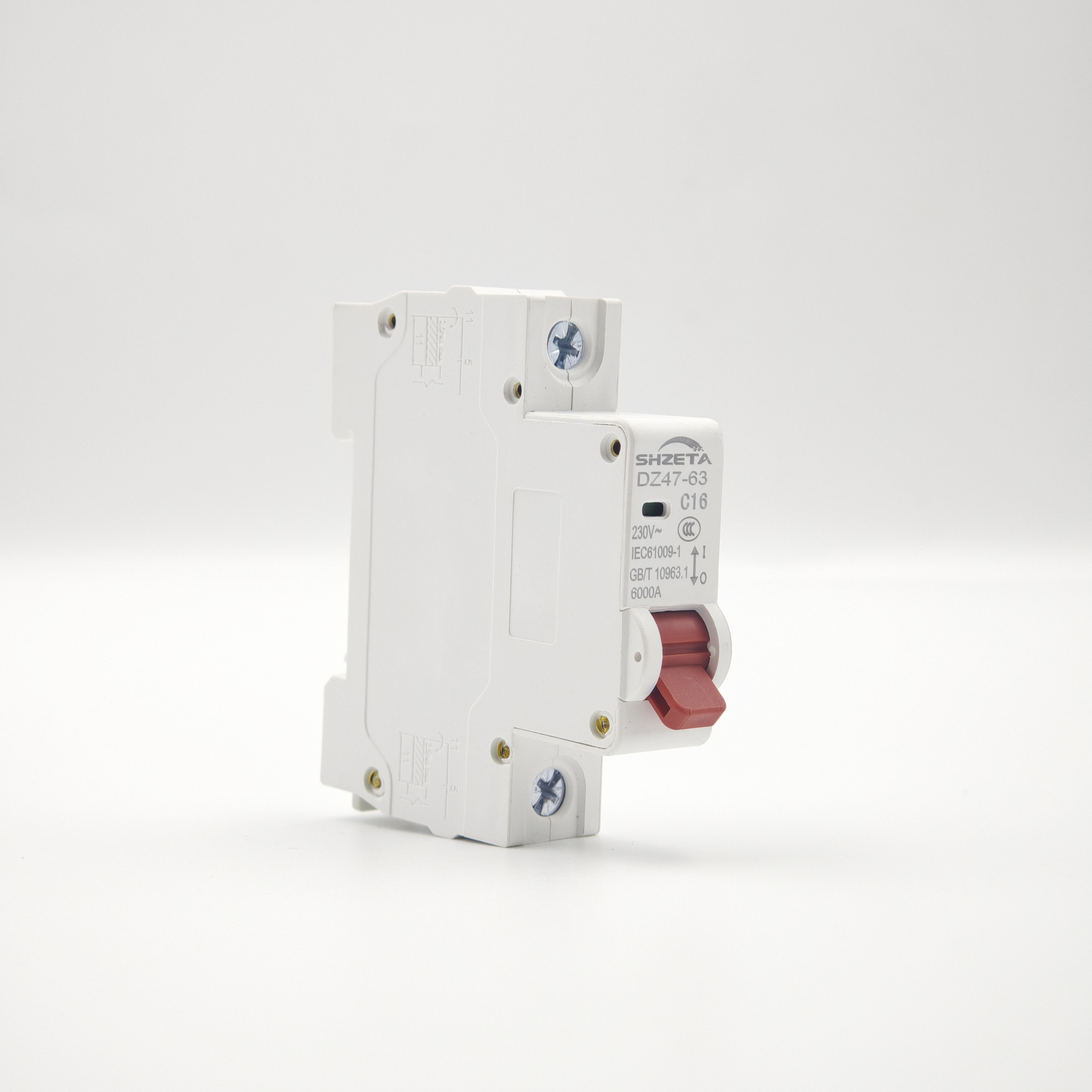
Featured Low-Voltage Protection Devices
Essential Circuit Protection & Monitoring Portfolio
Engineered for harsh tropical coastal grids, high lightning flash densities, and unstable generator-to-grid switching environments across Suai and southern Timor-Leste.
100 kA
Max Discharge Capacity (Imax)
< 25 ns
Ultra-Fast MOV Response
IEC 61643-11
Full Global Compliance
5 Pieces
Low OEM/B2B Trial MOQ
Technical Whitepaper Deep-Dive
Transient Overvoltage Dynamics in the Suai Coastal & Industrial Corridor
Evaluating electromagnetic impulse risks, grounding network degradation, and high-frequency switching transients across Covalima District.
Located on the southwest coast of Timor-Leste bordering the Timor Sea, Suai serves as the strategic administrative capital of Covalima District and the physical cornerstone of the nation’s energy transformation via the Tasi Mane petroleum and infrastructure initiative. However, electrical infrastructure deployed across Suai faces one of the most punitive operating environments in Southeast Asia. Characterized by an intense equatorial maritime climate, the Suai basin records an average keraunic activity exceeding 140 thunderstorm days per year, translating to high ground flash densities (GFD) that frequently subject electrical distribution networks to destructive atmospheric discharges.
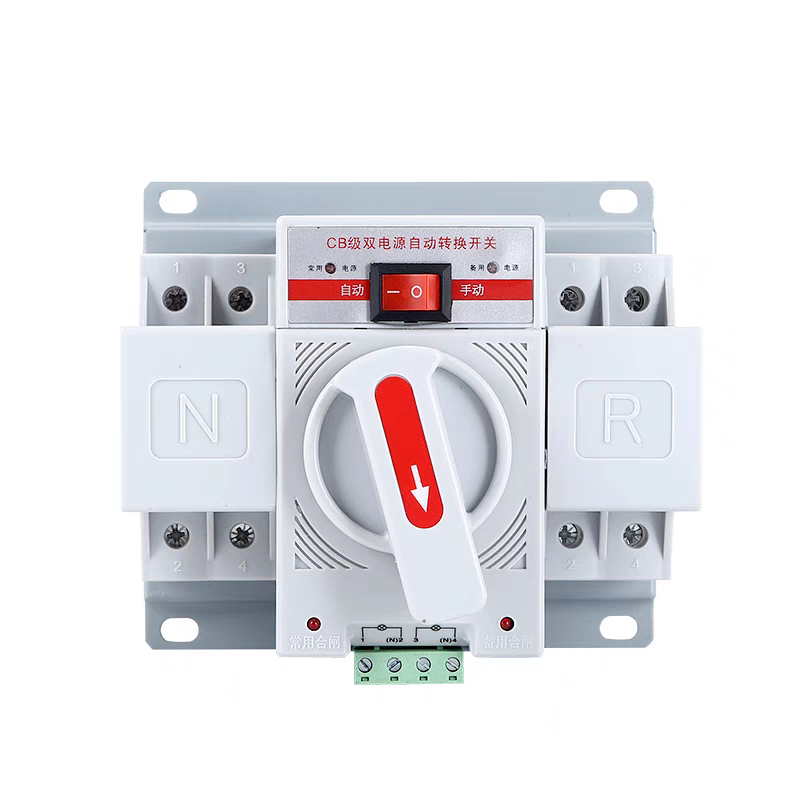
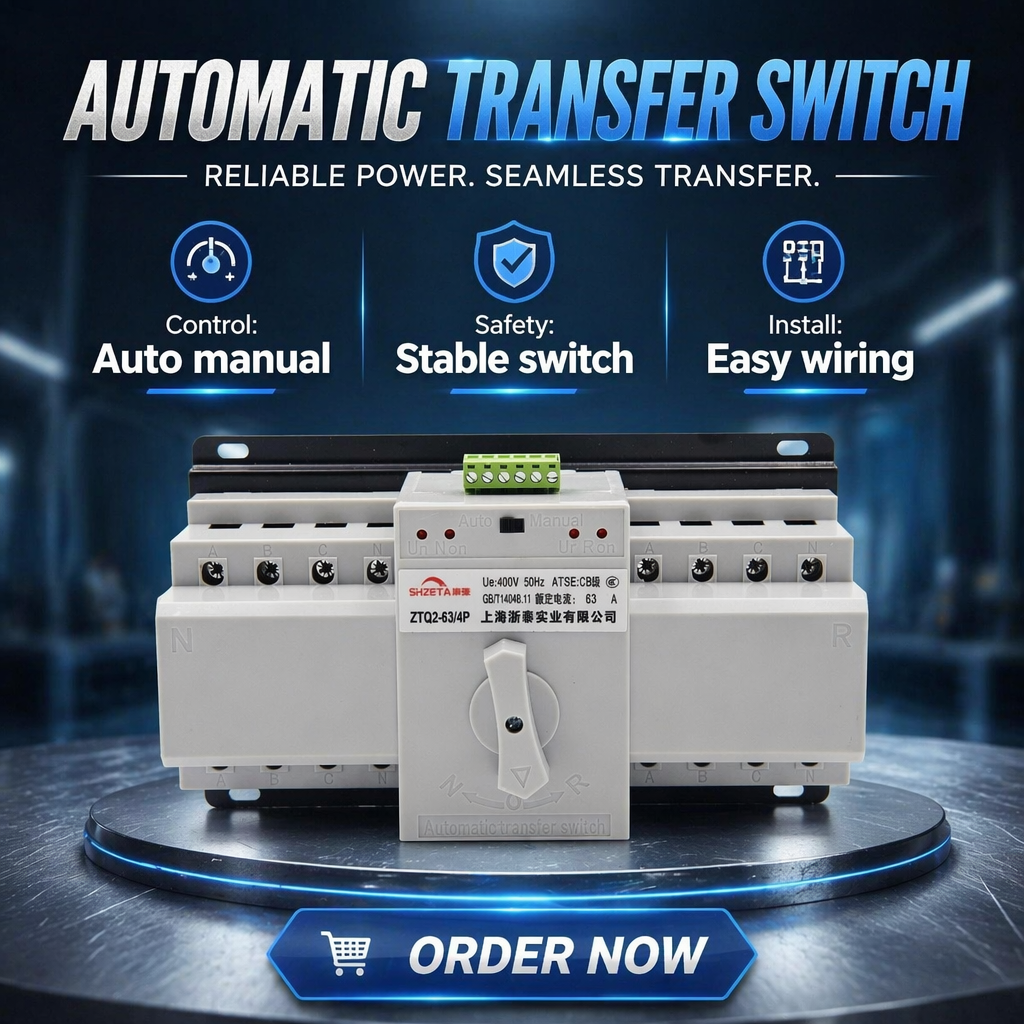
The vulnerability of low-voltage electrical assets in Suai is compounded by the local utility distribution architecture. Power delivered via Electricidade de Timor-Leste (EDTL) traverses lengthy medium-voltage (20kV) overhead lines exposed across rugged coastal plains and mountainous ridges. Direct strikes to conductors, induced surges from nearby cloud-to-ground lightning channels, and inductive back-coupling consistently generate high dV/dt transient spikes. Furthermore, due to periodic grid instability, industrial installations, logistical operations at the Suai Supply Base (SSB), municipal facilities, and commercial compounds rely heavily on localized diesel generator sets. The continuous transfer between utility feeds and secondary generator power through Automatic Transfer Switches (ATS) triggers substantial high-frequency switching surges, inductive kickbacks, and sustained Temporary Overvoltages (TOVs) that standard switchgear cannot mitigate without coordinated Surge Protective Devices (SPDs).
Type 1 / Class I (Direct Strike)
Engineered for service entrance panels directly coupled to external lightning protection systems (LPS). Utilizes heavy-duty spark-gap or high-energy encapsulated zinc oxide varistors (MOV) with a 10/350 µs impulse current rating (Iimp ≥ 12.5kA to 25kA per pole) to dissipate direct strike currents harmlessly to earth.
Type 2 / Class II (Induced Surges)
Installed at main and sub-distribution boards downstream of the incomer. Designed to clamp residual atmospheric surges and internal switching spikes using an 8/20 µs wave profile. Features high nominal discharge current (In 20kA) and maximum discharge current (Imax up to 40kA–80kA) with voltage protection levels Up < 1.5kV.
Type 3 / Class III (Terminal Equipment)
Point-of-use transient voltage surge suppressors placed immediately adjacent to sensitive microprocessors, PLCs, marine SCADA control racks, telecommunication receivers, and laboratory instrumentation, providing fine-tuned clamping to suppress residual microsecond ringing transients.
Deploying standard commercial-grade arresters in Suai without considering environmental degradation leads to premature varistor failure. The combination of high ambient temperatures (regularly exceeding 34°C), relative humidity reaching 90%, and airborne marine sodium chloride deposits accelerates electrochemical migration and insulation breakdown. Reliable surge protection in Covalima requires DIN-rail modular SPDs equipped with fast-acting dynamic thermal disconnectors, arc-extinguishing chambers, mechanical inspection flags, and remote telemetry signalling contacts for continuous operational visibility.
Selection Engineering Matrix
Coordinated Surge Protection Parameters for 230V/400V 50Hz Networks
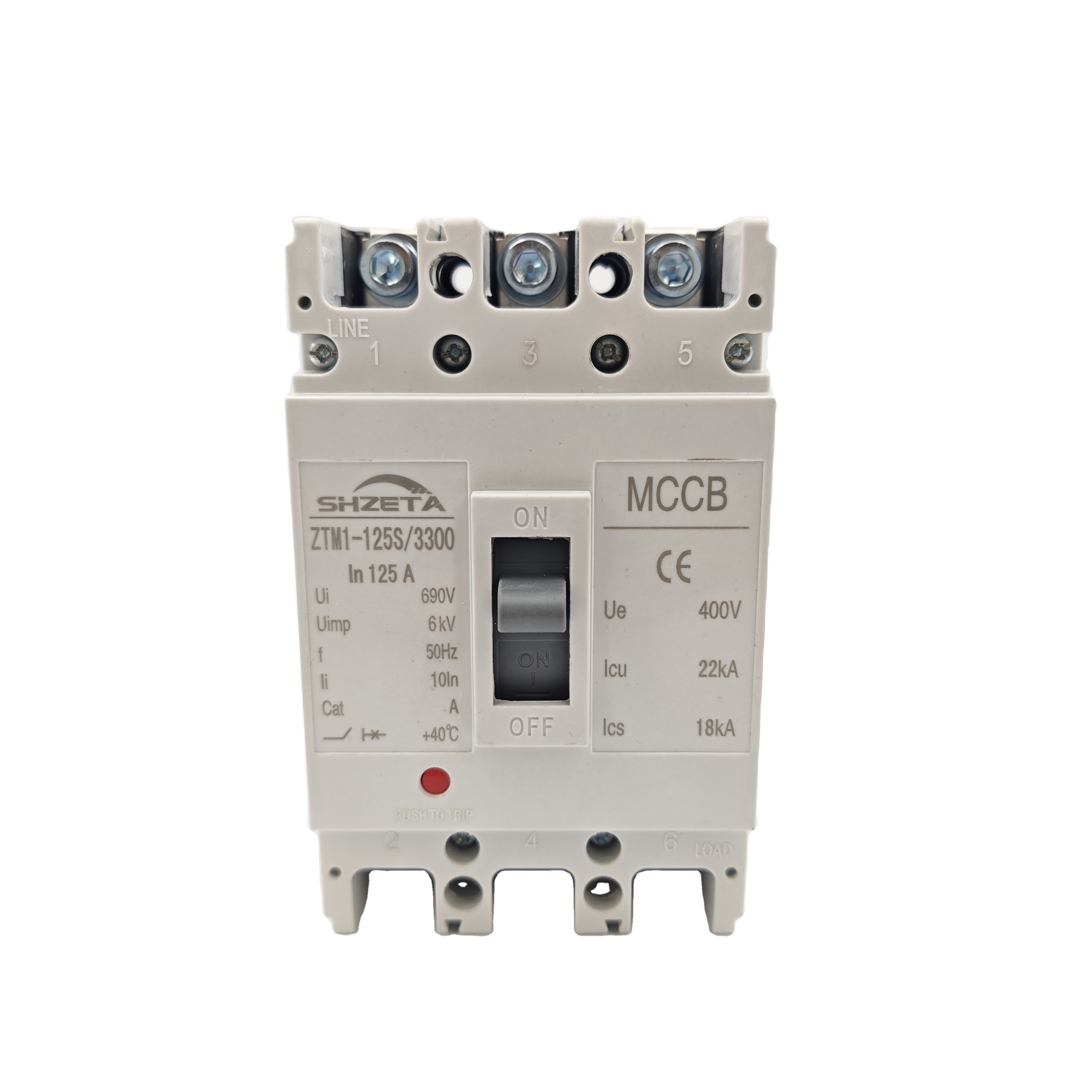
| SPD Class / System Role | Waveform Standard | Discharge Rating (In / Imax / Iimp) | Voltage Protection Level (Up) | Recommended Backup Overcurrent Protection | Optimal Placement in Suai Panels |
|---|---|---|---|---|---|
| Type 1+2 Combined Incomer Arrester | 10/350 µs & 8/20 µs | Iimp = 25 kA / pole Imax = 100 kA |
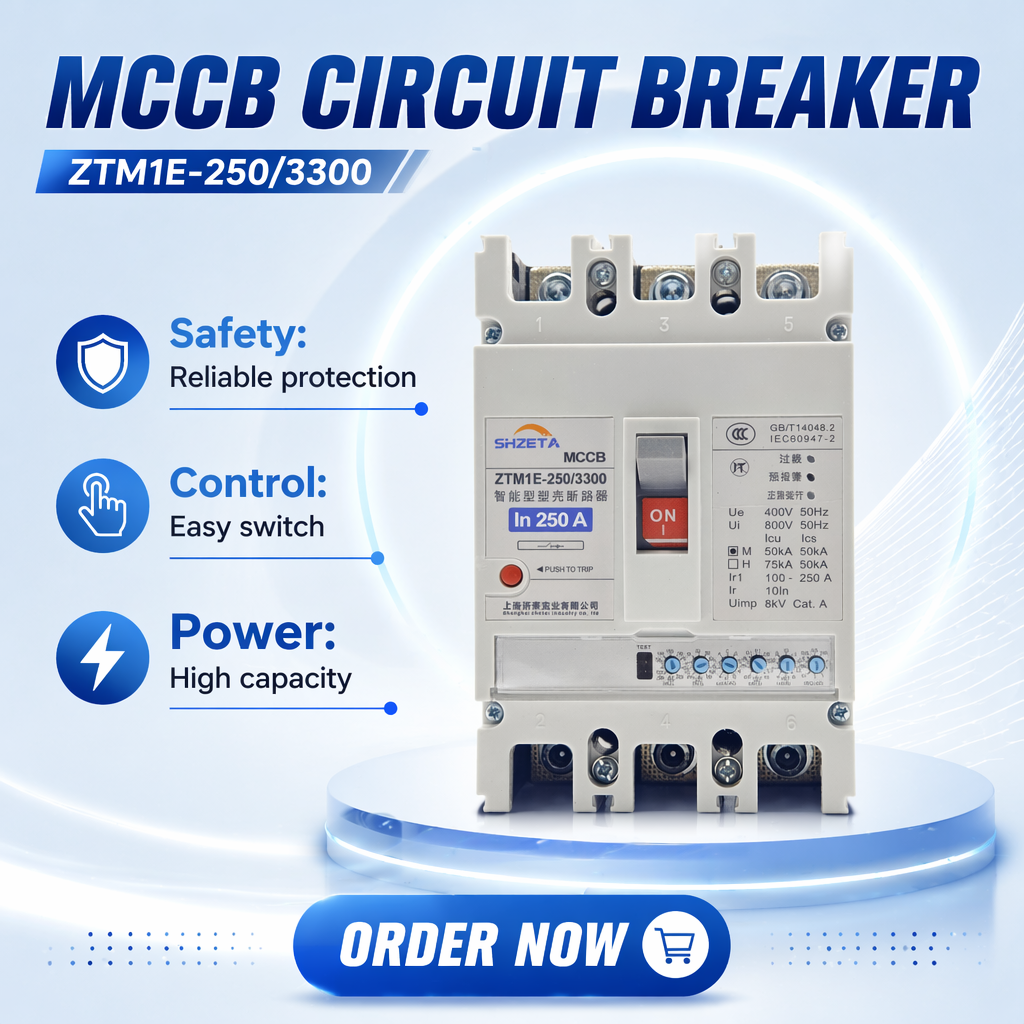
Up ≤ 1.5 kV | Thermal-Magnetic MCCB (125A–250A) | Main Low-Voltage Switchboard (MLVS), Transformer Secondary, Main Coastal Incomer |
| Type 2 Secondary Distribution SPD | 8/20 µs | In = 20 kA Imax = 40 kA to 65 kA |
Up ≤ 1.2 kV | High Breaking Capacity MCB (32A–63A) | Sub-Distribution Panels, Motor Control Centers (MCC), Lighting Boards |
| Type 2+3 Electronic & Inverter SPD | 8/20 µs & 1.2/50 µs | In = 10 kA Imax = 20 kA |
Up ≤ 0.9 kV | Integrated Electronic / 20A MCB | Solar Hybrid Inverters, Telecom Base Stations, Marine Radar Power Panels |
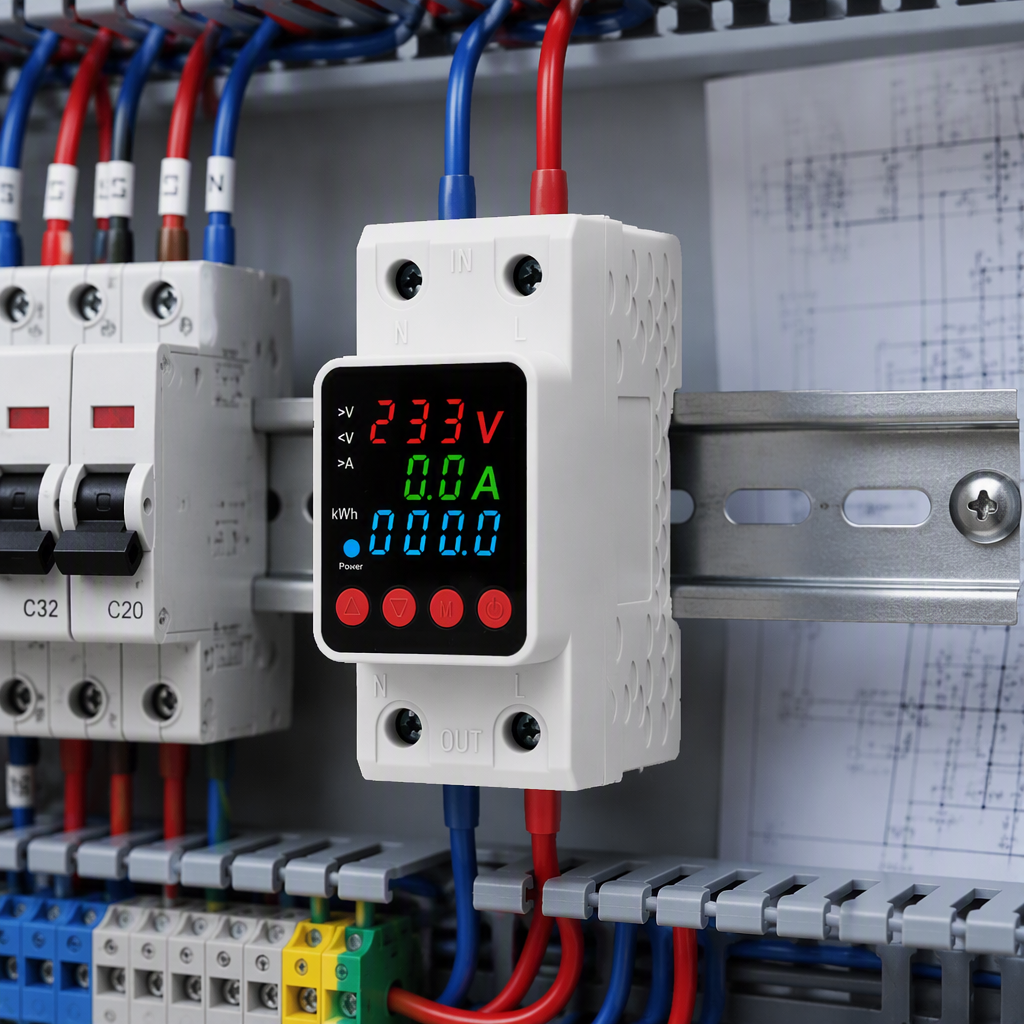
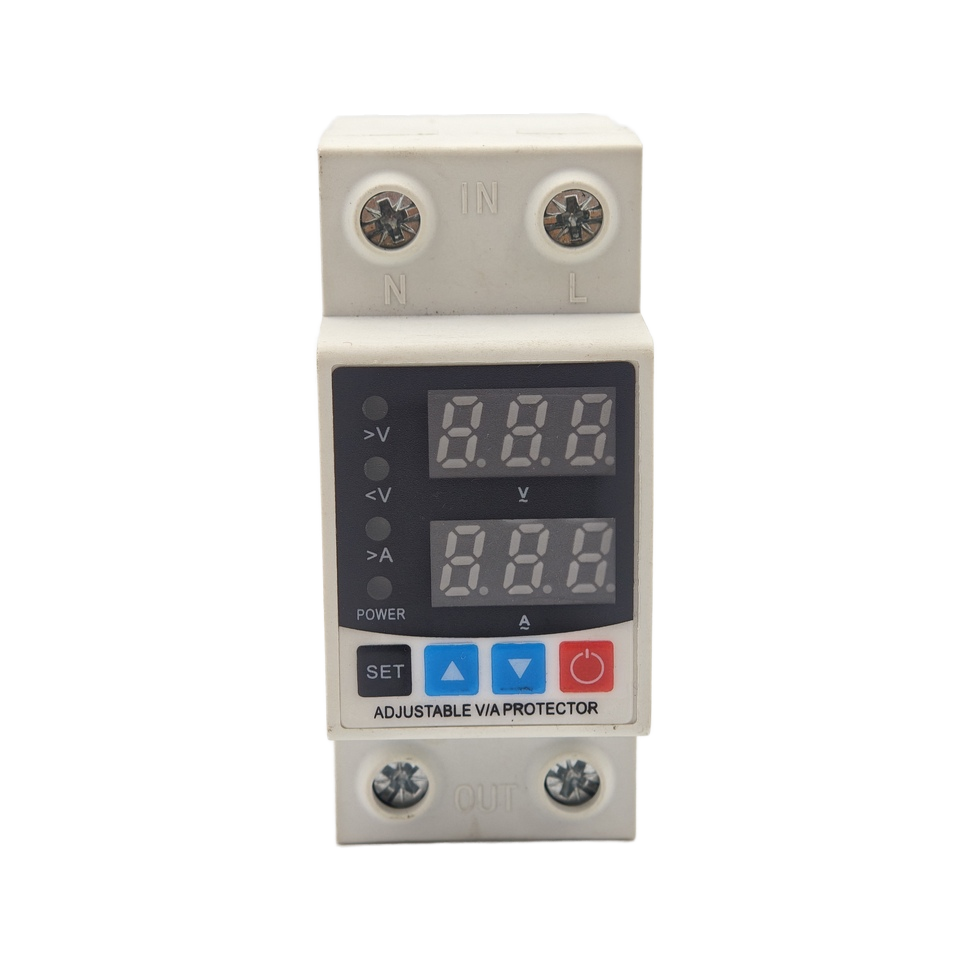
| Adjustable Self-Recovery Protector | 50 Hz Sine & Swell | Continuous 40A / 63A Surge withstand 30kVA |
Overvoltage: 230–300V Undervoltage: 140–210V |
Self-Contained Switching Device | Branch Distribution Boards with Over/Under Voltage Control |
Localized Field Implementations
Engineered Surge Protection Scenarios Across Suai
Targeted electrotechnical protection topologies deployed in Covalima’s primary infrastructure nodes.
1. Suai Supply Base (SSB) & Coastal Marine Terminals
Heavy-duty logistics terminals, fuel bunkering facilities, and coastal warehouses at the Suai Supply Base require extreme-grade protection. Atmospheric discharges hitting dockside gantry cranes and perimeter lighting poles transmit thousands of amperes into the local ground mesh. Graybar Type 1+2 heavy-duty SPDs (Iimp 25kA, 10/350 µs) paired with high-breaking-capacity 50kA/100kA Thermal-Magnetic MCCBs eliminate the danger of step-potential flashovers and prevent catastrophic ignition risks across hazardous fueling zones.
2. Solar PV Mini-Grids & Rural Electrification
Throughout rural administrative posts surrounding Suai—such as Camenaça, Debos, and Tilomar—isolated solar photovoltaic mini-grids supply community clinics and schools. Long DC string cables run horizontally across open fields, acting as wide inductive loops during lightning activity. We deliver specialized 600V, 1000V, and 1500V DC surge arresters paired with Mechanical Interlocking DC MCBs that isolate inverter MPPT inputs and prevent irreparable semiconductor punctures.
3. Cellular Towers & Remote Microwave Relays
Telecommunication base stations on elevated ridges overlooking the Timor Sea represent prime targets for direct cloud-to-ground strikes. These stations require comprehensive Class I + Class II coordinated arrays to protect rectifiers, telecom battery banks, and remote radio units (RRU). Units equipped with remote alarm auxiliary contacts allow maintenance teams in Dili and Suai to instantly detect MOV cartridge degradation via network management systems without dispatching field crews over flooded roads.
4. Commercial Compounds & Healthcare Clinics
Hospitals and commercial buildings in central Suai frequently navigate utility voltage fluctuations and severe blackouts. When switching from grid supply to backup diesel generators via DIN Rail ATS 2P/4P Switches, generator load-shedding and inductive kickbacks generate destructive surges. Installing our combined Adjustable Over/Under Voltage Reconnect Devices directly safeguards cold-chain vaccine storage, surgical lighting, and IT hardware.
Emerging Market Analysis
Electrification Trends & Protection Standards in Suai
Strategic dynamics transforming procurement, specification criteria, and compliance in Covalima District.
The electrification landscape of Suai is transitioning from basic post-conflict network restoration into an era of standardized, code-compliant industrial development. As part of Timor-Leste's Strategic Development Plan (2011–2030), significant capital expenditure is targeted at modernizing the southern regional energy network. The following trends dictate procurement strategies for engineering procurement contractors (EPCs) and local electrical wholesalers:
Mandatory IEC 61643 Harmonization
Government ministries, port authorities, and international developers in Timor-Leste increasingly disqualify generic, non-certified electrical hardware. Benders must submit third-party verified test reports conforming to IEC 61643-11 for low-voltage surge protective devices and IEC 60947-2 for industrial MCCBs.
Coastal Anti-Corrosion Enclosures
With Suai’s onshore facilities subject to constant humid maritime air, demand has pivoted towards tropicalized switchgear components. Polycarbonate flame-retardant housings (UL 94 V-0), high silver-content internal contacts, and anti-corrosive copper busbar platings are mandatory to prevent early oxidation.
Multi-Tier Protection Coordination
Consulting engineers on Suai projects no longer accept single-point SPD installations. Standard engineering tenders now demand cascaded, coordinated topologies integrating Type 1 upstream arresters, Type 2 distribution suppressors, and digital over/undervoltage monitoring meters.
Manufacturing Excellence
Why Importers & Contractors Trust Zhejiang Graybar
Direct manufacturer capabilities based in Liushi, Wenzhou — China's premier low-voltage electrical apparatus cluster.
Integrated Manufacturing
Full manufacturing control from precision metal stamping and silver-alloy contact sintering to automated surface mounting and robotic assembly in Liushi, Wenzhou.
100% Rigorous Inspection
Every batch undergoes strict 8/20 µs and 10/350 µs impulse test bench verification, thermal trip curve verification, and dielectric isolation tests before shipping.
Flexible Low B2B MOQs
We eliminate barriers for overseas contractors with low starting minimum order quantities: only 5 pieces for standard MCB/MCCB/SPD and 1 piece for heavy air circuit breakers.
OEM / ODM Customization
Full engineering support for private labeling, customized voltage/current thresholds, bespoke packaging, laser etching, and multilingual technical manuals.
Procurement Insights
Frequently Asked Questions for the Suai Market
Direct technical answers addressing electrical grounding, customs shipping, and project deployment in Timor-Leste.
What earthing system configurations are commonly encountered in Suai, and how does this affect SPD pole selection?
Across Suai and Covalima District, both TT and TN-C-S earthing configurations are deployed depending on whether power is fed directly from municipal EDTL pole-mounted transformers or self-contained facility diesel generator substations. In a TT earthing scheme—prevalent in residential and light commercial sites—a 3P+N (or 1P+N for single-phase) "3+1" or "1+1" SPD topology is mandatory. Here, varistors (MOV) connect between phase conductors and neutral, while a heavy-duty gas discharge tube (GDT) connects between neutral and protective earth (PE). This configuration eliminates leakage current to ground and prevents dangerous touch potentials under network fault conditions, fully conforming to IEC 60364-5-534.
How do you protect SPDs from premature degradation caused by Suai's high coastal humidity and saline air?
Zhejiang Graybar applies targeted environmental engineering to SPDs destined for tropical coastal regions. Our internal MOV disks are hermetically sealed using high-grade vulcanized epoxy resins that block atmospheric moisture infiltration. Internal spring contacts and thermal disconnection triggers utilize tin-plated copper alloys with enhanced resistance to galvanic corrosion. For panels installed at the Suai Supply Base, we advise housing our DIN-rail devices within IP65-rated sealed non-metallic enclosures fitted with breather vents to eliminate internal condensation while maintaining IEC compliance.
What backup overcurrent protection should be installed ahead of the SPD cartridges?
Every surge protective device must be coordinated with dedicated upstream backup overcurrent protection to guard against short-circuit conditions when an MOV reaches end-of-life. For our 40kA Type 2 SPDs, we recommend installing a dedicated 32A or 50A C-curve miniature circuit breaker such as our high-performance DIN-rail MCB or gG/gL cartridge fuses. The backup breaker must have a short-circuit breaking capacity equal to or exceeding the prospective fault current (Icc) at that point in the distribution board.
What are the typical sea freight lead times and logistics routes from your factory to Suai, Timor-Leste?
Cargo leaves our manufacturing facilities in Liushi, Wenzhou, via Ningbo Port or Shanghai Port. Container shipments (FCL or LCL) are routed via Singapore or Surabaya directly to the modern deep-water Port of Tibar (Tibar Bay Port) near Dili. Typical maritime transit time ranges from 18 to 26 days. From Tibar, cargo is transported overland via the Dili–Ainaro–Suai national road corridor directly to project sites or local warehouses in Covalima within 1 to 2 days after customs clearance.
Can your team provide customized laser branding, voltage ratings, and OEM packaging for local wholesale distribution?
Yes. Zhejiang Graybar Electric provides comprehensive OEM/ODM solutions for established electrical supply distributors in Timor-Leste. We support customized laser marking for logos and part numbers, tailored voltage clamping parameters (e.g., custom Uc ratings up to 385V or 440V to tolerate high grid swells), localized packaging with bilingual technical documentation (English & Portuguese), and complete batch test documentation.
Ready to Secure Your Suai Project with Certified Surge Protection?
Send your project single-line diagrams, bills of quantities, or customized distributor requirements directly to our senior electrical engineering team for technical coordination and factory direct quotes.