Certified Switchgear & Protection Hardware Portfolio
Direct OEM & wholesale components supporting panel builders, EPCs, and electrical contractors across the Konya Organized Industrial Zone (KOS) and Central Anatolia.
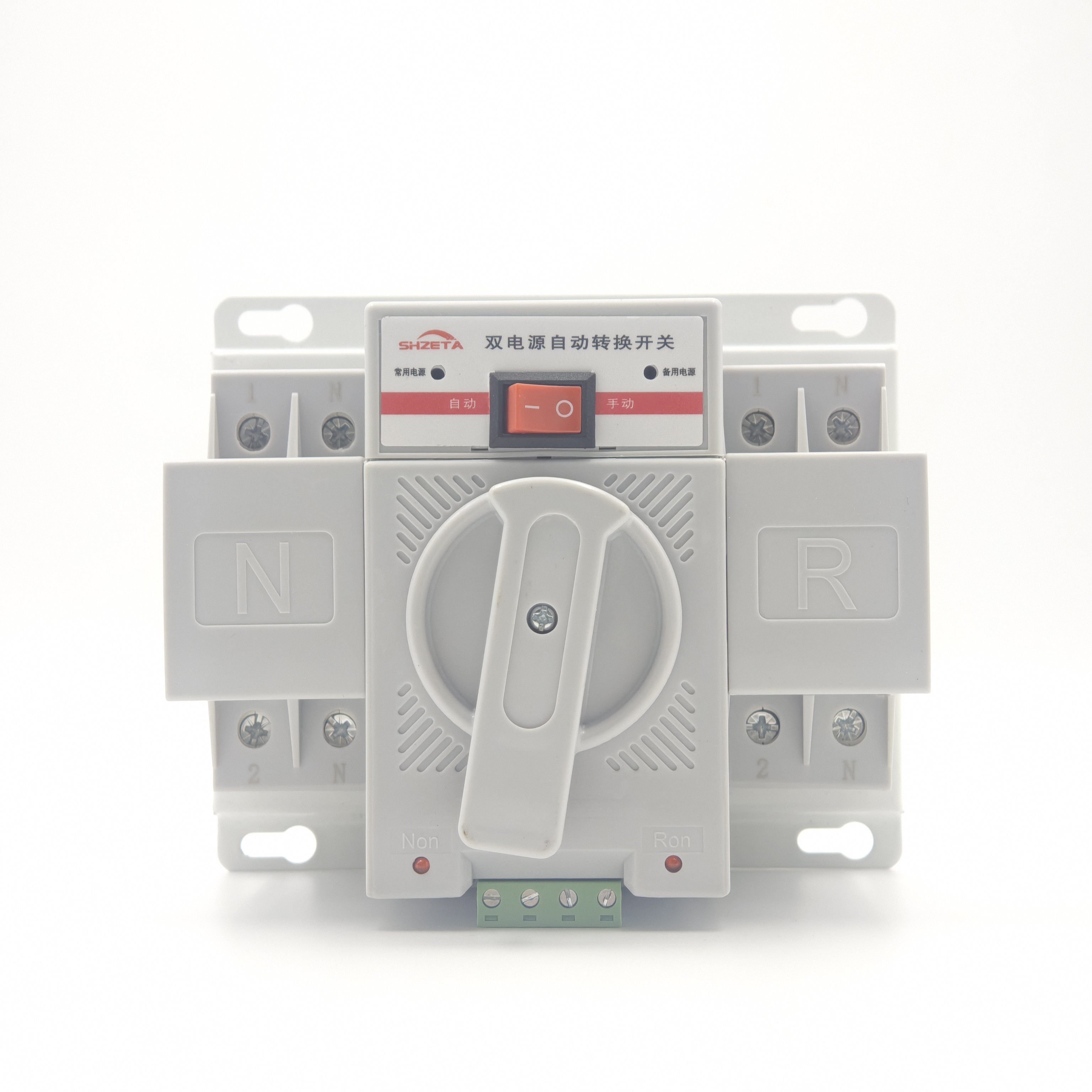
- Rated Voltage:220V AC (50Hz)
- Breaking Capacity:6kA
- Frame Current:63A
- Application:Continuous Generator Transfer
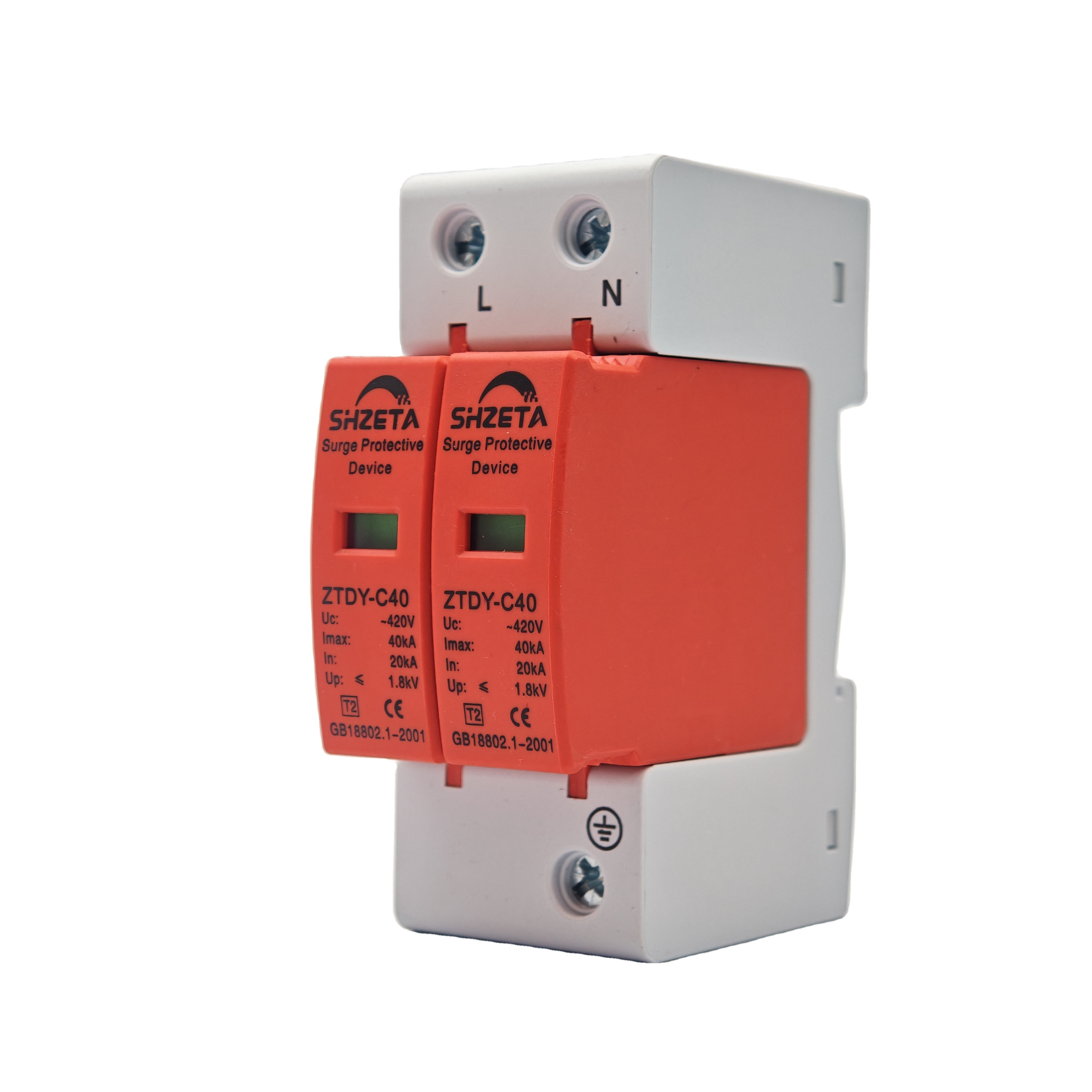
- System Voltage:800V DC
- Discharge Current (Imax):40kA
- Material:Fireproof PBT Housing
- Standard:IEC 61643-31 / Solar PV
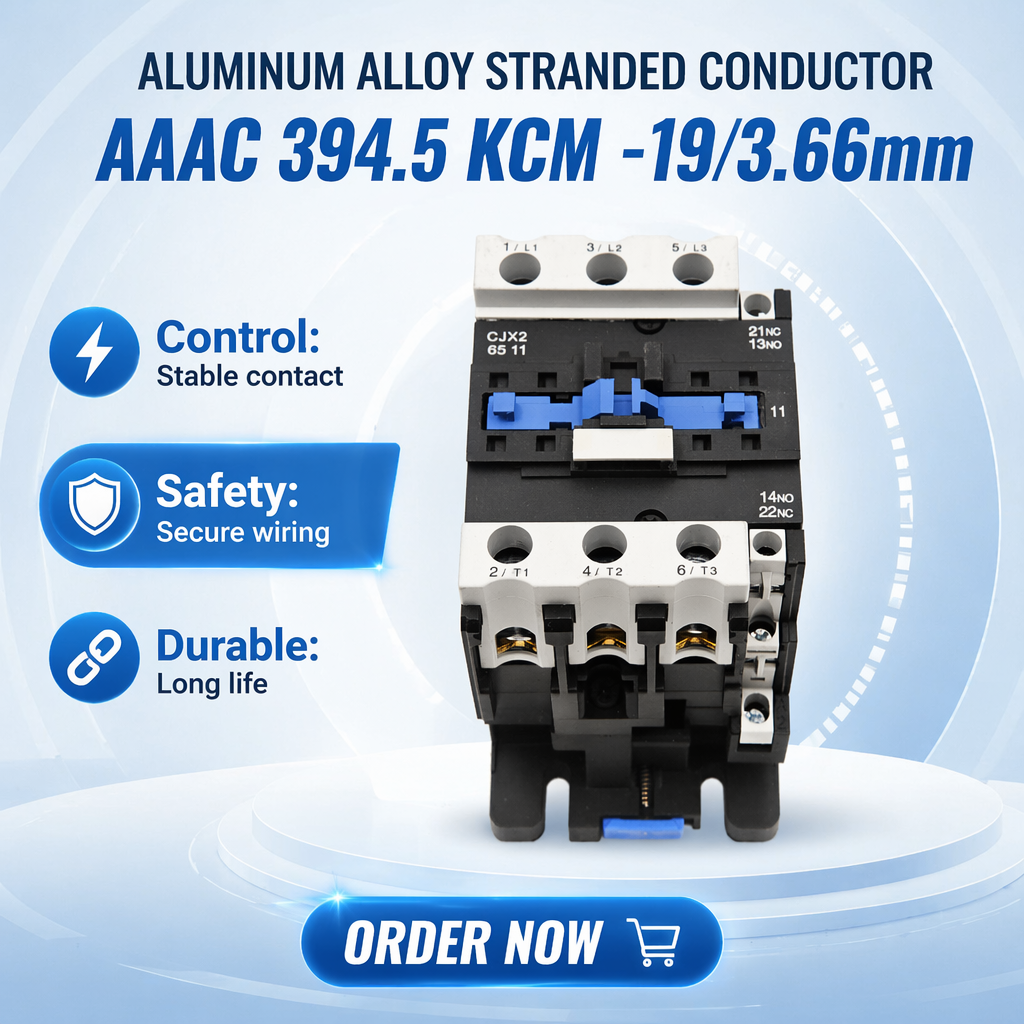
- Poles:3-Pole AC
- Frequency:50/60 Hz
- Mounting:35mm Standard DIN Rail
- Usage:Agro-Pump & Motor Starter
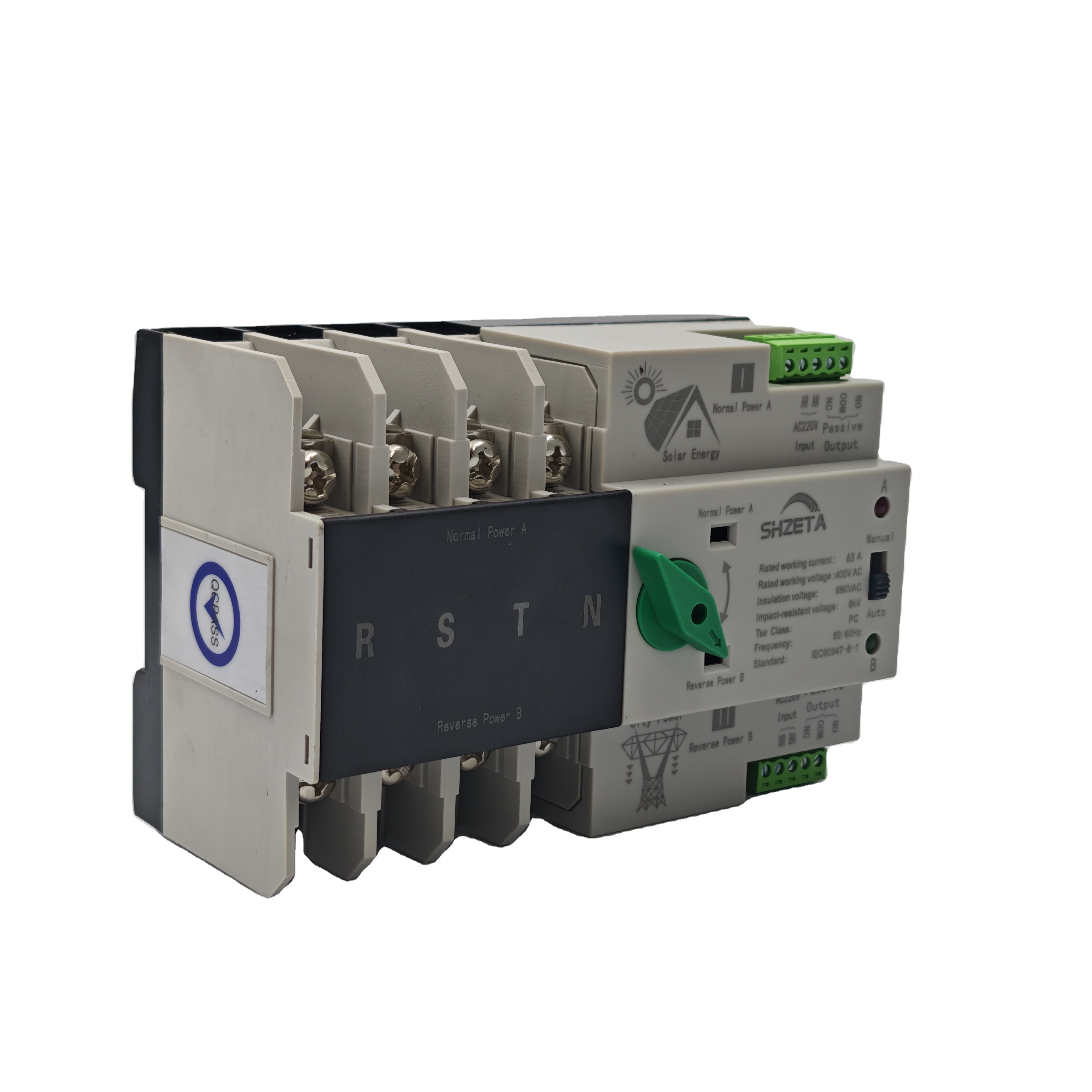
- Poles:4P (Switched Neutral)
- Rated Operational Current:100A / 125A
- Operational Voltage:AC 400V
- Design Category:PC-Class High Reliability
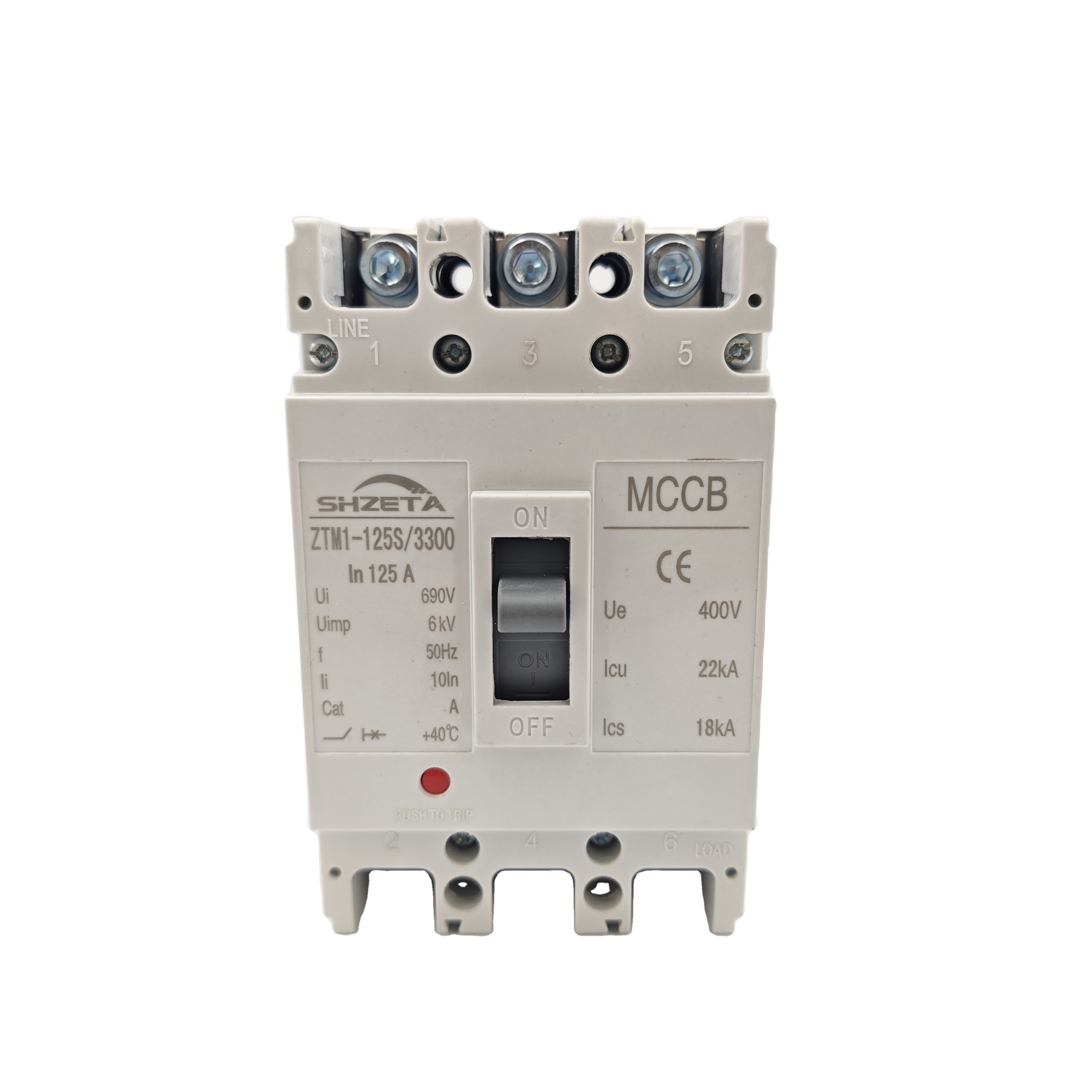
- Breaking Capacity:35kA (Icu @ 415V)
- Trip Mechanism:Thermal-Magnetic Bi-Metal
- Number of Poles:3P
- Compliance:IEC 60947-2
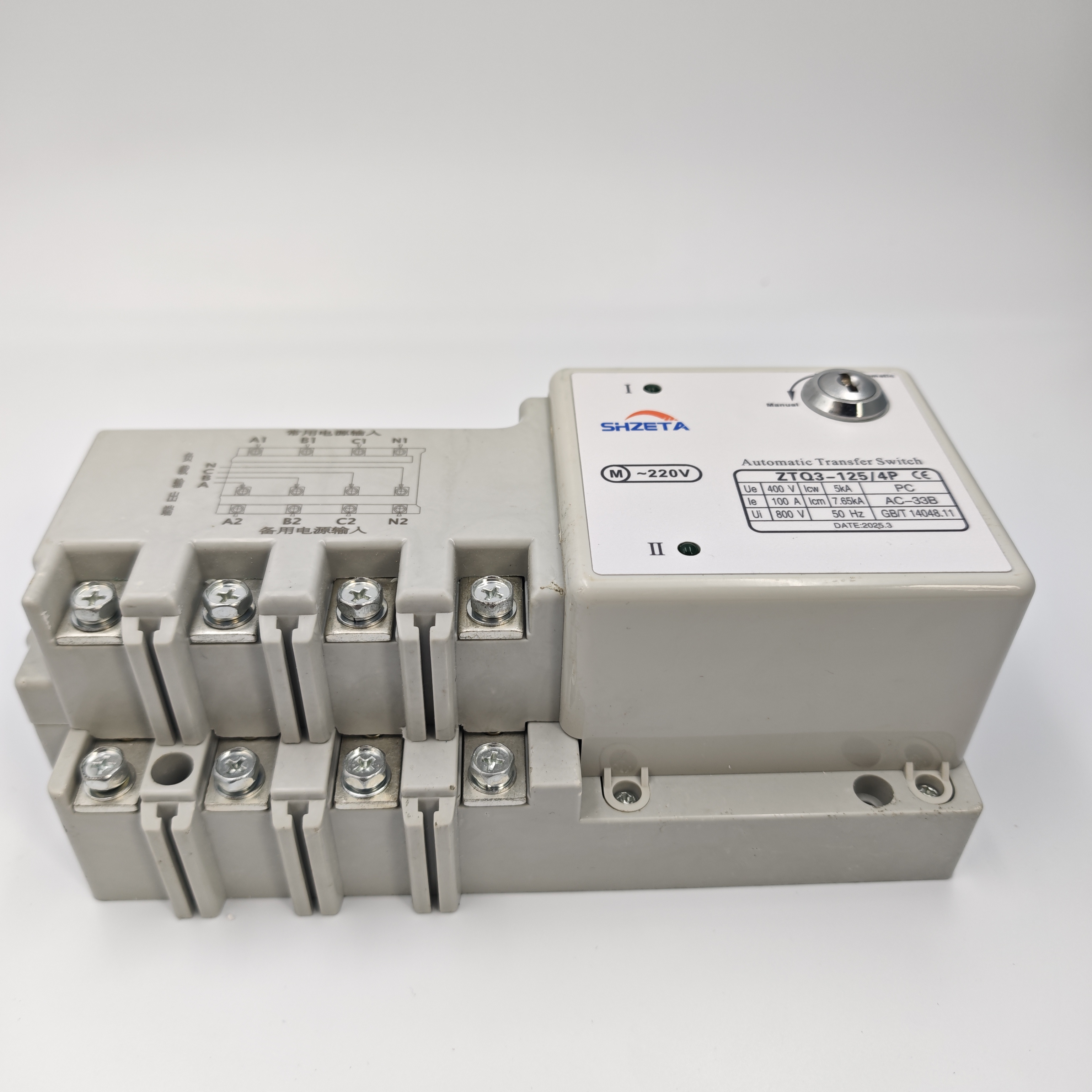
- Configuration:4-Pole Dual Supply
- Current Range:Up to 100A
- Transition Delay:Millisecond Switching
- Application:Industrial Cold Storage / Silos
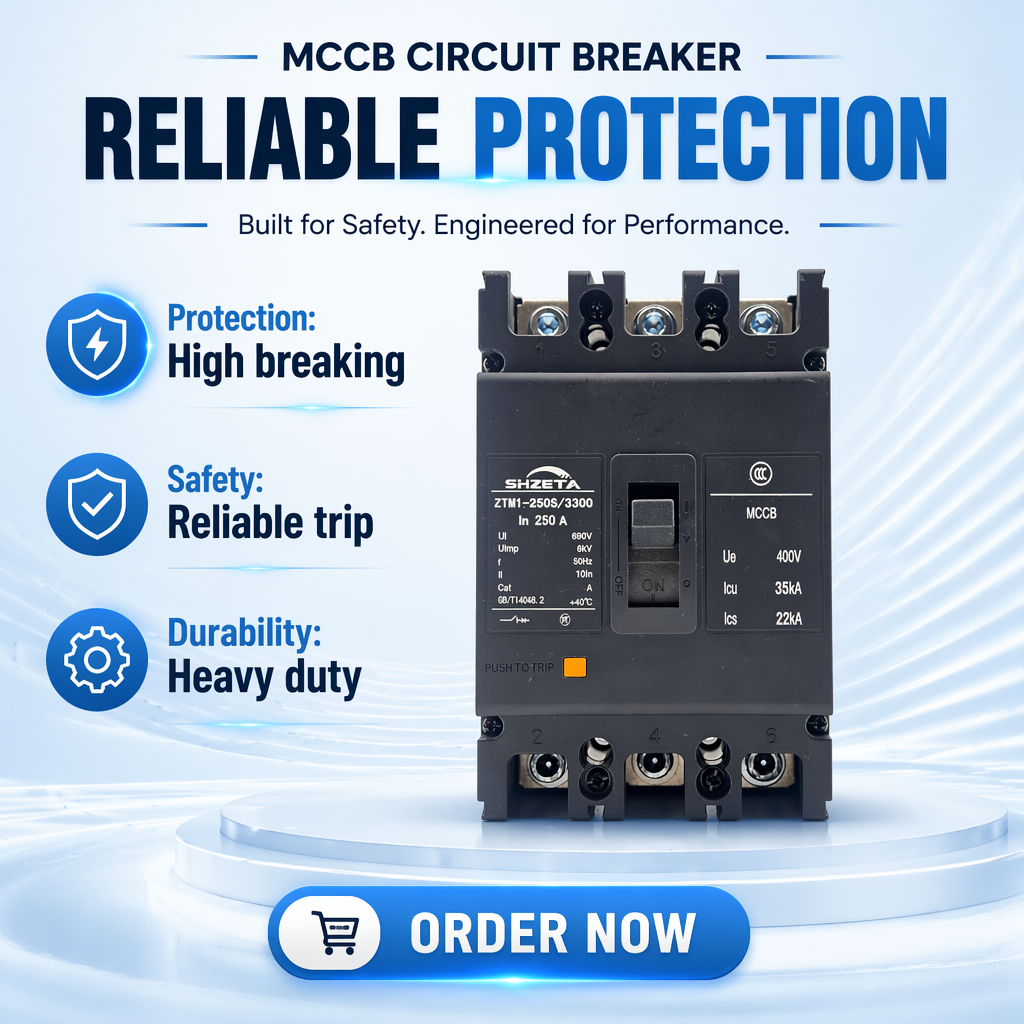
- Breaking Capacity:50kA / 100kA High-fault
- Voltage Rating:400VAC / 690VAC
- Conductor Specs:Electrolytic Copper Terminals
- Application:Main Distribution / Substations
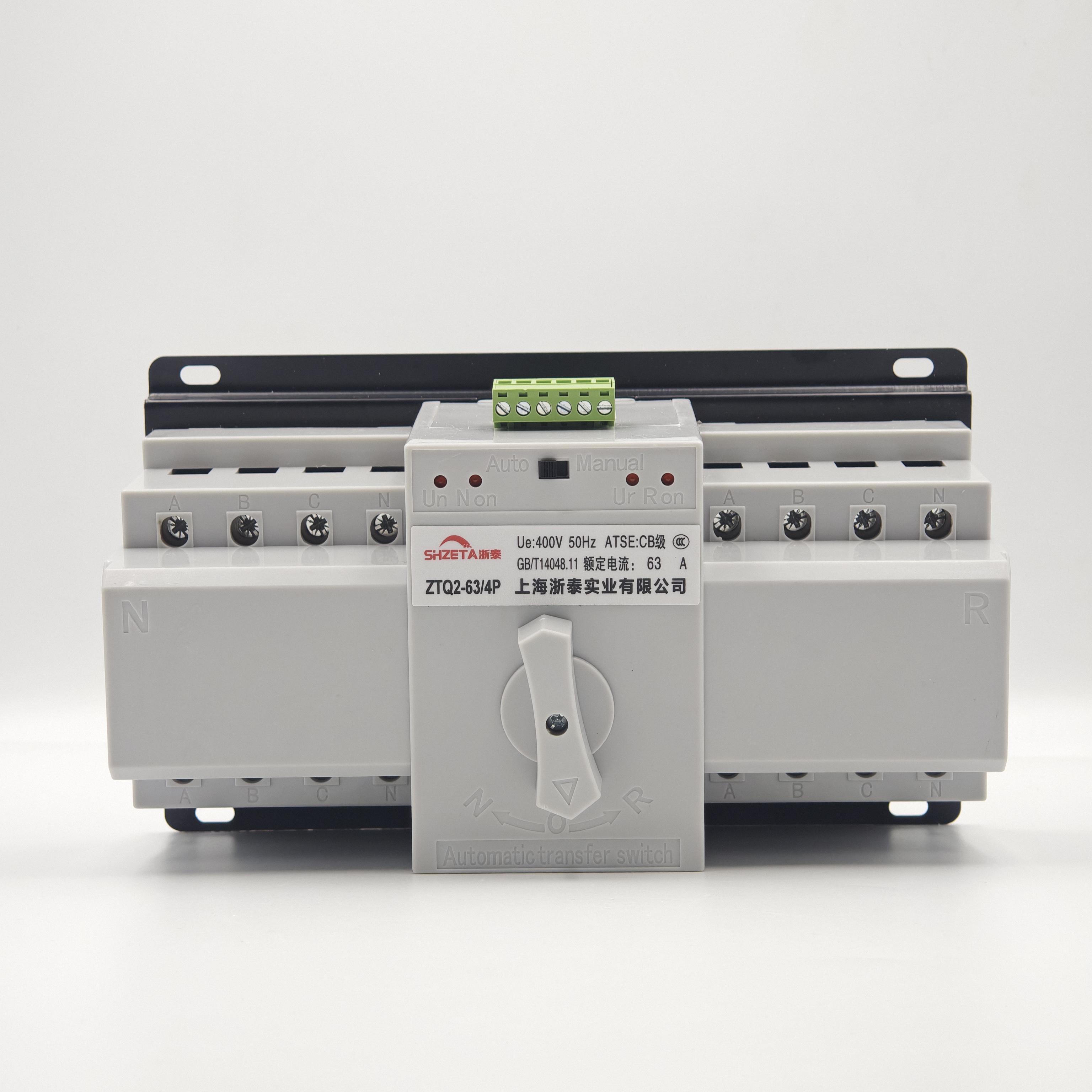
- Classification:CB Class (Integrated OCP)
- Poles:4 Pole Three Phase
- Nominal Voltage:400V AC
- Integration:Grid-Tied Microgrid Changeover
High-speed toroidal core detection conforming to IEC 61008-1 for life protection.
Heavy-duty breaking capacity engineered for high inductive load switchboards in KOS.
Suppresses nuisance trips triggered by variable speed drives and solar PV inverters.
Every pole and core undergoes secondary current injection prior to crating and export.
Konya Low-Voltage Protection White Paper: Earth Leakage & Residual Current Engineering
As the primary agro-industrial and metal-machining powerhouse of Central Anatolia, Konya represents one of Turkey’s most demanding low-voltage electrical operating environments. With expansive industrial parks such as Konya Organize Sanayi Bölgesi (KOS 1 through 5), extensive automotive casting foundries, grain processing milling conglomerates, and the gigawatt-scale solar developments of the Karapınar Renewable Energy Resource Zone (YEKA GES), circuit protection cannot be approached as a generic off-the-shelf procurement. Earth leakage circuit breakers (ELCB), encompassing modern Residual Current Circuit Breakers (RCCB) and Residual Current Breakers with Overcurrent Protection (RCBO), serve as the vital defensive layer safeguarding human life against ventricular fibrillation, preventing insulation-degradation electrical fires, and preserving industrial machinery uptime.
This technical white paper establishes the authoritative baseline for selecting, coordinating, and commissioning earth leakage circuit breakers across the Konya metropolitan and regional markets. Authored by global circuit protection manufacturers and senior application engineers, this study directly addresses the intersection of international standards (IEC 60947-2, IEC 61008-1, IEC 61009-1) with the Turkish Regulation on Grounding in Electrical Installations (Elektrik Tesislerinde Topraklamalar Yönetmeliği) and Turkish Standards Institution (TSE) criteria.
Core Engineering Principle: In arid continental climates like the Konya plain, seasonal soil moisture fluctuations significantly elevate earth electrode resistance (RA). Under high soil resistance conditions, reliance on conventional overcurrent protection (MCB/MCCB) alone fails to clear phase-to-earth faults within the mandatory 0.4-second or 0.2-second disconnect thresholds, rendering high-sensitivity (30mA) and selective (300mA/500mA) residual current devices legally and technically non-negotiable.
Localized Application Scenarios Across Konya’s Key Industrial Sectors
Specifying earth leakage equipment within Konya requires granular alignment with distinct localized operating stresses. The combination of calcified soils, heavy harmonic distortions, inductive power switching, and particulate exposure creates operational scenarios unfamiliar to standard commercial installations.
Agro-Industrial Deep Pumping
The Konya Closed Basin contains tens of thousands of deep borehole irrigation wells across Çumra, Karapınar, and Cihanbeyli, drawing water from depths of 150 to over 400 meters. Submersible pump motors driven by Variable Frequency Drives (VFDs) generate significant high-frequency leakage currents through prolonged motor lead cables. Standard Type AC residual current breakers suffer chronic nuisance tripping under these conditions. Specifying Type B or Type F ELCBs with high-frequency attenuation ensures reliable fault trip operation while neutralizing capacitive leakage currents.
Utility-Scale & Commercial Solar PV
The Karapınar Solar Power Plant and hundreds of commercial rooftop solar arrays across Konya’s factories utilize transformerless string inverters. These systems present continuous smooth DC residual currents on the AC distribution side in the event of an insulation breakdown. Standard Type A breakers become magnetically saturated (blinded) by as little as 6mA of DC leakage. Robust Type B RCCBs and MCCB-ELCB combination blocks are mandatory to ensure magnetic core responsiveness under mixed AC/DC fault conditions.
Automotive Machining & Casting
Konya’s extensive casting foundries, hydraulic cylinder fabrication plants, and engine component machining facilities utilize heavy CNC machinery, robotic welders, and induction melting furnaces. Inductive switching spikes and conductive iron dust threaten internal contact chambers. Breakers deployed here require minimum IP40 enclosures within distribution boards, silver-tungsten alloy contacts, and electronic trip units that resist contact welding during dead-short ground faults up to 50kA or 70kA.
Engineering Selection Matrix: Residual Current Device Classification
Selecting the incorrect residual current breaker topology results in two catastrophic failure modes: non-tripping during lethal ground contact due to magnetic core blindness, or repetitive nuisance tripping that shuts down continuous manufacturing lines. The following matrix details proper engineering deployment across Konya distribution panels:
| Device Classification | Detectable Fault Waveforms | Rated Sensitivity (IΔn) | Ideal Application in Konya | Relevant IEC Standard |
|---|---|---|---|---|
| Type AC | Sinusoidal alternating AC current only | 30mA, 100mA, 300mA | Purely resistive loads, legacy administrative lighting. (Phase-out recommended for industrial panels) | IEC 61008-1 |
| Type A | Sinusoidal AC + Pulsating direct DC currents | 30mA, 300mA | Single-phase rectifiers, standard power supplies, general sub-distribution boards in KOS facilities. | IEC 61008-1 / 61009-1 |
| Type F | Type A characteristics + High-frequency mixed frequencies up to 1kHz | 30mA, 300mA | Single-phase frequency-controlled pumps, commercial washing systems, bakery machinery in Konya food plants. | IEC 62423 |
| Type B | Type F + Smooth direct DC, high frequency to 100kHz, multiphase rectified DC | 30mA, 100mA, 300mA, 500mA | Karapınar Solar Inverters, 3-phase VFD agro-borehole pump drives, EV charging infrastructure, crane drives. | IEC 62423 / IEC 60947-2 M |
| Selective (Type S) | Time-delayed tripping (minimum non-actuating time ~40ms - 200ms) | 300mA, 500mA, 1000mA | Main incoming feeder switchboards. Provides upstream cascading selectivity above downstream 30mA devices. | IEC 61008-1 / IEC 60947-2 |
Macro Trends Shaping Konya’s Low-Voltage Distribution Landscape
The electrical protection sector in Central Anatolia is undergoing rapid technological modernization driven by grid stabilization needs and industrial expansion:
1. Transition from Standalone RCCB to Integrated RCBO & MCCB-ELCB
Space constraints within distribution boards (Panolar) in Konya's Organized Industrial Zones are prompting switchboard builders to shift away from paired MCB+RCCB setups toward unified modular RCBOs and compact Molded Case Breakers equipped with integral zero-sequence toroids. This reduces internal wire resistance, eliminates terminal hot-spots, and cuts installation labor by over 35%.
2. Stringent Anti-Harmonic & Nuisance Tripping Mandates
With massive adoption of speed-regulated pumping along the Konya-Karaman agricultural belt, harmonic pollution (3rd, 5th, and 7th harmonics) frequently causes standard electromagnetic tripping relays to drop out falsely. The regional market is rapidly demanding super-immunized (Type A-SI / Type B-SI) breaker mechanisms equipped with high-order RC filter circuits that reject non-hazardous high-frequency leakage.
3. Dual Power Resiliency for Cold Stores & Extrusion Plants
Food storage facilities and precision plastic extrusion lines in Konya cannot tolerate momentary power outages during utility brownouts or summer grid peak loads. The seamless integration of 4-Pole PC-Class Automatic Transfer Switches (ATS) downstream of incomer earth leakage units has become an engineering requirement to prevent neutral potential floating during generator changeover.
Why Sourcing from Zhejiang Graybar Electric Optimizes Your Supply Chain
Procuring circuit protection for the Turkish market demands strict compliance, competitive pricing structures, and robust mechanical endurance. Zhejiang Graybar Electric Co., Ltd. operates from Liushi Town, Wenzhou—the world epicenter of low-voltage electrical component engineering—offering distinct strategic advantages for Turkish importers, switchboard builders, and distributors:
Integrated Production
- Full internal control: Precision tooling, plastic moulding, core winding, stamping.
- Direct procurement of specialized high-permeability magnetic amorphous toroids.
- Precision trip testing calibration calibrated to within ±2.5% of trip threshold.
Strict Compliance
- Engineered fully to IEC 60947-2, IEC 61008-1, IEC 61009-1, IEC 61643-11.
- CE compliant with independent lab type-test documentation readily available.
- Complies with Turkish TSE and European safety regulations for panel export.
Fast Export Logistics
- Low initial sample MOQs (from 5 pcs for standard units; 1 pc for ACBs).
- Direct consolidated sea freight routing from Ningbo/Shanghai to Mersin Port.
- Complete customs documentation: ATR certificate assistance, COO, commercial packing.
OEM / ODM Flexibility
- Laser logo marking, custom amperage calibration curves (B, C, D curves).
- Multilingual packaging and Turkish technical instruction manuals.
- Custom terminal busbar geometry tailored to Turkish enclosure layouts.
Frequently Asked Questions for Electrical Procurement in Konya
Direct answers addressing technical compliance, soil resistivity calculation, and supply chain logistics for Konya panel builders and project engineers: