Flagship Circuit Breakers & Power Control Assemblies
Direct factory integration from Liushi, Wenzhou: Heavy-duty thermal magnetic MCCBs, automatic transfer switches, surge arresters, and contactors tested under extreme tropical and maritime operating conditions.
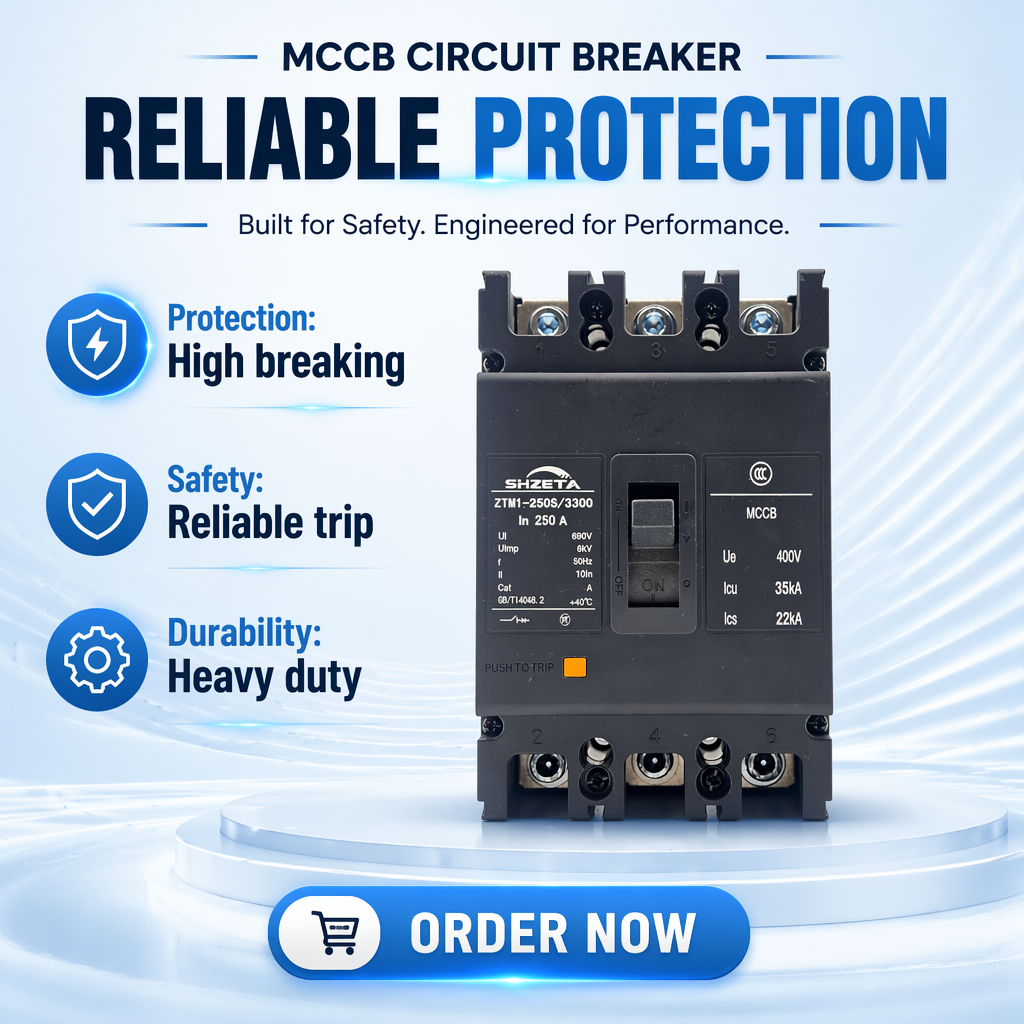
Thermal-Magnetic MCCB Copper & Plastic 50kA/100kA Trip Unit
- Breaking Capacity:50kA / 100kA Icu
- Rated Voltage:400VAC / 690VAC
- Frequency:50/60Hz Industrial
- Internal Core:Silver Alloy Contacts
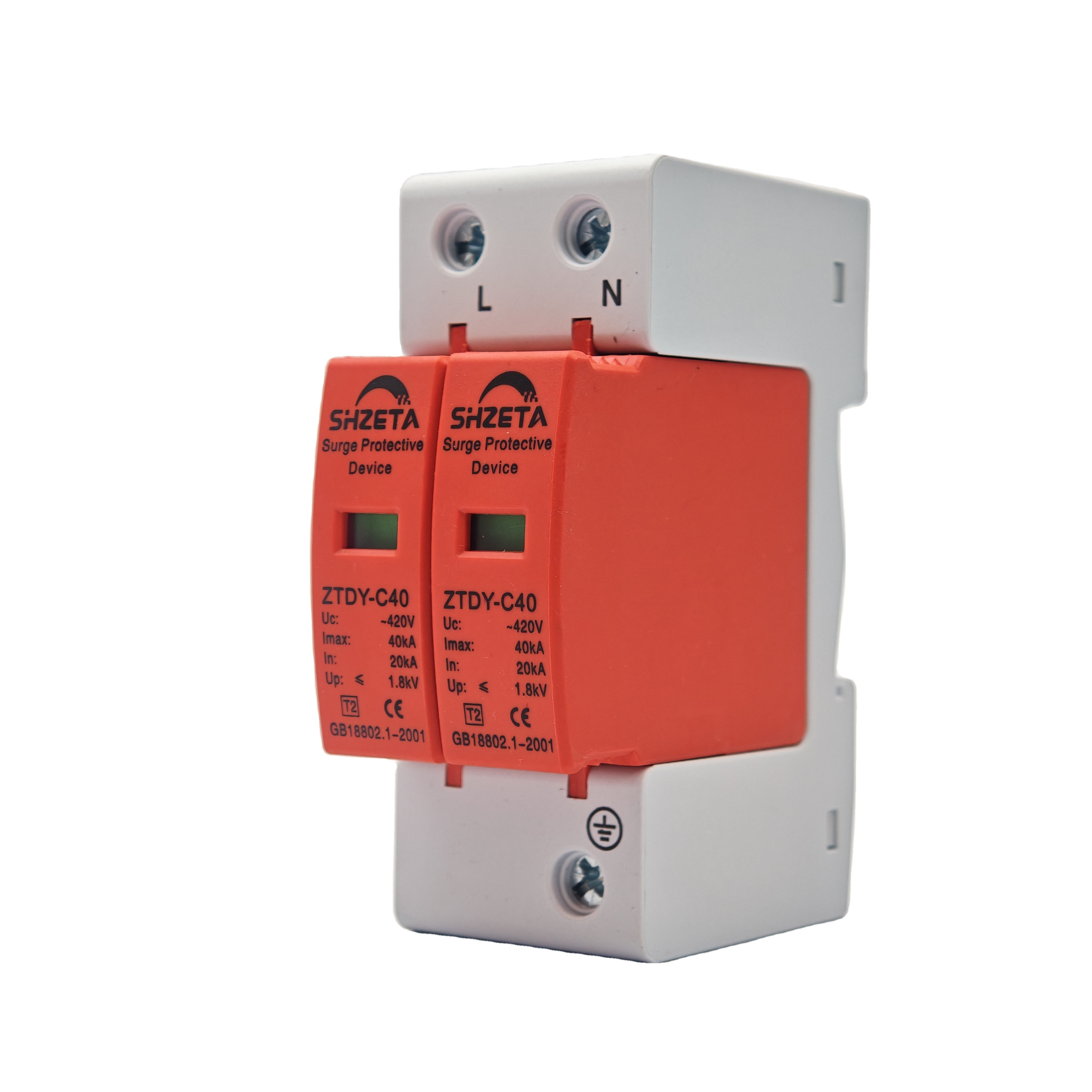
Din Rail Fireproof T1 PBT 800V DC 2P 40kA Surge Protective Device
- Voltage Rating:800V DC Clean
- Discharge Capacity:40kA In / Imax
- Enclosure:Flame-Retardant PBT
- Standard:IEC 61643-11
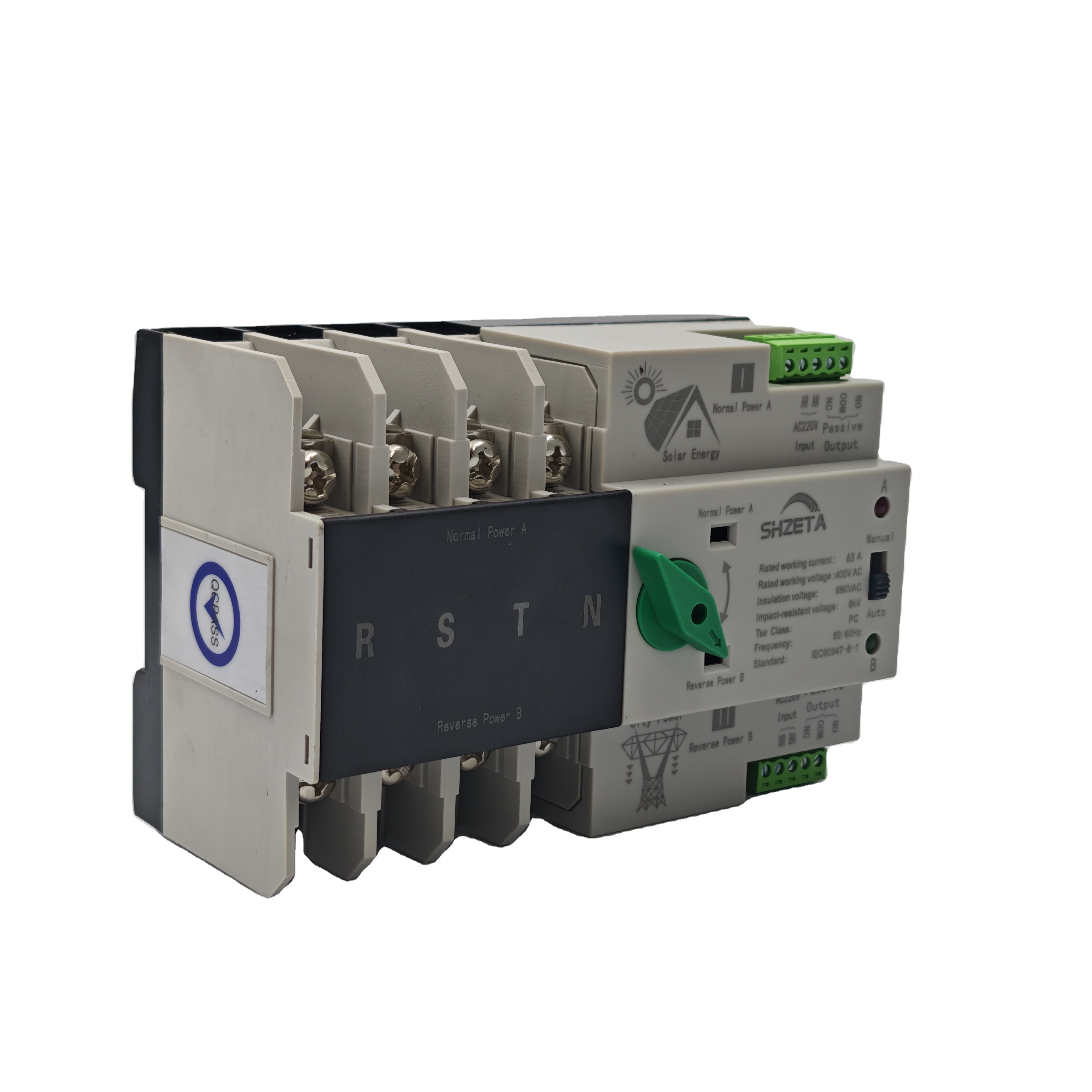
Din Rail ATS Double Power Transfer Switch 4P 100A/125A PC Type
- Rated Current:100A / 125A Frame
- Poles & Phase:4-Pole 3-Phase
- Transfer Time:< 50ms Seamless
- Class:PC Class Dual Incomer
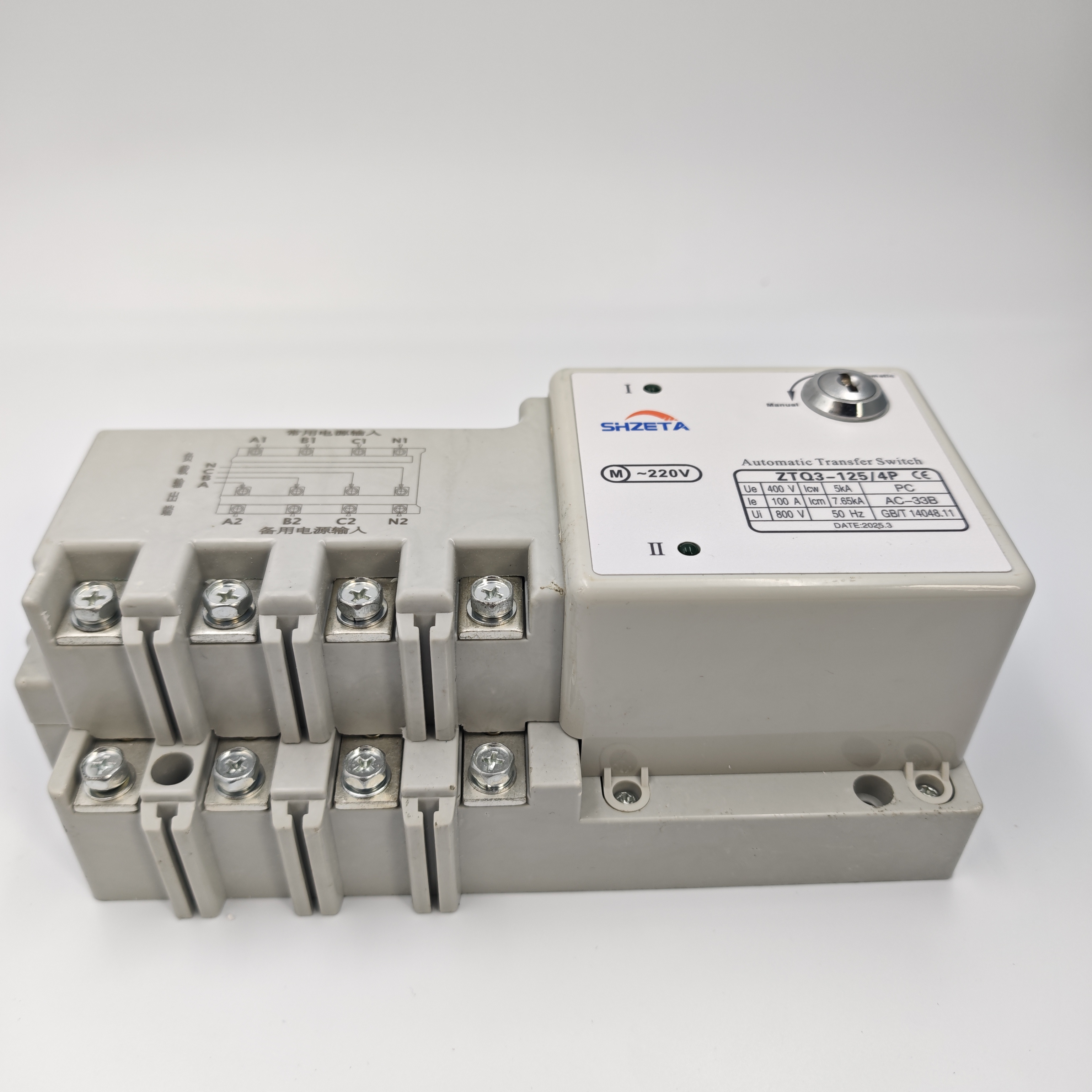
Dual Power Transfer Switch ZTQ3-100A/4P Industrial Automatic Changeover
- Configuration:4P Micro-Interlocking
- Operational Duty:Grid-to-Generator
- Breaking Capacity:Customizable Ics
- Compliance:IEC 60947-6-1
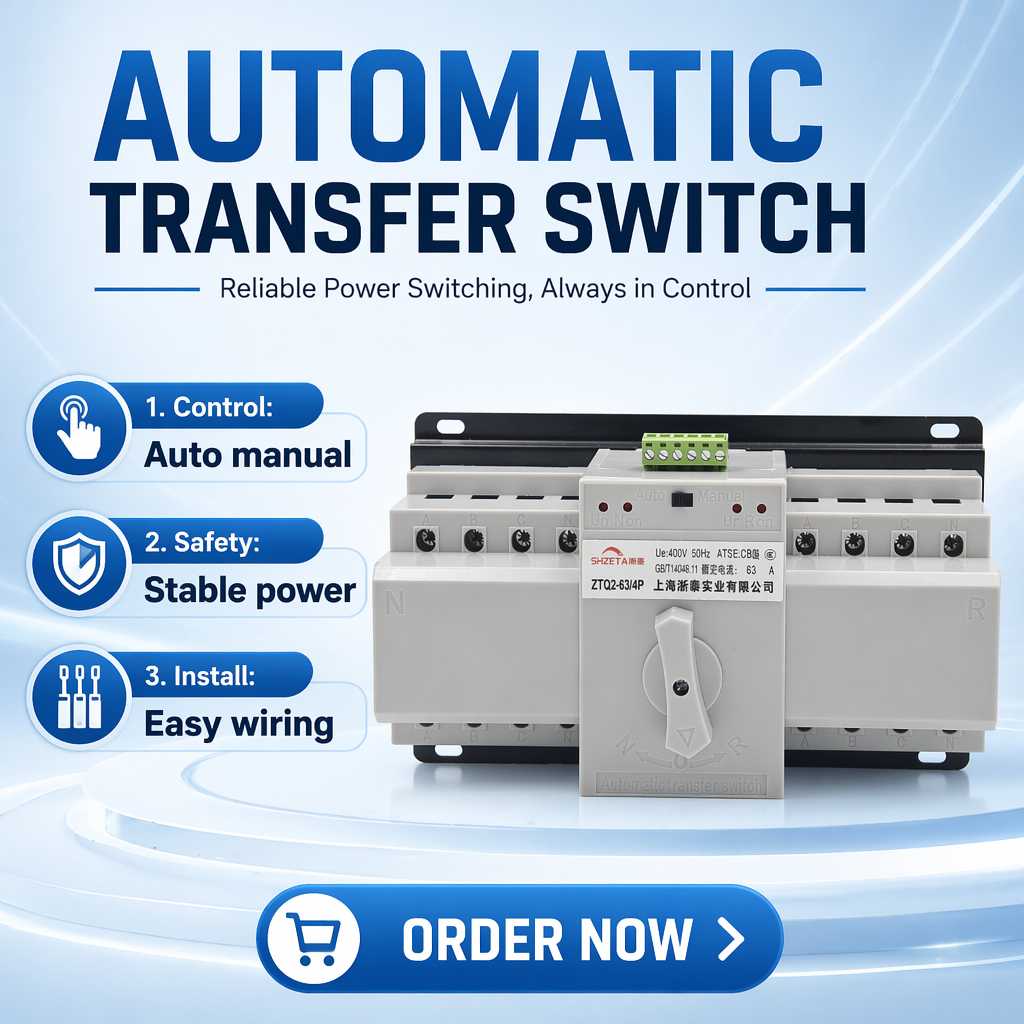
4P 63A Manual Changeover Switch with Interlocked Circuit Breaker
- Rated Ampere:63A Continuous
- Switch Mechanism:Dead-Front Mechanical
- Isolation:Positive Break Gap
- Mounting:Standard 35mm Rail
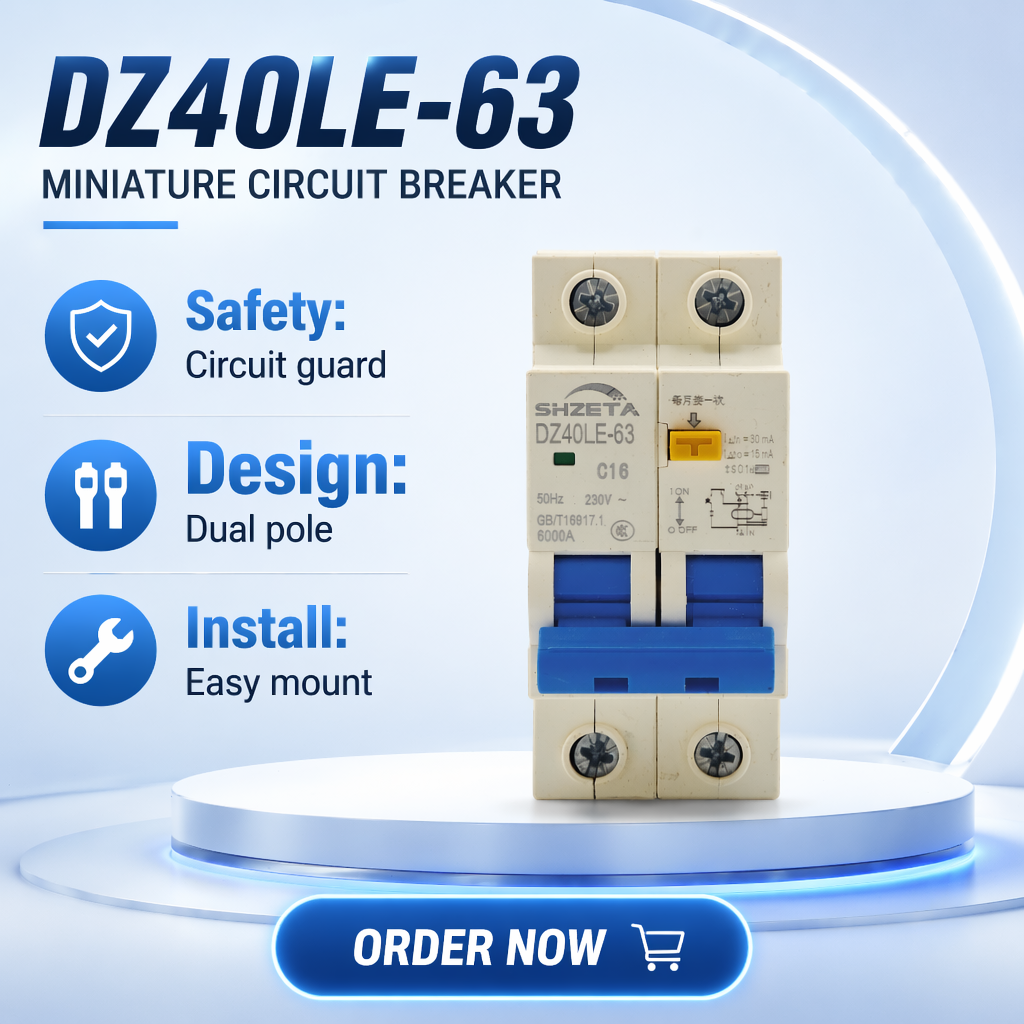
DZ47-63 DC MCB Fireproof PA66 Curve B/C/D 6kA Power Protection
- Short Circuit Icn:6kA High Arc Quench
- Housing Material:Virgin PA66 V-0
- Trip Curve:B, C, D Multi-Select
- Applications:DC UPS, Solar, Drives
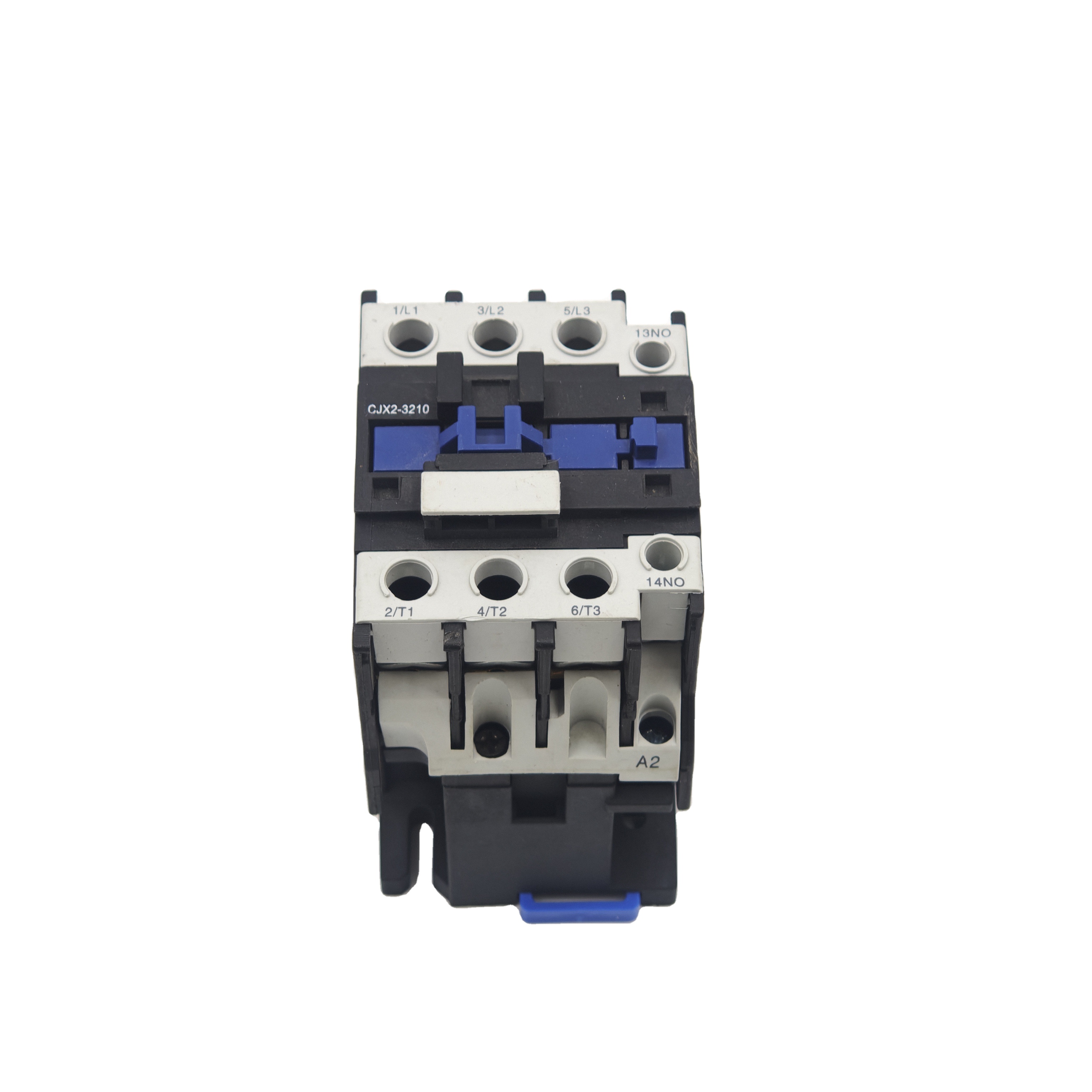
CJX2-1210 3-Phase AC Magnetic Motor Contactor 220V/380V 12A
- Thermal Current Ith:25A Max Rating
- AC-3 Current:12A @ 380VAC
- Coil Voltage:220VAC 50/60Hz
- Standard:IEC 60947-4-1
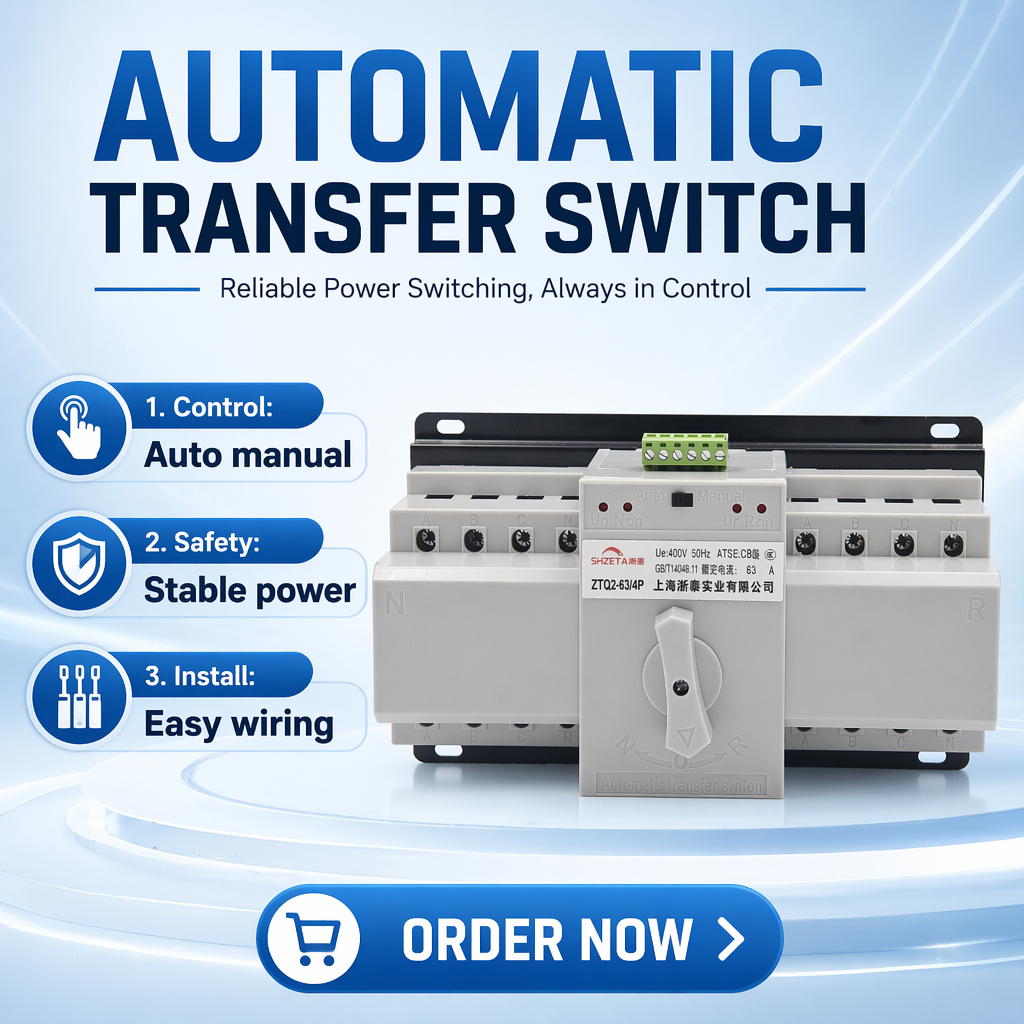
ATS PC Three Phase 4P 63A 400V 5kA Changeover Transfer Switch
- Rated Capacity:63A 400VAC
- Breaking Capacity:5kA Reliable Arc Interruption
- Architecture:PC Class Integrated Solenoid
- Deployment:Critical Cold Storage & Port Marine
Type-tested short-circuit interruption under 400V/690V industrial loads.
Rapid prototype testing and sample pilot batches for engineering panel builders.
Custom calibrated bimetallic elements avoiding nuisance trips in tropical climates.
Automated secondary trip calibration & insulation testing prior to export packing.
Operating Fundamentals of Thermal-Magnetic Molded Case Circuit Breakers
In modern industrial electrification, the thermal-magnetic molded case circuit breaker (MCCB) represents the primary line of defense for sub-distribution feeders, motor control centers (MCC), and heavy machinery switchboards. Unlike digital or solid-state electronic trip units (ETUs) that require complex microcontroller logic and auxiliary power feeds, thermal-magnetic mechanisms provide instantaneous, fail-safe electro-physical trip capabilities governed purely by the thermodynamic deflection of bimetallic elements and direct Lorentz-force electromagnetic attraction.
The protective action of an MCCB integrates two complementary trip mechanisms operating in parallel inside an arc-chute containment chamber:
Inverse-Time Thermal Overload
Constructed of two bonded metals with divergent thermal expansion coefficients. Sustained overcurrent heats the element, provoking predictable curvature that unlatches the operating spring mechanism according to Joule heating laws ($I^2t$).
Instantaneous Magnetic Trip
Utilizes a precision wound coil or iron yoke surrounding the main conductor. High fault currents produce strong magnetic flux that drives an armature forward in milliseconds (<10ms), tripping the breaker prior to severe short-circuit stresses.
De-ionizing Arc Chute Matrix
Constructed from magnetic steel splitter plates with insulating side barriers. Interruption generates arc voltages that split, cool, and extinguish electrical arcs within 3 to 8 milliseconds, preserving contact metallurgy and frame integrity.
Localized Applications for Freeport: Marine Ports, Logistics Terminals & Free Trade Zones
Procuring low-voltage electrical protection for Freeport jurisdictions—such as the Grand Bahama Port Authority territory, major Caribbean maritime logistics hubs, and global duty-free industrial zones—imposes extreme mechanical and environmental conditions rarely encountered in inland manufacturing facilities. Breakers installed in Freeport container yards, cold-storage warehousing, and ship repair facilities must endure high ambient temperatures, aggressive saline atmosphere, cyclic high-humidity dew condensation, and severe load swings from motorized cargo cranes.

Port Gantry Crane & Heavy Motor Feeders
Ship-to-shore (STS) container cranes, rubber-tired gantry (RTG) hoists, and conveyor networks subject upstream distribution to severe inductive current surges reaching 6 to 8 times nominal current ($I_n$) during motor starting. Standard curve breakers inevitably nuisance trip. Our thermal-magnetic MCCBs feature adjustable magnetic thresholds (typically $5-10 \times I_n$) calibrated to absorb transformer inrush and heavy motor starting transients without unseating the primary latch mechanism.
Furthermore, terminal distribution boxes powering dozens of 32A/63A refrigerated reefer containers demand high continuous thermal stability. Because reefers cycle automatically, unbalanced phase loading is common. Graybar 4-pole MCCBs provide dedicated, switched-neutral poles to prevent neutral conductor overheating in TN-S and TT harbor grounding schemes.

Salt-Mist Anti-Corrosion & Tropical Thermal Derating
Freeport environments operate under relative humidity profiles frequently surpassing 90% in combination with airborne sodium chloride ($NaCl$). Standard electro-galvanized components rapidly suffer galvanic oxidation, resulting in mechanical contact pitting, spring tension degradation, and catastrophic contact welding.
Graybar MCCBs for Freeport export incorporate Tropicalization Class II anti-fungal and salt-mist passivation treatments complying with IEC 60068-2-52. All moving pivot pins, springs, and de-ion arc plates are nickel-plated or stainless steel. Furthermore, while standard breakers are calibrated for 30°C or 40°C ambient indoor ratings, Graybar provides custom factory calibration at 50°C ambient, eliminating the risk of unprovoked thermal tripping inside non-air-conditioned outdoor stainless steel NEMA 4X / IP66 enclosures.
Technical Specification Matrix: Thermal Magnetic MCCB Series
Selecting the precise frame size, interrupting rating, and physical configuration is critical for achieving selective discrimination across port feeder networks. Review the core specifications manufactured in our Liushi production facility:
| Frame Rating | Rated Current ($I_n$) | Poles | Breaking Capacity ($I_{cu}$ @ 400V) | Trip Characteristic | Target Freeport Application |
|---|---|---|---|---|---|
| GYM1-125 | 16A, 25A, 32A, 40A, 50A, 63A, 80A, 100A, 125A | 1P, 2P, 3P, 4P | 25kA / 35kA | Fixed Thermal, Fixed Magnetic ($10 I_n$) | Reefer container power plugs, dockside workshop lighting boards |
| GYM1-250 | 100A, 125A, 160A, 180A, 200A, 225A, 250A | 3P, 4P (Neutral Switched) | 35kA / 50kA | Adjustable Thermal (0.8-1.0 $I_n$), Fixed Mag | Submersible bilge pump control, crane auxiliary drives, warehouse sub-panels |
| GYM1-400 | 250A, 315A, 350A, 400A | 3P, 4P | 50kA / 65kA | Adjustable Thermal, Adjustable Mag ($5-10 I_n$) | Main distribution switchboards, dry dock motor starters, cold storage central chillers |
| GYM1-630 / 800 | 500A, 630A, 700A, 800A | 3P, 4P | 65kA / 85kA / 100kA | Dual Adjustable Thermal-Magnetic or Electronic | Shore-to-ship power incomers, harbor transformer secondary protection |
Emerging Technology Trends in Freeport Port Electrification
Free trade ports and maritime export corridors are undergoing rapid transformation. Driven by international maritime decarbonization initiatives (IMO 2030/2050 targets), Freeport operations are modernizing power distribution architectures with three major technological adaptations:
Shore-to-Ship Cold Ironing
Vessels docked at Freeport terminals increasingly shut down diesel auxiliary engines, drawing clean power directly from shore side connection switchboards. This demands MCCBs and ACBs capable of handling heavy resistive-inductive loads, instant synchronization switching, and 50/60Hz frequency transfer compatibility.
Rooftop Solar & DC Microgrids
Logistics warehouses across free trade zones possess massive rooftop acreage now blanketed with PV arrays. Sourcing dedicated 800V/1000V DC surge protection devices (SPDs) alongside DC-rated MCBs and MCCBs is mandatory to isolate string inverters and prevent catastrophic lightning induced transients.
Dual-Power Resiliency ATS
Island-based and maritime facilities face frequent utility grid sags and hurricane induced outages. Automated PC-class transfer switches paired directly with downstream thermal magnetic MCCBs ensure sub-second changeover from utility to on-site diesel or BESS (Battery Energy Storage Systems).
Why Freeport Buyers Source Directly from Zhejiang Graybar Electric
Located in Huangyu Village, Liushi Town, Wenzhou—universally recognized as the "Low-Voltage Electrical Capital of China"—Zhejiang Graybar Electric Co., Ltd. combines comprehensive in-house manufacturing with extensive export engineering experience. Sourcing low-voltage protection equipment from Graybar affords international contractors and Freeport distributors substantial competitive advantages:
Supply Chain Integration
Immediate access to ultra-high-purity copper drawing, precision stamping, and automated silver-alloy point welding within a 5-mile radius, compressing lead times to 15-25 days.
Rigorous Quality Assurance
Every single unit undergoes automated secondary-current calibration and dielectric withstand verification. Complete IEC 60947-2 and IEC 60898-1 test documentation supplied per lot.
Ultra-Flexible MOQ (5 Pcs)
Unlike monolithic brands requiring rigid container quotas, we offer sample and pilot test batches starting at just 5 pieces for standard MCCBs and 1 piece for heavy Air Circuit Breakers (ACB).
Complete OEM/ODM Customization
Private labeling, custom rated ampacity dial markings, laser-etched single-line wiring diagrams, multilingual packaging, and specialized terminal spreader bars for heavy maritime cabling.
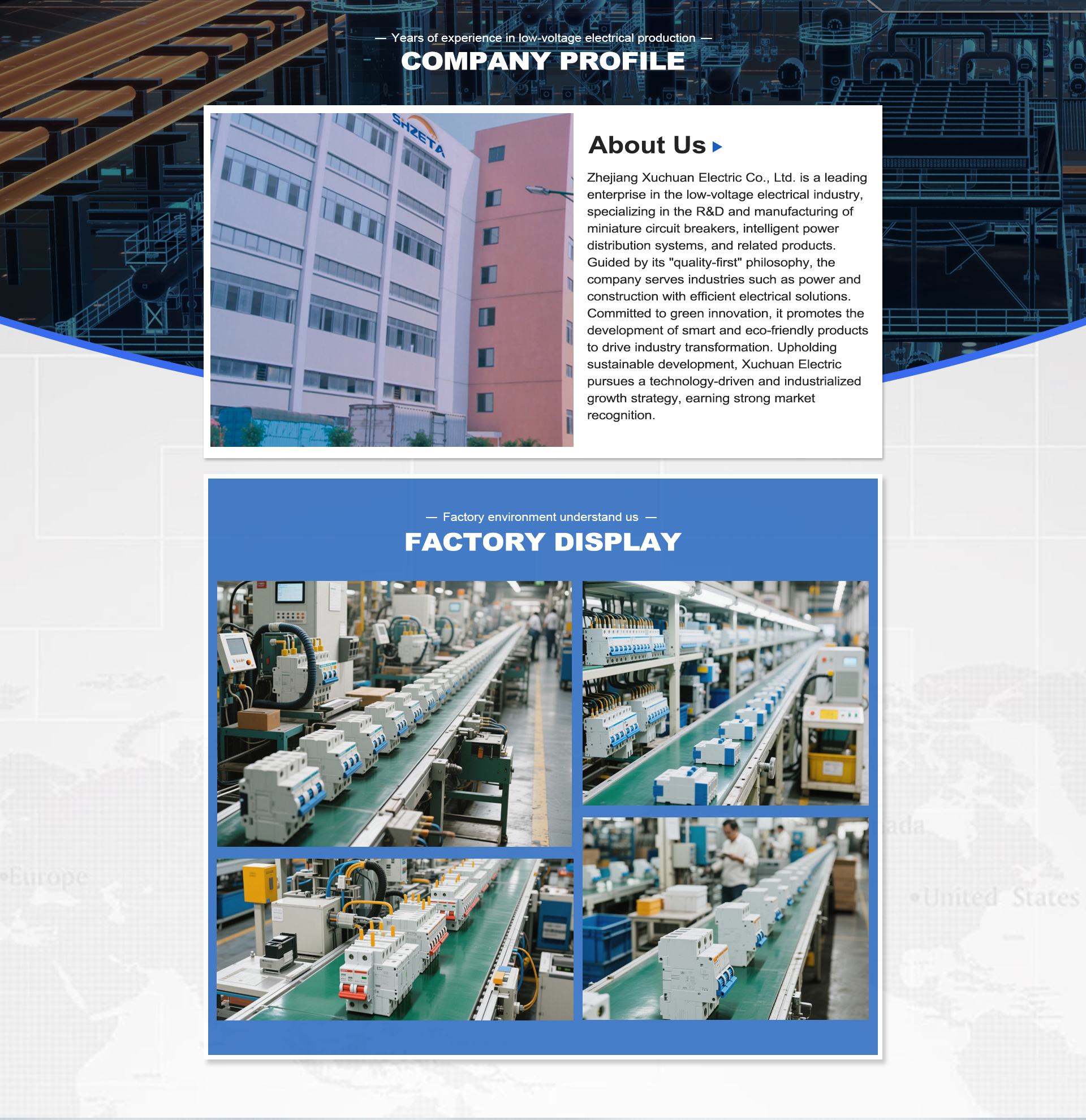
Verified Physical Manufacturing & Global Export Credibility
Zhejiang Graybar Electric Co., Ltd. operates with verified factory registrations, authenticated premises, and active third-party export assessments. Buyers across North America, the Caribbean, Europe, and Southeast Asia rely on our direct manufacturer pricing without intermediary trading markup.
Whether you require standard 3-pole distribution circuit breakers, 4-pole switched-neutral changeovers, or coordinated cascades involving upstream Air Circuit Breakers (ACBs) and downstream DIN-rail miniature breakers (MCBs), our engineering sales team reviews your single-line diagrams (SLDs) to confirm short-circuit prospective duty and tripping coordination curves prior to container consolidation.
Frequently Asked Questions by Freeport Engineers & Purchasing Agents
Essential guidance addressing technical specifications, logistics clearance in free zones, and international compliance:
What are the key advantages of thermal-magnetic trip units over electronic trip units (ETUs) in coastal Freeport environments? +
How should thermal-magnetic MCCBs be derated for elevated ambient temperatures inside outdoor Freeport panels? +
Can Graybar consolidate mixed shipments of MCCBs, SPDs, ATS, and MCBs in a single order to Freeport? +
What is the standard production lead time and minimum order quantity (MOQ) for custom-branded MCCBs? +
Which international testing standards govern Graybar circuit breakers destined for Caribbean & Atlantic free zones? +
Request Direct Factory Quotations & Engineering Datasheets
Planning a switchboard build, reefer distribution upgrade, or commercial infrastructure project for Freeport? Connect directly with Zhejiang Graybar Electric's technical sales engineering division in Liushi, Wenzhou for immediate single-line diagram review, breaking capacity coordination, and bulk pricing.
Inquire Now