Export-Grade Protective Apparatus
Engineered Surge Protection & Transfer Equipment
Precision electrical assemblies compliant with IEC 61643-11, IEC 60947-6-1, and IEC 60898-1 international frameworks, calibrated for harsh grid environments.
< 25ns
MOV Clamping Response Time
100kA
Max Discharge Capacity (Imax)
5 Pcs
Flexible Evaluation Low MOQ
100%
Routine Dielectric & Trip Tested
Application Engineering
Transient Surge Mitigation in Isa Town’s Operating Environment
Isa Town represents a critical junction in the Kingdom of Bahrain, blending expansive educational institutions, light industrial machining parks, modern telecom relays, and dense residential communities. Power distribution topologies in this region require engineered transient voltage surge suppression (TVSS).
Heavy HVAC & Inductive Switching Loads
Summer surface temperatures exceeding 45°C throughout the Southern and Central Governorates create prolonged, uninterrupted cooling requirements. Rapid cycling of rooftop chillers, air handling units (AHUs), and variable refrigerant flow (VRF) compressors inject steep switching impulses into internal switchboards. Without upstream Type 2 SPDs (In 20kA, Imax 40kA), sensitive motor drive microcontrollers suffer premature dielectric degradation.
Grid-Tied Commercial Solar Rooftops
Driven by Bahrain's National Renewable Energy Action Plan (NREAP), industrial facilities across Isa Town increasingly utilize grid-tied photovoltaic arrays. DC-side arrays require high-performance Type 1+2 DC 1000V/1500V surge protectors to shield grid inverters from direct and indirect atmospheric discharges, while AC outputs are linked to dual-power transfer configurations to guarantee uptime.
Substation & Distribution Feeders (EWA Compliance)
The Electricity & Water Authority (EWA) maintains strict parameters on distribution board builds for 400V three-phase systems. Incoming panels require modular, DIN-rail surge protective devices that interface seamlessly with four-pole MCCBs and automatic transfer mechanisms, ensuring zero-neutral contamination during lightning discharge sequences under TT and TN-S grounding regimes.
Technical Insight
Selection Matrix: Upstream Incomers vs. Branch Protection
Specifying SPDs for Gulf installations requires coordinating continuous operating voltage (Uc), voltage protection level (Up), and nominal discharge current (In). Selecting a protector with an inadequate Uc leads to premature thermal runaway due to steady-state network overvoltages.
- ✓ Uc Derating: Minimum recommended Uc for Isa Town's 230V/400V (+10%) network is 275V AC for Phase-Neutral and 385V to 440V AC for line configurations.
- ✓ Back-Up Overcurrent Protection: Every SPD module must be coordinated with dedicated miniature circuit breakers or fast-acting fuses to isolate faulted MOVs without tripping main incomer ACBs.
- ✓ Remote Signal Telemetry: Dry contact auxiliary outputs allow integration into building management systems (BMS) for real-time status monitoring of cartridge failure.
| SPD Classification | Waveform | Recommended Placement | Coordination Incomer |
|---|---|---|---|
| Type 1 (Class I) | 10/350 µs | Main Low-Voltage Switchboard (MDB) | ACB / 250A MCCB |
| Type 2 (Class II) | 8/20 µs | Sub-Distribution Boards (SMDB) | 63A–125A MCCB / MCB |
| Type 3 (Class III) | 1.2/50 µs + 8/20 µs | Terminal Equipment Panels / PLC Racks | DIN Rail MCB (10A–32A) |
| Photovoltaic Type 2 | 8/20 µs (DC) | Solar Combiner Boxes / String Inverters | DC Disconnector / Fuse Base |
Enterprise Capability
Why Isa Town Sourcing Directors Partner with Zhejiang Graybar Electric
Direct manufacturer engagement delivering precision batch production from Liushi Town, Wenzhou—China's global center for low-voltage electrical apparatus.
Strict Metallurgical Standards
Use of high-grade zinc oxide varistors (MOV) with high energy absorption capacity, encapsulated in UL94-V0 fire-retardant polyamide bodies.
Agile Factory MOQs
Support starting at just 5 pieces for standard MCB, MCCB, and SPD units, and 1 piece for ACBs, enabling thorough sample inspection prior to container consolidation.
Comprehensive Compliance
Engineered strictly in line with IEC 60898-1, IEC 60947-2, IEC 61643-11, and IEC 60947-6-1, complete with accessible third-party batch traceability.
OEM & Export Optimization
Laser-marked private labeling, custom packaging, multilingual diagrams, and direct shipping logistics through Ningbo and Shanghai ports to Khalifa Bin Salman Port.
Market Outlook 2025–2030
Isa Town & Middle East Electrical Protection Trends
The modernization of commercial complexes, university infrastructure, and automated facilities across Isa Town is transforming switchboard requirements.
1. Smart Distribution Boards
Standard analog boards are transitioning toward smart, communicative breaker frames. Integrated micro-sensors report leakage current, trip life cycles, and SPD thermal status directly over RS-485 Modbus systems to facilities engineering teams.
2. Microgrid Dual-Power Redundancy
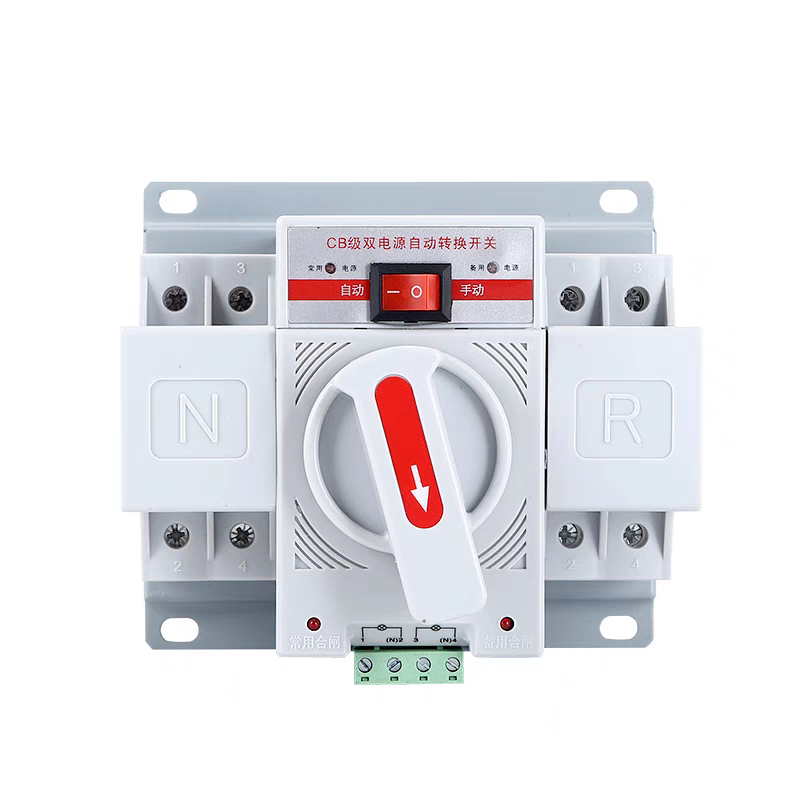
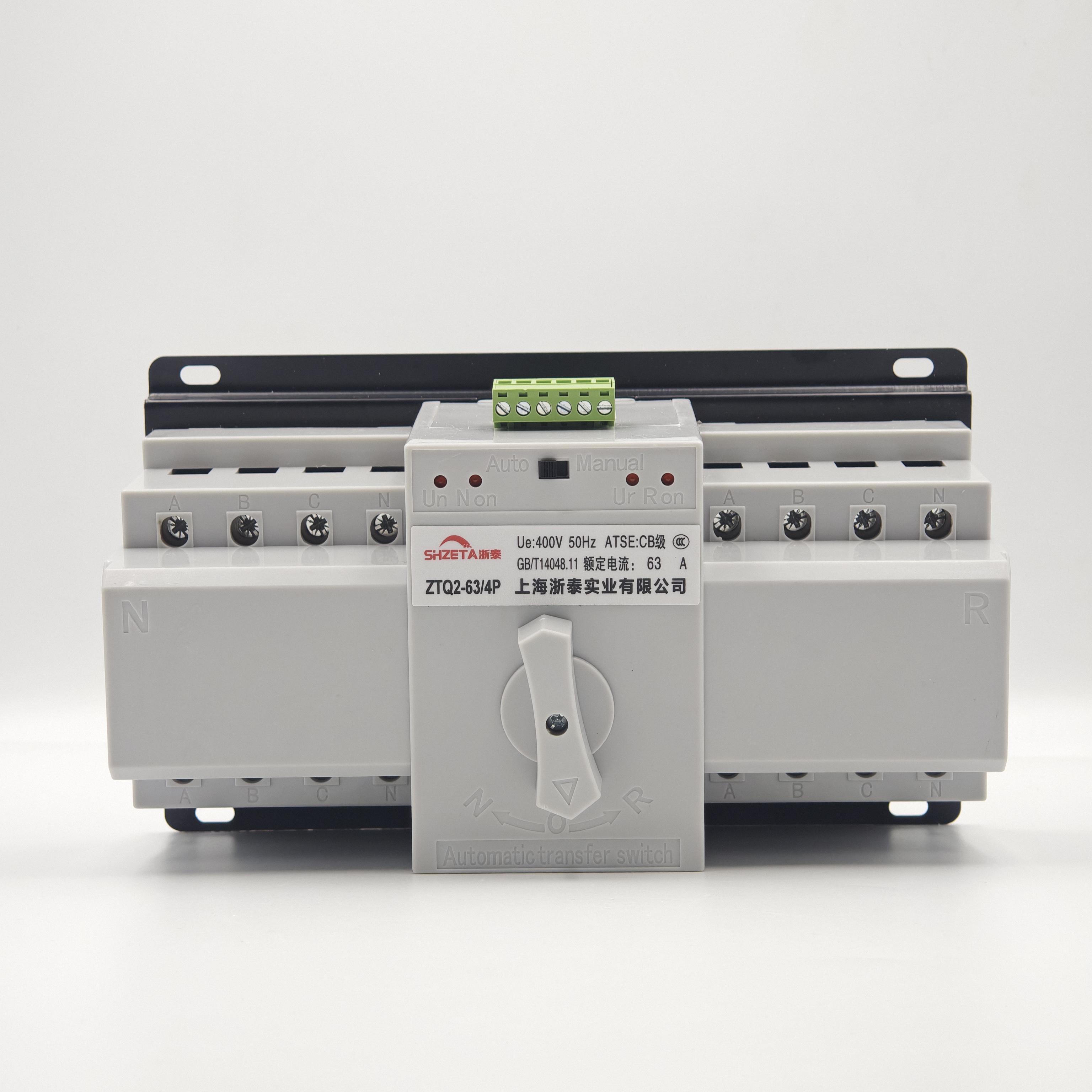
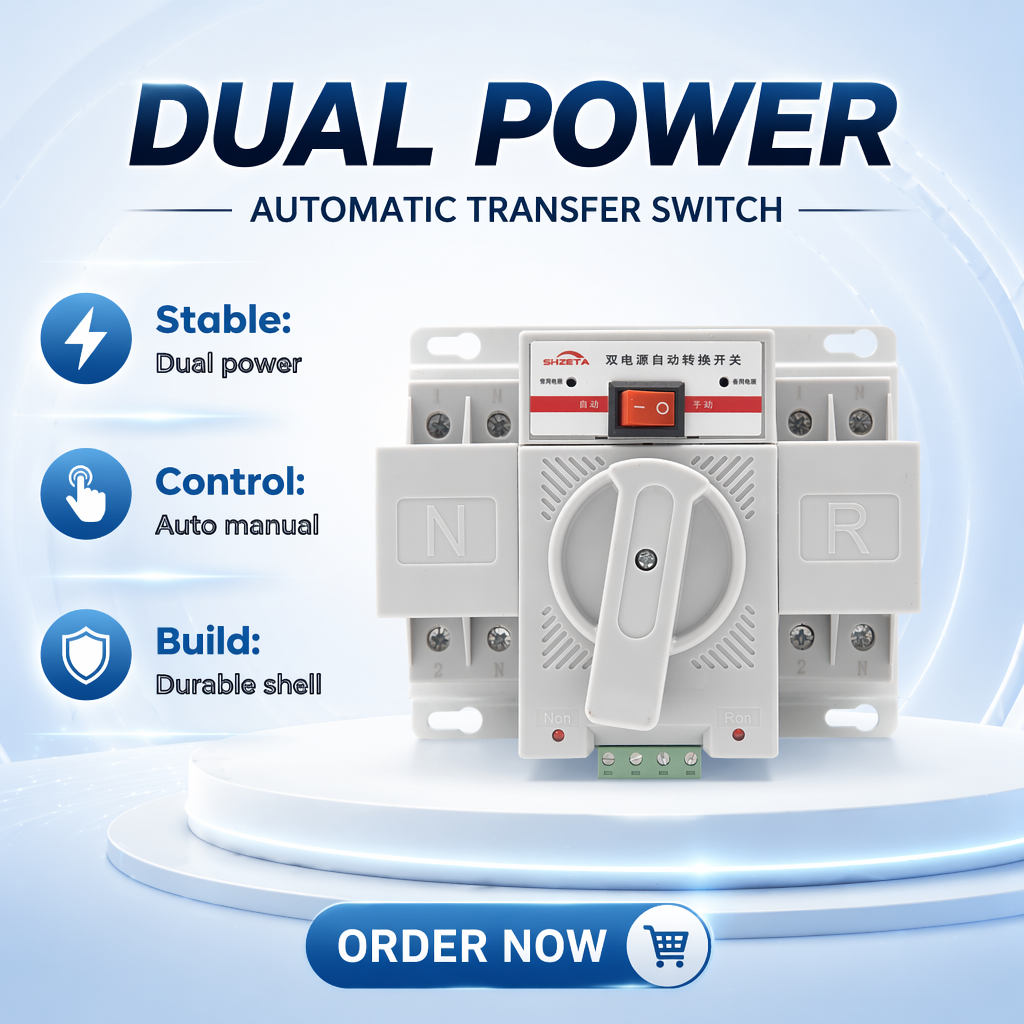
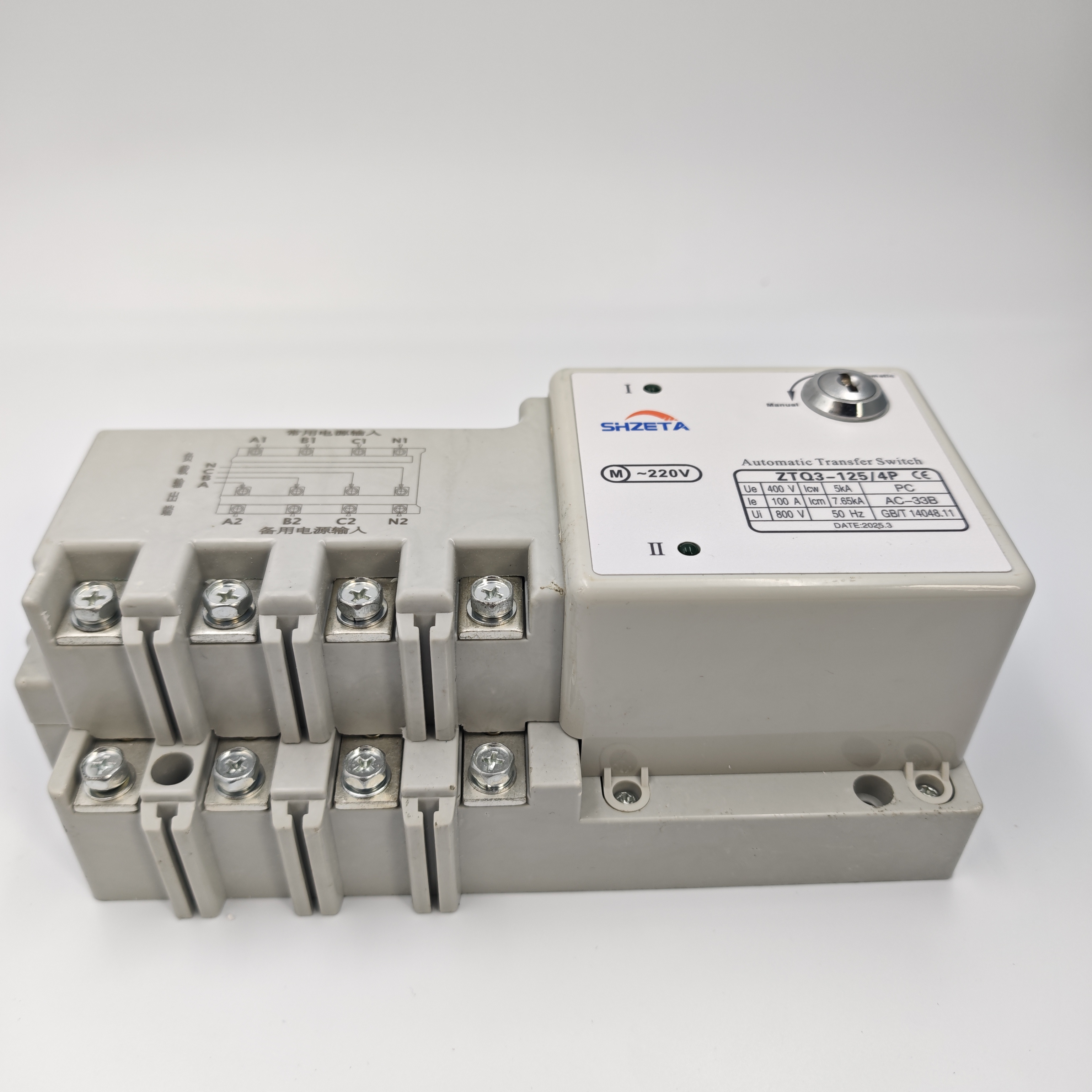
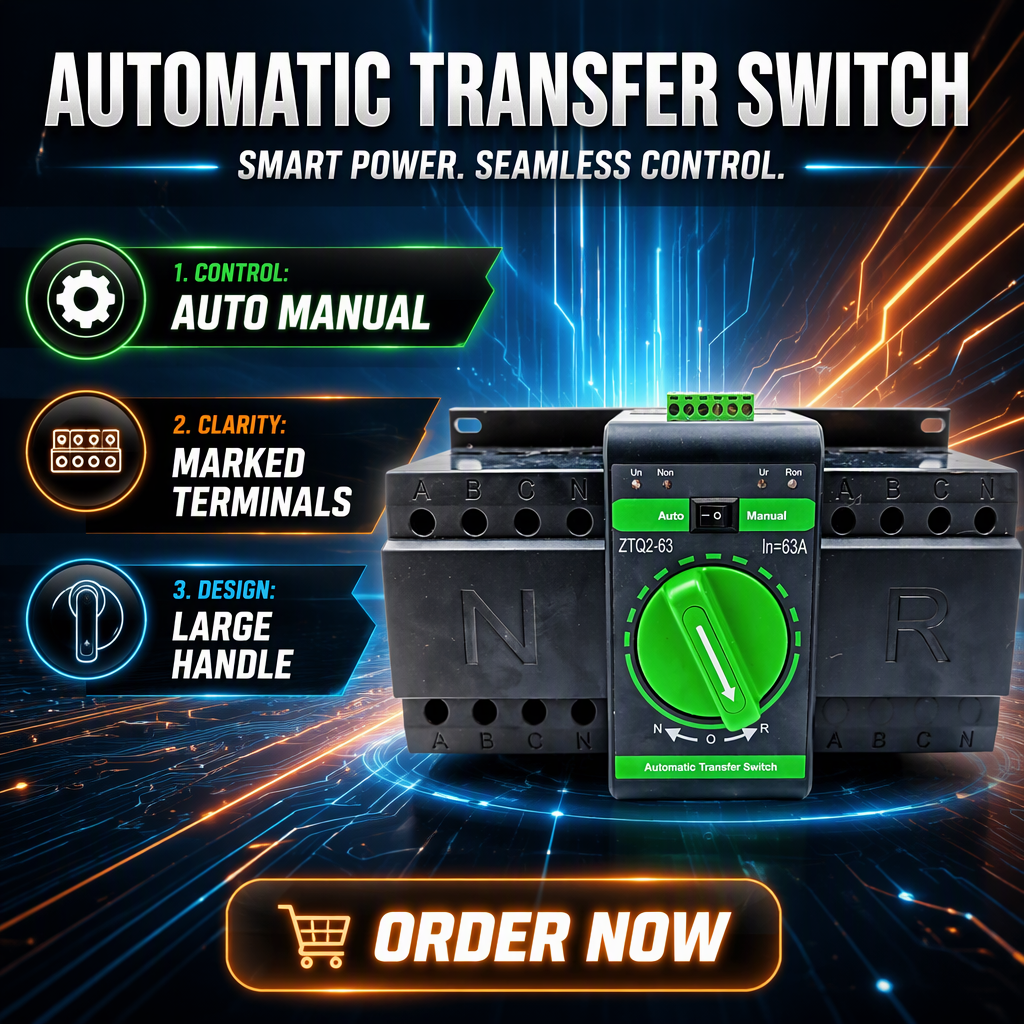
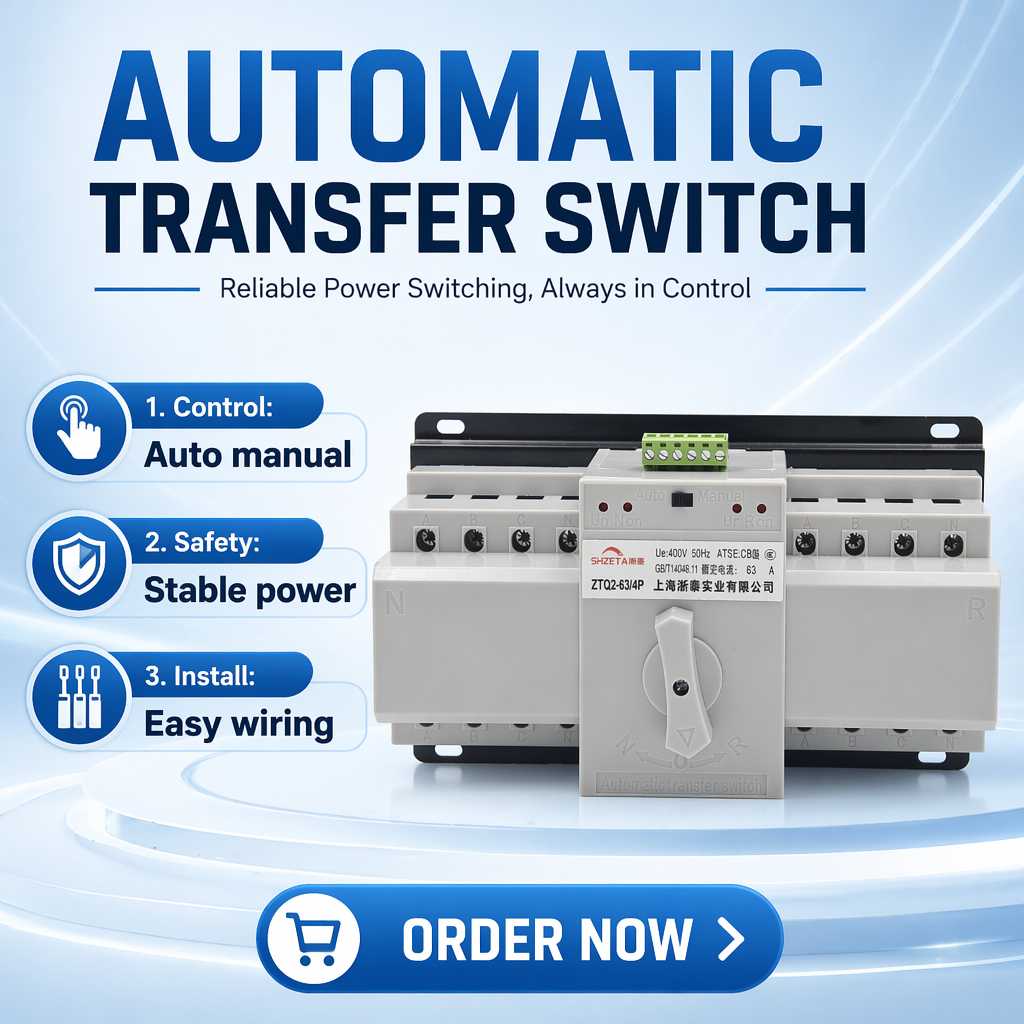
With local utility load-shedding safeguards and off-peak generation tariffs, installations increasingly pair primary EWA utility feeds with secondary standby diesel or battery banks. Dual-power automatic transfer switches (ATS) are becoming standard companion installations beside Type 2 SPDs.
3. Extreme Thermal Resilience
Ambient temperatures in non-air-conditioned industrial kiosks often breach 55°C. Specifiers demand SPDs and circuit breakers calibrated with de-rating data designed specifically for the hot, saline maritime conditions of the Arabian Gulf.
Procurement FAQ
Frequently Asked Questions by Isa Town Electrical Contractors
Common technical, regulatory, and supply chain questions encountered during project specification reviews.
What earthing arrangement is standard in Bahrain and how does it determine SPD selection?
Bahrain’s low-voltage network predominantly utilizes TT and TN-S grounding arrangements governed by EWA regulations. For TT networks, a "3+1" protection circuit (3x MOVs between Phase and Neutral, and 1x heavy-duty Gas Discharge Tube between Neutral and Protective Earth) is mandatory. This design prevents phase-to-earth leakage current from bypassing the installation’s Residual Current Device (RCD) and eliminates dangerous earth-voltage elevation during transient events.
How do high ambient temperatures in Isa Town affect the operational lifespan of SPD modules?
Metal Oxide Varistors (MOVs) experience accelerated thermal aging when subjected to persistent enclosure temperatures exceeding 50°C paired with continuous high network voltage. Graybar addresses this by utilizing varistor disks rated for elevated Uc (up to 385V AC on 230V systems) integrated with a low-temperature mechanical thermal disconnect mechanism. This prevents thermal runaway while ensuring full compliance with the operating conditions of the Gulf region.
Can dual-power ATS units and SPDs be consolidated in a single export consignment?
Yes. Zhejiang Graybar Electric Co., Ltd. consolidates MCBs, MCCBs, ACBs, surge protective devices, and automatic transfer switches under one Bill of Lading. This allows switchboard builders and distributors across Isa Town, Manama, and Sitra to optimize freight, documentation, and customs clearance procedures at Khalifa Bin Salman Port.
What certifications and technical documentation accompany export orders?
Every production batch is backed by routine inspection reports, dielectric test certificates, and IEC standards compliance declarations (IEC 61643-11 for SPDs, IEC 60947-2 for MCCBs/ACBs, and IEC 60947-6-1 for ATS equipment). Mill certificates and type test documentation can be verified prior to full container dispatch.
What is the lead time for standard vs. customized OEM orders to the Kingdom of Bahrain?
Standard DIN-rail MCB, ATS, and SPD inventory models are prepared for ocean freight dispatch within 7 to 15 days. Custom OEM configurations—including branded enclosures, custom trip curves, and specialized packaging—typically require 20 to 30 days, followed by direct maritime transit from Ningbo/Shanghai to Bahrain.