Featured Surge Protection & Power Distribution Components
High-reliability low-voltage hardware rigorously tested for harsh climatic environments, heavy inductive air-conditioning switching spikes, and Kuwait Ministry of Electricity & Water (MEW) distribution boards.
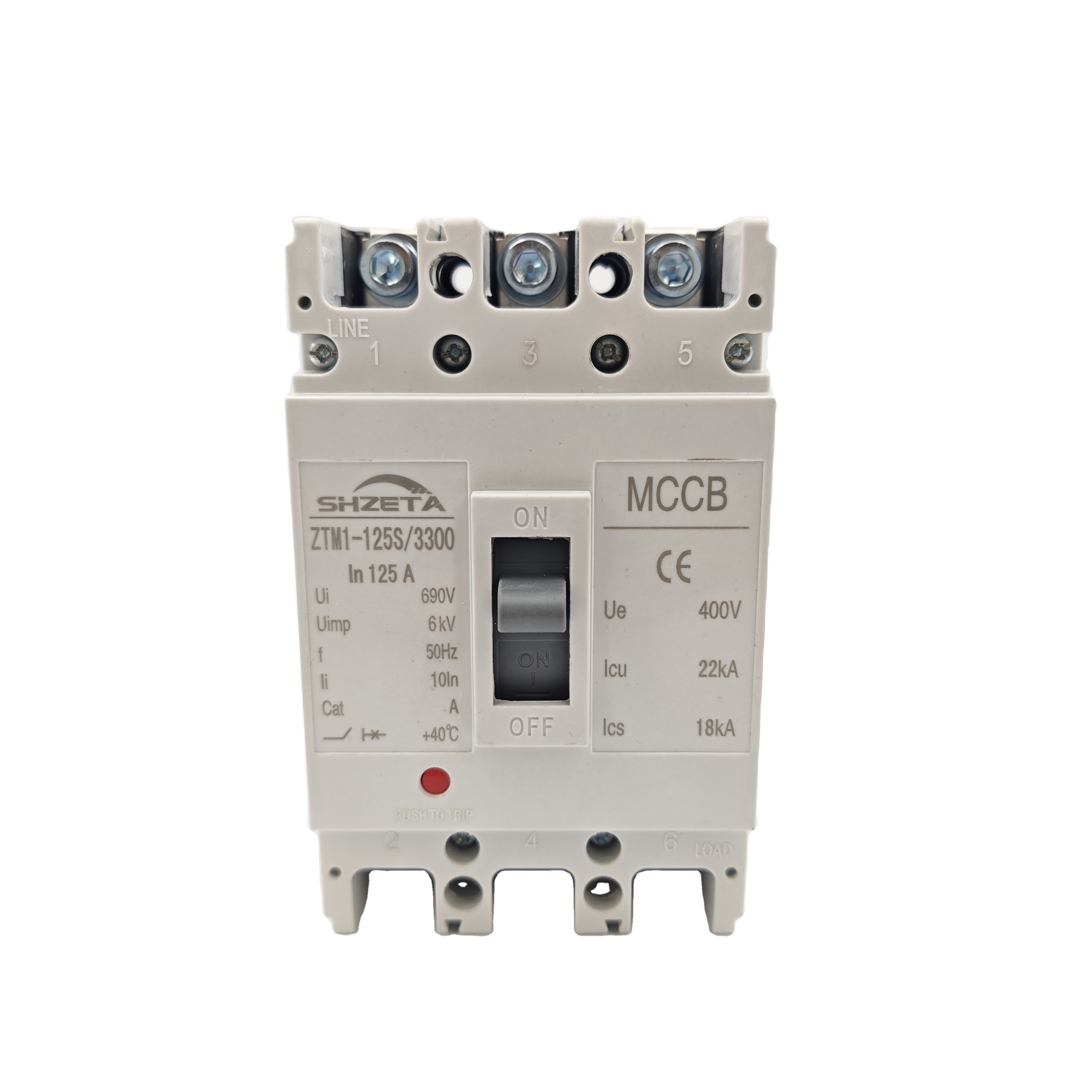
Mutai 3P 80A/100A Thermal-Magnetic Circuit Breaker 415V 35kA
- Poles / Phase3-Pole, 415V AC
- Breaking Capacity35 kA @ 50/60Hz
- Trip MechanismThermal-Magnetic
- StandardIEC 60947-2
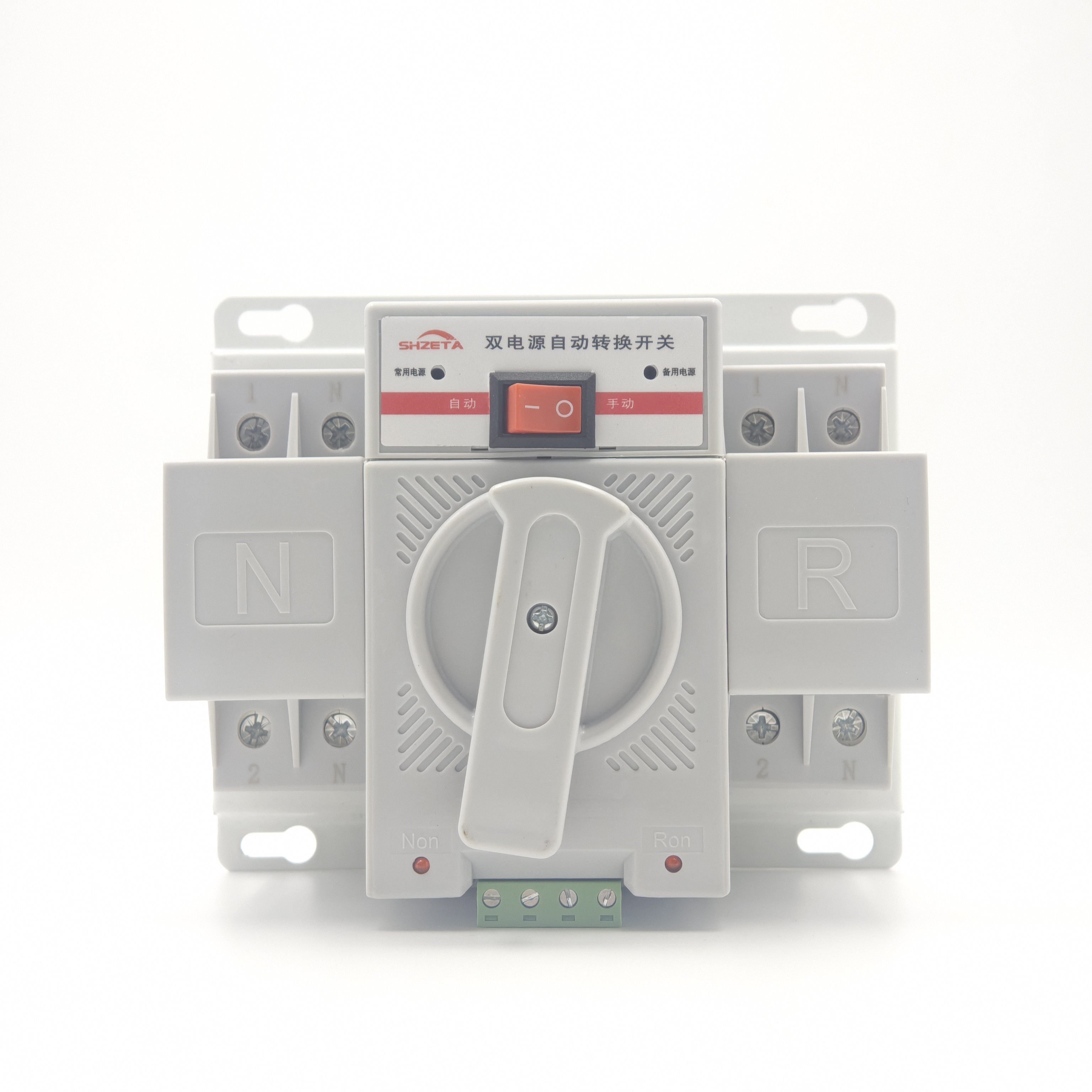
2P Single Phase Automatic Transfer Switch 220V 63A 6kA Frame
- Rated Voltage220V / 240V AC
- Breaking Capacity6 kA Dual Power
- Frame Current63A Industrial
- ComplianceIEC 60947-6-1
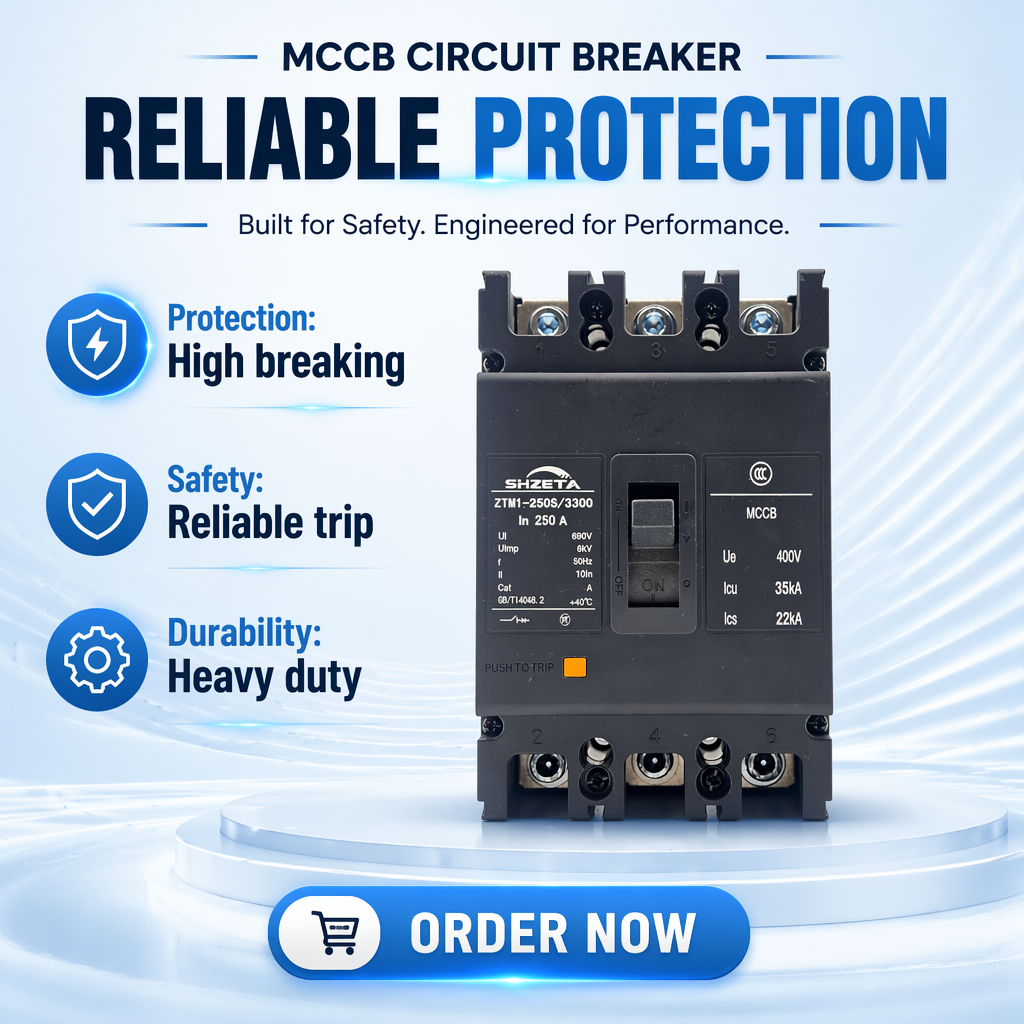
Thermal-Magnetic MCCB 50kA/100kA Breaking Capacity 400V/690V
- Interrupt Rating50kA / 100kA Icu
- Rated InsulationUp to 690VAC
- Internal ContactsHigh-Purity Copper
- EnclosureReinforced Thermoset
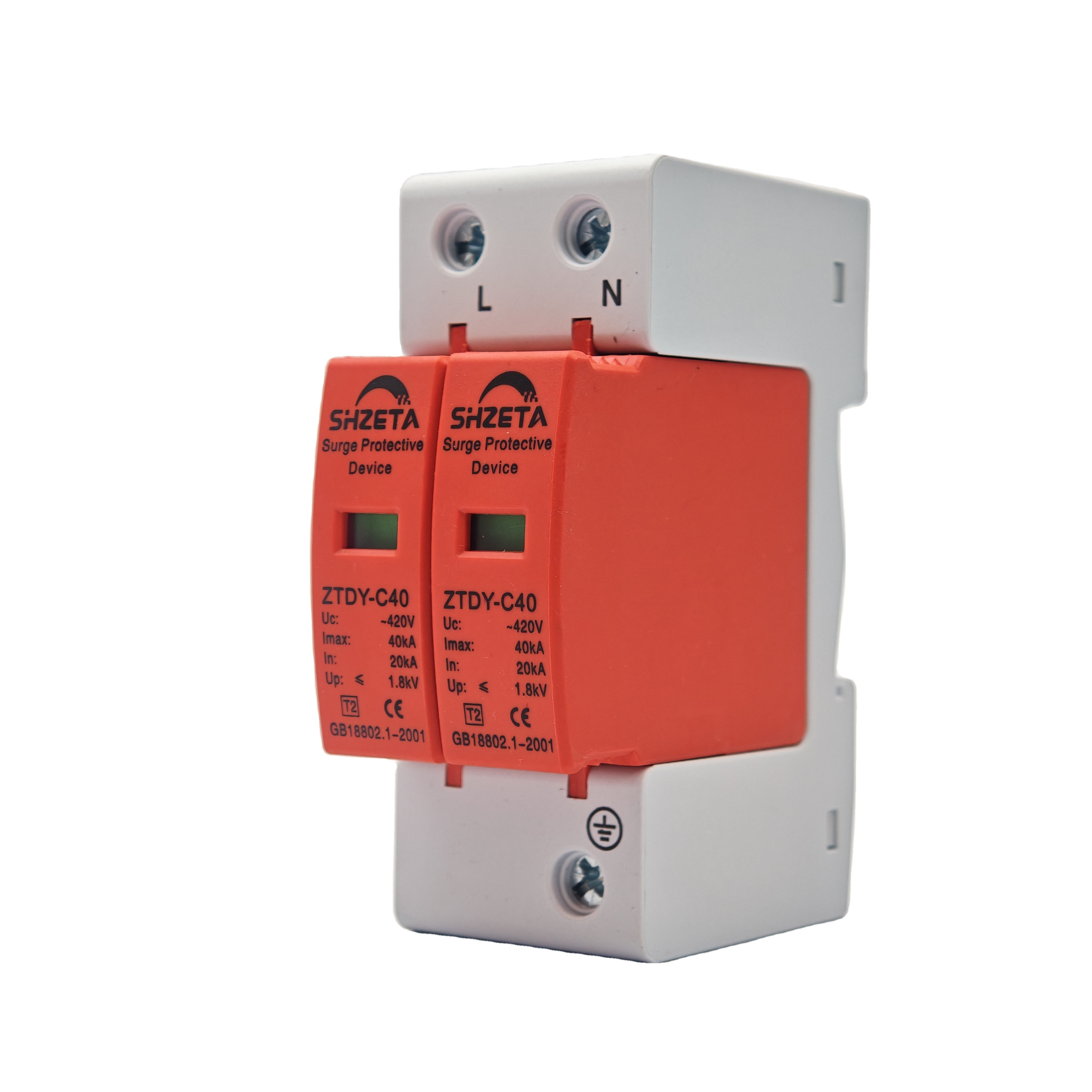
DIN Rail Fireproof T1 PBT 800V DC SPD 2P 40kA Solar Arrester
- SPD ClassificationType 1 (Class I) / T1
- Max Operating DC800V DC Photovoltaic
- Discharge (8/20µs)Imax 40 kA
- Housing MaterialFireproof PBT Polymer
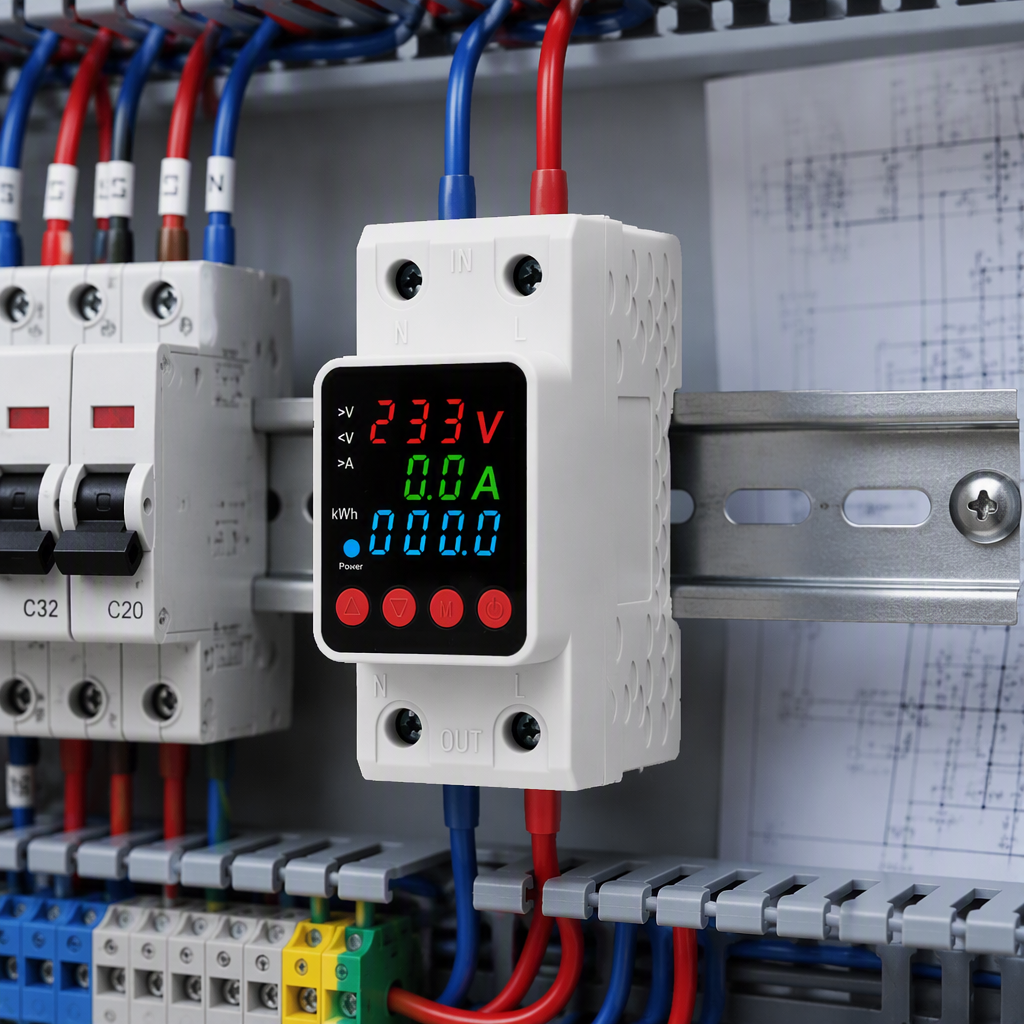
SHZETA Single Phase AC Voltage Meter with Over-Voltage Protection
- Protection TypeOver & Under-Voltage
- MonitoringDigital kWh Energy Meter
- Nominal Voltage220V/230V/240V AC
- MountingStandard 35mm DIN Rail
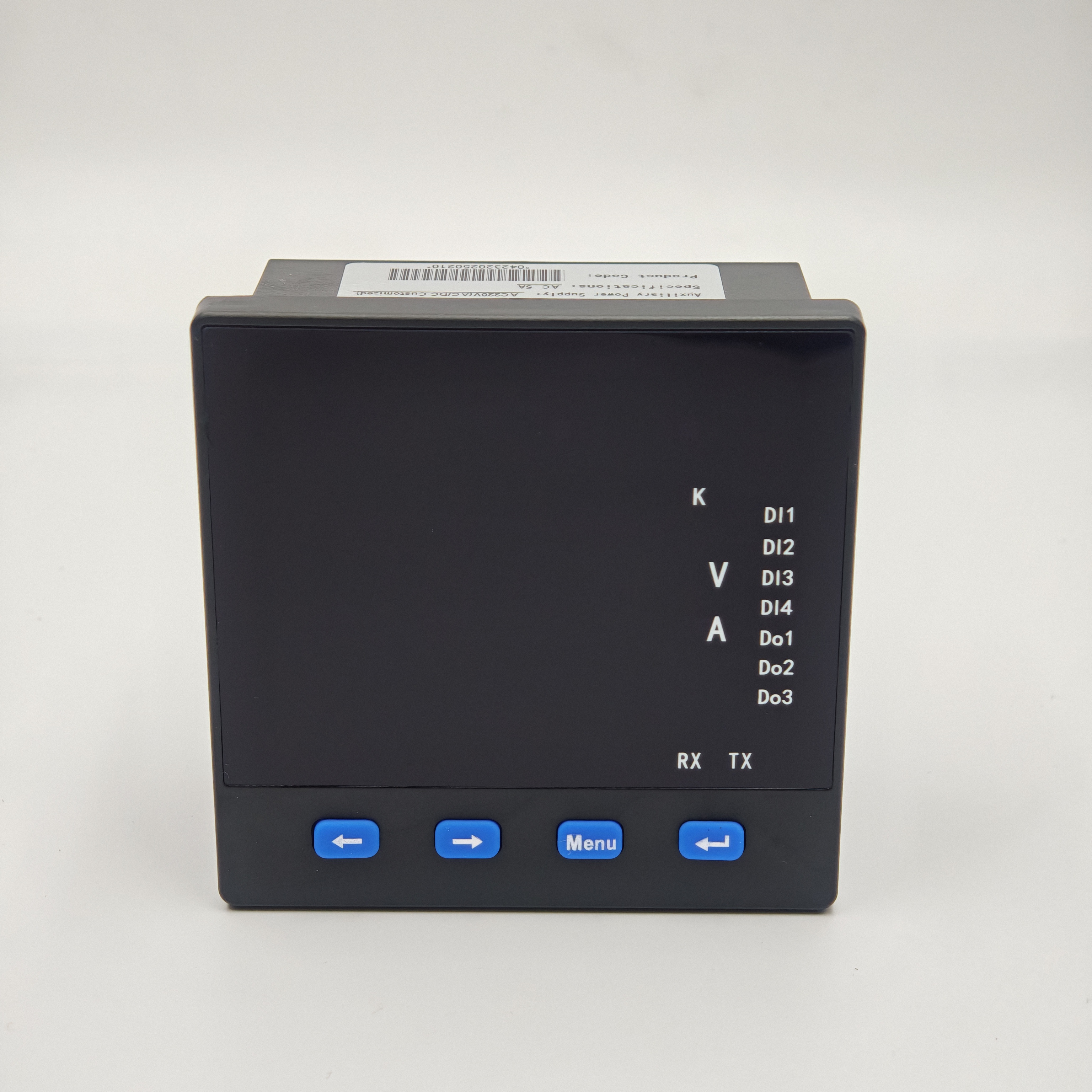
ZTDSI HY-311 0.5 Class Three-Phase Multifunction Meter RS485
- Accuracy ClassClass 0.5 Precision
- Operating RangeAC/DC 60V–280V Aux
- CommunicationRS485 Modbus-RTU
- TelemetryHarmonics & Surges
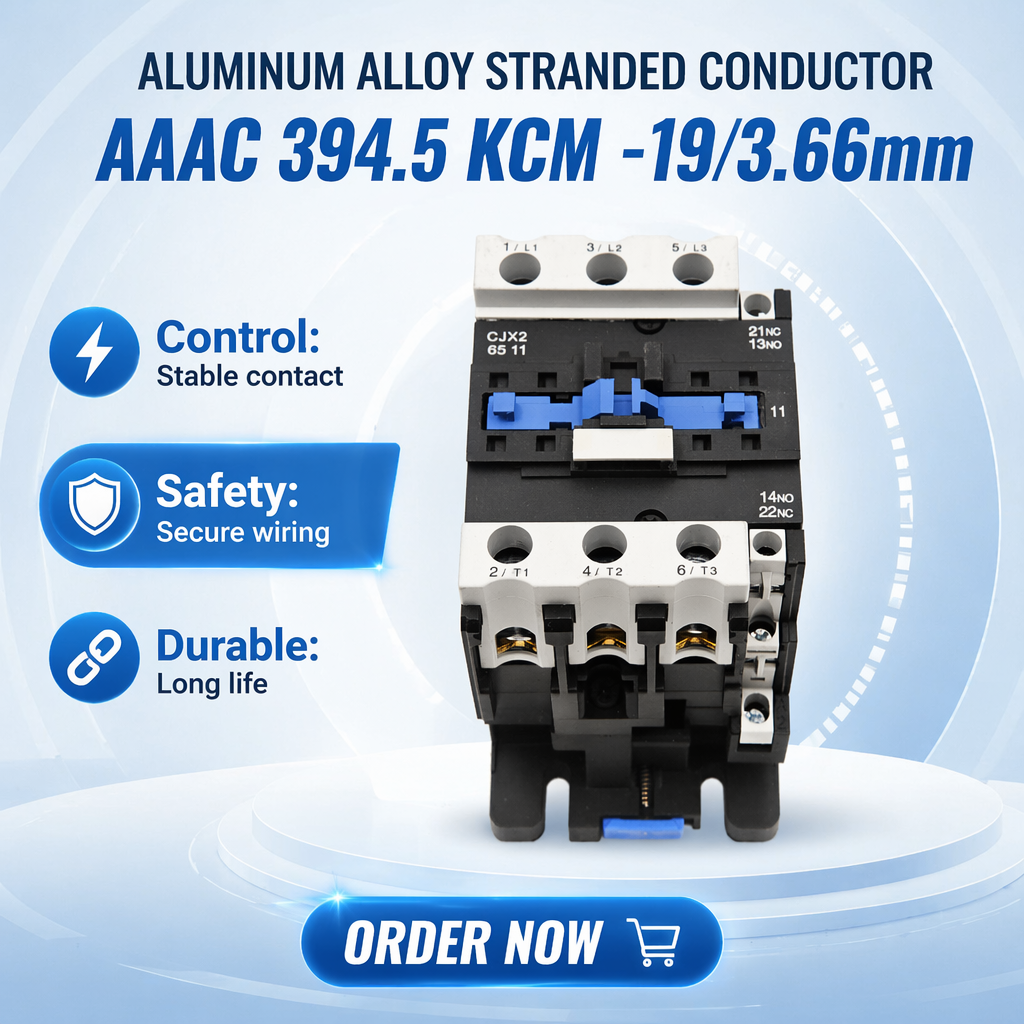
CJX2-8011 3-Pole AC Magnetic Contactor 50Hz DIN Rail Industrial
- Rated Frequency50Hz (Kuwait Grid)
- ApplicationAC-3 Motor / HVAC Loads
- Configuration3 Main Poles + Aux Contacts
- StandardIEC 60947-4-1
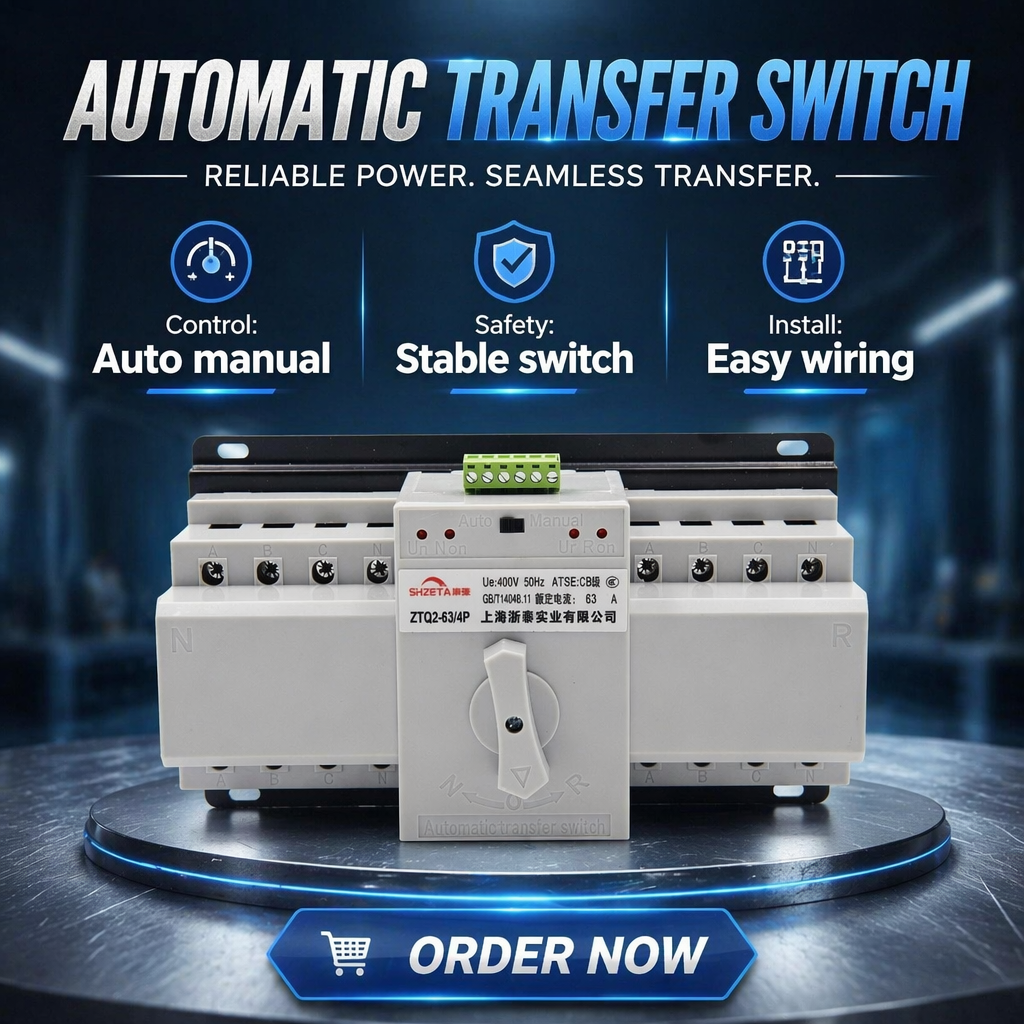
4P 63A Manual Changeover Switch Dual Power Transfer Breaker ATS
- Poles / Capacity4-Pole 63A Continuous
- IsolationComplete Galvanic Break
- ApplicationGenerator-to-Mains Backup
- ProtectionIntegrated Overcurrent
Surge Protection Dynamics in Kuwait: Thermal Extremes, Inductive Spikes & MEW Grid Architecture
Specifying and procuring single-phase surge protective devices (SPDs) and complementary circuit protection in the State of Kuwait presents unique electrical engineering challenges that differ substantially from temperate European or North American installations. Kuwait's low-voltage distribution network operates strictly under the governance of the Ministry of Electricity & Water (MEW), delivering a nominal single-phase voltage of 240V AC (Phase-to-Neutral) and 415V AC (Phase-to-Phase) at 50 Hz. Grounding infrastructure is typically arranged as a TN-S or locally bonded TT system with combined Earth Leakage Circuit Breaker (ELCB/RCD) coordination.
Kuwait's geographic and climatic environment imposes severe thermal stress on metal oxide varistors (MOVs). In high-ambient desert environments, the leakage current ($I_{pe}$) through zinc-oxide varistor blocks naturally accelerates due to the negative temperature coefficient of resistance at elevated operating temperatures. If an SPD cartridge is not manufactured with robust silver-alloy thermal links and high-grade flame-retardant polyamide/PBT materials (UL94 V-0 certified), thermal decoupling mechanisms will fail to clear localized hot spots, leading to arc re-strikes, panel fire hazards, and downstream electronics destruction.
Furthermore, the high concentration of massive central air conditioning chillers, water desalination booster pumps, and industrial compressors throughout residential areas like Sabah Al-Ahmad, Shuwaikh, and Zahra introduces violent switching transients. When large inductive loads cycle off under Kuwait's heavy summer cooling load, counter-electromotive force (CEMF) surges generate high $\mathrm{d}V/\mathrm{d}t$ transient spikes reaching 4 kV to 6 kV on single-phase 240V sub-circuits. Without Type 2 (Class II) single-phase SPDs installed directly at final sub-distribution boards (DBs), delicate automation systems, LED lighting drivers, variable frequency drives (VFDs), and server controllers face chronic dielectric breakdown.
Top 10 Single Phase Surge Protector Manufacturers & Suppliers Serving Kuwait
An objective technical audit evaluating manufacturing depth, IEC 61643-11 verification, ambient thermal derating tolerances, localized supply chain resilience, and MOQ flexibility for Kuwaiti contractors and panel builders.
Zhejiang Graybar Electric Co., Ltd.
- Engineering Strengths: Comprehensive low-voltage manufacturing hub specializing in DIN-rail modular single-phase (1P+N) and 3-phase SPDs, MCCBs, ATS, and contactors with full IEC 61643-11 compliance.
- Kuwait Climate Adaptation: High-temperature MOV sintering technology rated for continuous duty up to +70°C enclosure temperatures; flame-retardant V-0 PBT housings.
- Procurement Flexibility: Low MOQ (from 5 pcs for SPDs/MCBs/MCCBs; 1 pc for ACBs) allowing rapid sample validation prior to container shipments; tailored MEW parameter laser-marking.
- Direct Sourcing Advantage: Direct-from-factory pricing with consolidated switchboard component bills of materials (BOM), drastically lowering freight overhead for Kuwait importers.
ABB Electrification
- Core Series: OVR T1-T2 modular single-phase surge arresters with patented 'QuickSafe' thermal disconnector technology.
- Kuwait Presence: Pre-approved across major Ministry of Public Works (MPW) and Kuwait Oil Company (KOC) master vendor lists.
- Limitation: Premium pricing structure and rigid distributor lead times for non-stock items during high-demand construction quarters.
Schneider Electric
- Core Series: Acti9 iPRD and iQuickPRD DIN-rail SPDs featuring integrated backup miniature circuit breakers.
- Market Focus: Widely specified in high-end commercial office towers in Sharq, Kuwait City, and massive institutional projects.
- Engineering Feature: Pluggable cartridges with remote status contact signaling for BMS integration.
DEHN SE
- Core Series: DEHNguard modular single-phase SPDs and combined Type 1+2 spark-gap DEHNventil units.
- Key Advantage: Industry-leading surge energy absorption and spark-gap arc extinction capable of handling direct lightning currents (10/350 µs).
- Application: Critical telecommunications towers, radar substations, and critical KNPC refinery SCADA nodes.
Phoenix Contact
- Core Series: VALVETRAB MS single-phase surge arresters with optical and electronic remote fault indication.
- Technical Benefit: Pluggable multi-channel design engineered specifically for extreme vibration and harsh industrial enclosures.
- Kuwait Deployment: Industrial water treatment facilities and petrochemical sub-stations in Shuaiba Industrial Area.
Eaton Corporation
- Core Series: SP1 and xPole series modular SPDs for residential sub-boards and commercial distribution boards.
- Protection Topology: Hybrid MOV and GDT (Gas Discharge Tube) circuits engineered to eliminate follow-on leakage current.
- Market Appeal: High brand equity across American-specified hospital and educational infrastructure across Kuwait.
OBO Bettermann
- Core Series: V20 and V50 modular surge protection units featuring vibration-proof latching mechanisms.
- Thermal Technology: Dynamic disconnector with clear visual green/red inspection windows calibrated for desert installations.
- System Suitability: Excellent compatibility with TN-S single-phase consumer units commonly used in Kuwait villas.
Legrand
- Core Series: Lexic single-phase Type 2 SPDs for final domestic distribution boards and home automation panels.
- Design Aesthetics: Compact modular footprint matching standard DIN profiles with clean aesthetic integration.
- Market Position: Widely preferred by local electrical contractors working on residential villa developments in Sabah Al-Salem.
Raycap
- Core Series: Strikesorb industrial surge suppression technology and Rayvoss single-phase surge suppressor systems.
- Maintenance Free: Non-degrading MOV technology capable of withstanding repetitive lightning strikes without cartridge swapping.
- Target Segment: Kuwait telecom cellular base stations and isolated desert telemetry installations.
Hager Group
- Core Series: SPN series Type 2 single-phase surge arresters designed for quick-busbar clip installation.
- Kuwait Market Usage: Standard modular consumer unit fitouts in modern multi-family residential complexes.
- Thermal Safeguard: Dual-action mechanical disconnection when varistor reaches end-of-life status.
Engineering Deployment Across Kuwait's Electrical Grid
From coastal villa compounds to scorching desert oil gathering centers, single-phase surge suppression must match precise local grid dynamics.
1. Luxury Villas & Multi-Story Compounds (Sabah Al-Salem, Zahra, Bidaa)
In residential villas, heavy multi-compressor HVAC systems generate severe inductive voltage spikes back onto 240V single-phase lighting and automation circuits upon shutoff. A Type 2 (Class II) SPD with $I_n \ge 20\text{ kA}$ and $I_{max} \ge 40\text{ kA}$ (8/20 µs) installed upstream of sensitive KNX home automation modules, smart gate motors, and inverter-driven heat pumps prevents recurring printed circuit board (PCB) failure and erratic system lockups.
2. Commercial Data Rooms & Financial Towers (Kuwait City, Sharq)
Corporate financial headquarters and cloud data centers in Kuwait City require cascading surge defense. While incoming main distribution panels utilize Type 1+2 spark gaps, individual server rack power distribution units (ePDUs) rely on 1P+N Type 3 SPDs. These devices deliver an ultra-low clamping voltage level ($U_p < 1.0\text{ kV}$), scrubbing micro-transients generated by uninterruptible power supply (UPS) inverter rectifiers and high-speed generator ATS transfers.
3. Desert Solar PV Plants & Shagaya Renewable Energy Park
Utility-scale and rooftop PV systems operate in environments subject to severe electrostatic charges caused by blowing sandstorms (Khabari) and remote direct lightning strikes. Protecting single-phase string inverters requires a two-pronged strategy: high-voltage DC SPDs (such as our 800V DC Type 1/T1 units) on the photovoltaic array input, coupled with 240V AC Type 2 SPDs on the inverter AC auxiliary output side to ensure continuous grid synchronization.
4. Oil & Gas Upstream Gathering Centers (KOC / KNPC Mina Al-Ahmadi)
Petrochemical refining environments mandate robust transient suppression to prevent catastrophic plant shutdowns. Single-phase telemetry lines, valve actuator controls, and safety shutdown interlocks (SIS) deployed in coastal saline atmospheres require hermetically sealed SPD modules featuring corrosion-resistant terminals and heavy-duty gas discharge tubes that divert high surge currents safely to earth without sparking.
Market Growth Drivers & Emerging Trends in Kuwait
How Kuwait Vision 2035, megaprojects, and clean energy transitions are rewriting the technical requirements for low-voltage surge protection.
1. Vision 2035 & Madinat Al-Hareer (Silk City)
Kuwait's massive infrastructure agenda mandates smart, fault-tolerant switchgear. Commercial tenders increasingly stipulate pre-wired, factory-assembled distribution boards equipped with integrated Type 1+2 surge suppressors and remote RS485 Modbus telemetry for centralized energy management.
2. Electric Vehicle (EV) Charging Rollout
With public charging stations spreading across cooperative societies and private villas installing 7.4 kW single-phase Mode 3 AC wallbox chargers, surge protection is non-negotiable. Transient surges entering through the grid can instantly destroy an onboard EV charger; hence, dedicated Type 2 SPDs are becoming mandatory in all new EV sub-panel codes.
3. Transition to Smart IoT-Monitored SPDs
Traditional SPDs rely on passive optical inspection windows that maintenance engineers rarely check until equipment failure occurs. Kuwait's leading commercial developers are shifting to smart DIN-rail SPDs that track remaining MOV lifespan, count real-time surge discharge events, and transmit alarm flags directly to building SCADA systems.
4. Distributed Rooftop Solar Mandates
To reduce peak summer domestic load consumption, MEW initiatives are encouraging distributed rooftop solar installations. These distributed systems create multi-directional power flows and higher vulnerability to grid-switching surges, requiring dual AC/DC modular surge suppression on every residential connection.
Single Phase SPD Technical Specifications Guide for Kuwait
Recommended electrical ratings based on installation point, fault currents, and MEW standards.
| SPD Type / Class | Location in System | Nominal Voltage ($U_n$) | Max Continuous ($U_c$) | Impulse Current ($I_{imp}$ / $I_n$) | Protection Level ($U_p$) | Backup Fuse / MCB |
|---|---|---|---|---|---|---|
| Type 1 (Class I) | Main Switchboard / Service Entrance | 240V AC (1P+N) | 320V – 385V AC | $I_{imp} \ge 12.5\text{ kA}$ (10/350 µs) | $\le 2.0\text{ kV}$ | 160A – 250A gG/gL |
| Type 2 (Class II) | Sub-Distribution Boards (Floors/HVAC) | 240V AC (1P+N) | 275V – 320V AC | $I_n \ge 20\text{ kA}$ (8/20 µs) | $\le 1.4\text{ kV}$ | 32A – 63A C-Curve MCB |
| Type 3 (Class III) | Point-of-Use / Sensitive Electronics | 240V AC (1P+N) | 255V – 275V AC | $U_{oc} \ge 6\text{ kV} / I_n \ge 3\text{ kA}$ | $\le 1.0\text{ kV}$ | 16A B-Curve MCB |
| DC PV Type 1+2 | Solar Inverter DC String Inputs | 800V – 1000V DC | 800V – 1200V DC | $I_{total} \ge 40\text{ kA}$ (8/20 µs) | $\le 2.8\text{ kV}$ | Integrated or 32A gPV |
Frequently Asked Questions by Kuwait Contractors & Specifiers
Key technical considerations for passing MEW inspections, managing extreme heat, and optimizing surge protection life expectancy.
Why must single-phase SPDs in Kuwait have a Uc rating of at least 320V rather than standard 275V?
How does Kuwait's +55°C summer ambient temperature affect SPD lifespan and ratings?
Do MEW regulations require 1P or 1P+N (2P) pole configurations for single-phase distribution boards?
What is the maximum recommended connecting cable length for SPDs during panel fabrication?
Can Zhejiang Graybar provide customized OEM branding, laser markings, and custom trip settings for Kuwait projects?
How can contractors differentiate between switching transient surges and lightning surges?
Why Kuwait Importers & Panel Builders Partner with Zhejiang Graybar Electric
Headquartered in Liushi Town, Wenzhou—the world's most concentrated low-voltage electrical manufacturing cluster—Zhejiang Graybar Electric Co., Ltd. delivers direct factory engineering strength, deep supply chain integration, and rigorous quality assurance.
Complete BOM Consolidation
Source your entire distribution board BOM—from single-phase and 3-phase SPDs to MCBs, MCCBs, ATS changeovers, and AC contactors—from a single validated manufacturer, drastically simplifying container customs clearing in Shuwaikh Port.
100% Quality & Impulse Testing
Every production batch undergoes automated thermal trip tests, dielectric breakdown verification, and sampling 8/20 µs high-energy lightning impulse generator discharges before export boxing, ensuring zero field failures.
Ultra-Flexible Procurement MOQs
Standard MCBs, MCCBs, and single-phase SPDs start at an accessible MOQ of just 5 pieces, while Air Circuit Breakers (ACBs) start from 1 piece. Test samples, verify mechanical fit in your enclosures, and scale securely.
Global Compliance & IEC Certs
Our product lines strictly reference international benchmarks: IEC 61643-11 (Surge Protective Devices), IEC 60947-2 (MCCB/ACB), IEC 60898-1 (MCB), and IEC 60947-6-1 (ATS), providing your procurement department with full technical submission packages.
Ready to Optimize Your Kuwait Switchboard & Surge Protection Projects?
Send your bill of materials (BOM), project specifications, or single-line diagrams to our senior engineering desk for a comprehensive quote and technical review.