Coordinated Surge Suppression & Power Switching Hardware
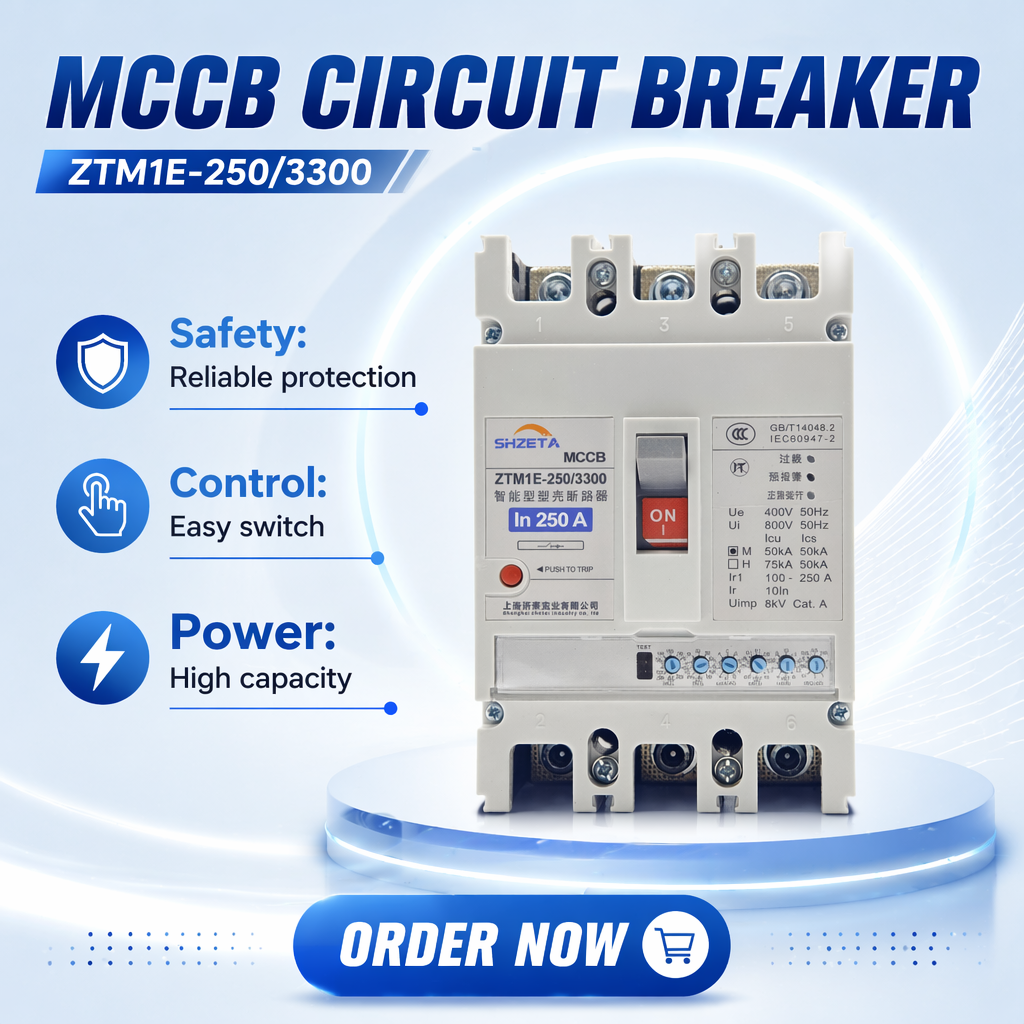
High-rupture capacity molded case breakers, dynamic dual-power transfer switches, and solid-state voltage surge suppressors engineered to protect utility incomers, critical branch panels, and automation machinery.
Mitigating Transient Overvoltages in the Sonoran Desert Microclimate: Advanced SPD Topology for Greater Phoenix
The geographic basin encompassing Phoenix, Scottsdale, Mesa, Chandler, and Tempe represents one of the most electrically unforgiving industrial operating environments in North America. Known colloquially as the Valley of the Sun, Phoenix couples sustained summertime ambient dry-bulb temperatures exceeding 115°F (46°C)—often yielding switchgear enclosure internal temperatures in excess of 140°F (60°C)—with violent convective meteorological events. Specifically, the annual North American Monsoon (spanning late June through September) produces extreme atmospheric ionization, dry microbursts, dust storms (haboobs), and high-density cloud-to-ground lightning discharge arrays.
For low-voltage distribution engineers, industrial plant supervisors, and electrical contractors operating under the jurisdictions of Arizona Public Service (APS) and Salt River Project (SRP), power quality is characterized not merely by steady-state nominal AC waveforms, but by destructive high-frequency voltage impulses ($dv/dt$), switching surges induced by utility power-factor capacitor banks, and harmonic distortions generated by adjacent variable-frequency drive (VFD) intensive infrastructure.
Critical Engineering Notice for Phoenix Panel Builders: Standard Metal Oxide Varistors (MOVs) suffer exponential thermal acceleration when operated at elevated internal switchboard temperatures. An uncalibrated standard SPD rated solely for temperate 25°C climates will undergo premature dielectric breakdown and catastrophic thermal runaway under Phoenix rooftop and outdoor enclosure conditions unless equipped with internal micro-thermally decoupled disconnect mechanisms and reinforced silver-alloy current paths.
1. Transient Overvoltage Physics in the Phoenix Metropolitan Grid
Surges in the Phoenix basin stem from two primary mechanisms: external atmospheric discharge and internal inductive load switching. Atmospheric lightning strikes along the Superstition Mountains and the South Mountain periphery induce electromagnetic pulses (EMP) directly onto overhead distribution feeders. These lightning surges propagate as high-energy traveling waves governed by transmission-line surge impedance ($Z_0 = \sqrt{L/C}$). Even when direct strikes are intercepted by utility lightning arresters, high residual impulse voltages surge downstream into primary facility entrances (Service Equipment).
Concurrently, the extreme summer cooling demand across Maricopa County creates an operational scenario wherein hundreds of megawatts of chilled-water plant chillers, multi-stage rooftop compressors, and industrial cooling towers cycle intermittently. When a 200-horsepower industrial compressor or high-tonnage semiconductor cleanroom air handler disconnects inductive loads, counter-electromotive force ($e = -L \cdot di/dt$) generates transient spikes exceeding 3,000 volts within internal branch sub-panels. Without robust, Type 1 and Type 2 coordinated Surge Protective Devices (SPDs), these repeated nanosecond-duration wavefronts systematically degrade the gate insulation oxide layers of sensitive silicon switching transistors, programmable logic controllers (PLCs), and building automation systems (BAS).
2. Thermal Degradation and MOV Micro-Disconnect Architectures
At the core of modern low-voltage surge suppressors are zinc-oxide (ZnO) varistor ceramic discs whose non-linear voltage-current relationship is governed by the equation $I = k \cdot V^\alpha$, where $\alpha$ denotes the degree of non-linearity. In the high ambient heat of Phoenix, the leakage current passing through the MOV grain boundaries increases substantially. Over multiple surge cycles, localized thermal hot spots develop within the ceramic matrix.
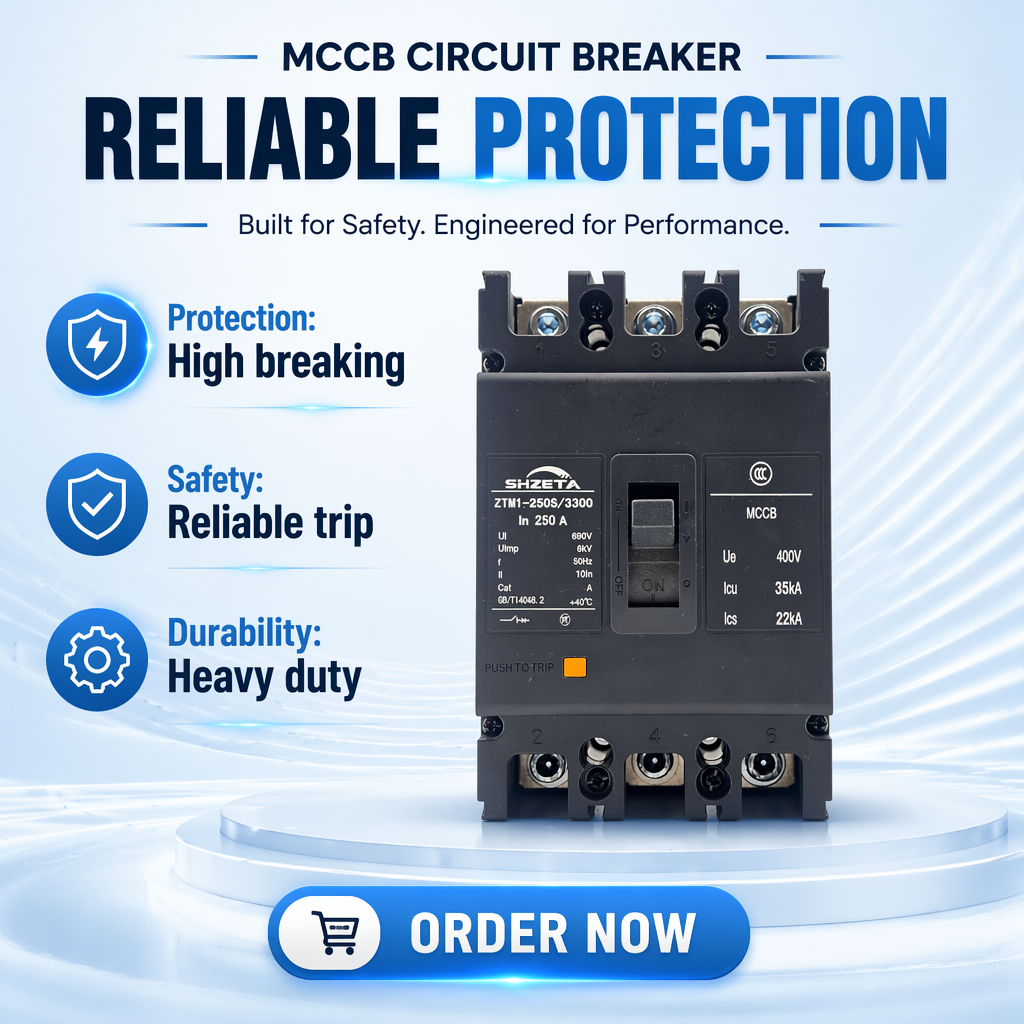
Zhejiang Graybar Electric addresses this desert challenge through proprietary heavy-duty thermal-magnetic molded case circuit breakers and coordinated surge components. Our protection topologies incorporate low-melting-point silver alloy thermal disconnect bridges pre-stressed by mechanical spring tension. Should an sustained overvoltage or ambient thermal saturation drive the MOV towards its thermal runaway boundary, the mechanical link cleanly separates the degraded varistor branch prior to catastrophic enclosure flashover, while integrated micro-switch telemetry alerts building maintenance networks via dry contact relays.
3. Coordination Topology: Cascaded Service Entrance to Point-of-Use
Reliable transient suppression cannot be achieved by a single solitary SPD installed at the main switchboard. In accordance with IEEE C62.41.2 and IEC 61643-12 engineering practices, Phoenix commercial facilities require a three-stage cascading approach:
- Category C (Type 1 SPD): Located at the primary service transformer secondary incomer upstream of the main disconnect, rated for nominal discharge currents ($I_n$) of 20kA and maximum discharge currents ($I_{max}$) up to 100kA (8/20 µs waveform) to divert external lightning currents to ground.
- Category B (Type 2 SPD): Installed within branch sub-distribution panels adjacent to Molded Case Circuit Breakers (such as Graybar's 50kA/100kA breaking capacity thermal-magnetic MCCBs) to suppress residual let-through voltage and internal switching transients.
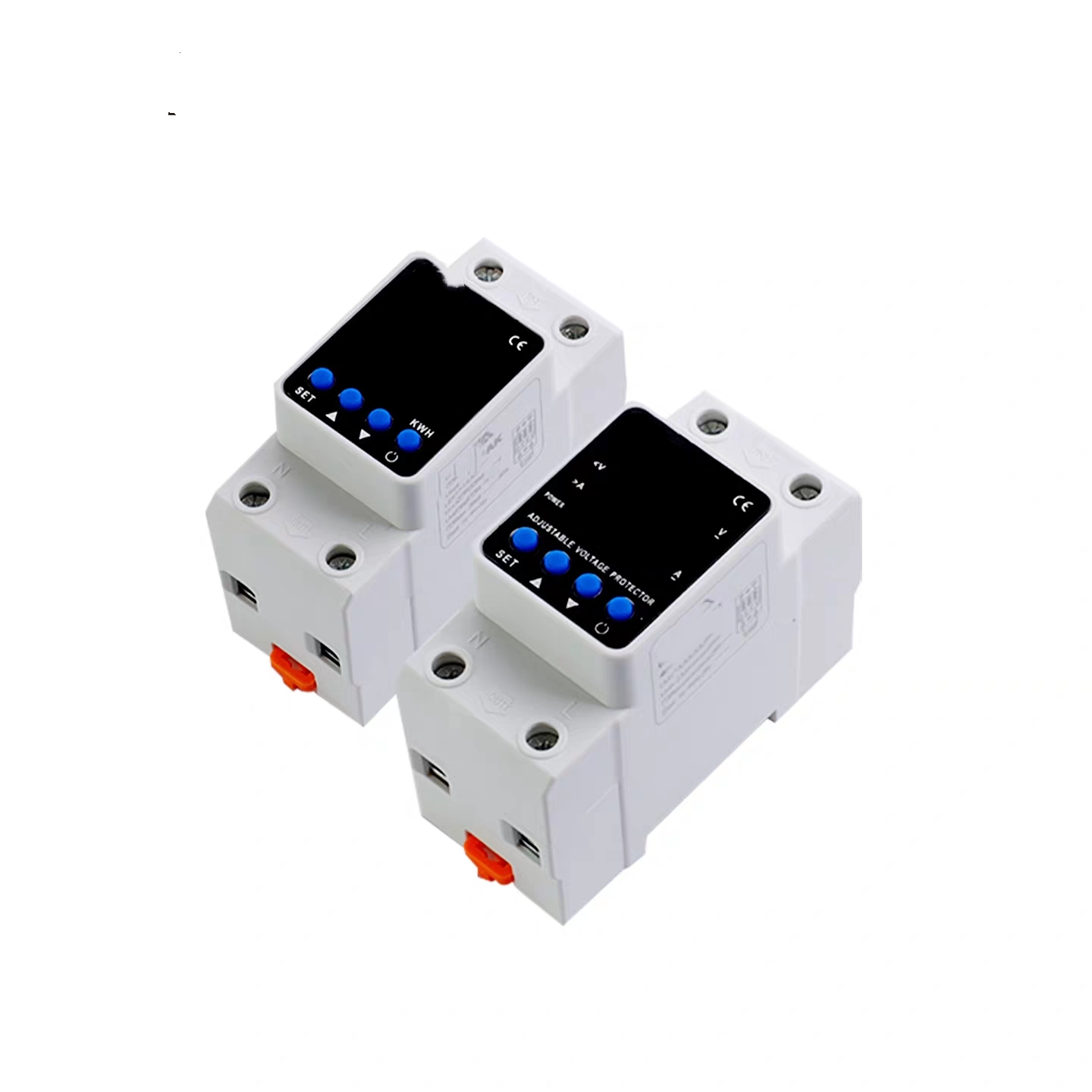
- Category A (Type 3 SPD & Voltage Protectors): Embedded directly at point-of-use terminals for CNC machining axes, medical imaging systems, and distributed server racks, absorbing low-amplitude switching micro-spikes.
Targeted Power Protection Across Key Phoenix Sectors
Tailored electrical coordination architectures deployed to counter specific infrastructural and environmental threats in Maricopa and Pinal Counties.
Semiconductor Cleanrooms & Silicon Desert Giga-Fabs
In the North Phoenix and Chandler tech corridors, advanced wafer fabrication plants require nanosecond-grade power continuity. Micro-surges of mere tens of volts can corrupt photolithography stepper tooling and chemical vapor deposition controls. Our coordinated high-breaking-capacity MCCBs and dynamic surge suppressors ensure ultra-low let-through voltage ($V_{pr}$) and total transient decoupling.
Utility-Scale & C&I Solar-Plus-Storage Microgrids
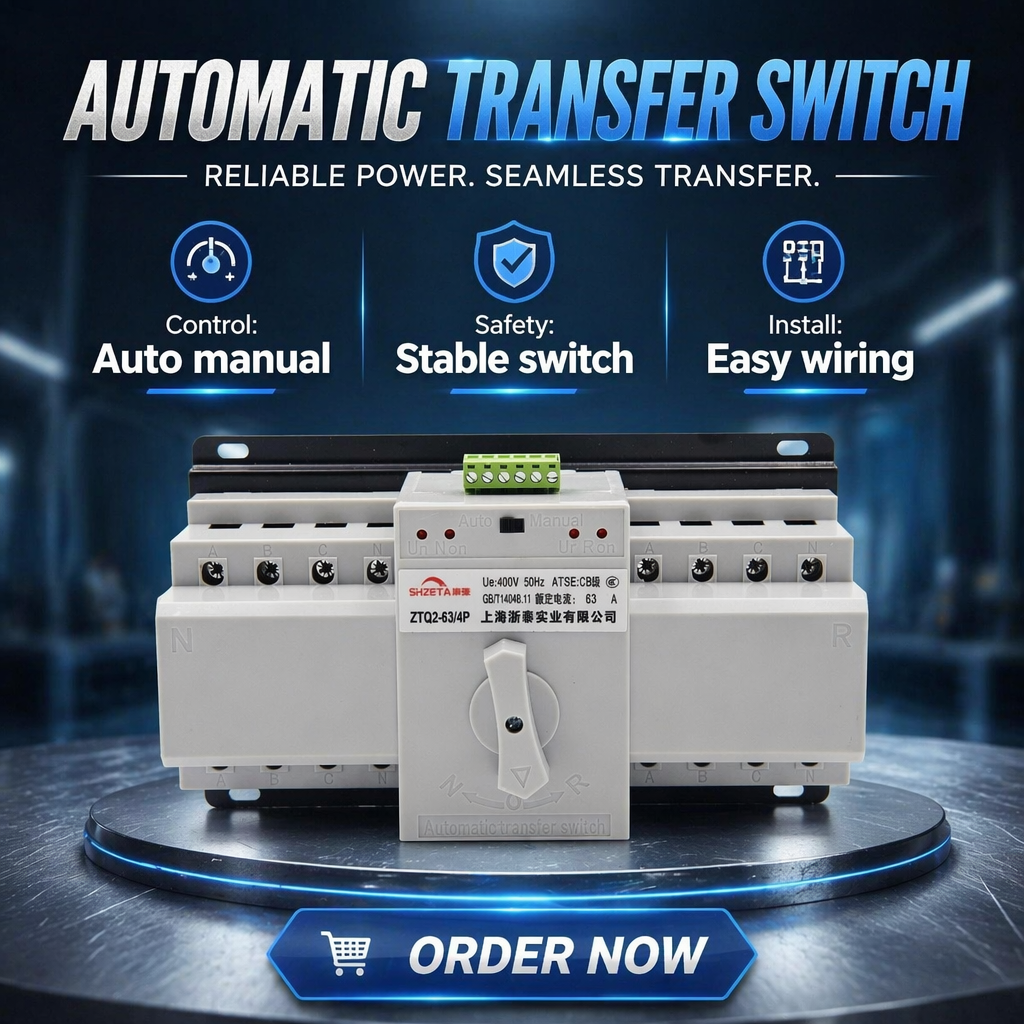
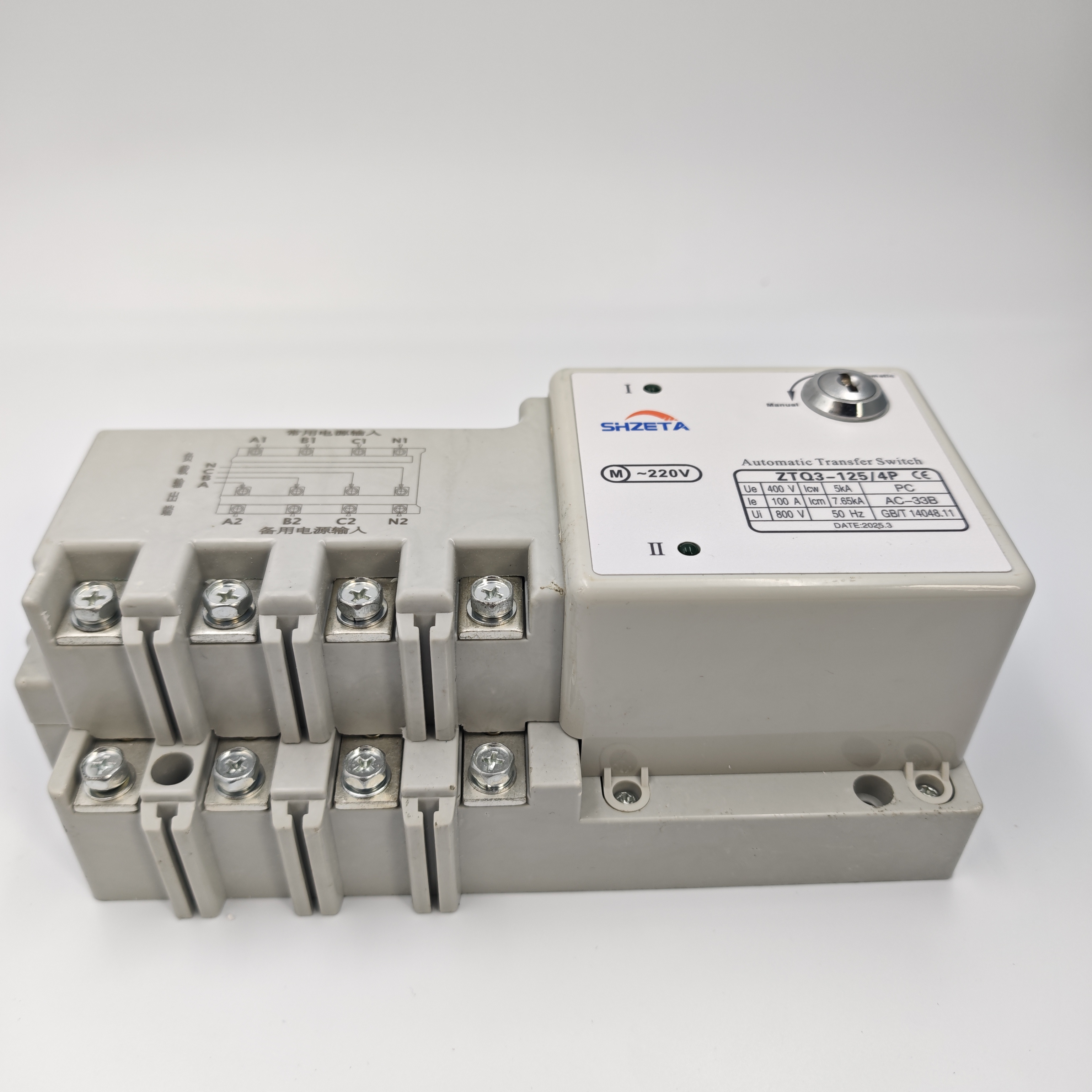
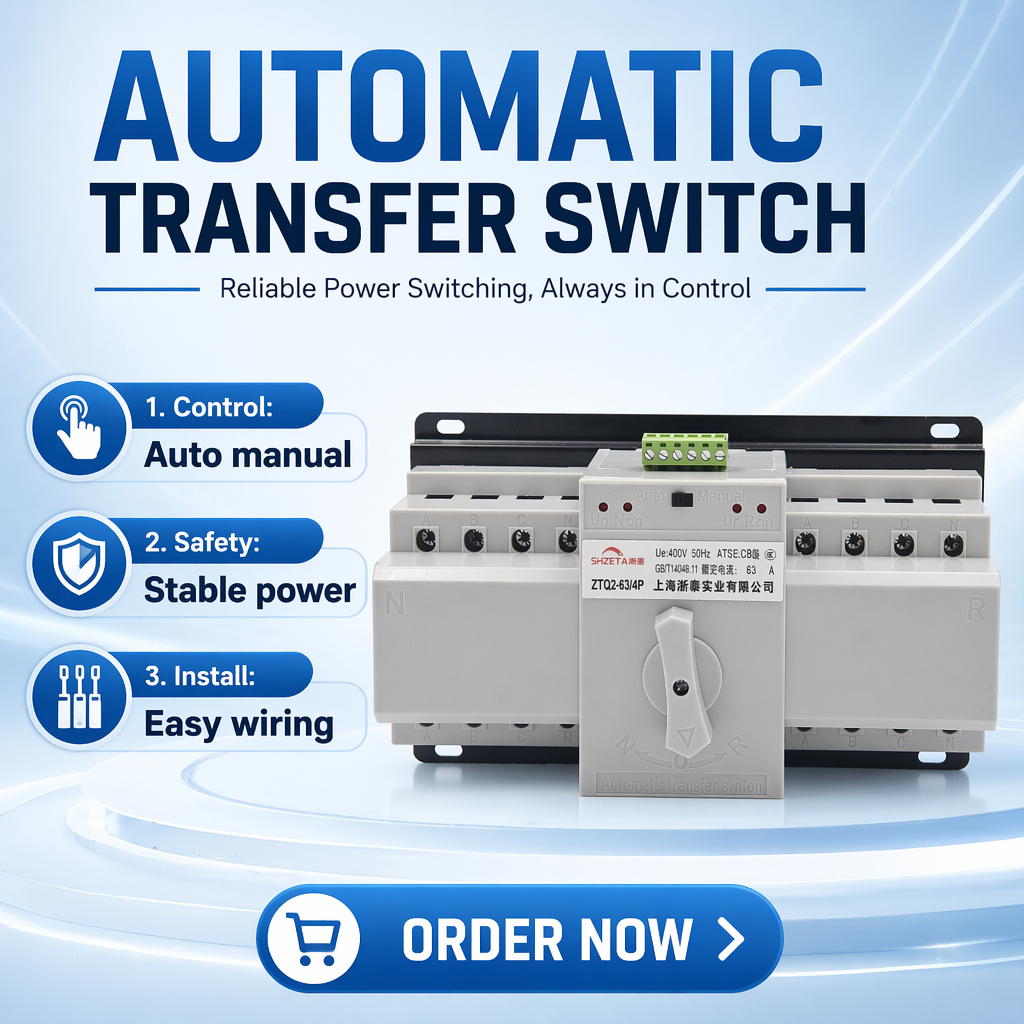
The Sonoran Desert boasts exceptional solar irradiance, driving massive rooftop and ground-mount PV installations. Operating at DC bus potentials up to 1000V/1500V DC, inverter switching stages generate severe inductive noise. Integrating our 4P automatic transfer switches alongside lightning surge protection guarantees uninterrupted grid-to-battery balancing across blistering summer cycles.
Mission-Critical Data Centers in Mesa & Goodyear
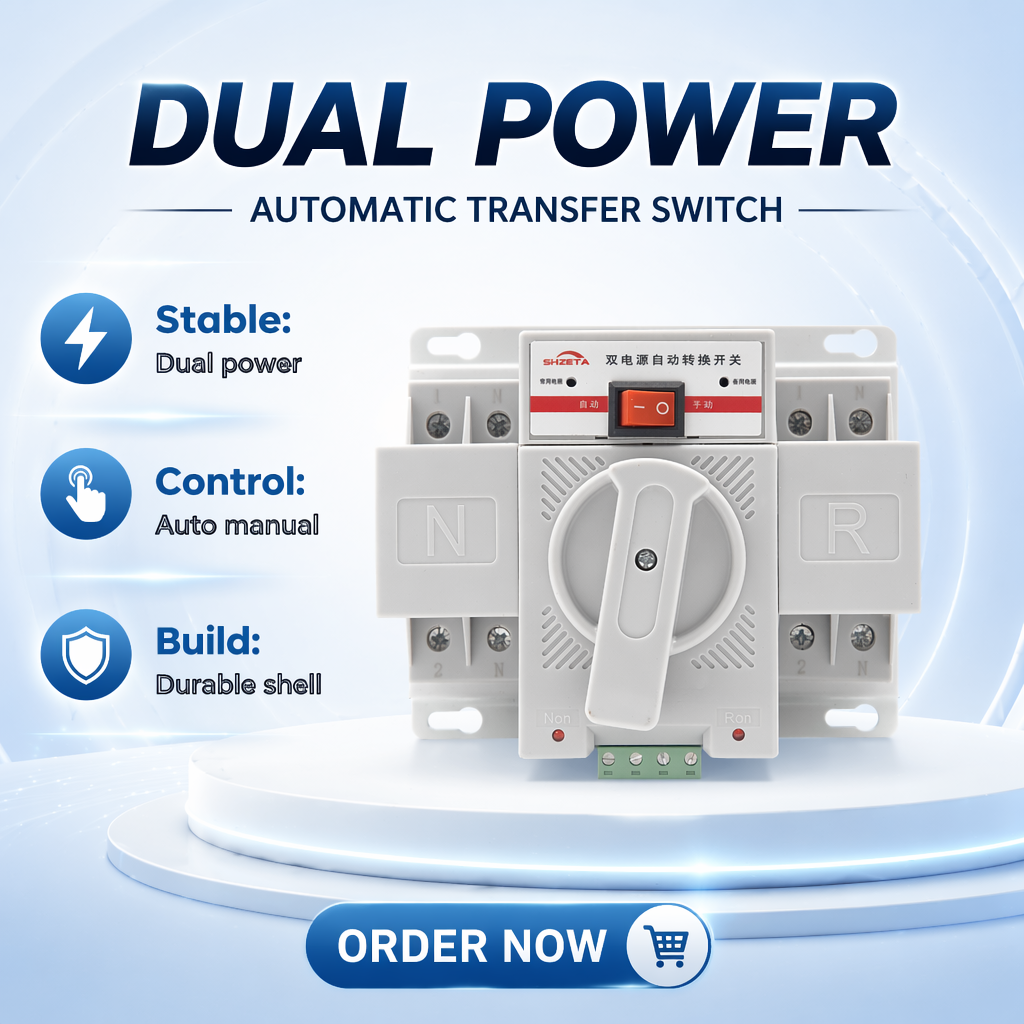
As Phoenix solidifies its position as the premier hyperscale data center hub of the Western US, high-density server clusters cannot tolerate sub-cycle voltage dropouts. Our heavy-duty dual-power automatic transfer devices switch emergency generator feeders within cycles, while coordinated SPDs neutralize destructive switching impulses originating from rapid UPS flywheel and battery transition.
Industrial Cold Storage & Food Distribution Hubs
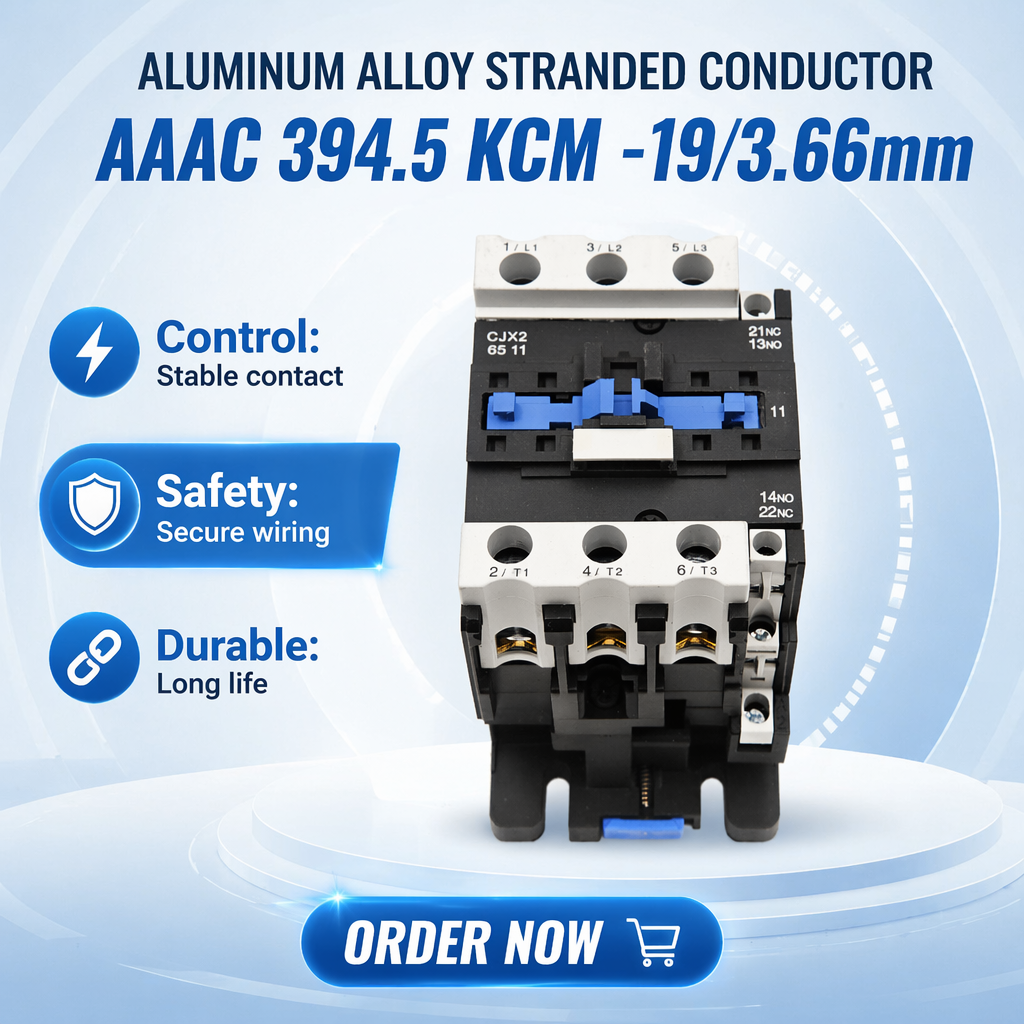
Massive logistics hubs along the I-10 and Loop 303 corridors rely on continuous multi-stage ammonia and freon refrigeration systems. Compressor cycling across 480V 3-phase circuits produces severe voltage transients. Graybar CJX2-series heavy contactors coupled with phase-monitoring overvoltage arresters safeguard multi-hundred horsepower induction motors against winding phase burnout.
High-Power Megawatt EV Fleet Charging Plazas
Rapid deployment of Class 8 electric truck chargers across Phoenix freight corridors places intense demands on sub-distribution gear. Rectifier commutation produces substantial harmonic and notch surges. Our thermal-magnetic MCCBs and fast-clamping SPDs suppress reflected waveforms back into the commercial feeder, preserving charger power module longevity.
Residential Multi-Family Complexes & Luxury Communities
Modern Phoenix residences feature extensive smart home automation, ductless mini-split HVACs, and pool filtration heat pumps. Single-phase utility sags and sudden surges from neighborhood transformer tap adjustments destroy inverter-driven compressor boards. Our single-phase over/undervoltage protectors provide autonomous line disconnection and self-recovery.
Comparative Electrical Specifications for Desert Surge Systems
Reference parametric guidelines compiled by Zhejiang Graybar Electric application engineers for low-voltage power distribution design.
| System Placement | Protective Device Class | Nominal Clamping ($U_c / MCOV$) | Impulse Current ($I_{imp} / I_{max}$) | Let-Through Voltage ($V_{pr} / U_p$) | Standards Compliance | Phoenix Operating Recommendation |
|---|---|---|---|---|---|---|
| Main Switchgear Incomer (Service Entrance) | Type 1 Coordinated SPD + Thermal Magnetic MCCB | 480V / 277V AC (MCOV: 320V L-N) | $I_n$: 20kA $I_{max}$: 100kA (8/20 µs) |
≤ 1.2 kV | IEC 61643-11 UL 1449 | Essential for direct utility interfaces under APS/SRP line exposures; install with shortest lead length (<0.5m). |
| Sub-Distribution & Motor Control Centers | Type 2 DIN Rail SPD + Secondary MCCB Branch | 400V / 230V AC (MCOV: 275V L-N) | $I_n$: 10kA $I_{max}$: 40kA - 65kA |
≤ 1.0 kV | IEC 60947-2 IEC 61643-11 | Isolate heavy rooftop HVAC chiller feeds from critical PLC automation sub-panels. |
| Solar PV Combiner & ESS Inverter DC Bus | DC Surge Arrester + High Rupture Breaker | 1000V / 1500V DC | $I_n$: 15kA $I_{max}$: 40kA |
≤ 3.8 kV | IEC 61643-31 EN 50539-11 | Use triple-MOV series architecture with built-in arc extinguishing chambers for desert solar arrays. |
| Automatic Standby Transfer Circuits | 4P Dual-Power ATS + Dynamic Incomer Protection | 230V / 400V AC (63A - 100A) | Breaking: 5kA - 10kA withstand | Zero Phase Bridging | IEC 60947-6-1 | Prevents backfeed surges during grid restoration post-monsoon brownouts; interlocked changeover. |
| Point-of-Use & Sensitive Single-Phase Loads | Over/Undervoltage + Nanosecond Fast Clamping | 220V / 120V AC (32A - 100A) | $I_n$: 5kA $I_{max}$: 10kA |
≤ 800V | IEC 60898-1 | Critical for single-phase variable refrigeration motors, server racks, and communication modems. |
Infrastructure Trends Reshaping Surge Protection Demand in Phoenix
The modernization of the electrical landscape across Maricopa County is moving at an unprecedented pace. Three convergent factors are driving significant regulatory and technical transformations in low-voltage circuit protection:
1. National Electrical Code (NEC) Evolution and Article 242 Mandates
As municipalities across the Phoenix Valley (including Phoenix, Mesa, Chandler, and Scottsdale) continuously adopt updated NEC cycles (NEC 2020 / NEC 2023), compliance guidelines for overvoltage protection have shifted from optional best practices to strict mandatory safety codes. NEC Article 242 consolidates surge arrester and transient voltage surge suppressor requirements, making SPDs mandatory for all dwelling unit services, critical operations data systems, and emergency feeder systems. Electrical panel builders and OEM switchboard manufacturers sourcing from Zhejiang Graybar receive pre-tested, IEC-certified components designed to readily satisfy third-party engineering field evaluations.
2. The Proliferation of Distributed Battery Energy Storage Systems (BESS)
To cope with the dramatic "duck curve" created by intensive afternoon solar production followed by high residential air conditioning peaks in the evening, utilities APS and SRP are integrating utility-scale and distributed BESS solutions at record scales. Lithium iron phosphate (LFP) inverter interfaces produce high-frequency common-mode noise and rapid DC bus transients during rapid charge-to-discharge switching cycles. Modern surge suppression requires hybrid MOV and Gas Discharge Tube (GDT) configurations that prevent premature varistor aging caused by continuous high-frequency ripple voltages.
3. Extreme High-Density Industrial Electrification
The concentration of precision chip foundries, electric vehicle battery manufacturing facilities, and automated aerospace logistics parks requires switchgear enclosures capable of operating in dense thermal clusters. Conventional surge protectors with fragile plastic chassis and inadequate clearance distances degrade rapidly under continuous 50°C enclosure environments. The demand is surging for heavy-gauge flame-retardant polyamide housings, solid-copper contact buses, and thermal-magnetic circuit breakers that deliver true de-rated performance reliability.
Why Electrical Wholesalers & Panel Builders Partner with Graybar
Headquartered in Liushi Town, Wenzhou—China’s global epicenter for low-voltage switchgear—Zhejiang Graybar Electric Co., Ltd. combines supply chain agility with rigorous quality engineering.
Integrated Manufacturing
- Located in Liushi, Wenzhou, accessing world-class silver-alloy contact and copper stamping networks.
- Precision injection molding of high-grade flame-retardant thermoplastics under ISO-certified protocols.
- In-house trip-unit calibration and bimetal thermal curve testing for 100% of production batches.
Comprehensive Compliance
- Hardware engineered in strict alignment with IEC 61643-11, IEC 60947-2, IEC 60898-1, and IEC 60947-6-1.
- Routine dielectric withstand tests, short-time withstand current verification, and impulse arc testing.
- Full documentation, batch traceability, and comprehensive type-test certificates furnished on demand.
Agile B2B Supply Terms
- Ultra-low sample MOQs: 5 pieces for standard MCB, MCCB, and SPD units; 1 piece for Air Circuit Breakers.
- Rapid sample dispatch for UL/ETL panel prototyping and independent lab validation by US specifiers.
- Consolidated container freight directly to Long Beach or Phoenix regional distribution warehouses.
Complete OEM / ODM Flexibility
- Custom laser marking, custom voltage and amperage trip curves, and private label branding.
- Tailored enclosure packaging, customized technical datasheets, and multilingual wiring schematics.
- Direct engineering support from seasoned switchgear specialists—no automated bots or call centers.
Frequently Asked Questions for Phoenix Sourcing
Addressing technical, regulatory, and supply chain queries from Arizona electrical contractors, facilities engineers, and purchasing directors.
How do ambient Phoenix summer temperatures (115°F+) affect SPD sizing and lifespan?
What is the difference between Type 1 and Type 2 SPDs under NEC / IEC rules for Arizona buildings?
Can Zhejiang Graybar supply components that coordinate with APS and SRP utility requirements?
Why are Automatic Transfer Switches (ATS) crucial for surge protection strategies in Phoenix?
What are the typical lead times and minimum order quantities (MOQs) for export to the US?
Do you provide private labeling, laser marking, and custom trip calibration for OEM panel builders?
Consult with Our Low-Voltage Circuit Protection Specialists
Whether you are engineering a switchgear package for a Chandler semiconductor cleanroom, sizing surge suppression for a Sonoran Desert solar field, or stocking commercial panels in Phoenix, our factory engineering team delivers rapid technical reviews and quotes.