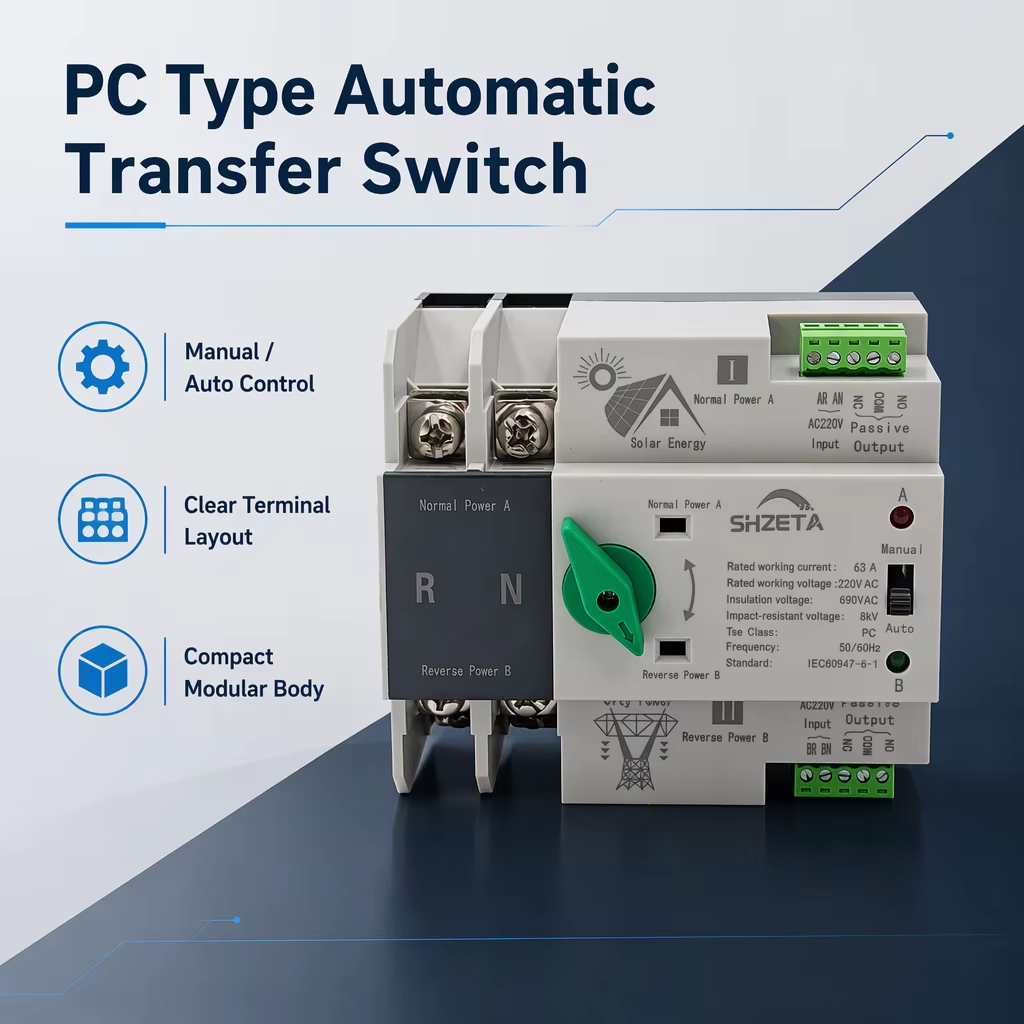
Critical Infrastructure Protection
Export Lineup: Ground Fault & Switching Solutions
Engineered for high thermal tolerance, low harmonics nuisance tripping, and bidirectional isolation across California microgrids and industrial assemblies.
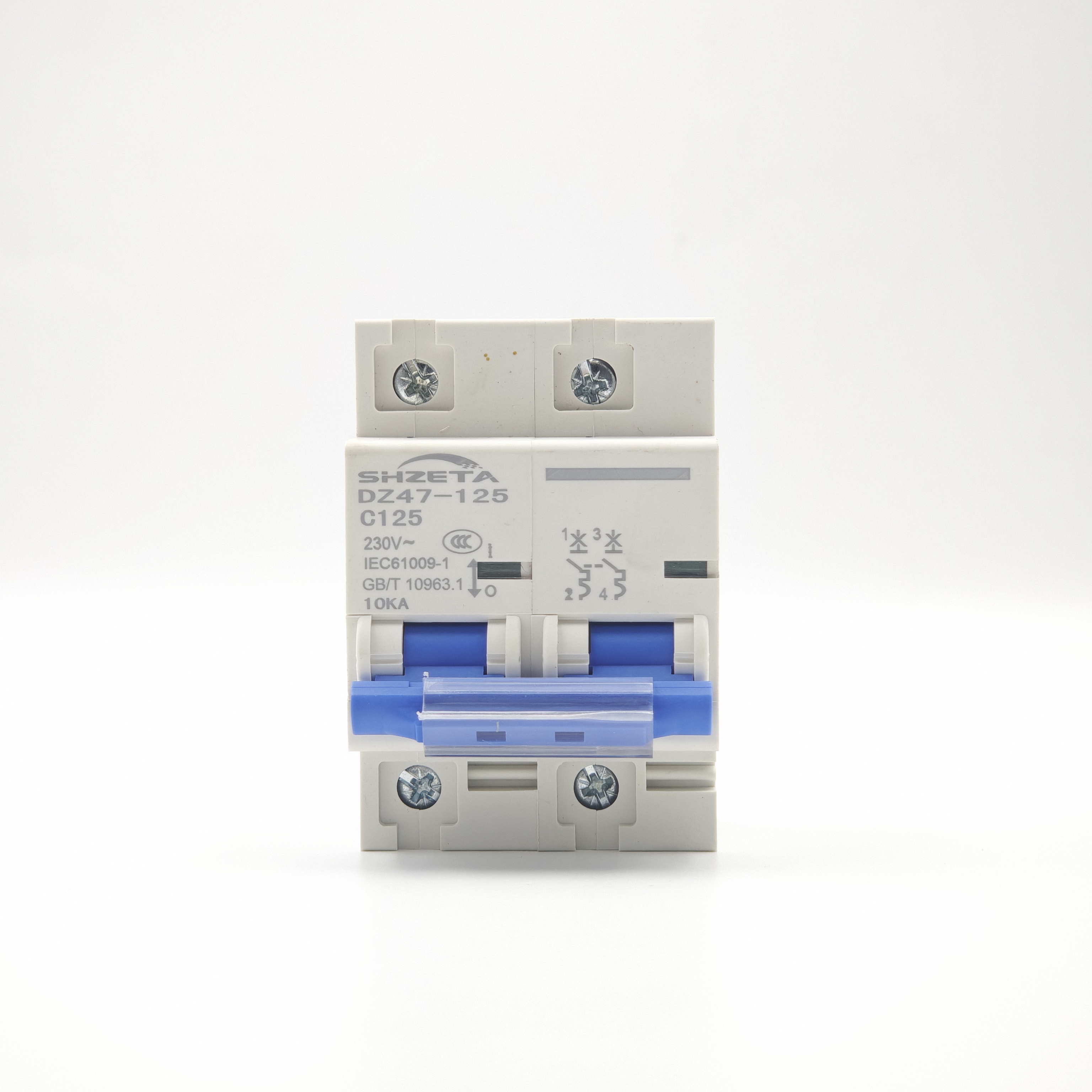
CE Certified DC Miniature Circuit Breaker Red Copper Solar High Efficiency
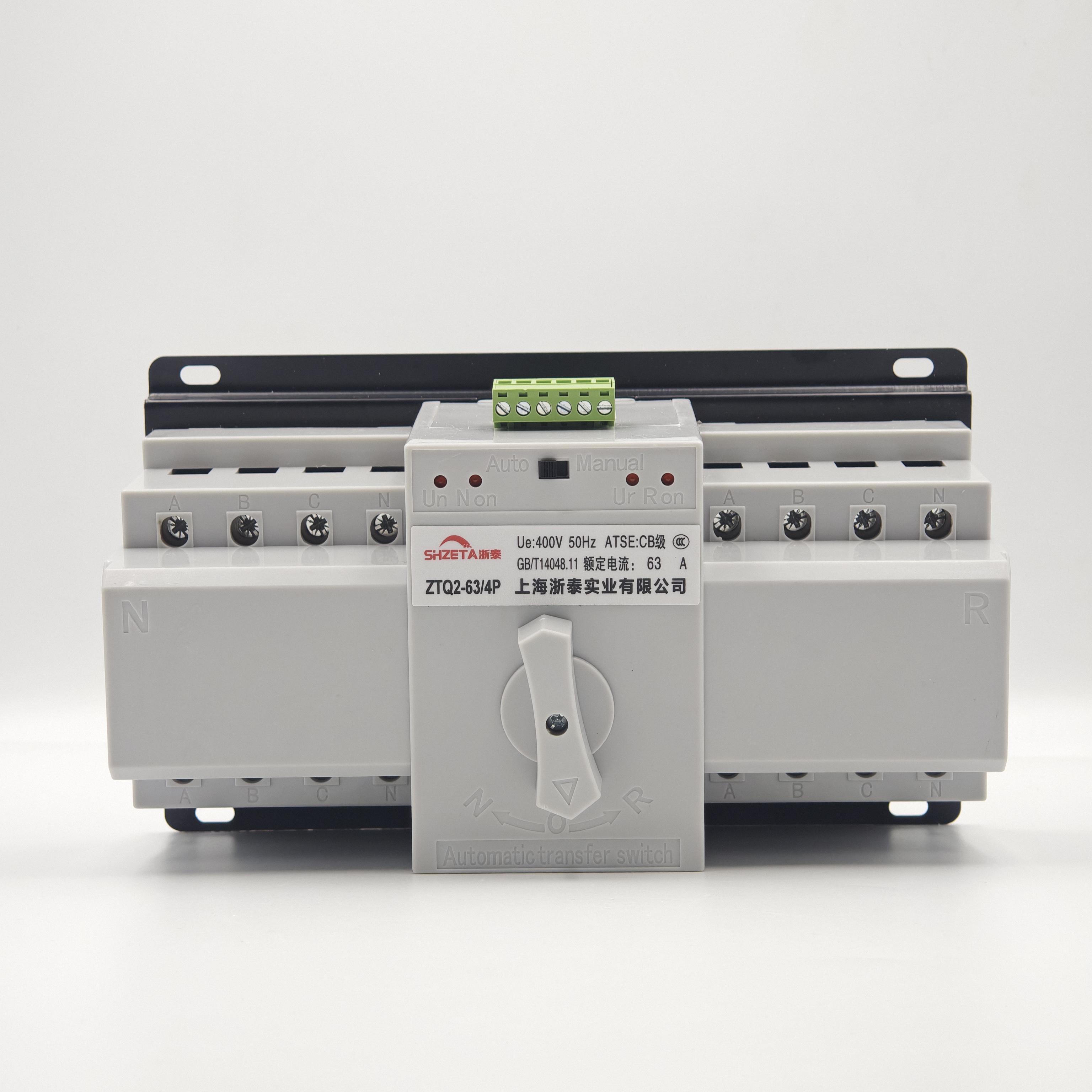
63A 4P Automatic Transfer Switch Dual Power 400V CB Class Photovoltaic System
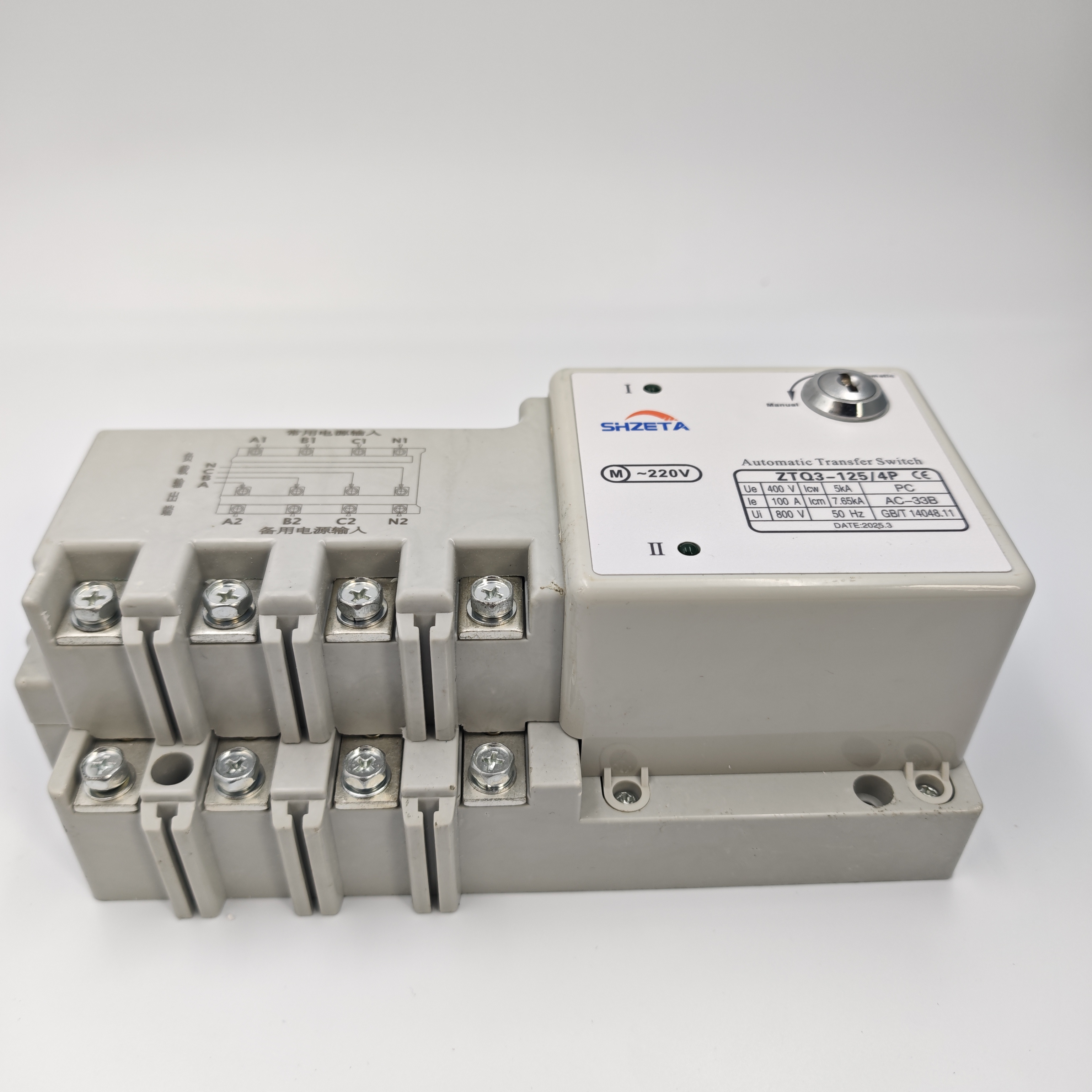
ZTQ3-100A/4P Dual Power Transfer Switch Industrial Customized Breaking
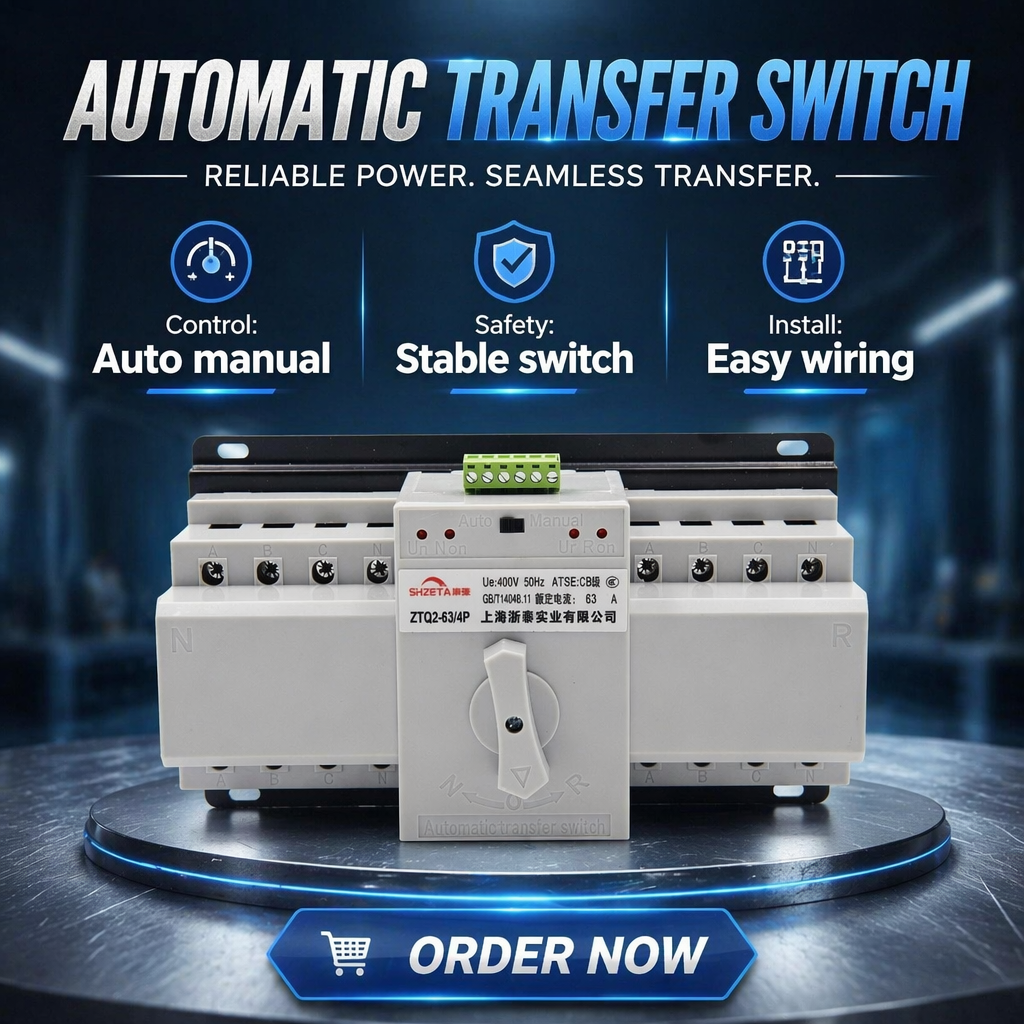
4P 63A Manual Changeover Switch Dual Power Integrated Circuit Breaker Type
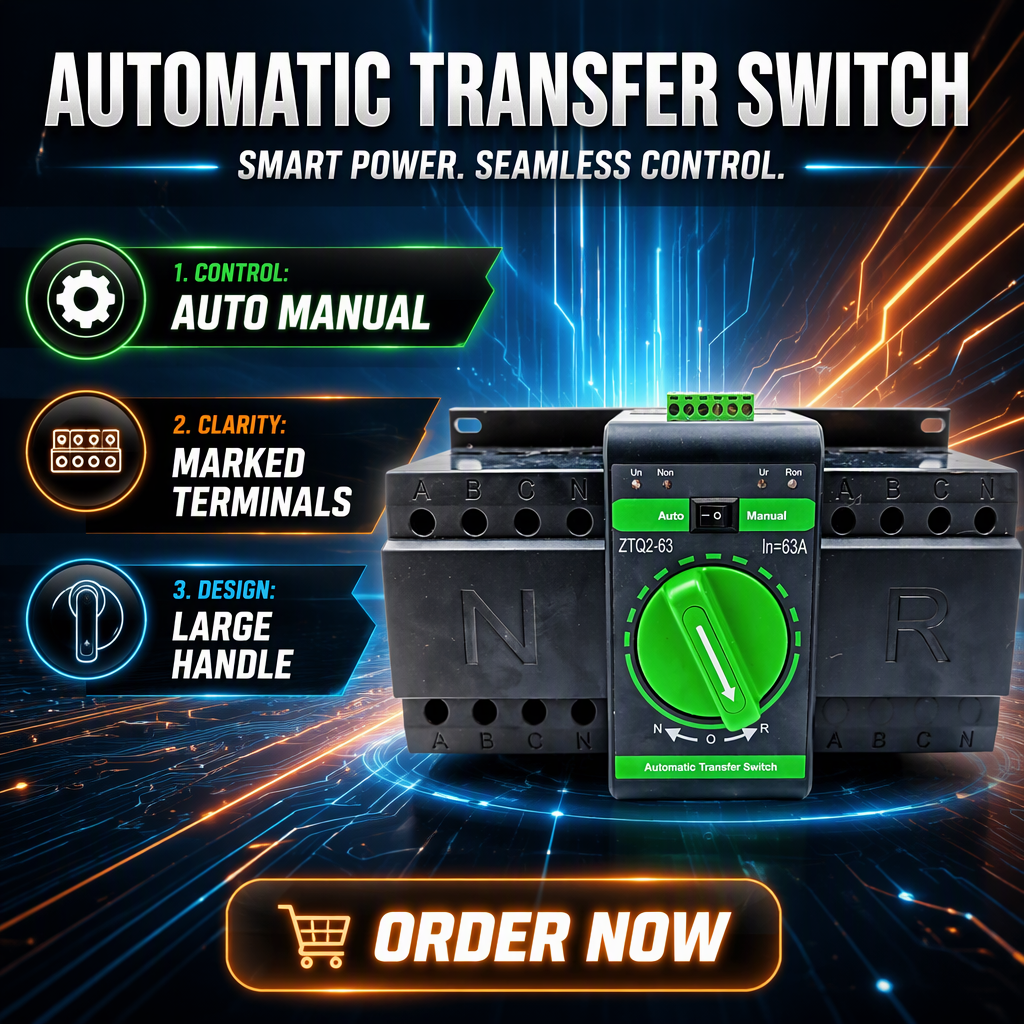
Customizable 2-Pole/4P Single & Three Phase 10kA Breaking Capacity ATS 125A
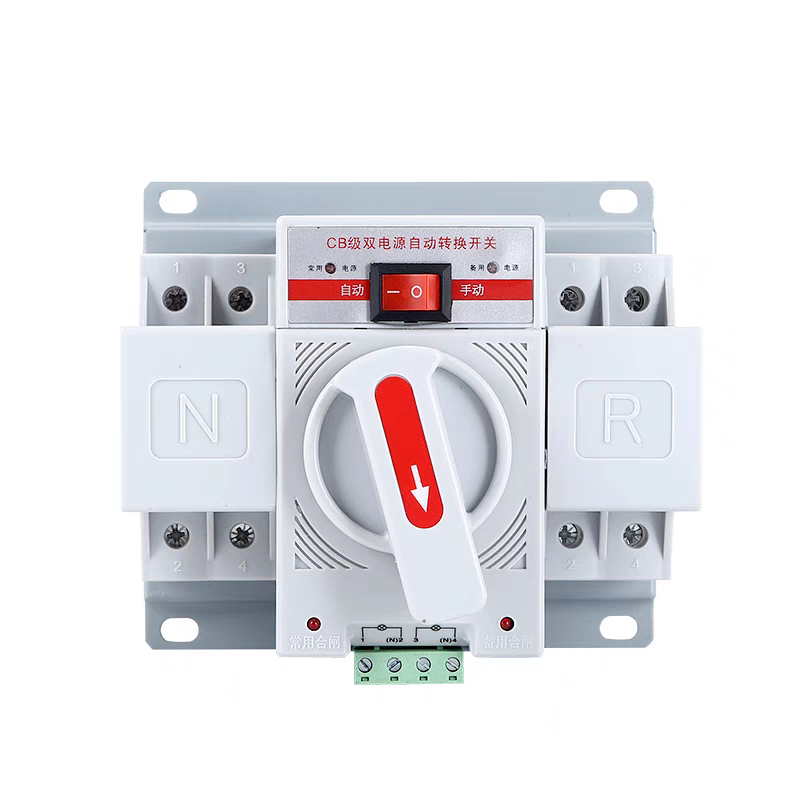
DIN Rail ATS 2P 3P 4P 10-125A Selector Switches Continuous Power Redundancy
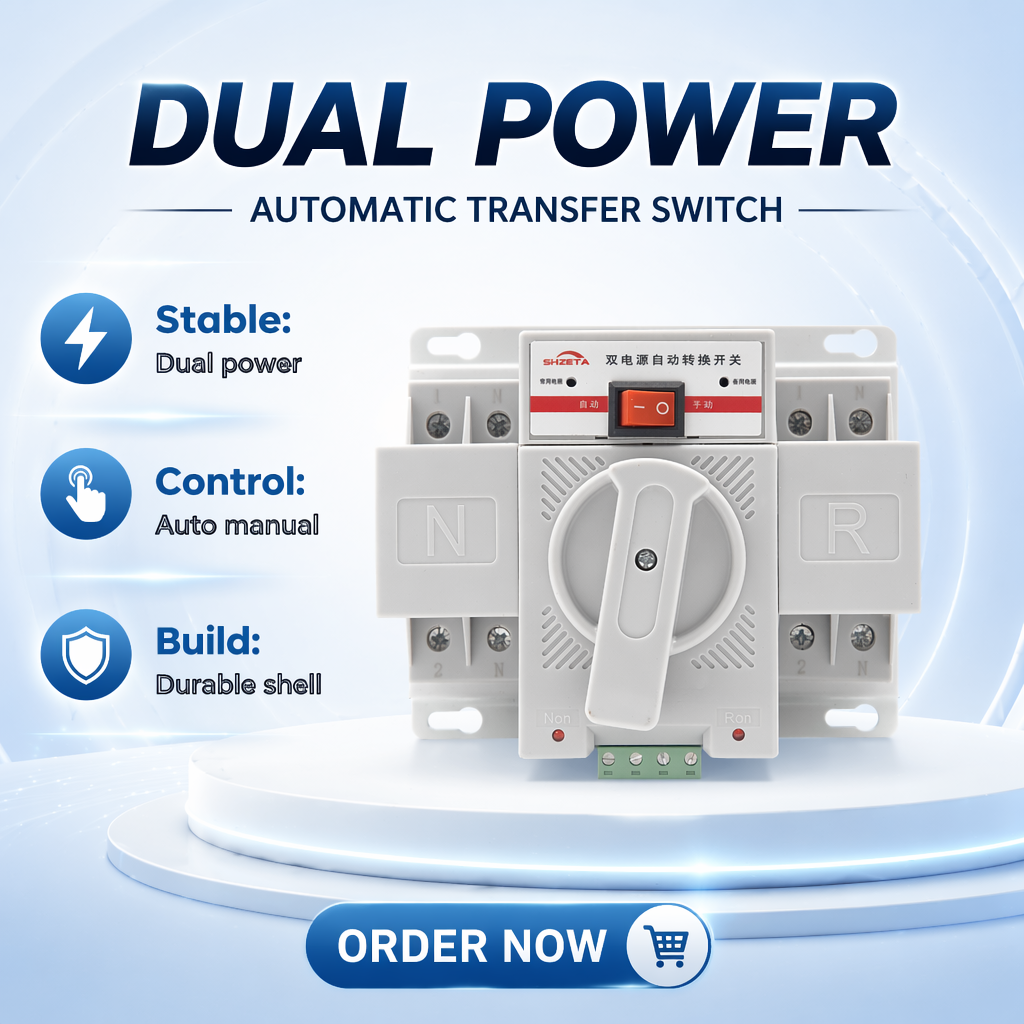
Din Rail 2P ATS 63A 230V 3kA Compact Household Automatic Selector Switch
Engineering Insight
Residual Current Protection Architecture in Modern Electrical Design
Decoupling residual current detection principles, frequency characteristics, and mechanical trip thresholds for high-reliability systems.
A Residual Current Device (RCD), along with its functional variants—Residual Current Circuit Breakers without integral overcurrent protection (RCCB) and with overcurrent protection (RCBO)—acts as the principal defense mechanism against leakage currents, shock hazards, and ground-fault thermal ignitions. In modern low-voltage networks, selecting an appropriate RCD goes beyond evaluating nominal current (In). It demands an exhaustive evaluation of electromagnetic flux summation, core saturation tendencies under distorted waveform inputs, and thermal dissipation thresholds under peak solar irradiation or load cycles.
Key Engineering Metric: Operating on the core principle of Kirchhoff's Current Law, vector summation of current vectors (ΣI) through a mumetal or nanocrystalline toroidal core must equal zero during nominal states. When ground leakage introduces an imbalance (ΔI > IΔn), induced secondary electromotive forces (EMF) actuate sensitive polarized relays to separate contacts in less than 30 to 40 milliseconds.
When engineering distribution panels for industrial applications and high-density deployments in the Los Angeles basin, standard Type AC devices often fail prematurely or experience blinding. The surge of rectified DC loads, Variable Frequency Drives (VFDs), EV charging converters, and solar multi-string inverter electronics injects pulsed or smooth DC leakage currents back into AC distribution. This operational reality necessitates modern Type A, Type F, and Type B magnetic and electronic architectures.
| RCD / Ground Fault Category | Detectable Fault Waveforms | Frequency Range | Primary Industrial / Commercial Fit |
|---|---|---|---|
| Type AC | Pure sinusoidal alternating currents (50/60 Hz) | Fundamental grid frequency | Legacy resistive loads, tungsten illumination, standard heating coils. |
| Type A | Sinusoidal AC and pulsating DC residual currents | Up to 1 kHz | Single-phase rectifiers, consumer electronics, IT equipment power stages. |
| Type F | Type A characteristics + composite multi-frequency residual currents | 10 Hz to 1 kHz (mixed) | Single-phase inverter-driven heat pumps, ventilation motors, washing machinery. |
| Type B | Sinusoidal AC, pulsed DC, smooth DC, high-frequency leakage | DC to 100 kHz (extended) | EV fast charging infrastructure, 3-phase solar PV inverters, industrial battery storage. |
Localized Deployment
Los Angeles Regional Applications & Deployment Environments
Critical protection implementations mapped to Southern California electrical infrastructure and industrial zones.
Commercial Rooftop PV & BESS Microgrids
Distribution boards in the San Fernando Valley and Inland Empire warehouses face extreme thermal stress exceeding 115°F in unconditioned enclosures. Breakers and changeover transfer components require zero-drift calibration and non-saturating differential transformers to eliminate false tripping from transformerless solar string leakage.
Port of LA & Long Beach Logistics Terminals
Port marine terminals and freight electrification corridors deal with highly corrosive salt fog, pervasive inductive surges from gantry cranes, and massive heavy-duty Class 8 EV depot chargers. Type B residual protection and multi-pole transfer switches guarantee clean fault segregation without total facility blackouts.
Urban Mixed-Use Residential & ADU Electrification
Dense residential infill across Central LA, Pasadena, and Culver City relies heavily on Accessory Dwelling Unit (ADU) sub-panels and heat pump retrofits. Compact DIN rail form factor breakers, combined with high breaking capacities, enable safe sub-metering and split-bus safety interlocks inside compact panels.
Market Evolution
Southern California Regulatory Evolution & Technological Trends
Navigating the interplay between California Title 24, Cal/OSHA standards, and international circuit protection paradigms.
The regulatory ecosystem in Los Angeles represents one of the most progressive and demanding building safety jurisdictions globally. As the California Energy Commission (CEC) enforces stringent efficiency metrics under California Building Energy Efficiency Standards (Title 24, Part 6), every low-voltage distribution project—from simple multi-family residential panels to complex cloud data hubs—must incorporate comprehensive electrification measures, mandatory energy management integration, and robust ground-fault monitoring.
While the National Electrical Code (NEC / NFPA 70) dictates Ground Fault Circuit Interrupters (GFCI) with sensitive Class A trip thresholds (4–6 mA) for personal protection on branch convenience receptacles, municipal developers and global EPC engineering firms are increasingly standardizing on a tiered defense model. By establishing Equipment Ground Fault Protection (GFPE) and Type B residual current detection at the feeder and sub-distribution tiers (operating at 30mA, 100mA, and 300mA), facilities prevent catastrophic phase-to-ground arcing faults, eliminate harmonic-driven thermal hazards, and comply with Cal/OSHA workplace safety mandates.
Concurrently, the push toward bi-directional power flows in the LA basin—driven by vehicle-to-grid (V2G) systems, mandatory commercial battery storage, and dynamic time-of-use (TOU) load shed transfer automation—has catalyzed demand for coordinated switching topologies. Dual-power automatic transfer switching equipment (ATSE) operating alongside selective residual current monitoring prevents common-mode DC currents from blinding upstream protective apparatus, ensuring localized faults remain isolated to discrete sub-circuits.
Manufacturing Excellence
Why Procurement Engineers Choose Zhejiang Graybar Electric
Direct supply-chain synergies from Liushi Town, Wenzhou—delivering high-end customization, certified testing, and direct factory accessibility.
Integrated Manufacturing Hub
Situated in Liushi Town, Wenzhou—China's primary low-voltage industrial cluster. Direct local access to high-grade silver-alloy contacts, precision stamping, and UL94-V0 flame-retardant housings enables rapid production turnaround and rigorous cost control.
Rigorous Multi-Tier Inspection
Every batch undergoes automated 100% calibration, thermal-magnetic trip profiling, dielectric breakdown testing, and microsecond mechanical release verification before export packing. Full batch traceability accompanies every shipment.
Tested International Compliance
Engineered systematically against IEC 60898-1, IEC 60947-2, IEC 61643-11, and IEC 60947-6-1 benchmarks. Full third-party test documentation and parameter sheets ensure immediate acceptance by global panel builders and project inspectors.
Flexible MOQs for Agile Logistics
Lower capital barriers with 5-piece sample batches for miniature devices, modular ATS, and SPDs, and 1-piece sample availability for Air Circuit Breakers (ACB). Scale smoothly from bench verification to full shipping containers.
OEM / ODM Engineering Customization
Complete private-label capabilities including laser-etched schematic markings, custom current configurations, specialized curve tunings, multilingual installation manuals, and custom export packing for distribution brands.
Procurement Guidance
Los Angeles Buyer & Importer FAQ
Clear, technical answers addressing compliance, delivery logistics, and configuration choices.
What is the functional distinction between North American GFCI and International IEC RCD/RCCB?
Under UL 943 (standard for GFCI in North America), Class A devices are tuned exclusively for life-safety on branch receptacle circuits, disconnecting current when ground leakage reaches 4–6 mA within roughly 25ms. In contrast, international IEC 61008/61009 RCDs cover a wider spectrum: 10mA–30mA for direct human contact shock protection, and 100mA, 300mA, or 500mA for equipment leakage protection, thermal fault detection, and mechanical plant safety. For industrial equipment imported into or exported out of the LA market, DIN-rail RCDs serve as critical upstream protective elements preventing catastrophic ground fault arcing.
How do harmonic distortions from local California solar inverters affect device tripping?
Solar string inverters, EV rapid chargers, and high-efficiency variable speed HVAC pumps inject high-frequency switching harmonics and smooth DC offset components into neutral and ground lines. Standard Type AC residual devices become magnetically saturated or "blinded" by this continuous DC bias, failing to trip during true phase-to-ground faults. We recommend utilizing our Type A or Type B residual devices and high-grade changeover switches, which feature specialized core magnetic materials and integrated electronic filtering to suppress parasitic transient nuisance trips while maintaining precise disconnection thresholds.
What are your typical export delivery cycles and transit times to the Port of Los Angeles?
Factory production for standard modular units typically runs 7 to 15 business days depending on volume. Oceanic transit from Ningbo or Shanghai port directly to the Port of Los Angeles / Long Beach complex takes approximately 14 to 18 sailing days. We provide complete consolidated container documentation, packing lists, automated tracking, and certificate sets to expedite US Customs clearing.
Can transfer switches (ATS) and circuit protection components be integrated into combined shipments?
Yes. Importers and panel builders frequently optimize container space and logistical overhead by consolidating multi-pole MCBs, moulded case circuit breakers (MCCB), intelligent air circuit breakers (ACB), surge protectors (SPD), and dual-power ATS units into a single consolidated cargo manifest.
What is the procedure for acquiring OEM custom laser-etched panels and sample evaluation units?
Engineers can submit their single-line wiring diagrams or specifications directly via our live inquiry channel. Sample units starting from 1 to 5 pieces are prepared with rapid bench-calibration turnaround. For customized brandings, our design team produces 1:1 vectorial schematic proofs for laser-etching review and approval prior to production stamping.
Source Directly from Verified Engineering Specialists
Accelerate your project cycle with factory-direct quotes, complete compliance documentation, and rapid technical evaluations.