
Industrial Whitepaper: The Strategic Role of RCBO Architecture in Aden’s Power Ecosystem
The electrical infrastructure of Aden, Yemen, is characterized by distinct operational stressors: persistent tropical maritime humidity, high ambient salinity from the Gulf of Aden, severe voltage sags, and an increasing reliance on decentralized hybrid power architectures (private diesel generators paired with rooftop solar PV arrays). In this setting, the historical practice of pairing an independent Miniature Circuit Breaker (MCB) with a upstream Residual Current Device (RCD/RCCB) exhibits acute engineering vulnerabilities.
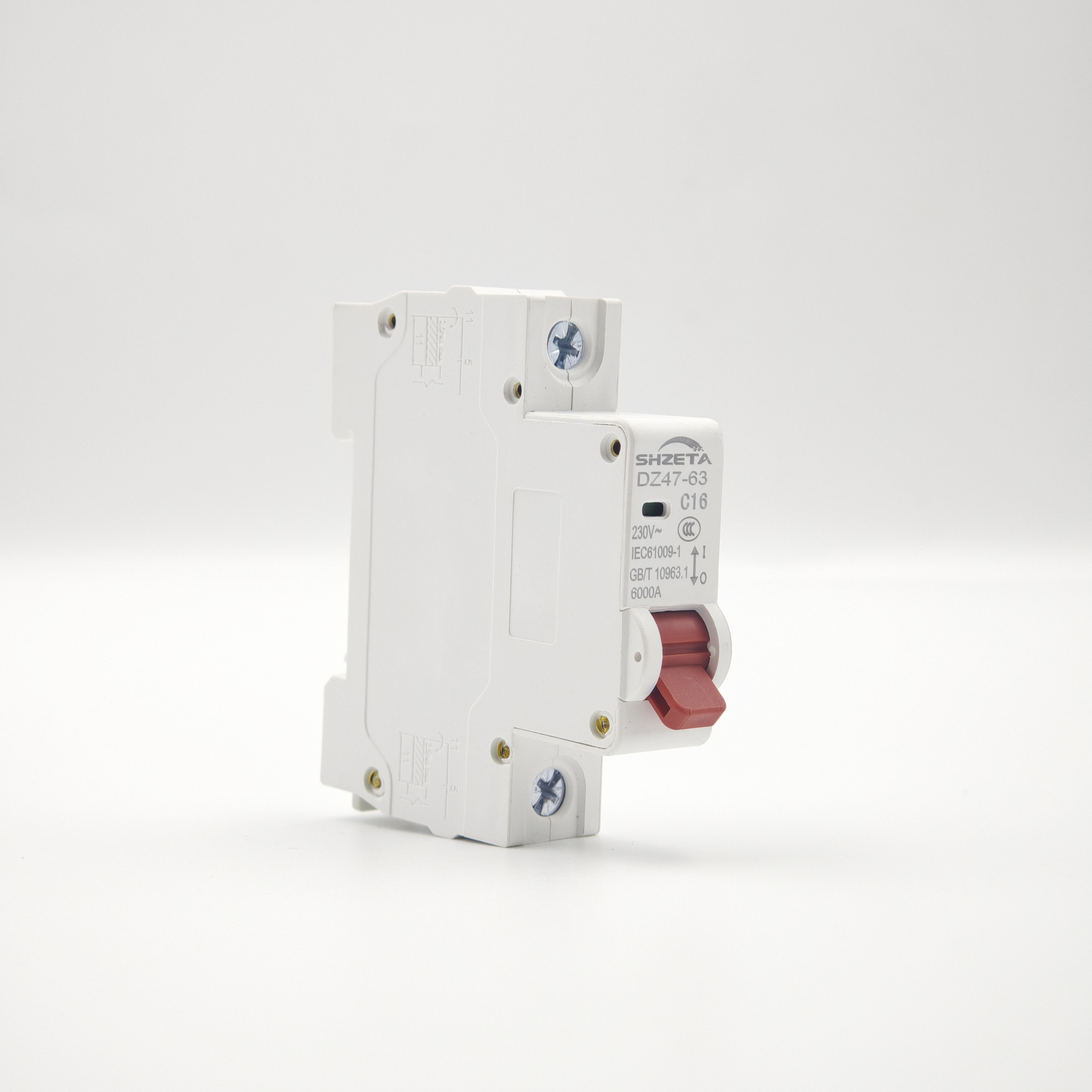
A standard RCCB does not provide integral overload or short-circuit protection; when aggregate leakage current trips a single RCCB protecting multiple outgoing lines, it causes extensive downstream blackouts. In commercial complexes across Crater, hospital wards in Khormaksar, or logistics terminals at the Port of Aden, uncoordinated tripping impairs mission-critical installations. The adoption of compact Residual Current Breakers with Overcurrent Protection (RCBO) delivers localized circuit isolation, containing earth-leakage faults directly at the individual branch level while providing dual thermal-magnetic protection.
Engineering Directive for Tropical Coastal Networks: Standard Type AC RCBOs are prone to blinding in modern environments with rectified inverter loads. Zhejiang Graybar Electric specifies Type A and Type B RCBOs featuring specialized tropicalized PCB coatings and calibrated silver-alloy (AgNi/AgCdO) contact sets to counteract coastal contact oxidation and high ambient thermal thresholds exceeding 45°C.