Engineered Circuit Protection & Switching Devices
Direct factory supply from Liushi, Wenzhou to Najaf and southern Iraq. Fully certified components designed to integrate with residential rooftop solar, desert agricultural pump arrays, and critical commercial ATS switchboards.
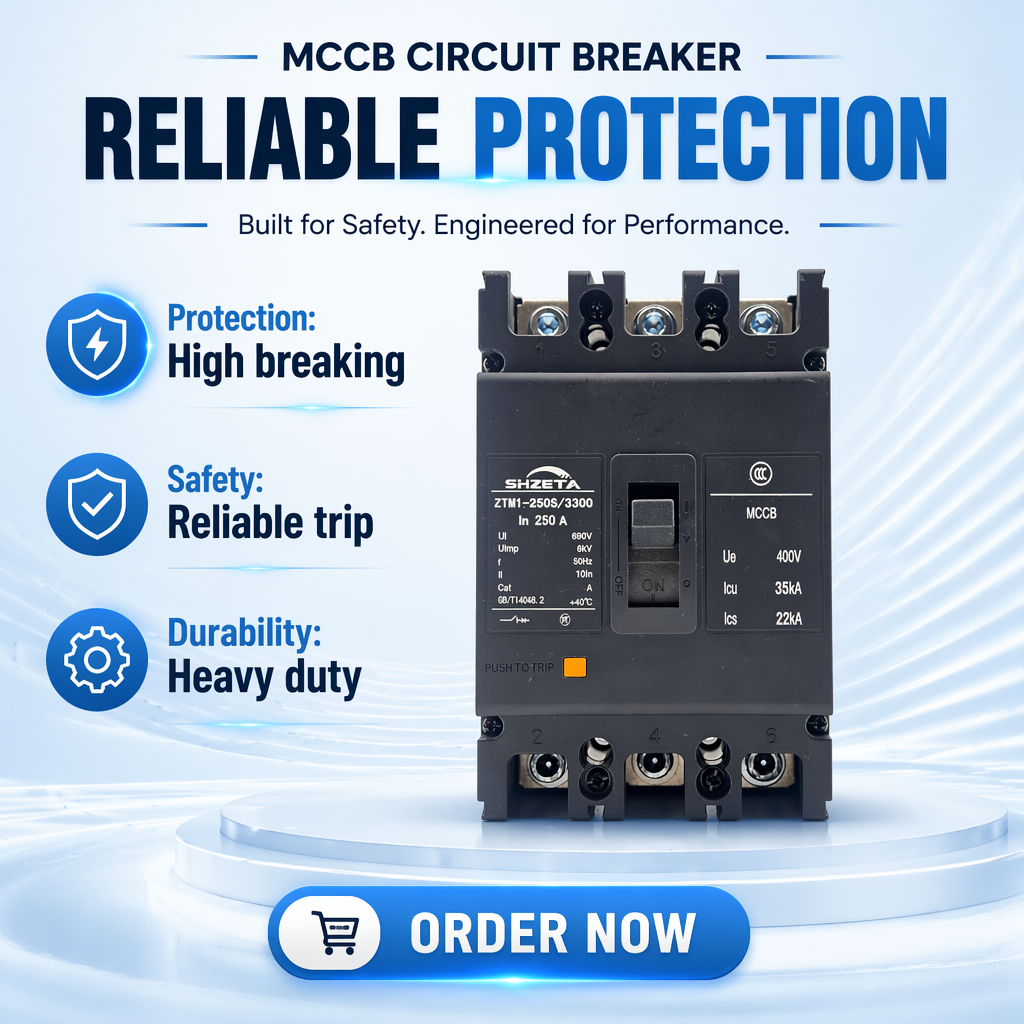
Molded Case Circuit Breaker Thermal-Magnetic Trip Unit Copper & Plastic 50kA/100kA Breaking Capacity 400VAC/690VAC 50/60Hz
- Breaking Capacity:50kA / 100kA Icu
- Rated Voltage:400VAC / 690VAC
- Internal Core:Pure Electrolytic Copper
- Standards:IEC 60947-2
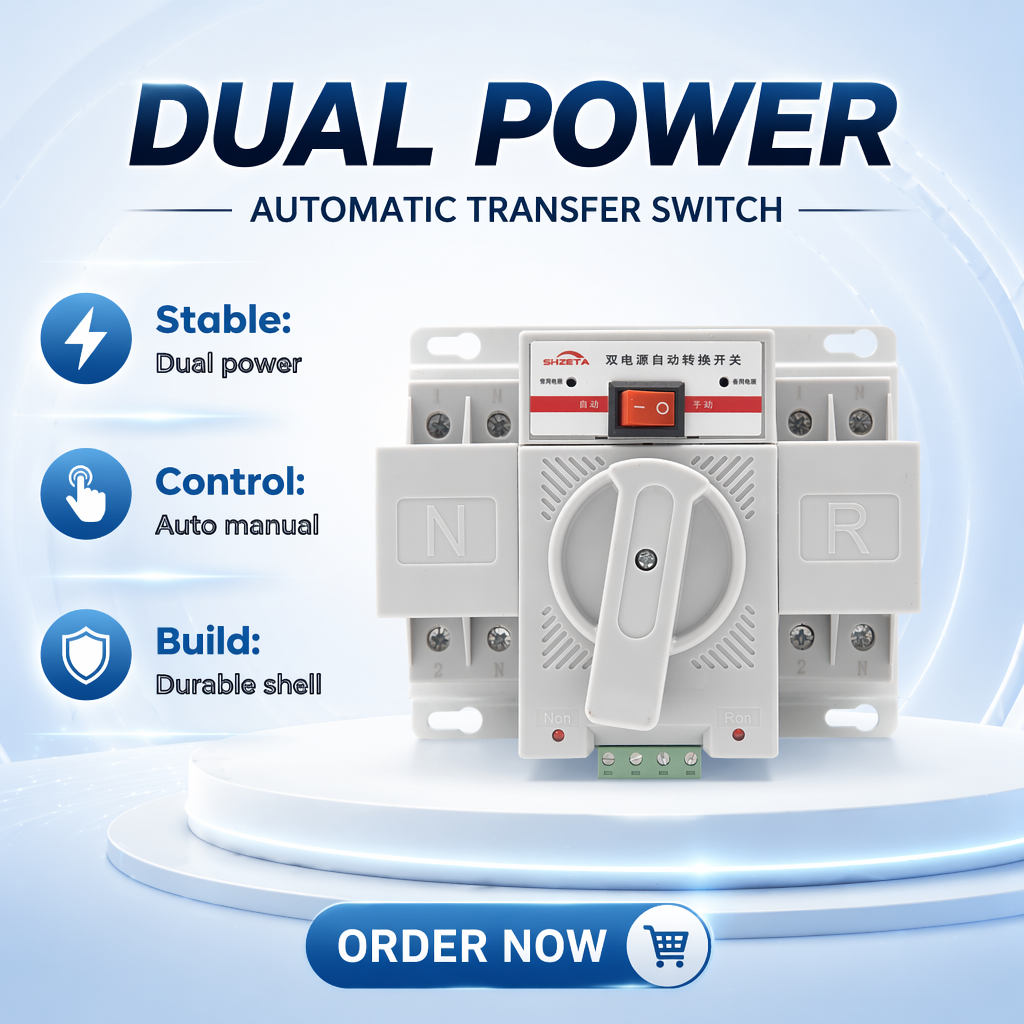
4P 63A Single Phase Manual Changeover Switch Transfer with Breaker Circuit Breaker Type Ats
- Frame Rating:63A Continuous
- Pole Config:4-Pole Switched Neutral
- Application:Generator-PV Changeover
- Durability:10,000 Mechanical Cycles
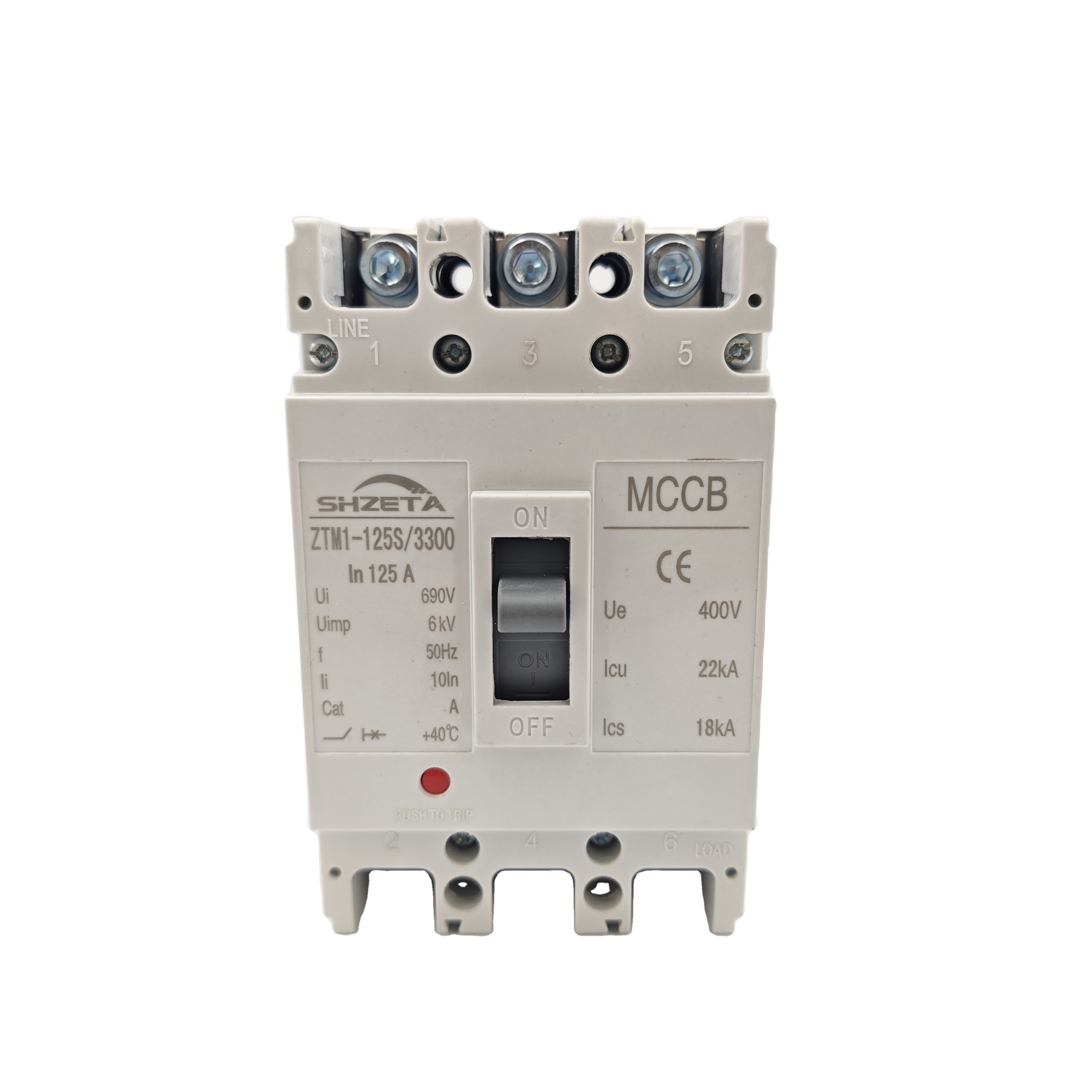
Mutai 3p 80amp 100 Amp Thermal Magnetic Circuit Breaker 415V 35kA 50/60Hz for Wholesale
- Frame Sizes:80A / 100A In
- Breaking Capacity:35kA @ 415VAC
- Trip System:Thermal-Magnetic Calibrated
- Target:Inverter AC Distribution
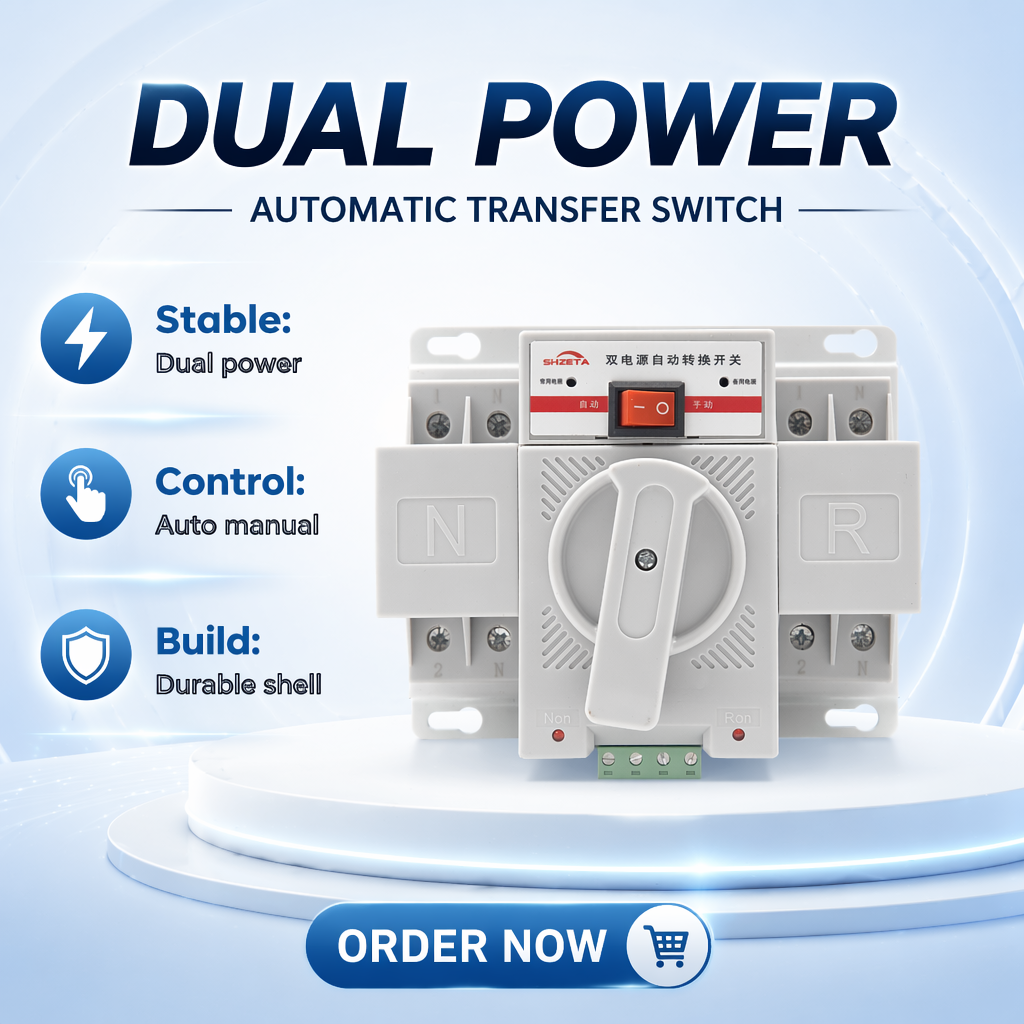
Din Rail 2P ATS Dual Power Automatic Transfer Switch Electrical Selector Switches Uninterrupted Power 63A 230V 3kA Household Use
- Switching Time:< 50ms Seamless Transfer
- Operating Volts:230VAC 50Hz
- Mounting:Standard 35mm DIN Rail
- Target:Najaf Residential Solar
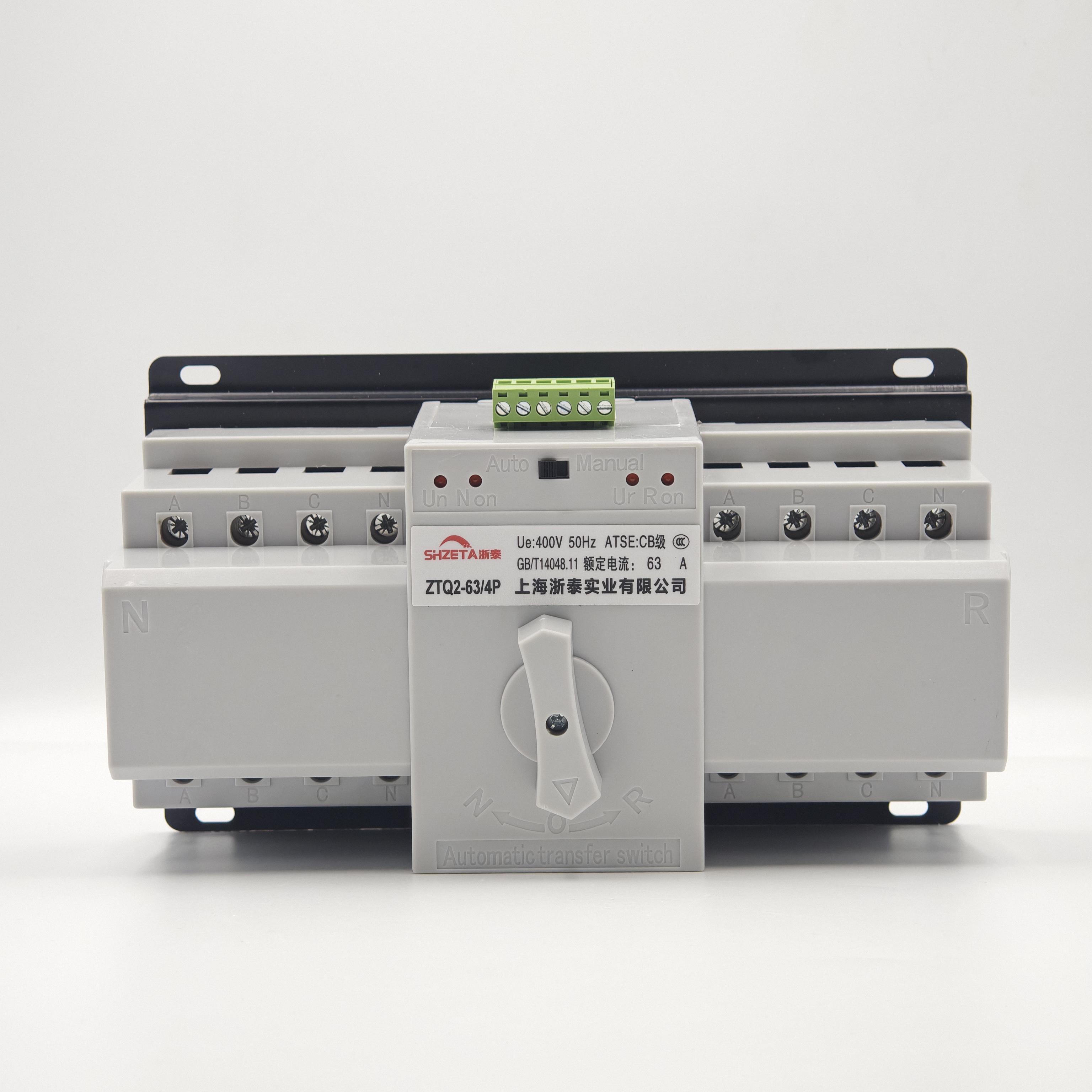
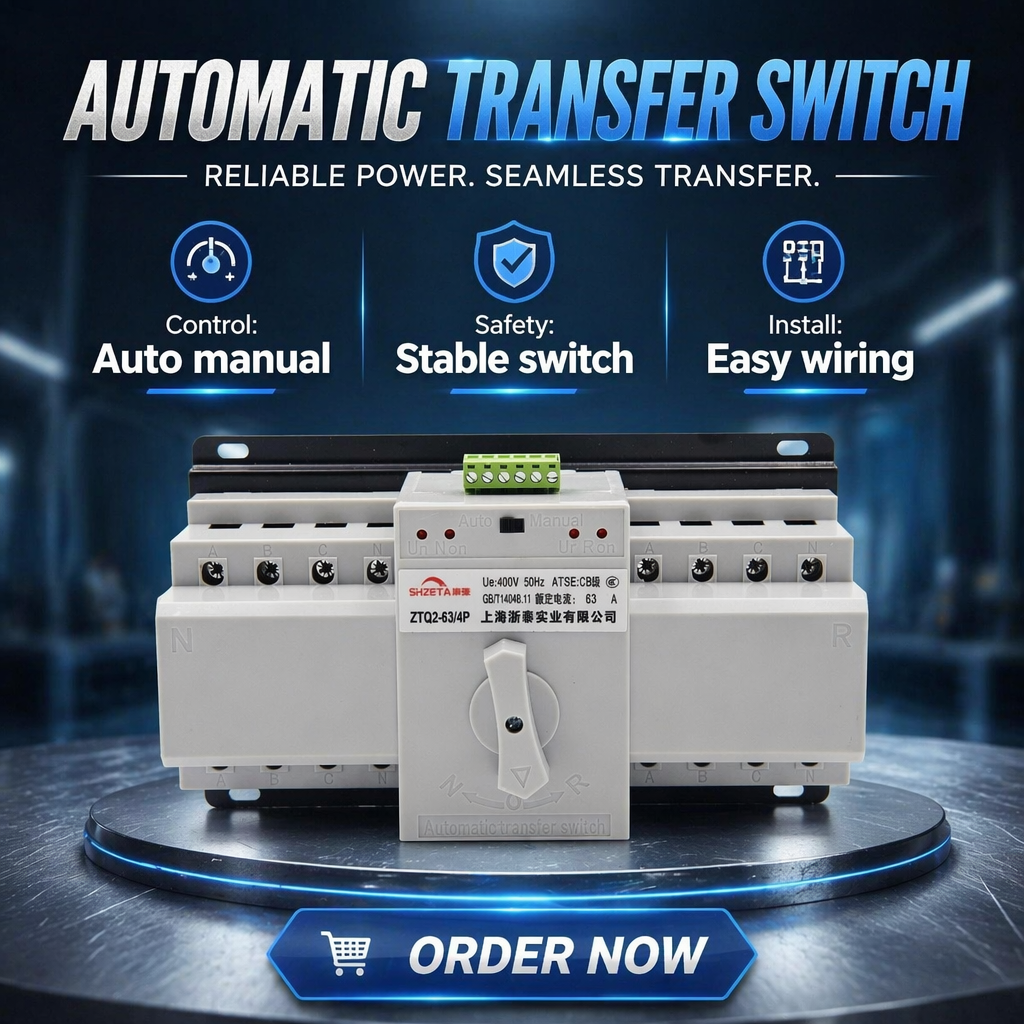
63 /4P Automatic Transfer Switch (ATS) Dual Power 400V CB Class for Solar System
- Equipment Class:CB Class Integrated Trip
- Voltage Rating:400V Three Phase
- Controller Logic:Auto-Sensing Line Drop
- Certification:IEC 60947-6-1
4P 63A Manual Changeover Switch Reliable Dual Power Transfer Integrated Circuit Breaker Type ATS for Home and Industrial Use
- Poles:4-Pole (L1, L2, L3, N)
- Rated Current:63A Continuous
- Housing Material:Anti-Arc Reinforced Polymer
- Isolation:Safe Physical Break Gap
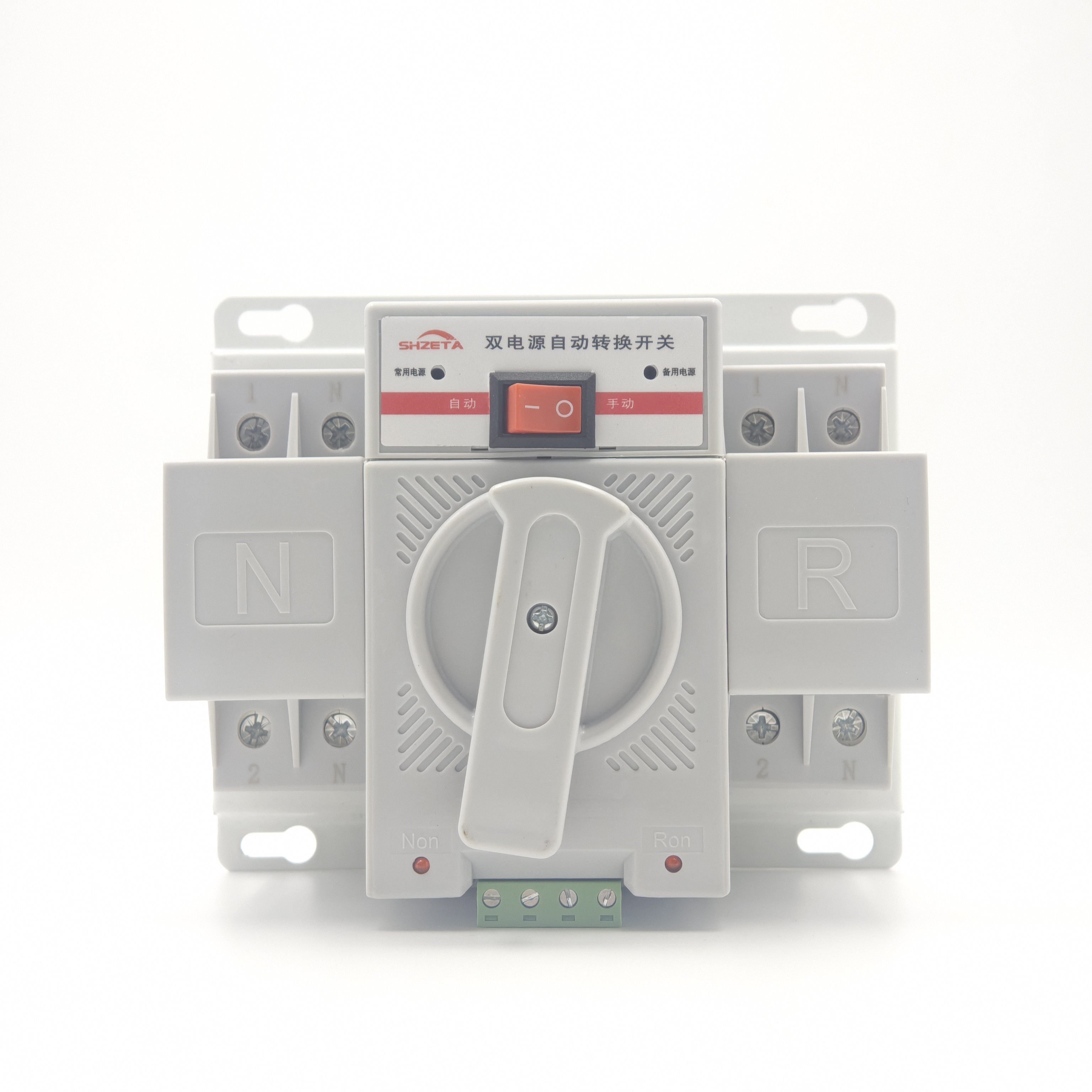
2P Single Phase Automatic Transfer Switch 220V 6kA Breaking Capacity 63A Frame Current Coated Back Paper Henan for Industrial
- Breaking Capacity:6kA Short Circuit
- Rated Voltage:220VAC Single Phase
- Switching Speed:High-Speed Solenoid Drive
- Operating Temp:-25°C to +70°C Climatic
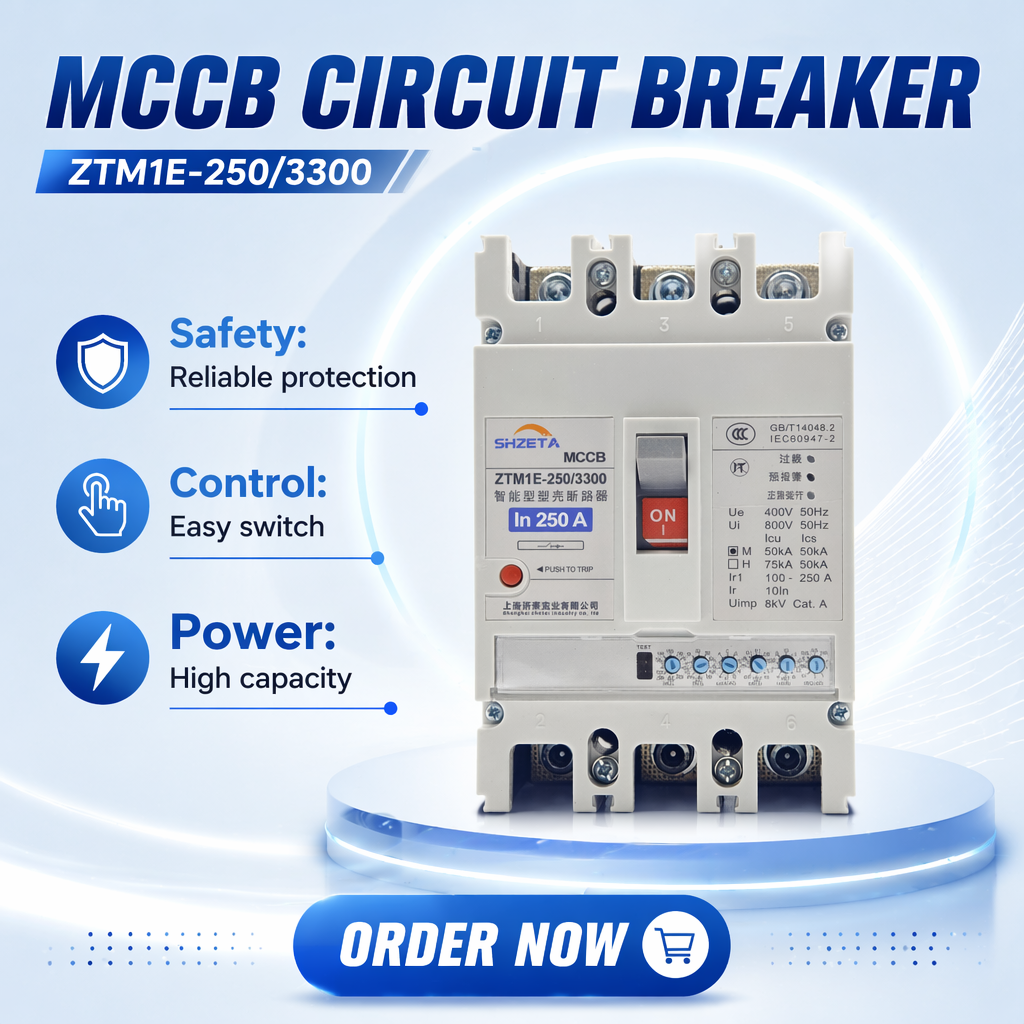
Molded Case Circuit Breaker Thermal-Magnetic Trip Unit Plastic Copper 50kA/100kA Breaking Capacity 690VAC/400VAC 50/60Hz
- Insulation Voltage:Ui 800V / Uimp 8kV
- Breaking Capacity:100kA @ 400V
- Trip Unit:Adjustable Thermal-Magnetic
- Contact System:High Ag-Alloy Tips
Transient Overvoltage Dynamics in Najaf’s Hybrid PV Ecosystem
An authoritative technical analysis of transient surge protection requirements under extreme ambient heat, dust fouling, and unstable utility grid switching in southern Iraq.
Photovoltaic installations across the Najaf Governorate—extending from the high-density urban corridors around the Holy Shrine of Imam Ali to the agricultural perimeters bordering the Sea of Najaf (Bahr Al-Najaf)—operate under electrical and environmental stress profiles unique in Western Asia. Solar engineering teams in Najaf face a severe combination of hyper-arid desert temperatures exceeding 50°C in peak summer, fine quartz dust accumulation with elevated dielectric breakdown potential, and severe electrical volatility from the local distribution network.
In standard European or East Asian climates, solar surge protective devices (SPDs) are designed primarily for direct or indirect atmospheric lightning transients in accordance with standard IEC 61643-31 parameters. However, in Najaf, atmospheric lightning represents only a fraction of destructive overvoltage phenomena. The prevailing source of equipment degradation and inverter failure stems from chronic high-energy switching transients induced by frequent grid blackouts, high-inductance grid load-shedding cycles, and abrupt automatic changeover between diesel generation plants and solar PV strings.
Critical Factor for Najaf Engineers: Thermal Runaway in High-Voltage MOV Arrays
Metal Oxide Varistors (MOVs) exhibit an inherent negative temperature coefficient of resistance. In Najaf rooftop combiner boxes, ambient internal temperatures often surpass 75°C during summer midday irradiation. This thermal loading increases leakage currents across the varistor discs. Without advanced micro-gap thermal disconnection mechanisms and high-energy zinc oxide formulations, conventional standard-grade SPDs undergo premature thermal runaway, catastrophic varistor rupture, or continuous arcing that poses fire hazards to commercial switchboards.
To ensure system survivability, Zhejiang Graybar Electric engineers its DC PV Surge Protective Devices with heavy-duty metal oxide disks rated for maximum continuous operating voltages ($U_{cpv}$) up to 1500V DC. Each internal pole utilizes dual mechanical disconnectors anchored with low-melting-point eutectic alloys, paired with arc-extinguishing chambers designed to break persistent DC arcs before catastrophic failure can occur. Coupled with high-breaking-capacity MCCBs (rated up to 100kA) and 4-pole switched-neutral transfer devices, our systems form an unyielding multi-stage defense envelope for inverters, transformers, and battery energy storage systems (BESS).
Targeted Deployment Across Najaf’s Core Infrastructure
Tailored circuit protection engineering addressing the distinctive electrical architectures of Najaf's commercial, agricultural, and utility sectors.
Pilgrimage Hospitality & Commercial High-Rises
Najaf accommodates millions of international visitors annually during Arba'een and religious pilgrimages. The vast hotel complexes surrounding the Old City utilize large commercial rooftop solar arrays integrated directly into heavy diesel generator backup systems.
Agricultural Solar Water Pumping (Bahr Al-Najaf)
Extensive agricultural irrigation projects in the low-lying plains of western Najaf rely on off-grid variable frequency drive (VFD) solar pumps. These sites feature long DC cable runs highly prone to ground-potential rises and desert static discharges.
Urban Residential Hybrid Rooftops
Due to municipal rationing of 12–16 hours of daily grid power, modern villas across Al-Adala, Al-Ghadeer, and Kufa install 5kW–15kW hybrid solar inverter systems with lithium battery storage and private neighborhood generator lines ("Ampere lines").
Utility-Scale Desert Solar Farms
As part of Iraq's National Renewable Energy initiative targeting multi-megawatt solar plants in the southern desert belt, grid-tied tracking systems demand comprehensive primary protection at central inverter substations.
System Sizing Matrix for Najaf Solar Electrical Engineers
Compare device classes, insulation levels, and application zones to ensure total compliance with Iraq Ministry of Electricity and international IEC standards.
| System Position | Protective Device Class | Operating Voltage ($U_c / U_{cpv}$) | Surge Rating ($I_n / I_{\max} / I_{imp}$) | Najaf Site Engineering Rationale |
|---|---|---|---|---|
| DC String Combiner Box | Type 2 DC SPD | 600V / 1000V DC | $I_n = 20\text{kA}$, $I_{\max} = 40\text{kA}$ | Diverts fast-rise electrostatic discharges and indirect lightning induced along exposed rooftop racking in desert winds. |
| Central Inverter DC Input | Type 1+2 Combined | 1000V / 1500V DC | $I_{imp} = 12.5\text{kA}$, $I_{\max} = 60\text{kA}$ | Handles high-energy direct lightning impulses from perimeter fences and structural steel framework in open desert terrain. |
| Inverter AC Output (3-Phase) | Class II AC SPD | 275V / 385V / 440V AC | $I_n = 20\text{kA}$, $I_{\max} = 40\text{kA}$ | Protects inverter bridge transistors against extreme inductive voltage spikes caused by sudden local transformer drop-outs. |
| Main Low-Voltage Incomer | Air Circuit Breaker (ACB) | 400VAC / 690VAC | $I_{cu} = 85\text{kA} - 120\text{kA}$ | Intelligent microprocessor controller balances incoming utility power, solar output, and primary diesel generator sets. |
| Sub-Distribution Feeders | Thermal-Magnetic MCCB | 400VAC / 415VAC | $I_{cu} = 35\text{kA} - 100\text{kA}$ | High breaking capacity prevents contact welding during catastrophic dead shorts on unregulated commercial feeders. |
| Dual-Power Transition Point | 4-Pole Class CB ATS | 400VAC 50Hz | Mechanical Life: 10,000 cycles | Switches the neutral conductor cleanly to isolate floating neutrals during utility blackouts, preventing backfeed hazards. |
Market Trends Driving Solar Surge Protection Demands in Najaf
How regulatory changes, fuel costs, and grid expansion are reshaping low-voltage switchgear procurement in Iraq through 2026–2030.
The energy landscape of Najaf Governorate is undergoing an aggressive transformation. Escalating diesel fuel prices, strict regional emissions caps near heritage zones, and persistent summer capacity deficits on the national power grid (where peak summer demand exceeds domestic production by over 40%) have transformed solar power from an alternative ecological luxury into an absolute industrial necessity.
Three fundamental market drivers are directly impacting how local procurement managers, Iraqi EPC contractors, and distribution switchgear builders select their electrical protection equipment:
1. Strict Utility Neutral Separation Standards: Unbalanced 3-phase loads in Najaf's mixed commercial-residential districts often generate dangerous neutral-to-earth potential differences (frequently measuring 30V–75V AC during peak hours). As a consequence, local electrical inspectorships increasingly mandate 4-pole switching architectures for both MCCBs and automatic transfer switches (ATS). 3-pole breakers that leave neutrals connected are rapidly being phased out by responsible contractors due to the danger of neutral back-surges burning sensitive inverter communication gateways.
2. The Migration Toward 1500V DC Topology: To cut Balance of System (BOS) copper cable costs across broad agricultural and commercial arrays, projects are actively upgrading from 600V and 1000V DC architectures to 1500V DC strings. A higher working DC voltage exponentially intensifies the arc-flash severity when a surge protector operates. Standard consumer-grade SPDs lack the dielectric clearance required to extinguish high-voltage DC arcs, driving engineering specifications strictly toward heavy-duty, IEC 61643-31 tested devices with integrated ceramic arc suppressors.
3. Hybridization With Neighborhood Micro-Generators: Unlike Western utility-interactive systems that simply shut down during outages (anti-islanding), Najaf solar arrays must stay operational in island mode or sync immediately with localized diesel generator networks. This continuous handoff between inverter electronics and reciprocating engine alternators produces persistent harmonic distortion and voltage transients ($dV/dt$), requiring surge protective devices capable of enduring continuous micro-surges without degrading baseline varistor clamping thresholds.
Factory-Direct Engineering & Export Excellence
Zhejiang Graybar Electric Co., Ltd. combines industrial manufacturing precision in Liushi, Wenzhou with reliable supply lines into Umm Qasr Port and Baghdad/Najaf logistics corridors.
IEC Standard Compliance
Every surge protector, MCCB, and transfer switch is verified against IEC 61643-11, IEC 61643-31, IEC 60947-2, and IEC 60947-6-1, accompanied by comprehensive factory routine test certificates.
Liushi Cluster Scalability
Situated in China’s electrical component epicenter, our factory provides rapid access to pure silver-alloy contacts, flame-retardant VO housings, and high-energy MOV disks with complete batch traceability.
Flexible Low MOQs
We support Iraqi switchboard builders and panel workshops with minimum order quantities as low as 5 pieces for standard MCCB/SPD models and 1 piece for ACBs, enabling easy sample verification.
OEM & Private Labeling
Custom laser printing, localized Arabic/English specification packaging, customized trip parameters, and consolidated maritime shipping directly to Iraqi ports and distribution hubs.
Technical & Procurement FAQ for Iraqi Solar Projects
Clear answers to real-world engineering questions faced by contractors and electrical distributors in Najaf.
Why do standard AC surge arresters fail when installed on DC photovoltaic strings in Najaf?
How does Najaf's extreme ambient summer heat (50°C+) affect the trip threshold of thermal-magnetic MCCBs?
What is the difference between Class I (Type 1) and Class II (Type 2) DC SPDs, and which is required in Najaf?
Why is 4-Pole (4P) switching mandatory when connecting solar ATS units to Iraqi generator networks?
What shipping terms and logistics routes are available for orders delivered to Najaf?
Can Zhejiang Graybar provide custom logo laser printing and private label packaging?
Protect Your Najaf Solar Infrastructure with Factory-Direct Engineering
Send your electrical single-line diagrams (SLD) or Bill of Materials (BOM) to our senior engineering team in Liushi. Get instant technical coordination, certified parameter verification, and competitive factory-direct pricing for your next project in Najaf.