The Detroit Industrial Electrification Mandate
Metro Detroit remains the undisputed beating heart of North American automotive engineering, advanced industrial automation, and robotic manufacturing. Along the historic Interstate 75 and Interstate 94 industrial corridors—stretching from Dearborn and Warren to Auburn Hills and Ann Arbor—tier-1 powertrain facilities, stamping plants, and next-generation electric vehicle (EV) battery gigafactories are undergoing massive infrastructure upgrades. As these facilities transition from traditional mechanical assembly to multi-megawatt robotic work cells, high-frequency variable speed drives (VFDs), and high-voltage DC battery testing equipment, the risk profile for electrical distribution changes dramatically.
In these high-density electrified environments, conventional ground fault circuit interrupters and legacy circuit breakers are frequently crippled by false nuisance tripping caused by high-frequency parasitic capacitance, or conversely, "blinded" by smooth DC residual currents leaking from rectified motor drives and bidirectional battery formation racks. As a dedicated OEM/ODM residual current circuit breaker (RCCB) manufacturer, Zhejiang Graybar Electric provides Detroit-based panel builders, electrical engineering contractors, and plant automation integrators with custom-tailored, precision-calibrated Type A, Type B, and Type B+ RCCBs and companion low-voltage switchgear designed specifically to satisfy strict North American industrial safety thresholds and international performance benchmarks.
Understanding Residual Current Protection Mechanics: Type A vs. Type F vs. Type B
Selecting the appropriate earth leakage device for automotive machine tooling requires an exhaustive evaluation of waveform characteristics, leakage thresholds, and harmonic frequencies. In a typical Detroit manufacturing assembly line, three distinct electrical phenomena govern residual current design:
Type A RCCB Performance
Engineered for single-phase rectified equipment, servo axes, and general industrial loads where sinusoidal AC and pulsating DC residual currents occur.
- Detects alternating and pulsating direct currents
- Trip threshold insensitive to DC up to 6mA
- Ideal for standard Detroit packaging lines & conveyors
Type F Transient Resilience
Designed for frequency-controlled single-phase motors and heat pumps with composite frequency mixtures (10Hz to 1kHz) avoiding unwanted trips.
- 10ms time-delayed surge immunity
- Maintains protection against 10mA DC offsets
- Prevents machine downtime on intermittent start-ups
Type B / B+ Universal Sensing
Mandatory for 3-phase bridge rectifiers, EVSE fast-charging architectures, battery formation test rigs, and high-speed CNC multi-axis machining.
- Detects pure smooth DC, AC up to 100 kHz
- Dual-core fluxgate detection topology
- Prevents magnetic saturation blinding unconditionally
In high-power automotive automation panels, traditional GFCI devices calibrated solely at 5mA trip instantly upon energization due to cable capacitance across long raceways. Our OEM engineering services allow Detroit clients to configure selective (Time-Delayed "S") curves and adjustable sensitivity thresholds (30mA for direct personnel touch protection, 100mA for machinery leakage management, and 300mA/500mA for fire prevention according to IEC 60364-4-42 / NFPA guidelines).
Localized Industrial Application Scenarios Across Metro Detroit
Understanding the severe physical and electrical stress within automotive manufacturing facilities is vital to designing resilient circuit protection. Below are four dominant operational environments in Southeast Michigan where Graybar OEM/ODM breakers and auxiliary components demonstrate superior reliability:
1. Robotic Resistance Welding & Tooling Transfer Cells
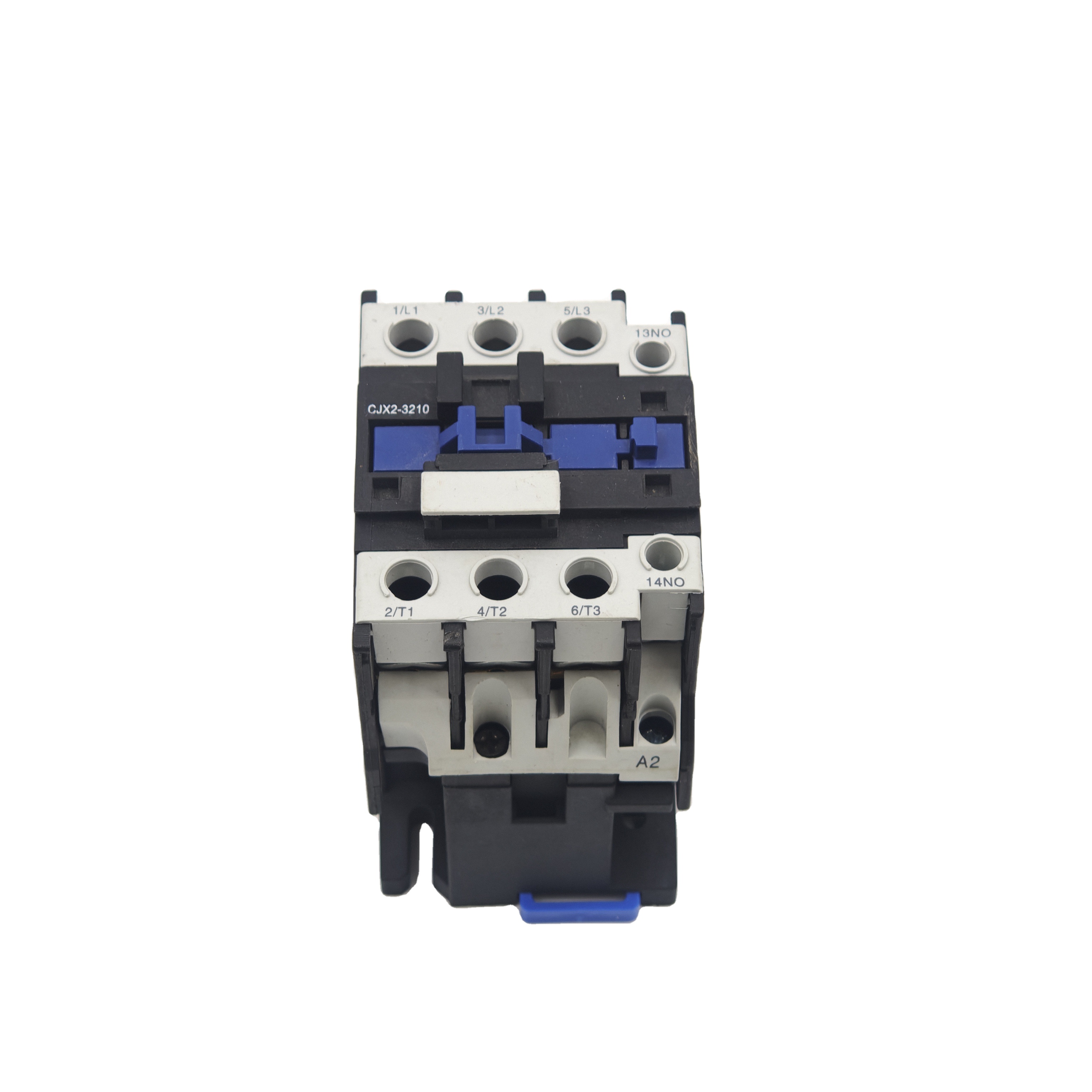
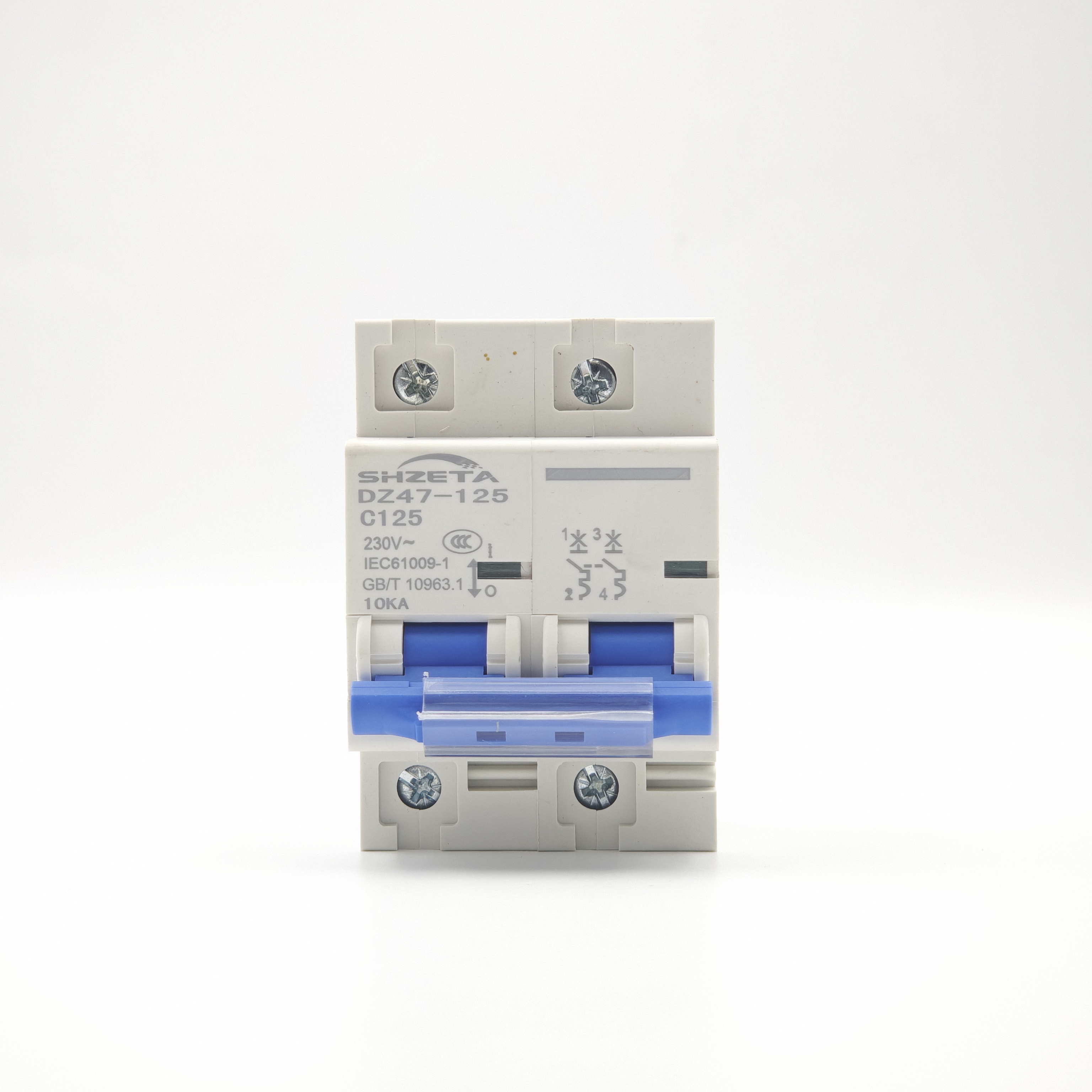
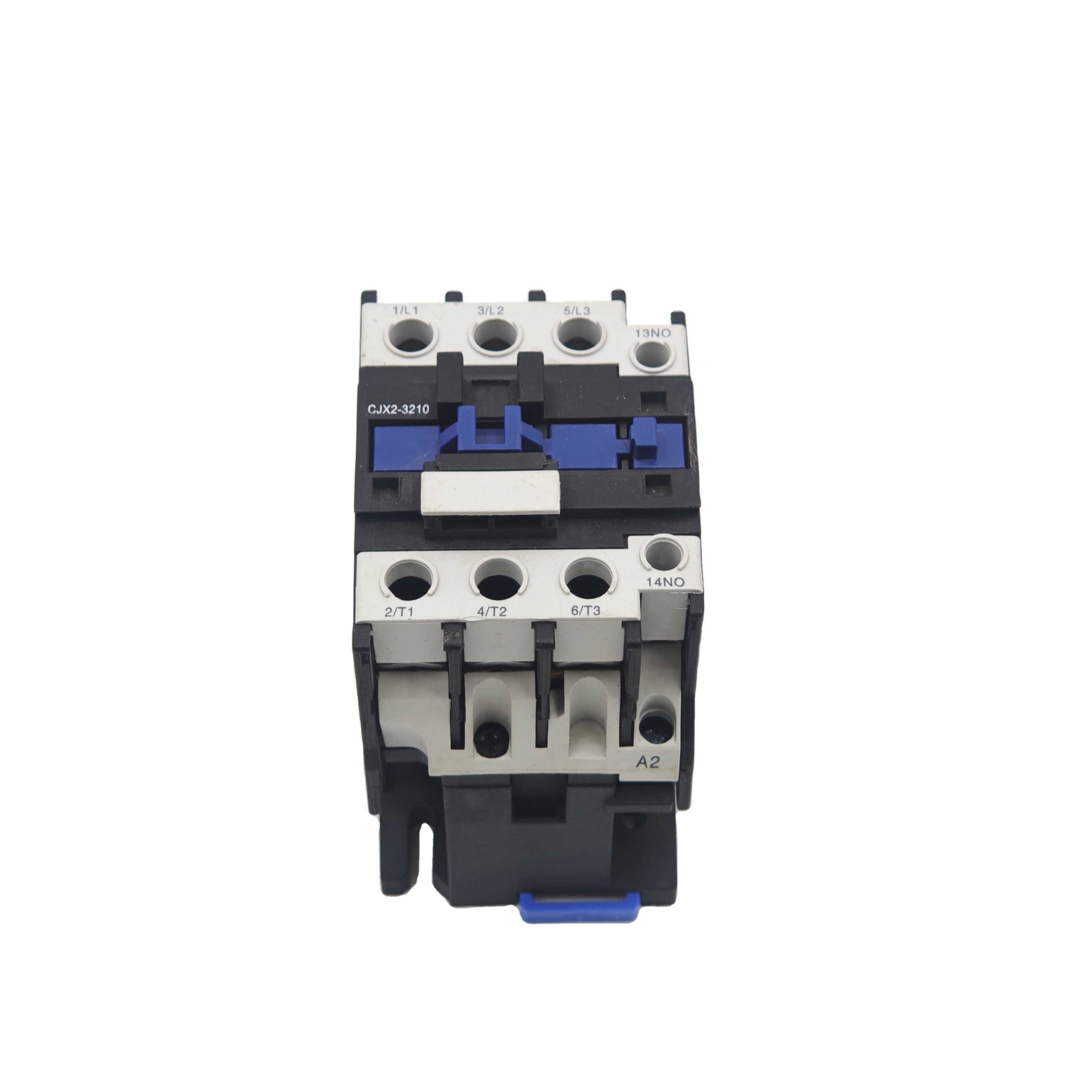
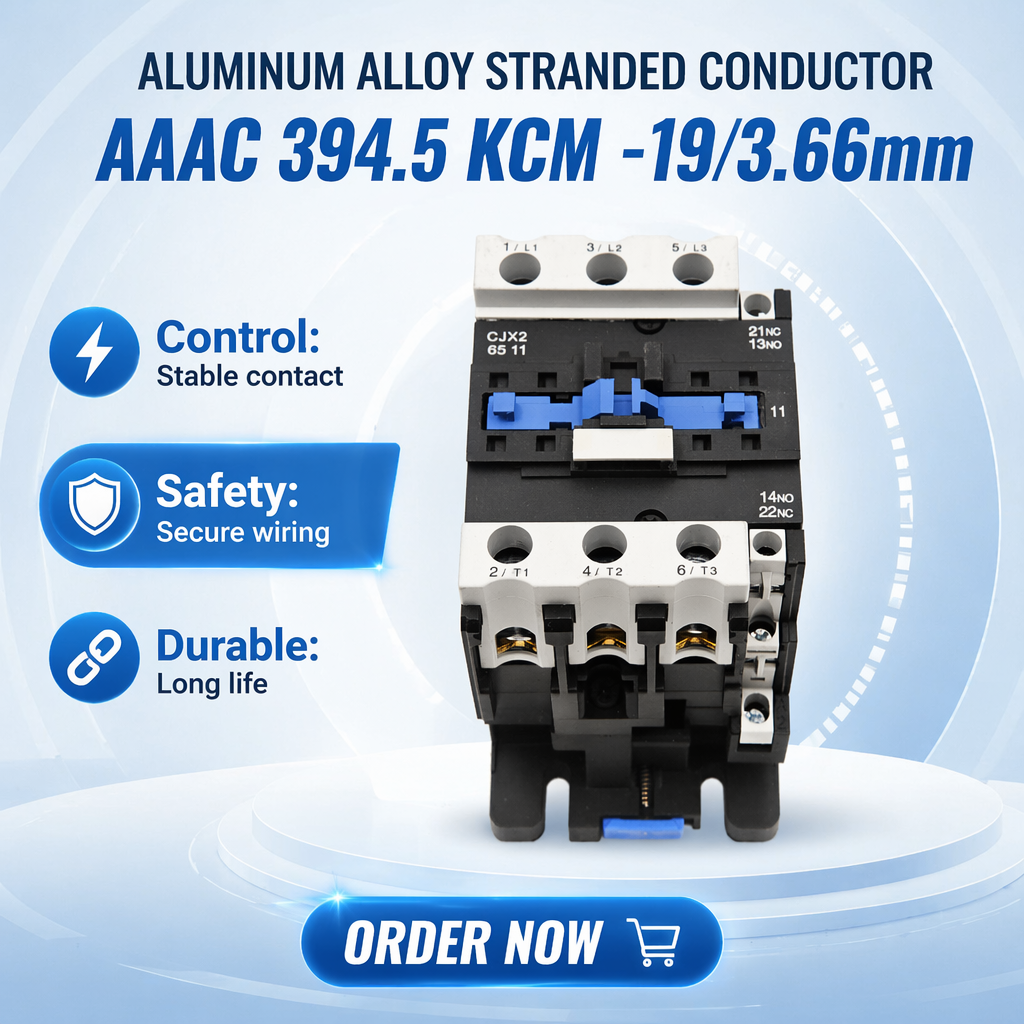
In high-throughput body-in-white (BIW) robotic framing lines, hundreds of pneumatic servo welders draw intense, non-sinusoidal pulsed currents. The repetitive secondary electromagnetic transients induce substantial common-mode voltage fluctuations in equipment grounding conductors. Utilizing our silver-alloy contact CJX2 AC Contactors alongside high-kA DIN-rail breakers and Type A/B RCCBs guarantees instantaneous short-circuit clearing without false ground-fault interrupter trips during peak spot-welding pulses.
2. Gigafactory EV Battery Formation & Pack Testing Cells
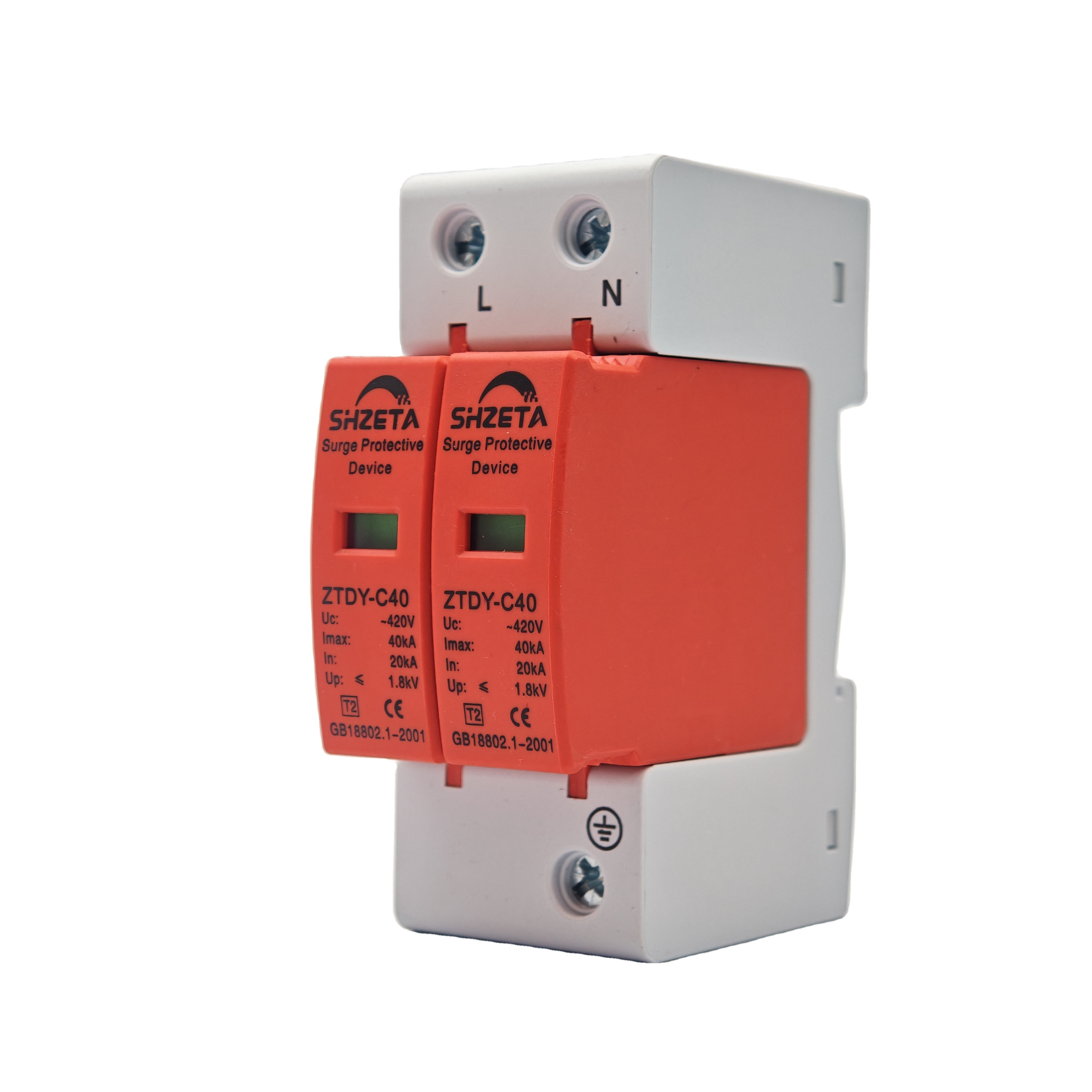
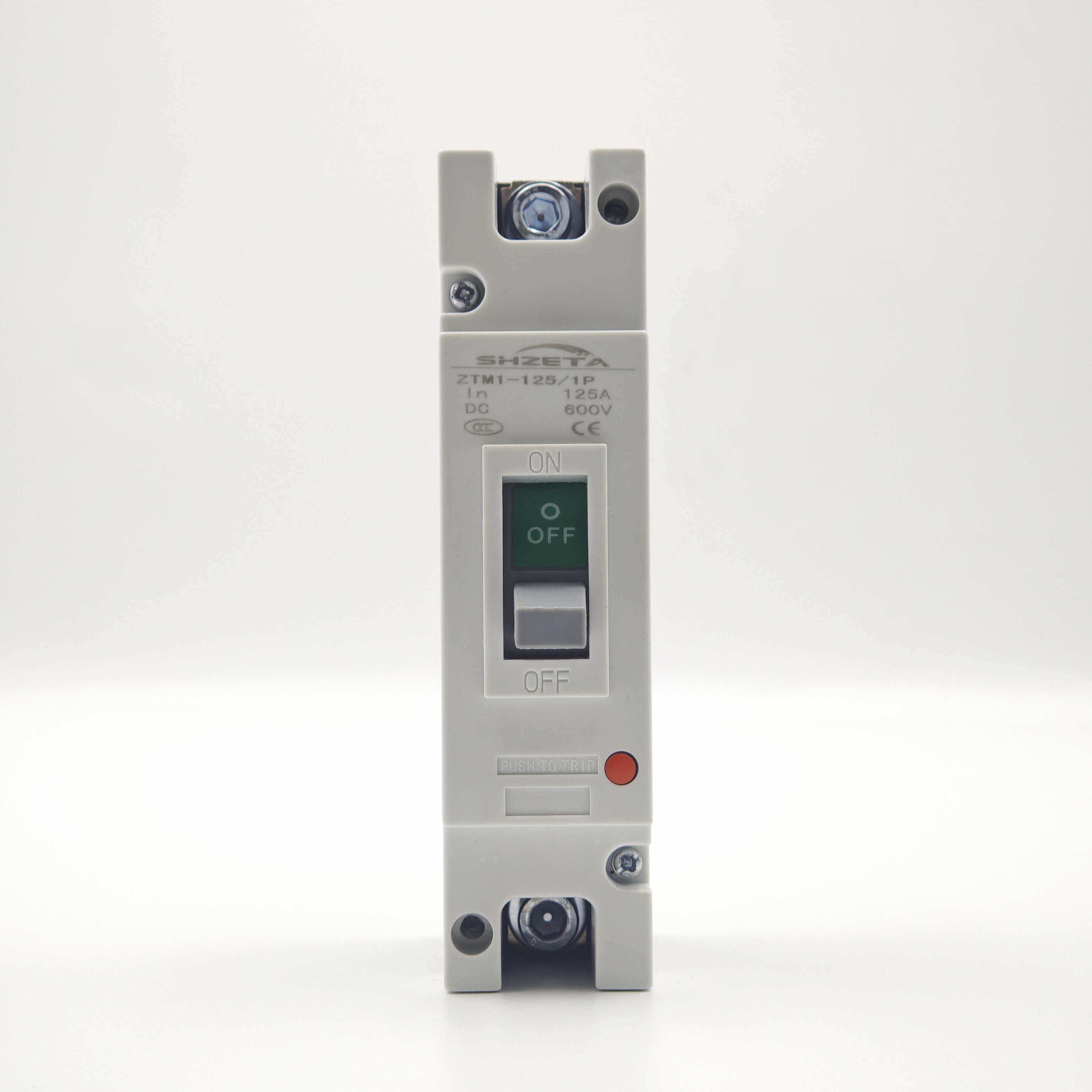
Battery cell manufacturing plants in Orion Township and Lake Orion require continuous 400V to 800V DC cyclers running 24/7 to charge, discharge, and test chemical cells. The high density of bidirectional DC/AC power electronic converters generates substantial DC stray currents. Our Din Rail Fireproof 800V DC SPDs (40kA discharge capacity) combined with heavy-duty 500V DC 100A MCCBs deliver impenetrable electrical barrier protection against catastrophic DC thermal runaway and insulation degradation.
3. Commercial Fleet EV Depots & High-Power DC Fast-Charging (DCFC)
Municipal and logistics electrification projects across Detroit, Livonia, and Romulus deploy 150kW to 350kW DC fast-charging pedestals. Under UL 2231 and IEC 62423 standards, continuous smooth DC residual currents must be interrupted before blinding the facility's main distribution switchboard. Graybar Type B RCCBs integrate micro-fluxgate sensing modules that accurately track DC leakage thresholds down to 6mA and 30mA, guaranteeing worker and driver safety without tripping during vehicle handshake protocols.
4. High-Vibration Automotive Metal Stamping & Forge Press Facilities
Mechanical stamping presses in Dearborn generate continuous low-frequency mechanical shocks and airborne conductive metallic dust. Standard plastic breakers succumb to housing fractures and contact welding. Zhejiang Graybar manufactures high-temperature PBT fireproof enclosures, glass-reinforced polyamide housings, and bimetallic thermal trip units that endure 5G vibration profiles while maintaining sub-millisecond magnetic trip response.
Industrial Breaker Selection & Coordination Matrix
Use the engineering specification matrix below to cross-reference plant load requirements against recommended protection topologies for Detroit industrial facilities:
| Protection Device | Harmonic / Waveform Capacity | Trip Sensitivities (IΔn) | Interrupting Rating (Icu/Icn) | Primary Detroit Plant Application |
|---|---|---|---|---|
| Type B RCCB (4-Pole) | AC + Pulsating DC + Smooth DC (0Hz–100kHz) | 30mA, 100mA, 300mA | 10 kA (IEC 61008-1 / 62423) | EV battery cyclers, 6-pulse/12-pulse VFD motor lines |
| Type A RCCB (2P/4P) | Sinusoidal AC + Pulsed Direct Current | 30mA, 300mA (Instant / Selective) | 6 kA / 10 kA | CNC tooling drives, plant conveyance, packaging cells |
| 800V DC Solar/PV SPD | DC Lightning & Inductive Switching Spikes | Up < 3.2 kV (40kA 8/20µs) | High kA Suppression | Rooftop industrial solar arrays & DC battery microgrids |
| 500V DC 100A MCCB | DC Thermal Overload & High Magnetic Fault | Adjustable Thermal (0.8–1.0 In) | 25 kA – 50 kA Breaking | Central DC bus feeders, battery pack test rigs |
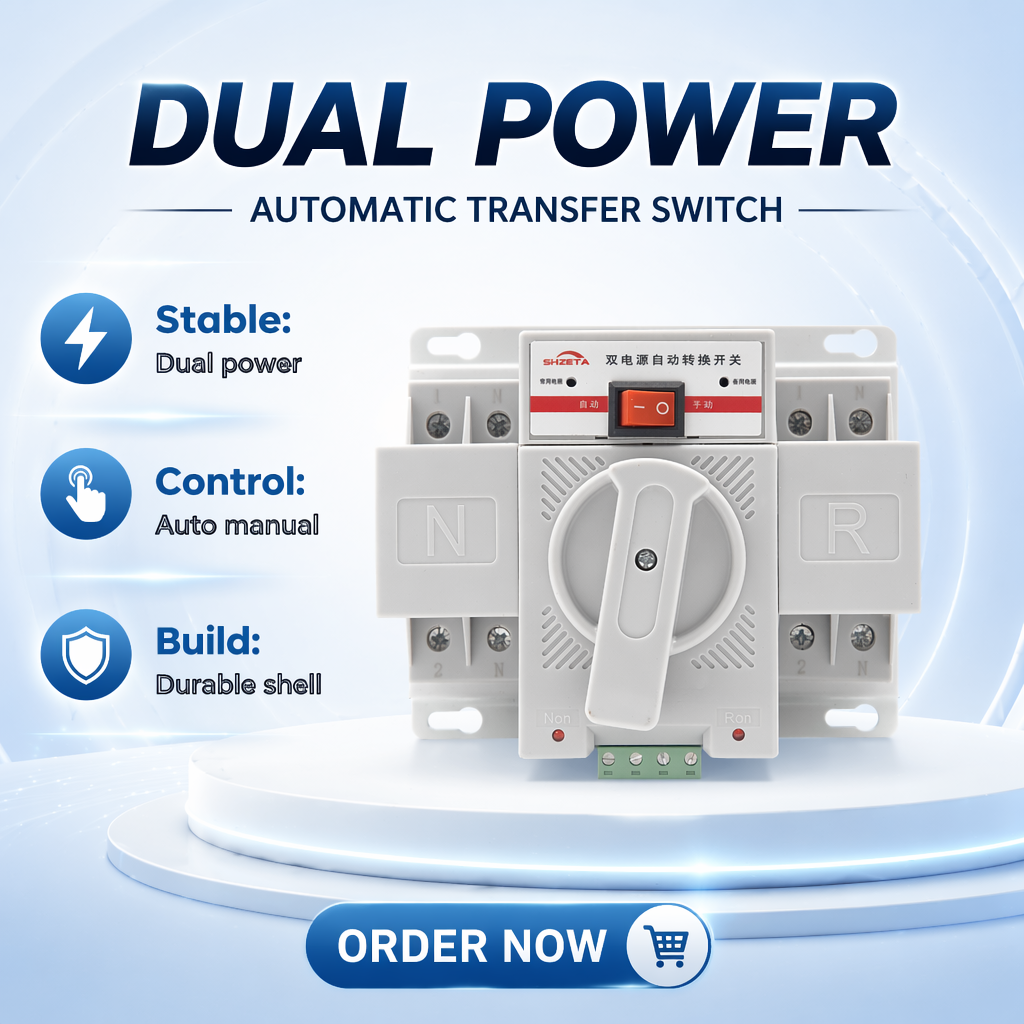
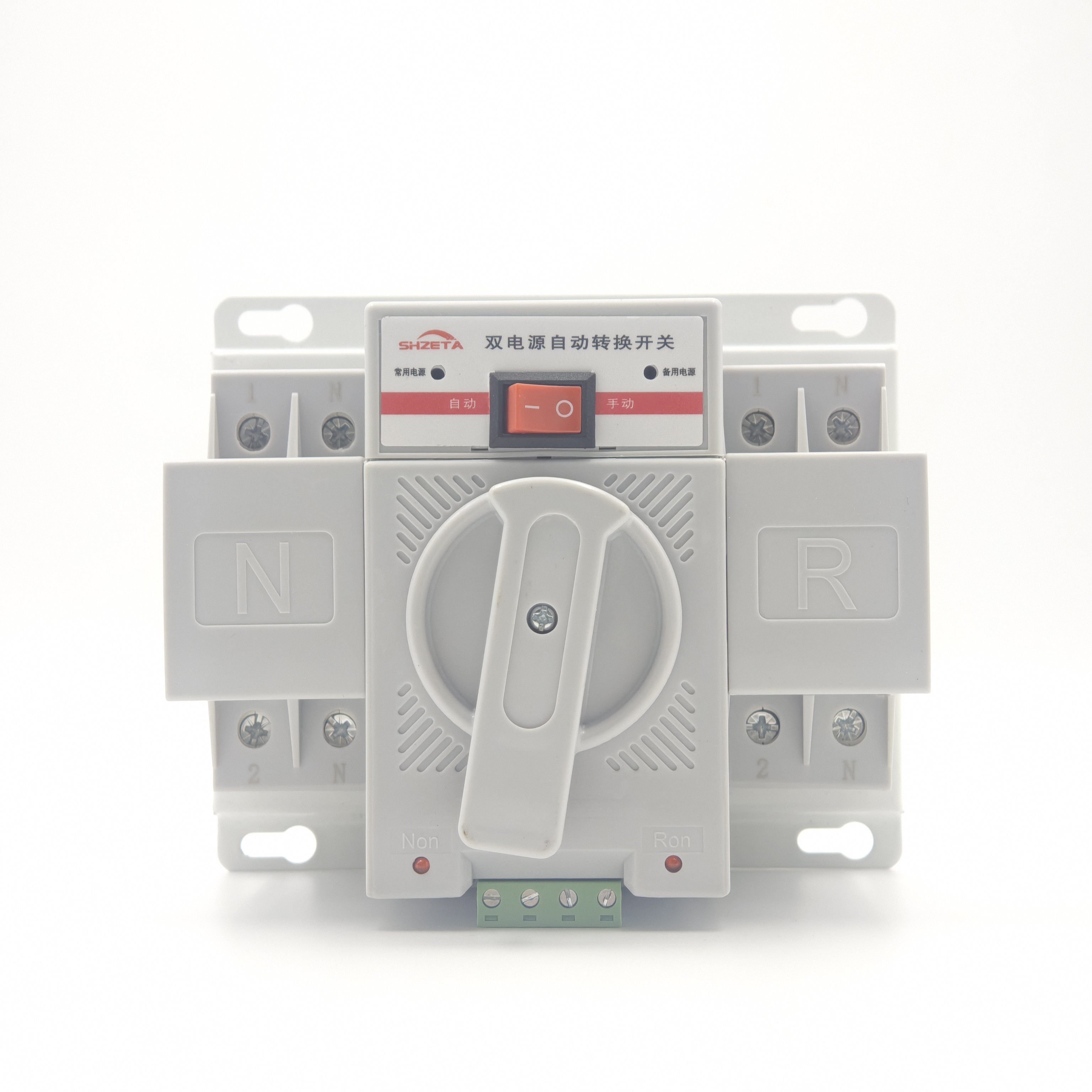
| Automatic Transfer Switch (ATS) | Dual-source phase-synchronized transfer | Transfer time: <50ms (3kA–6kA) | 63A Frame Rating | Emergency PLC controls, paint booth ventilation blowers |
| CJX2 Heavy AC Contactor | AC-3 / AC-4 Heavy inductive motor control | Coil: 24V, 110V, 220V, 380V | Up to 10 Million Cycles | Automotive hydraulic pumps, stamping conveyors, fans |
Emerging Electrical Trends Across Southeast Michigan Industry
Procurement teams and panel builders across Detroit face evolving regulatory and economic pressures that influence how circuit breakers and switchgear are specified:
1. Transition to 800V Architecture in EV Assembly and Testing
The Detroit Big Three and electric vehicle startups are standardizing on 800V battery architectures to enable ultra-fast charging and reduce wire harness mass. This elevates DC distribution voltages within assembly facilities, requiring breaker isolators and surge suppressors tested up to 1000V DC with dedicated arc-quenching magnetic blowouts to extinguish sustained DC arcs instantly.
2. Modernization of Legacy Automotive Facilities (Brownfield Retrofitting)
Dozens of legacy Detroit production plants built decades ago are being converted to automated battery pack integration lines. These brownfield retrofits frequently suffer from compromised grounding grids and legacy switchgear space constraints. Compact DIN-rail modular RCCBs and dual-power ATS units enable electrical contractors to integrate advanced ground-fault leakage detection and automatic backup power switching into existing NEMA enclosure envelopes without expensive civil renovations.
3. Convergence of NFPA 70 / NEC with International IEC Standards
Because major Detroit automotive robotics vendors source production tooling from Germany, Japan, and Italy, local control panels are increasingly built as hybrid architectures. Machine builders need OEM suppliers capable of supplying dual-rated or IEC-harmonized breakers that satisfy NFPA 79 (Electrical Standard for Industrial Machinery) while integrating seamlessly with European-designed subassemblies.
4. Resilient Supply Chain Strategies & Rapid Customization
Long lead times from legacy domestic switchgear conglomerates (often stretching to 40–60 weeks) have paralyzed project commissioning schedules across Wayne, Oakland, and Macomb counties. OEM buyers are actively partnering with agile manufacturers like Zhejiang Graybar Electric to establish buffer inventory, private-label branding, customized tripping parameters, and low MOQs that deliver high-precision products in a fraction of traditional cycle times.
Why Leading Switchgear Importers Partner with Graybar Electric
Headquartered in Liushi Town, Wenzhou—globally recognized as the capital of low-voltage electrical engineering—Zhejiang Graybar Electric Co., Ltd. combines advanced manufacturing facilities, rigorous metallurgical controls, and transparent commercial practices to deliver measurable sourcing advantages for Detroit clients:
Precision In-House Manufacturing
From high-temperature flame-retardant PBT injection molding to precision progressive stamping of high-content silver-nickel (AgNi) contacts, all core processes are controlled under one roof for zero-defect reliability.
100% Automated Calibration & Testing
Every single RCCB, MCB, and MCCB undergoes computer-automated current-trip testing, dielectric withstand verification, and mechanical endurance inspection with serialized batch tracking.
Agile OEM/ODM Engineering
Custom laser-etched branding, customized operational trip curves, multilingual terminal schematics, and client-specific packaging designs with prototype turnaround in days rather than months.
Accessible MOQ & Global Logistics
Low starting MOQs (5 pcs for standard MCB/MCCB/SPD, 1 pc for intelligent ACBs) allow Detroit panel shops to validate prototypes prior to containerized volume orders shipped via Shanghai/Ningbo ports.
Frequently Asked Questions by Detroit Electrical Buyers
Key technical, regulatory, and commercial questions asked by Metro Detroit panel builders, facility engineers, and electrical distributors.
Q: Can Graybar Type B RCCBs replace standard GFCIs in Detroit machine panels?
Yes. While residential NEC codes reference Class A GFCI (5mA trip), industrial machinery governed by NFPA 79 and UL 508A routinely requires Type B residual current devices (30mA or 100mA) on variable speed drives and battery cyclers to prevent DC blinding while ensuring full equipment ground-fault protection.
Q: How do your breakers handle high-vibration automotive stamping environments?
Our industrial breakers feature heavy-duty spring-loaded DIN clips, reinforced bimetallic thermal latches, and internal silver-brazed flexible braids designed to absorb continuous mechanical vibration up to 5G without chatter, unintended tripping, or mechanical fatigue.
Q: What is the typical lead time for custom OEM private-label shipments to Michigan?
Standard prototype batches are manufactured, laser-branded, and dispatched via express air freight within 7–10 days. Scaled commercial sea freight orders to Detroit rail terminals or Chicago logistics hubs typically arrive within 25–35 days from factory sign-off.
Q: What documentation and type-test reports are provided for Detroit building inspectors?
We provide full manufacturer certificates of conformity, factory test calibration certificates, dielectric test reports, and IEC standard compliance test documentations (IEC 61008-1, IEC 60947-2, IEC 61643-11) for every production run.
Q: Why are 4-pole breakers critical for neutral-switching in industrial plants?
In facilities with high non-linear switching loads (such as robotics and LED arrays), the neutral conductor carries substantial triplen harmonic currents. A true 4-pole breaker isolates the neutral simultaneously with the phase conductors, eliminating circulating ground currents during maintenance shutdowns.
Q: How does Graybar support small-to-medium Detroit custom panel builders?
Unlike global conglomerates that mandate massive volume commitments, Graybar offers ultra-low minimum order quantities (from 5 units for DIN-rail components) allowing local Detroit panel builders to optimize cash flow and order exact quantities per build.