Featured Power Switching & Circuit Protection Systems
Direct from our Liushi, Wenzhou manufacturing plant to Philadelphia electrical contractors, panel builders, and municipal project procurement teams.
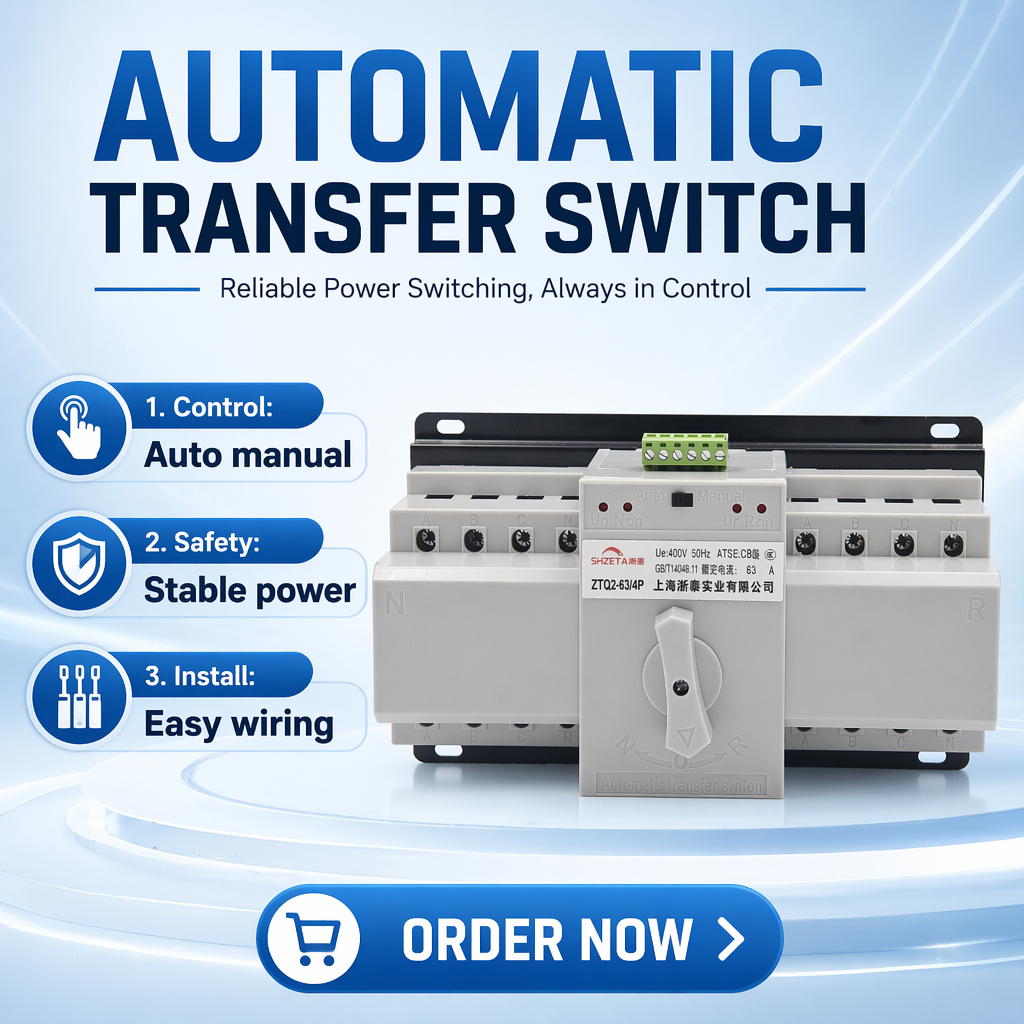
ATS PC Three Phase 4P 63A 400V 5kA Breaking Capacity Dual Power Automatic Device Changeover Solar Electric
- Rated Operational Voltage:400V AC (3P+N)
- Breaking Capacity:5kA Icn
- Transfer Switch Time:< 50 ms Seamless
- Application:Dual Grid-to-Gen / Solar
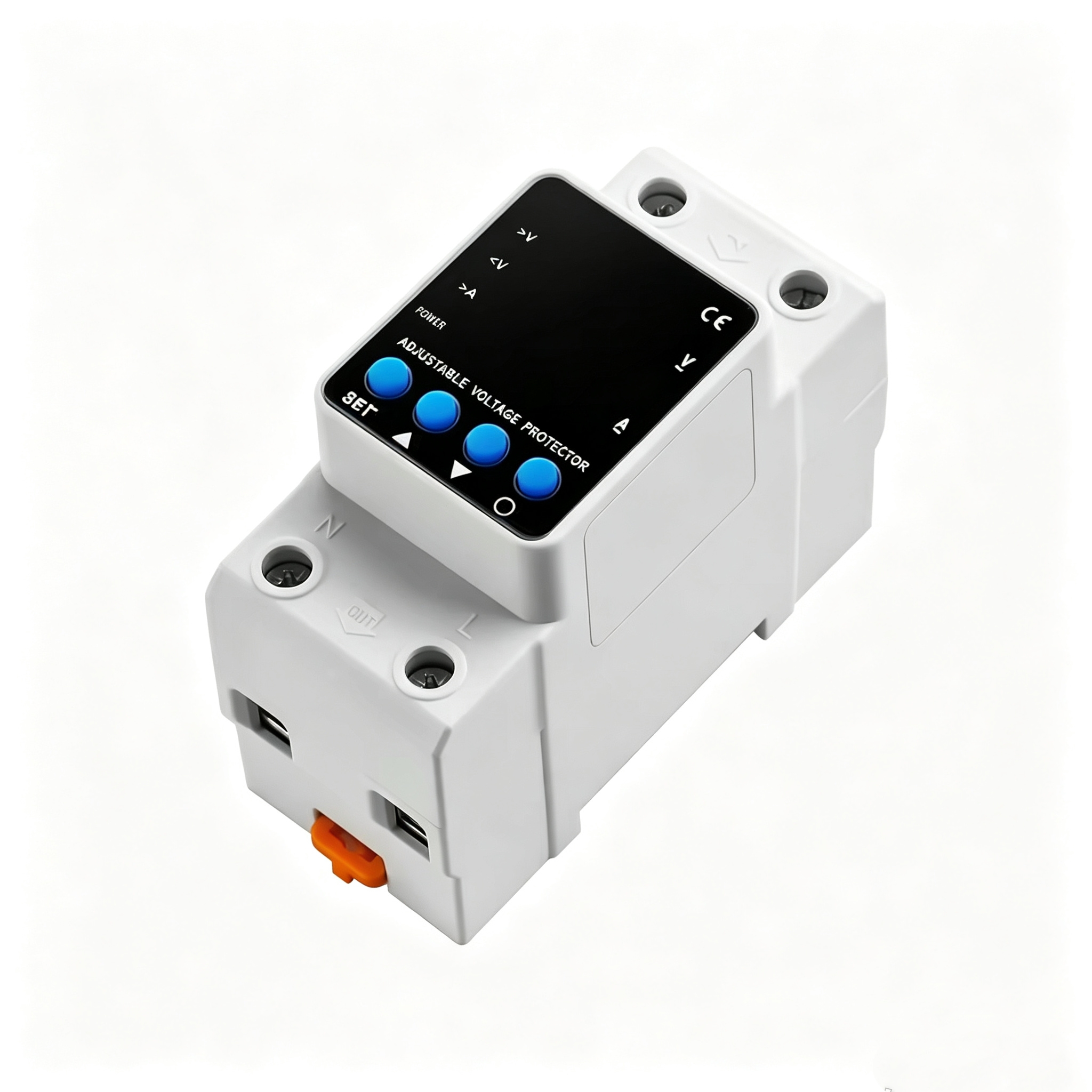
2P 63A AC230V 50/60Hz 6kVA High Efficiency Intelligent 6-in-1 Auto Reconnect Adjustable Over/Under Voltage
- Configuration:2-Pole DIN-Rail Mount
- Control Functions:6-in-1 Voltage & Current
- Power Throughput:6kVA High Continuous
- Restoration:Auto Self-Recovery
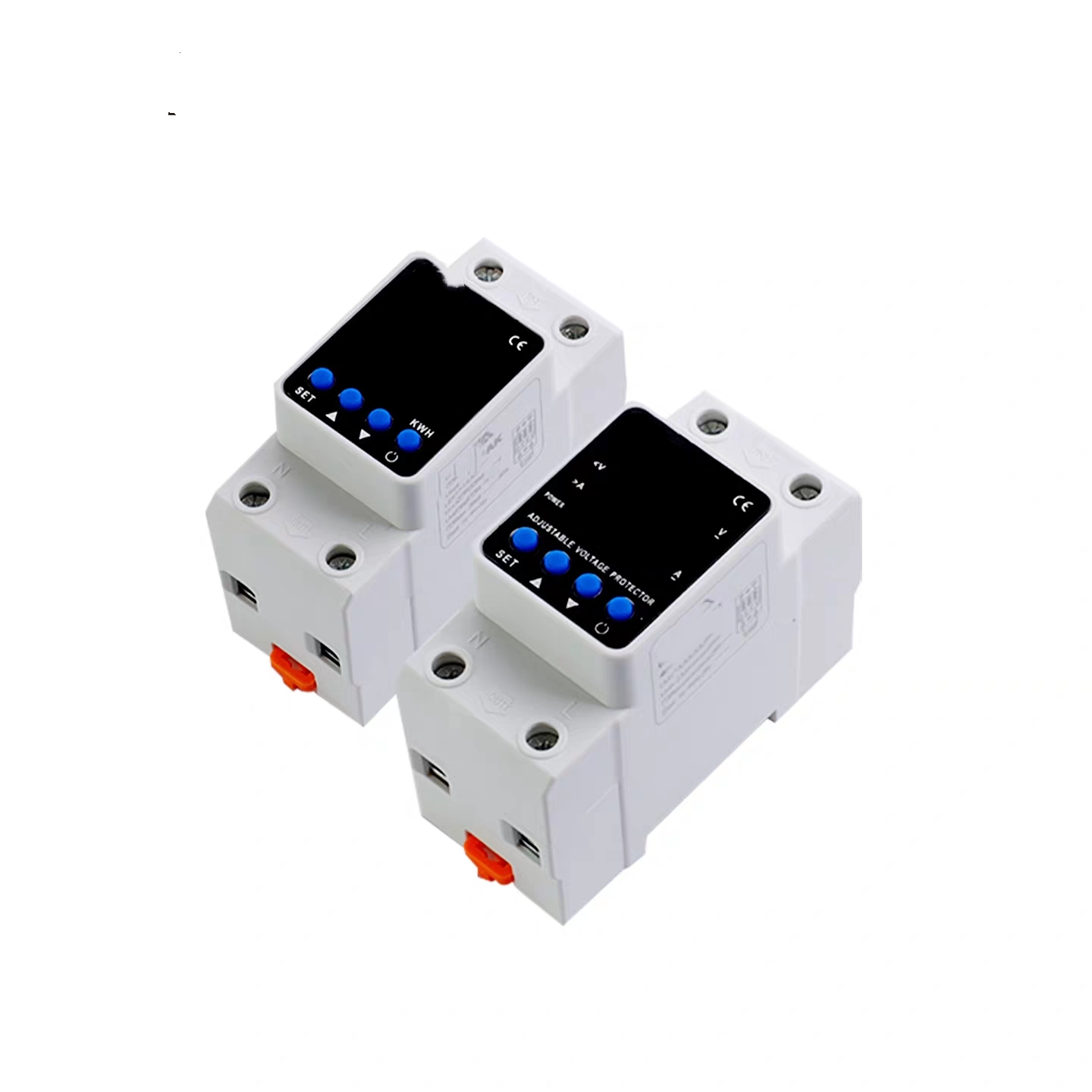
Single-phase Overcurrent, Undervoltage Protector, AC 220V Voltage 32 A-100 a Voltage Regulator Protector
- Current Range:32A – 100A Field Tunable
- Voltage Threshold:Adjustable Under/Over
- Display:Real-Time Digital LED
- Standard:IEC / EN 60947-2
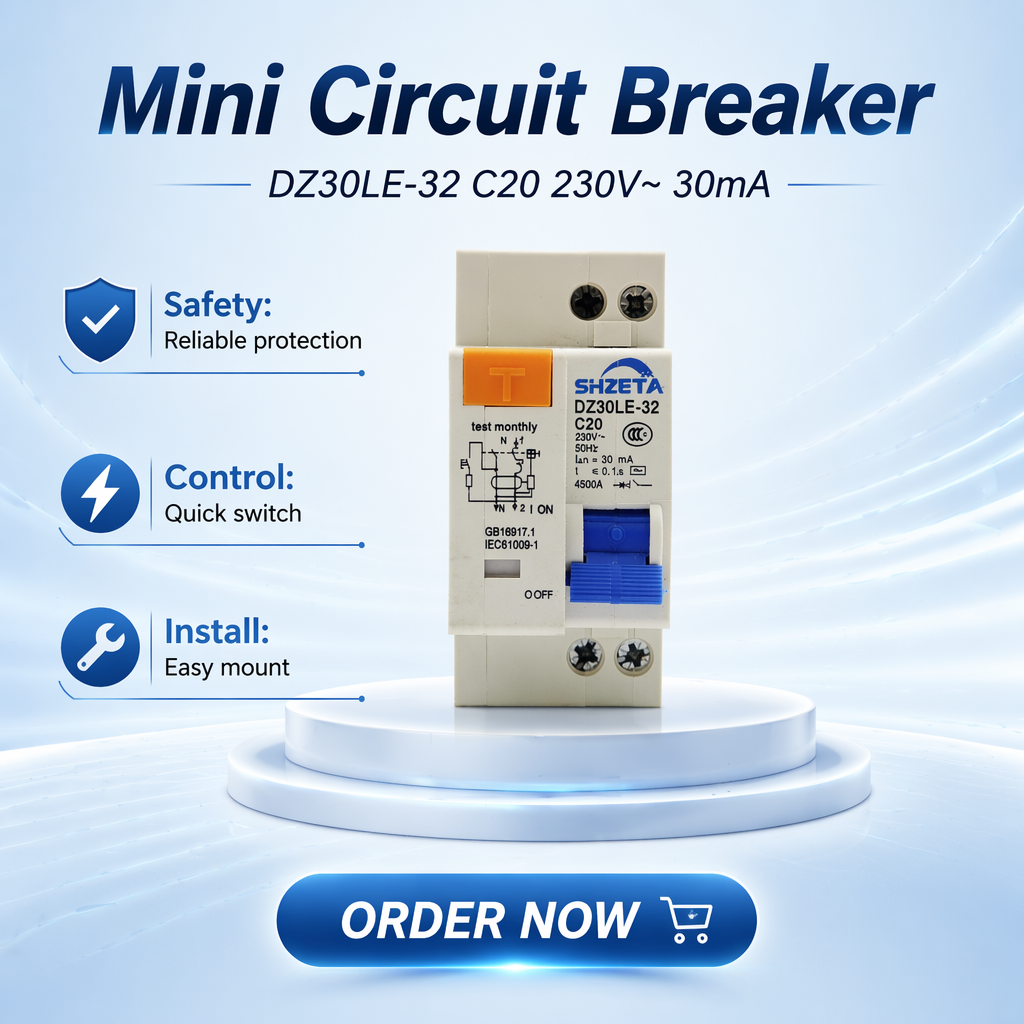
DZ30LE-32A Plastic Circuit Protection System for Office Hotel Shop/Supermarket & Public Lighting
- Rated Trip Current:32A Compact Footprint
- Protection:Residual Leakage & OC
- Housing:Self-Extinguishing Poly
- Segment:Retail & Hospitality Boards
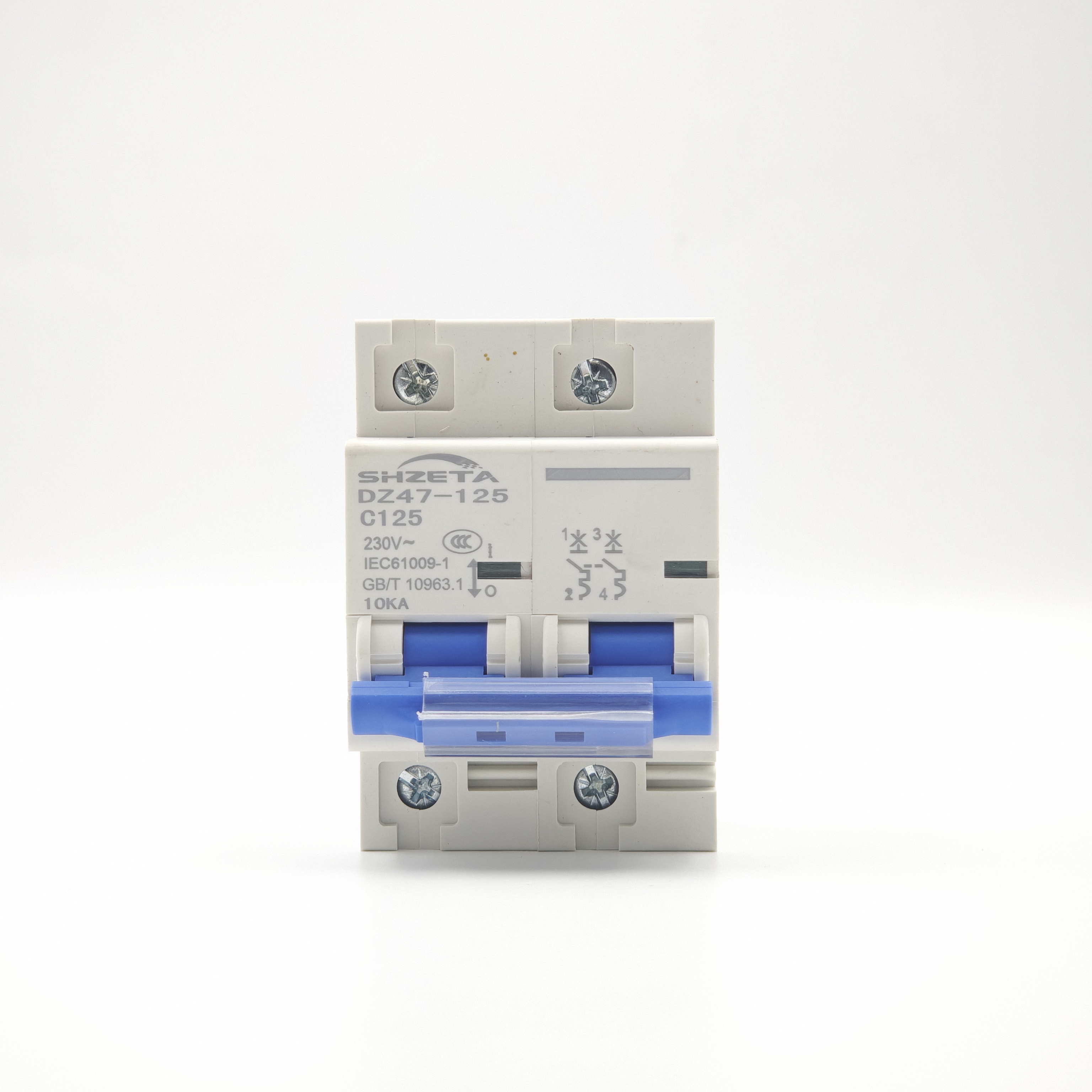
CE Certified DC Circuit Breaker MCB Red Copper Miniature Solar Protection High Efficiency
- Conductor Core:99.9% High Purity Red Copper
- Arc Suppression:Permanent Magnetic Shunt
- Nominal DC Rating:Up to 1000V DC String
- Solar Certified:CE / IEC 60947-2 PV
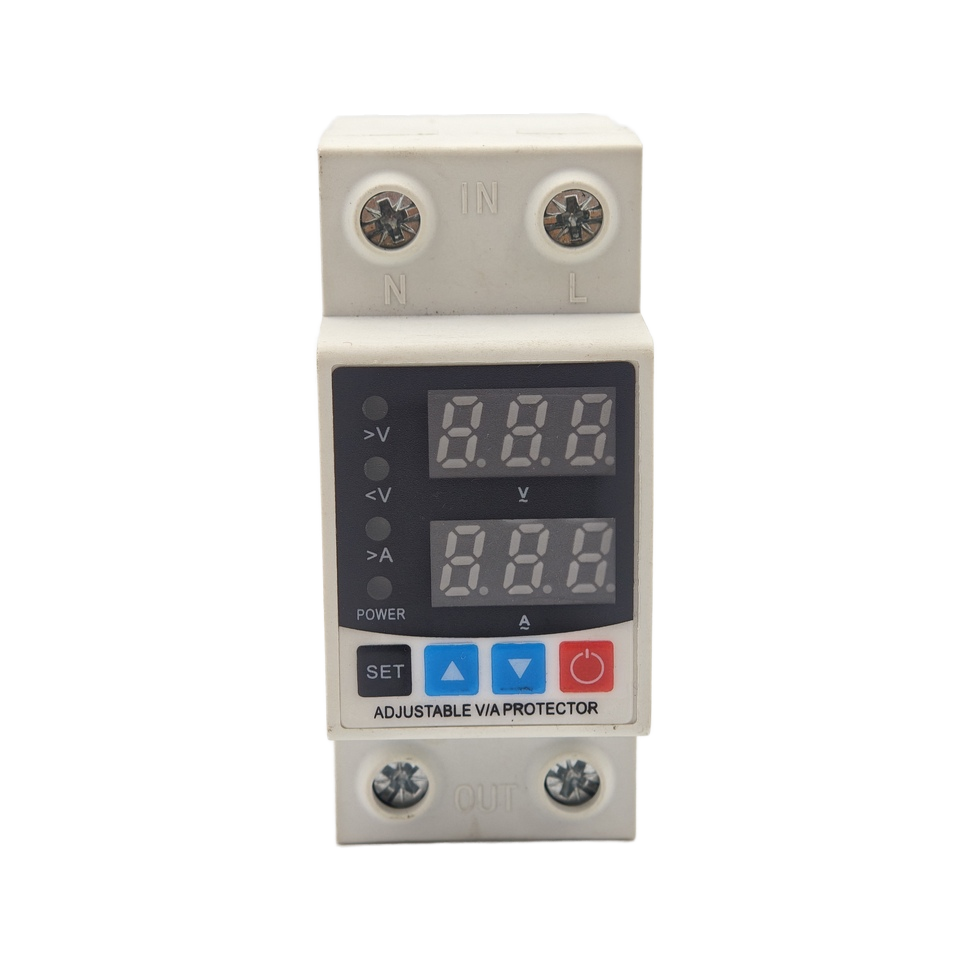
40A 63A 220V SVC PC AC Din Rail Adjustable Recovery Reconnect Over Under Voltage Protective Device 30kVA
- Continuous Load:40A / 63A Adjustable
- Apparent Power:Up to 30kVA Heavy Cycle
- Mounting:Standard 35mm DIN-Rail
- Auto Recovery Delay:1s to 500s Configurable
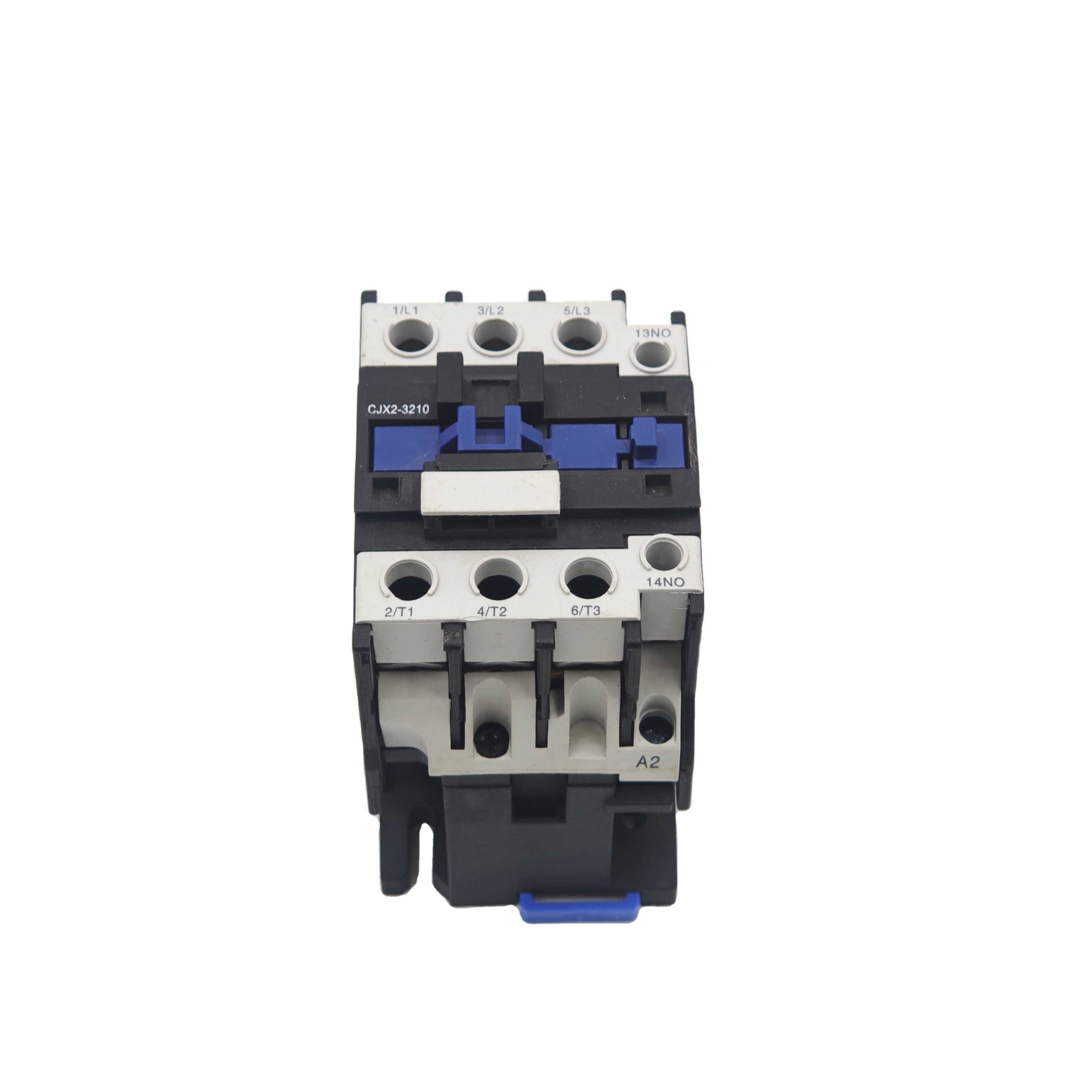
CJX2-1210 Magnetic Electric Contactor AC Three-Phase Surface-Mounted 220V/380V
- Operational Voltage:220V / 380V (50/60Hz)
- Auxiliary Contacts:1 NO (Normally Open)
- Switching Frequency:1,200 Operations/Hour
- Standards Track:IEC 60947-4-1 Compliant
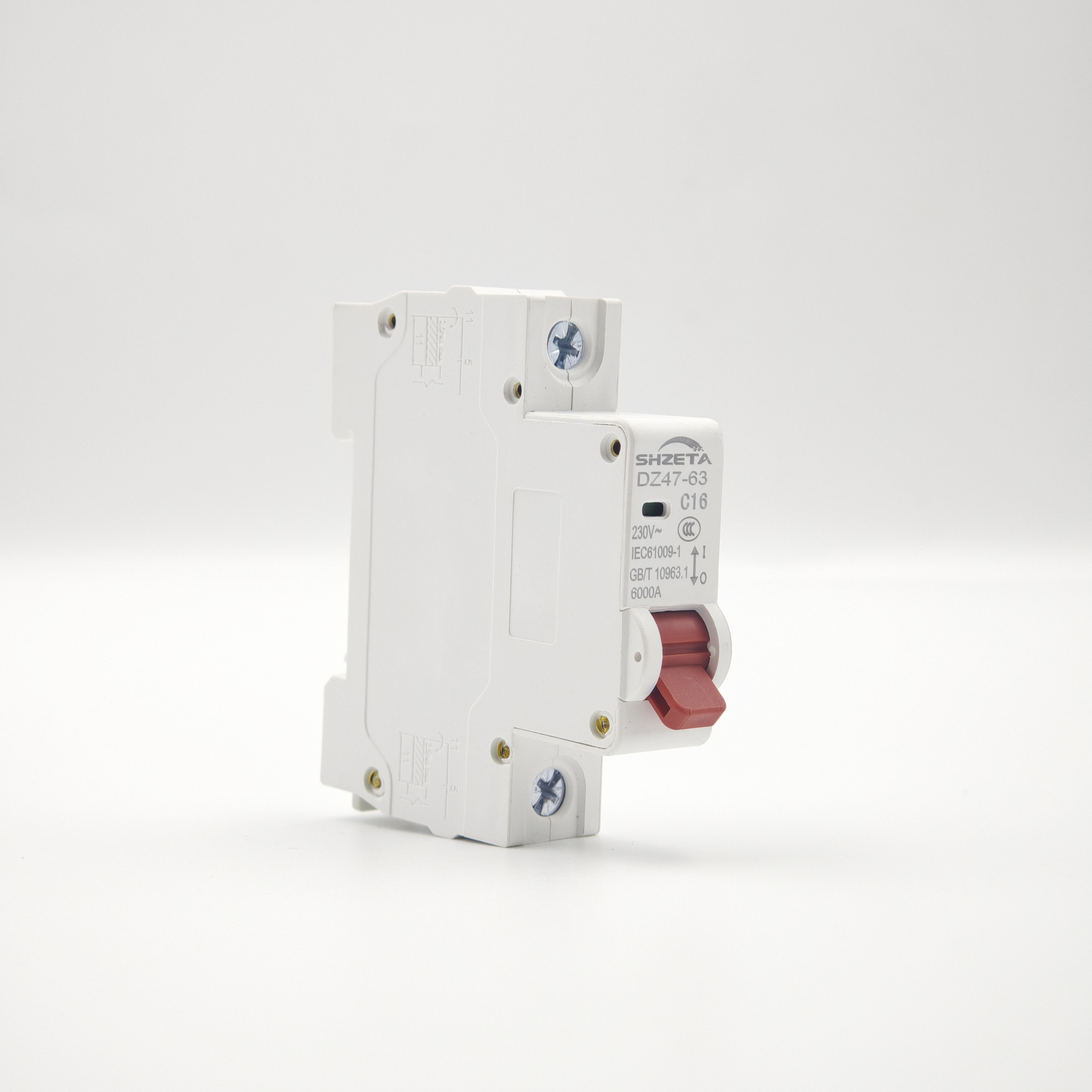
Mini Circuit Breaker 1P+N 2P 3P 4P 50Hz Mechanical Interlocking Low Price DC MCB
- Safety Interlock:Fail-Safe Mechanical Bar
- Pole Variants:1P+N, 2P, 3P, 4P Modular
- Current Range:1A up to 63A Calibrated
- Primary Purpose:Dual Incomer Interlock
Technical Whitepaper: Dual-Power Transfer Topologies & Grid Synchronization
In metropolitan Philadelphia and throughout the Delaware Valley industrial corridor, the electrical distribution environment is defined by severe seasonal thermal extremes, complex interconnection standards mandated by the PJM Interconnection RTO, and strict compliance enforcement by PECO Energy Company and the Philadelphia Department of Licenses and Inspections (L&I). An Automatic Transfer Switch (ATS) acts as the vital electro-mechanical conduit that guarantees uninterrupted power continuity between prime utility feeds and auxiliary backup sources—ranging from diesel gensets to modern battery energy storage systems (BESS).
Selecting the appropriate switch architecture demands an exhaustive technical comprehension of contactor dynamics, transition physics, and downstream harmonic loading. Electrical engineers and master panel builders in Greater Philadelphia must differentiate between PC-Class (Power Contact) and CB-Class (Circuit Breaker) architectures to guarantee selective coordination and fault withstand capability under severe short-circuit stresses.
Comparative Engineering Topology: PC-Class vs. CB-Class ATS
Our engineering facility in Liushi manufactures both PC-Class dedicated switching units and mechanically interlocked CB-Class systems. The table below delineates critical design parameters required for engineering submittals across commercial, institutional, and industrial projects in Pennsylvania:
| Performance Parameter | PC-Class Automatic Transfer Switch | CB-Class Transfer System | Philadelphia Specification Context |
|---|---|---|---|
| Primary Switching Element | Dedicated solenoid or motor-actuated double-throw contact mechanism with silver alloy bifurcated contacts. | Two mechanically and electrically interlocked molded case (MCCB) or air circuit breakers (ACB). | University City life-science wet labs prefer PC-class for low-maintenance compact footprints. |
| Short-Time Withstand Rating (STR) | Extremely high STR; engineered to withstand let-through energy without self-tripping or welding contacts. | Governed strictly by integral overcurrent trip units within the individual MCCBs. | Critical for NFPA 700 emergency circuits where uncoordinated instantaneous tripping is prohibited. |
| Operating Mechanism Speed | Fast transition: 30 ms to 80 ms total cycle time via high-energy stored spring release. | Extended cycle: 100 ms to 250 ms dependent on internal motor-operator mechanisms. | Center City Tier-3 edge server farms demand sub-50ms transitions to maintain UPS rectifier DC link bus. |
| Overcurrent Protection Inclusion | Non-integral. Requires upstream protection coordination via MCCBs or current-limiting fuses. | Integral overcurrent, short-circuit, and ground fault protection embedded inside each breaker frame. | Industrial plants along the Delaware River choose CB-class to eliminate upstream breaker enclosures. |
| Arc Chute & Contact Architecture | Multi-plate de-ionizing arc extinction chambers with magnetic blast blowout coils. | Standard thermal-magnetic or electronic MCCB arc extinguishing plates. | Mandatory to mitigate arc-flash hazards in dense municipal retrofits under NFPA 70E. |
Voltage Phase-Angle Monitoring & In-Phase Transition Engineering
When transferring inductive motor loads—such as cooling towers, industrial chillers, and large ventilation fans prevalent in Philadelphia's historical multi-story commercial buildings—an out-of-phase transfer will subject motor shafts and couplings to immense electromagnetic torques up to 20 times normal rated values. Our intelligent ATS microprocessor controllers utilize real-time dual-source synchrocheck algorithms. The transfer mechanism continuously samples the phase angles, frequency differential (Δf < 0.2 Hz), and voltage delta (ΔV < 5%) between Utility Feed A (PECO) and Generator Feed B. Contact closure is permitted only within a narrow ±5-electrical-degree synchronization window, preventing tripping of downstream VFDs and mechanical shear of chiller drivetrains.
Localized ATS Application Scenarios Across Greater Philadelphia
Custom-tailored electrical protection solutions engineered to solve specific operational constraints within Southeastern Pennsylvania's leading economic clusters.
University City Life Science Corridors
In biomedical research centers, cryogenic sample freezers and continuous cell-culture incubators require uninterrupted electrical uptime. Our 4-Pole 63A to 250A PC-Class ATS units provide isolated neutral switching, eliminating circulating ground currents that disrupt sensitive mass spectrometry and DNA sequencers during utility switchover events.
Philadelphia Navy Yard Smart Microgrids
The Philadelphia Navy Yard operates one of the largest private microgrids in the United States. Deploying our dual-power ATS with built-in RS485 Modbus RTU communication allows Navy Yard distributed energy resources (solar arrays, battery banks, and gas microturbines) to island seamlessly from the PECO grid during peak demand response dispatches.
Center City Historic High-Rise Retrofits
Space-constrained basement switchgear rooms in Philadelphia’s landmark commercial towers lack square footage for massive traditional transfer enclosures. Our compact, high-breaking-capacity modular ATS and intelligent voltage relays mount directly onto standard 35mm DIN-rails, accelerating modernization without demanding structural civil alterations.
South Philadelphia Food Distribution Complex
Covering wholesale produce, meat, and seafood storage, uninterrupted refrigeration is critical. Power anomalies trigger our automated over/under voltage relays and mechanical interlocking transfer switches, automatically transferring ammonia chiller compressors to onsite backup generators within 40ms, safeguarding millions of dollars in perishable freight.
SEPTA Transit & Intermodal Rail Signaling
Signaling, traction power monitoring, and switch point heaters across Philadelphia's rail arteries require fail-safe transfer logic. Our heavy-duty contactor-based ATS systems are treated with anti-vibration locking fasteners and conformal-coated control boards to resist constant mechanical shock and airborne metallic brake dust.
Delaware River Marine & Logistics Hubs
Port cargo handling cranes, maritime cold berths, and automated sorting centers experience heavy switching surges. Our CE/IEC certified high-power MCCBs and 3-phase surge arresters combine with ATS units to deliver coordinated cascade protection against atmospheric lightning surges traveling through exposed riverfront utility lines.
Regulatory Framework & Technical Trends Shaping Eastern Pennsylvania
The commercial and industrial power distribution landscape in Philadelphia is navigating one of the most substantial regulatory transformations in recent decades. Engineering procurement teams, switchboard OEMs, and electrical distributors must align with several overarching regulatory and market trends:
1. Stringent Enforcement of NEC 2023 / NFPA 70 Articles 700, 701, and 708
The Commonwealth of Pennsylvania periodically updates the Uniform Construction Code (UCC), directly impacting Philadelphia L&I plan examinations. Modern updates mandate that Emergency Systems (Article 700) and Legally Required Standby Systems (Article 701) feature Selective Coordination all the way to the 0.01-second threshold. Furthermore, Article 708 covering Critical Operations Power Systems (COPS) mandates documented testing of switchgear withstand ratings. Graybar supplies comprehensive time-current characteristic (TCC) trip curves, let-through energy data (∫I²t), and short-circuit testing reports to ensure rapid municipal plan approvals.
2. PJM Frequency Regulation & Demand Response Automation
Industrial facilities within the PJM market can generate substantial ancillary revenue by participating in dynamic load curtailment. Our OEM-ready ATS systems integrate auxiliary dry contacts and programmable delay timers (0–30s start delay, 0–180s cool-down delay), enabling automated shed of non-essential cooling and mechanical circuits when PJM spot wholesale clearing prices exceed predefined industrial caps.
3. Dual 50Hz/60Hz Export Engineering for Multinational Contractors
Many EPC conglomerates headquartered in Philadelphia execute large-scale infrastructure projects across Latin America, Europe, and the Middle East. Sourcing ATS, MCB, and MCCB units that are strictly limited to North American domestic voltage isolates these firms. Zhejiang Graybar bridges this divide by engineering dual-frequency (50/60Hz), broad-voltage (220V/230V/380V/400V/480V) components built to rigorous IEC 60947-6-1 standards, allowing Philadelphia-based EPC procurement teams to standardize global equipment bills of materials.
Why Philadelphia Engineers & Importers Partner With Graybar
Direct-from-factory capabilities rooted in China’s low-voltage electrical capital, engineered specifically to eliminate third-party markup and lengthy domestic lead times.
Liushi Cluster Advantage
Located in Liushi, Wenzhou—the world's densest low-voltage component ecosystem. Direct vertical control from silver-cadmium contact metallurgy to automated injection tooling guarantees unmatched cost efficiency.
Flexible Low MOQs
Unlike massive domestic switchgear conglomerates that enforce rigid 100+ unit minimum orders, our factory supports custom prototype batches starting from 1 piece for ACB/ATS and 5 pieces for MCB/MCCB.
100% Factory Testing
Every single automatic transfer device undergoes rigorous automated testing: dielectric insulation tests, mechanical transfer endurance (≥8,000 cycles), micro-ohm contact resistance, and millisecond trip speed verification.
Tailored OEM/ODM Engineering
Full private-label customization for Philadelphia distributors: bespoke laser engraving, customized enclosures, specialized auxiliary signaling harnesses, bilingual technical datasheets, and UL-compliant packaging.
Frequently Asked Questions for Philadelphia Electrical Buyers
Technical, regulatory, and logistics answers compiled by our international applications engineering group.
Are Graybar ATS and circuit protection devices certified for installation in Philadelphia projects?
What is the realistic logistics lead time from your factory to the Port of Philadelphia (Packer Avenue Marine Terminal)?
How does the ATS handle 3-Phase 480Y/277V systems commonly utilized in PECO commercial services?
Can you manufacture ATS units with switched neutral poles (4-Pole) versus solid neutral bars?
What OEM/ODM customization services are available for regional electrical equipment distributors?
How does Zhejiang Graybar manage short-circuit testing and quality assurance on imported lots?
Architecting Critical Power Resilience in Pennsylvania?
Connect directly with our senior application engineers to review single-line diagrams, obtain factory-direct OEM pricing schedules, or request technical sample units for testing and evaluation.
Contact Us