Specified Low-Voltage Switchgear & Circuit Breakers
Tailored for Palestinian distribution boards, switchgear integrators, and backup-power panels requiring high breaking capacity (Icu/Ics) and sustained thermal performance under demanding grid variations.
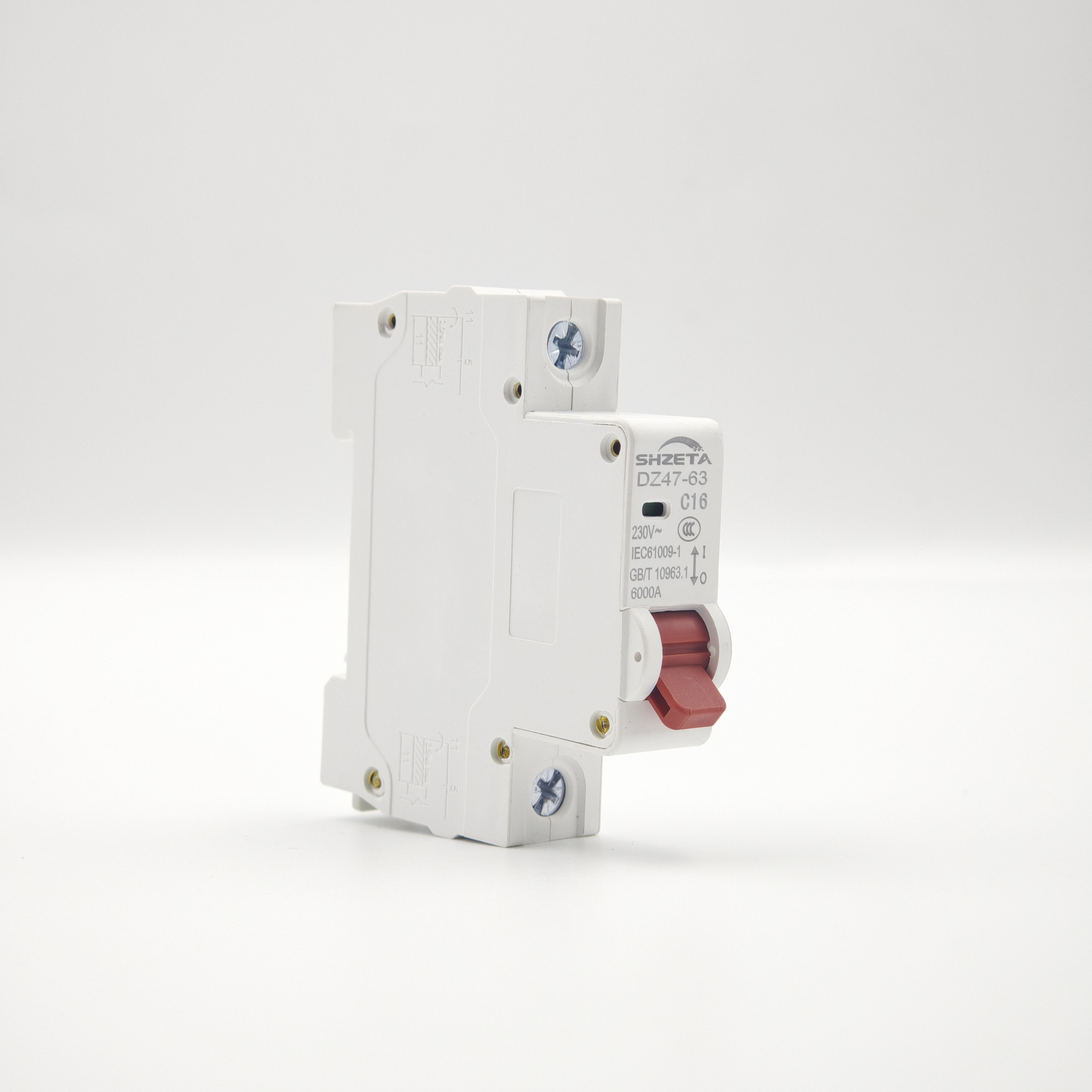
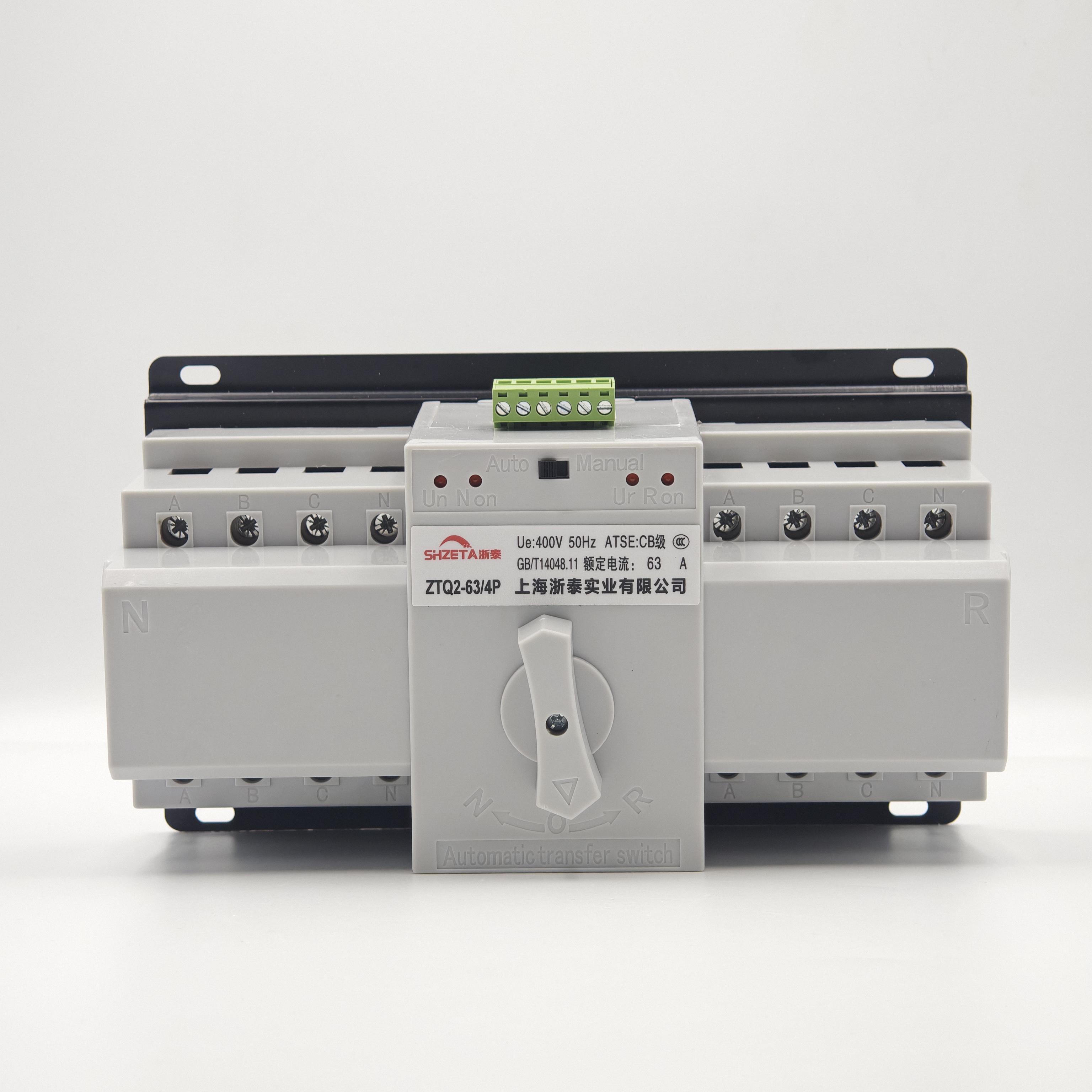
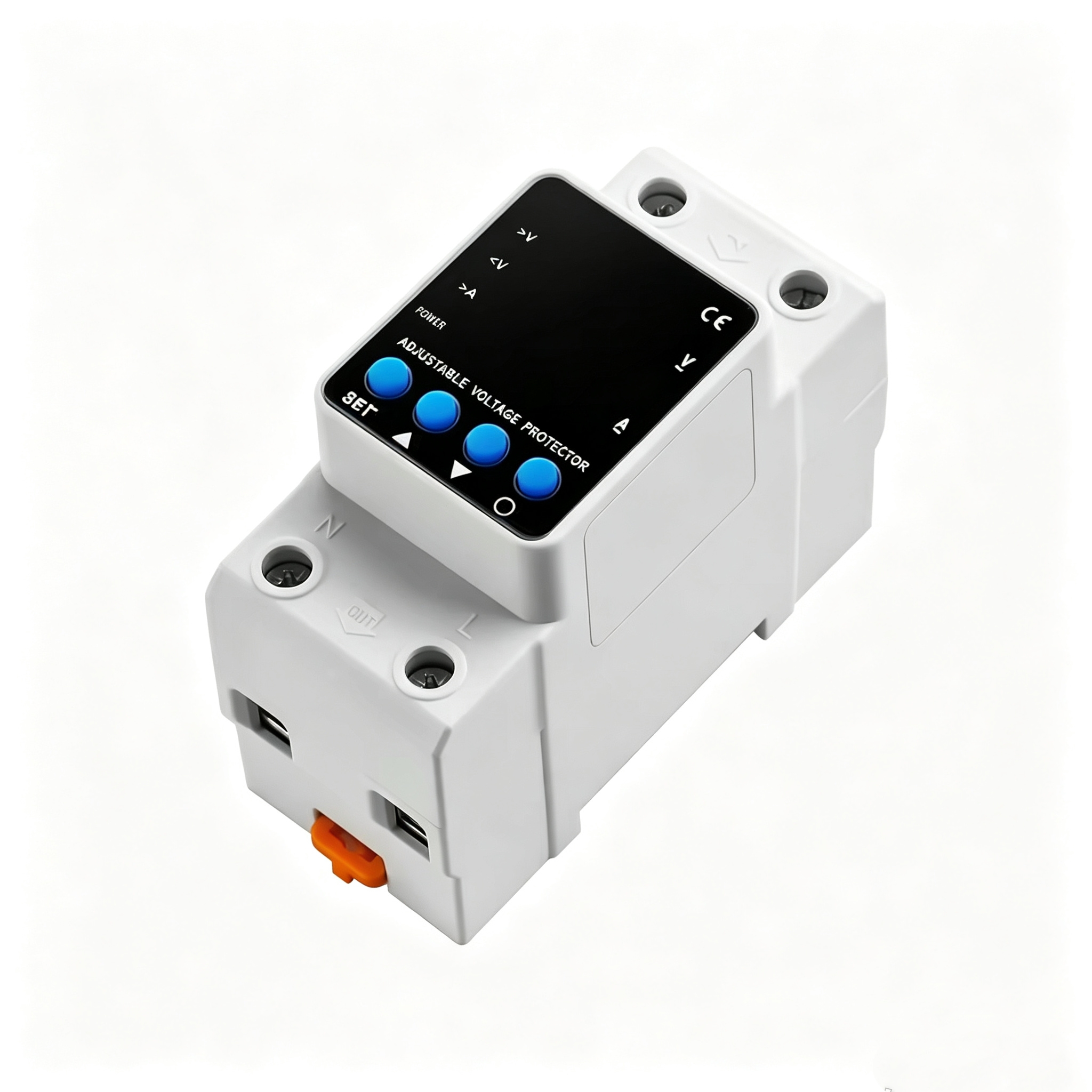
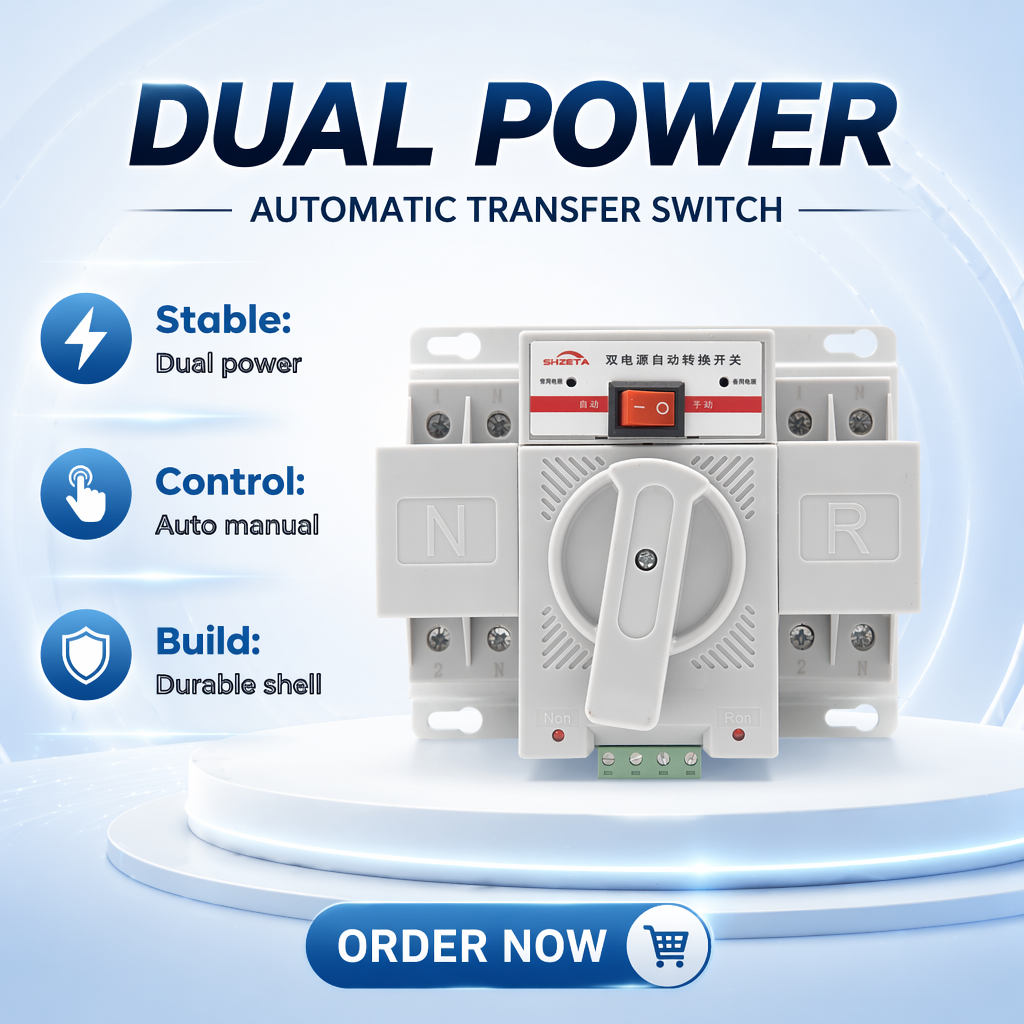
Ramallah Electrical Infrastructure: Power Dynamics & MCCB Engineering Requirements
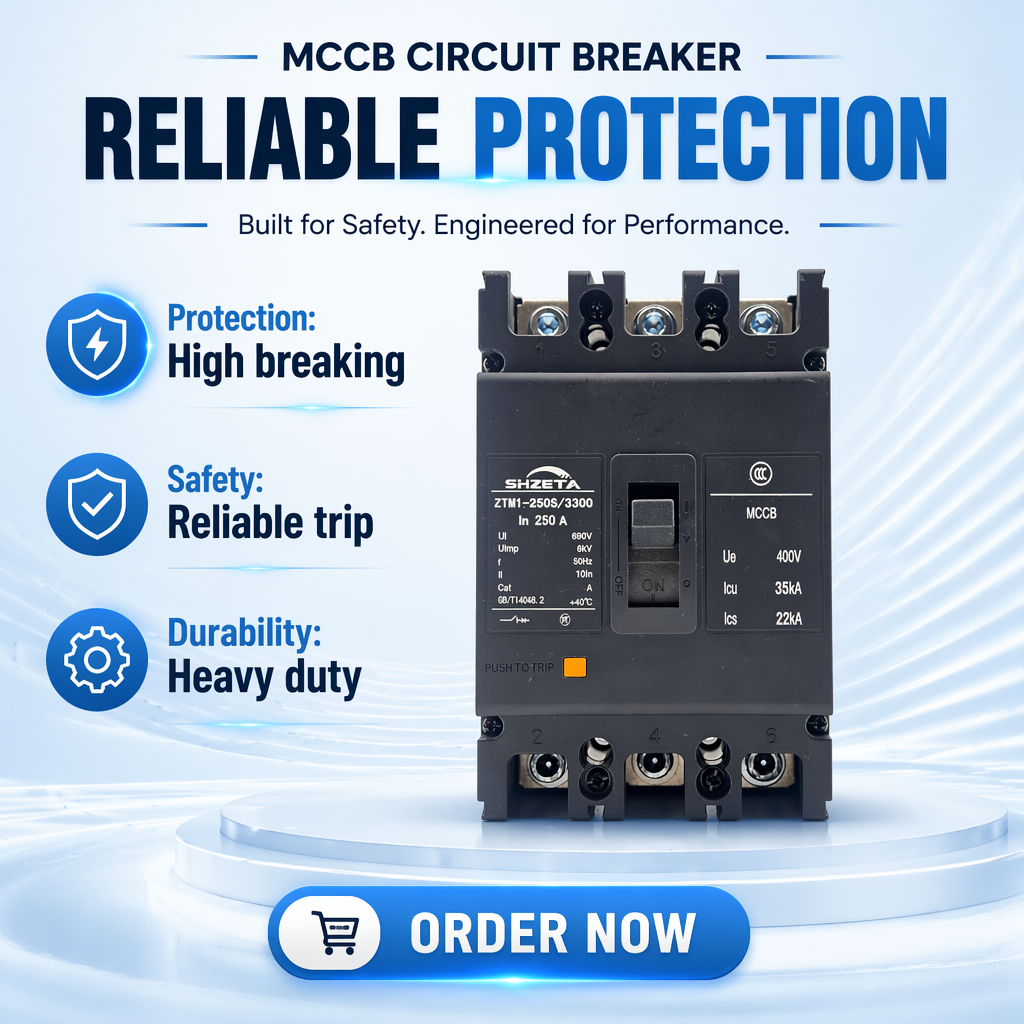
The electrical network of the Ramallah and Al-Bireh metropolitan areas occupies a singular operating environment within the Levant. Governed largely under the distribution scope of the Jerusalem District Electricity Company (JDECO) alongside independent sub-grids, engineering contractors and commercial developers face a combination of strict high-fault-current risks at main substations and severe voltage fluctuations across peripheral commercial districts. Supplying low-voltage switchgear to this territory requires significantly more than catalog-level distribution; it demands Moulded Case Circuit Breakers (MCCBs) designed to handle intermittent grid power, rapid diesel-generator transfer transients, and heavy inductive load restarts.
As the administrative, corporate, and commercial financial center of the West Bank, Ramallah has experienced an unprecedented vertical boom over the last decade. High-rise developments in Al-Masyoun, corporate headquarters in Al-Bireh, and high-density industrial hubs in the Beitunia industrial district have forced switchboard assemblers to recalibrate fault tolerance parameters. In this white paper, Zhejiang Graybar Electric details the fundamental technical and environmental variables shaping MCCB selection for Ramallah, providing actionable design standards for procurement managers, consulting engineers, and electromechanical distributors.
Dual-Source Supply & Fault Multiplicity
Due to scheduled load curtailments and unpredictable line interruptions, almost every major commercial building in Ramallah operates large automated diesel generator sets or rooftop solar hybrid arrays. Fault contributions from synchronous alternators differ vastly from grid-tied transformers. MCCBs serving incomers must demonstrate verified Ics = 100% Icu to ensure the breaker survives repeated short-circuit clearing cycles during emergency transfers without internal contact welded failure.
Harmonics & 4-Pole Neutral Sizing
High concentrations of switch-mode power supplies in financial centers, server rooms, and LED drivers produce massive 3rd and 9th order triplen harmonics that accumulate on the neutral conductor. In multi-source distribution boards, the common practice of using 3-Pole MCCBs can cause severe neutral floating and hazardous circulating ground currents. We supply Ramallah contractors with true 4-Pole MCCBs with 100% protected neutral poles, eliminating voltage imbalances across critical IT loads.
Summer Thermal De-Rating in Enclosures
Summer ambient temperatures in the central West Bank hills frequently surpass 38°C, while unventilated rooftop plant rooms and basement switchgear cubicles often trap internal temperatures above 55°C. Traditional European-rated MCCBs calibrated at 30°C or 40°C suffer severe nuisance tripping when subjected to heavy continuous chiller and compressor currents. Graybar MCCBs feature tropicalized bimetallic strips and electronic trip units (ETU) calibrated for 50°C base operation, preventing unprovoked shutdowns.
Engineering Selection Matrix for Ramallah Low-Voltage Switchboards
The table below provides recommended electrical specifications based on distance from regional JDECO 33kV/0.4kV distribution transformers and downstream generator couplings:
| Installation Location | Typical Frame Rating | Recommended Breaking Capacity (Icu) | Trip Unit Technology | Neutral Configuration | Critical Coordination Standard |
|---|---|---|---|---|---|
| Main Distribution Board (MDB) - Beitunia Industrial | 400A – 800A | 70kA – 100kA @ 415V | Microprocessor ETU (LSI Protection) | 4-Pole (100% Neutral Incomer) | IEC 60947-2 Category B (Selective Time Delay) |
| Commercial Tower Feeder - Al-Masyoun Center | 160A – 250A | 50kA @ 415V | Adjustable Thermal-Magnetic (TM-D) | 4-Pole Switchable | Full Discrimination with downstream DIN-rail MCB |
| Commercial Solar Inverter Combiner - Rooftop | 100A – 250A DC | 25kA – 36kA @ 1000V DC | Magnetic Fast Arc Quench (DC Specific) | 2-Pole / 4-Pole Polarized | IEC 60947-2 Photovoltaic Annex P |
| Generator ATS Synchronization Panel | 125A – 630A | 50kA – 65kA @ 415V | Electronic with Instantaneous Pickup | True 4-Pole Mechanical Lockout | IEC 60947-6-1 Transfer Switching Equipment |
| Sub-Distribution Board (SMDB) - Residential Complex | 63A – 125A | 36kA – 50kA @ 415V | Fixed Thermal / Fixed Magnetic | 3P+N or 4P Complete | Cascading short-circuit clearance down to 10kA |
Localized Application Scenarios in the Ramallah Market
From precision stone and marble cutting facilities along the industrial corridor to mission-critical bank data centers and institutional complexes, our circuit breakers are tailored to the distinct operational realities of Palestine.
Beitunia & Al-Bireh Industrial Zones
Heavy machinery, stone-processing saws, and food processing lines generate violent inductive current spikes and substantial back-EMF during motor startups. Standard breakers frequently suffer nuisance magnetic tripping.
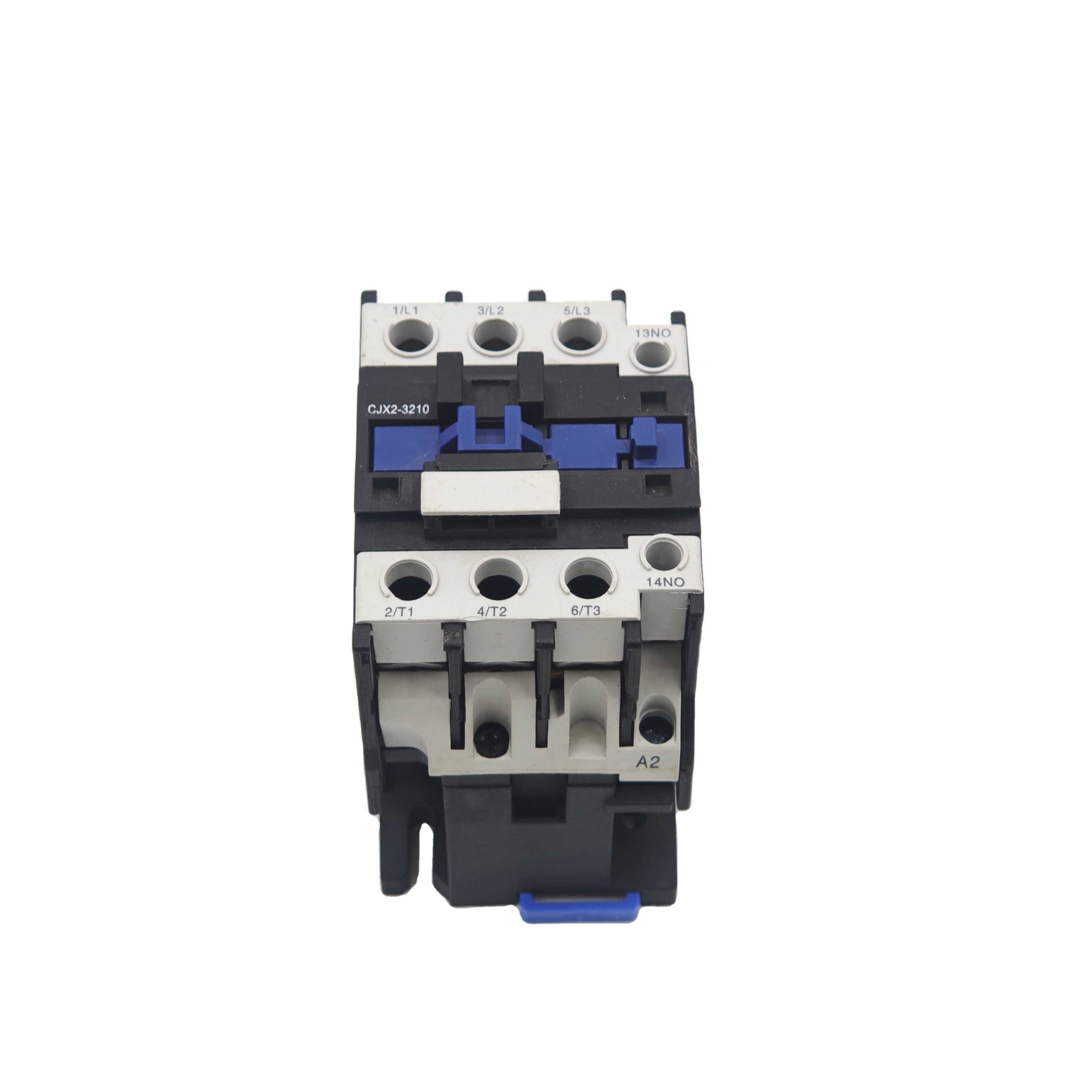
Graybar Solution: MCCBs fitted with adjustable magnetic instantaneous thresholds (5–10x In) paired with CJX2 heavy-duty contactors ensure uninterrupted motor starting across variable line voltages.
Al-Masyoun & Al-Irsal Commercial Towers
Multi-story office towers hosting financial ministries, corporate banking suites, and telecommunications operations cannot tolerate wide-scale power blackouts triggered by localized branch circuit faults.
Graybar Solution: Electronic Trip Unit (ETU) MCCBs providing zone-selective interlocking (ZSI) and granular time-delay discrimination, isolating short circuits strictly at the tenant board without tripping the riser incomer.
Commercial Solar PV & Storage Integrations
Faced with high retail electricity tariffs and grid import constraints, rooftop photovoltaic arrays are ubiquitous across commercial rooftops and schools in Ramallah. High open-circuit string voltages present intense DC arc-extinction hazards.
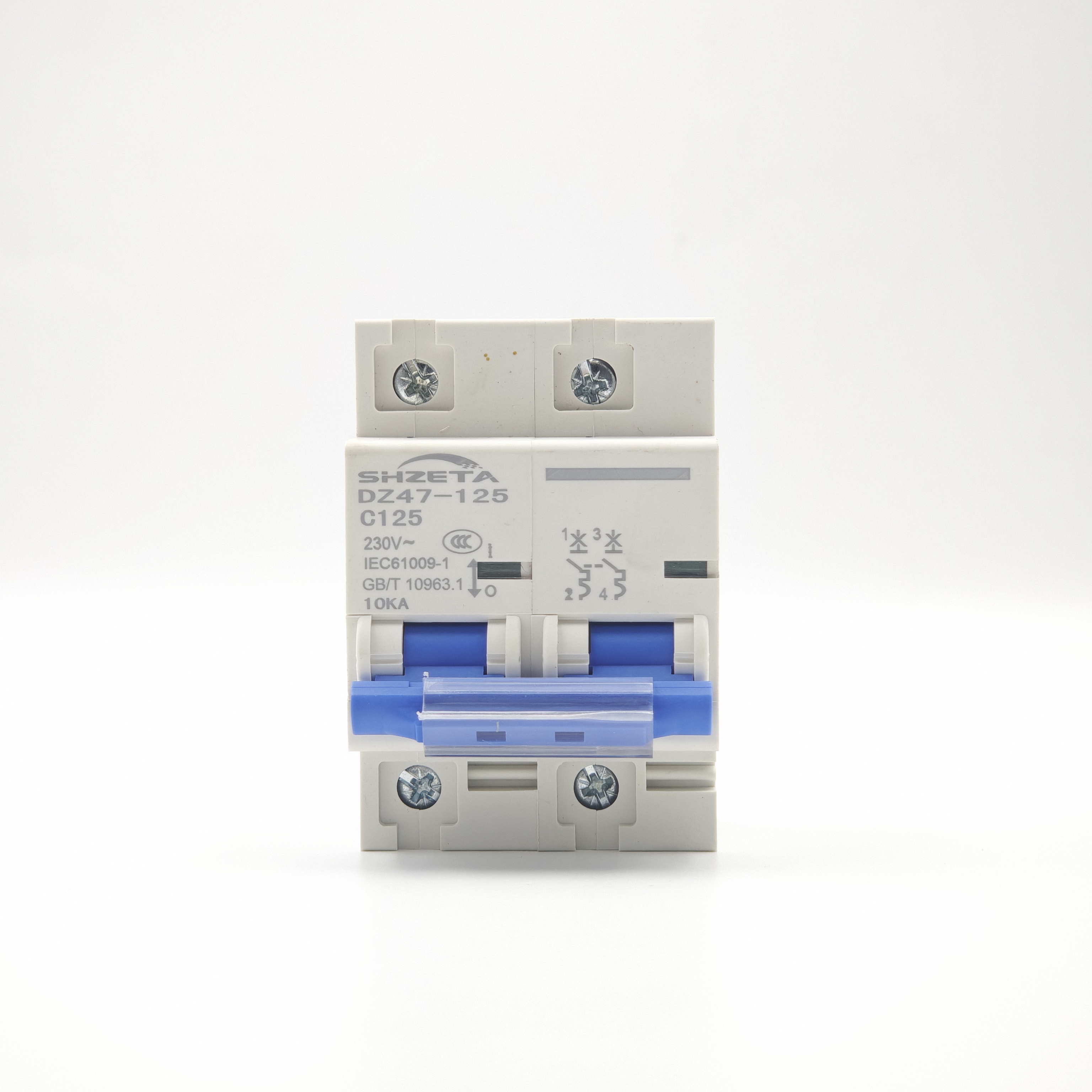
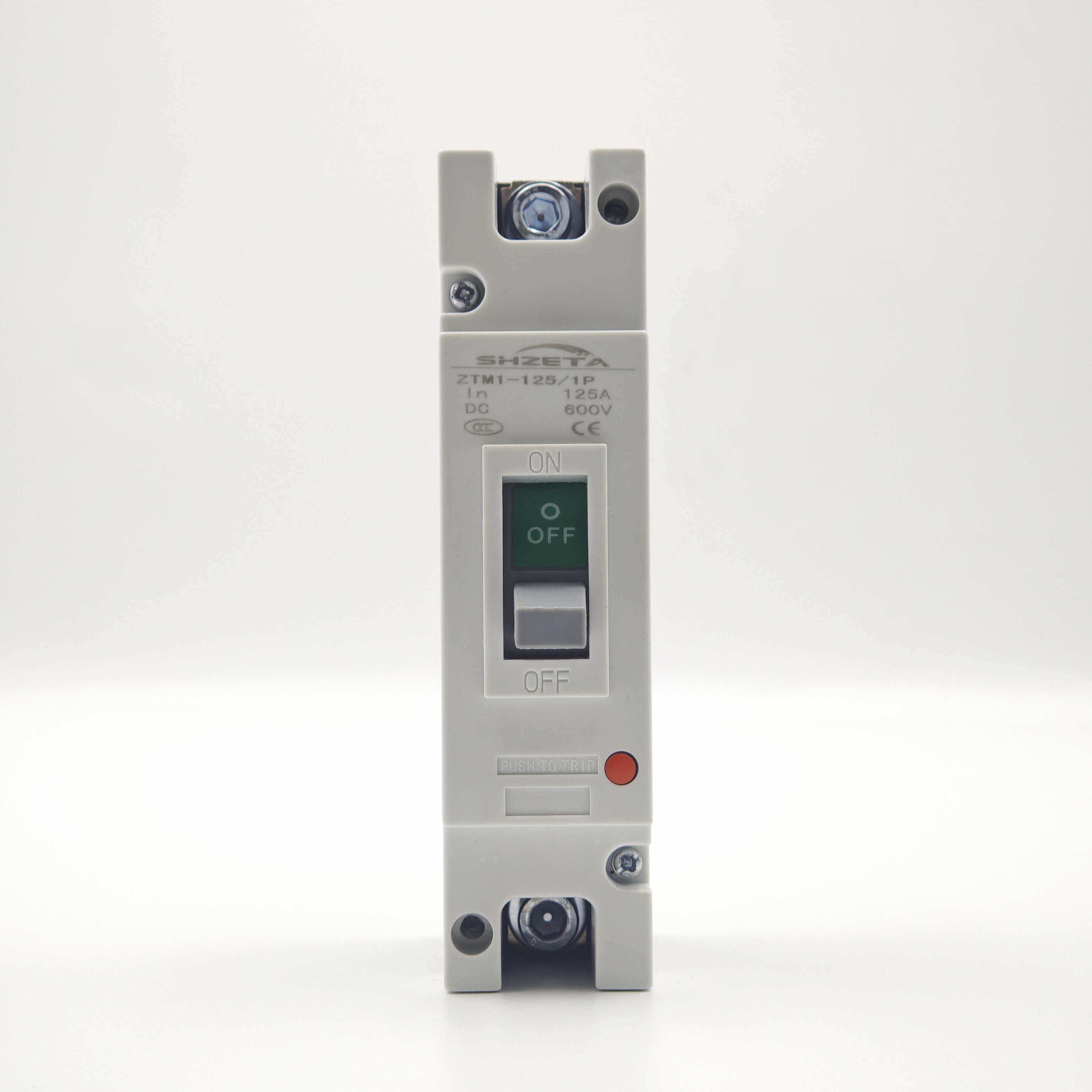
Graybar Solution: Specialized 500V–1000V DC MCCBs and red-copper DC MCBs built with permanent magnet arc-deflection chambers guarantee rapid extinguishment of non-zero-crossing DC fault currents.
Emerging Trends Transforming Electrical Equipment Procurement in Ramallah
The electrical trade in Ramallah is undergoing a decisive structural evolution. Historical practices of importing obsolete surplus equipment or unverified generic components are ending as municipal building inspectors, civil defense authorities, and consulting engineers mandate rigorous adherence to international safety guidelines. Three primary market trends dictate the purchasing criteria of electrical contractors today:
1. Stringent Civil Defense & Palestinian Standards Institution (PSI) Alignment
Electrical fire safety audits have intensified across commercial properties and multi-family residential buildings. Fire inspection bodies require switchgear housings to demonstrate genuine glow-wire flammability index (GWFI) testing at 960°C and rigorous short-circuit breaking capacity certificates. Low-end breakers with recycled thermoset plastics or hollow contact armatures are increasingly rejected at project handover, creating sustained demand for authentic IEC 60947-2 certified MCCBs with verified test documentation.
2. The Shift from Thermal-Magnetic to Intelligent Electronic Controllers
As utility metering incorporates dynamic peak-demand penalties, commercial facility managers in Ramallah require granular energy measurement at the sub-distribution level. The market is shifting from traditional purely mechanical thermal-magnetic trip units toward compact electronic trip units (ETU) with integrated Modbus-RTU / RS485 communication ports. Panel builders are actively designing MCCBs that report real-time current, phase imbalance, and thermal memory data directly to building management systems (BMS).
3. Supply Chain Direct-Sourcing from Wenzhou Manufacturing Hubs
Distributors in the West Bank historically sourced imported breakers through multi-tiered regional intermediaries, paying substantial middleman markups that inflated local tender bids. Today, forward-looking Palestinian importers and electro-mechanical contractors partner directly with certified original equipment manufacturers (OEM) located in Liushi, Wenzhou—China's low-voltage electrical capital. Direct factory partnerships enable custom branding, laser-etched project specifications, flexible minimum order quantities (MOQs), and dramatic margin advantages in competitive public tenders.
Why Palestinian Importers & Panel Builders Partner with Graybar
Headquartered in Liushi Town, Wenzhou, Zhejiang Graybar Electric Co., Ltd. blends cutting-edge automated production with international export trade reliability.
Liushi Industrial Epicenter
Direct access to specialized raw materials—including high-grade silver-nickel contact tips, electrolytic copper busbars, and halogen-free BMC flame-retardant enclosures—yielding premium hardware at highly competitive export rates.
100% Quality Routine Testing
Every individual breaker undergoes automated calibration tests: thermal overload trip calibration, high-current instantaneous magnetic trip verification, and 2500V dielectric voltage withstand checks prior to crating.
Ultra-Flexible MOQ & OEM
Standard MCCBs and SPDs start at an accessible 5-piece MOQ, while intelligent Air Circuit Breakers (ACBs) start from just 1 piece. We provide custom laser labeling, Arabic/English multilingual instruction manuals, and private distributor carton branding.
Smooth Shipping & Logistics
Experienced documentation for Mediterranean freight lanes. Shipments are consolidated through Ningbo or Shanghai ports with palletized shockproof packaging, compliant with Palestinian commercial invoice and certificate of origin standards.
Frequently Asked Questions: Procuring MCCBs for Ramallah
Practical technical, regulatory, and logistics answers addressing real questions from Palestinian panel builders and procurement managers.
For main incoming panels (MDB) fed directly from high-capacity JDECO transformer substations (e.g., 630kVA to 1500kVA), consulting engineers typically mandate an ultimate breaking capacity (Icu) of 50kA or 70kA at 415V AC. For secondary sub-distribution boards (SMDB) situated more than 30–50 meters downstream, 36kA to 50kA is usually sufficient. We provide full cascading tables to optimize breaker selection and lower switchgear costs without violating safety margins.
Ramallah commercial facilities rely heavily on standby generators. If a 3-Pole MCCB is used on both grid and generator lines, the neutral conductor remains solidly bonded across both sources. This can trigger false tripping in Residual Current Devices (RCD/ELCB), generate dangerous circular neutral currents, and expose sensitive building automation equipment to harmonic overvoltages. A true 4-Pole MCCB mechanically disconnects the neutral along with the three phase lines during changeover.
Standard breakers calibrated at 30°C or 40°C trip below their nominal current rating when placed in rooftop rooms reaching 50°C. Graybar MCCBs utilize high-temperature bimetals and electronic sensors calibrated to a standard baseline of 50°C. If your project has exceptional ambient demands, our sales engineers provide verified thermal de-rating curves to help you correctly scale the frame size without causing intermittent shutdowns during peak heatwaves.
Sea freight cargo from Ningbo or Shanghai port is routed to the Port of Ashdod or through the Amman/King Hussein Bridge logistics corridor. Ocean transit typically spans 22 to 32 days depending on vessel scheduling. Air cargo sample dispatches (via DHL, FedEx, or UPS) for rapid project approval reach Ramallah within 5 to 8 business days. We provide complete commercial invoices, packing lists, and Certificates of Origin (CO).
Yes. Our MCCB series supports field-installable or factory-fitted internal accessories including Shunt Trips (MX), Undervoltage Releases (MN), Auxiliary Contacts (OF), and Alarm Contacts (SD). For smart panels, our Electronic Trip Units feature RS485 communication modules running open Modbus-RTU protocols, allowing direct connection to DDC controllers, SCADA networks, and building automation hubs.
We maintain an industry-low sample policy: standard MCBs, MCCBs, and SPDs start at an MOQ of just 5 units, while heavy frame Air Circuit Breakers (ACBs) start from 1 unit. This enables Palestinian electro-mechanical workshops to run physical dimensional checks in standard modular enclosures, test dielectric performance, and verify terminal torque with local cable gauges before committing capital to full container shipments.
Engineering Support for Electrical Consultants & Panel Builders
Preparing a tender submittal for a commercial development in Al-Masyoun, an infrastructure upgrade in Beitunia, or an institutional microgrid project in the Ramallah area? Our technical engineering team in Liushi works directly with your single-line diagrams (SLD) to verify trip selectivity, cascade coordination, and terminal spreader dimensions for both copper and aluminum cabling.