Ultimate Breaking Capacity (Icu)
Dual Frequency Adaptive ETU
Arc Flash Zero-Boundary Design
Flexible Pilot Testing MOQ
High-Performance Switchgear & Circuit Breakers for Japan
Engineered for high electrical endurance, precise trip-curve coordination, and space-saving cubicle integration matching JIS panel dimensions.
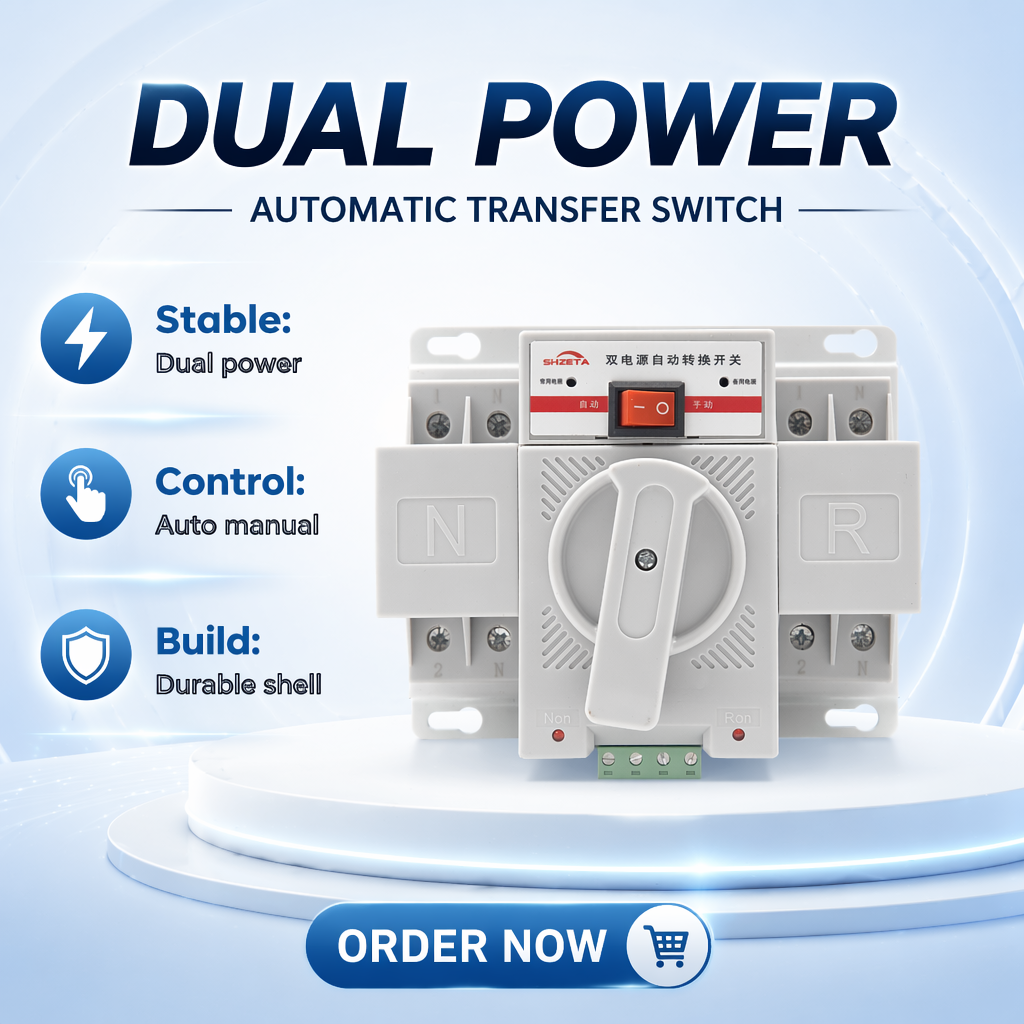
Din Rail 2P ATS Dual Power Automatic Transfer Switch Electrical Selector 63A 230V 3kA
- Rated Current63A
- Rated Voltage230V AC
- Breaking Capacity3kA
- Mounting35mm DIN-Rail
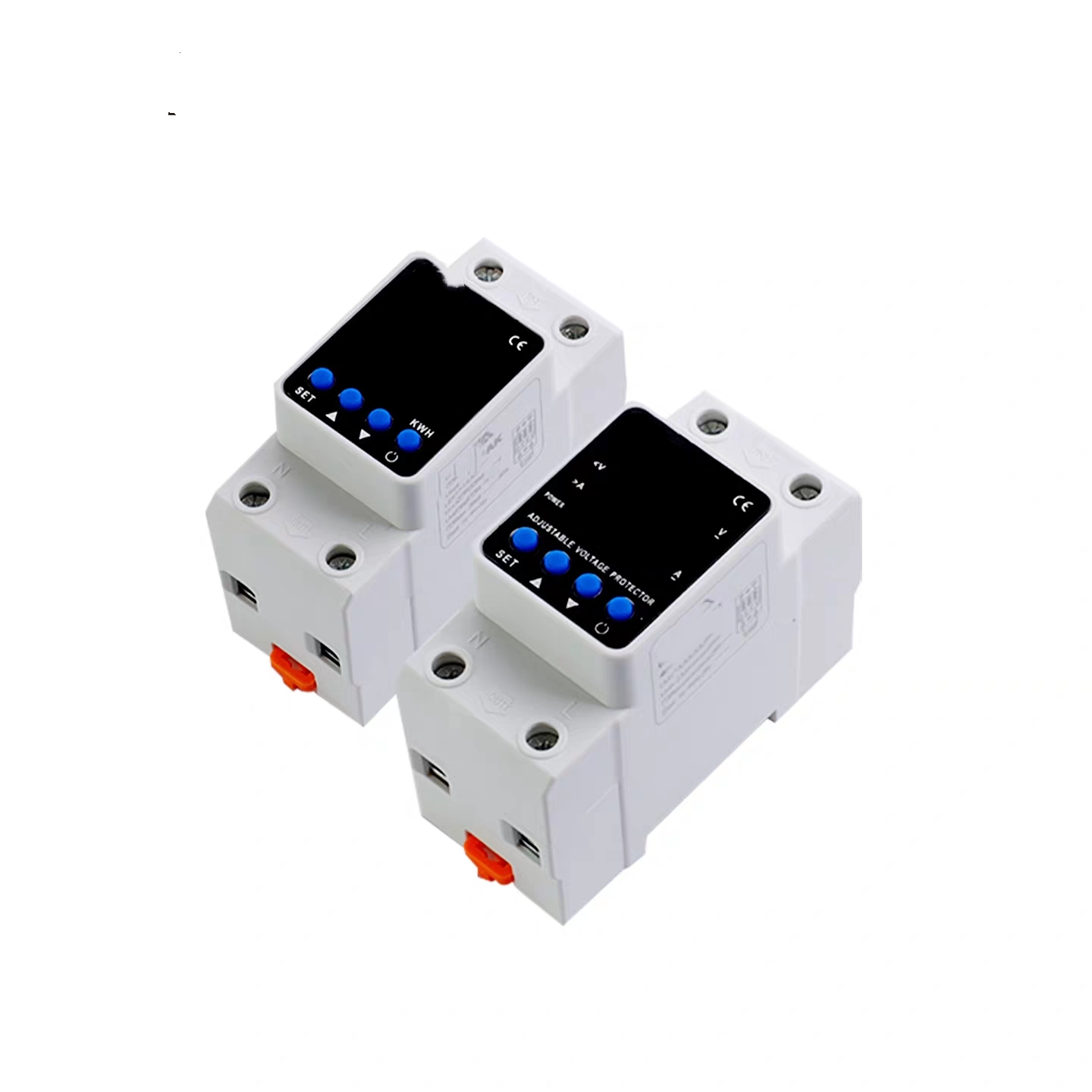
Single-phase Overcurrent, Undervoltage Protector, AC 220V 32A-100A Regulator
- Current Setting32A – 100A Adj.
- Nominal Voltage220V Single-Phase
- Reset ActionAuto-Recovery
- DisplayDual Digital LED
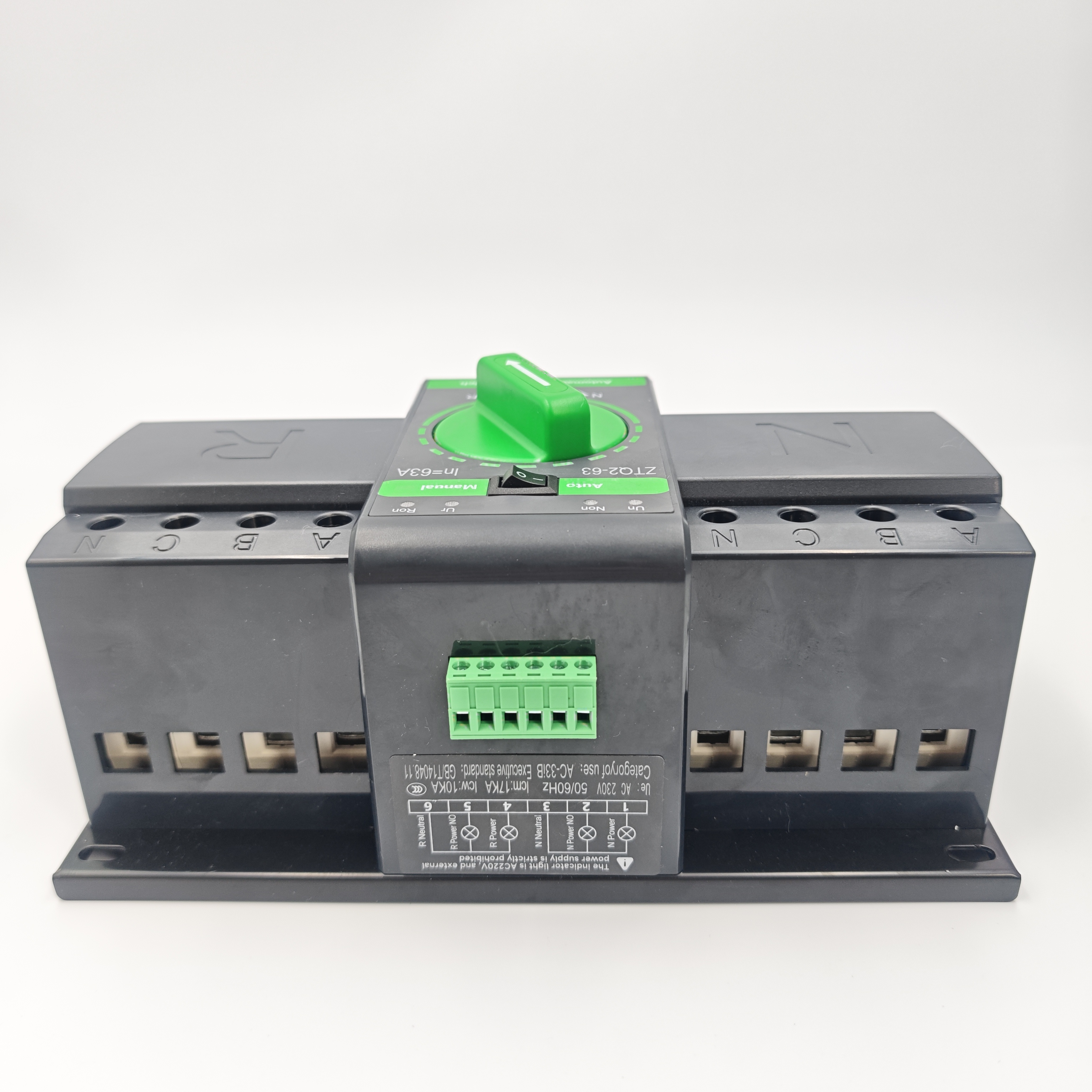
Dual Power Transfer Switch Circuit Automatic ATS PC Three Phase 63A-125A
- Rated Current63A – 125A
- Phase System3-Phase 4-Wire
- Switching Time< 50ms
- ClassificationPC Class Isolated
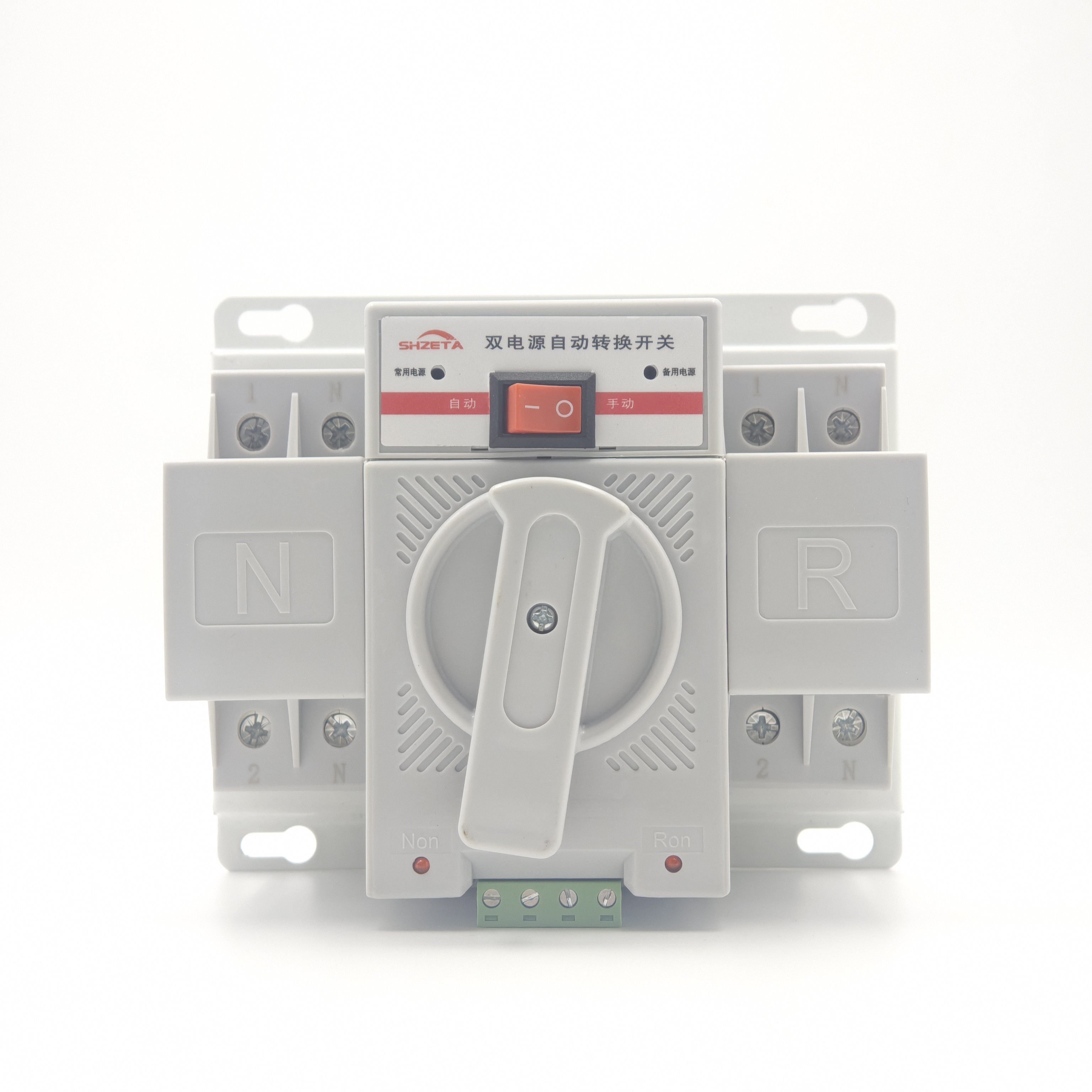
2P Single Phase Automatic Transfer Switch 220V 6kA 63A Frame for Industrial Panels
- Rated Current63A Frame
- Short-Circuit Icn6kA
- Poles2-Pole Switched
- InterlockMechanical + Electrical
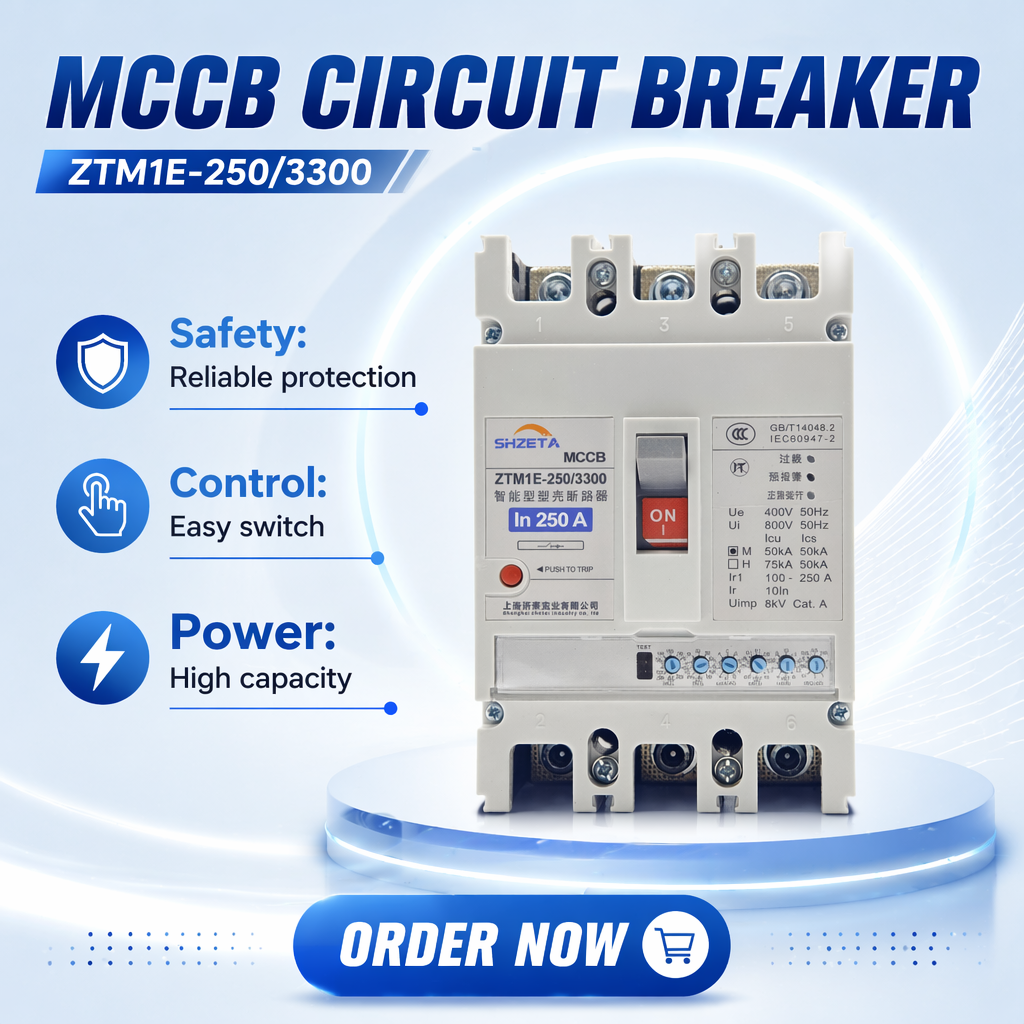
Molded Case Circuit Breaker Thermal-Magnetic Trip 50kA/100kA 690VAC/400VAC
- Breaking Capacity50kA / 100kA Icu
- Insulation VoltageUp to 690VAC
- Trip SystemThermal-Magnetic
- ContactsHigh-Density Silver Alloy
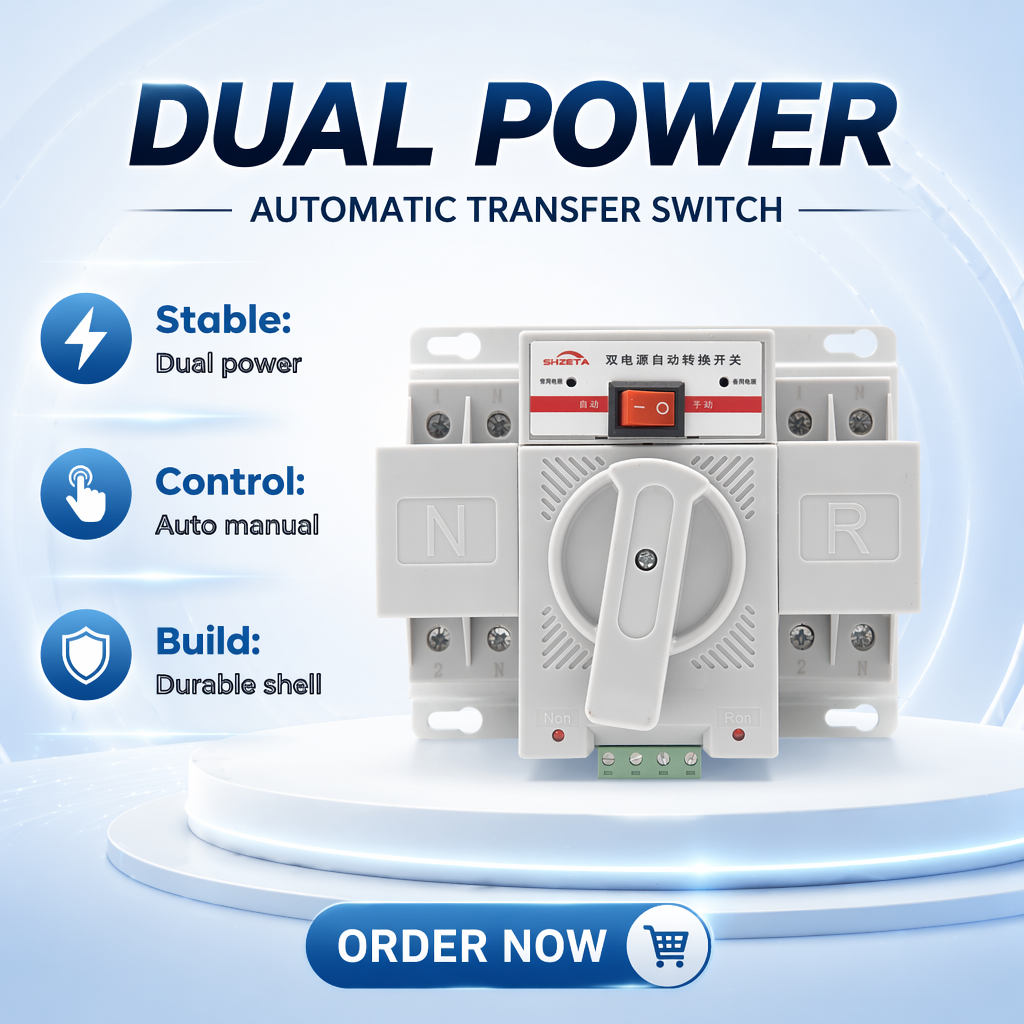
4P 63A Single Phase Manual Changeover Switch Transfer with Breaker Type ATS
- Configuration4 Pole Switched
- Frame Rating63A
- IsolationVisual Break Gap
- EnclosureReinforced PA66
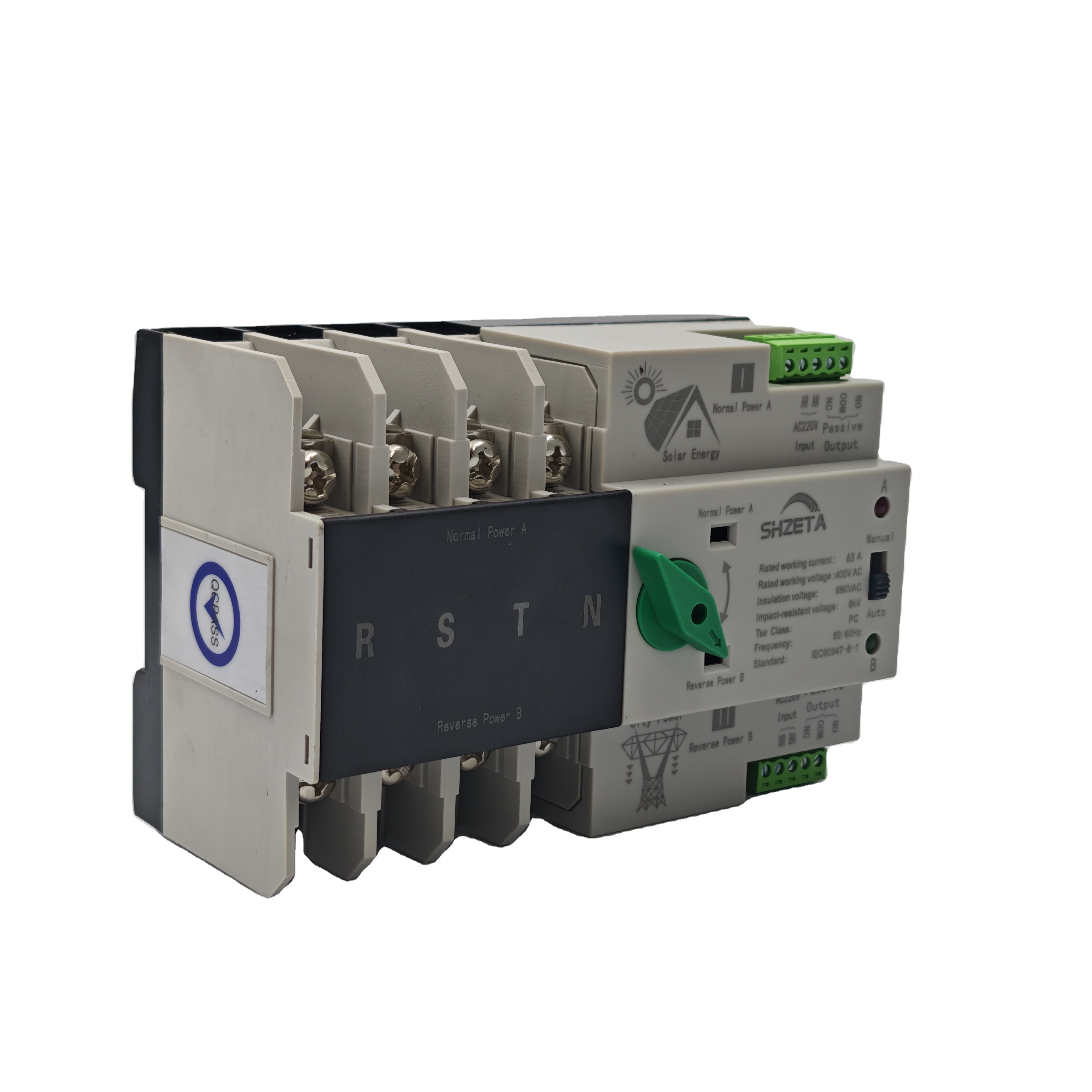
Din Rail ATS Double Power Automatic Transfer Switch 4P 100A 125A 3P AC 400V OEM
- Rated Current100A / 125A
- Rated VoltageAC 400V
- StandardIEC 60947-6-1
- Control LogicSelf-Throw / Self-Reset
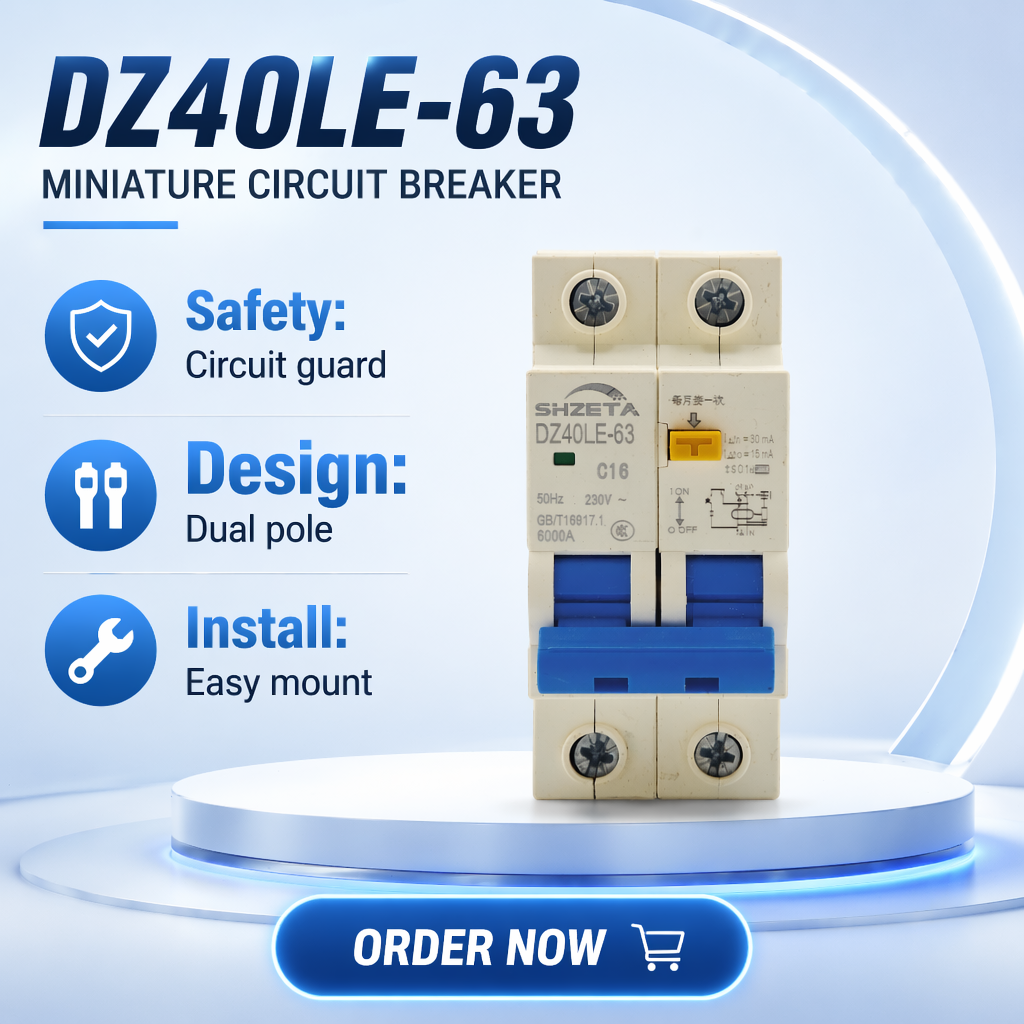
DZ47 63 DC MCB (PA66) BCD Curve C 6kA Rail Mounting Circuit Protection
- Trip CurveType B, C, D
- Interrupt Rating6kA DC
- Housing MaterialVirgin PA66 V0
- ApplicationBESS, Solar PV Combiner
Technical Synthesis: Intelligent Universal Air Circuit Breakers in the Japanese Electrical Topology
The Japanese electrical landscape is recognized globally as one of the most demanding power distribution environments, characterized by a unique geographical frequency split (50 Hz across Tokyo/Eastern Japan operated by TEPCO and 60 Hz across Kansai/Western Japan operated by KEPCO) combined with rigorous technical governance under the Electrical Appliance and Material Safety Law (PSE/DENAN) and Japanese Industrial Standards (JIS C 8201 series). For Japanese EPC contractors, switchboard fabricators, and heavy plant engineers, sourcing an Intelligent Universal Circuit Breaker (Air Circuit Breaker / ACB) goes beyond basic thermal-magnetic disconnect ratings. It requires complete electromagnetic compatibility, harmonic tolerance, micro-gap de-ionizing arc chutes, and seamless selectivity coordination.
As a specialized factory and exporter, Zhejiang Graybar Electric Co., Ltd. engineers its low-voltage draw-out and fixed universal circuit breakers to address the exact operational nuances of Japanese commercial and industrial installations. Our intelligent electronic trip units (ETUs) are programmed with high-frequency microcontrollers that automatically detect and adjust phase-sampling algorithms between 50Hz and 60Hz without manual potentiometer re-calibration or loss of thermal-memory accuracy. This mitigates transient nuisance trips in cross-regional production sites, such as precision machining lines and cleanrooms located along the transition boundary in Shizuoka and Nagano prefectures.
Bridging JIS C 8201-2 and IEC 60947-2 Harmonization
While Japan has progressively harmonized national standards with the International Electrotechnical Commission (IEC) framework, panel enclosures built by domestic switchboard builders (following JEM 1195 switchgear and controlgear assemblies) demand strict physical dimensioning, zero upward arcing blow-out distance, and high seismic vibration endurance. Graybar's universal circuit breaker architectures incorporate fully enclosed arc chute chambers with metallic de-ion cooling grids, eliminating secondary arc striking against grounded metal compartment roofs. This allows Japanese designers to drastically reduce cubicle heights and clearances, achieving high spatial density in high-rise sub-distribution basements across metropolitan Tokyo, Osaka, and Nagoya.
Dual Frequency Stabilization
Adaptive digital microprocessors handle instantaneous current sampling across both 50Hz and 60Hz waveforms, mitigating false tripping induced by harmonic distortion from inverter-driven HVAC and industrial robotics.
Zero External Arcing Distance
Interlocking arcing chambers instantly quench extreme fault currents, protecting internal switchboard busbars without requiring extensive vertical chimney spacing in compact JEM-standard frames.
Seismic Shock Resilience
Reinforced mechanical linkages, multi-point busbar clamps, and latching draw-out cradles withstand Class S severe earthquake spectral accelerations (up to 1.0G peak spectral floor velocity).
Localized Application Scenarios across Japan’s Critical Infrastructure
Deploying intelligent universal circuit breakers in Japan involves precise situational engineering. From preventing micro-voltage drops in high-throughput electronics manufacturing to providing uninterrupted changeover during winter seismic events, our products serve four critical localized pillars:
1. Semiconductor & Battery Fabs (Kyushu & Tohoku)
Kyushu's expanding "Silicon Island" fab facilities cannot tolerate voltage sag or contact bounce. Graybar intelligent ACBs paired with ultrafast electronic trip units provide microsecond-level fault isolation, protecting photolithography steppers, silicon ingot furnaces, and automated carrier tracks from upstream bus disturbances.
2. Mega-Solar & Microgrid BESS Storage (Hokkaido)
Northern Japan's utility-scale photovoltaic plants require bi-directional breaking capabilities. Our DZ47-63 DC MCBs and heavy-frame MCCBs ensure rapid arc-stretching under fluctuating direct currents, eliminating fire risks in string combiner boxes and transformer step-up skids exposed to extreme sub-zero weather.
3. Hyper-Scale Data Centers (Inzai & West Kansai)
Hyperscale cloud clusters running Tier III and IV architectures demand draw-out universal circuit breakers equipped with Modbus/Profibus telemetry. Graybar ACBs allow live racking out without main bus de-energization, continuous real-time load current logging, and harmonic distortion alarm reporting.
4. Seismic Resilient Commercial Switchboards & Urban Redevelopment (Tokyo Bay Area)
Under Japan’s revised Building Standards Act, emergency life safety systems, smoke evacuation blowers, and hospital backup generator panels require automatic transfer switches (ATS) and main incomer circuit breakers with verified shock tolerance. Graybar PC-Class transfer switches and universal circuit breakers incorporate heavy-duty mechanical interlocking levers and physical position locking indicators. When paired with secondary auxiliary contacts, they guarantee fail-safe power changeover to diesel gensets during metropolitan grid dropouts, eliminating overlapping phase short circuits even under peak ground acceleration.
Emerging Dynamics Shaping Circuit Protection Demand in Japan
Analyzing key structural shifts across Japanese industry: Green Transformation (GX), aging distribution grid renewal, and decentralized energy resource deployment.
Green Transformation (GX)
The Japanese government's GX Basic Policy targets massive decarbonization. Modern smart factories require universal circuit breakers with embedded sub-metering to track carbon-intensity per production line.
Grid Retrofit of Aging Assets
Over 40% of Japanese medium-voltage/low-voltage substations installed during the high-growth economic era are surpassing their 30-year operational lifecycle, sparking demand for compact drop-in replacement breakers.
FIP / Aggregated Virtual Power Plants
The transition from FIT to the Feed-in Premium (FIP) model necessitates high-precision ATS units and multi-pole breakers to balance multi-source energy imports between batteries, solar arrays, and the commercial grid.
Supply Chain Diversification
Japanese trading companies (Sogo Shosha) and Tier-1 panel builders are actively mitigating single-source procurement risks, partnering directly with precision manufacturing hubs in Liushi, Wenzhou for rapid delivery.
Zhejiang Graybar Electric: Manufacturing Excellence & Export Advantage
Headquartered in Huangyu Village, Liushi Town, Wenzhou — widely recognized as the electrical manufacturing capital of China — Zhejiang Graybar Electric Co., Ltd. is an on-site verified manufacturer and exporter with deep engineering capabilities in low-voltage protection and switching devices. For Japanese buyers, we combine the raw speed and supply chain depth of the Liushi industrial cluster with strict tier-1 quality control protocols.
Our intelligent universal circuit breakers, moulded case circuit breakers (MCCB), DIN-rail miniature circuit breakers (MCB), surge protective devices (SPD), automatic transfer switches (ATS), and AC contactors are produced under an integrated quality management architecture. From incoming raw material verification (spectrometric checks of silver-nickel contact tips and PA66 dielectric flammability) to computerized end-of-line primary current injection testing, we ensure every exported unit meets demanding global tolerances.
Precision Trip Calibration
Every universal ACB and thermal-magnetic MCCB undergoes computerized current calibration across overload (L), short-time delay (S), instantaneous (I), and ground-fault (G) protection zones.
- 100% dielectric withstand testing
- Secondary injection verification
- Trip response speed audit (< 20ms)
OEM / ODM Customization
Tailored engineering services for Japanese panel builders and regional private labels requiring custom specifications, special terminal orientations, and multilingual technical documentation.
- High-durability laser marking
- Customized copper busbar configurations
- Japanese wiring schematics & manuals
Agile Batch Sourcing
We eliminate prohibitive purchasing barriers for engineering prototypes and pilot production runs, empowering Japanese contractors to evaluate samples before high-volume commitments.
- 1 piece MOQ for Air Circuit Breakers
- 5 pieces MOQ for MCB, MCCB & SPD
- Consolidated container shipping
Direct Port Logistics
Direct logistical access to both Ningbo and Shanghai deep-water container ports provides rapid transit schedules to major Japanese maritime hubs like Tokyo, Yokohama, Kobe, and Hakata.
- 4 to 7-day ocean transit to Japan ports
- Shock-proof export crating
- Full CO and trade documentation
Frequently Asked Questions by Japanese Sourcing Directors
In-depth technical answers addressing testing compliance, regulatory approvals, and field deployment nuances in Japan.
How do Graybar Universal Circuit Breakers align with JIS C 8201-2 vs. IEC 60947-2 standards?
JIS C 8201-2 is essentially harmonized with IEC 60947-2, sharing identical fundamental test sequences regarding dielectric properties, temperature rise limits, operational performance capability, and short-circuit breaking capacity (both Icu and Ics). Graybar universal circuit breakers and MCCBs are designed, tested, and certified in accordance with IEC 60947-2 by accredited third-party test laboratories. Our breakers fulfill all breaking capacity, clearance, and creepage criteria stipulated by Japanese switchboard fabrication practices. Full type-test reports, temperature rise charts, and coordination selectivity curves can be submitted for review by your electrical consultant or technical committee.
Can your intelligent trip units handle the 50Hz/60Hz dual frequency boundary without thermal drift?
Yes. In standard thermal-magnetic breakers, frequency variations between Eastern Japan (50Hz - TEPCO) and Western Japan (60Hz - KEPCO) can introduce eddy current and hysteresis discrepancies in the thermal bimetal strip and electromagnetic armature, causing slight tripping threshold variations. Graybar’s Intelligent Universal Circuit Breakers utilize electronic trip units (ETUs) driven by precision Rogowski coils and digital DSP microcontrollers that measure True RMS current across 50Hz and 60Hz fundamental frequencies plus harmonic spectra up to the 15th order. This guarantees uncompromised trip-curve accuracy regardless of which regional power grid your project connects to.
What is the difference between draw-out and fixed type circuit breakers in compact Japanese cubicles?
A draw-out air circuit breaker is mounted inside an integrated docking cradle equipped with disconnecting contacts, safety shutters, and mechanical racking gears. It allows facility operators to safely rack out the breaker body into "Disconnected", "Test", or "Connected" positions without de-energizing the main switchgear busbar—critical for 24/7 mission-critical data centers and semiconductor fabs where scheduled downtime is practically impossible. A fixed-type circuit breaker is bolted directly to the incoming and outgoing busbars. While requiring an upstream de-energization window for maintenance, fixed-type ACBs provide a lower profile and a more economical footprint, making them ideal for compact distribution boards where space is tightly constrained.
Are Japanese localized OEM customizations (laser marking, labels, documentation) supported?
Absolutely. We provide complete OEM/ODM engineering customization for Japanese electrical wholesalers and panel builders. This includes Japanese kanji laser-marking on breaker nameplates, custom wiring terminal labeling, customized auxiliary contact configurations (OF, SD, MX, MN), and comprehensive instruction manuals translated into technical Japanese. We can also accommodate specialized terminal pad drilling according to standard Japanese copper busbar hole centers.
What are the lead times and shipping options for deliveries to Tokyo, Yokohama, or Osaka ports?
Thanks to our factory's strategic location in Liushi, Wenzhou, export consignments are routed seamlessly through Ningbo or Shanghai container ports. Standard production lead times range from 10 to 20 business days depending on order size and customization complexity. Maritime transit time from Ningbo/Shanghai to major Japanese ports (Tokyo, Yokohama, Nagoya, Osaka, Kobe, Hakata) is exceptionally short—typically only 4 to 7 calendar days. For urgent engineering replacement samples, express air-courier delivery via DHL/FedEx delivers door-to-door across Japan within 48 to 72 hours.
Can Graybar coordinate ATS and MCCB cascade selectivity for standby generator switchboards?
Yes. Selectivity coordination is vital in emergency standby systems to prevent an isolated branch fault from tripping the main emergency feeder or generator incomer. Our application engineering team can analyze your single-line diagram (SLD) and provide full time-current characteristic (TCC) curve coordination between our upstream Intelligent Universal Circuit Breakers, intermediate automatic transfer switches (ATS), and downstream thermal-magnetic MCCBs/MCBs. This prevents cascading blackouts and guarantees continuous power delivery to critical life-safety systems.
Accelerate Your Japanese Switchgear Sourcing Pipeline
Connect directly with our low-voltage technical engineering team in Liushi. Submit your single-line diagram, frame requirements, or OEM specification sheet for an expedited commercial and technical quotation.