Comprehensive Component Ecosystem
Core Coordinated Protection & Monitoring Systems for Busan Switchboards
To support high-capacity Fixed Air Circuit Breakers (Fixed ACBs), switchboard fabricators and electrical contractors throughout Busan integrate multi-tier protection, automatic transfer gear, and precision energy metering. Explore our primary low-voltage component series below.
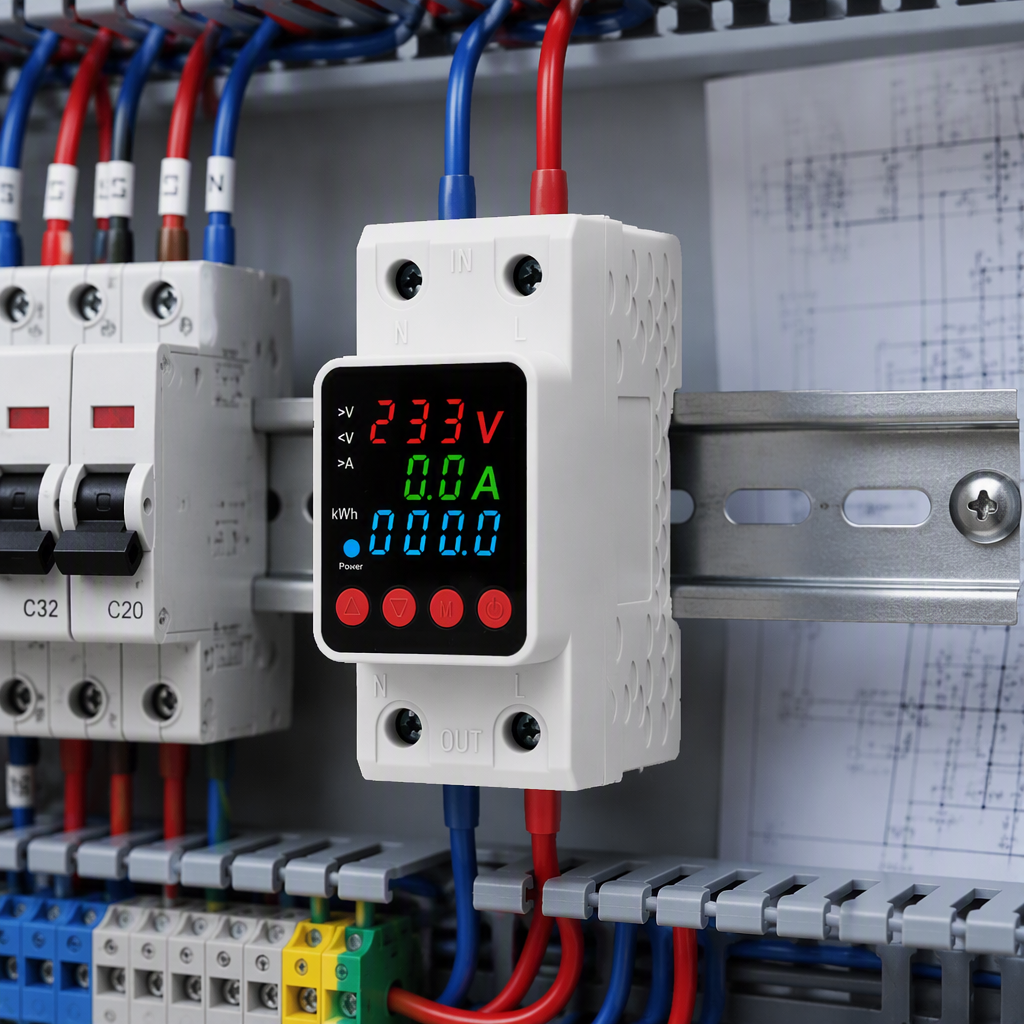
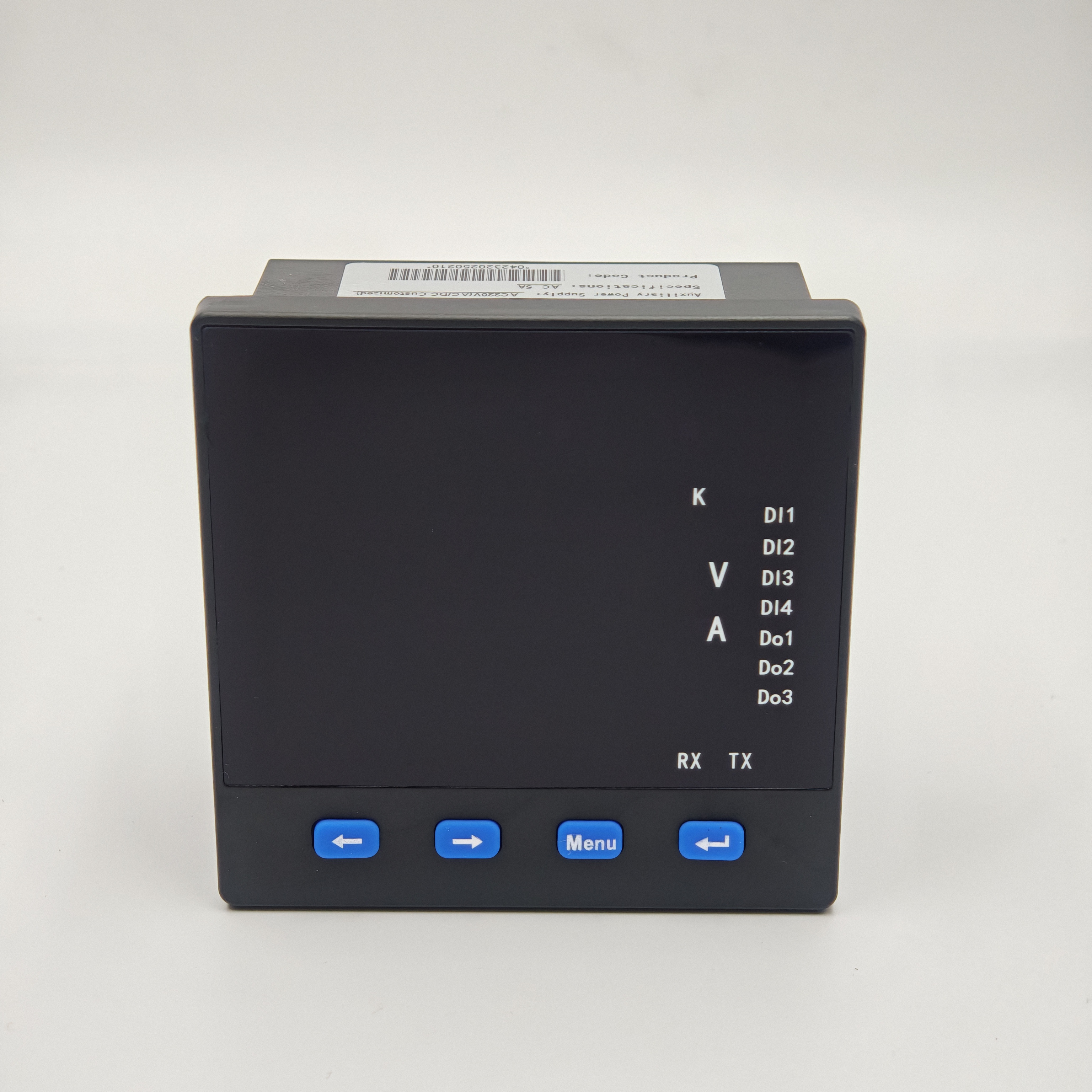
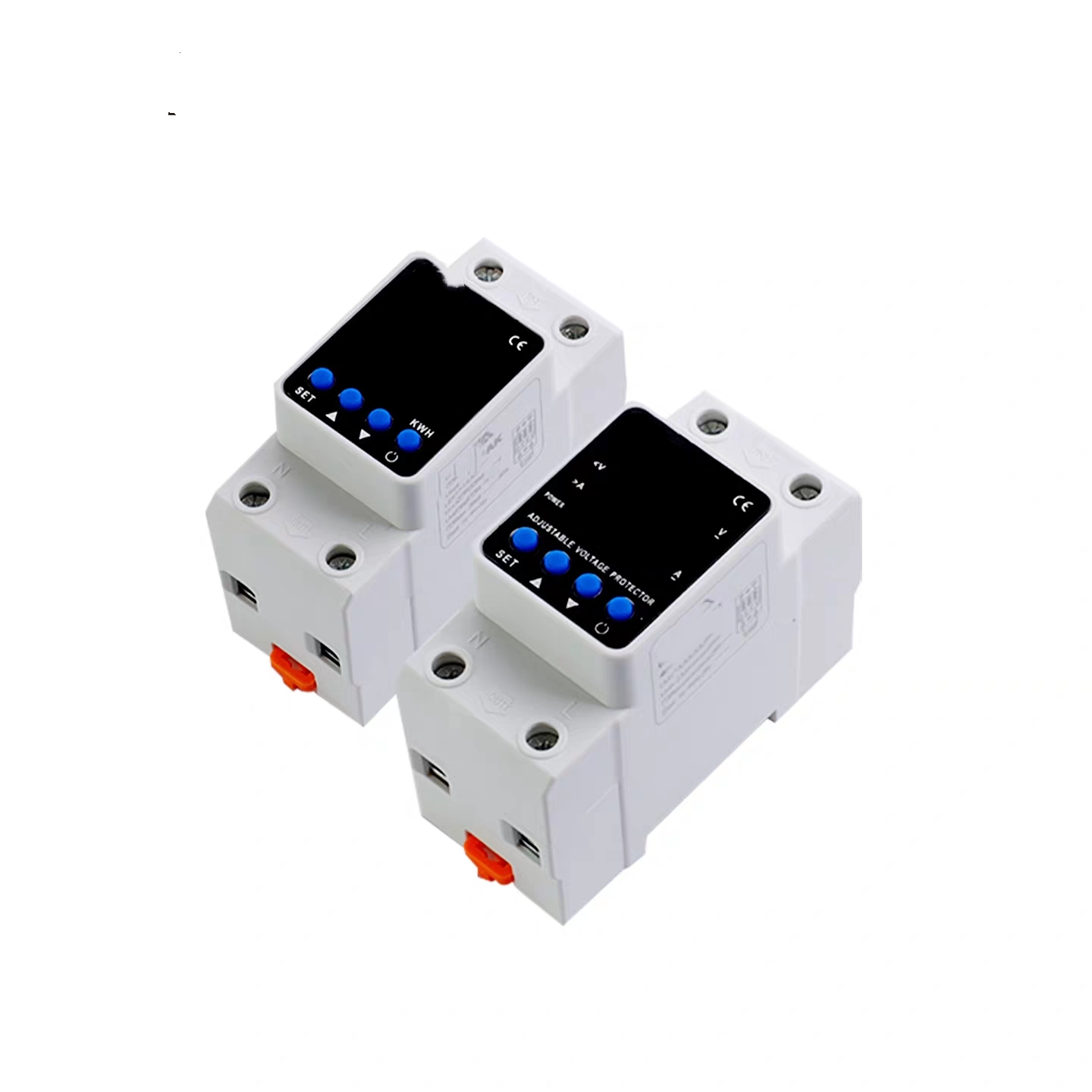
SHZETA Single Phase AC Voltage Meter with Over Voltage Protection and Energy kWh Meter Digital Display
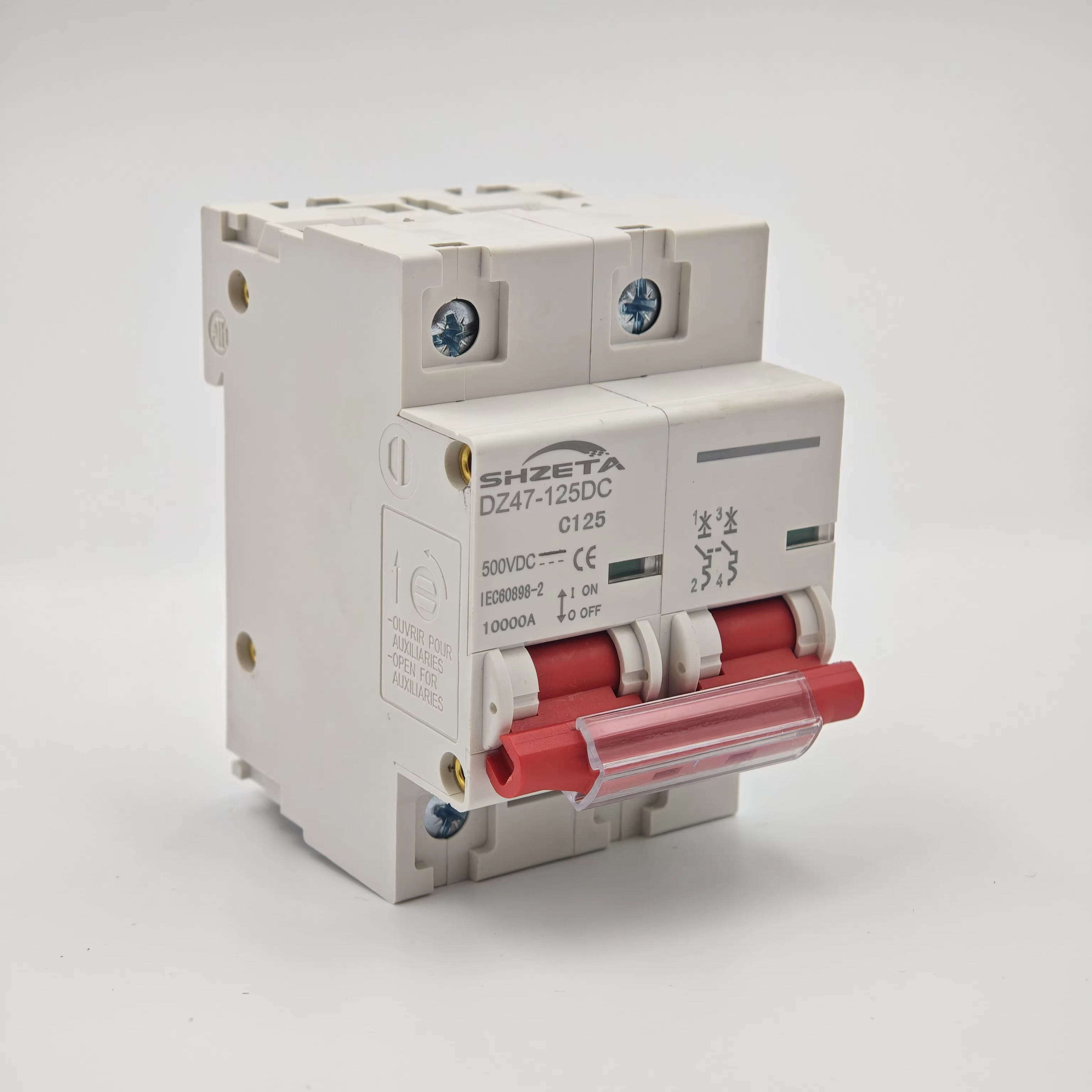
2P 80A 100A 125A DC MCB 500V Circuit Breaker. Used As the Main Switch with C Curve in Photovoltaic
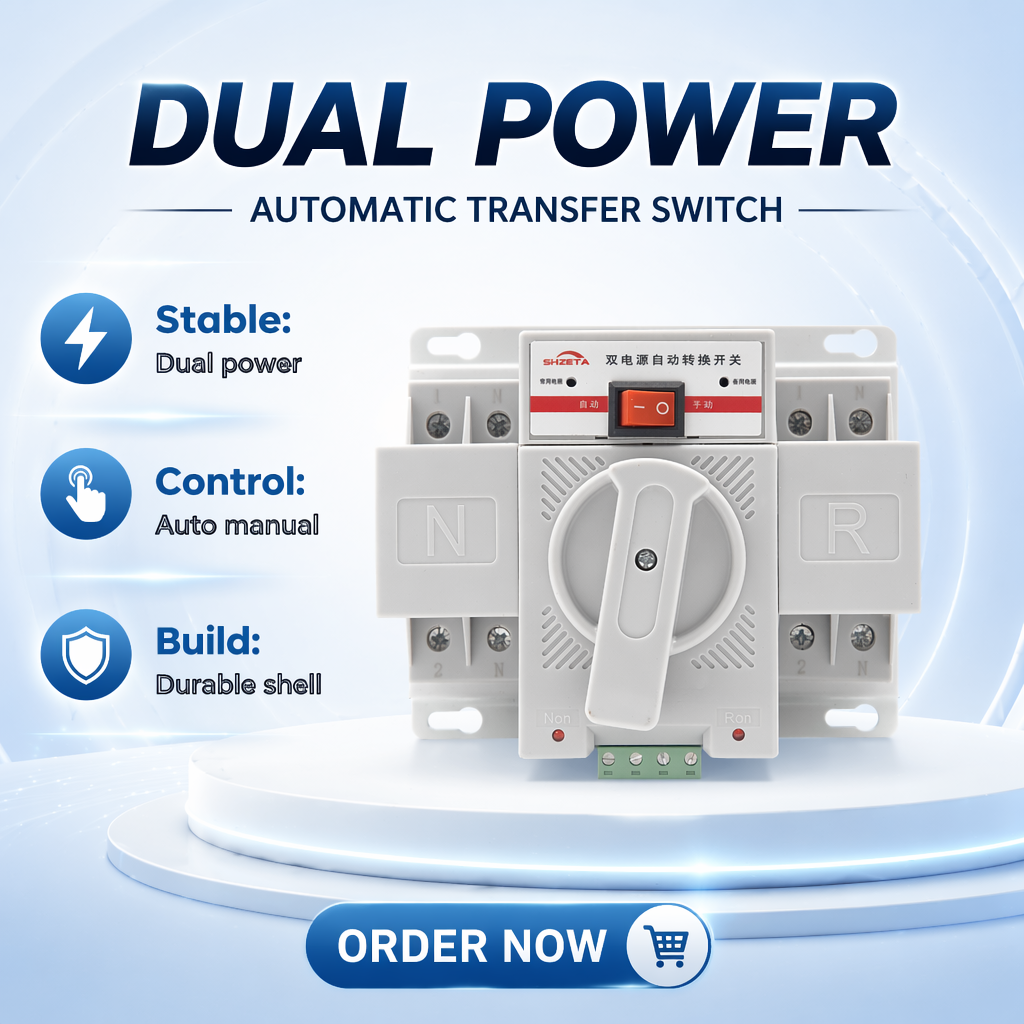
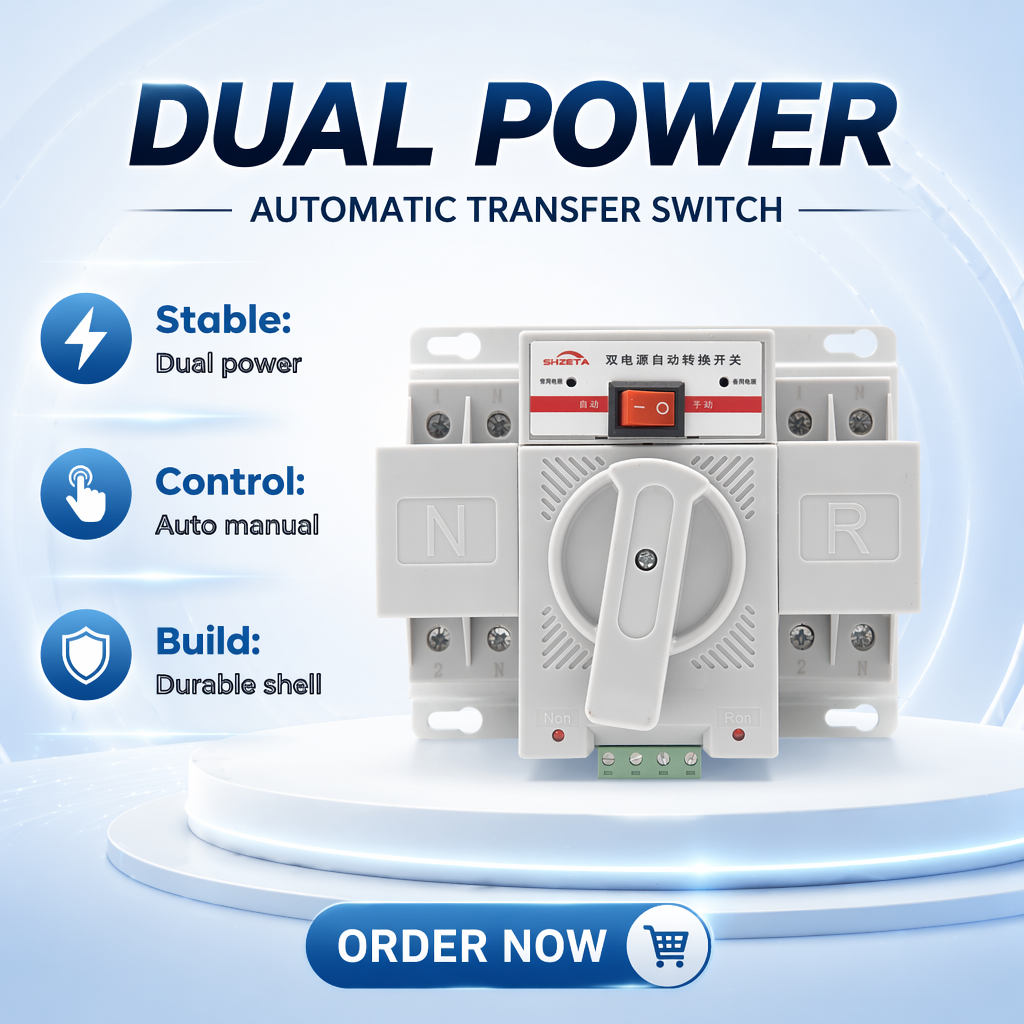
Din Rail 2P ATS Dual Power Automatic Transfer Switch Electrical Selector Switches Uninterrupted Power 63A 230V 3kA Household Use
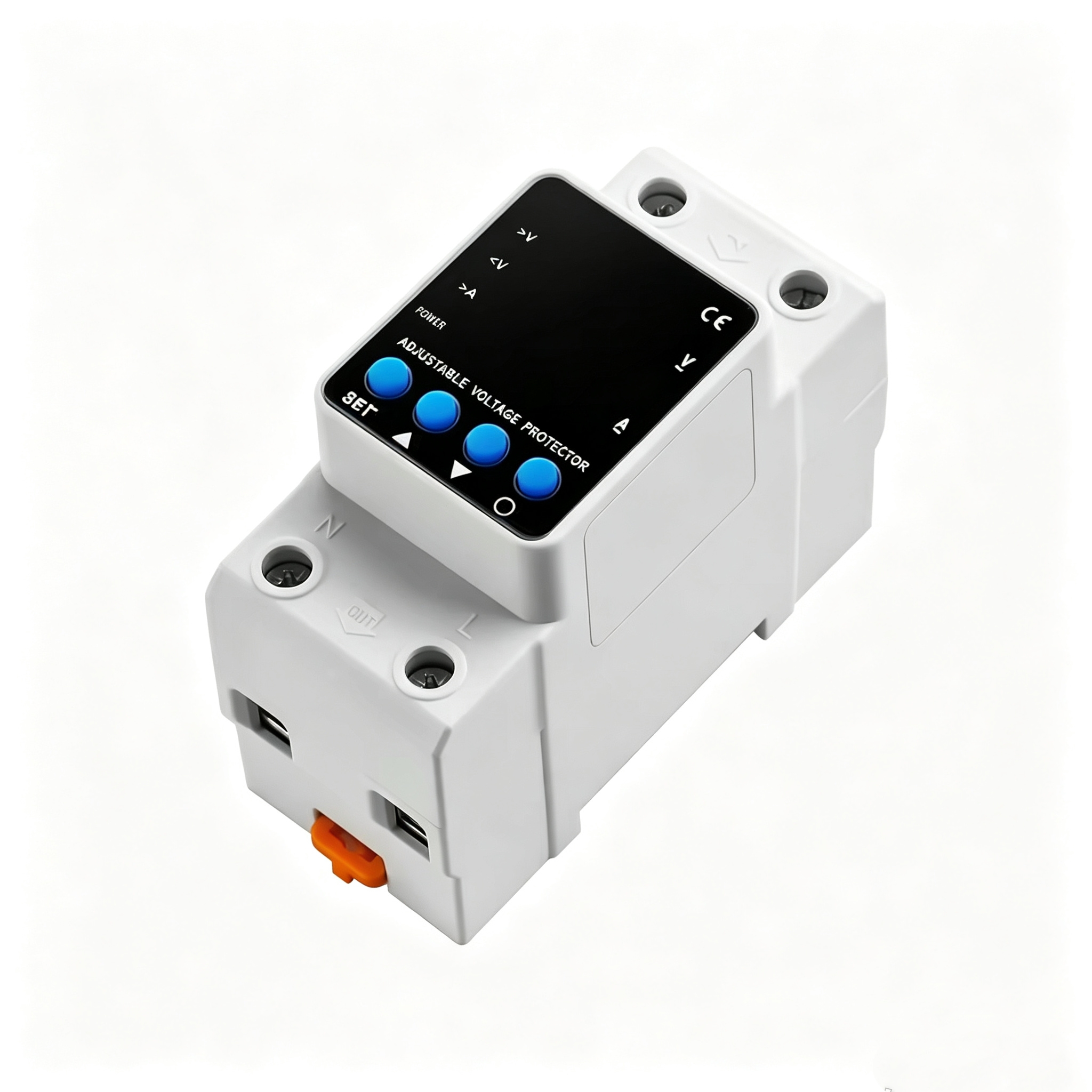
Single-phase Overcurrent, Undervoltage Protector, AC 220V Voltage 32 A-100 a Voltage Regulator Protector
4P 63A Single Phase Manual Changeover Switch Transfer with Breaker Circuit Breaker Type Ats
2P 63A AC230V 50/60Hz 6kVA High Efficiency Intelligent 6-in-1 Auto Reconnect Adjustable Over/Under Voltage
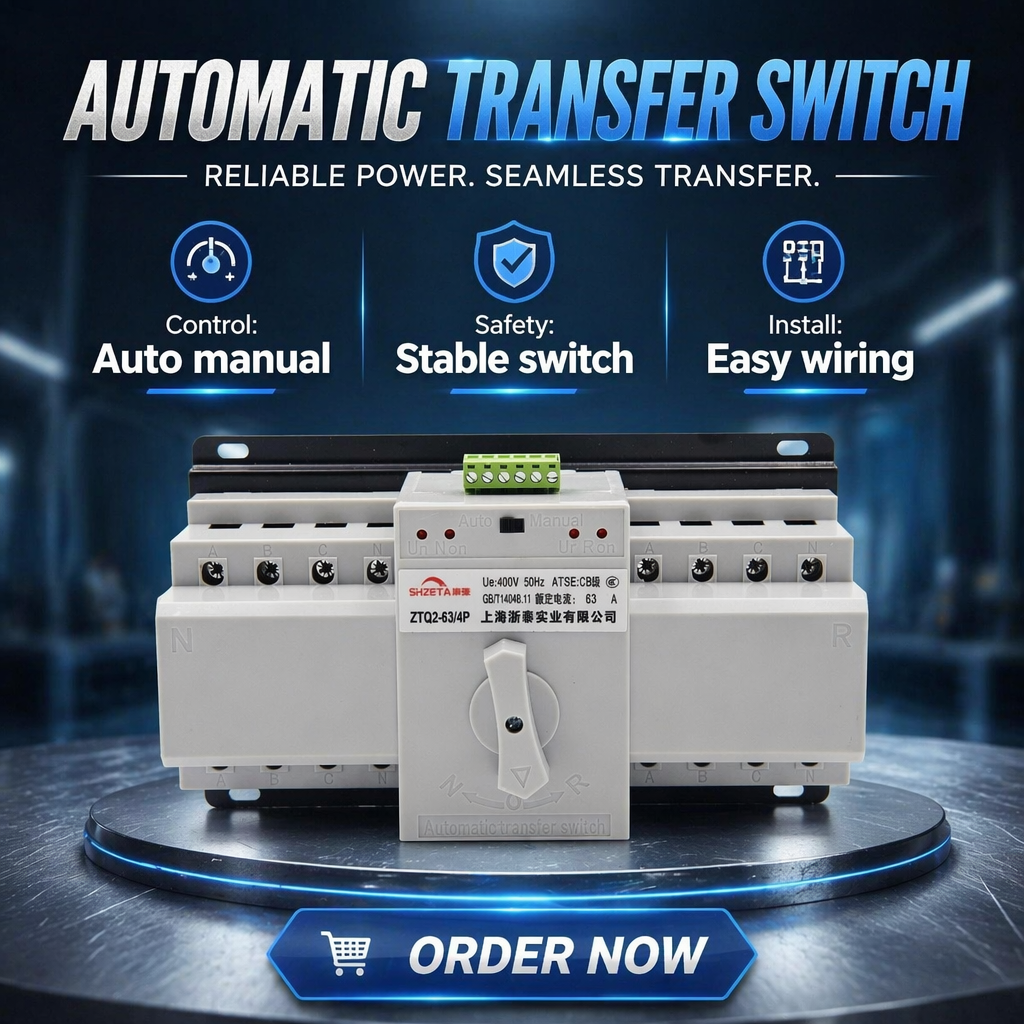
4P 63A Manual Changeover Switch Reliable Dual Power Transfer Integrated Circuit Breaker Type ATS for Home and Industrial Use
6300A
Maximum Incomer Current Rating
120kA
Icu Breaking Capacity @ 400V AC
100% Icu
Service Breaking Capacity (Ics)
< 35ms
Total Arc Extinction Interruption Time
Engineering Whitepaper
Fixed ACB Architectural Design & Marine-Industrial System Integration
A comprehensive technical evaluation of stationary low-voltage air circuit breakers engineered for high-vibration maritime architectures, container port logistics switchboards, and heavy industrial distribution networks in Busan, South Korea.
In the demanding marine and industrial landscape of Busan—the maritime gateway of South Korea anchored by Busan Port, Noksan National Industrial Complex, and the Yeongdo shipbuilding yards—electrical power stability requires uncompromised circuit incomer protection. While draw-out circuit breakers are widely deployed where rapid chassis withdrawal is mandated, the Fixed Type Air Circuit Breaker (Fixed ACB) remains the superior engineering choice for compact switchgear cubicles, high-shock shipboard environments, and heavy mechanical vibration applications. By permanently bolting the circuit breaker frame directly to the primary copper busbars, fixed ACBs eliminate racking mechanism contact resistances, eradicate contact finger fretting corrosion, and drastically optimize internal panel space.
Under IEC 60947-2 (Low-Voltage Switchgear and Controlgear - Circuit Breakers) Category B designation, fixed ACBs provide deliberate short-time withstand current capabilities ($I_{cw}$), enabling strict downstream selectivity. In Busan's specialized manufacturing facilities, ship-to-shore cold ironing docks, and container terminal substations, an instantaneous trip during a downstream transient can trigger disastrous operational paralysis. A fixed ACB, equipped with an intelligent microprocessor-based trip unit (featuring Long-time $L$, Short-time $S$, Instantaneous $I$, and Ground-fault $G$ protection), allows fault currents to be cleared exclusively by local branch devices (such as MCCBs or DIN-rail MCBs) while the main incomer maintains total continuity.
| Evaluation Parameter | Fixed Type ACB (Stationary Frame) | Draw-Out Type ACB (Withdrawable Cradle) | Busan Engineering Relevance |
|---|---|---|---|
| Mechanical Shock & Vibration | Bolted direct-to-busbar connection; superior resistance to harmonic resonance and mechanical shocks up to 0.7g. | Requires sliding finger cluster disconnects; risk of micro-fretting under persistent engine/compressor vibration. | Essential for Yeongdo & Sasang marine auxiliary switchboards subjected to heavy maritime vibrations. |
| Switchboard Volume Footprint | Compact frame design; reduces overall switchboard enclosure depth by 25% to 35%. | Requires generous clearance for withdrawable chassis, safety shutters, and racking rail mechanics. | Critical for tight engine room electrical spaces on container feeder ships and compact substation skids. |
| Connection Resistance & Heat Dissipation | Torqued copper-to-copper terminal connections ensure minimal millivolt contact drop and lower thermal rise. | Multi-finger spring-loaded primary disconnects add contact junction points subject to heat accumulation. | Maintains lower internal cabinet ambient temperatures under hot, humid maritime summer conditions in coastal Busan. |
| Maintenance & Service Cycle | Requires panel de-energization or upstream feeder opening for internal contact inspection and arc chute removal. | Enables rapid racking out to "Test" or "Disconnected" positions while the main busbars remain energized. | Ideal when planned dry-dock maintenance windows are scheduled or budget constraints prioritize mechanical robustness. |
| Capital Expenditure ($CAPEX) | Approximately 20% to 30% more economical than withdrawable units with equivalent trip unit controllers. | Higher upfront hardware investment due to heavy cradle assembly, interlocking levers, and shutter mechanisms. | Maximizes project ROI for EPC contractors executing industrial retrofits across Mieum and Noksan parks. |
Local Deployment Matrix
Engineered for Busan's Critical Infrastructure & Maritime Belts
From deep-water container terminal electrification to smart marine propulsion switchboards, fixed air circuit breakers deliver ruggedized, fail-safe power distribution tailored to local operating stresses.
Busan New Port Shore-to-Ship Power (Cold Ironing)
Busan Port Authority (BPA) mandates rapid expansion of Alternative Maritime Power (AMP). Fixed ACBs act as high-capacity main incoming isolation breakers in quayside substation kiosks, enduring salt-laden atmospheric mist while managing sudden step-load transients when berthed container carriers transfer auxiliary loads from diesel generators to the municipal electrical grid.
Shipyard & Marine Auxiliary Switchboards (Yeongdo & Sasang)
Within vessel engine rooms and offshore service vessels (OSVs) fabricated across Yeongdo, equipment experiences multi-axis vibration, ship roll, and engine harmonic resonance. Bolted fixed ACBs prevent accidental contact disengagement, providing unbroken electrical distribution to ballast pumps, steering machinery, and auxiliary desalination plants.
Heavy Industrial Complexes (Noksan & Mieum)
Busan's automotive parts manufacturing, metal casting, and precision machinery plants require high breaking capacity ($I_{cu}$ up to 100kA) to handle transformer secondary circuits. Fixed ACBs safeguard low-voltage factory distribution boards against catastrophic high-energy short-circuit faults without taking up excessive floor space in standardized motor control centers (MCCs).
Macro Industry Dynamics
Key Modernization Trends Shaping Busan's Electrical Landscape
Regulatory evolution, digitalization, and aggressive environmental goals are reshaping the procurement priorities of switchboard designers and industrial facility managers in South Korea.
Decarbonization & Green Harbor Initiatives
South Korea’s Green New Deal and the International Maritime Organization (IMO) GHG reduction trajectories compel Busan’s maritime infrastructure toward electrification. Switchgear suppliers are standardizing on Fixed ACBs that handle multi-source energy integration—coordinating photovoltaic solar arrays, battery energy storage systems (BESS), and local KEPCO grid connections through integrated intelligent relays.
Digital Modbus & Smart Substation Telemetry
Modern Korean shipyards and automated container facilities require continuous condition monitoring. Analog trip mechanisms have been entirely replaced by digital controllers featuring native RS-485 Modbus and Industrial Ethernet communications, delivering real-time harmonic distortion analysis ($THD$), contact wear percentage metrics, and predictive thermal profiling directly to central SCADA systems.
Extreme Environmental Hardening (C4/C5 Marine Class)
Coastal marine switchboards face severe corrosion from humidity, salt spray, and industrial airborne contaminants. Specifiers in Busan require fixed ACB units manufactured with silver-tin-oxide ($AgSnO_2$) anti-weld contact tips, tin-plated primary copper terminal flanges, and tropicalized, conformal-coated microelectronic processor modules that pass stringent 96-hour neutral salt spray tests.
Enterprise Manufacturing Competence
Why Busan Electrical Engineers & Contractors Partner With Us
Positioned directly within China’s premier electrical component manufacturing hub in Liushi, Wenzhou, Zhejiang Graybar Electric Co., Ltd. delivers direct factory engineering, rigorous IEC compliance, and agile supply chain logistics to the Port of Busan.
Sourcing low-voltage protection equipment for mission-critical switchboards demands rock-solid traceability and deep manufacturing control. By overseeing the entire fabrication chain—from automated bimetal calibration and thermoset plastic compression moulding to silver alloy contact welding and robotic microprocessor calibration—we guarantee that every circuit breaker leaving our Liushi factory conforms meticulously to IEC 60947-2, IEC 60898-1, and IEC 61643-11 standards. Our geographical proximity to Ningbo and Shanghai maritime ports provides expedited shipping routes directly to the Port of Busan, slashing logistics lead times compared to domestic and European alternatives.
Integrated Production
Direct in-house tool design, contact stamping, coil winding, and arc chute assembly ensure tight dimensional tolerances and uncompromising quality consistency on every production run.
100% Quality Screening
Every single fixed ACB undergoes dielectric insulation testing, contact resistance micro-ohmmeter verification, and mechanical trip timing verification before vacuum-sealed packaging.
Rapid Maritime Transit
Container and LCL shipments from Ningbo/Shanghai achieve dock-to-dock customs delivery at Busan Port in just 36 to 48 hours, eliminating costly shipyard assembly delays.
Flexible MOQ & Custom OEM
Starting with an accessible MOQ of just 1 unit for air circuit breakers and 5 units for MCB/MCCB, we accommodate custom secondary wiring harnesses, tailored trip curve logic, and buyer private-labeling.
Local Procurement Intelligence
Frequently Asked Questions by Busan Engineers & Sourcing Teams
Clear, direct answers regarding standards compliance, electrical selectivity, environmental durability, and supply logistics for air circuit breakers in South Korea.
How do your Fixed ACBs comply with Korean industrial standards (KS C 8321) and KEPCO grid interconnection requirements?
Our Air Circuit Breakers are engineered in full alignment with international standard IEC 60947-2, which serves as the core technical foundation for the Korean National Standard KS C 8321 (Low-Voltage Circuit Breakers). For Korean Electric Power Corporation (KEPCO) grid-tied distribution cubicles, our intelligent controllers offer customizable under-voltage/over-voltage release modules, precise harmonic frequency filtering, and zero-crossing trip coordination capable of interfacing with standard Korean utility protection relays. Full third-party type test reports verifying breaking capacity ($I_{cu}$ and $I_{cs}$) and short-time withstand ($I_{cw}$) are available for project engineering submittals.
Why should a shipyard or maritime panel builder select a Fixed ACB instead of a Draw-out model for vessel auxiliary switchboards?
While draw-out units offer quick physical exchange, vessel hulls and engine room bulkheads in the Busan maritime sector experience persistent low-frequency vibration and high mechanical roll moments. Draw-out cradles utilize spring-loaded cluster contacts that can suffer from micro-vibration fretting, leading to surface contact oxidation, localized heating, and potential false arc trips. Fixed ACBs are bolted directly and rigidly to the main copper busbar structure, completely eliminating movable primary contact clusters, decreasing internal panel depth by 150–200 mm, and minimizing total weight—crucial factors in marine naval architecture.
What anti-corrosion protection is applied to withstand Busan's coastal salt-spray and humid maritime atmosphere?
Coastal Busan installations are subject to ISO 12944 C4/C5-M atmospheric corrosivity. To safeguard mechanical and electrical integrity, our Fixed ACBs utilize structural steel frames treated with zinc-nickel electro-galvanization, high-strength thermosetting DMC/SMC insulating bodies that exhibit zero tracking current breakdown, electrolytic copper busbar connectors electro-tinned to a thickness of $\ge 12\,\mu\text{m}$, and electronic trip units encapsulated with industrial-grade conformal acrylic coatings that shield microchips from salt mist, moisture condensation, and airborne industrial sulfides.
What is the standard production and shipping lead time from your factory to the Port of Busan?
Standard frame Fixed ACBs (630A to 3200A) with standard LSI intelligent controllers typically complete manufacturing, secondary wiring assembly, and dielectric routine testing within 7 to 12 working days. High-capacity frames (4000A to 6300A) or units requiring custom shunt/undervoltage voltages take 15 to 20 days. Given our factory's strategic location in Liushi, Wenzhou, export cargo is quickly routed via Ningbo or Shanghai port. Sea transit to Busan Port takes approximately 36 to 48 hours, providing an ultra-responsive supply line compared to the 8–12 week transit times common with European equipment.
Can your Fixed ACB micro-trip units communicate directly with existing shipyard SCADA or BMS via Modbus-RTU?
Yes. Our digital trip units are equipped with an isolated RS-485 serial communication port communicating over open Modbus-RTU protocol (configurable baud rates from 9600 to 38400 bps). The trip controller continuously broadcasts operational current per phase ($I_a, I_b, I_c, I_n$), line-to-line voltages, active and reactive power, power factor, harmonic distortion, breaker open/closed status, and precise fault logging records (recording trip fault current and fault trip time). This enables immediate integration into programmable logic controllers (PLCs), central vessel power management systems (PMS), or automated building energy monitoring systems.
How do you handle MOQ, customized ratings, and private labeling for Korean switchgear OEMs?
We offer low barriers to entry for engineering evaluation: the Minimum Order Quantity (MOQ) for our Air Circuit Breakers is just 1 piece. This empowers Busan switchboard builders to perform physical fitting, busbar layout prototyping, and secondary circuit verification prior to placing volume orders. For authorized distributors and established panel builders, we deliver extensive OEM/ODM capabilities including custom laser-engraved company logos, tailored primary connection terminal orientations (horizontal, vertical, or mixed spreaders), and multilingual installation and wiring manuals.
Request Technical Datasheets, 3D CAD Models & Busan Quotations
Consult with our senior low-voltage switchgear application engineers. We provide comprehensive single-line diagram reviews, breaking capacity coordination, and immediate FOB/CIF pricing for Busan engineering projects.
Send an Inquiry