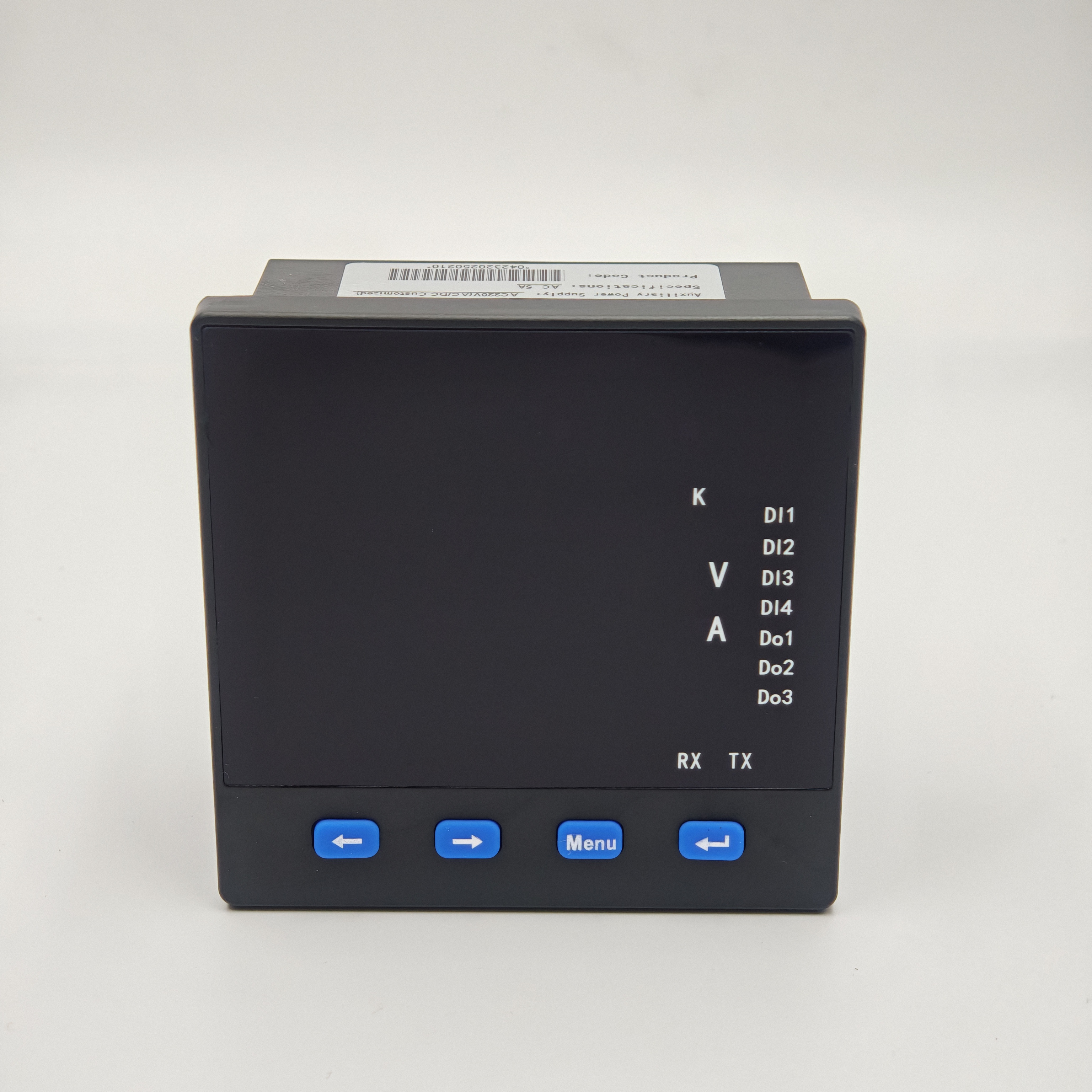
Grid Monitoring
Engineered to mitigate harsh voltage sags, neutral drift, and high-frequency inverter leakage across Syrian commercial, residential, and agricultural networks.
The low-voltage electrical distribution architecture across the Syrian Arab Republic presents one of the most mechanically and electrically demanding environments in the Middle East. Decades of infrastructure stress, localized power generation schemes, and rapid post-conflict reconstruction have completely reshaped how low-voltage protection devices perform in the field. Electrical engineers, MEP contractors, panel builders, and regional importers in Damascus, Aleppo, Homs, Latakia, and Hama face severe technical constraints that render standard commercial-grade residual current devices (RCDs/ELCBs) prone to premature failure or hazardous malfunction.
Primary public utility power from the Syrian Public Establishment for Electricity Generation and Transmission (PEEGT) frequently operates under rolling load shedding, delivering electricity for limited daily windows. In response, Syrian commercial facilities, industrial workshops, and domestic residences operate on complex multi-tiered microgrid architectures. These typically combine intermittent utility mains with communal private diesel generators (widely known locally as the "Ampere" subscription network) and off-grid or hybrid photovoltaic (PV) solar inverter-storage systems.
In Syrian residential and urban building topologies, TT earthing systems are the prevailing standard, while industrial zones such as Sheikh Najjar (Aleppo) and Adra (Damascus) frequently employ TN-C-S systems. In a theoretical TT installation, fault clearance relies entirely on the Earth Leakage Circuit Breaker detecting the vector sum imbalance through its zero-sequence current transformer (core balance transformer) when a phase conductor breaches insulation and faults to the protective earth (PE) path.
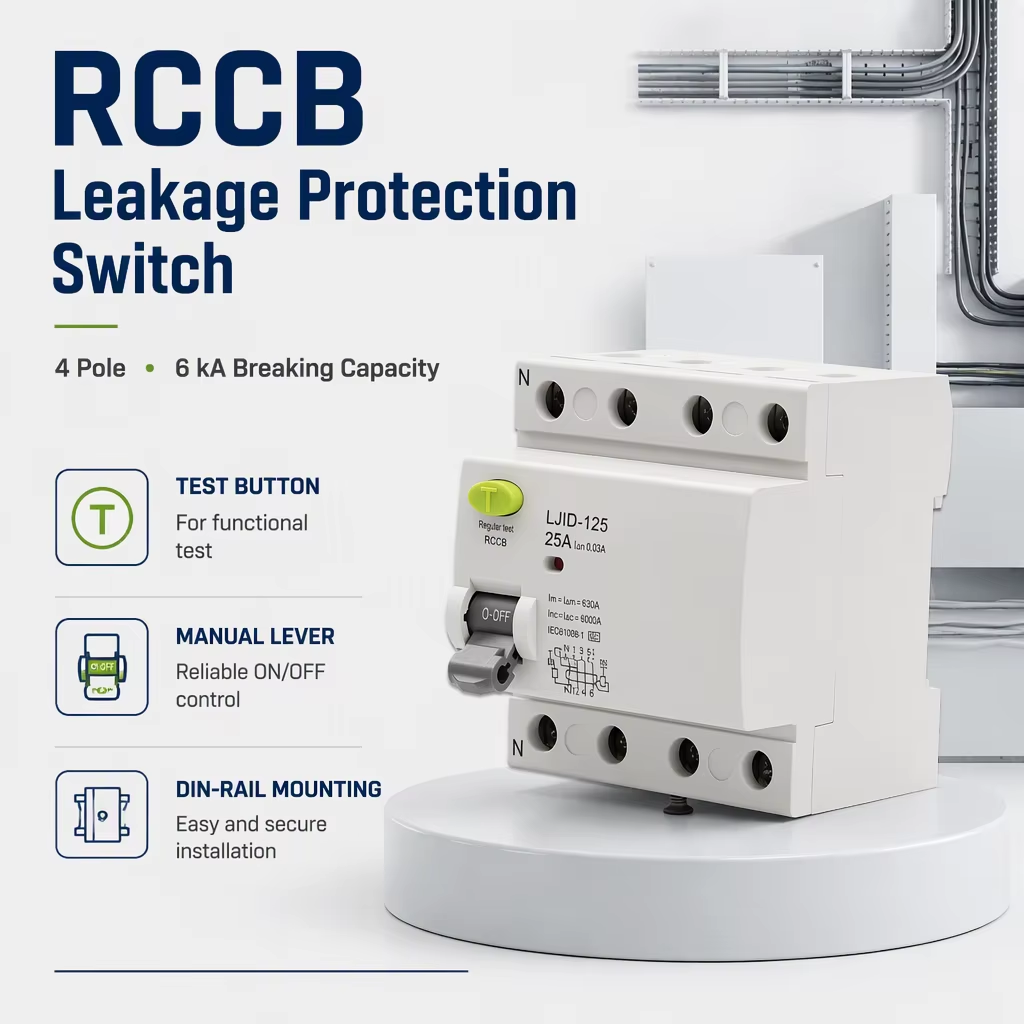
However, field soil resistivity throughout arid Syrian central plains and basaltic terrain is notoriously high, often exceeding 250 Ω·m during summer months. Inadequately maintained or corroded copper ground rods produce earth loop impedances ($R_A$) that regularly exceed 150 to 200 Ω. Under Ohm's Law ($I_{\Delta n} \times R_A \le U_L$, where $U_L = 50\text{V}$), an overcurrent device (MCB) will fail to trip under ground faults, leading to touch voltages remaining at lethal levels indefinitely. Zhejiang Graybar Electric manufactures precision 30mA sensitivity Residual Current Circuit Breakers (RCCBs) and RCBOs with highly responsive mumetal toroidal magnetic cores that disconnect the circuit within 30 to 40 milliseconds, guaranteeing shock survival even in dry soil or high-resistance grounding installations.
Local subscription generators supply 1A to 20A power blocks to consumers. These shared alternators display fluctuating frequencies (46Hz - 54Hz) and lack clean neutral earthing. Graybar's 4-Pole electromagnetic RCCBs isolate both phase and neutral legs, preventing neutral back-feed shocks and nuisance tripping caused by neighbor line imbalances.
Transformerless solar inverters (Growatt, Deye, Voltronic) produce natural high-frequency capacitive leakage and smooth DC residual current faults. Traditional Type AC RCCBs blind and fail under DC components. Graybar supplies Type A and Type B residual current devices capable of tripping reliably under pulsed and pure DC leakage.
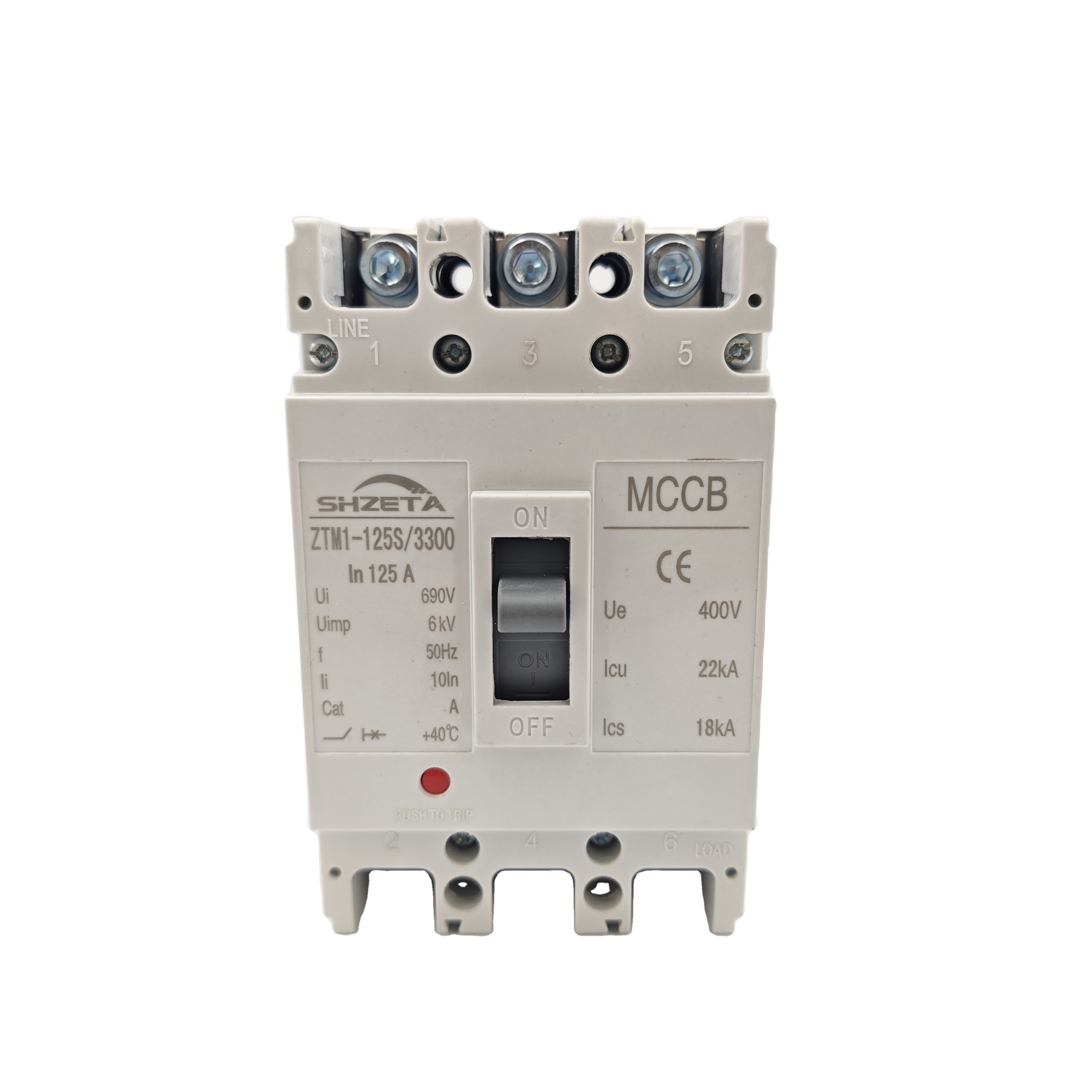
Aleppo textile mills, marble quarries, and Latakia coastal pumping stations endure severe ambient heat (45°C+), abrasive dust, and high short-circuit levels. Graybar MCCBs and Earth Leakage Modules feature reinforced arc chutes, silver-tungsten alloy contacts, and thermal-magnetic calibration designed for heavy cyclical duties.
One of the most consequential decisions an MEP consultant or procurement officer makes in Syria is choosing between Electromagnetic (Voltage-Independent, VI) and Electronic (Voltage-Dependent, VD) residual current devices. While both are certified under IEC 61008-1 and IEC 61009-1, their underlying mechanics behave radically differently under grid instability.
Electronic RCCBs rely on an internal electronic printed circuit board (amplifier and rectifier) powered directly from incoming line voltage. If the Syrian grid experiences a severed or floating neutral conductor (a frequent event in war-damaged distribution rings) or severe brownouts dropping system potential below 100V, the electronic amplifier loses its operational threshold. If a human touches a live wire during this condition, the device remains paralyzed, failing to release the trip latch. Conversely, Electromagnetic RCCBs engineered by Zhejiang Graybar Electric utilize a pure flux-balance transformer. The energy of the leakage fault current itself induces secondary magnetic flux that mechanically triggers the polarized release coil. No external or incoming voltage is needed; whether line potential is 250V, 50V, or disconnected entirely, human life remains safeguarded.
| Parametric Attribute | Electronic ELCB / RCCB (VD) | Electromagnetic ELCB / RCCB (VI) - Graybar Focus | Syrian Operating Environment Impact |
|---|---|---|---|
| Operation Source | Requires utility supply voltage (>85V-100V) to energize PCB | Self-energized via residual magnetic flux in mumetal ring core | Critical: VI units trip even under broken neutral or heavy voltage sags |
| Lightning & Switching Surges | Internal varistor/rectifier susceptible to high $\text{d}v/\text{d}t$ transients | High dielectric clearance and rugged mechanical relay release | Protects against generator-to-grid switching spikes and lightning |
| Nuisance Tripping Immunity | Moderate; prone to high-frequency common-mode noise | Excellent; engineered filtering dampers minimize false trips | Avoids unnecessary power loss in remote agricultural & telecom towers |
| Cost vs. Life Expectancy | Lower initial purchase price, shorter operational lifespan | Precision manufacturing, lifespan exceeding 10,000 mechanical cycles | Significantly lowers maintenance and replacement costs in Syria |
Analyzing the procurement flow of switchgear components entering the Syrian market reveals three pronounced structural shifts:
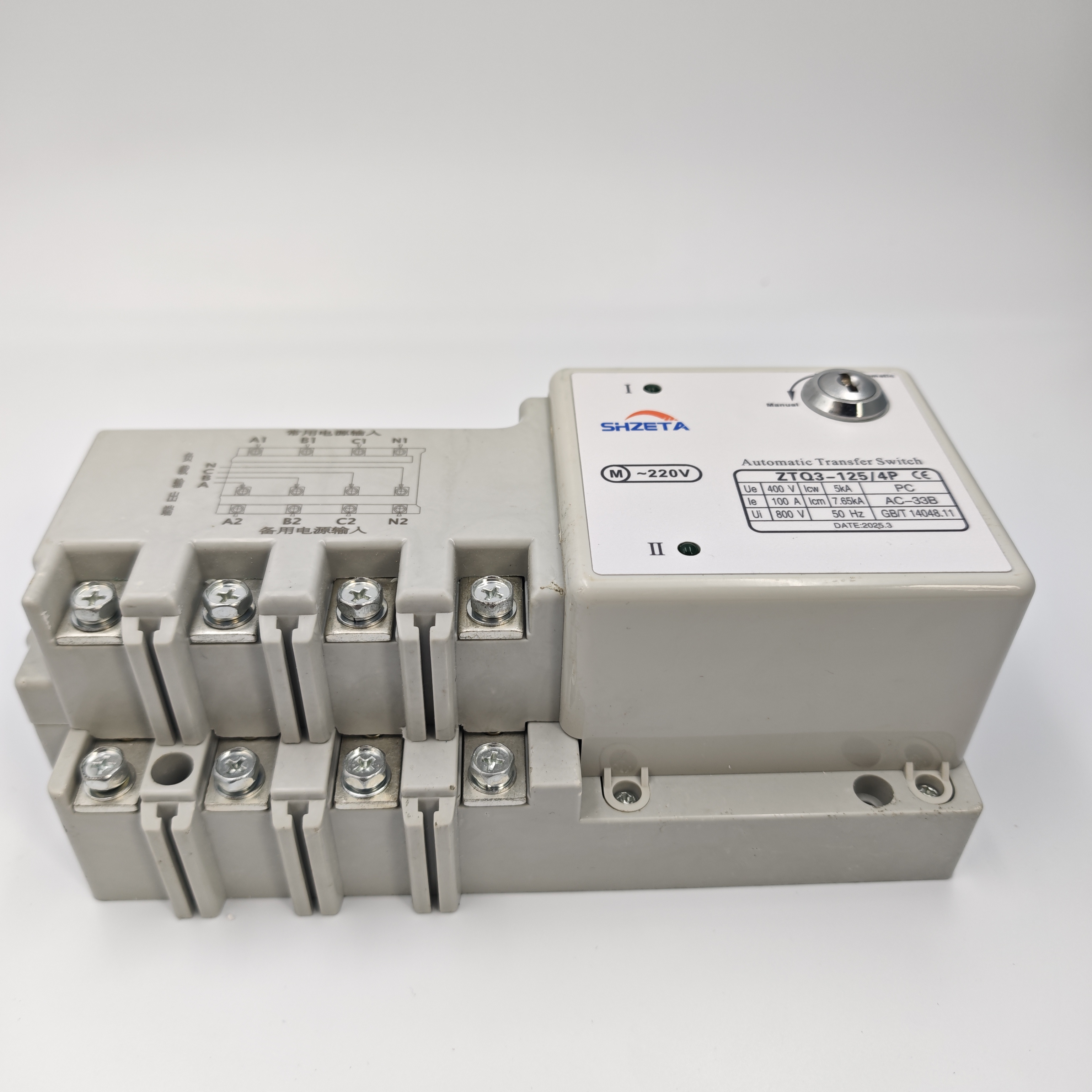
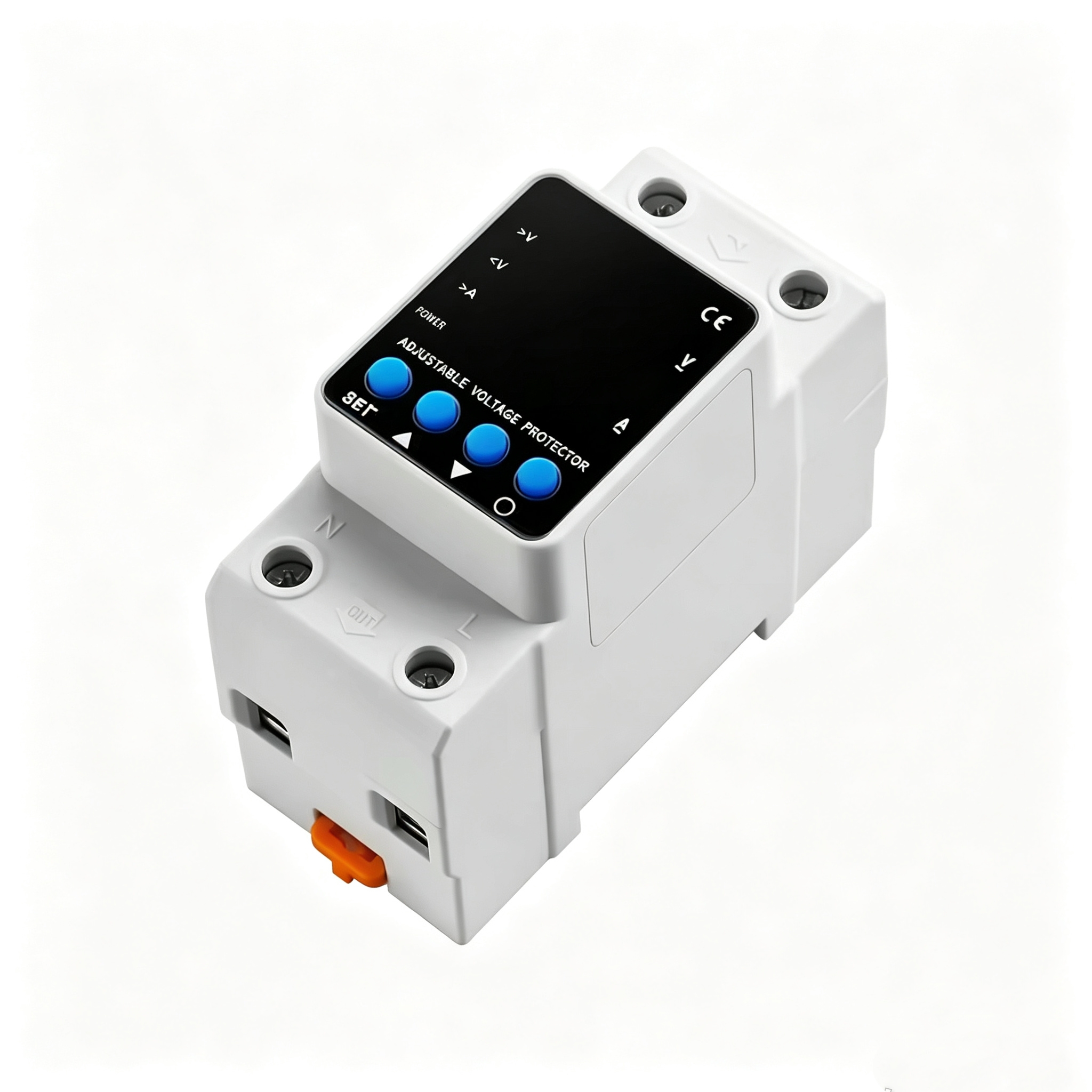
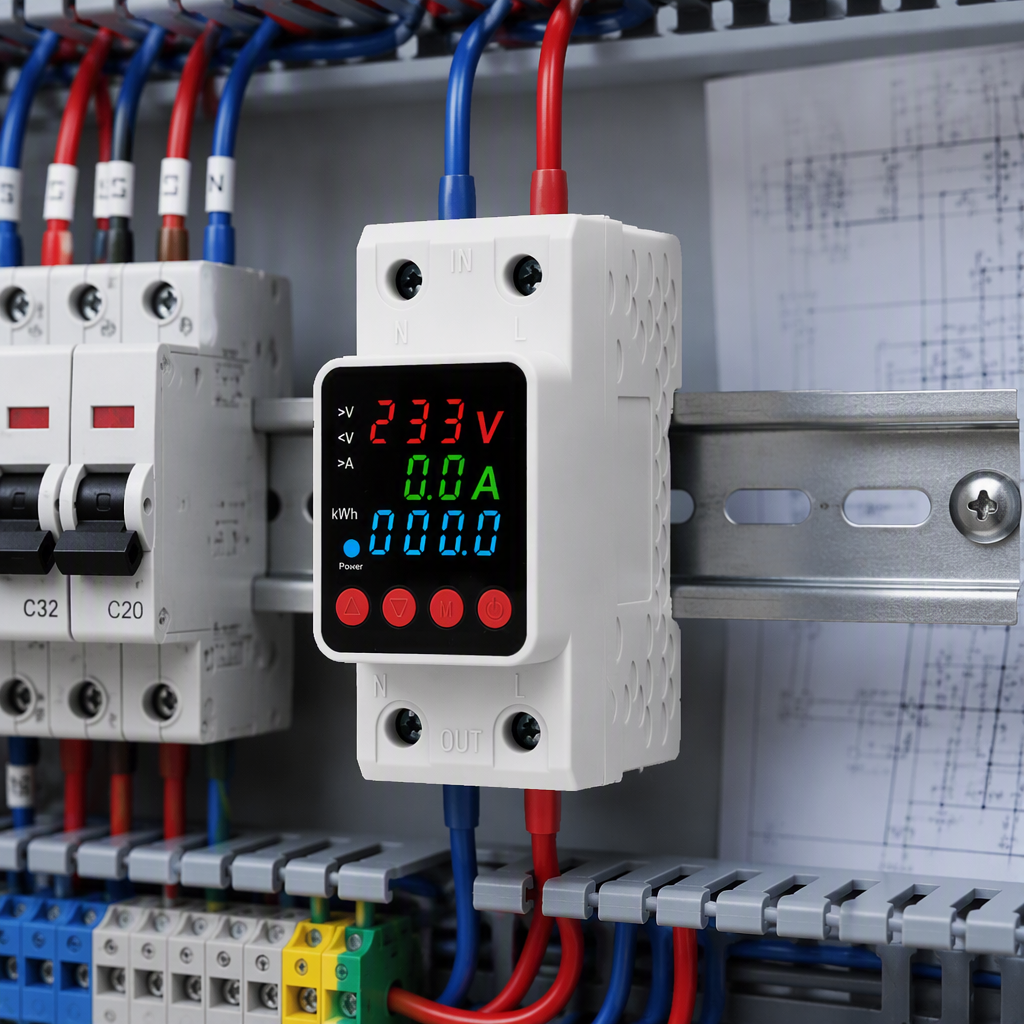
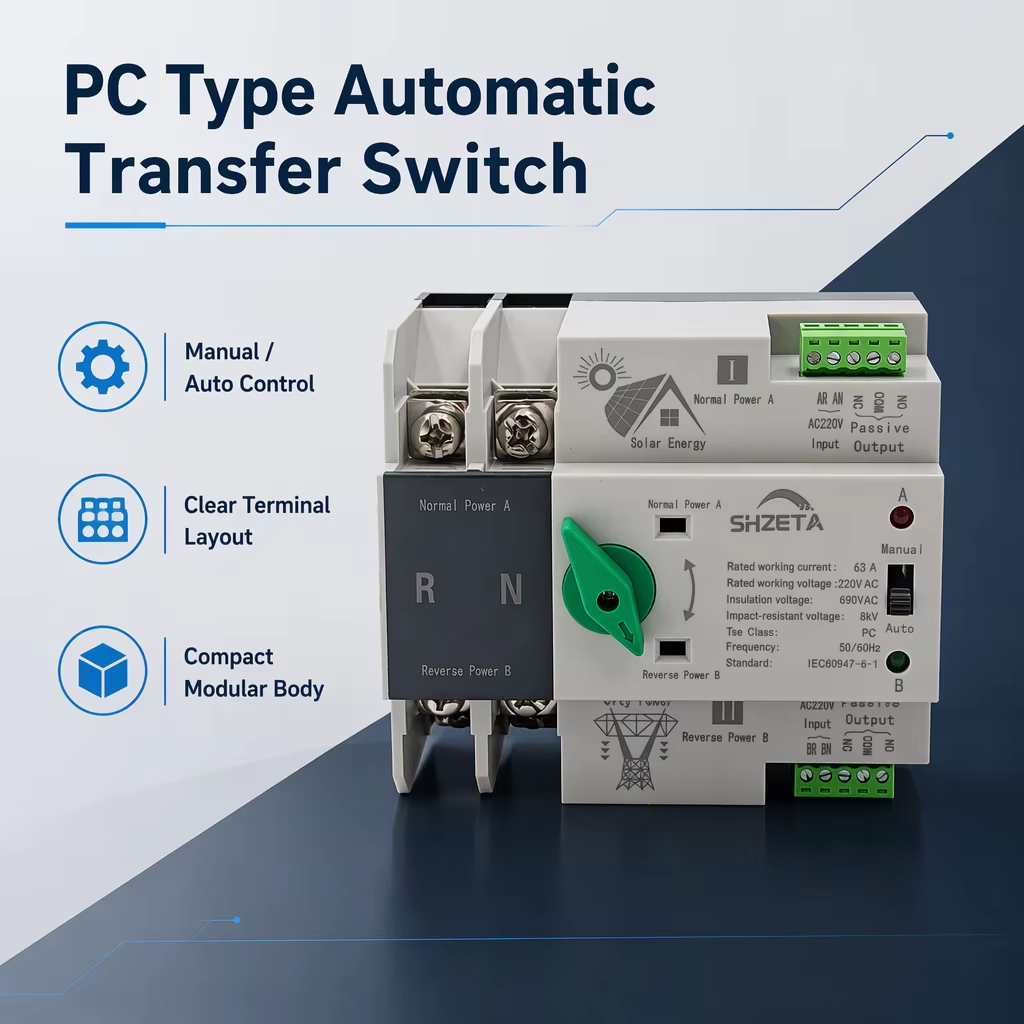
Because the local grid oscillates wildly before stabilizing during scheduled power turns, standard breakers alone fail to protect appliances and motors from burning out. The Syrian commercial standard has decisively moved toward multi-functional combinations: pairing an upstream 63A Auto-Reconnect Over/Under Voltage protector (displaying live line voltage, current, and leakage current) with a high-interrupting-capacity 4P RCCB and an ATS. Our factory supplies integrated 6-in-1 modular DIN-rail protectors designed specifically to safeguard sensitive household inverters and three-phase industrial cold storages.
For decades, legacy Type AC RCCBs (responsive only to purely sinusoidal alternating residual currents) constituted over 90% of Syrian imports due to lower manufacturing cost. However, the nationwide installation of split-unit inverter air conditioners, variable frequency drives (VFDs) in agricultural well pumps, and micro-solar stations produces truncated rectified DC leakage waveforms. When a DC fault component occurs, it pre-saturates the core of a Type AC breaker, rendering it inert. Graybar is directly assisting Syrian distributors in transitioning inventory to Type A (sensitive to sinusoidal AC and pulsating DC) and Type B devices, securing long-term compliance with updated SASO and Syrian electrical safety guidelines.
Following high-profile commercial fires caused by aged, patched wiring in historic markets (such as Al-Hamidiyah Souq in Damascus and central Aleppo souqs), municipal and private developers now enforce two-stage differential protection. Incomers must feature a time-delayed (Selective, Type S) 300mA or 500mA Earth Leakage Circuit Breaker for thermal and fire mitigation, cascaded down to 30mA instantaneous units on branch sub-circuits for human touch protection.
Located in Huangyu Village, Liushi Town, Wenzhou, Zhejiang Graybar Electric Co., Ltd. sits at the heart of the world's most dynamic manufacturing ecosystem for low-voltage switchgear. Sourcing directly from Graybar provides electrical distributors and MEP contractors in Syria with measurable strategic advantages:
Every single Earth Leakage Circuit Breaker and RCBO is 100% verified on automated computer-controlled test benches. We test tripping thresholds at $0.5 I_{\Delta n}$ (no-trip verification), $1.0 I_{\Delta n}$, and $5.0 I_{\Delta n}$ with milli-second precision, guaranteeing zero defects upon arrival.
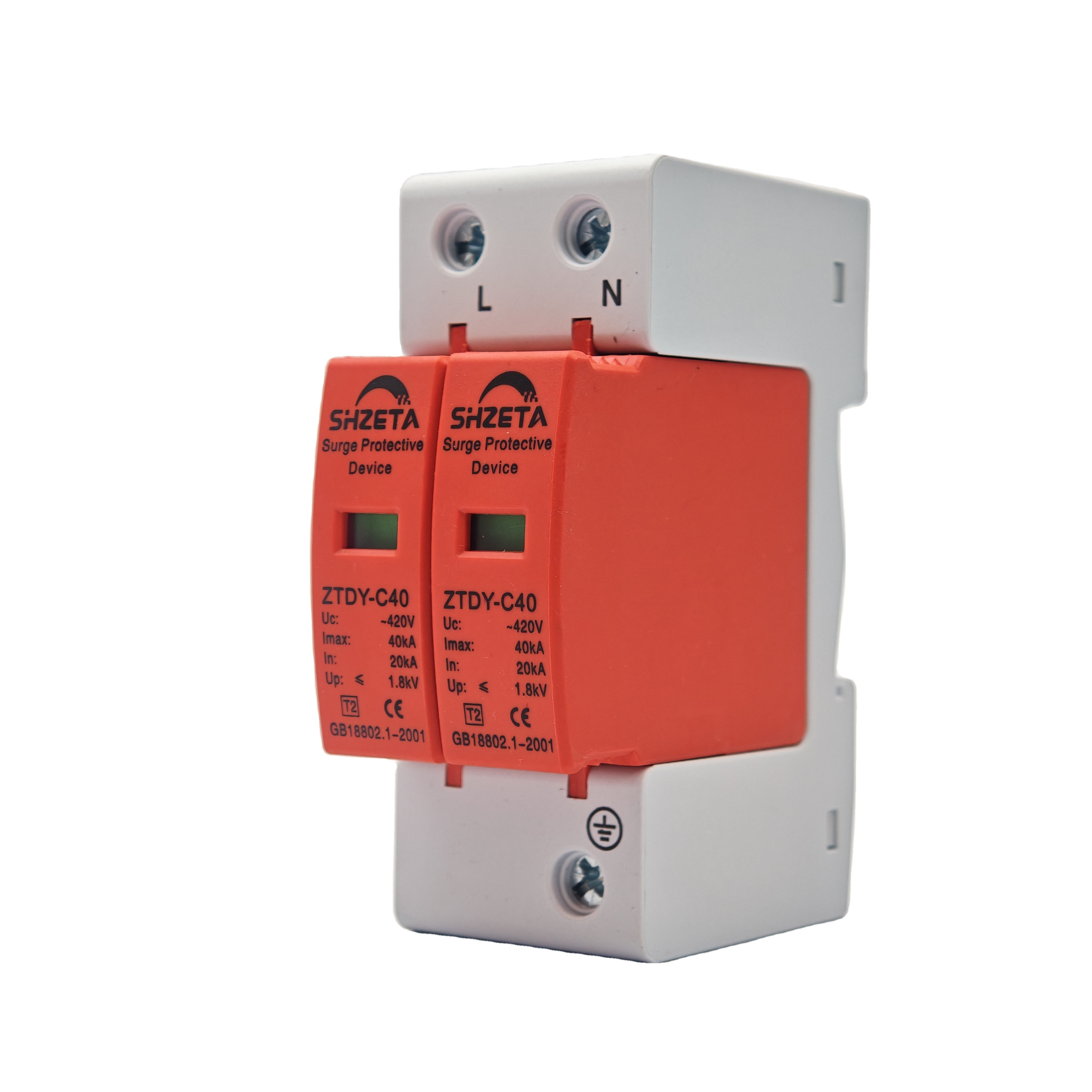
Eliminate multiple supplier markups. Importers can consolidate an entire bill of materials—including DIN-rail MCBs, MCCBs, Air Circuit Breakers (ACBs), Dual-Power Automatic Transfer Switches (ATS), and Surge Protective Devices (SPDs)—in a single factory container.
We empower regional engineering traders to test the market without excessive capital lockup. Standard modular breakers feature MOQs as low as 5 units, with ACBs from 1 unit. We support full documentation including Certificates of Origin and IEC compliance test sheets.
Connect directly with our engineering sales team in Liushi. Whether you need container-scale OEM breaker manufacturing or specific electromagnetic samples for project approvals, we respond with comprehensive datasheets and quotation sheets within 24 hours.
Get a Quote