5,280 ft
Mile-High Altitude De-rating Calibrated
< 50 ms
Class PC High-Speed Automatic Switching
100 kA
Short-Circuit Withstand Capability
1-5 Pcs
Flexible MOQ Direct-from-Factory
Direct OEM/ODM Equipment Portfolio
Featured Dual Power & Low-Voltage Protection Devices
Direct factory-assembled switching equipment, custom DIN-rail breakers, and manual changeover systems built with precision copper-alloy conductors, silver composite contacts, and flame-retardant thermoplastics.
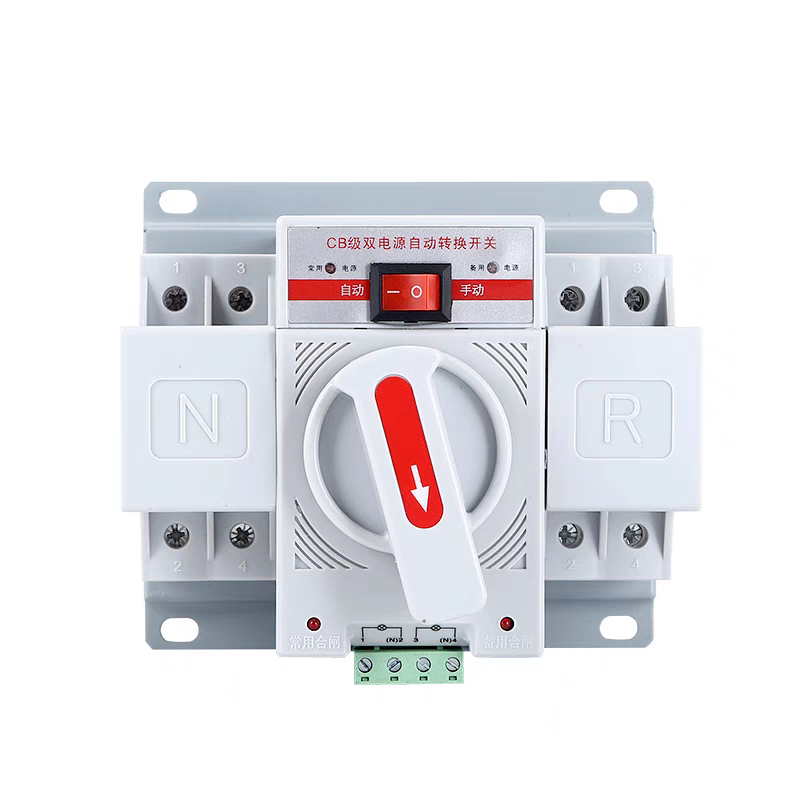
Dual Power Automatic Transfer Electrical Selector Switches 63A/100A DIN Rail ATS
Product Details →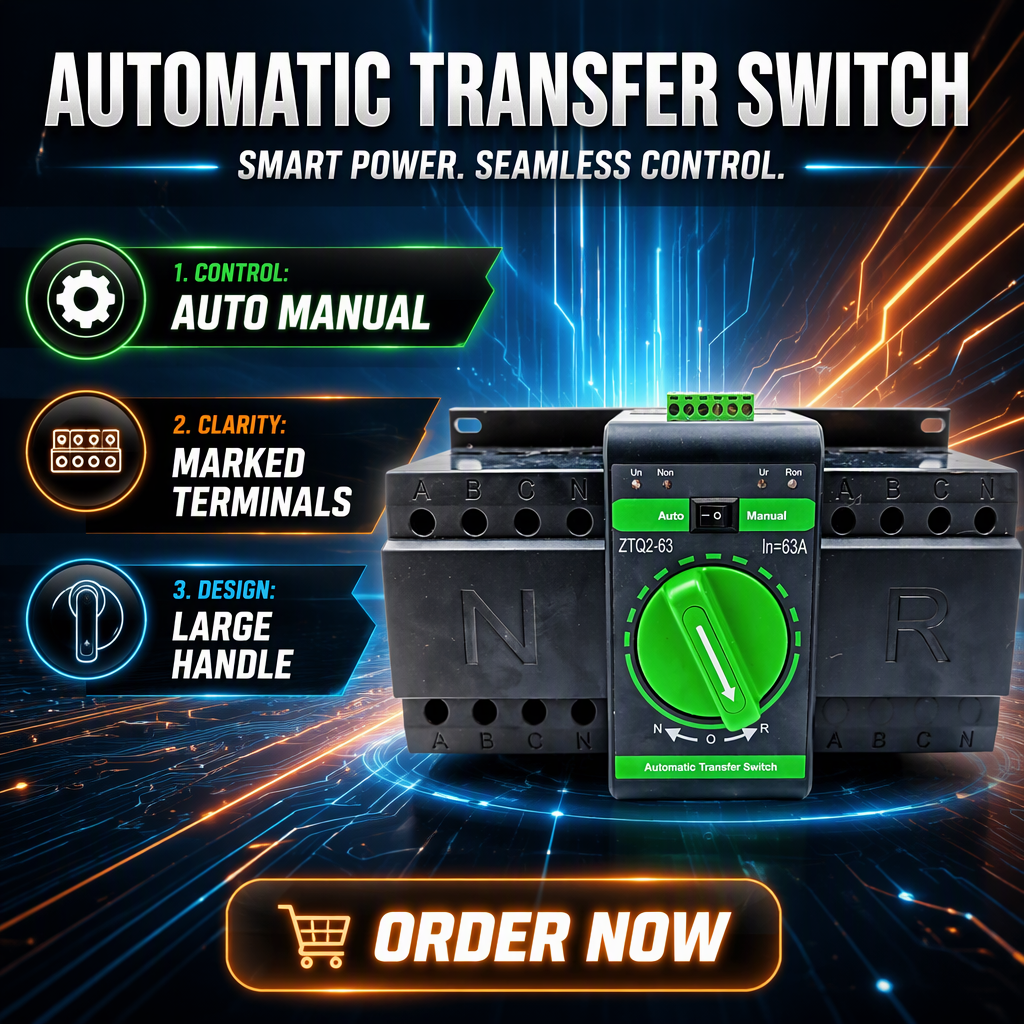
Customizable 2-Pole 4P Single/Three Phase Manual Conversion ATS 10kA
Product Details →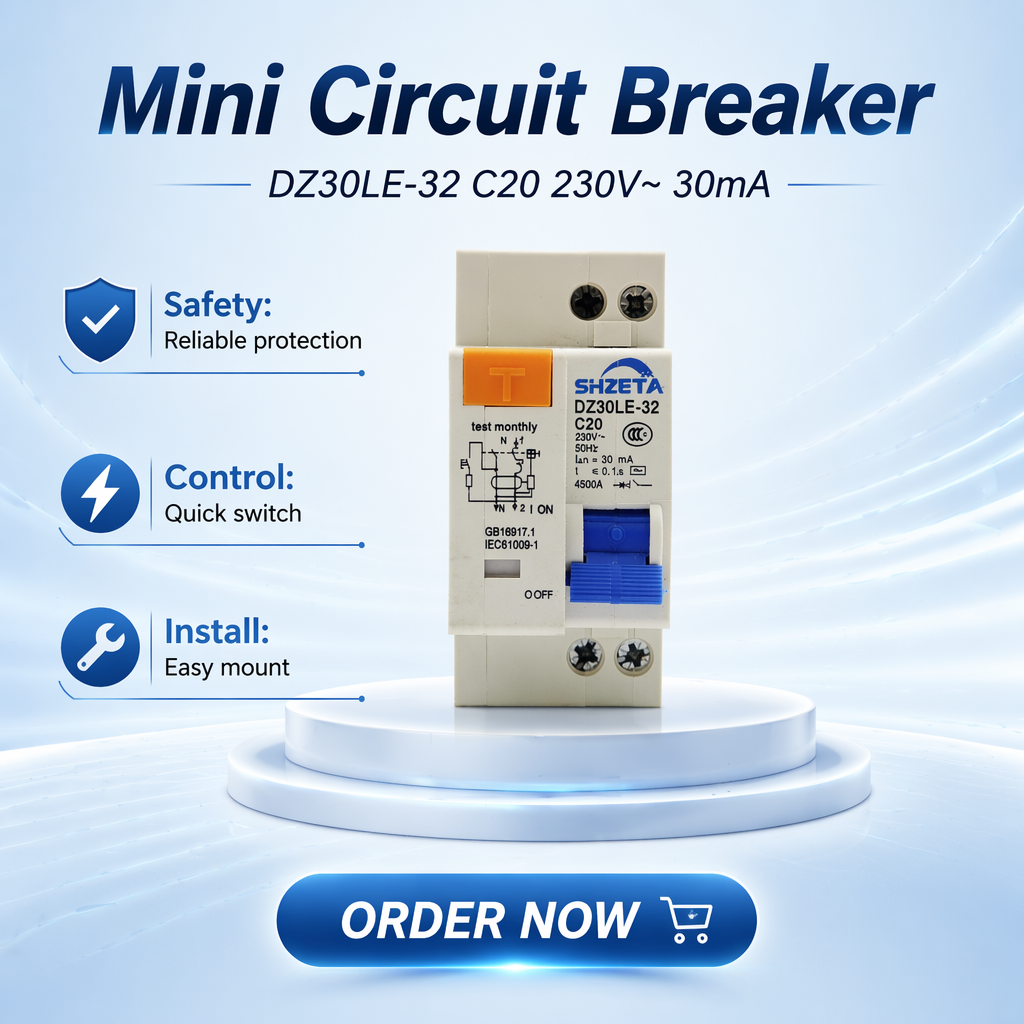
DZ30LE-32A Circuit Protection System for Commercial Facilities
Product Details →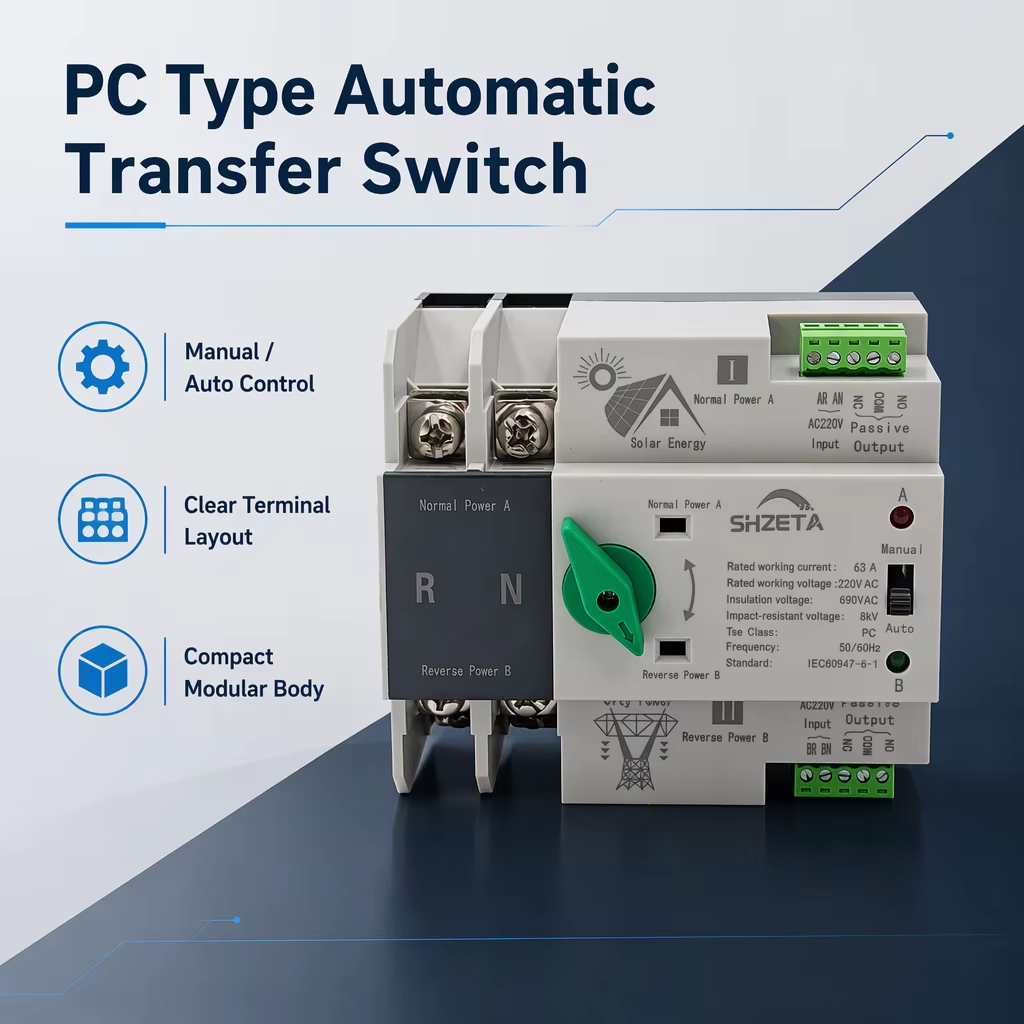
PC Type Automatic Transfer Switch 220V AC Modular Solar Changeover
Product Details →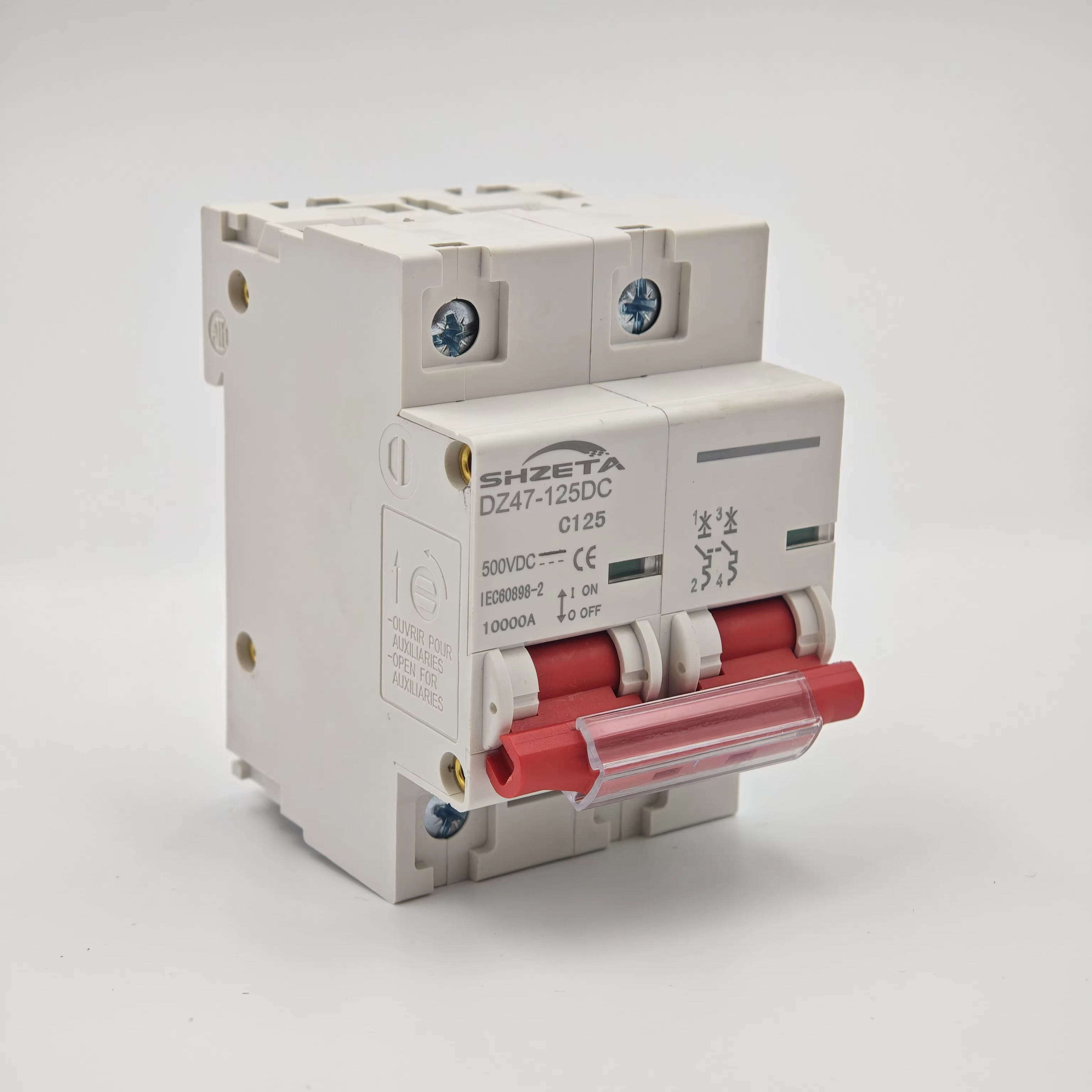
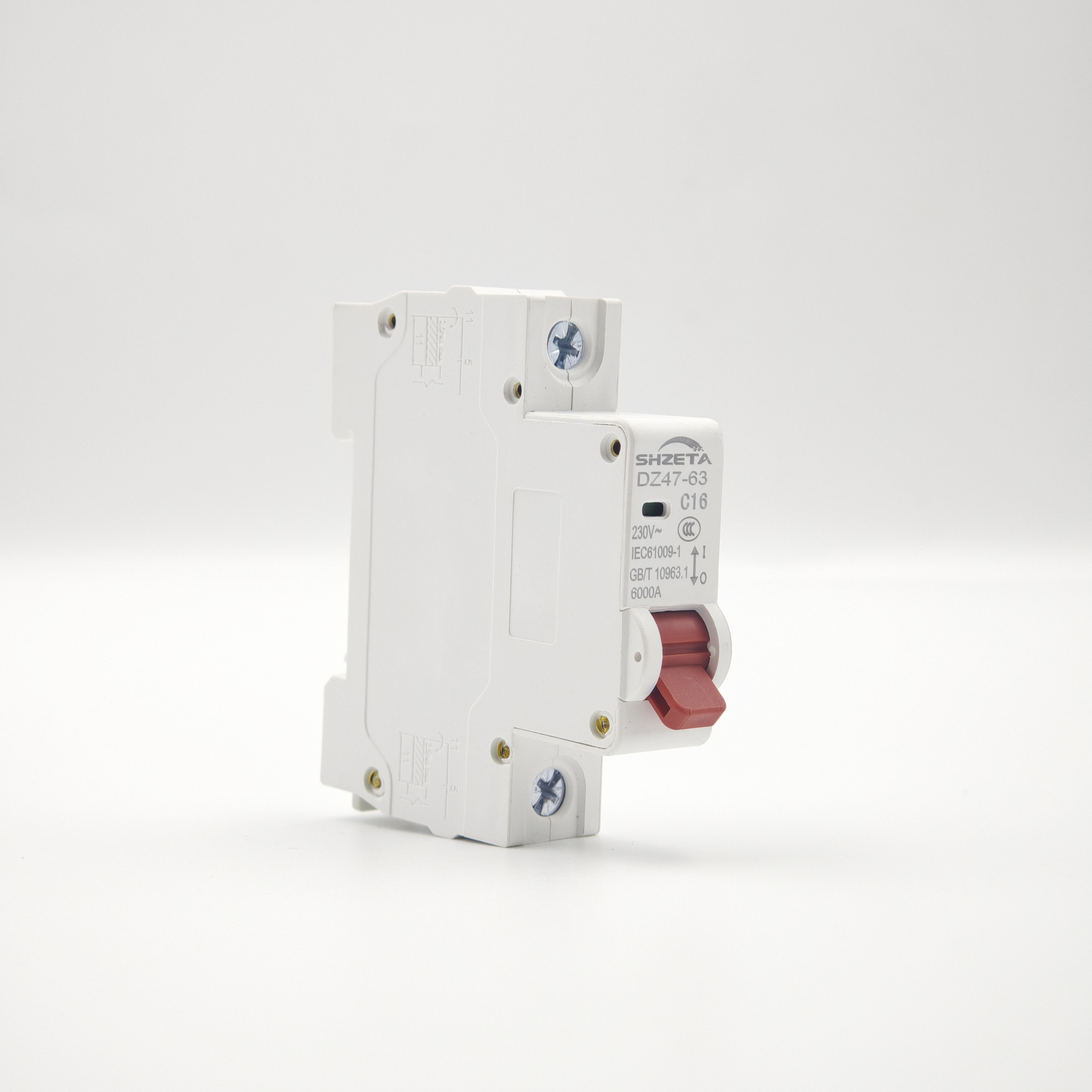
2P 80A 100A 125A DC MCB 500V Circuit Breaker C Curve Main Switch
Product Details →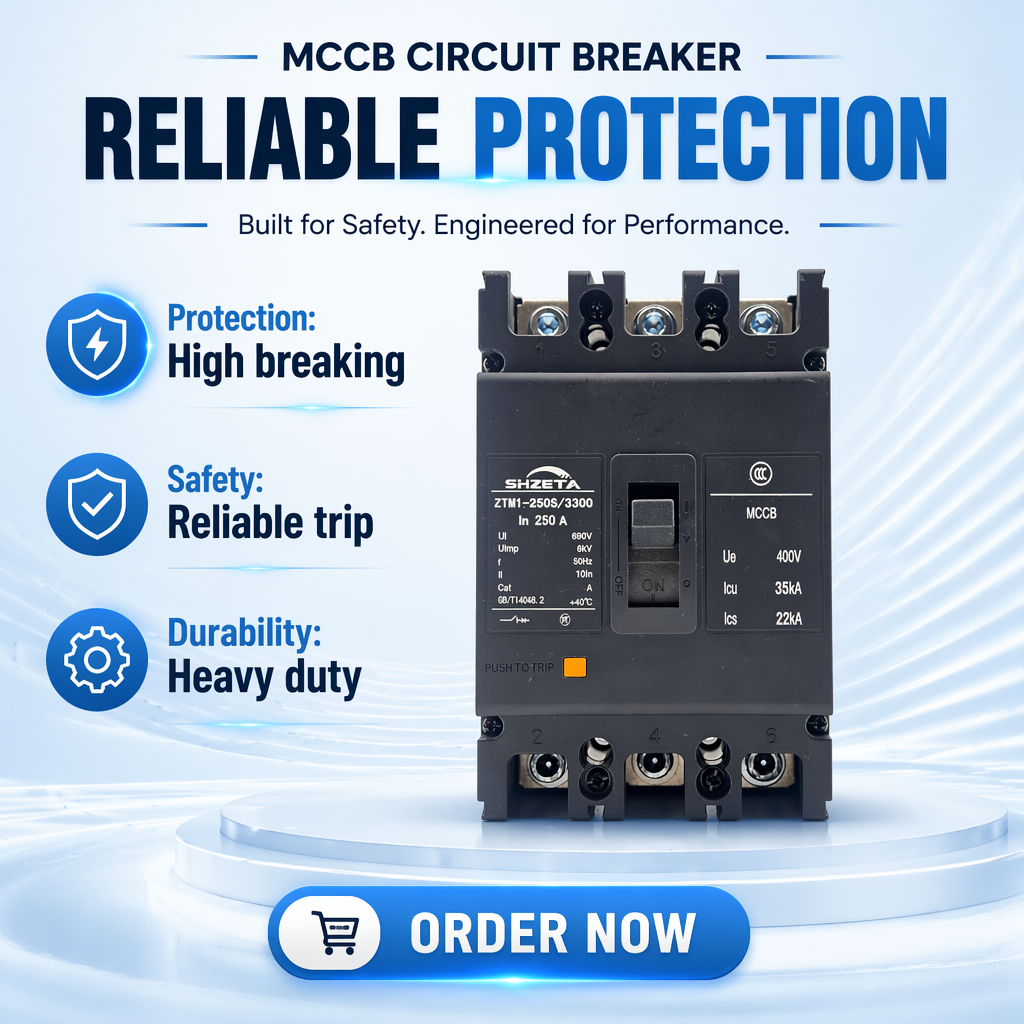
Molded Case Circuit Breaker Thermal-Magnetic Trip 50kA/100kA 400V/690V
Product Details →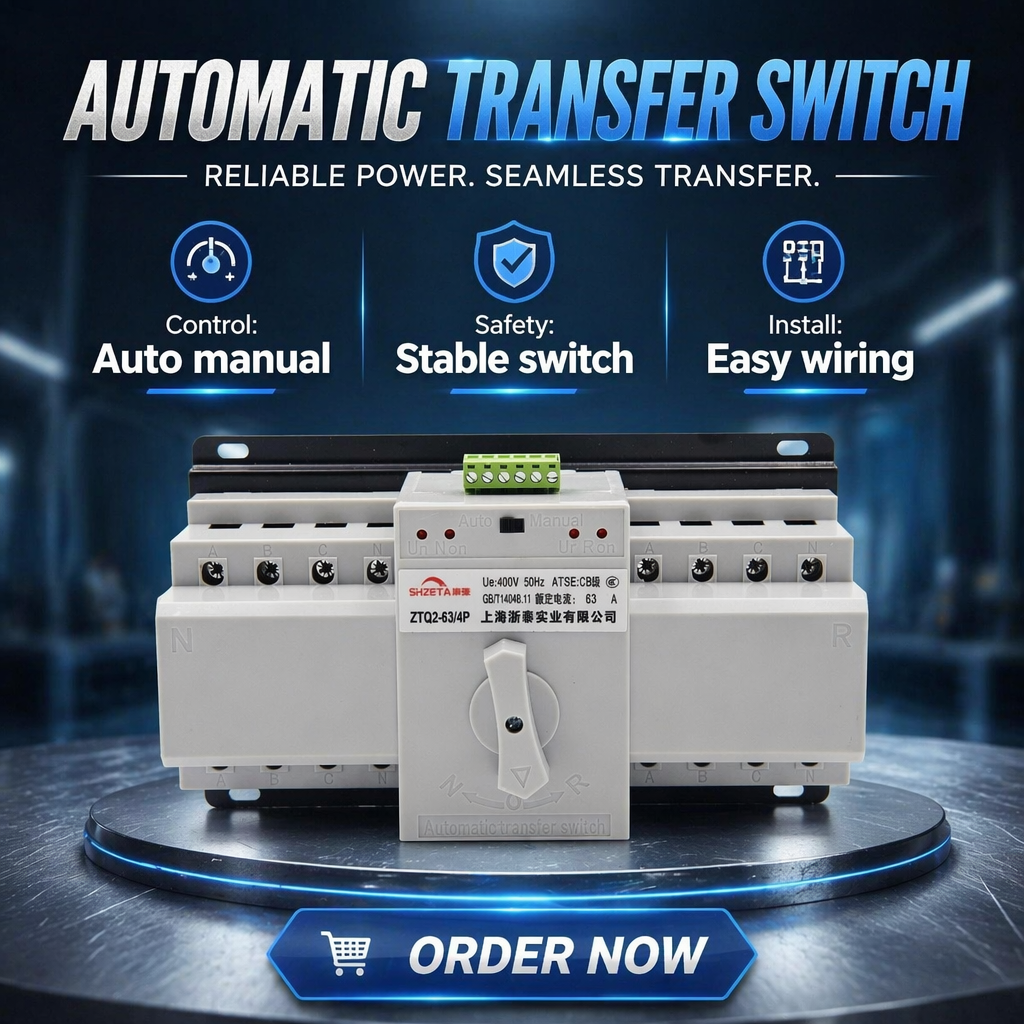
4P 63A Manual Changeover Switch Dual Power Transfer Breaker ATS
Product Details →
Engineering Whitepaper & Technical Analysis
Denver Power Ecosystem: Atmospheric & Grid Dynamics
Deploying low-voltage automatic transfer switches (ATS) and dual power systems in the Denver Metropolitan Area demands compliance with specific high-altitude dielectric phenomena, extreme climatic temperature swings, and localized electrical distribution codes.
Mile-High Altitude De-Rating
At Denver's baseline elevation of 5,280 ft (1,609 m) and surrounding front-range tech corridors reaching 6,000+ ft, ambient air density decreases markedly. Dielectric breakdown thresholds drop, requiring creepage distance modifications, augmented arc-chute clearances, and thermal de-rating of standard automatic transfer contacts by a factor of 0.96 to 0.98 according to ANSI/NEMA and IEC 60947 standards.
Front Range Winter Inversion
Colorado's severe freeze-thaw cycles and blizzards trigger severe line sag, phase dropouts, and sudden grid transitions across local utilities like Xcel Energy. Dual power switches must incorporate microsecond voltage-sensing logic to execute break-before-make or make-before-break transfers without allowing mechanical binding under thermal contraction down to -30°C.
Solar + BESS Microgrid Switching
With Colorado's aggressive Renewable Portfolio Standard (SB 19-236) targeting clean energy, local commercial facilities frequently operate hybrid setups: Utility Line + PV Storage Array + Backup Diesel. Our Class-PC and mechanically interlocked DC MCBs prevent dangerous backfeeding onto distribution feeders during islanding transitions.
OEM Engineering Note: Zhejiang Graybar Electric Co., Ltd. calibrates contact gaps, coil insulation, and quench chambers specifically to sustain continuous operation at elevation without early ionization discharge, ensuring uninterrupted electrical continuity for mission-critical installations across Denver, Aurora, Lakewood, and the Denver Tech Center (DTC).
Targeted Municipal & Industrial Deployments
Application Scenarios Across the Denver Metro Area
Real-world electrical topologies where our dual power switches, MCCBs, and automated changeover mechanisms safeguard continuity.
Denver Tech Center (DTC) Hyperscale & Edge Data Hubs
Facility engineers require Class-PC automatic transfer switches with switching transitions under 50 milliseconds to keep Tier II and Tier III server racks online during transformer failovers. Combined with our 4-pole molded case breakers (MCCBs), harmonic distortion in high-density IT power distribution units is isolated, avoiding common neutral overheating faults.
I-70 / DIA Distribution & Cold Storage Warehouses
The logistics and temperature-controlled cold-chain centers surrounding Denver International Airport cannot endure compressor power disruptions. Our 100A-250A frame ATS units interface with commercial diesel generators and local utility lines, initiating autonomous cold starts, power transfers, and motor shedding within seconds of line-loss detection.
Regulated Commercial Indoor Agriculture
Controlled-environment agriculture (CEA) and extraction labs throughout Adams and Denver Counties rely on high-load LED lighting banks and HVAC chilling cycles. Mechanical interlocking transfer switches eliminate fire hazards caused by accidental phase crossing when switching between peak-rate utility service and microgrid batteries.
Regional Healthcare Clinics & Mountain Ambulatory Centers
Outside central hospital networks, outlying surgery clinics in Golden, Boulder, and Littleton depend on compact DIN-rail ATS systems (DZ30LE and 63A ATS modular units) installed directly inside emergency lighting branch panels and life-safety sub-boards, fully aligned with emergency power supply system (EPSS) requirements.
Engineering Specification Architecture
Dual Power Switch Class Comparison: Denver Applications
Examine technical boundaries across switch classifications to match prospective fault currents and duty cycles accurately.
| Characteristic | Class PC (Modular Power ATS) | Class CB (Integrated Breaker ATS) | Manual Interlocking Dual MCB |
|---|---|---|---|
| Operating Mechanism | High-speed solenoid drive / Electromagnetic | Overcurrent trip unit + Motorized lever mechanism | Mechanical sliding lock / Manual lever |
| Transfer Speed | < 50 ms (Virtually uninterrupted) | 1.5 to 3.0 seconds (Timed sequencing) | Operator dependent (Manual intervention) |
| Withstand Capacity (Icw) | High withstand (up to 100kA with fuse/upstream) | Equivalent to breaker breaking capacity (10kA - 50kA) | 6kA - 10kA branch distribution |
| Typical Local Profile | Telecom towers, Front Range server infrastructure | Industrial manufacturing, water pump stations | Residential standby generators, Solar PV backup |
| Compliance Reference | IEC 60947-6-1 / UL 1008 Design Concept | IEC 60947-2 / IEC 60898-1 | IEC 60898-1 / Mechanical Safety Lockout |
Verified Manufacturing Powerhouse
Why Direct Importers & Switchboard Builders Rely on Graybar
Headquartered in Liushi Town, Wenzhou—the world epicenter of low-voltage electrical technology—Zhejiang Graybar Electric Co., Ltd. delivers proven manufacturing scalability directly to North American supply chains.
Vertical In-House Manufacturing
From precision terminal stamping and silver-cadmium contact brazing to injection molding of self-extinguishing thermoset enclosures, our production lines operate under one roof. This guarantees batch consistency, strict dimensional tolerances, and direct cost savings without intermediary markups.
100% Comprehensive Factory Audits
Every individual ATS, DC breaker, and thermal-magnetic trip unit undergoes automated dielectric insulation checks, millivolt drop tests, temperature-rise verification, and repeated mechanical cycling before entering export sea-worthy packaging.
B2B Flexibility: Low Sample MOQs
We eliminate sourcing bottlenecks for regional Denver distributors, electrical wholesalers, and switchgear fabricators. Standard transfer switches and MCB models ship with test MOQs starting at 5 pieces, while specialized Air Circuit Breakers start at 1 piece.
Market Dynamics & Future Outlook
Emerging Trends in Colorado's Power Transfer Market
Key market drivers shaping procurement decisions among Denver panel builders, engineers, and electrical contractors.
Electrification & Grid Loading
The swift transition to EV charging depots across the Front Range puts severe stress on legacy distribution transformers. Commercial property owners increasingly fit ATS hardware to shift non-essential utility loads directly to localized battery banks or standby power during high-rate utility peak windows.
Decentralized Microgrid Architectures
Industrial parks are moving away from monolithic central backups toward segmented sub-panel resilience. Modular, DIN-rail mounted 63A to 125A automatic transfer devices provide independent zone-level isolation, protecting individual automated robotic lines without tripping entire facilities.
Smart Building Telemetry Integration
Modern Denver construction specifications require dual power switches with built-in dry contacts and RS-485 Modbus RTU communication outputs. This enables real-time phase voltage monitoring, operating state notification, and predictive failure warning via building management systems (BMS).
Local Contractor & Buyer Support
Frequently Asked Questions: Sourcing for Denver
Clear answers addressing technical de-rating, customs compliance, wiring topography, and order execution.
How does Denver's 5,280 ft altitude impact transfer switch selection?
Due to lower atmospheric pressure and thinner air at 5,000+ feet, air cooling efficiency is reduced and the breakdown voltage of air gaps drops. When sizing an ATS for Denver, thermal current ratings are typically de-rated by roughly 2% to 4%, or specified with an upgraded frame size (e.g., using a 100A or 125A frame for an 80A continuous load). Our engineering team assists buyers with single-line elevation sizing to prevent unwarranted thermal trips.
What is the difference between Class PC and Class CB transfer switches?
A Class PC ATS is specifically designed to transfer load circuits and withstand high short-circuit currents without needing its own integral overcurrent protection mechanism. It achieves rapid transfer times (<50ms), making it ideal for IT equipment and data hubs. A Class CB ATS incorporates thermal-magnetic or electronic trip units directly inside the switch, acting as both an automatic transfer mechanism and a circuit breaker, prioritizing branch fault clearance.
Can these dual power transfer switches be used with residential and commercial solar hybrid systems?
Yes. Our PC-Type ATS and mechanical interlocking MCBs are widely deployed in PV-plus-storage topologies. They ensure full galvanic separation between the incoming grid power and the backup battery inverter, eliminating phase synchronization accidents and guaranteeing line crews safety by preventing anti-islanding backfeed during grid maintenance.
Does Zhejiang Graybar Electric support OEM private labeling and custom engineering?
Absolutely. We provide comprehensive OEM/ODM services including laser-etched private branding, custom terminal connections, specific coil operating voltages (e.g., 110V AC, 220V AC, 24V DC), custom color plastics, and tailor-made packaging complete with English-language wiring and schematics manuals.
What are the typical lead times and shipping logistics to Colorado?
Sample and evaluation quantities (5-20 pcs) are dispatched within 3 to 7 business days via air express (DHL/FedEx/UPS), reaching Denver International Airport within 5-8 days. Bulk containerized consignments depart from Ningbo or Shanghai port with arrival at US West Coast ports followed by intermodal rail transport directly into Denver rail terminals.
What international standards and certifications back your circuit breakers and transfer gear?
All devices are engineered in strict conformance to relevant global standards: IEC 60947-6-1 for Automatic Transfer Equipment, IEC 60947-2 for MCCBs/ACBs, IEC 60898-1 for MCBs, and IEC 61643-11 for Surge Protective Devices. Certified test reports, type-test certificates, and mechanical endurance sheets are available on technical request.
Connect with Our Power Distribution Application Engineers
Whether you require a project bill of materials (BOM) review, altitude de-rating calculation, or bespoke OEM pricing for the Denver regional market, our direct factory team is ready to assist.
Contact Us