Featured Dual Power Transfer Switches & Protection Systems
Precision-manufactured in Liushi, Wenzhou for switchgear builders, solar contractors, and industrial electrical distributors in Rishon LeZion and the Dan Metropolitan Area.
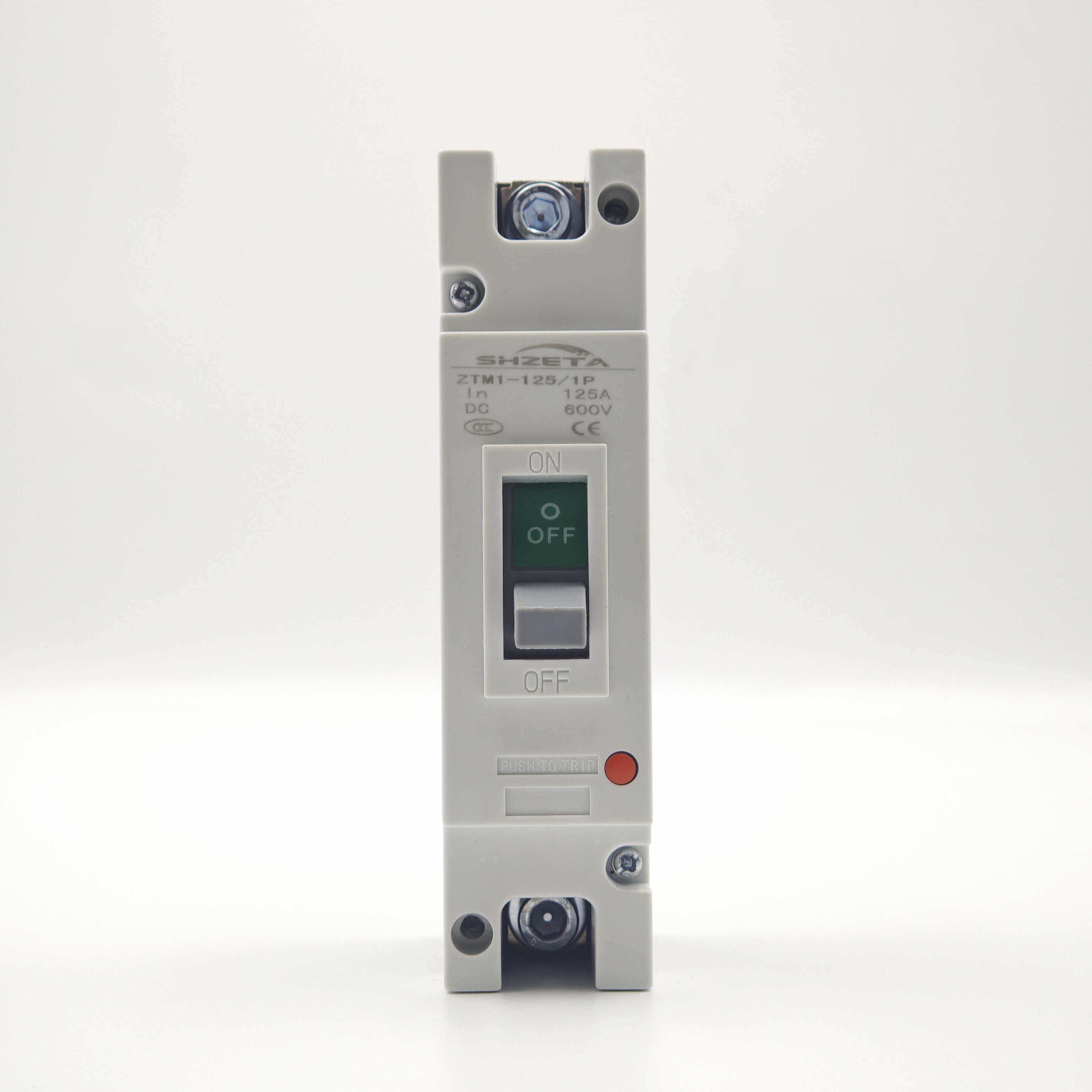
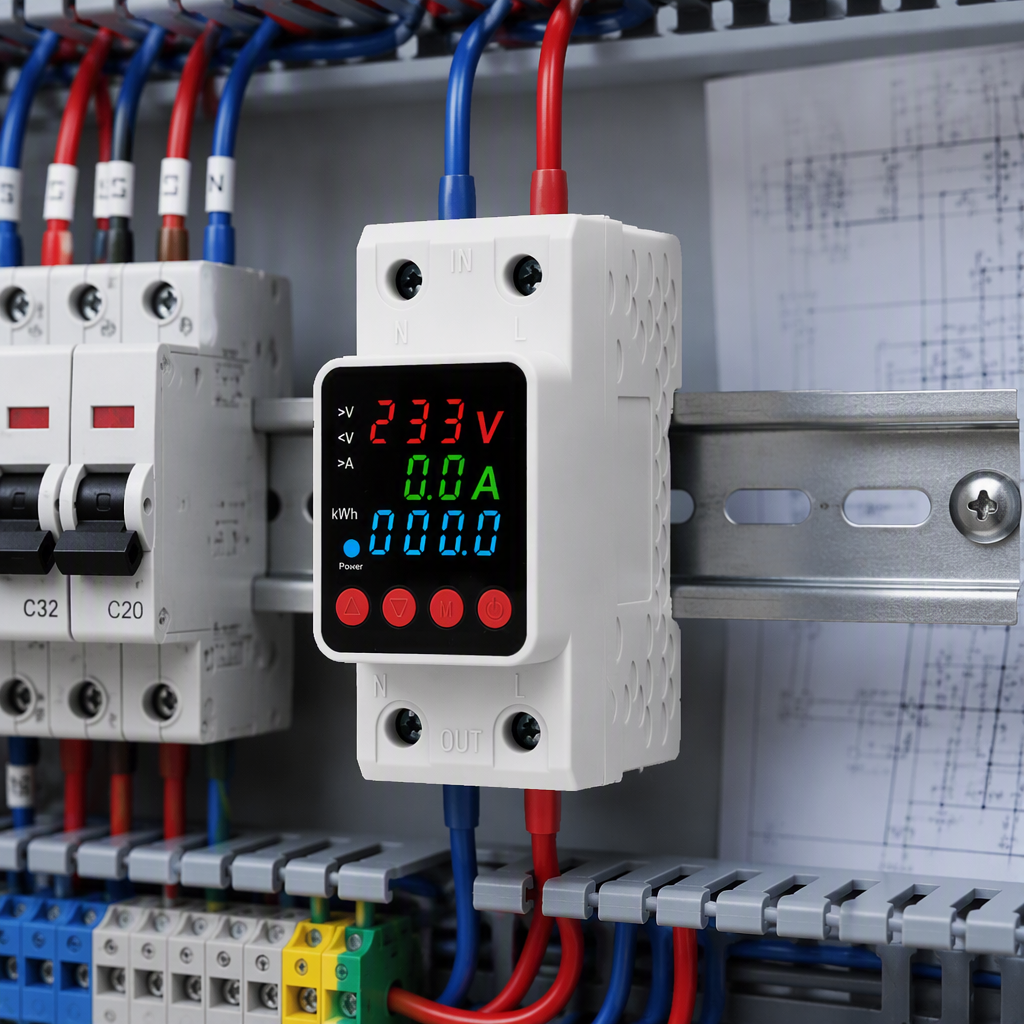
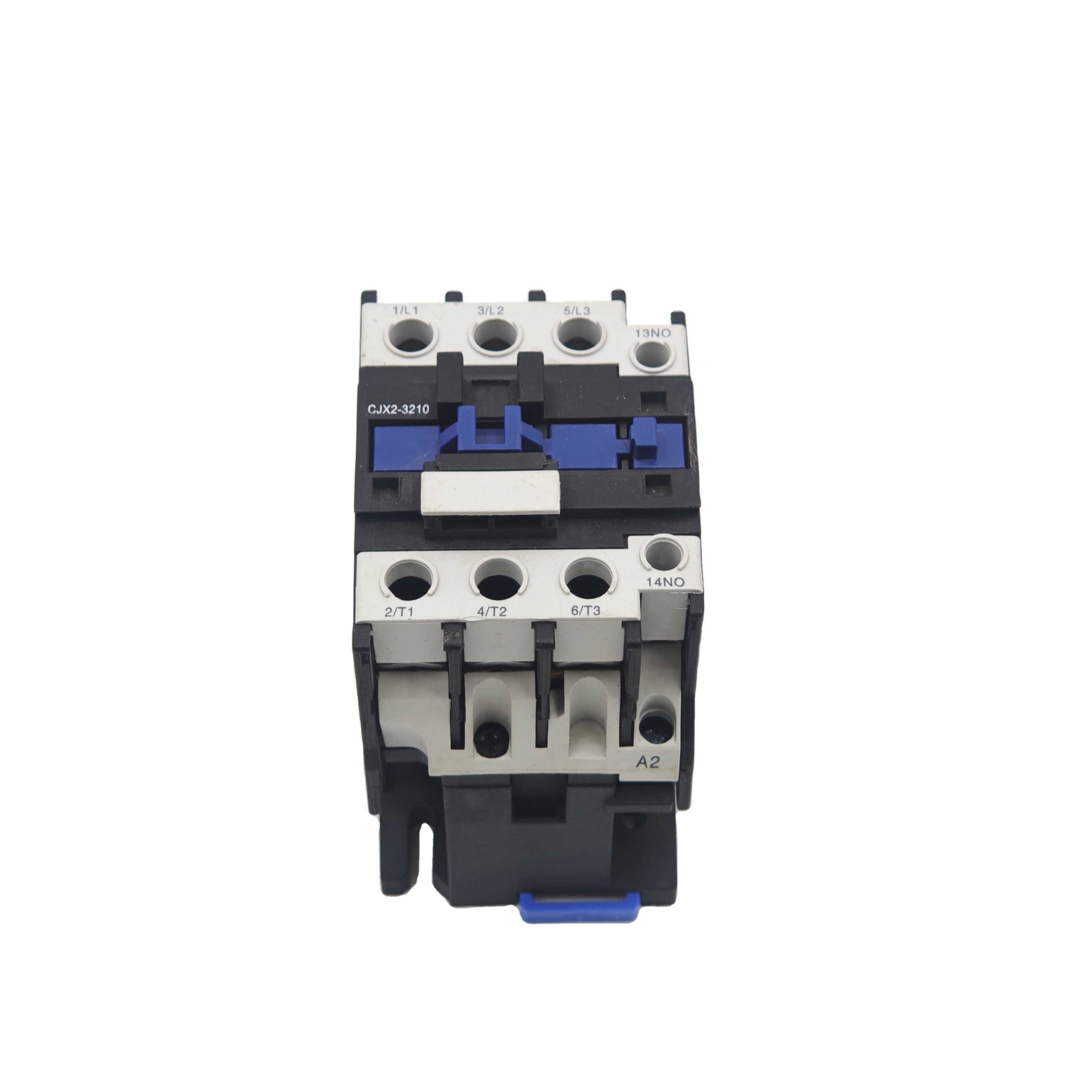
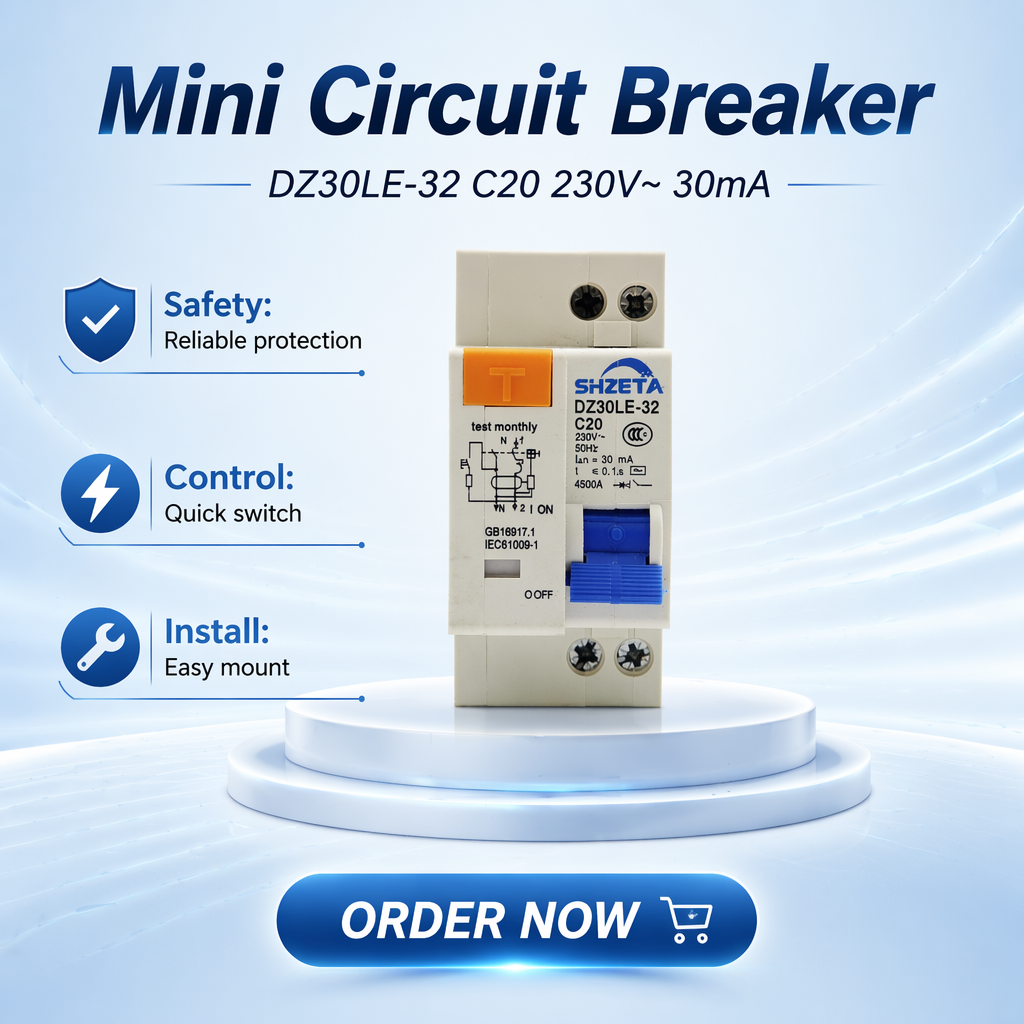
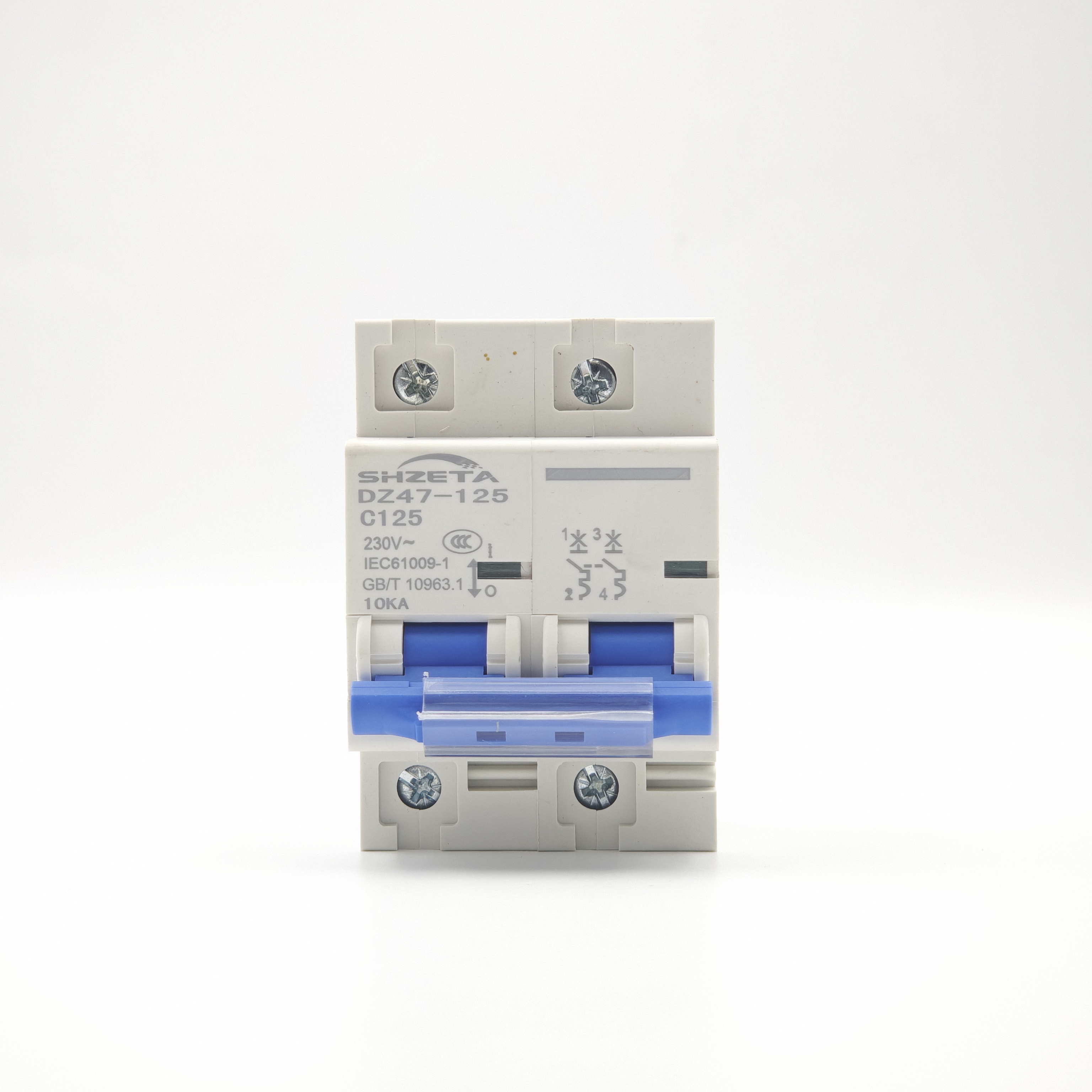
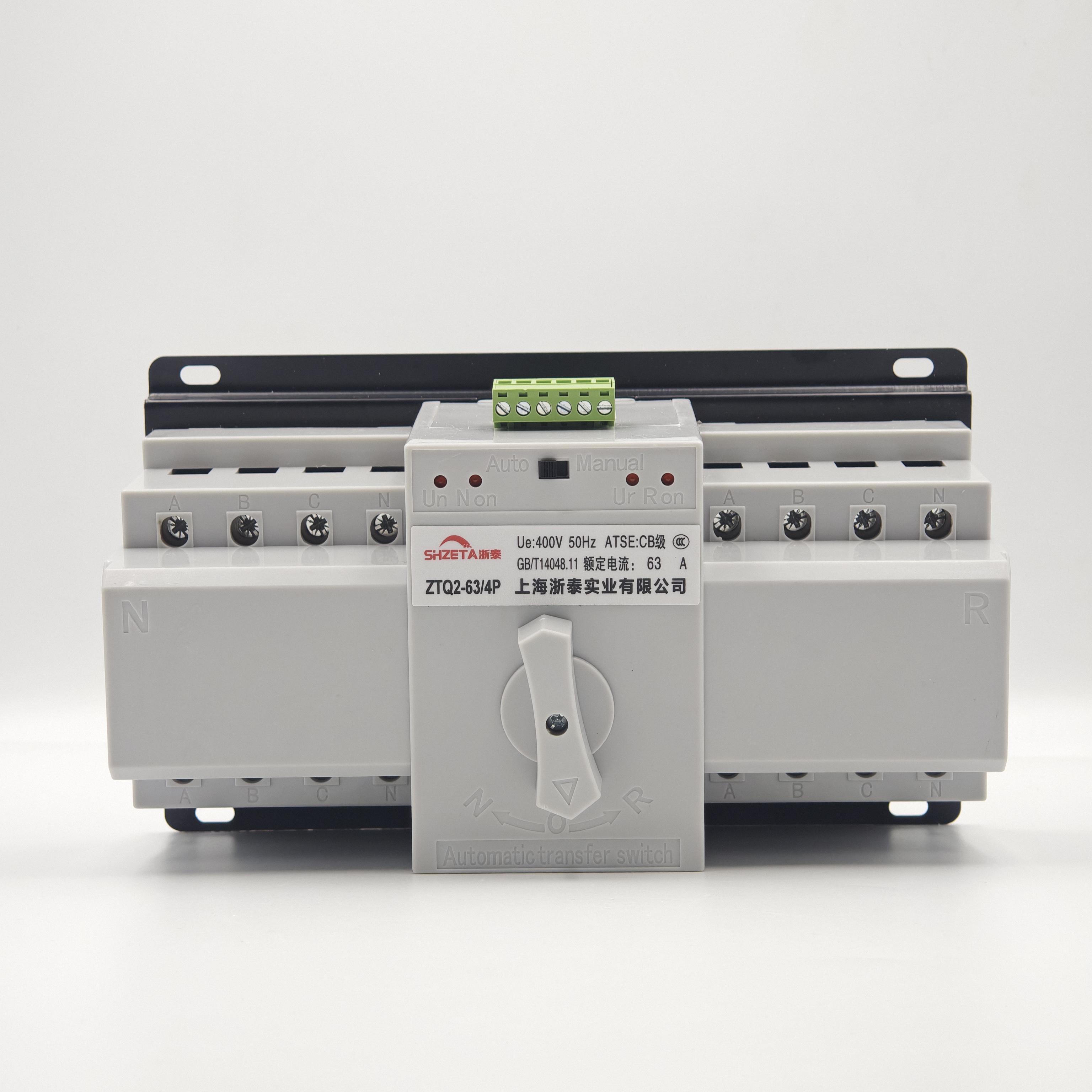
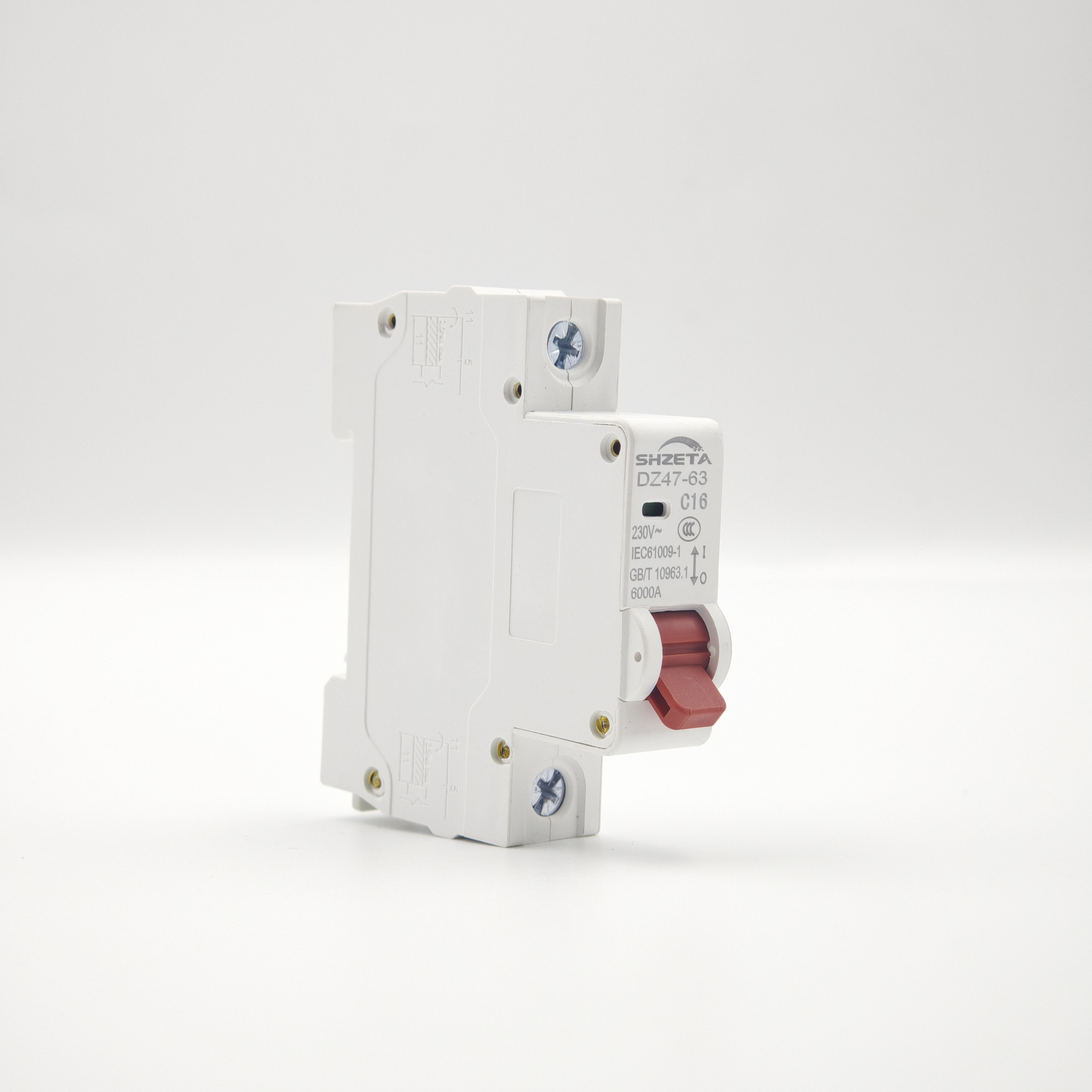
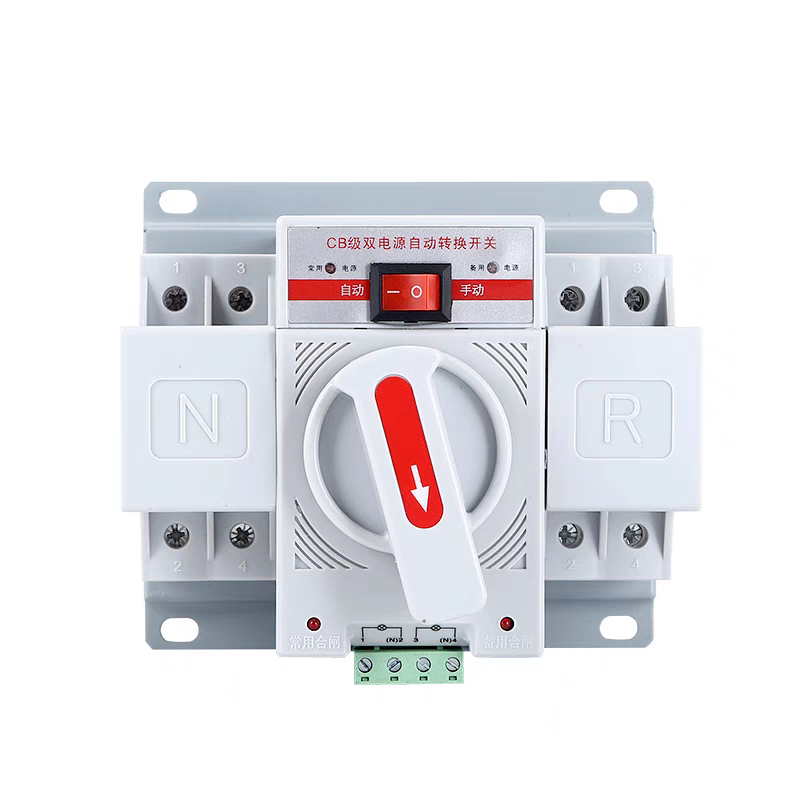
Architectural Whitepaper: Dual Power ATS Dynamics in Modern Electrical Infrastructure
In modern power engineering, the dual power automatic transfer switch (ATS) represents the definitive nexus between primary grid stability and critical emergency generation. For commercial facilities, data centers, and advanced manufacturing operations in Rishon LeZion, an ATS does not simply switch power lines; it manages complex electrodynamic phenomena, transient arc quenching, contact erosion, and phase-angle synchronization. Dual power transfer systems are broadly categorized into CB-Class (Circuit Breaker Based) and PC-Class (Power Contact Based) architectures. Understanding the distinct electromechanical topology of each is essential for consulting engineers, switchboard builders, and electrical contractors operating under the rigorous safety requirements of the Israeli Electricity Authority.
Our CB-class automatic transfer switches incorporate integrated overcurrent and short-circuit release trips directly inside the motorized transfer assembly. Based on dual interlocked miniature or moulded case circuit breaker frames, these units offer a compact, dual-function package: providing short-circuit protection and load transfer in a single modular envelope. Conversely, our PC-class ATS devices prioritize short-time withstand current ratings (Icw) and mechanical longevity without providing internal tripping mechanisms, ensuring that the switch survives prospective fault currents while upstream protection clears localized anomalies. By utilizing high-velocity solenoid drives and high silver-content contact points (AgCdO / AgSnO2), our devices achieve transition velocities below 50 milliseconds, effectively mitigating voltage sagging and safeguarding downstream electronic switchgear.
Engineering Selection Matrix: Dual Power ATS Configurations
Specifying the appropriate automatic transfer switch for installations in Rishon LeZion demands meticulous evaluation of prospective short-circuit levels, thermal endurance under coastal ambient heat, and the specific earthing schema enforced by the Israeli Electricity Law (חוק החשמל).
| Switch Type | Rated Current (In) | Poles Available | Transition Architecture | Arc Extinction System | Optimal Deployment |
|---|---|---|---|---|---|
| DIN-Rail Modular ATS | 10A – 125A | 2P / 3P / 4P | Open Transition (<50ms) | Multi-plate De-ion Chutes | Residential boards, telecom nodes, PV micro-inverters |
| CB-Class Dual MCCB ATS | 63A – 630A | 3P / 4P Switched Neutral | Break-Before-Make Mechanical | Magnetic Blowout + Splitters | Industrial feeders, logistics parks, pump stations |
| PC-Class Solenoid ATS | 100A – 1600A | 3P / 4P Overlapping Neutral | High-Speed Pulse Solenoid | Zero-Arc Dual Contact Gap | Hospitals, Tier II/III data facilities, commercial malls |
| BESS/Solar Dual Power ATS | 32A – 250A | 4-Pole (True Neutral Isolation) | Synchronized Microgrid Transfer | Enclosed Ceramic Arc Chamber | Commercial rooftop PV with BESS, hybrid microgrids |
Targeted Deployment Scenarios Across Rishon LeZion's Infrastructure
Rishon LeZion stands as Israel's fourth-largest metropolis and a primary economic engine within the Central District. Situated along the Mediterranean coastal corridor, the city blends sprawling commercial shopping zones, dense multi-story residential developments, high-throughput logistics hubs, and modern wastewater and desalination installations. Dual power automatic transfer switches deployed here face rigorous localized demands ranging from marine salt air corrosion to stringent Israeli electrical safety regulations.
Mevo Ayalon & West Industrial Zone
Rishon LeZion hosts major national supply chain, food processing, and pharmaceutical cold storage distribution centers along Highway 431 and Route 4.
- Automatic transfer between utility grid and backup diesel gensets.
- Eliminates continuous refrigeration disruptions during micro-cuts.
- 4-pole MCCB ATS units isolate neutral conductors to avoid ground fault tripping.
- Built-in programmable generator crank delays and engine cooldown cycles.
City Center & Kiryat Rishon Towers
Rapid vertical development requires uncompromised emergency power for firefighting booster pumps, smoke extraction fans, and evacuation elevators.
- Compact DIN-rail ATS systems embedded within floor distribution panels.
- Mechanical interlocking prevents hazardous out-of-phase cross-connections.
- Seamless integration with building management systems (BMS via dry contacts).
- Self-extinguishing V0-rated polymer housings ensuring low-smoke emission.
Rooftop Solar & BESS Installations
Commercial rooftops across Rishon LeZion's industrial parks are transitioning into active grid-tied and islanded solar-plus-storage microgrids.
- Handles rapid changeover between solar storage inverters and IEC utility power.
- High-frequency cycling resilience with heavy-duty silver-tin contacts.
- Pairing with DC MCBs (500V/1000V) and specialized surge arresters (SPD).
- Compliant with IEC 60947-6-1 utilization category AC-33B for inductive switching.
Market Trends & Compliance Drivers in the Central Israel Electrical Sector
The electrical infrastructure market in Rishon LeZion and the broader Gush Dan territory is experiencing a profound transition driven by four distinct technological and regulatory vectors:
1. Mandatory 4-Pole Neutral Isolation in TT and TN-S Systems: Under the regulations outlined in the Israeli Electricity Law, neutral floating or accidental circulating ground loops pose catastrophic hazards during power transfers between grid transformers and on-site generators. In typical TT installations found in older Rishon LeZion districts and modern TN-S schemas in newer zones, panel builders strictly demand true 4-pole switching mechanisms. Our ATS product lineup integrates synchronized or overlapping switched neutral poles, ensuring absolute galvanic separation and preventing spurious tripping of upstream residual current devices (RCDs).
2. Microgrid Islanding and Solar-Plus-Storage Integration: In alignment with national renewable energy targets aiming for 30% solar electricity generation by 2030, commercial complexes in Rishon LeZion are deploying vast rooftop photovoltaic (PV) systems coupled with battery energy storage systems (BESS). When the main grid experiences frequency fluctuations or scheduled maintenance, smart ATS systems isolate the internal microgrid within milliseconds, allowing critical cold chain and computing infrastructure to function in islanded autonomy without backfeeding onto the public grid.
3. Harsh Mediterranean Coastal Climate Demands: Rishon LeZion's western borders face direct exposure to maritime humidity, airborne saline aerosols, and high summer ambient temperatures frequently exceeding 38°C in outdoor kiosks and rooftop enclosures. Standard switchgear susceptible to galvanic oxidation quickly fails. Our exported transfer switches incorporate corrosion-resistant nickel-plated copper busbars, reinforced tropicalized terminal lugs, and high-temperature flame-retardant thermoplastics designed for continuous duty up to 70°C derating curves.
4. Strict Pre-Shipment Compliance with IEC 60947-6-1: To facilitate seamless clearance through the Standards Institution of Israel (SII) and ensure rapid acceptance by municipal electrical inspectors, electrical hardware must present comprehensive, verifiable test documentation. Our products carry international CB scheme test certificates, CE documentation, and verified IEC laboratory performance audits, completely removing administrative friction for Israeli importers and contractors.
Why Israeli Panel Builders & Importers Choose Graybar
Direct from our manufacturing hub in Liushi, Wenzhou—delivering engineering precision, agile OEM customizations, and low minimum order quantities.
Liushi Supply Ecosystem
Located in the heart of China's premier electrical cluster, we command direct raw material control over silver contacts, high-grade silicon steel, and flame-retardant housings for short production lead times.
100% Factory Calibration
Every individual ATS, MCCB, and MCB undergoes automated mechanical endurance verification, trip-curve profiling, and high-voltage dielectric insulation testing prior to export packing.
Low Evaluation MOQs
Standard ATS and MCCB configurations start from just 5 pieces, while complex ACB incomers begin at 1 piece, permitting Israeli switchboard workshops to validate physical fit and electrical compliance before container scaling.
Complete OEM & Documentation
We provide comprehensive private labeling, custom laser marking, tailored Hebrew/English terminal diagrams, multilingual installation sheets, and full CB/IEC type-test reports for streamlined SII customs approval.
Frequently Asked Questions for Rishon LeZion Electrical Importers
Essential commercial and engineering guidance addressing common technical, regulatory, and logistics queries from electrical contractors, switchboard builders, and distributors in Rishon LeZion.
Why is 4-pole switching mandatory for dual power ATS installations in Rishon LeZion?
How do Graybar transfer switches comply with the Standards Institution of Israel (SII)?
Can these transfer switches withstand coastal humidity and high ambient summer temperatures?
What is the switching transition time, and will sensitive IT or telecom systems reset during changeover?
What are the logistics lead times and shipping routes for consignments to Ashdod Port?
Do you accommodate custom OEM private branding for Israeli switchboard manufacturers?
Request Technical Submittals & Israeli Project Quotations
Collaborate directly with our electrical engineering export division. Submit your single-line diagrams, tender specifications, or bill of materials for comprehensive pricing and certified IEC datasheets.