Engineered Low-Voltage Protection & Switching Systems
Explore our precision-manufactured circuit breakers, automated transfer switches, and voltage monitoring hardware configured for rugged operational resilience.
Engineering Analysis: The Critical Role of Adjustable MCCBs in Voltage-Stressed Electrical Networks
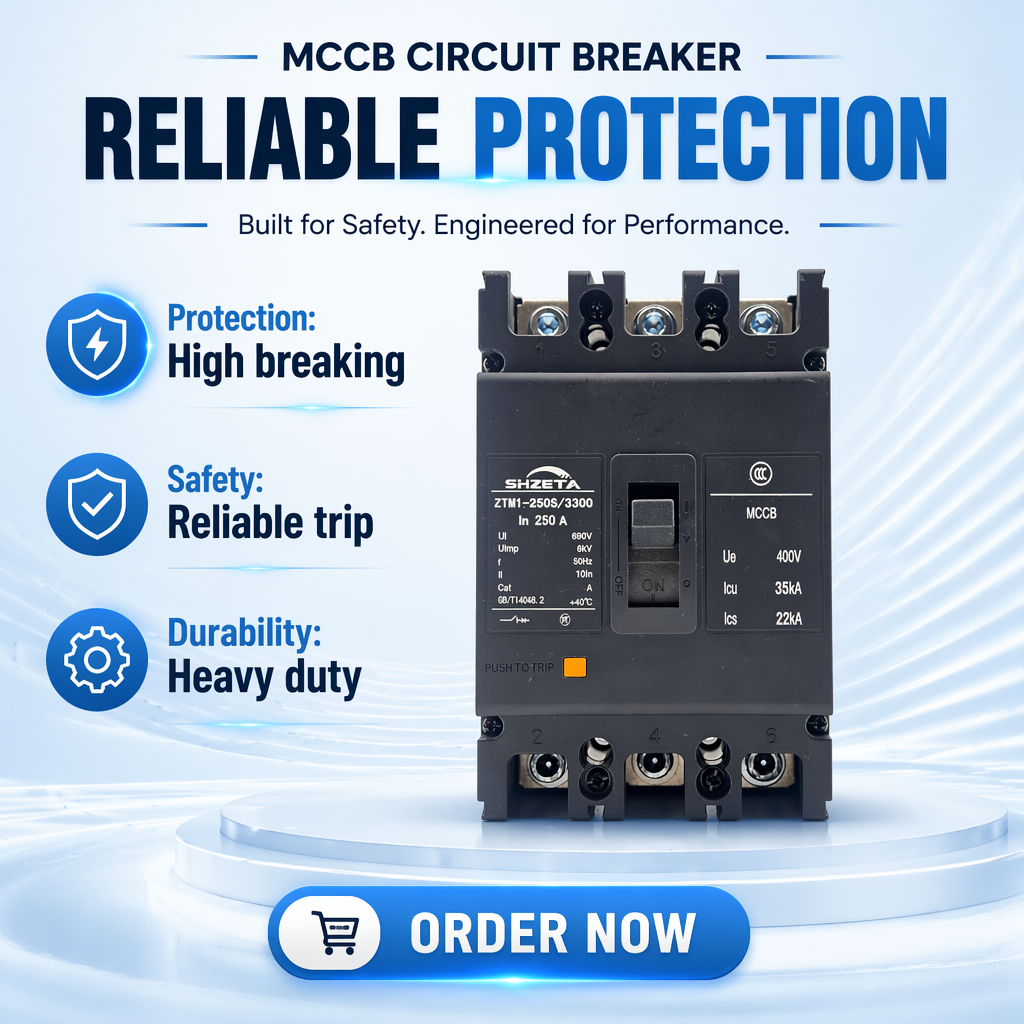
Molded Case Circuit Breakers (MCCBs) form the foundational backbone of low-voltage electrical distribution, serving as the essential barrier protecting capital equipment, downstream conductors, and industrial facilities from thermal overloads and electrodynamic short circuits. In ideal, tightly controlled electrical grids, standard fixed-trip MCCBs suffice. However, in regions experiencing severe transmission bottlenecks, intermittent power supply, and wide voltage oscillations—such as those encountered across industrial corridors in the North Korea market—the deployment of fixed-trip protection hardware introduces severe operational risks, including nuisance tripping, contact welding, and cataclysmic conductor burnouts.
An adjustable MCCB incorporates either a mechanical dial-calibrated bimetallic thermal element or an intelligent microprocessor-based Electronic Trip Unit (ETU). By allowing electrical engineers and panel builders to adjust the nominal continuous current rating (Ir) between 0.7× and 1.0× of the frame rating (In), the breaker can be precision-tuned to account for fluctuating line voltages. When system voltage sags below nominal levels—a common occurrence when regional heavy industrial loads suddenly energize—inductive loads such as asynchronous motors demand increased amperage to maintain mechanical torque output (P = √3 × V × I × cosφ). A fixed circuit breaker calibrated precisely to nominal current will routinely trip during brownout events, paralyzing continuous production lines in processing complexes and mining sites.
Technical Insight: Deploying adjustable thermal-magnetic MCCBs with independently variable magnetic short-circuit pickups (Ii = 5–10× In) prevents nuisance tripping caused by high-inrush starting currents in industrial blowers, slurry pumps, and textile spinning machines, while retaining rapid sub-10-millisecond arc quenching during destructive prospective short circuits.
Furthermore, our Zhejiang Graybar Electric adjustable MCCB architectures incorporate heavy-duty copper-tungsten and silver-nickel alloy contact buttons, advanced de-ionizing arc-extinguishing chutes composed of parallel vulcanized fiber and steel splitter plates, and glass-reinforced thermoset polyester (DMC/BMC) housings with elevated Comparative Tracking Index (CTI > 600V) ratings. This mechanical topology ensures that even under repeated trip sequences at maximum prospective fault levels (up to 100kA breaking capacity at 400VAC), structural dielectric integrity remains uncompromised.
Localized Industrial Application Scenarios in the North Korea Market
Procuring electrical components for infrastructure and industrial rehabilitation in North Korea requires a thorough understanding of localized operational constraints. Power generation within the region relies heavily on a seasonal bifurcated mix: hydroelectric generation dominates during the spring and summer rainfall periods, while coal-fired thermal generation carries the base load during severe, sub-zero winter months. This seasonality creates unique electrical distribution challenges across key industrial zones:
Mining & Extraction Complexes
In heavy mineral extraction regions such as the Komdok mining belt and Musan iron ore facilities, deep underground extraction pumps, ventilation shafts, and continuous ball mills generate high-vibration, highly dust-laden operating conditions. Our adjustable 250A to 630A MCCBs provide custom thermal calibration to withstand sustained ambient temperatures of -20°C while protecting high-power 380V/660V induction motors against rotor locking and phase imbalance.
Metallurgical & Heavy Foundries
Smelting and steel-making installations like the Chollima Steel Complex experience massive harmonic distortions and severe localized voltage dips during electric arc furnace operation. Graybar's 4-Pole adjustable MCCBs ensure full isolation of neutral harmonics, preventing catastrophic neutral conductor overheating and mitigating common-mode transient damage to auxiliary motor drive circuits.
Agricultural Irrigation Pumping Stations
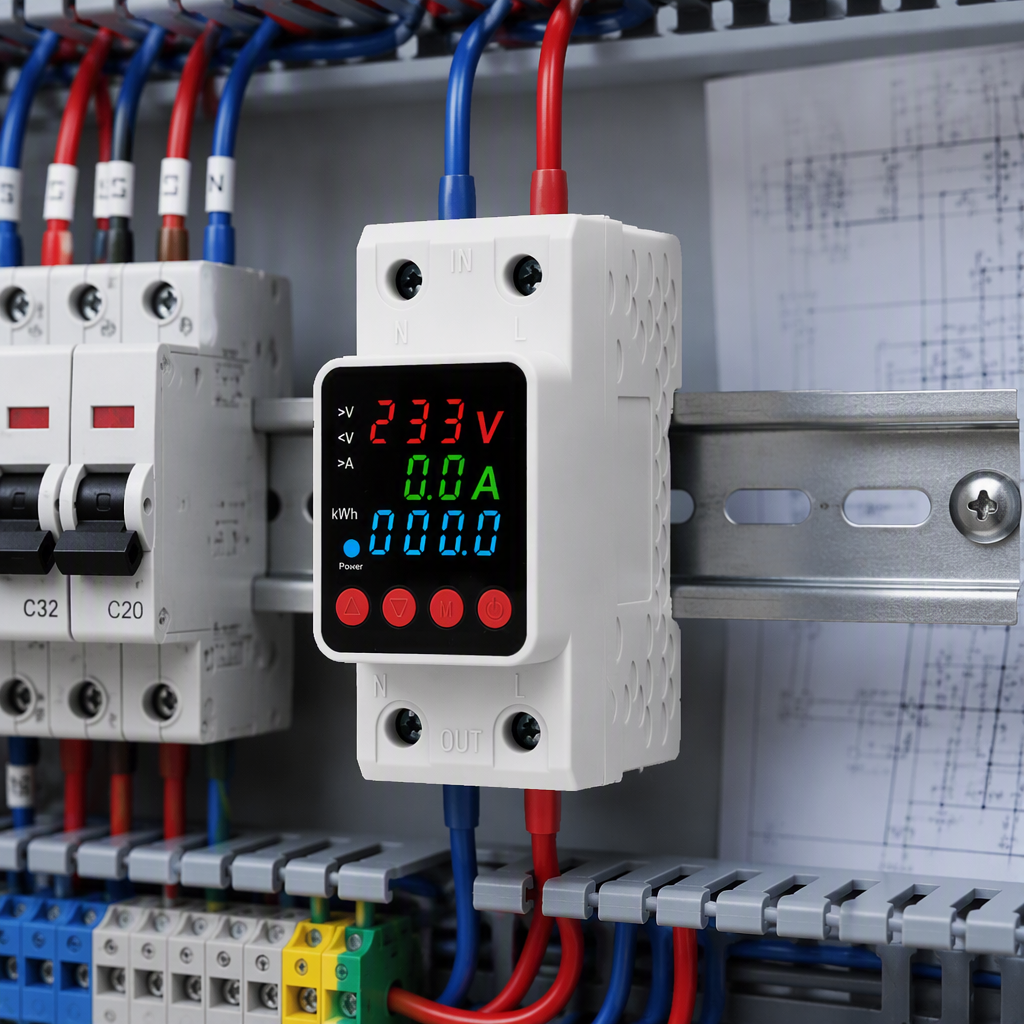
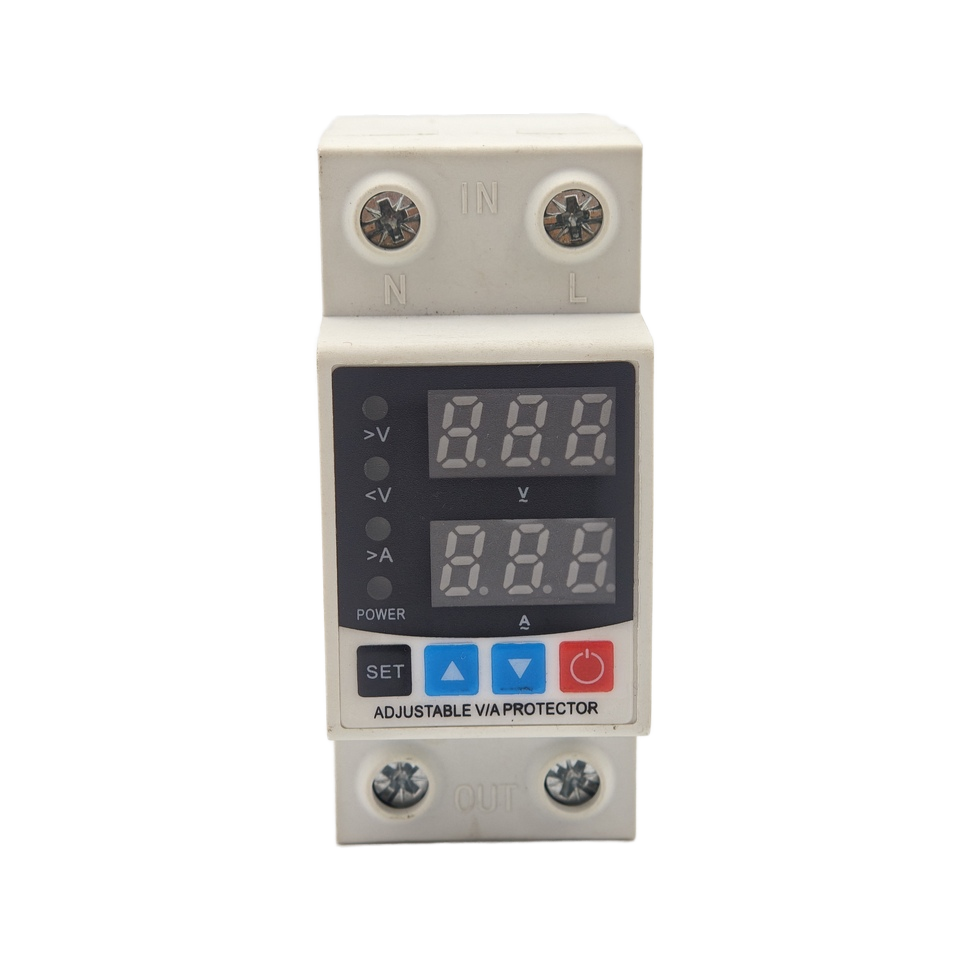
Along the vast agricultural river plains of the Taedong and Chongchon basins, extensive networks of multi-stage water pumps operate on long rural distribution spurs subject to extreme line impedance and line drops. Integrating Graybar adjustable MCCBs with our DIN-rail over/under-voltage protectors ensures irrigation motors are spared from low-voltage brownout overheating.
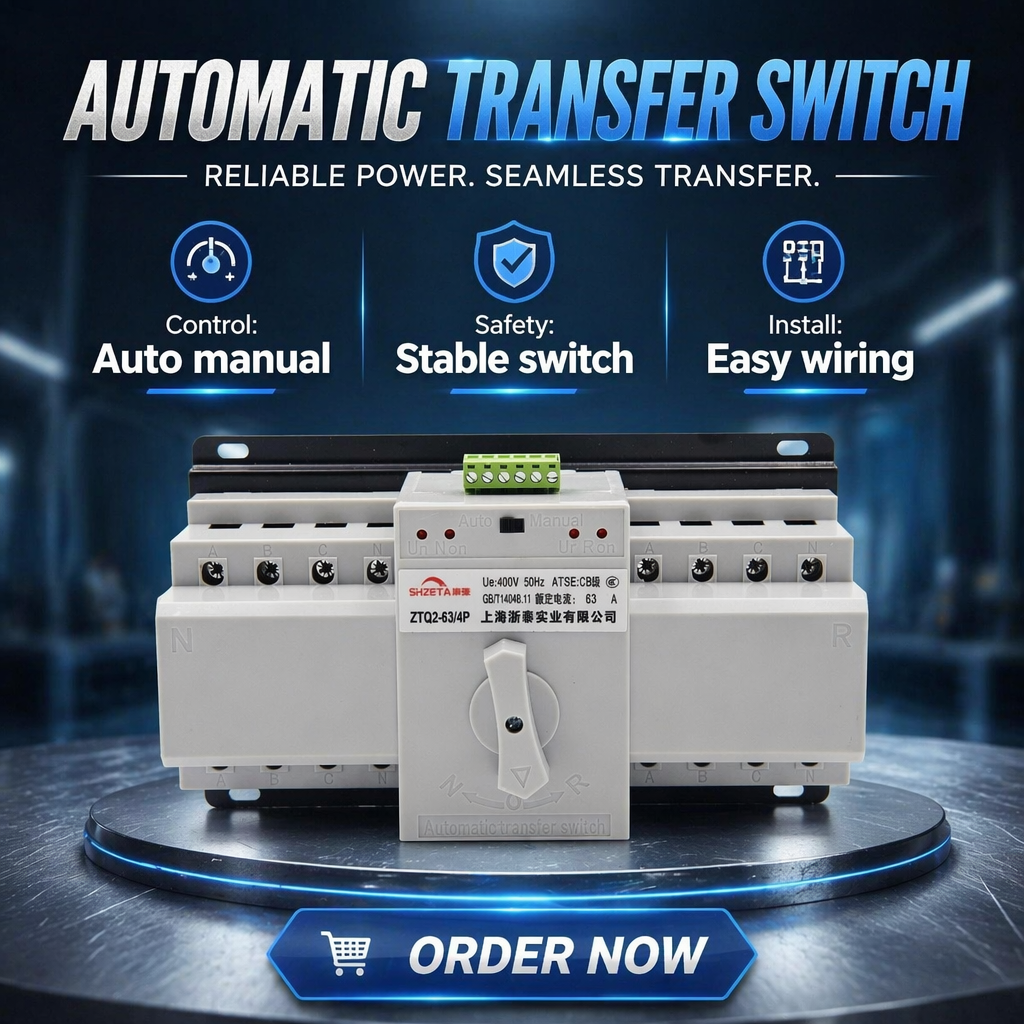
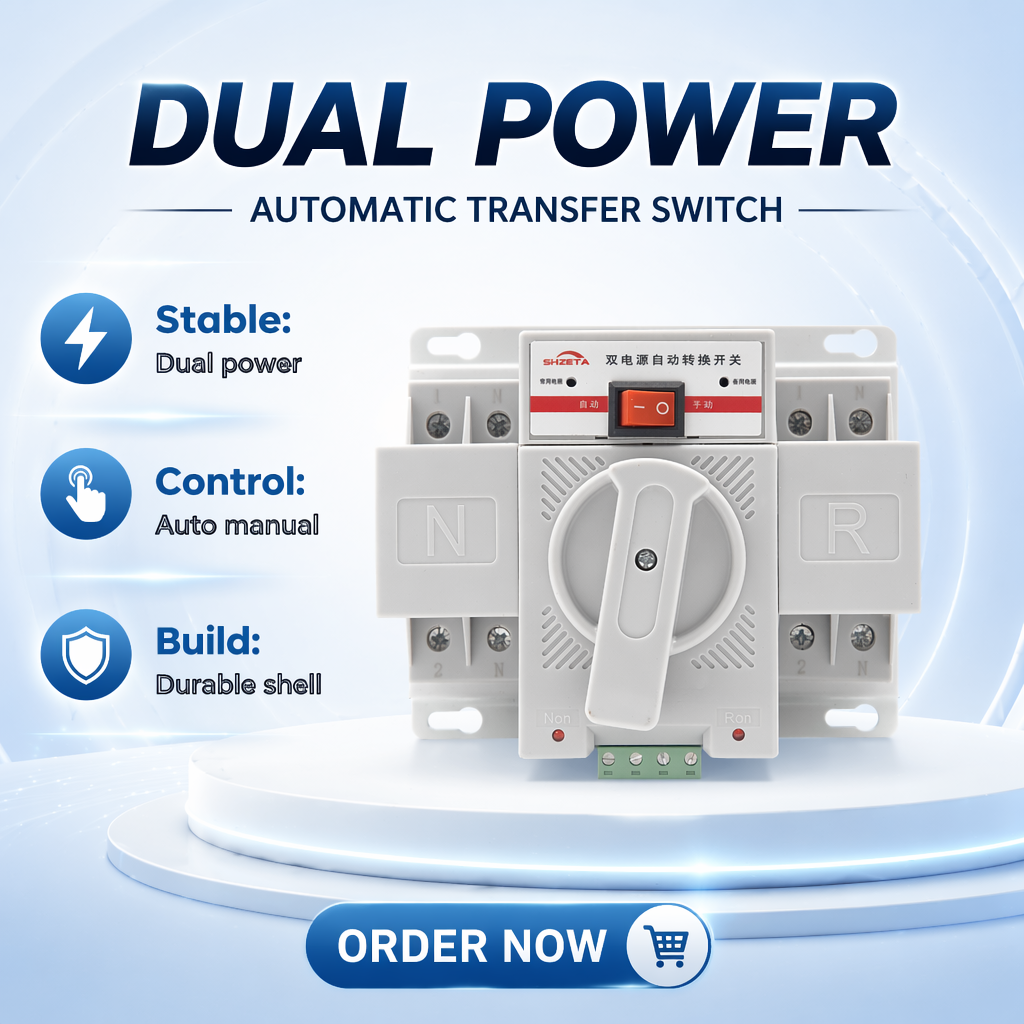
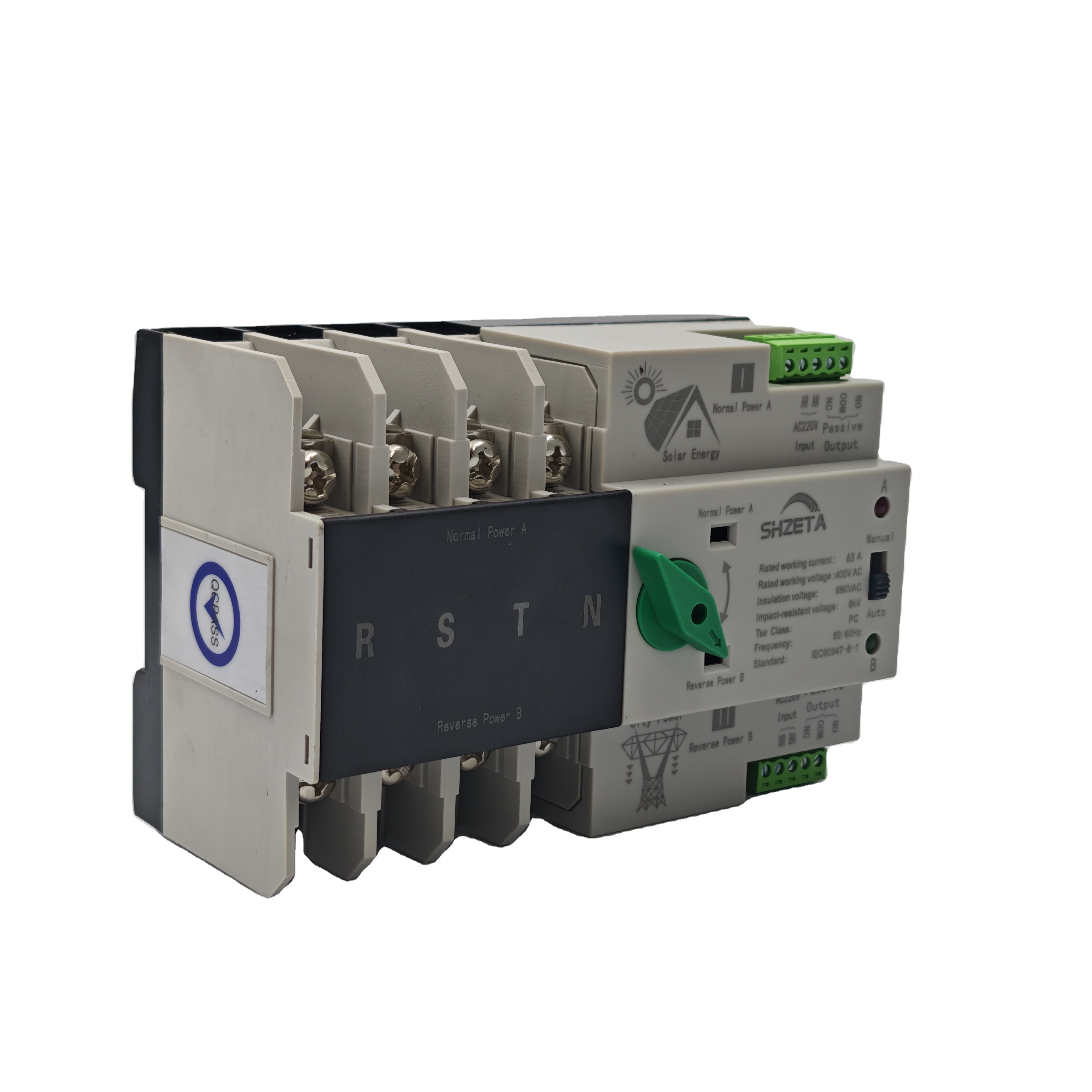
Additionally, urban light manufacturing, textile weaving complexes in Pyongyang and Sinuiju, and food processing facilities depend on high-reliability, dual-source power boards. Coupling our adjustable thermal-magnetic MCCBs with automated transfer switches (ATS) allows uninterrupted transfer between municipal grid feeds and localized emergency diesel generator plants, preventing lengthy and costly production halts.
Technical Benchmark: Thermal-Magnetic vs. Electronic Trip Units in Harsh Grid Conditions
When selecting circuit protection hardware for demanding distribution boards, electrical engineers must balance sensitivity, ruggedness, maintenance complexity, and unit economics. The table below outlines how Graybar's adjustable MCCB architectures compare across fundamental performance metrics:
| Evaluation Parameter | Adjustable Thermal-Magnetic MCCB | Microprocessor Electronic (ETU) MCCB | Standard Fixed-Trip MCCB (Baseline) |
|---|---|---|---|
| Overload Adjustment (Ir) | 0.7 – 1.0 × In (Dial Calibrated) | 0.4 – 1.0 × In (Digital Step) | Non-adjustable (Fixed 1.0 × In) |
| Short-Time Delay Pick-up (Isd) | Instantaneous Fixed / 5–10 × In | 1.5 – 10 × Ir with I²t Curve Shaping | Fixed High Instantaneous Only |
| Sub-Zero Temperature Tolerance | Extreme (-25°C to +70°C with de-rating table) | Moderate (-10°C to +60°C, LCD limits) | Standard (-5°C to +40°C) |
| Immunity to Severe Harmonics | Complete (Pure electrodynamic physics) | Requires internal filtering against THD | Complete (Pure electrodynamic physics) |
| Supply Voltage Sensitivity | Operates without auxiliary power supply | Requires self-power or auxiliary DC feed | Operates without auxiliary power supply |
| Suitability for DPRK Regional Grids | Optimal: Highly rugged, zero digital failure | High: Ideal for central switchgear | Poor: Susceptible to nuisance tripping |
For most regional infrastructure projects in developing industrial sectors, Graybar's thermal-magnetic adjustable MCCB strikes the ideal balance. Its mechanical trip unit does not rely on fragile microcontrollers that might suffer dielectric breakdown during utility lightning strikes or severe line surges, while still providing the adjustability required to adapt to seasonal load and voltage swings.
Key Trends Reshaping Power Component Sourcing in the North Korea Market
Cross-border industrial sourcing into the North Korea market has entered a pivotal modernization cycle. Engineering procurement teams are systematically transitioning away from obsolete, bulky Soviet-era oil-immersed circuit breakers (such as legacy AP-50 and A-3100 series) toward compact, standardized DIN-rail and chassis-mounted IEC 60947-2 switchgear. The following four major trends dictate current B2B purchasing decisions:
Demand for High Short-Circuit Breaking (50kA+)
As regional substations consolidate power delivery from new hydroelectric installations, prospective fault currents on 380V/400V busbars have scaled significantly. Industrial end-users now prioritize MCCB frames with minimum 50kA (Icu) ratings at 400V, ensuring that breakers do not rupture catastrophically during busbar short circuits.
Surge in Solar & Battery Microgrid Protection
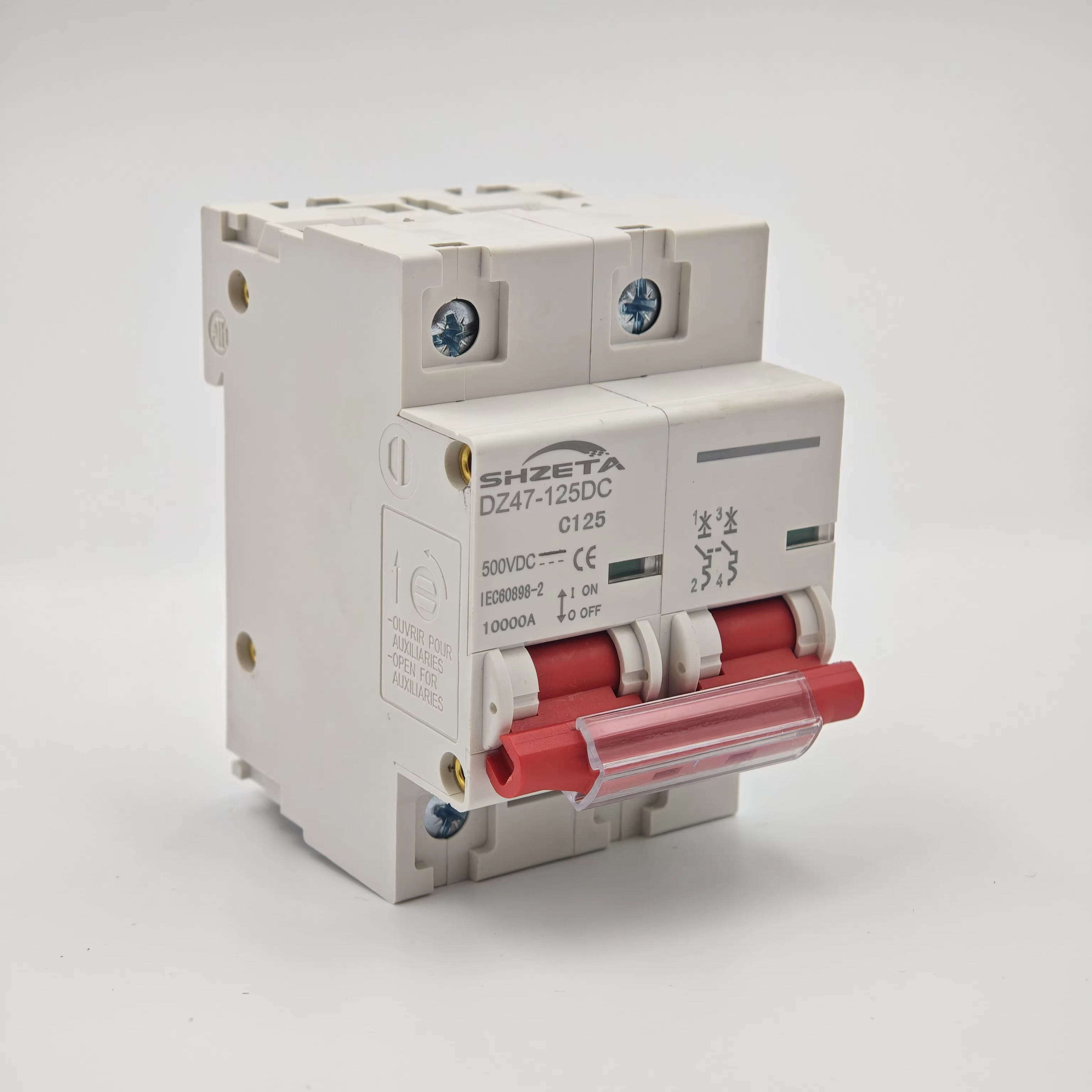
Regional municipal commercial facilities, localized hospitals, and agricultural communes are increasingly adopting decentralized rooftop photovoltaic (PV) systems and battery banks to ensure continuous power. This shift has generated steep demand for dual-application DC MCCBs and MCBs rated up to 500V–1000V DC with dedicated arc-suppression magnets.
Modular ATS & Sub-Distribution Modernization
Rather than relying on manual knife switches that pose severe arc-flash hazards to operators, modern switchboard designs mandate compact, mechanically interlocked automatic transfer switches (PC and CB class) to coordinate utility and backup generator synchronization automatically.
Why Sourcing Directly from Zhejiang Graybar Electric Secures Your Supply Chain
Based in Liushi Town, Wenzhou—the low-voltage electrical capital of China—Zhejiang Graybar Electric Co., Ltd. combines tier-one manufacturing precision with responsive OEM flexibility.
Vertical Manufacturing Integration
From precision thermoset mold stamping and automated silver-alloy contact point brazing to final bimetal calibration, we maintain full internal process control, ensuring zero batch-to-batch quality variance.
Comprehensive IEC Test Bench
Every single manufactured MCCB and MCB undergoes automated dielectric verification, thermal overload calibration, and instantaneous trip magnetic threshold verification conforming strictly to IEC 60947-2 and IEC 60898-1.
B2B OEM & Custom Labeling
We provide full private-label customization, including high-precision laser marking, branded housing color schemes, custom packaging, and customized technical wiring documentation in Korean, Russian, and English.
Agile MOQs & Consolidated Logistics
We support growing industrial wholesalers with low minimum order quantities (starting from 5 units for standard MCCBs and 1 unit for ACBs), offering seamless export shipping through Ningbo, Shanghai, or Dandong cross-border channels.
Frequently Asked Questions: Purchasing Adjustable MCCBs for Local Projects
Clear, engineering-backed answers to the most common technical and commercial queries encountered by electrical contractors and distributors.