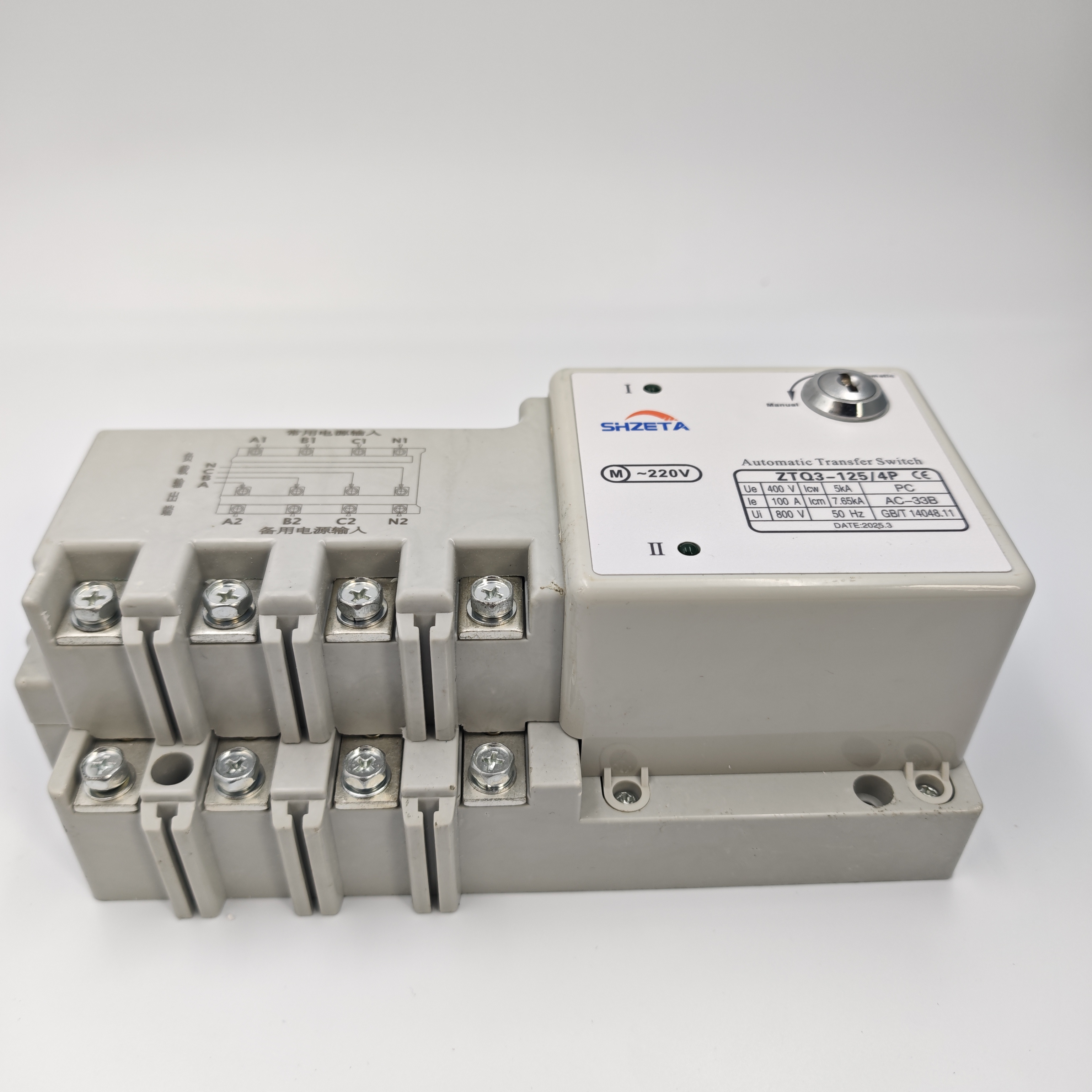
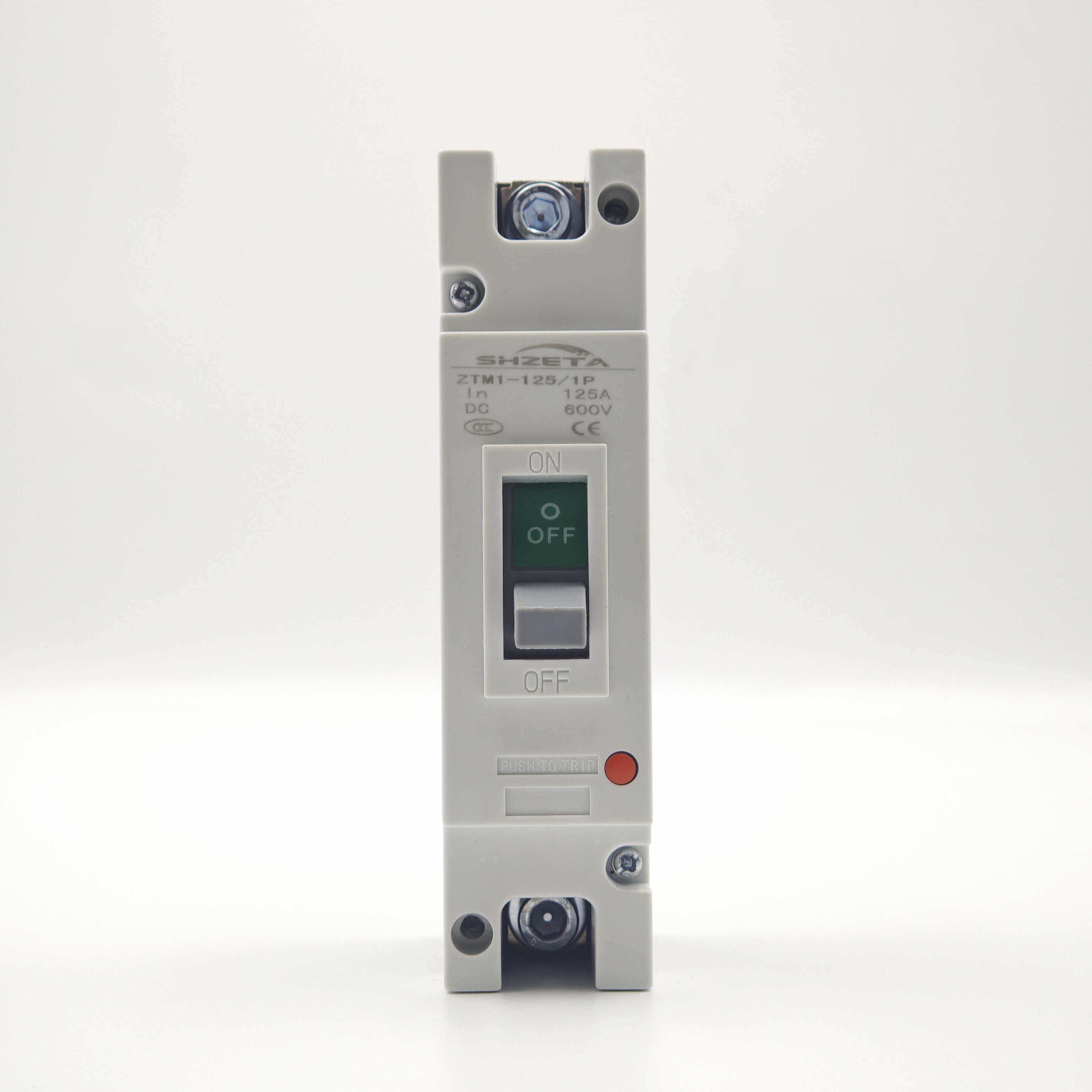
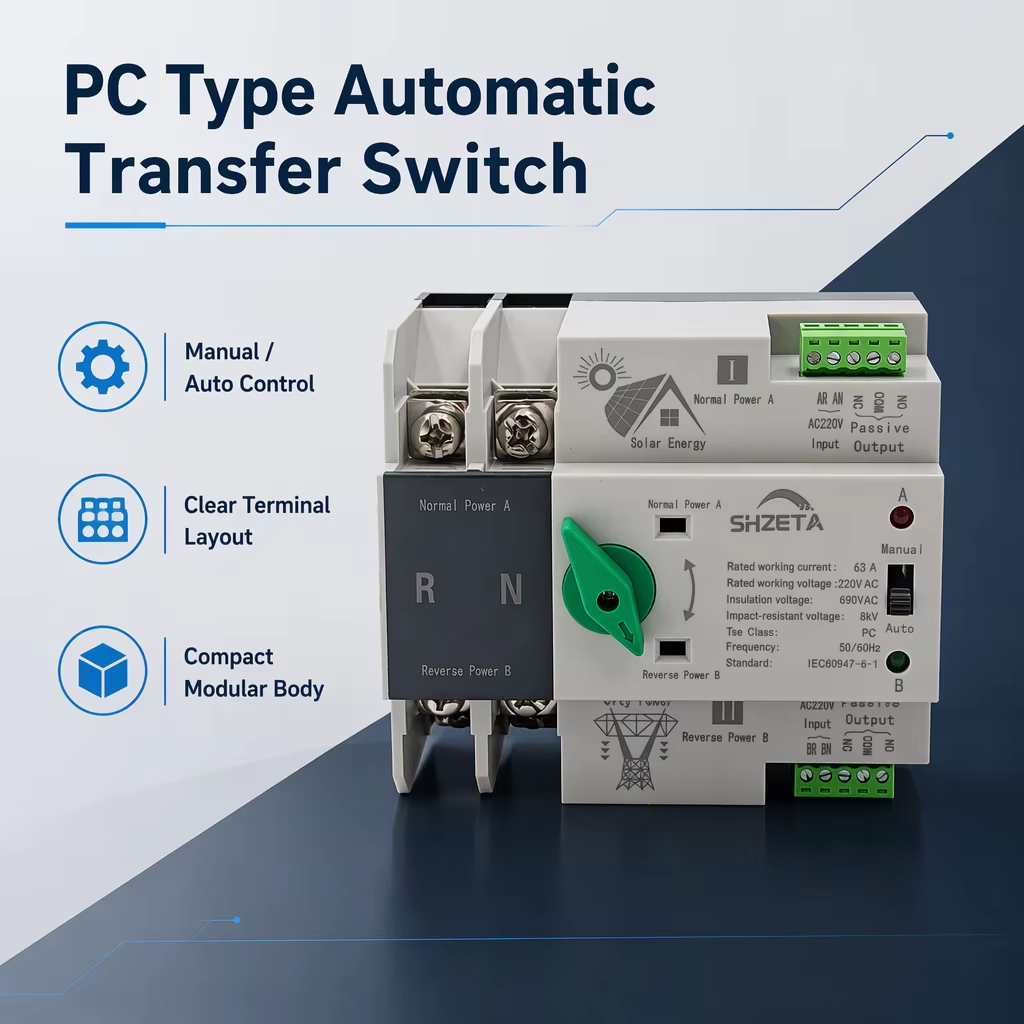
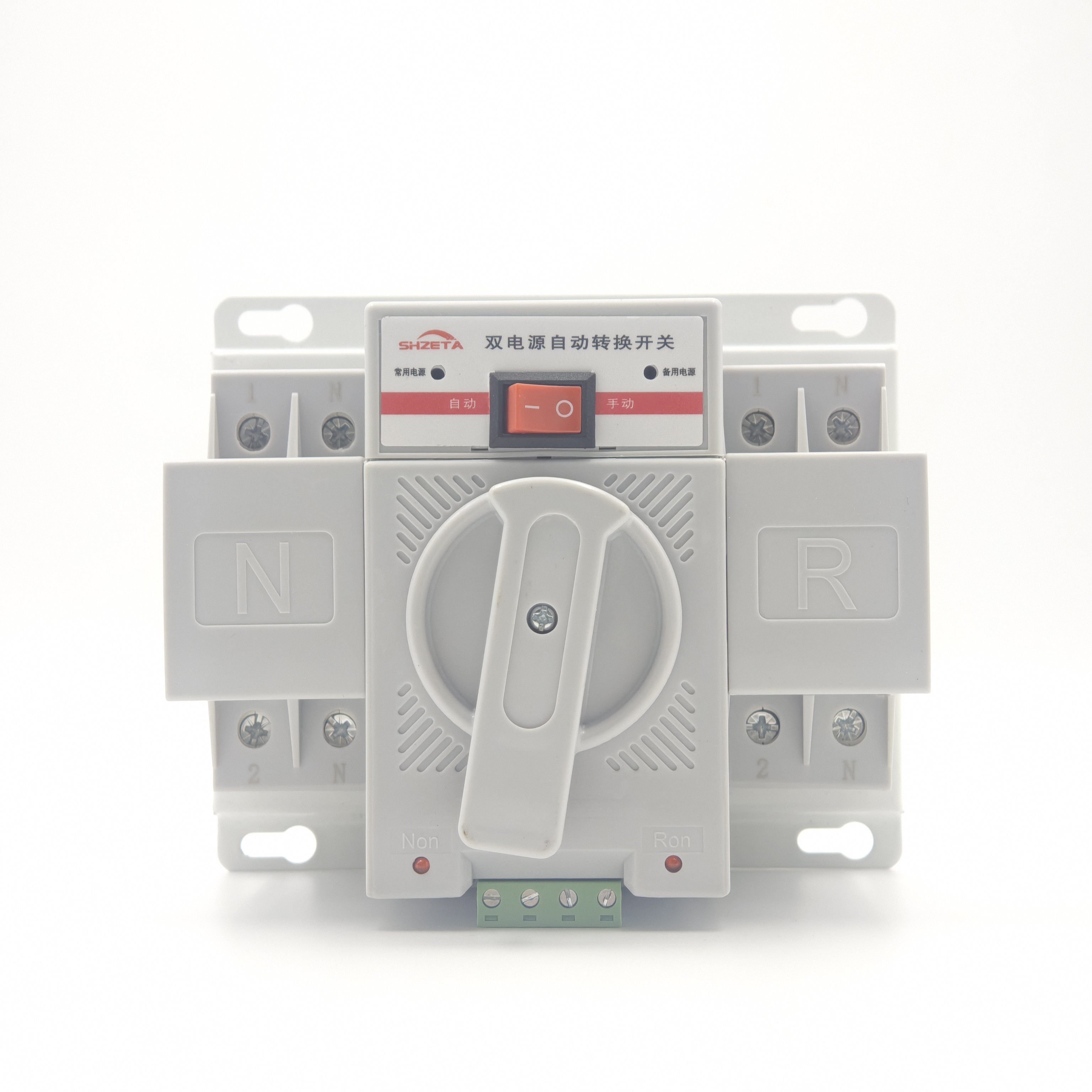
The electrical infrastructure of New Providence, centered around the capital city of Nassau, presents a unique set of operating conditions that test the limits of standard low-voltage switchgear. Unlike continental interconnected transmission grids, Nassau operates as an isolated island network governed by Bahamas Power and Light (BPL). Generating capacity primarily relies on heavy fuel oil (HFO) and automotive diesel fuel (ADO) generation stations, including the Clifton Pier and Blue Hills power plants. The network regularly experiences thermal line stress, momentary brownouts, severe voltage sags, and transient utility dropouts caused by tropical storm turbulence and peak summer air conditioning loads.
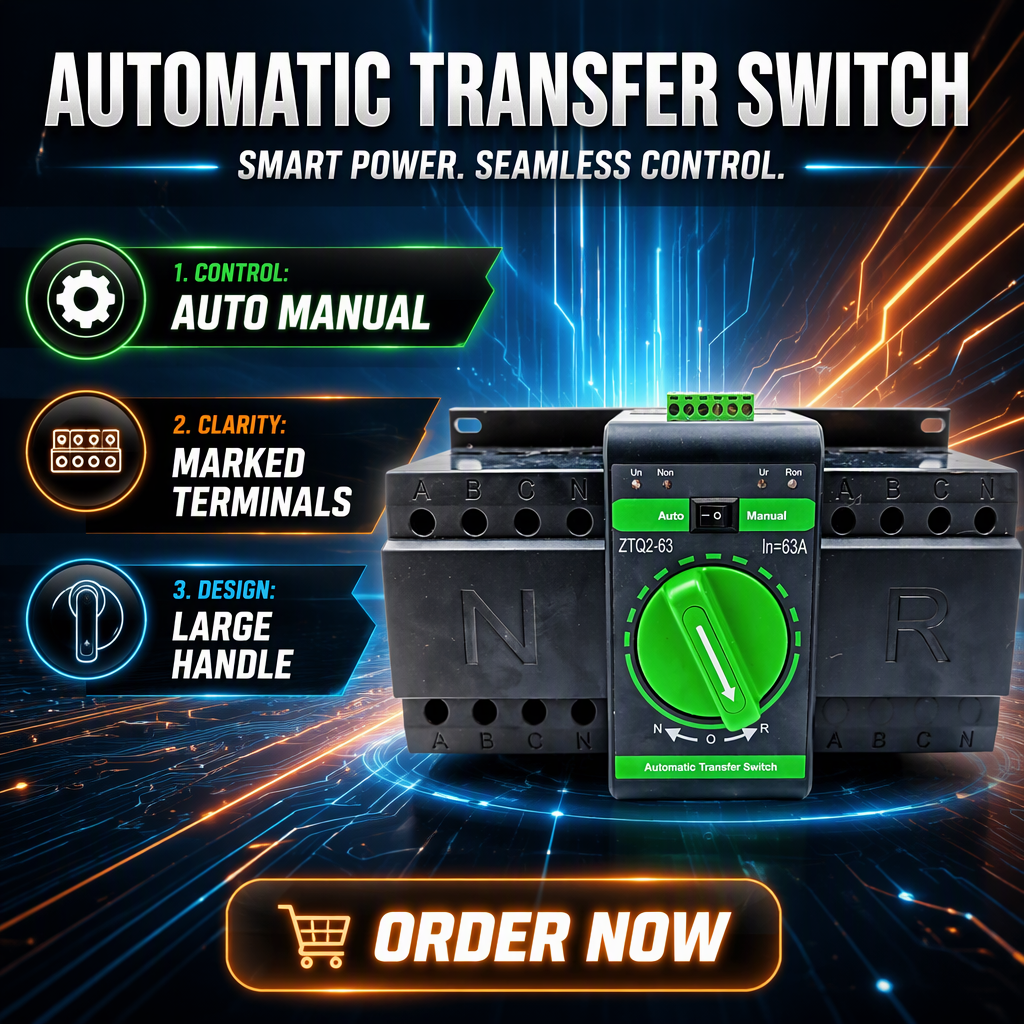
For high-density luxury commercial properties along Cable Beach, Paradise Island, and the Lyford Cay private enclave, utility power outages are not merely an inconvenience—they present immediate operational risks involving commercial chiller shutdown, desalinization reverse-osmosis pump stalling, electronic casino gaming disruption, and critical IT data loss. To bridge the gap between primary utility failure and the synchronization of on-site standby diesel or gas turbine generators, the specification of high-reliability Power Transfer Switches (both Automatic and Manual Transfer Switches—ATS/MTS) is essential.
Key Engineering Reality for Nassau: Standby power generation in the Commonwealth of the Bahamas operates strictly at 60 Hz, featuring 120V/240V split-phase for residential and light commercial loads, and 120/208V or 277/480V 3-phase, 4-wire for major hotels, marinas, and data infrastructures. Specifying low-voltage transfer switches from Chinese manufacturers requires precise coordination of 60 Hz solenoid coils, under-voltage/over-frequency monitoring trip units, and 4-pole fully switched neutral architectures to satisfy Bahamian electrical inspection standards and prevent dangerous circulating ground currents.
Technical Selection Matrix: PC Class vs. CB Class Transfer Switching Equipment (TSE)
Under international standards (IEC 60947-6-1 and UL 1008 equivalents), automatic transfer switches are segregated into operational classes based on their short-circuit withstand capabilities and mechanical drive principles. Navigating this distinction is vital when procuring direct from China for installation within the Bahamas electrical jurisdiction.
Managing 4-Pole Fully Switched Neutrals in Bahamian Grounding Topologies
One of the most frequent points of failure during the inspection stage conducted by the Bahamas Ministry of Public Works (Electrical Inspection Division) is the improper handling of the system neutral conductor. In Nassau, when a facility installs a customer-owned standby generator configured as a Separately Derived System (where the generator neutral is bonded directly to an independent grounding electrode at the generator pad), the installation of a 4-Pole ATS is mandatory.
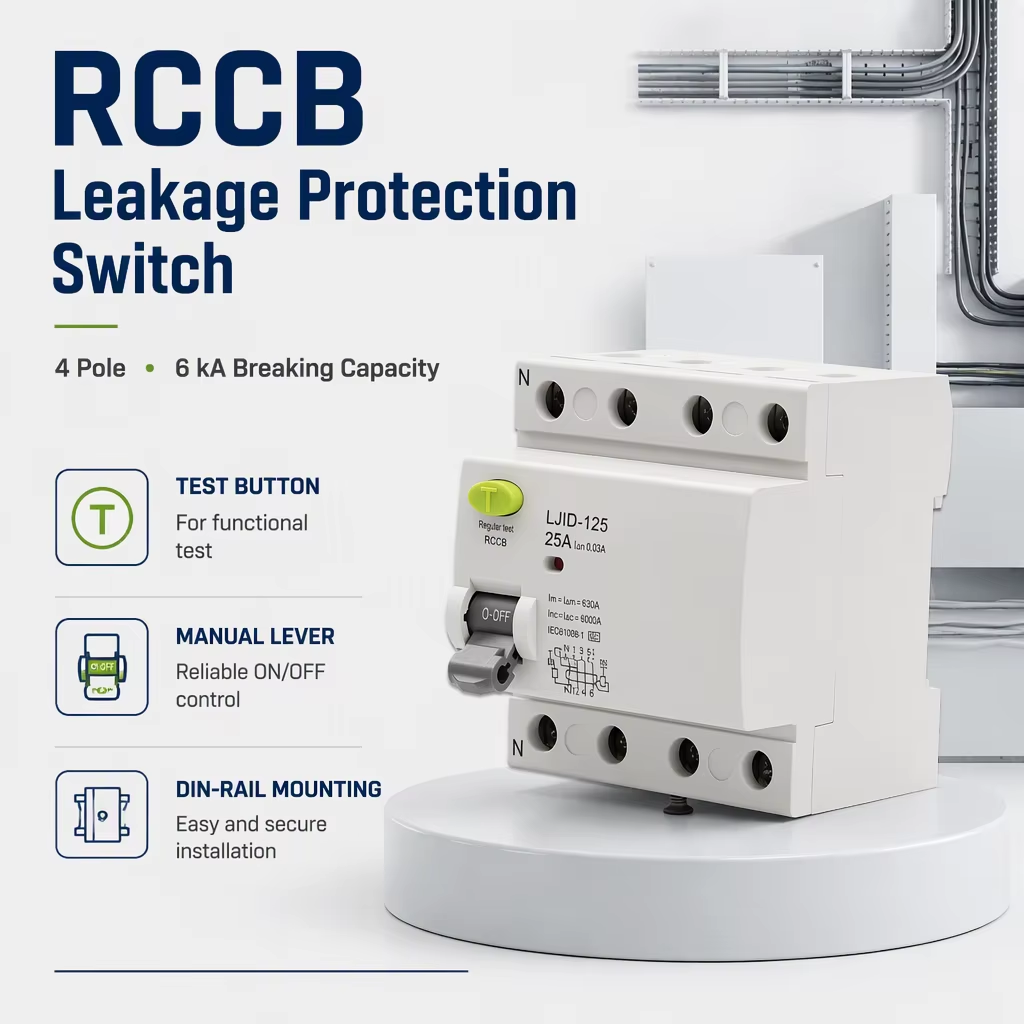
A standard 3-Pole switch maintains a solid, un-switched neutral connection between the utility supply and the generator. Under this setup, multiple neutral-to-ground bonds exist simultaneously on the property. This violation allows stray neutral return currents to travel through equipment grounding conductors, conduit paths, and water piping, generating localized heat, tripping upstream sensitive Ground Fault Circuit Interrupters (GFCI/RCCB), and introducing ground loop noise into sensitive marina dock power and hotel audio/visual automation systems. Zhejiang Graybar Electric provides true 4-Pole ATS configurations with 100% rated, overlapping or synchronized neutral poles designed specifically to eliminate ground potential elevation during emergency transitions.