Strategic Power Resilience: Deploying Generator Changeover Systems in Camagüey, Cuba
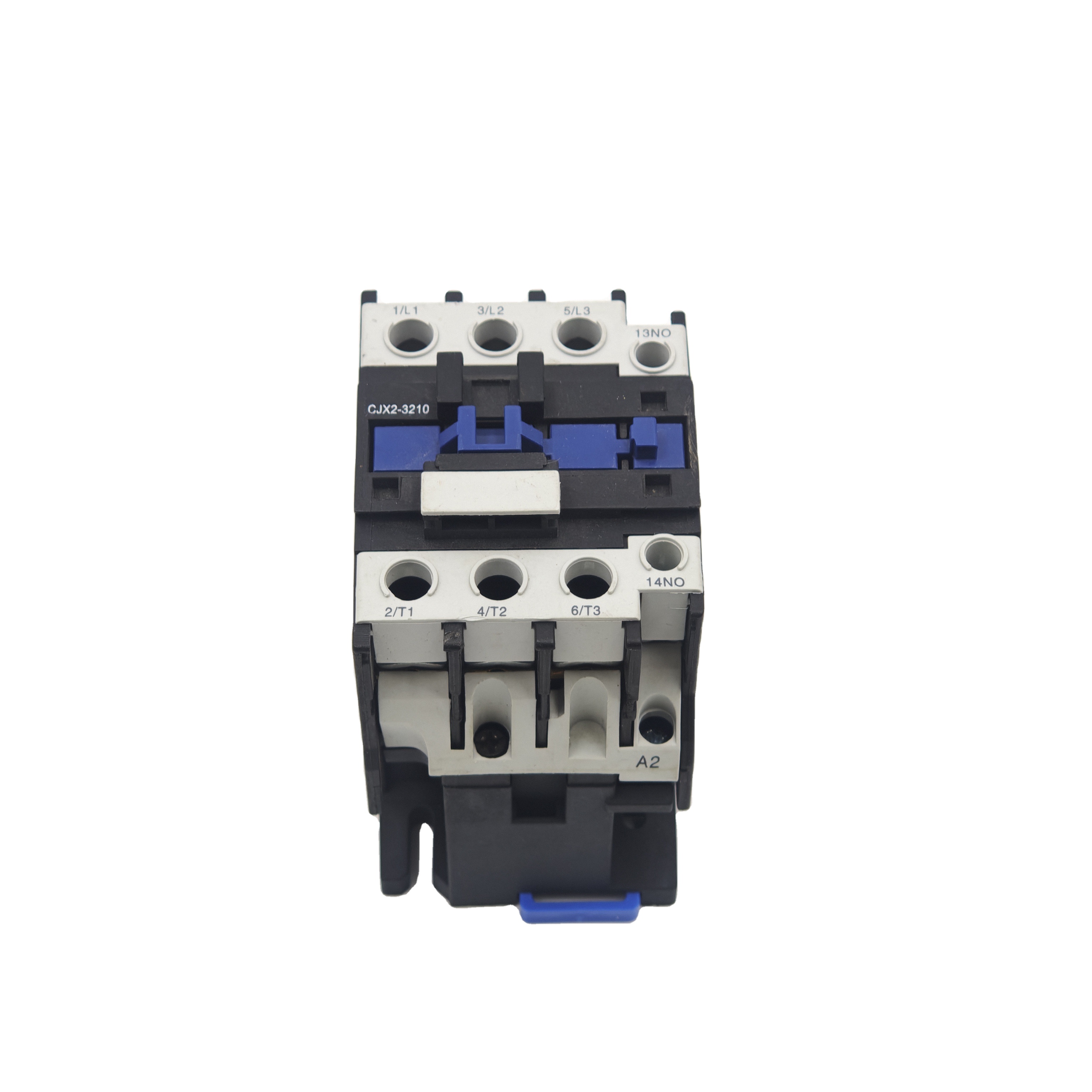
The municipality and wider province of Camagüey occupy a critical geographic and industrial hub within Cuba’s central-eastern corridor. Characterized by extensive agro-industrial centers, major agrochemical facilities, historical architectural districts, and expansive rural livestock farming, Camagüey faces acute power continuity challenges. The National Electric System (Sistema Eléctrico Nacional – SEN) frequently experiences scheduled rotation cuts, unscheduled load drops, extreme voltage dips, and brownout transients. For local industrial plants, private enterprises (MIPYMES), cold storage warehouses, and healthcare institutions, installing a high-grade generator changeover switch is not merely an auxiliary upgrade—it is indispensable infrastructure.
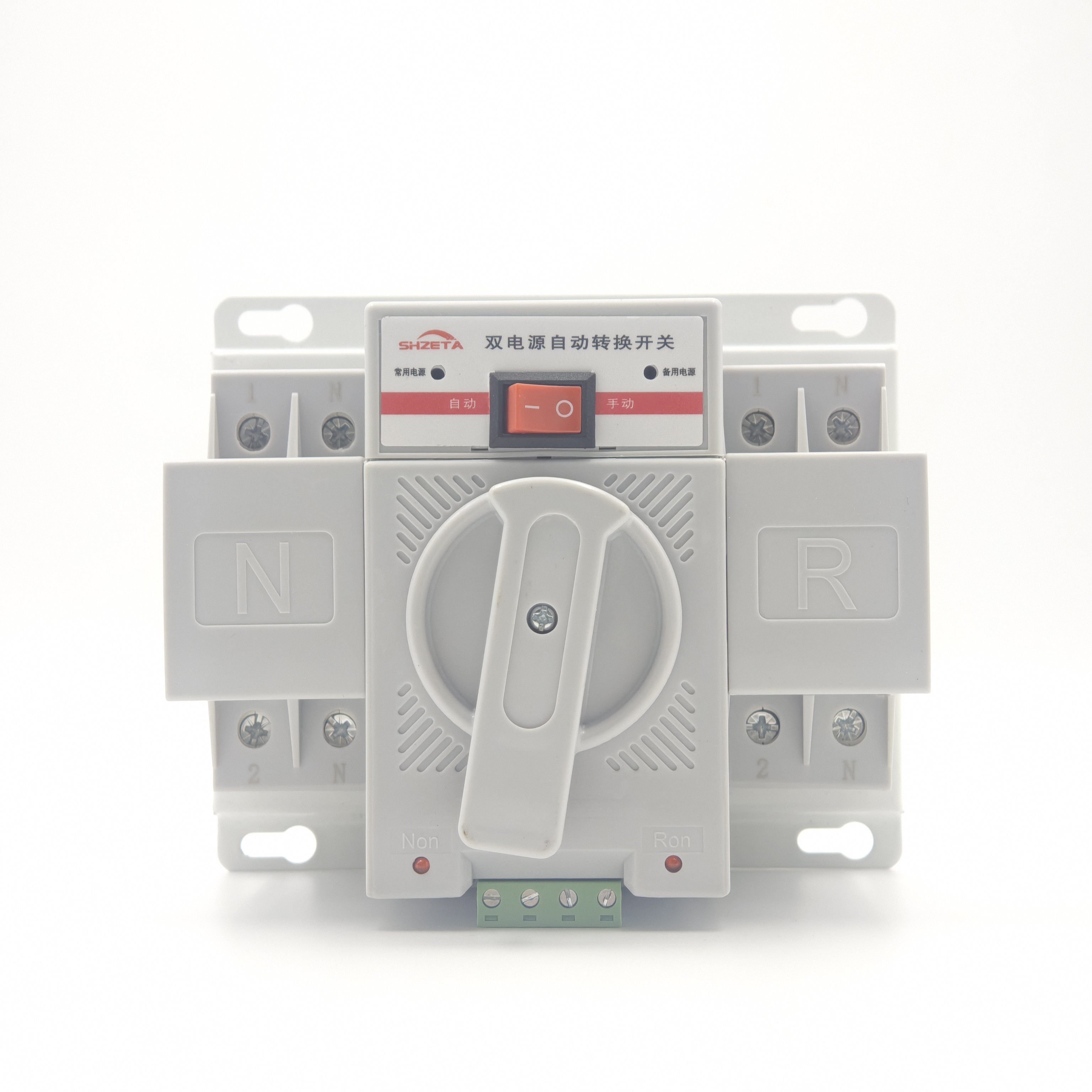
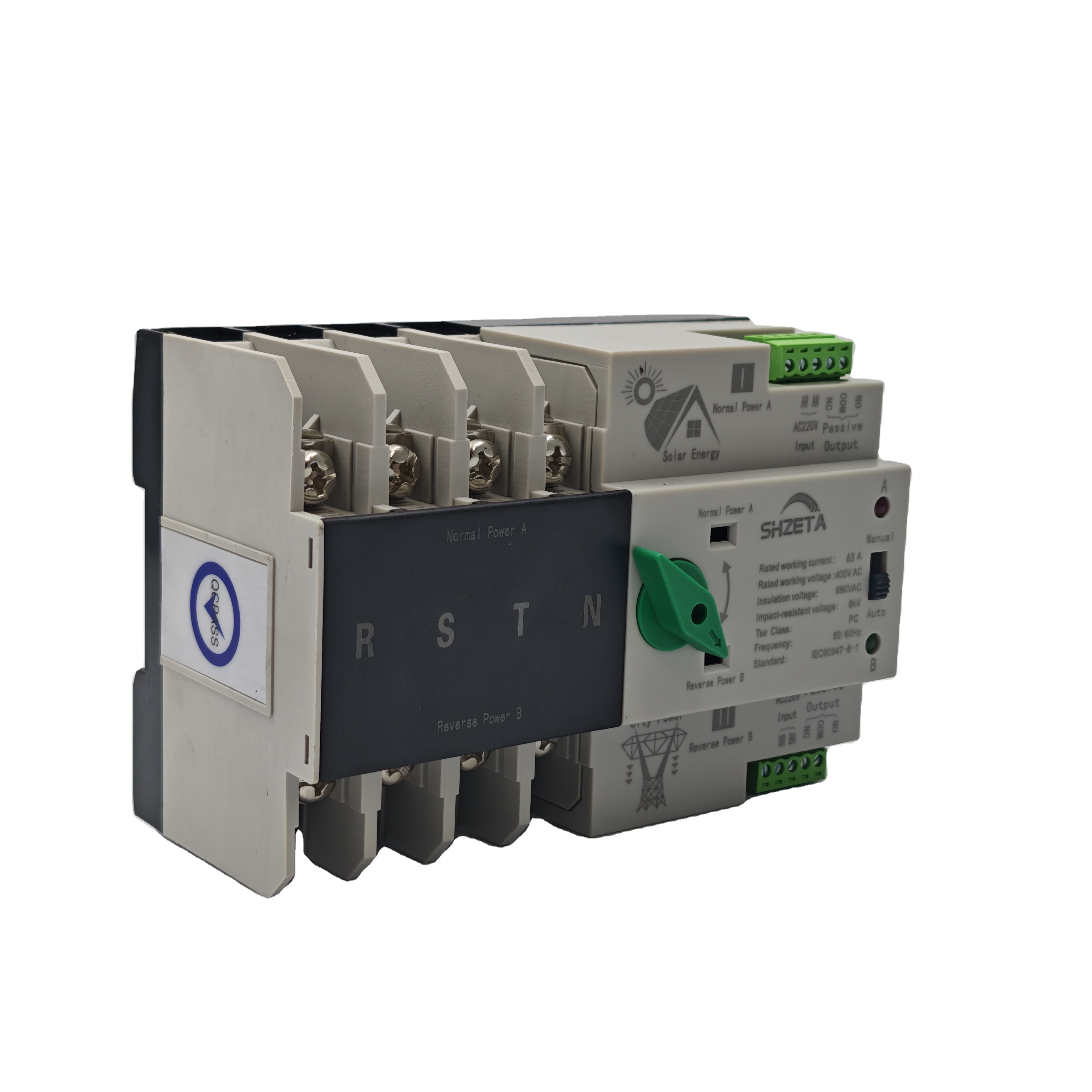
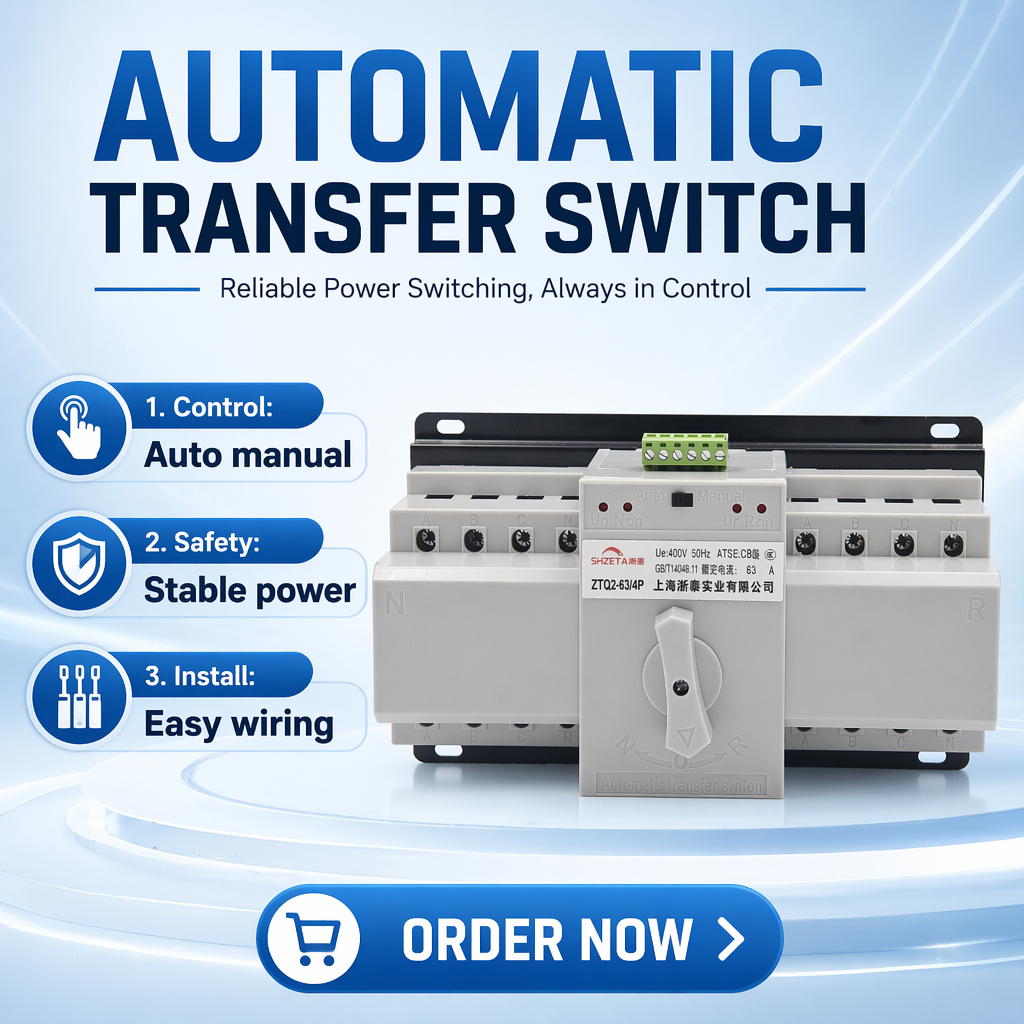
As a verified China wholesale manufacturer and direct exporter situated in Liushi Town, Wenzhou—the world epicenter of low-voltage electrical engineering—Zhejiang Graybar Electric provides targeted solutions engineered to survive these challenging grid realities. Our dual-power Automatic Transfer Switches (ATS) and mechanically interlocked changeover breakers isolate back-fed utility faults, guarantee galvanic separation between generator windings and the utility grid, and maintain critical operations seamlessly.
PC Class vs. CB Class Changeover Systems: Engineering Analysis for Camagüey
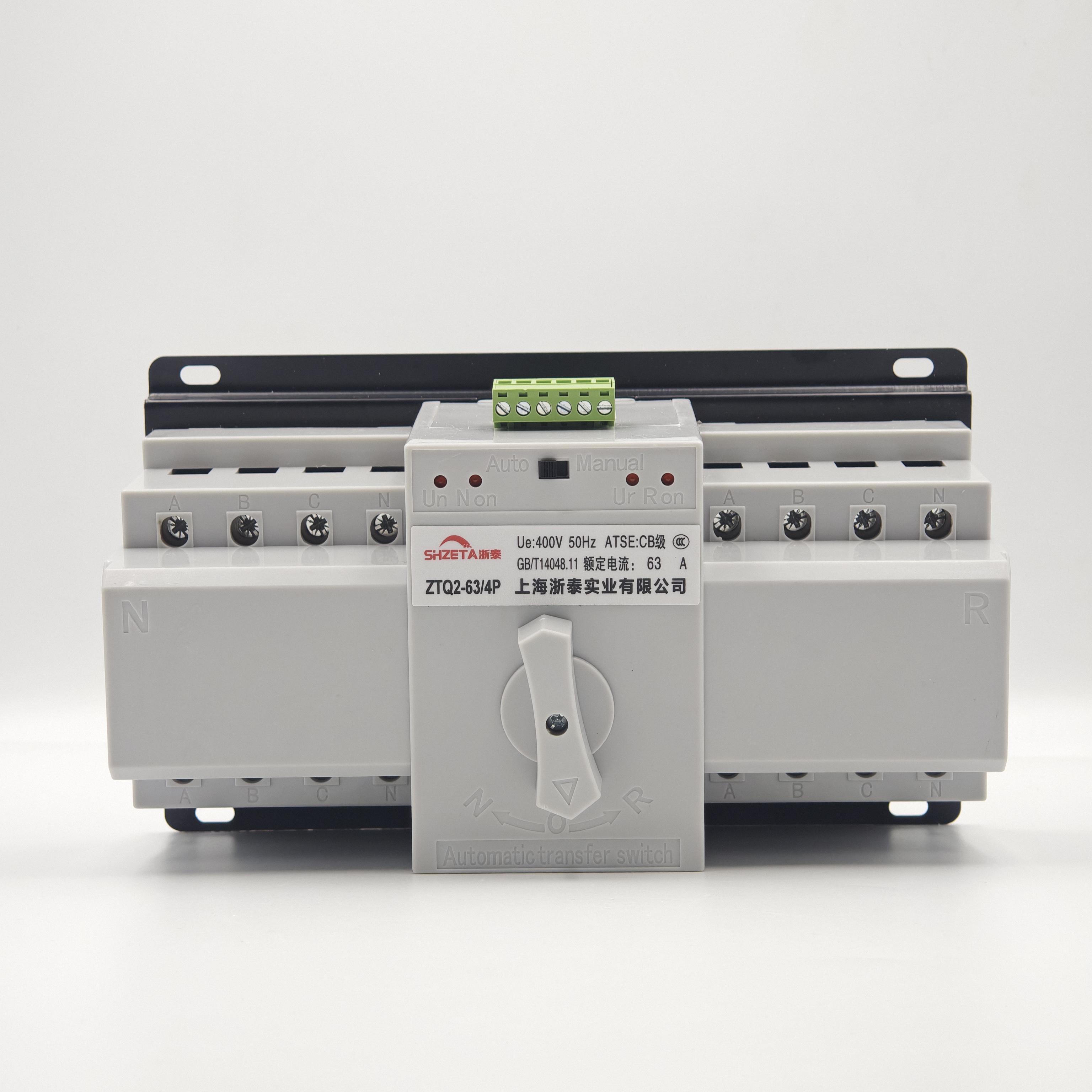
A frequent dilemma confronting electrical panel builders and purchasing agents across Camagüey is selecting between PC Class and CB Class transfer switches under the definitions of standard IEC 60947-6-1:
- PC Class Transfer Switches: Engineered strictly to carry continuous rated currents and withstand prospective short-circuit faults without incorporating internal integral overcurrent trip units. Utilizing heavy silver-nickel alloy contact pads and solenoid or linear motor drives, PC Class units exhibit rapid mechanical transfer speeds (frequently under 40 milliseconds). They are ideal for installations downstream of a primary MCCB or fuse bank, where contact welding prevention and millions of mechanical operation cycles take precedence—such as hospital operating theaters and telecommunications repeaters.
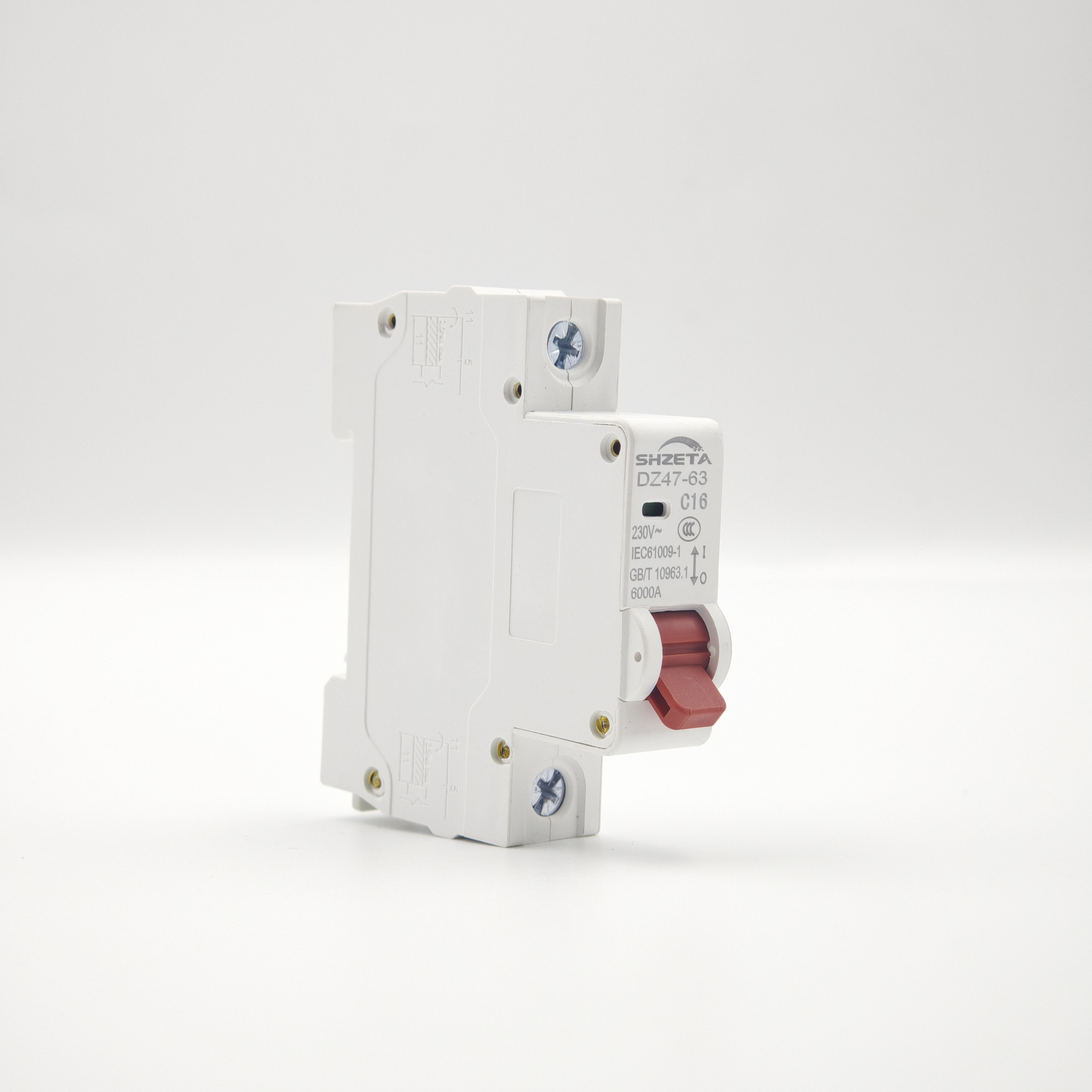
- CB Class Transfer Switches: Built utilizing two interlocked molded case or miniature circuit breakers equipped with thermal-magnetic or electronic trip units. A CB Class switch acts simultaneously as a power routing mechanism and an overcurrent/short-circuit protection device. For workshop managers and municipal pumping plants in Florida, Nuevitas, or Camagüey City, CB Class units lower overall installation footprint and upfront panel costs by eliminating standalone protective breakers.
| Switching Characteristic | PC Class Modular ATS | CB Class (Integrated MCB/MCCB) | Mechanical Interlock Breaker |
|---|---|---|---|
| Primary Mechanism | Solenoid / Rotary High-Speed Drive | Dual Coupled Trip Coils & Motor Actuator | Rigid Sliding Lever Interlocking Cam |
| Switching Time (Transfer) | 30ms – 50ms (Ultra-Fast) | 1.5s – 3.0s (Delayed Arc Clearing) | Manual Operator Dependent |
| Overload Protection | External Upstream Coordination Required | Integrated Bi-metallic / Electronic Unit | Integrated Thermal-Magnetic Trip |
| Suitability in Camagüey | Data hubs, cold clinics, telecom towers | Industrial feeder panels, light factories | Residential, retail MIPYMES, rural farms |
| Neutral Line Isolation | Switched Neutral (4-Pole / 2-Pole) | Switched Neutral (True 4P Isolation) | Mechanically ganged N pole |
Mitigating Harmonics, Unbalanced Loads, and Severe Voltage Sags
Operating a generator set in parallel or alternation with an erratic utility feed introduces severe power quality problems. In Camagüey, the return of grid electricity after prolonged rationing often triggers large transient overvoltages (surges exceeding 1.8kV) alongside unstable line frequencies (fluctuating between 48Hz and 53Hz). Furthermore, unbalanced single-phase consumer loads on three-phase municipal distribution lines draw heavy neutral currents, causing dangerous neutral float.
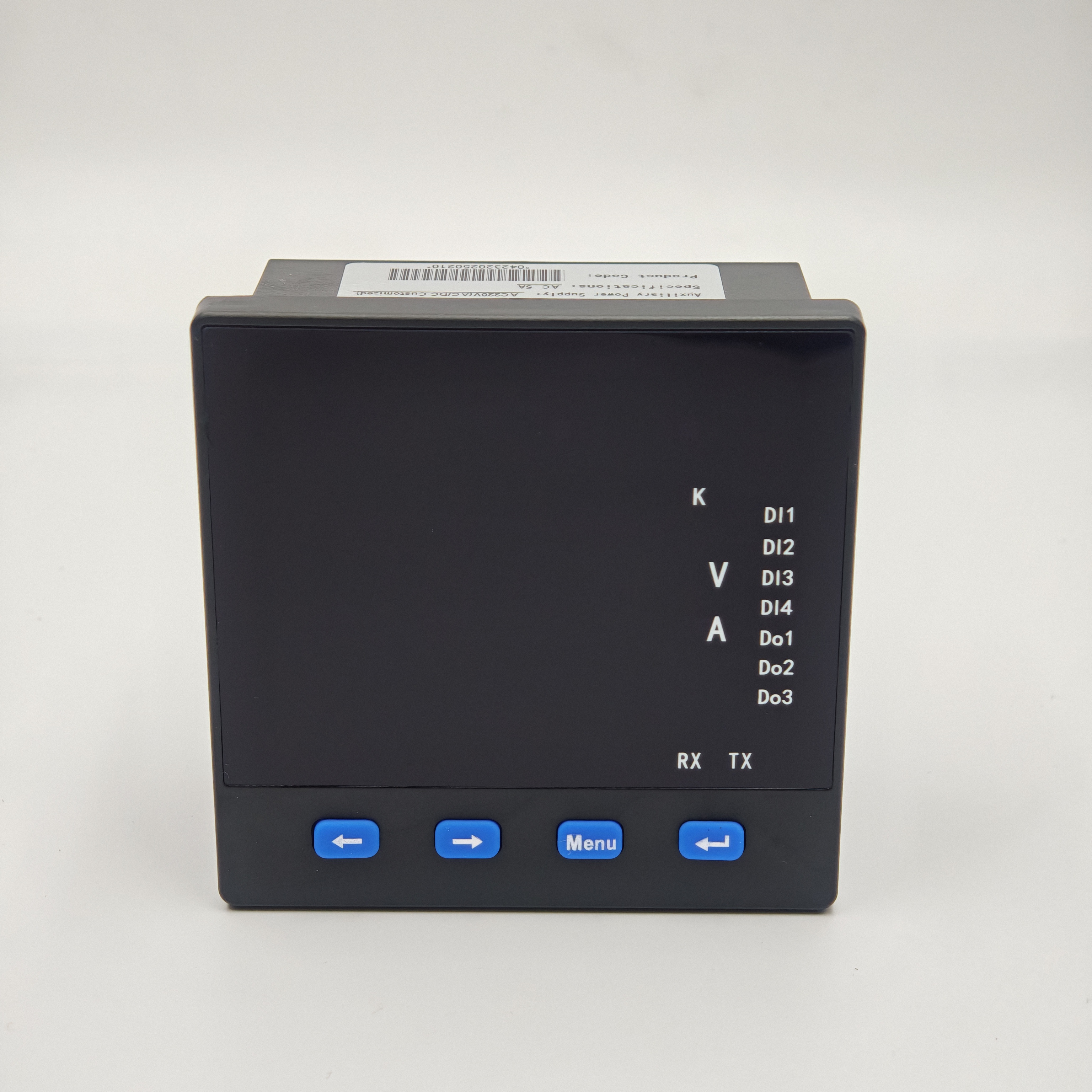
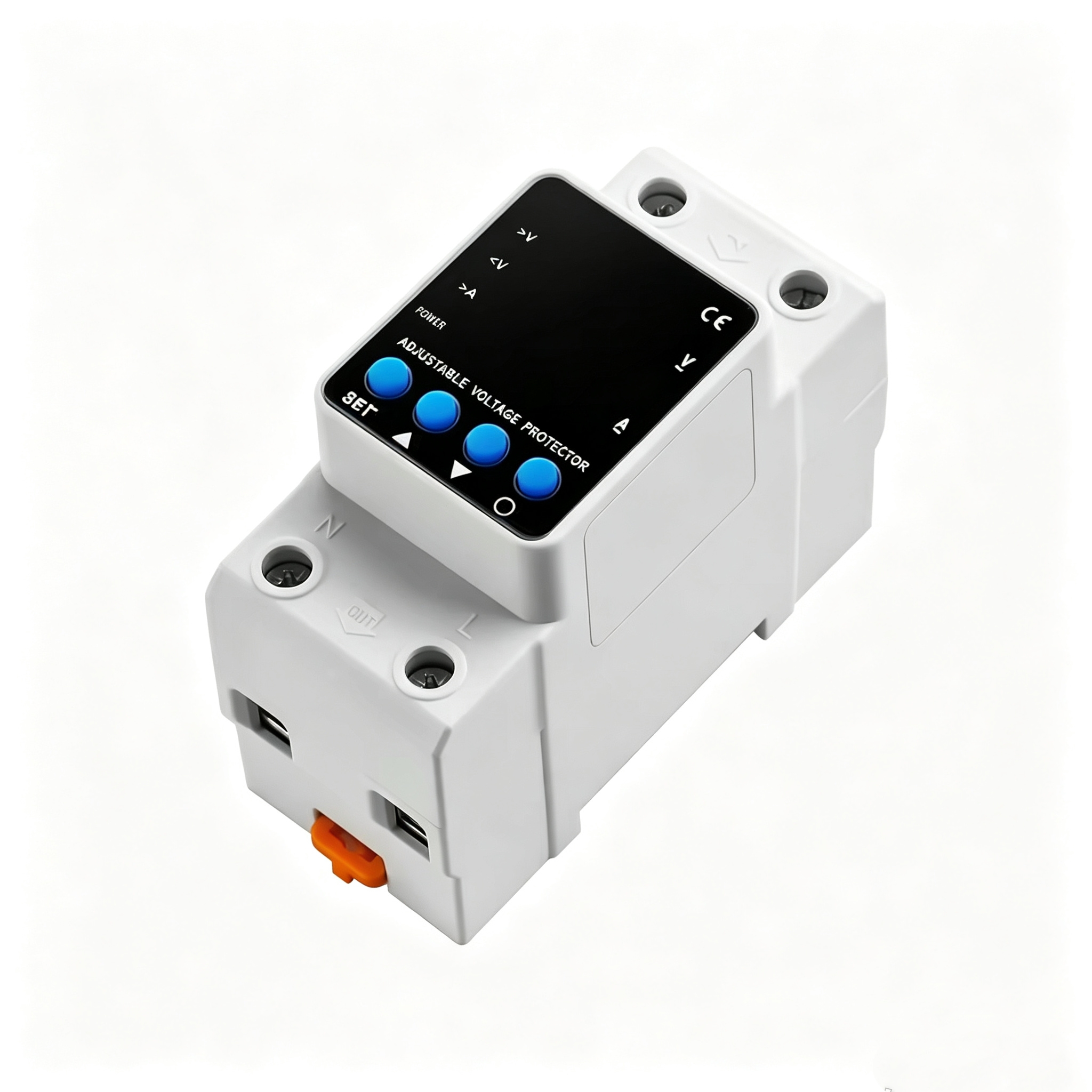
Our transfer solutions integrate switched neutral poles (4-Pole architecture) to eliminate circulating neutral currents between asynchronous utility transformers and diesel alternators. When coupled with our adjustable auto-reconnect over/under-voltage protectors (such as our 2P 63A 6-in-1 series) and RS485-enabled multifunction telemetry meters, electrical engineers in Camagüey can configure dynamic restart hysteresis times (from 1 to 500 seconds), ensuring the generator only relinquishes load after utility voltage has stabilized within a nominal ±8% band.