Engineered Protection & Switching Portfolio
Tested rigorously under IEC & CE standards to satisfy Japan’s high-precision sub-distribution requirements.
Engineering Low-Voltage Distribution for Sapporo's Climate and Grid Profile
A technical review on addressing cold-weather mechanical hysteresis, regional grid parameters, and critical continuity across Hokkaido prefecture.
The low-voltage electrical distribution architecture across Sapporo and greater Hokkaido faces an intricate intersection of operating challenges distinct from mainland Honshu. As the capital of Hokkaido Prefecture, Sapporo experiences sustained sub-zero temperatures, intense blizzards, high seasonal humidity transitions from snowmelt, and distinct electrical load surges triggered by commercial trace-heating, heat pumps, and localized industrial processing plants. When procurement specialists, OEM panel builders, and EPC engineers specify low-voltage circuit breakers (MCBs, MCCBs, and ACBs), reliance on standard baseline ratings can compromise protection coordination.
Standard miniature circuit breakers (MCB) calibrated purely for ambient baselines of +30°C to +40°C experience notable thermal calibration drift when situated within exterior kiosk switchboards, distribution pillars, and unheated distribution zones in Hokkaido. As ambient temperatures drop below freezing, the sensitivity of standard thermal-bimetallic strips decreases, which inadvertently increases the continuous trip threshold (thermal hysteresis). If an installation in Kita-ku or Shiroishi-ku encounters a sustained overload during an intense sub-zero period, an uncalibrated breaker may fail to trip within specified timeframes, placing supply cables under elevated thermal stress. Our CE-certified low-voltage breakers address this condition through customized bimetallic compensation strips and verified curve recalibration charts specifically adjusted for sub-zero operations.
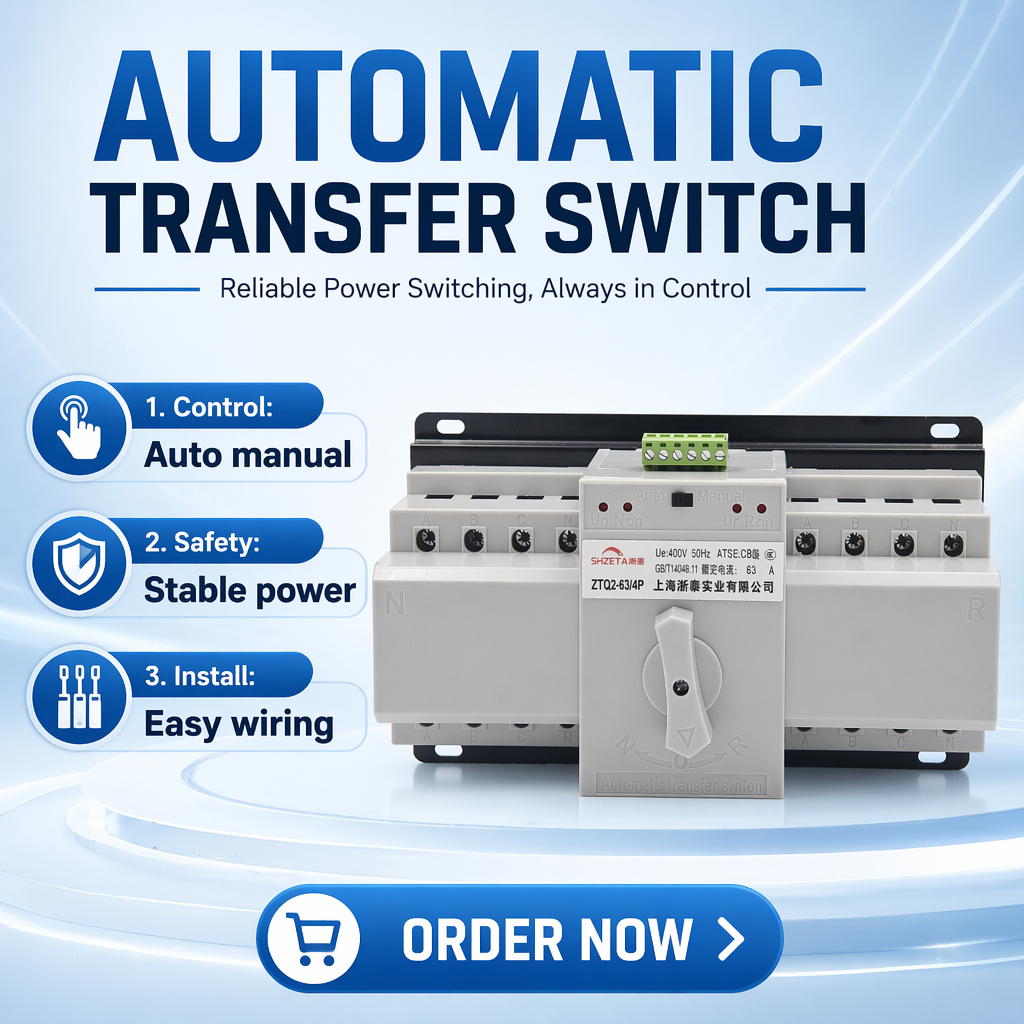
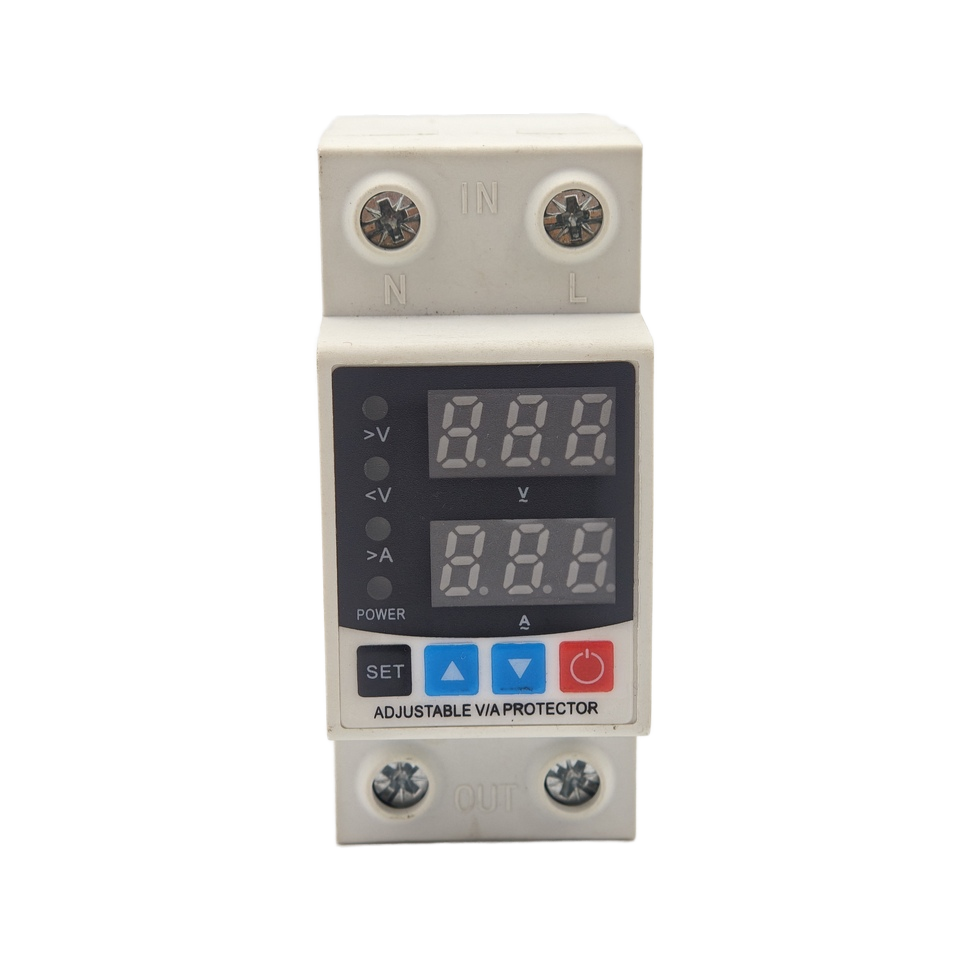
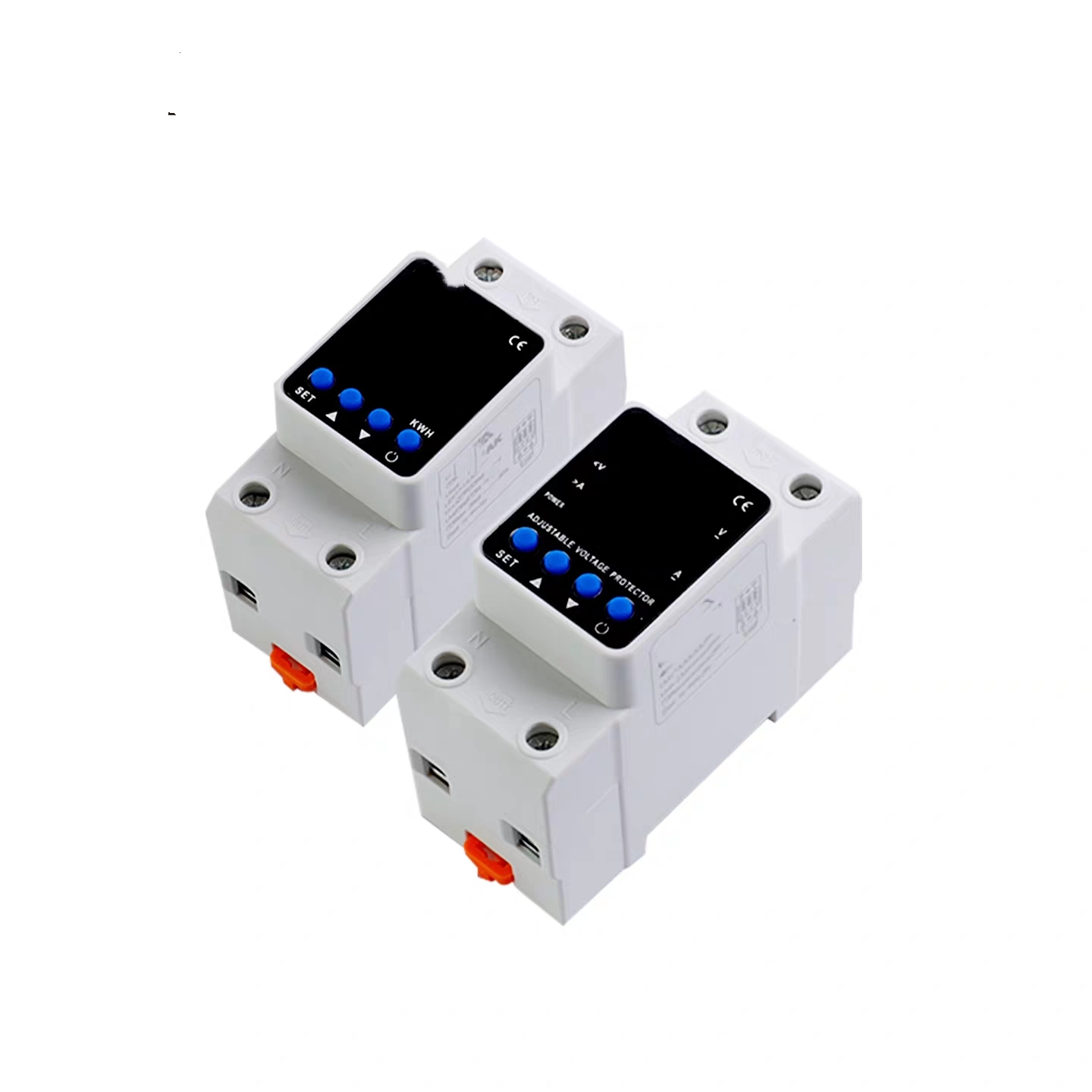
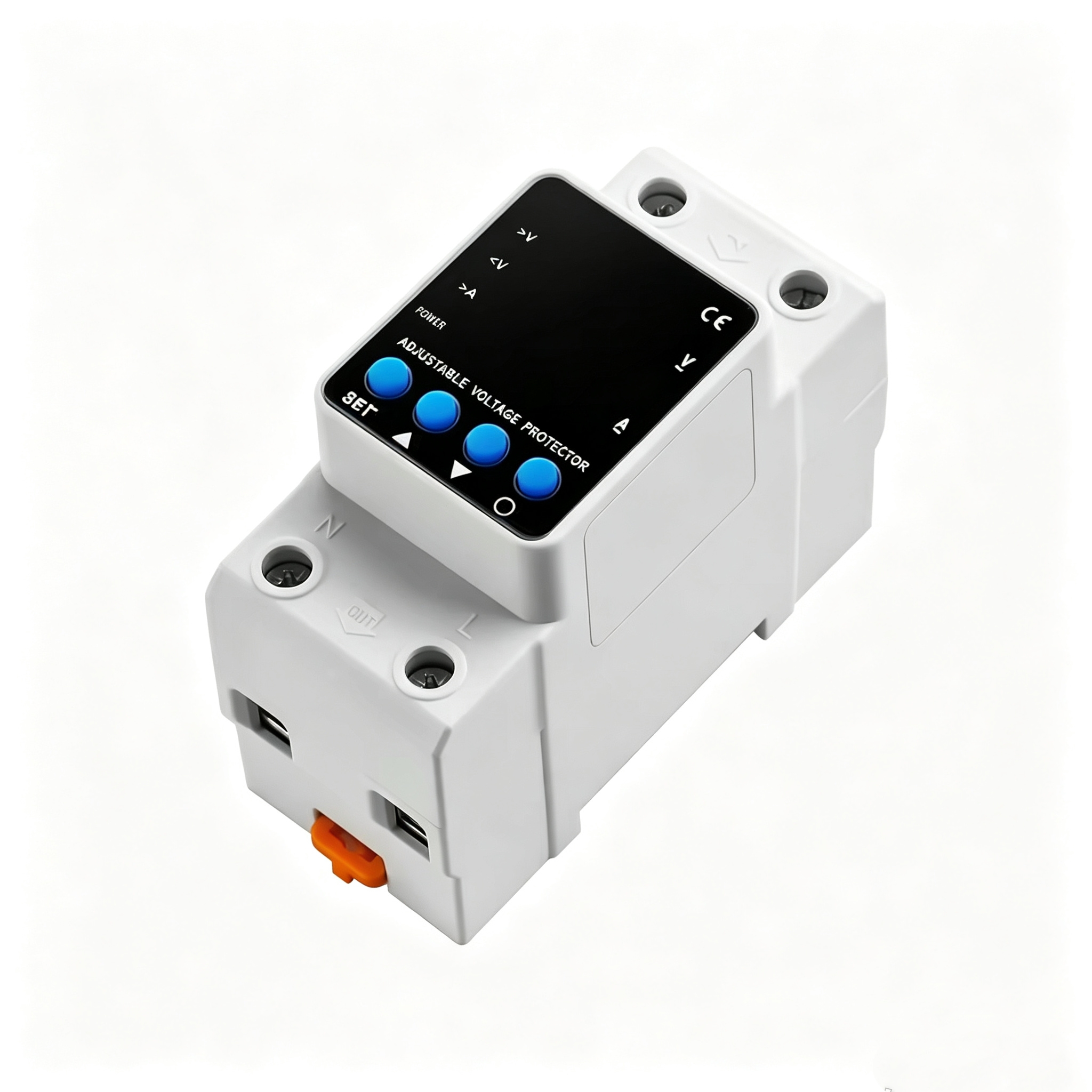
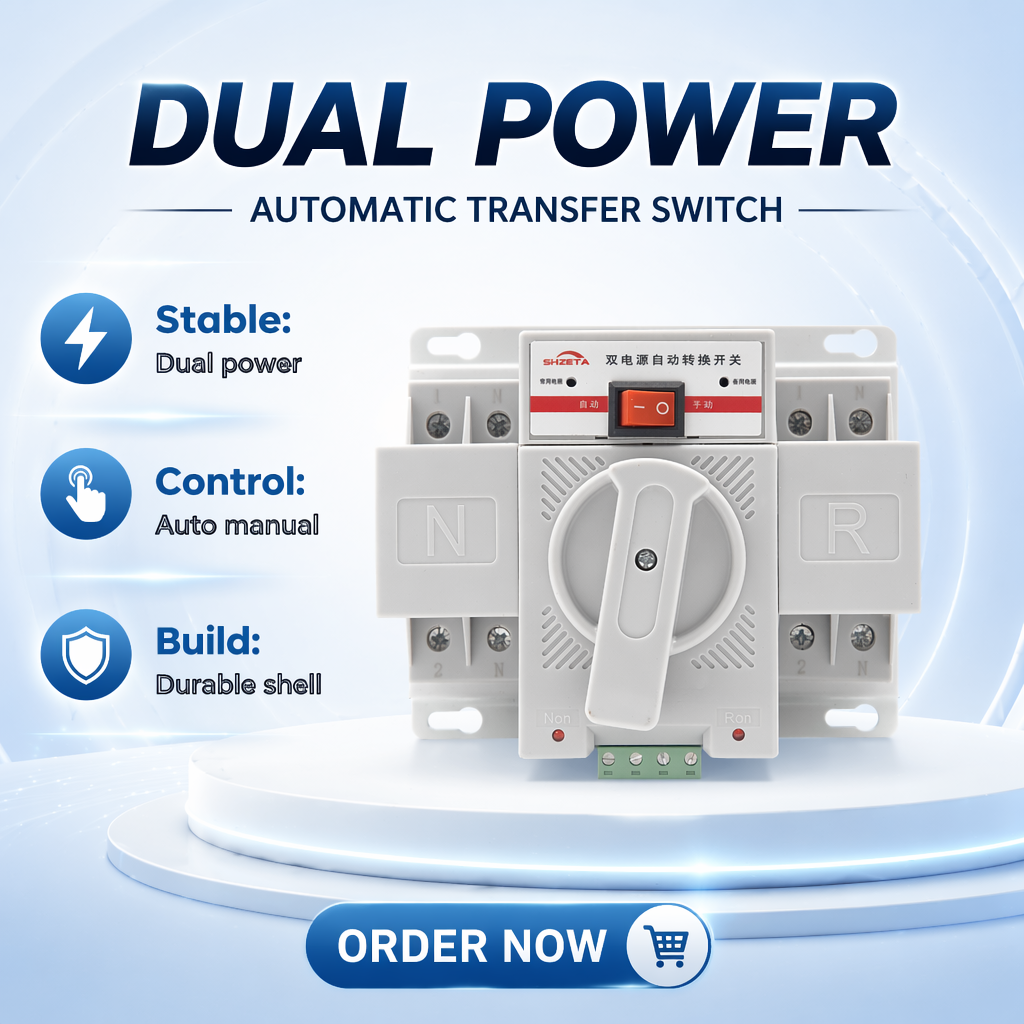
Furthermore, the electrical landscape of Hokkaido operates strictly on a 50 Hz frequency regime supplied through Hokkaido Electric Power Network (HEPCO). Given Hokkaido's accelerated deployment of utility-scale wind farms along coastal areas and extensive agrivoltaic arrays, the grid faces distinct localized voltage fluctuation. These fluctuations necessitate precision monitoring, over/under-voltage tripping devices, and dynamic Automatic Transfer Switches (ATS) capable of seamlessly coordinating distributed generation assets with commercial utility feeds.
Engineering Parameter Matrix: Hokkaido Sub-Distribution
Comparative design factors across primary low-voltage protection units.
| Product Category | Core Model Examples | Breaking Capacity (Icu/Ics) | Sapporo Operating Environment | Primary Application Profile |
|---|---|---|---|---|
| Low-Voltage MCB | 1P, 2P, 3P, 4P DIN Series (up to 63A) | 4.5kA / 6kA / 10kA @ 230/400V | Sub-zero bimetal compensated (-35°C rating) | Commercial trace-heating boards, snowmelt pumps, EV chargers |
| Moulded Case (MCCB) | 125A – 250A Industrial Frames (1P-4P) | 25kA / 35kA / 50kA @ 400V | Sealed arc chutes, flame-retardant polyamide | Cold-storage facilities, regional logistics centres, main sub-feeders |
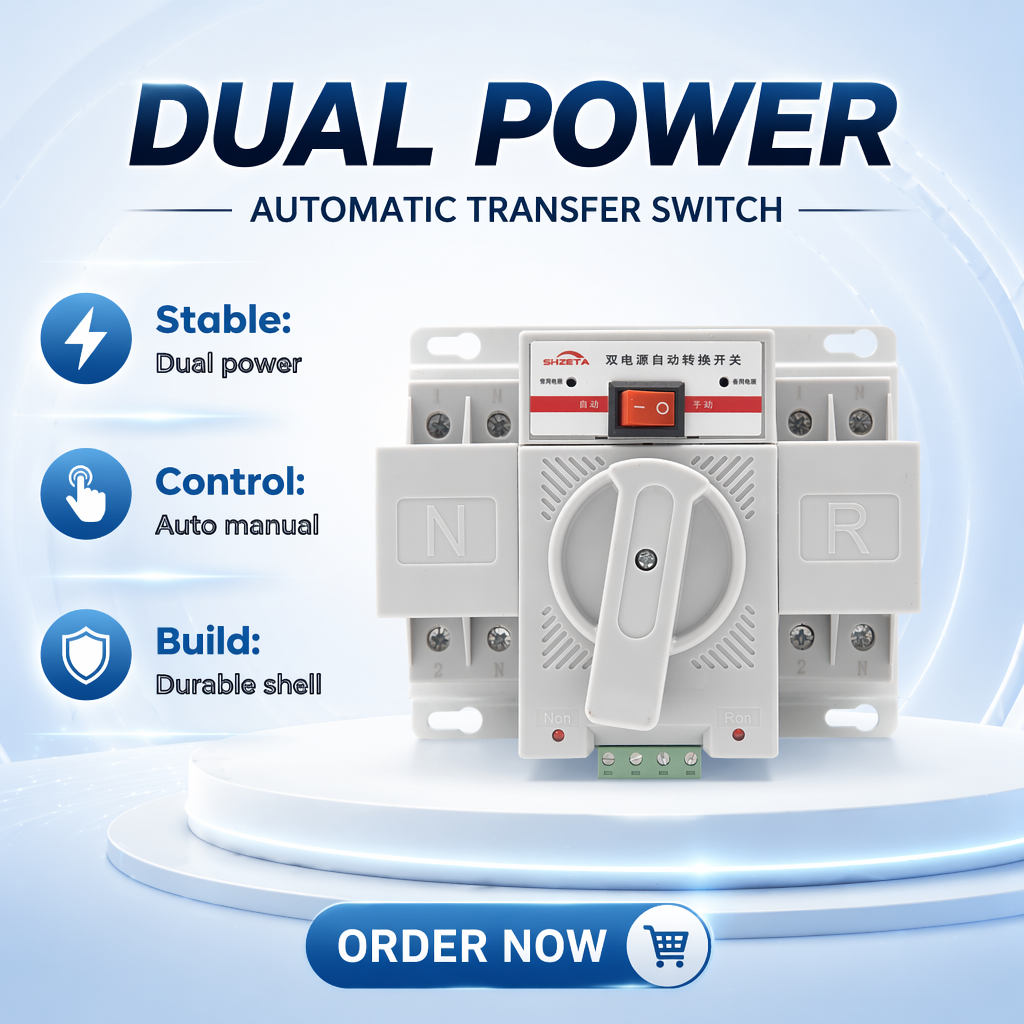
| Intelligent ATS | Dual Power 2P/4P 63A PC-Class Units | 5kA Making & Breaking Capacity | Fast transition (<30ms), zero-freezing solenoid | Hospital emergency feeders, server rooms, snow-clearing dispatch hub |
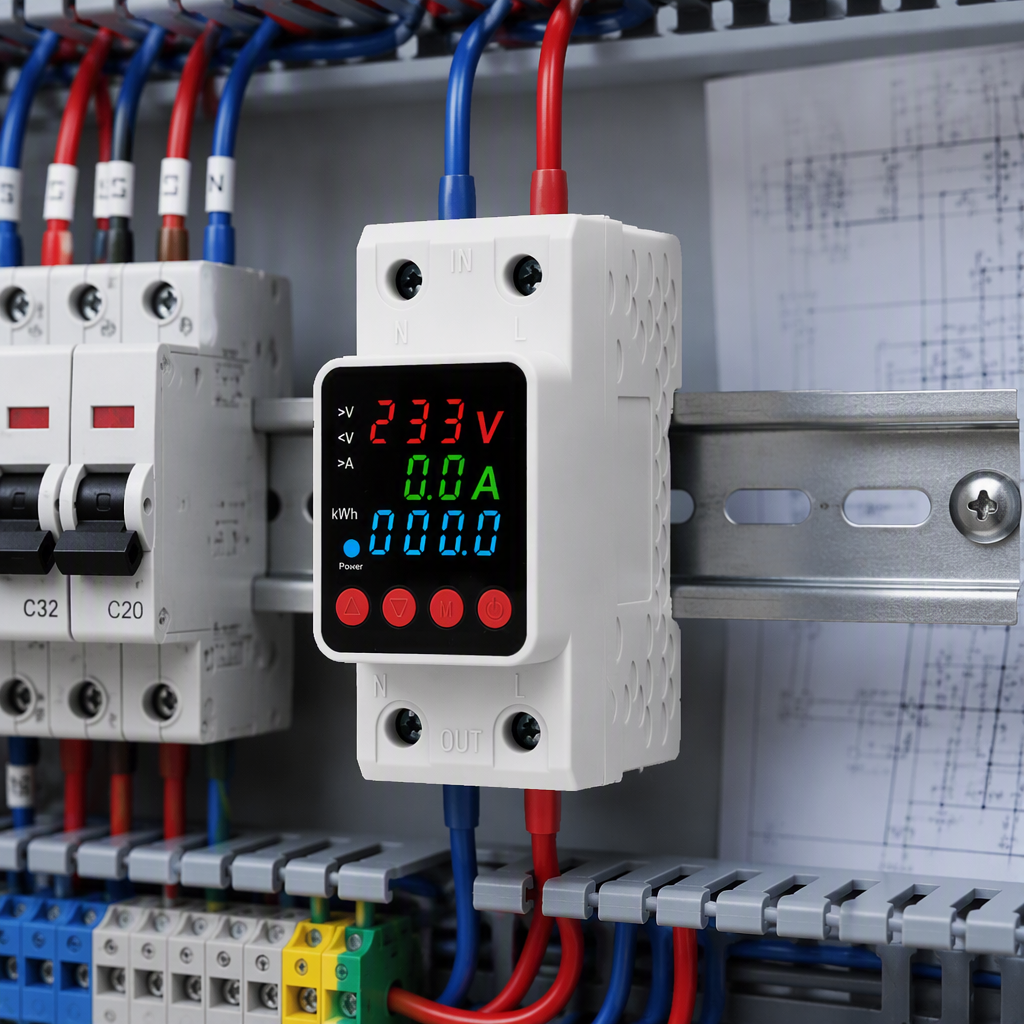
| Voltage Monitoring Units | DIN Rail 6-in-1 Auto-Reconnect 30kVA | Regulated Trip: 140V–300V adjustable | Digital LED display, rapid surge suppression | Precision dairy automation, greenhouse climate controllers |
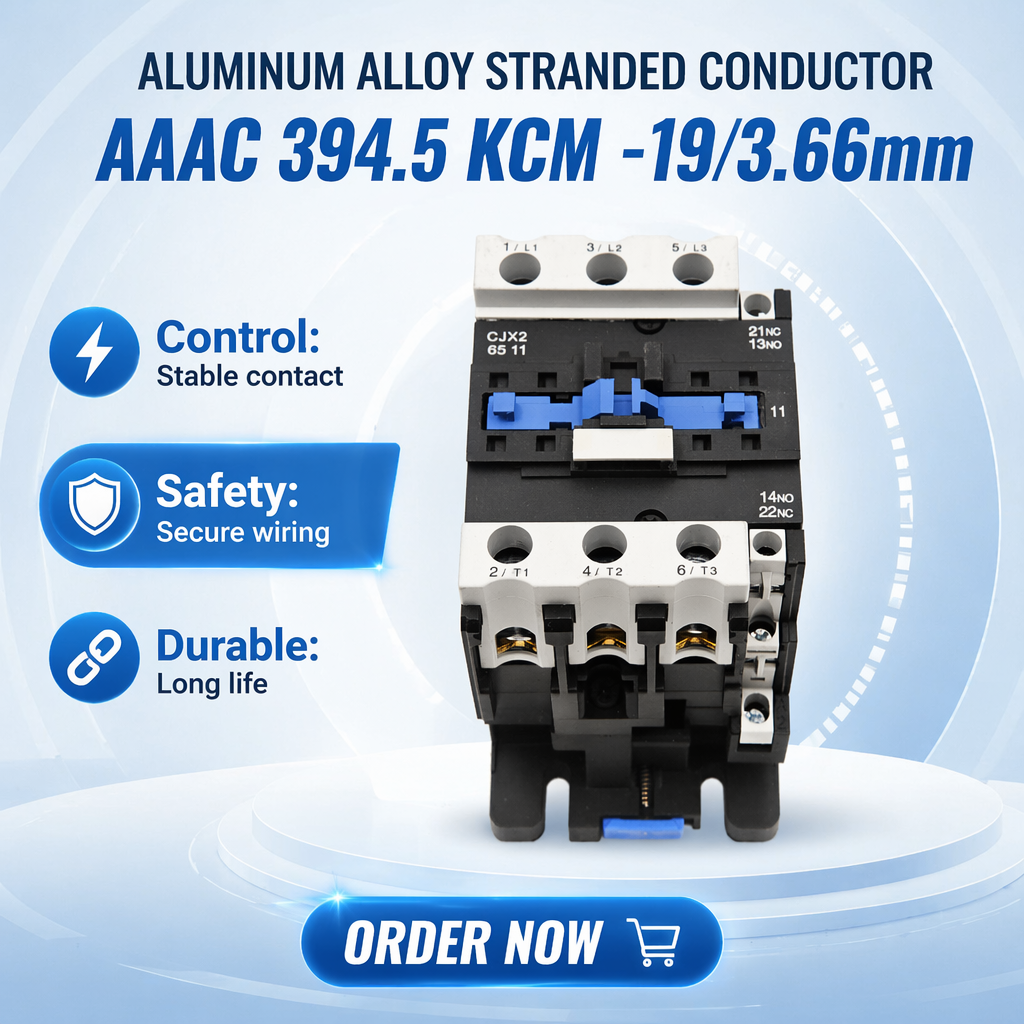
| Magnetic Contactors | CJX2-8011 3-Pole High-Cycle Units | AC-3 duty cycle up to 80A | Anti-vibration base, low-noise magnetic coil | Industrial HVAC, heavy ventilation, snow-melting boilers |
Target Deployment Scenarios Across the Sapporo Metro & Hokkaido
Where advanced low-voltage switching technology secures infrastructure resilience.
Logistics & Cold-Chain Hubs
Extensive cold-storage parks in Ishikari and Tomakomai require industrial-grade MCCBs with precision magnetic trips to protect high-inertia ammoniated refrigeration compressors against phase failure and undervoltage stalling.
Snowmelt & Road Infrastructure
Sapporo's subterranean and ramp heating systems draw sharp inductive startup surges. Our B- and C-curve MCBs, paired with high-endurance CJX2 contactors, provide reliable cycling without premature thermal tripping.
Agri-Tech & Modern Greenhouses
Suburban Chitose and Ebetsu agricultural facilities implement automated hydroponics. Microprocessor-governed over/under voltage relays protect pumps and LED grow matrices from voltage brownouts caused by winter line loading.
Emerging Procurement Trends in Northern Japan's Electrical Sector
Strategic adaptations modernizing low-voltage panel design across Japan.
1. Microgrid & Dual-Source Integration
Following severe seismic and winter outage warnings, Hokkaido buildings prioritize resilient secondary generation. PC-Class dual-power transfer switches allow fast, reliable automated changeover between grid power and diesel or battery backup systems.
2. Demand for Multi-Parameter Monitoring
Conventional passive circuit breakers are increasingly accompanied by digital metering modules. DIN-rail multi-function meters provide real-time reporting of kWh, current, and line voltages to facilitate commercial energy efficiency reporting.
3. Compact DIN-Rail Modular Standardization
Contractors operating in dense urban Sapporo settings demand higher breaking capacities packed into compact, standardized 35mm DIN-rail profiles to reduce overall footprint inside distribution switchgear enclosures.
Factory-Direct Capabilities & Supply Chain Strengths
Engineered by Zhejiang Graybar Electric Co., Ltd. in Liushi, Wenzhou — China's epicenter of electrical equipment manufacturing.
Supply Chain Synergy
Direct access to pure silver-alloy contact metallurgy, precision copper coil winders, and flame-retardant thermoplastics ensures rapid component turnaround and tight quality control.
Full-Batch Testing
Every lot undergoes 100% dielectric withstand verification, trip-curve consistency checks, and mechanical operating endurance tests before dispatch, ensuring stable field deployment.
Rapid Export Logistics
Low initial MOQs (from 5 pcs for MCB/MCCB, 1 pc for ACBs) enable rapid technical validation, backed by reliable direct sea routes linking Ningbo and Shanghai with major Japanese ports.
OEM & Engineering Support
Custom laser-etched identification, bespoke trip characteristics, private labeling, and bilingual documentation make our products plug-and-play for specialized panel builders.
Frequently Asked Questions: Sapporo Market Procurement
Key technical clarifications for electrical contractors, panel builders, and trading entities.
Can your circuit breakers and contactors run directly on Sapporo's 50Hz grid?
How do your breakers maintain trip calibration during cold Hokkaido winters?
Are these low-voltage components certified under CE and applicable international standards?
What are the minimum order quantities (MOQ) and lead times for evaluation units?
Do you offer customized OEM labeling and packaging for Japanese distributors?
Ready to Source High-Reliability Low Voltage Breakers?
Submit your single-line diagram, BOM requirements, or technical tender specifications. Our application engineers provide rapid quotes and comprehensive technical documentation.
Contact Us