Resilient Power Transfer Architecture in Mongolian Extremes
Navigating power security across the Central Energy System (CES), Western Energy System (WES), and off-grid South Gobi heavy industrial developments demands transfer switching equipment engineered beyond standard commercial tolerances.
Mongolia’s severe continental climate presents one of the most demanding operational environments in the world for electrical switchgear and automated changeover mechanisms. With ambient winter temperatures routinely plunging below -40°C in Ulaanbaatar and the northern aimags, combined with summer peaks exceeding +38°C across the southern desert expanses, standard commercial transfer switches face severe mechanical binding, bimetallic thermal drift, and dielectric breakdown caused by extreme condensation and permafrost freeze-thaw cycles. In mining corridors such as Oyu Tolgoi and Tavan Tolgoi, electrical transfer switches (ATS) serve as the linchpin protecting critical ventilation shafts, continuous slurry pipelines, and heavy motor control centers from devastating sub-zero freezes during primary utility outages.
As premier Chinese low-voltage apparatus manufacturers based in Liushi, Wenzhou—the world's foremost low-voltage engineering cluster—Zhejiang Graybar Electric Co., Ltd. provides CE-certified, IEC 60947-6-1 compliant electrical transfer switches engineered precisely for these volatile grid profiles. By utilizing silver-cadmium oxide and silver-tin oxide arc-resistant contacts, aerospace-grade low-temperature lubricants rated to -50°C, and flame-retardant polyamide enclosures tested under intense thermal shocks, our dual-power changeover devices eliminate single points of failure across utility-to-generator and renewable microgrid interconnections throughout Mongolia.
Featured Transfer Switches & Integrated Protection Devices
Engineered for Mongolian industrial panels, distribution boards, and off-grid generator switchboards. Fully certified to CE and relevant international IEC standards.
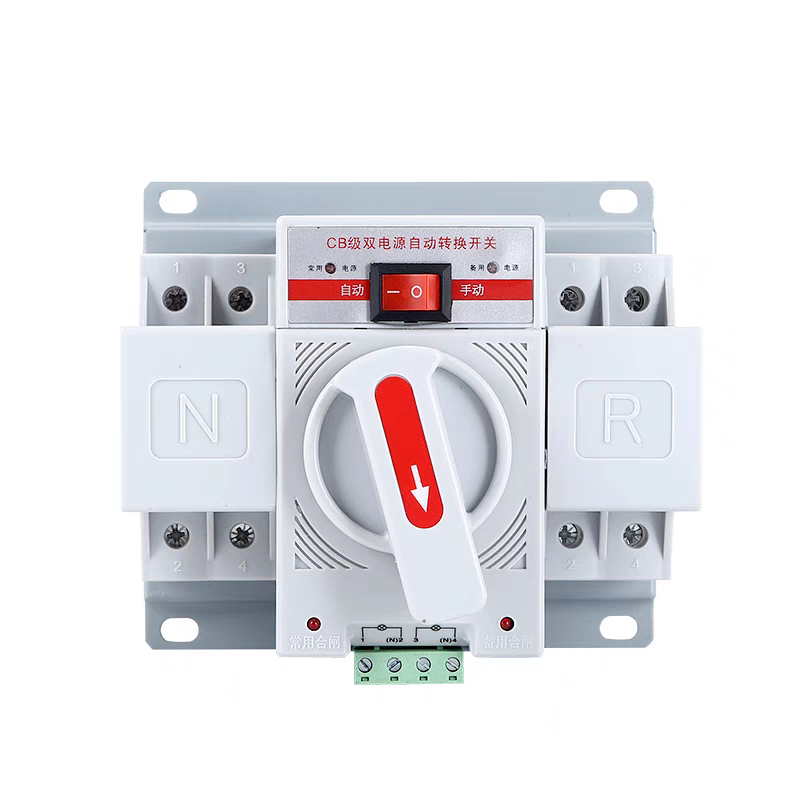
Dual Power Automatic Transfer Electrical Selector Switches 63A/100A Din Rail ATS 2P 3P 4P 10-125A Uninterrupted Power
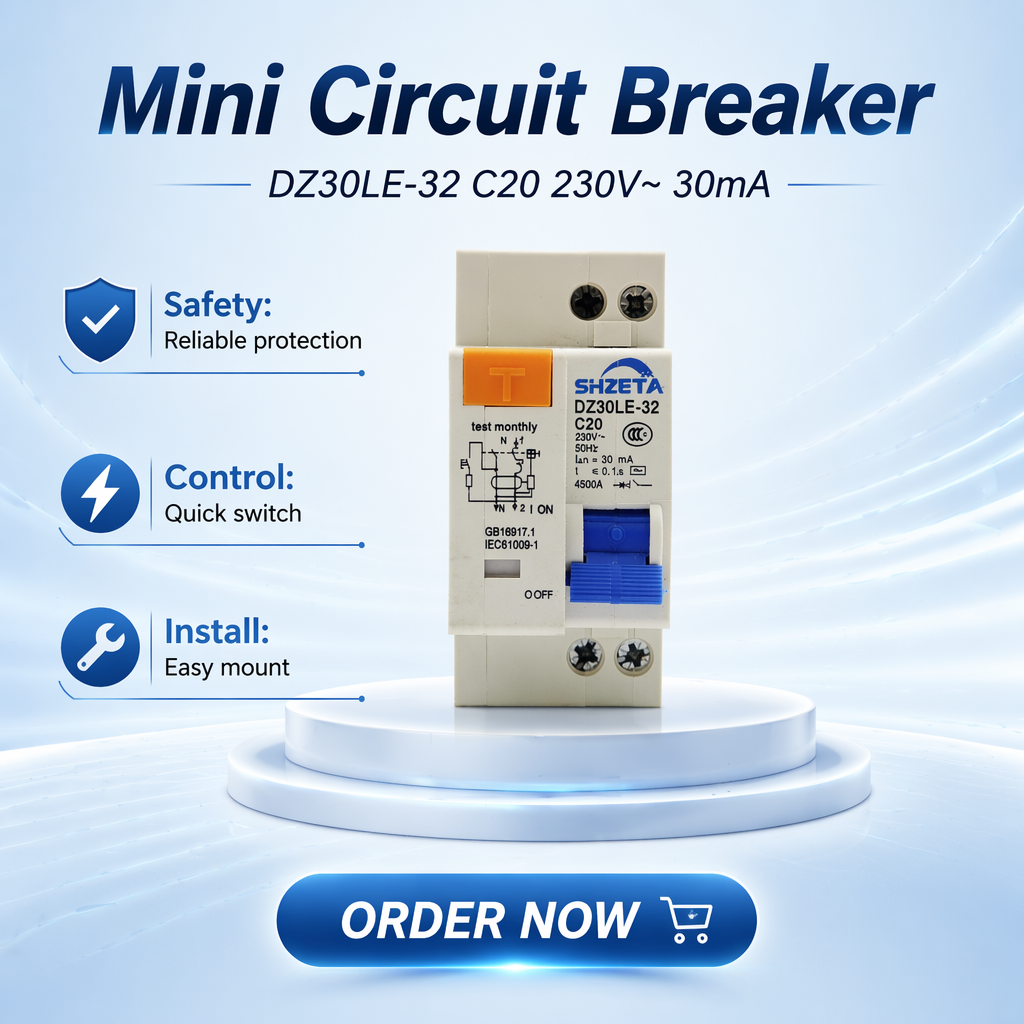
DZ30LE-32A Plastic Circuit Protection System for Office Hotel Shop/Supermarket & Public Lighting
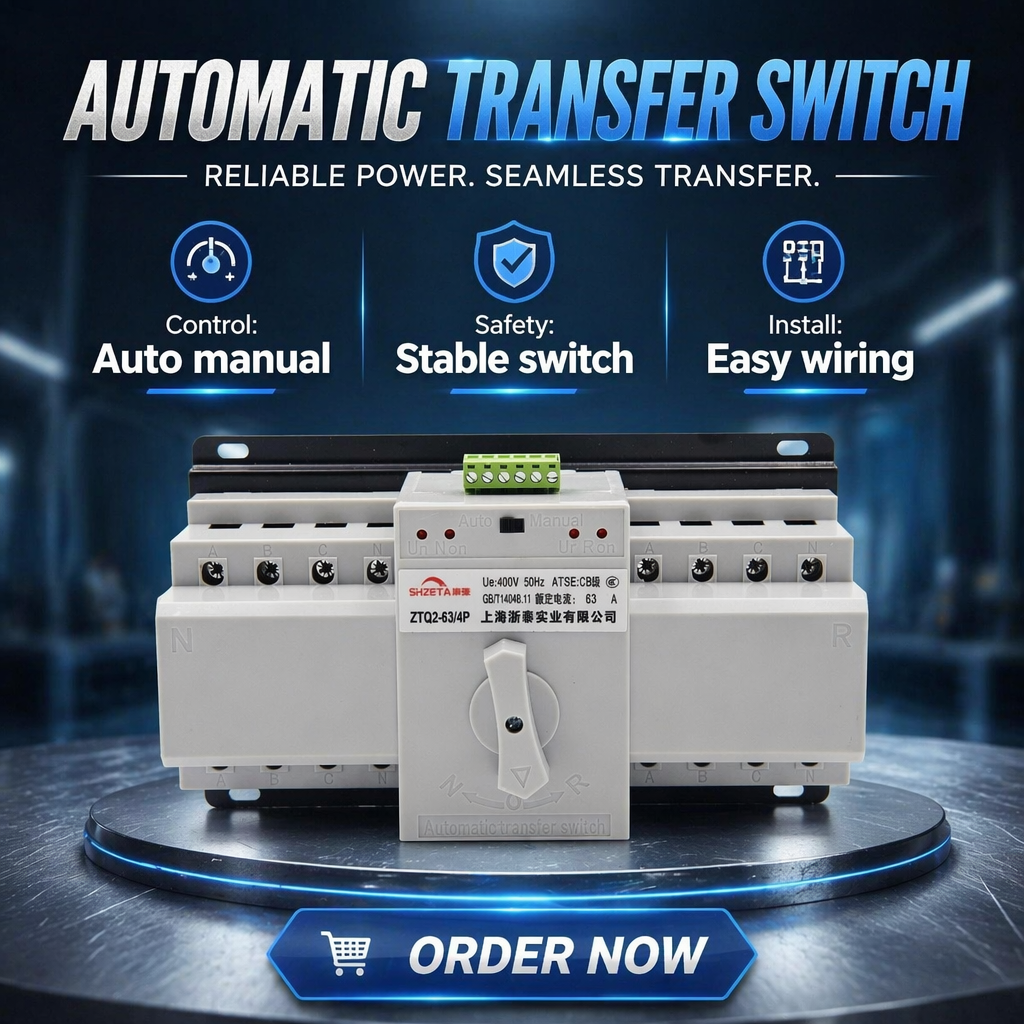
4P 63A Manual Changeover Switch Reliable Dual Power Transfer Integrated Circuit Breaker Type ATS for Home and Industrial Use
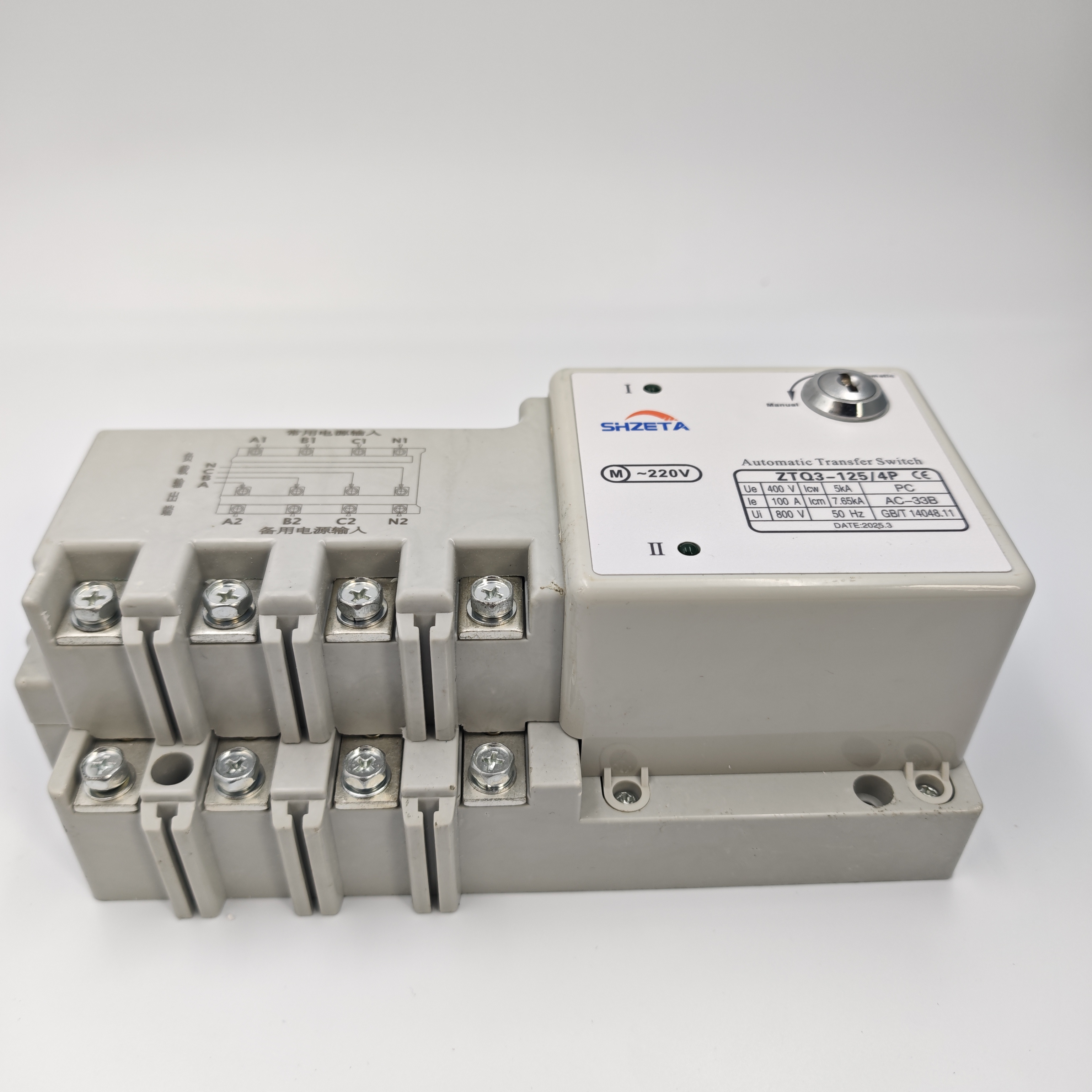
Dual Power Automatic Transfer Switch ZTQ3-100A/4P for Households Industrial Use Customizable Breaking Capacity/Poles/Phase 100A
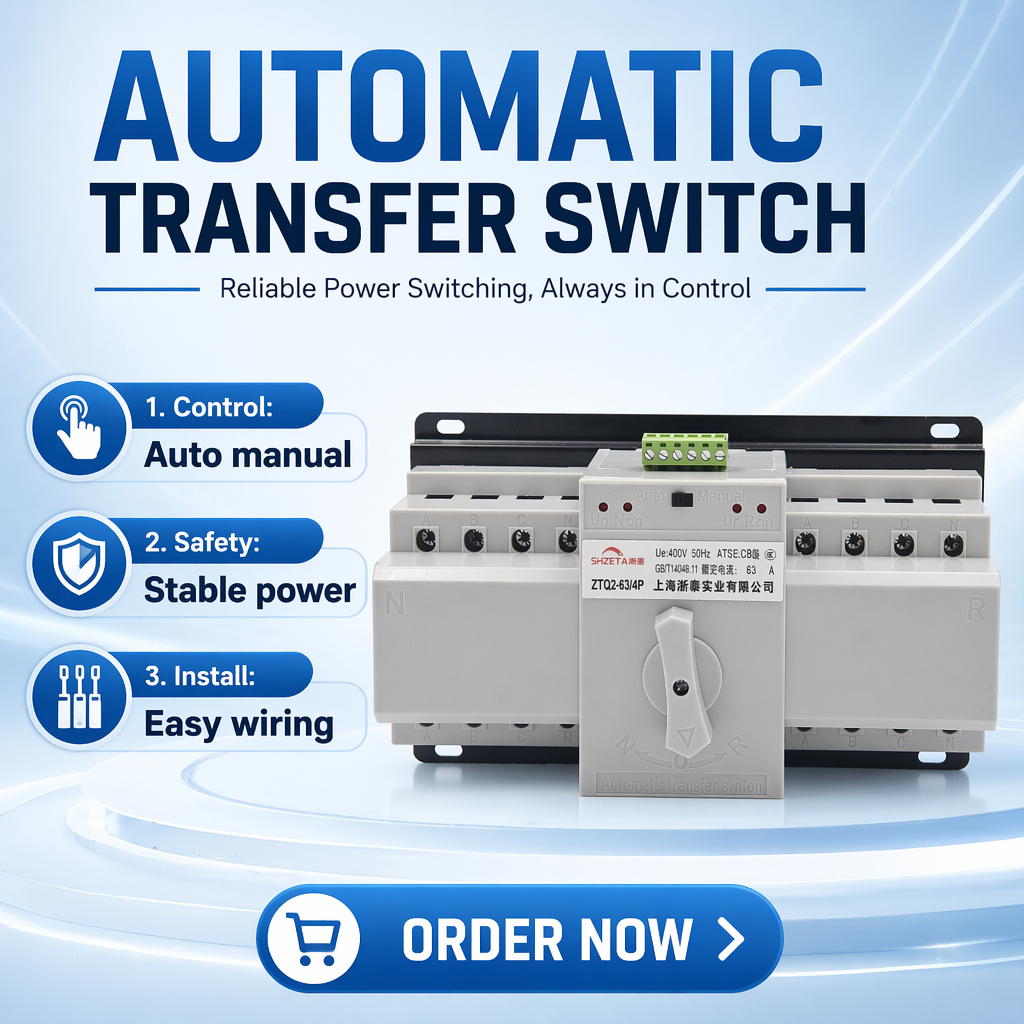
ATS PC Three Phase 4P 63A 400V 5kA Breaking Capacity Dual Power Automatic Device Changeover Solar Electric
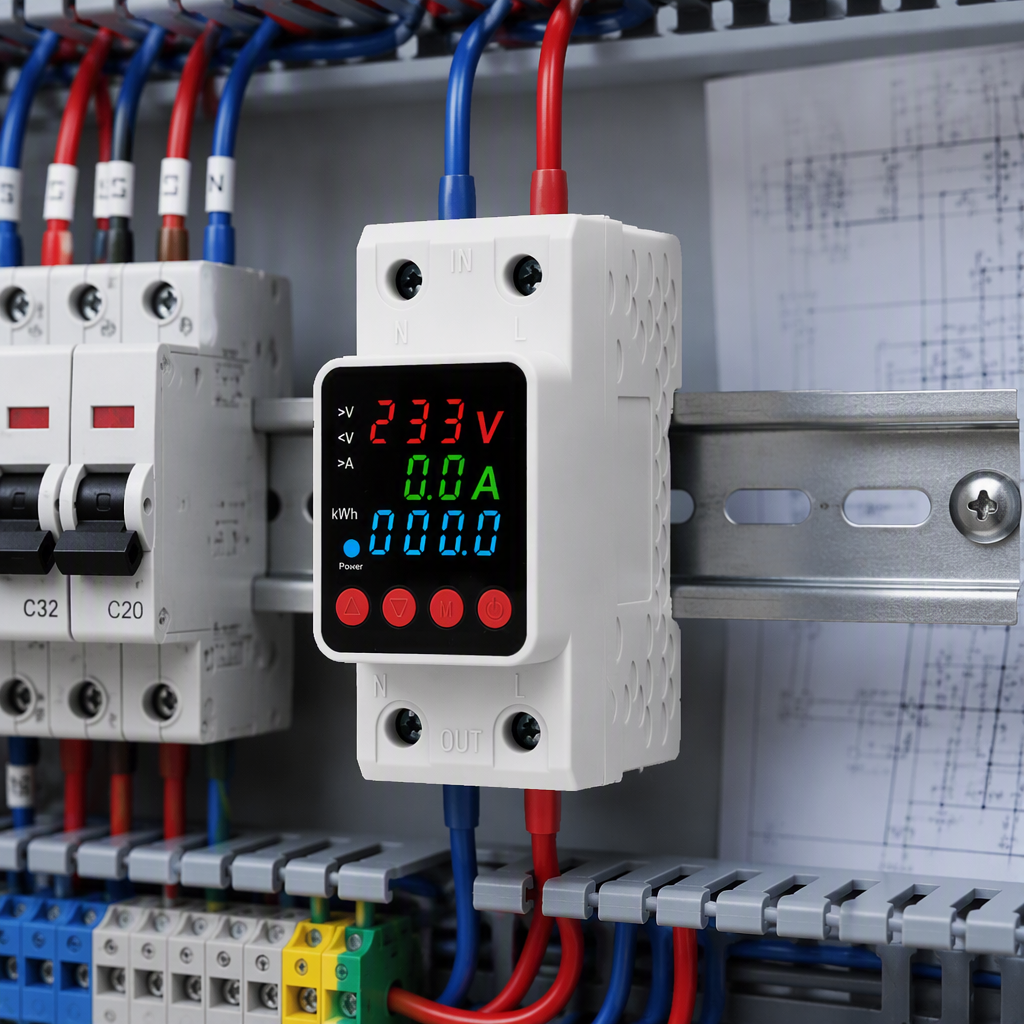
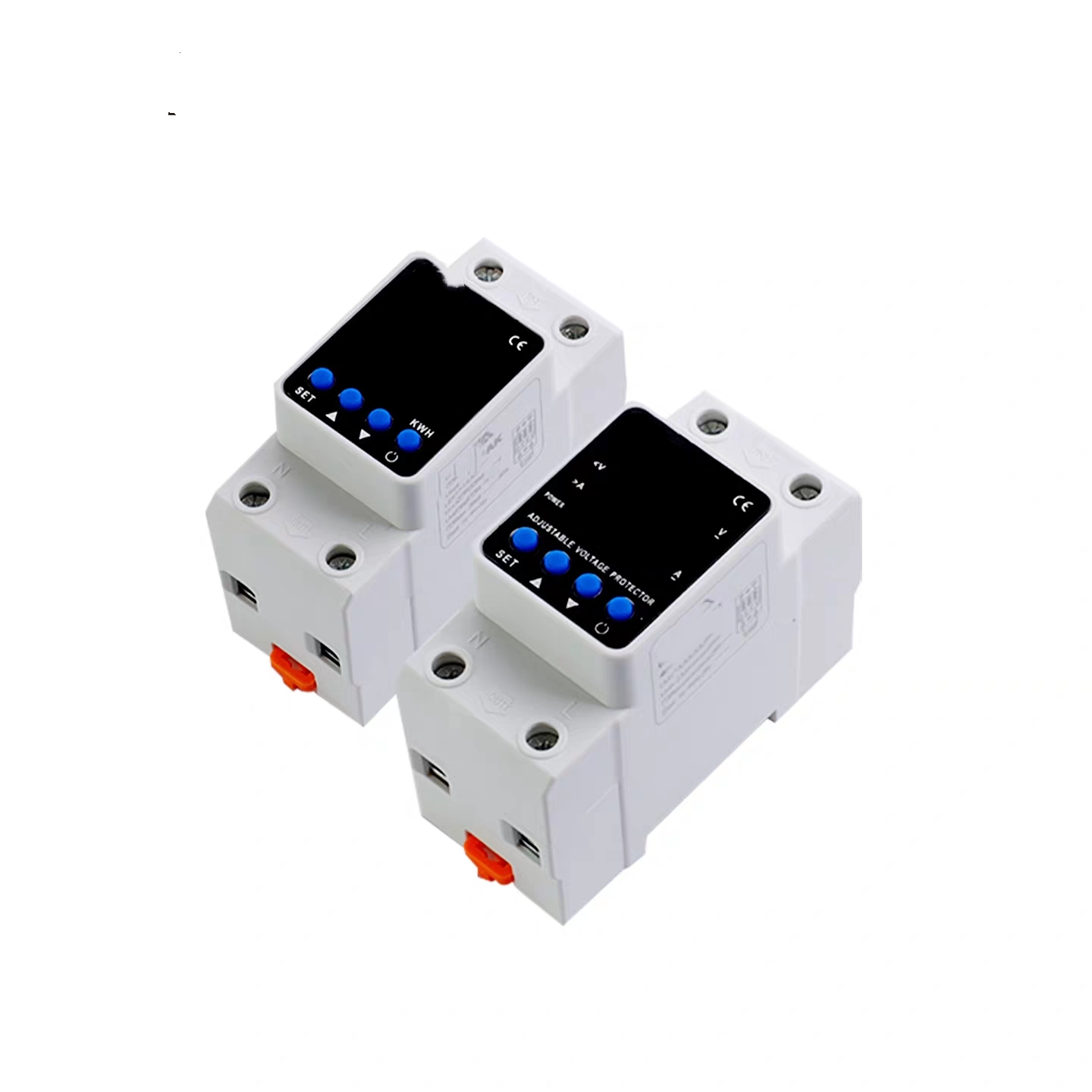
SHZETA Single Phase AC Voltage Meter with Over Voltage Protection and Energy kWh Meter Digital Display
Tailored Application Scenarios Across Mongolia
From South Gobi extraction pit substations to the high-density urban district heating nodes of Ulaanbaatar, discover how Graybar transfer switching equipment ensures uninterrupted operational continuity.
Urban District Heating & Boiler Plant Survivability
In Ulaanbaatar winters, where temperatures average -25°C and bottom out below -40°C, a loss of primary grid power to thermal circulating pumps and coal pulverizers causes catastrophic district heating pipe freezing within two hours. Our motorized CB-class ATS units provide dual-source interlocked sequencing between Central Energy System (CES) 10kV step-down feeders and emergency diesel generating sets. Built-in under-voltage delay relays prevent nuisance transfers during grid voltage sags, automatically triggering clean generator transfer once primary phase-loss is verified.
- Zero freeze-ups with under 3-second diesel backup ignition
- Mechanical and electrical interlocks prevent reverse utility feed
Remote Mining & Deep-Shaft Dewatering
Heavy extractive complexes across the South Gobi basin operate continuously under severe coal-dust exposure and ground vibrations caused by blasting. Dewatering sumps and primary ventilation shafts require robust PC-class transfer switches capable of enduring high prospective fault levels (up to 50kA with coordinated upstream MCCBs) without contact welding. Graybar PC-class transfer switches feature electromagnetic drive mechanisms that execute high-speed transfers without relying on internal thermal-magnetic trip units, ensuring instantaneous changeover to islanded generator banks.
- High short-time withstand current (Icw) prevents contact welding
- Sealed arc chute compartments resist conductive particulate ingress
Gobi Solar-Wind-BESS Hybrid Microgrids
Decentralized nomadic communities, highway border posts, and renewable IPPs across Mongolia rely on hybrid configurations combining solar PV arrays, small wind turbines, battery energy storage systems (BESS), and reciprocating gensets. The intermittent nature of wind and solar requires rapid ATS switching with configurable priority selection. Our dual-power DIN-rail and PC-class switches feature programmable dry-contact triggers that smoothly alternate between battery-inverter supplies during high irradiance and diesel generators when the state of charge drops below safety thresholds.
- Seamless inverter-to-generator switching in under 50ms
- Compatible with standard 48V/220V/400V hybrid inverter outputs
Mongolian Electrical Market Trends (2025–2030)
Strategic transition toward CE/IEC standards, intelligent digital telemetry, and climate-hardened switchgear across national grid modernization frameworks.
The Mongolian electrical equipment sector is undergoing a profound structural transition. Historically influenced by Soviet GOST standards, modern infrastructure projects overseen by the Ministry of Energy and international funding bodies (EBRD, ADB, World Bank) increasingly mandate compliance with harmonized European Norms and International Electrotechnical Commission guidelines (IEC/EN 60947 series). Switchgear importers and EPC contractors in Ulaanbaatar now face stringent compliance checks at General Agency for Customs and General Agency for Specialized Inspection (GASI) border crossings in Zamiin-Uud. Equipment bearing legitimate CE marks, accompanied by accredited third-party test certificates covering low-temperature mechanical endurance, receives expedited customs clearing and immediate project approvals.
Concurrently, the rapid digitization of substations has fueled high demand for smart transfer switches equipped with integrated RS485 Modbus-RTU communication ports and digital voltage monitoring controllers. Contractors building modern mixed-use developments along Peace Avenue or retrofitting primary substations in Darkhan and Erdenet require transfer devices capable of transmitting live line voltage, phase angle asymmetry, contact position status, and event fault logs directly to centralized supervisory SCADA networks. The table below outlines how engineering requirements differ across core Mongolian application tiers:
| Evaluation Parameter | PC-Class Automatic Transfer Switch | CB-Class Automatic Transfer Switch | Manual Interlocked Changeover |
|---|---|---|---|
| Primary Switching Architecture | Dedicated solenoid or electromotive drive without internal thermal trip units | Dual mechanically interlocked MCCBs or MCBs with thermal-magnetic/electronic trip | Heavy-duty cam or toggle disconnect mechanism with mechanical handle |
| Transfer Time (ms) | Ultra-fast: 30ms to 80ms (continuous process continuity) | Moderate: 150ms to 3500ms (motorized gear driven) | Manual intervention: Dependent on operator response |
| Sub-Zero Resilience (-40°C) | Superior Direct electromagnetic pull, minimum moving linkages | Standard Requires low-temp rated gear lubricants & heaters | High Simple physical lever, zero electronic freeze risk |
| Short-Circuit Protection | Requires coordinated upstream fuse or MCCB back-up | Built-in overcurrent and short-circuit interruption | Requires series upstream circuit breaker protection |
| Target Mongolian Deployment | Tier-3/4 Data hubs, South Gobi mining pumps, hospital ICUs | Commercial high-rises, Ulaanbaatar boiler substations, light industrial | Rural soum clinics, residential backup gensets, mining maintenance bays |
Why Mongolian Importers & Panel Builders Partner with Graybar
Headquartered in Liushi Town, Wenzhou—China's low-voltage capital—we provide direct manufacturing agility, rapid cross-border rail logistics, and rigorous certified testing.
Precision Engineering & Direct Factory Assurance
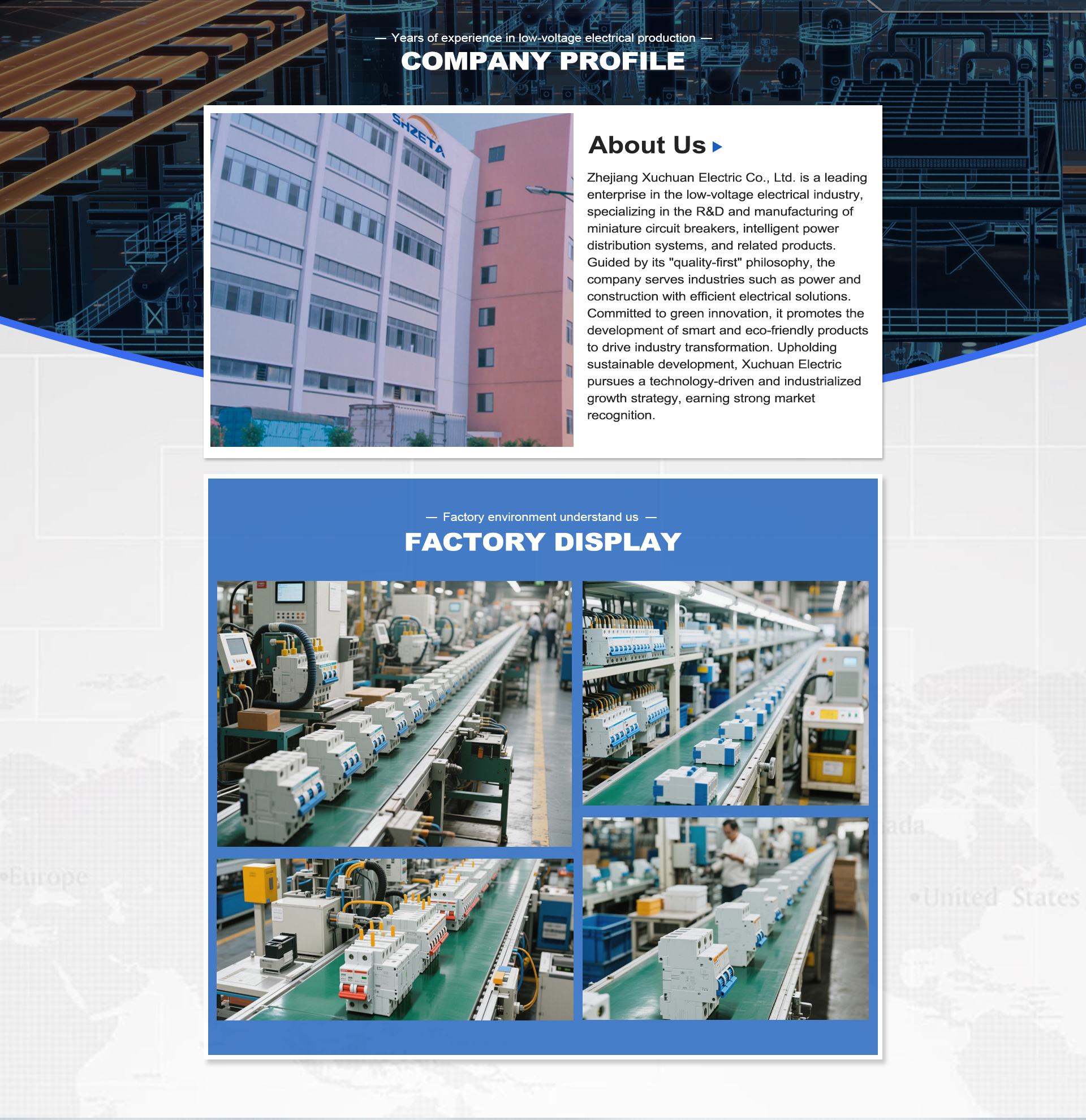
Zhejiang Graybar Electric Co., Ltd. is not a middleman or trading portal. We operate modern production facilities in Huangyu Village, Liushi Town, integrating automated copper stamping, plastic injection molding of high-grade PA66 casings, automated coil winding, and computer-controlled trip-time calibration under a unified ISO9001 quality management umbrella.
For the Mongolian export market, we calibrate our bi-metallic trip strips and dielectric clearances specifically to withstand high elevations (Ulaanbaatar average elevation: 1,350m above sea level) and dry, dusty conditions. Every batch undergoes dielectric withstand tests, contact resistance measurement, and mechanical switching life verification before packaging in heavy-duty export grade cartons.
Frequently Asked Questions for Mongolian B2B Buyers
Everything electrical contractors, panel builders, and procurement officers need to know about specifications, certifications, cold-weather tolerances, and freight.
How do Graybar transfer switches operate reliably at Mongolian temperatures down to -45°C?
Standard commercial ATS models fail in severe cold because internal petroleum-based gear greases solidify into high-viscosity paste, causing motor drive lockouts. Graybar uses specialized synthetic perfluoropolyether (PFPE) and low-temperature silicone lubricants certified operational from -55°C to +130°C. Furthermore, our internal moving parts utilize non-embrittling bronze bushings and reinforced UL94-V0 polyamides that resist thermal cracking under rapid temperature cycling.
Will your CE test documentation satisfy Mongolian GASI and Customs inspections at Zamiin-Uud?
Yes. Every export shipment is backed by authenticated CE Declarations of Conformity and comprehensive third-party type test reports referencing standard IEC 60947-6-1 (Low-voltage switchgear and controlgear - Transfer switching equipment) and IEC 60947-2 for circuit breakers. We furnish verified copies stamped with factory serial traces that streamline clearance through the General Agency for Specialized Inspection (GASI) at the Erenhot / Zamiin-Uud border crossing.
Should we select a 3-Pole (3P) or 4-Pole (4P) ATS for our standby generator installation?
In Mongolia, where most commercial, mining, and institutional buildings operate under TN-S or TN-C-S earthing systems with local emergency generators, a 4-Pole (4P) transfer switch is strongly advised and frequently required by electrical inspectors. Switching the neutral conductor prevents hazardous circulating ground currents, avoids erratic tripping of sensitive upstream Residual Current Devices (RCD/GFCI), and isolates the utility neutral during primary line fault conditions.
What is the typical shipping lead time from your Wenzhou factory to Ulaanbaatar?
For sample orders and expedited shipments, air freight from Wenzhou/Shanghai to Chinggis Khaan International Airport (UBN) takes approximately 5 to 8 business days. For consolidated commercial cargo, containerized rail freight routed via the Trans-Mongolian railway through Erenhot and Zamiin-Uud typically reaches Ulaanbaatar terminals within 14 to 20 days. Standard factory lead time for batch assembly is 10 to 15 days, with fast-moving ATS models stocked for immediate dispatch.
Can you provide custom private labeling, laser branding, and Mongolian/Russian language manuals?
Yes. We specialize in comprehensive OEM and ODM support for local Mongolian electrical distributors and switchgear panel builders. We offer high-precision laser marking for your brand logo, customized rating plate parameters, customized retail carton packaging, and technical instruction booklets printed in English, Mongolian, or Russian to ensure smooth field installation by local electricians.
How do high altitudes in Mongolia (e.g., 1,350m in Ulaanbaatar, 1,600m+ in Altai) affect ATS ratings?
At elevations above 1,000 meters, thinner atmospheric density reduces both convective cooling and the dielectric breakdown strength of air gaps during electrical contact arcing. Graybar electrical switches are designed with generous creepage distances (exceeding standard 8mm requirements) and robust arc suppression chambers. For deployments above 2,000 meters in Western aimags, our application engineers provide precise thermal derating calculations (typically 2-4% current derating) to ensure long-term equipment safety.
Engineering a Resilient Substation or Standby Power Project?
Submit your single-line diagram (SLD), bill of quantities (BOM), or project specifications. Our senior electrical application team provides verified technical selections, CAD drawings, and volume pricing within 24 hours.