1000V DC
String Voltage Rating
10 kA
Ultimate Breaking Cap (Icu)
CE / IEC
60947-2 & 60898-2 Certified
50°C
Tropical Calibrated Base
Engineered Protection Portfolio
Essential Switchgear & Breaker Solutions for the Cuban Grid
Precision-manufactured in Liushi, Wenzhou: High-performance DC MCBs, transfer switches, and voltage surge suppressors designed to safeguard microgrids and industrial distribution networks against severe fluctuations.
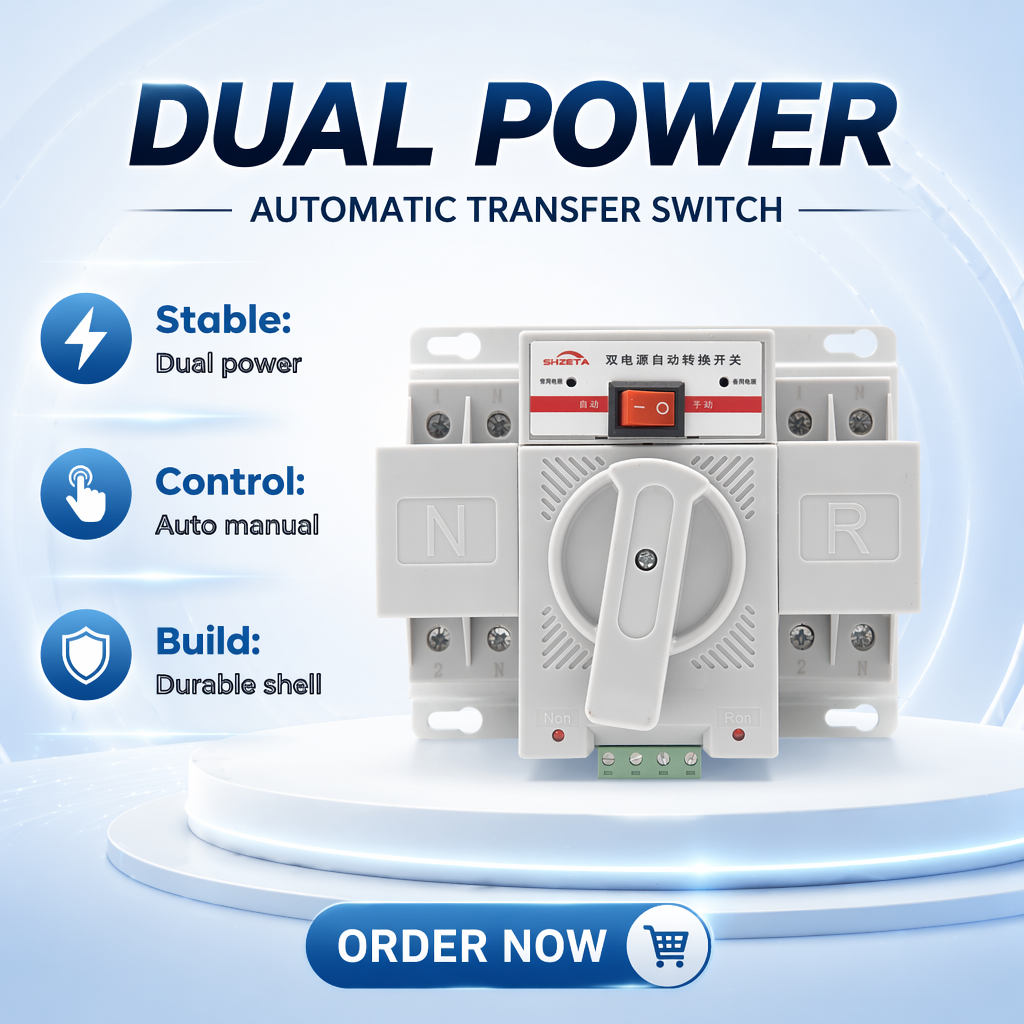
4P 63A Single Phase Manual Changeover Switch Transfer ATS
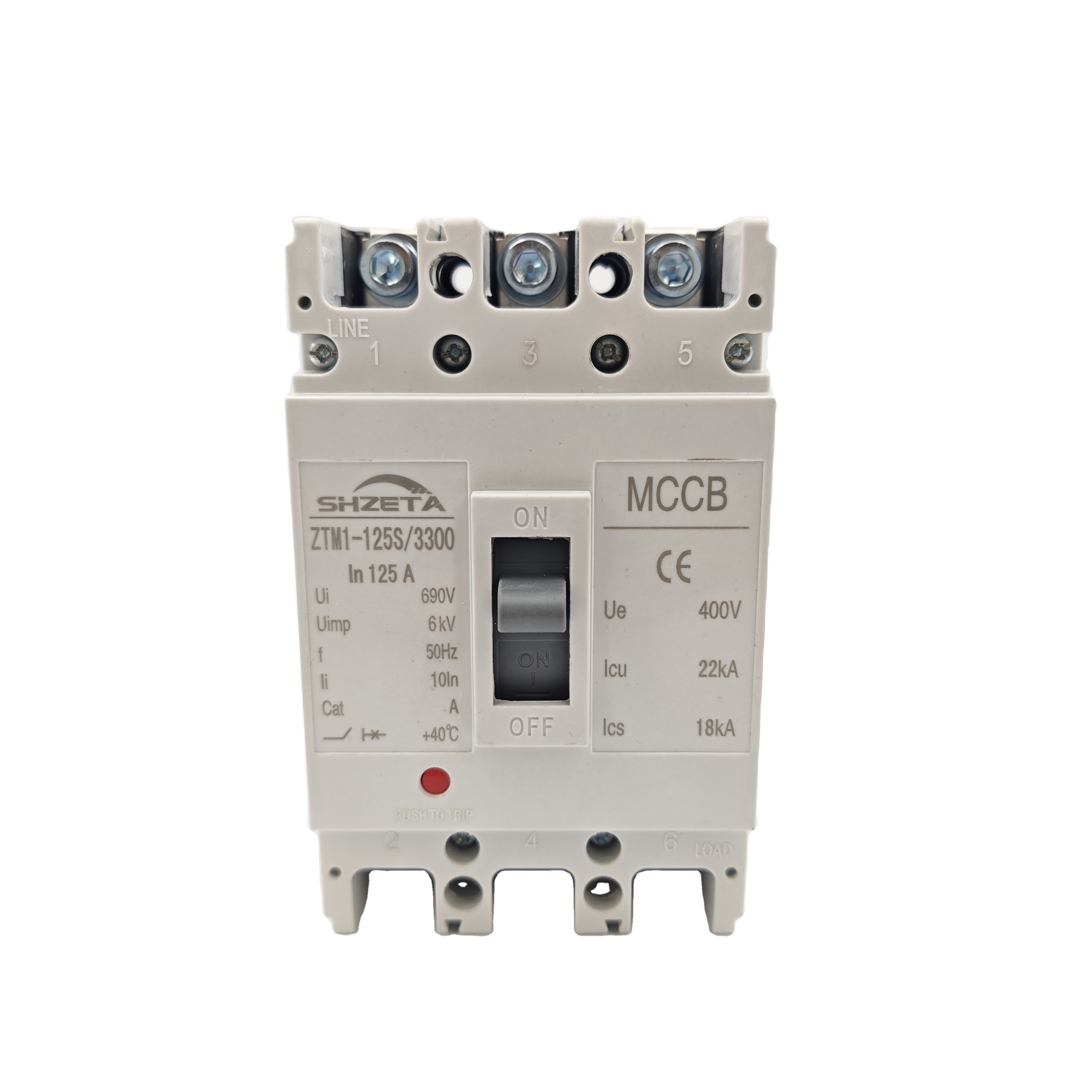
Mutai 3P 80A-100A Thermal Magnetic Circuit Breaker 415V 35kA
Factory Waterproof 500V DC 100A MCCB Moulded Case Circuit Breaker
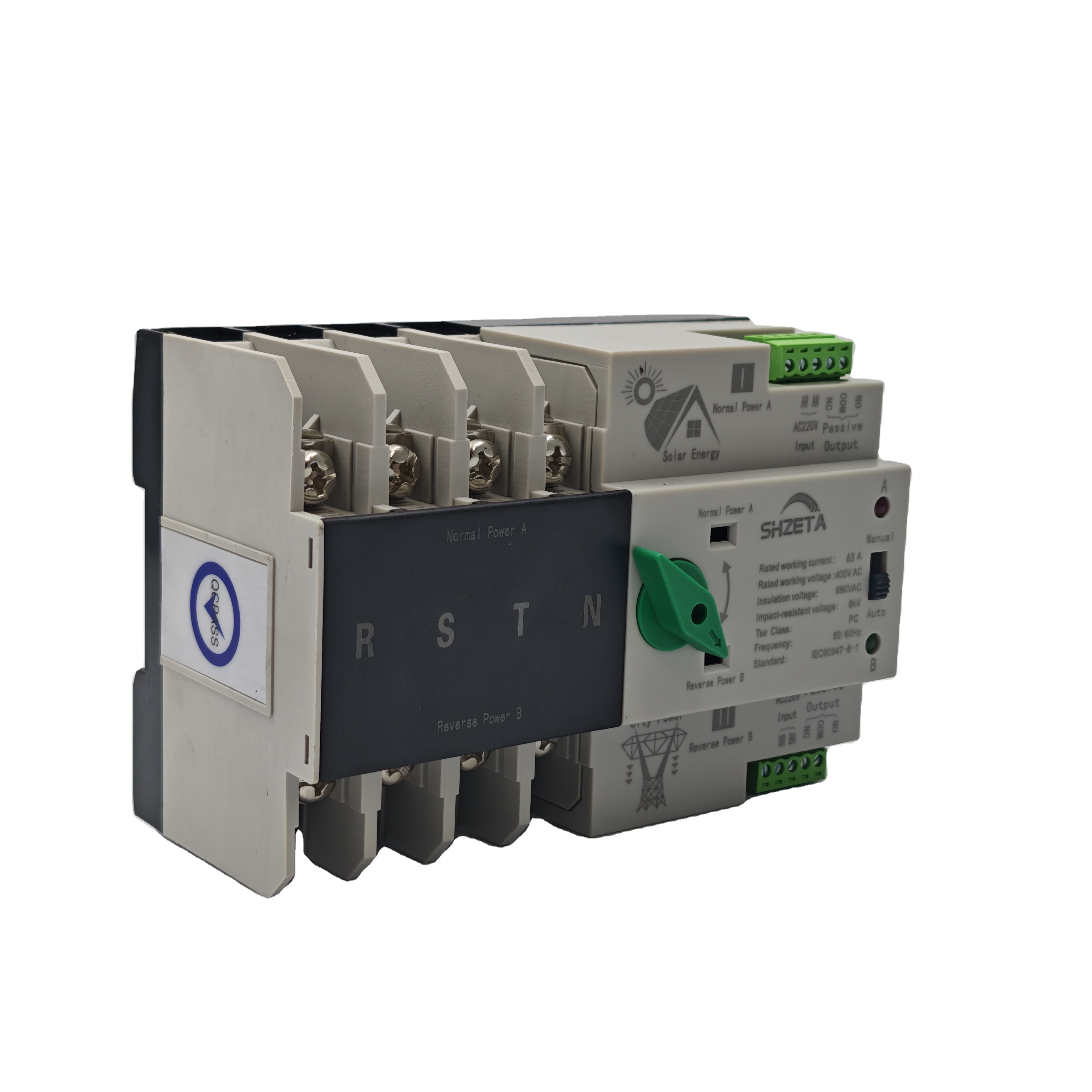
DIN Rail ATS Double Power Automatic Transfer Switch 4P 100A-125A
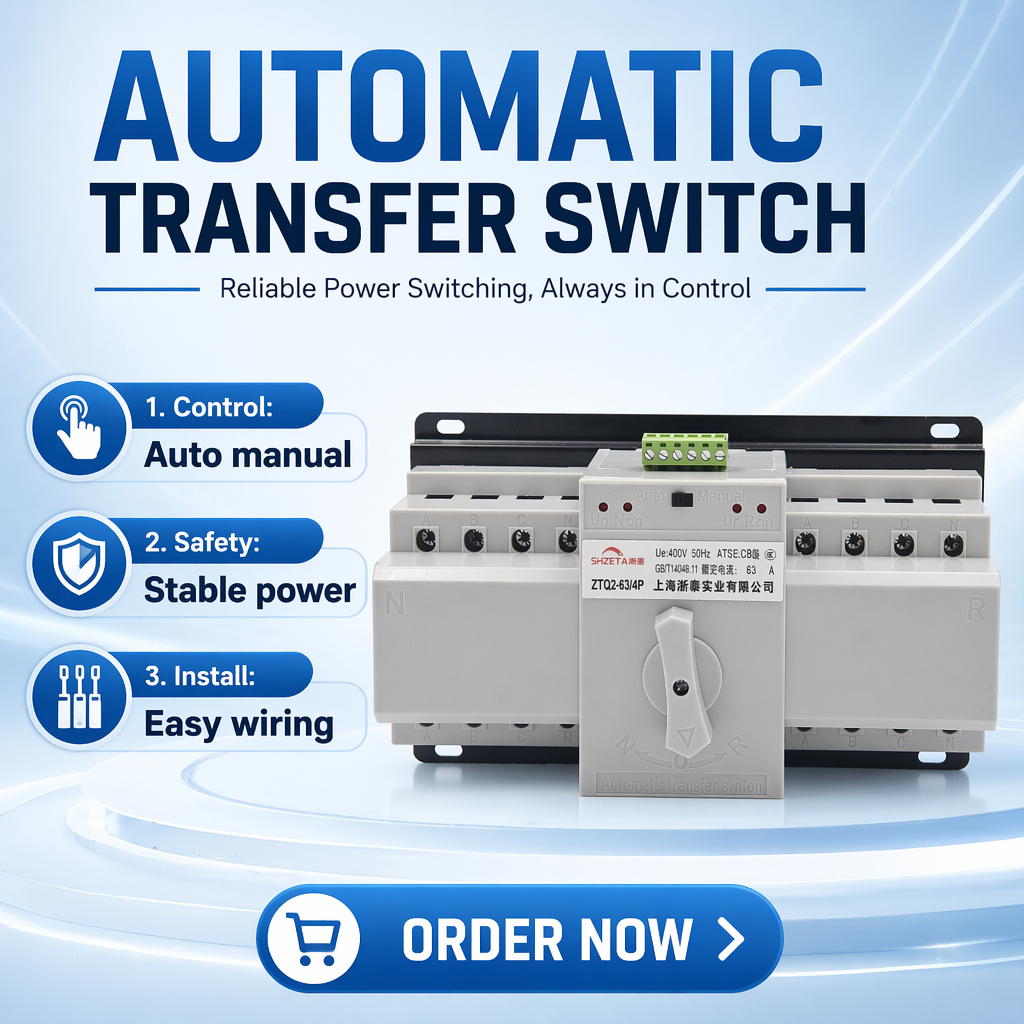
ATS PC Three Phase 4P 63A 400V 5kA Dual Power Changeover Switch
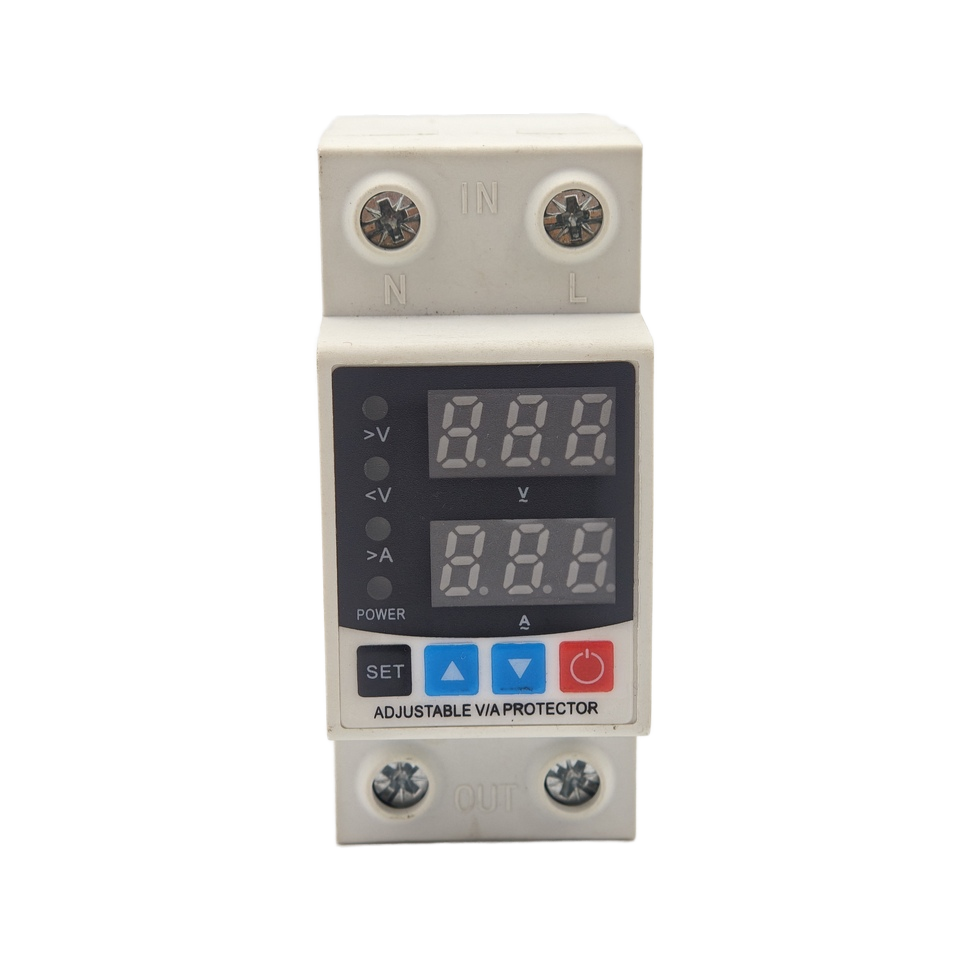
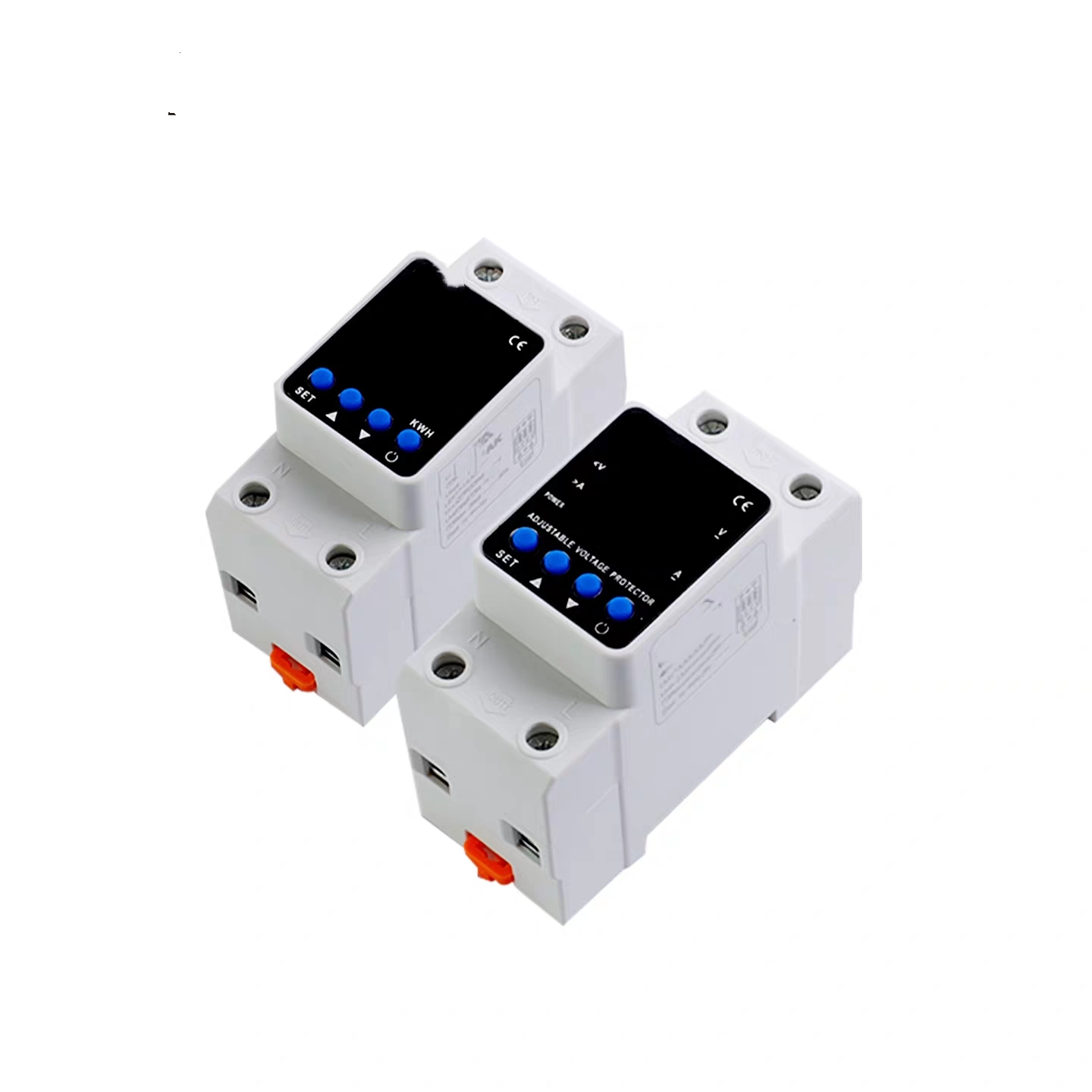
40A 63A 220V DIN Rail Adjustable Over/Under Voltage Protection Device
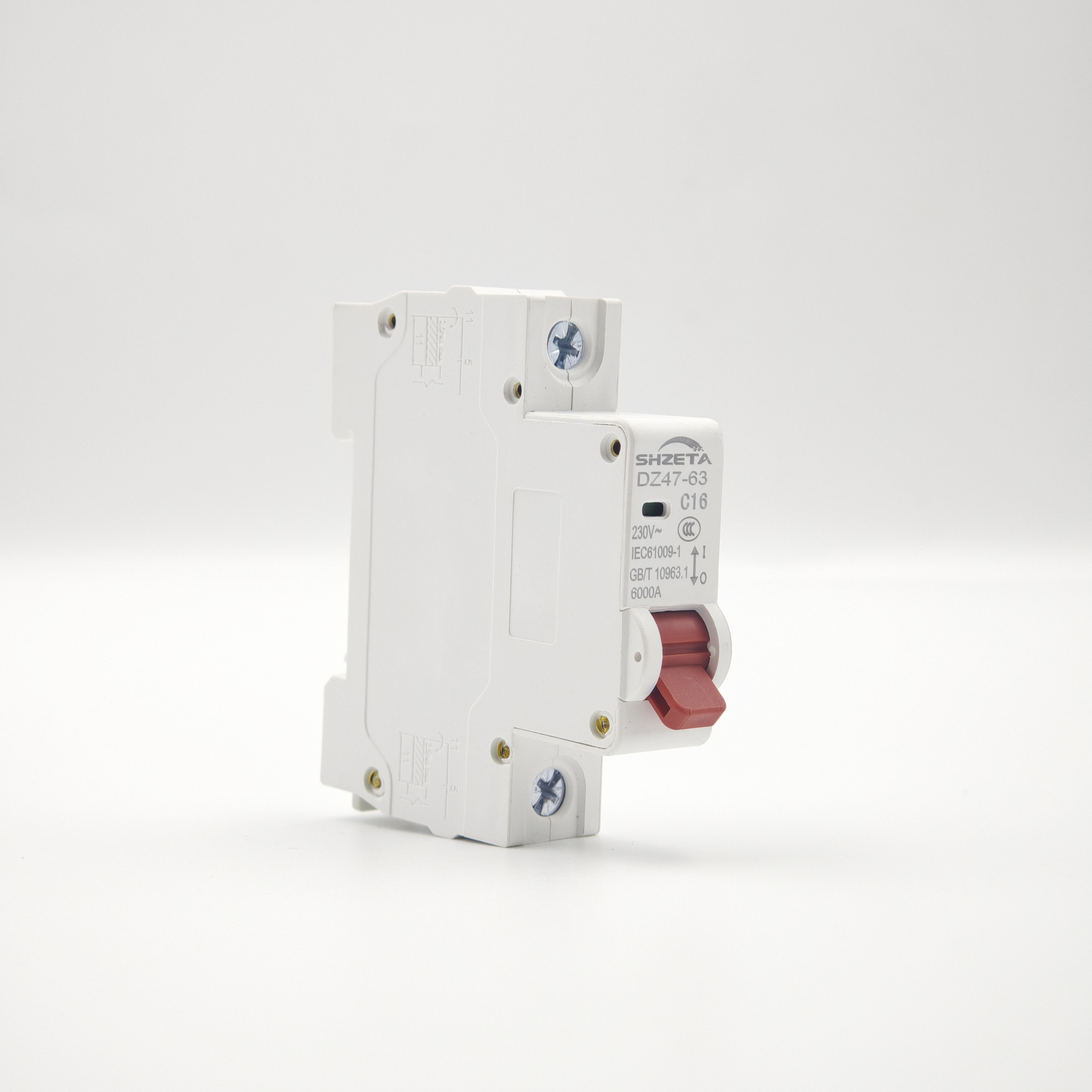
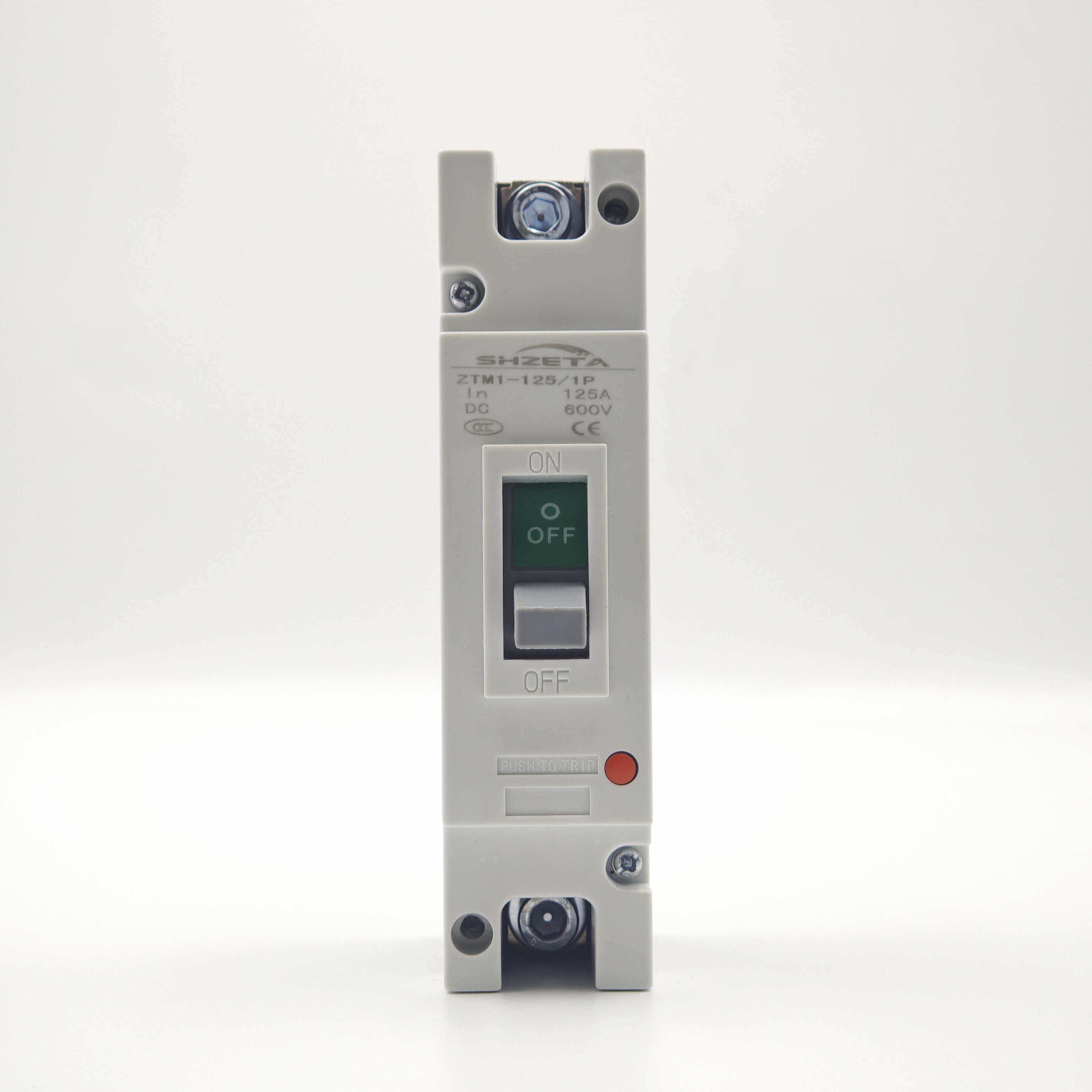
Mechanical Interlocking DC MCB 1P+N, 2P, 3P, 4P Circuit Breaker
Technical Whitepaper: DC Breaking Physics Under Severe Tropical Operating Conditions
Direct current miniature circuit breakers (DC MCBs) operate under fundamentally harsher physical constraints than standard alternating current devices. In alternating systems, current passes through a natural zero-crossing 100 to 120 times per second, permitting the electrical arc formed during mechanical contact separation to cool and naturally self-extinguish. Conversely, direct current circuits maintain continuous energy flow without zero-voltage transitions. When breaking DC fault currents in high-voltage photovoltaic strings up to 1000V DC or high-capacity lithium iron phosphate (LiFePO4) storage banks, the resulting continuous plasma arc can exceed 4,000°C.
To safely mitigate this, Zhejiang Graybar Electric incorporates permanent neodymium magnetic blowout fields paired with enhanced 13-plate de-ionizing arc chutes within our CE-certified DC MCBs. The intense magnetic flux exerts an instantaneous Lorentz force upon the conductive arc path, rapidly elongating the plasma bridge into the splitter plates. The plates dissipate heat within milliseconds, raising the internal arc resistance above the source voltage and driving the fault current to absolute zero.
In Cuba's operating theatre, this mechanical architecture faces severe environmental challenges. Tropical humidity regularly exceeding 85% RH and persistent ambient operating temperatures of 38°C to 45°C inside enclosed rooftop combiner boxes alter the thermal trip kinetics of standard bimetallic strips. Conventional circuit breakers encounter thermal de-rating issues that result in persistent nuisance tripping during peak noon solar irradiance. Graybar combats this through custom factory calibration calibrated to a baseline 45°C to 50°C thermal reference point, deploying silver-tungsten sintered contacts with elevated degradation resistance, and molding housings from reinforced V0 flame-retardant polyamide compounds that prevent polymer creeping and tracking in high-moisture tropical environments.
Engineering Matrix: Standard AC MCB vs. Tropicalized Solar DC MCB
Sourcing engineers and switchgear assemblers frequently encounter catastrophic field failures when using AC-rated breakers in DC circuits. Below is the technical performance baseline required for Cuban project tenders:
| Engineering Characteristic | Standard Commercial AC MCB | Graybar Industrial Solar DC MCB | Significance for Cuban Installations |
|---|---|---|---|
| Arc Extinction Mechanism | Passive zero-crossing arc splitter | Permanent Magnetic Blowout + 13 Plates | Prevents sustained arcs from combusting PV combiner boxes. |
| Working Voltage Rating | 230V / 400V AC (50/60Hz) | 250V DC per pole (up to 1000V DC in 4P) | Handles full open-circuit array voltages (Voc) safely. |
| Thermal Calibration Base | 30°C Ambient Reference | 45°C - 50°C Tropical Industrial Reference | Eliminates mid-day false tripping under extreme Caribbean heat. |
| Contact Composition | Standard Copper-Silver Alloy | Heavy Silver-Tungsten (AgW) Composite | High arc-erosion resistance under repetitive emergency DC trips. |
| Short-Circuit Breaking (Icu) | 4.5 kA to 6 kA at AC | Up to 10 kA (IEC 60947-2) at 1000V DC | Withstands prospective battery short-circuit discharge currents. |
Strategic Deployment Scenarios Across Cuba's Grid Infrastructure
The transformation of Cuba's energy architecture requires switchgear engineered for decentralized resilience. Graybar's DC breakers and complementary transfer systems are tailored for three distinct infrastructural use cases:
Agro-Industrial Microgrids
Remote agricultural hubs, sugar mills, and rural medical clinics rely on isolated microgrids powered by ground-mounted solar PV and generator backup. Graybar 500V to 1000V DC MCBs isolate strings safely during array servicing without disrupting localized operations.
Telecom & Critical Backups
Uninterruptible DC power supply (UPS) units protecting provincial telecommunications towers and data infrastructure rely on Graybar high-current DC MCBs and MCCBs to shield 48V-110V battery strings against high-inrush short circuits.
Commercial Dual-Source Resiliency
Hotels, joint ventures in the Mariel Special Development Zone (ZEDM), and municipal facilities pair our DC MCBs with dual-power Automatic Transfer Switches (ATS) to provide seamless switching between unstable utility lines and local solar reserves.
Emerging Macro Trends in Cuba's Energy Transition
Cuba's strategic target to transition more than 24% of its domestic electricity generation to renewable energy sources by 2030 has driven a surge in distributed photovoltaic projects across all 15 provinces. However, supply chain realities, fuel import limitations, and aging thermal power infrastructure continue to make grid reliability an everyday operational challenge.
In response, engineering procurement teams in Havana, Santiago de Cuba, and Camagüey are prioritizing rugged, standardized components with clear mechanical redundancy. Rather than fully integrated single-brand proprietary systems that risk prolonged operational downtime when a component fails, state enterprises and independent installers lean toward modular DIN-rail architectures. Sourcing CE-certified DC MCBs, surge protection devices (SPDs), and automatic transfer switches from an established manufacturer in Liushi allows buyers to replace components easily and source directly at transparent factory-gate pricing.
Additionally, the rapid expansion of private enterprise cooperatives (Mipymes) and foreign-investment industrial facilities in zones such as Mariel is shifting the quality expectations of the local electrical supply chain. B2B buyers now demand full traceability, type-test certificates compliant with IEC 60947-2, and bilingual technical support. These verified safeguards protect multi-million dollar solar investments against premature failure caused by coastal salt-mist corrosion, severe lightning transients, and wide voltage swings.
Zhejiang Graybar Electric: Direct Manufacturing Advantages
Headquartered in Liushi Town, Wenzhou—the acknowledged global capital of low-voltage electrical switchgear manufacturing—Zhejiang Graybar Electric Co., Ltd. provides a vertically integrated supply model built for long-distance international commerce.
Integrated Tooling & Production
From injection molding of high-dielectric casings to robotic welding of silver-tungsten contact tips and bimetal thermal calibrations, all critical manufacturing takes place under our direct operational control.
100% End-of-Line Verification
Every DC circuit breaker batch undergoes trip-time verification, dielectric breakdown resistance testing, and dimensional inspection before final packaging, ensuring total compliance with IEC 60947-2 standards.
Export Logistics Flexibility
With an accessible starting minimum order quantity (MOQ) of just 5 units for standard MCBs, we enable Cuban contractors and distributors to run low-risk pilot trials before scaling up to full container shipments consolidated via Ningbo or Shanghai.
Frequently Asked Questions for Cuban Sourcing Teams
Clear, direct answers covering international logistics, technical sizing, and commercial certification protocols.
Can standard AC circuit breakers be installed in Cuban solar DC circuits?
Under no circumstances should standard AC breakers be deployed in DC photovoltaic or battery circuits. AC circuit breakers rely on natural zero-crossing cycles to interrupt the arc. In a continuous direct current system, an AC breaker will fail to extinguish the arc, causing continuous plasma formation, contact welding, housing destruction, and electrical fire hazard.
What is the typical lead time and shipping route to Cuban ports?
Production for standard orders ranges from 7 to 15 business days depending on volume. Sea freight routes originate from Ningbo or Shanghai ports, connecting to the Port of Mariel or Havana via transshipment hubs. Typical ocean transit times range from 35 to 50 days, supported by complete commercial invoices, packing lists, and Certificates of Origin.
How does high ambient temperature affect DC MCB sizing in Cuba?
High ambient temperatures cause standard thermal-magnetic breakers calibrated at 30°C to de-rate significantly. In combiner boxes where internal temperatures frequently hit 50°C, a breaker rated at 32A may nuisance-trip at 25A. Graybar offers tropical-rated breakers calibrated to a 45°C-50°C baseline, or we supply precise engineering de-rating tables to help you size breakers correctly.
Do you support customized OEM labeling and Spanish packaging?
Yes. Graybar provides comprehensive OEM and ODM support. We provide customized laser-etched front markings, private-label branding, customized packaging boxes, and Spanish-language technical manuals and wiring diagrams to streamline local project commissioning and distribution.
Request Engineering Datasheets & Wholesale Factory Quotations
Direct supply from Liushi, Wenzhou to Cuba. Send your project single-line diagram or bill of materials to our technical sales engineers today.