High-Reliability Circuit Protection & Switching Assemblies
Comprehensive electrical safety architectures manufactured under strict ISO 9001/IEC guidelines for immediate field deployment in transmission lines, hybrid solar farms, and municipal control centers.
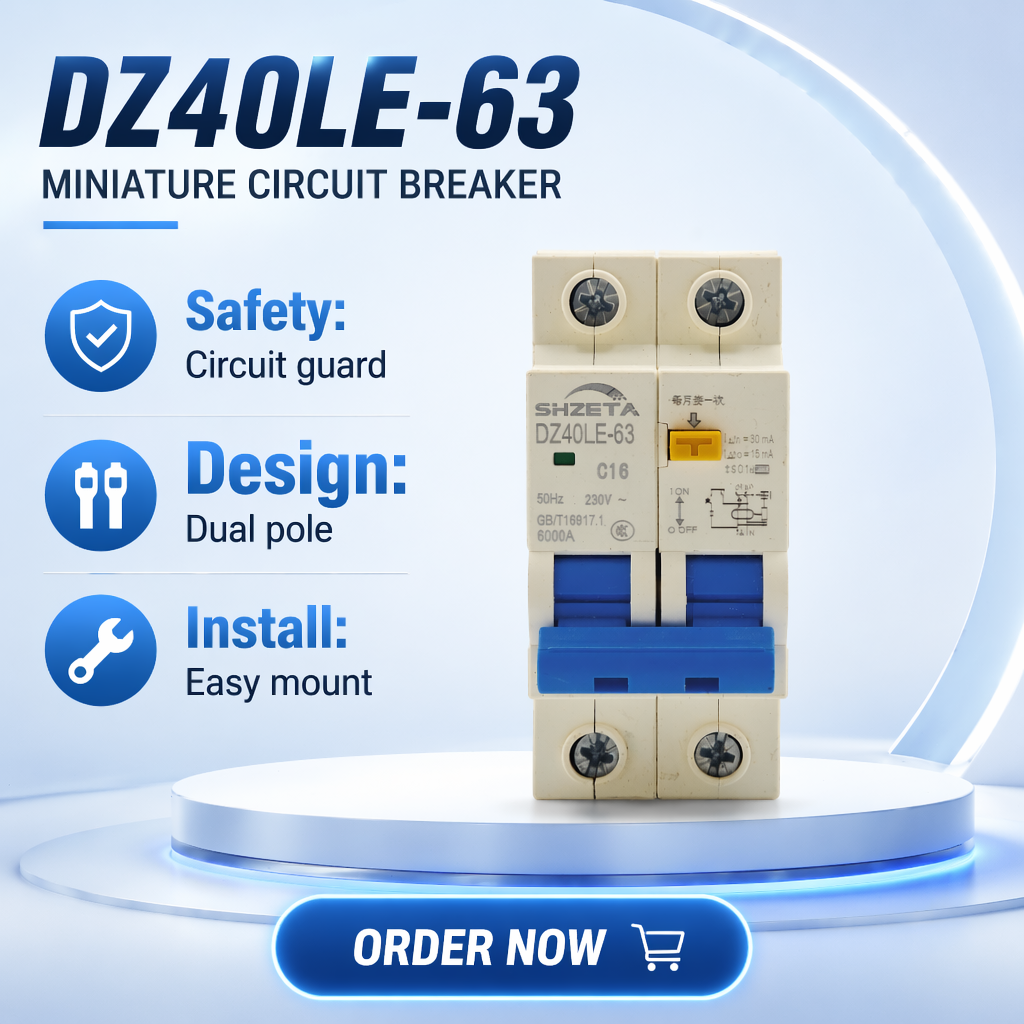
- Breaking Capacity6kA (IEC 60947-2)
- Housing MaterialPA66 Flame-Retardant
- Trip CurveB, C, D Characteristics
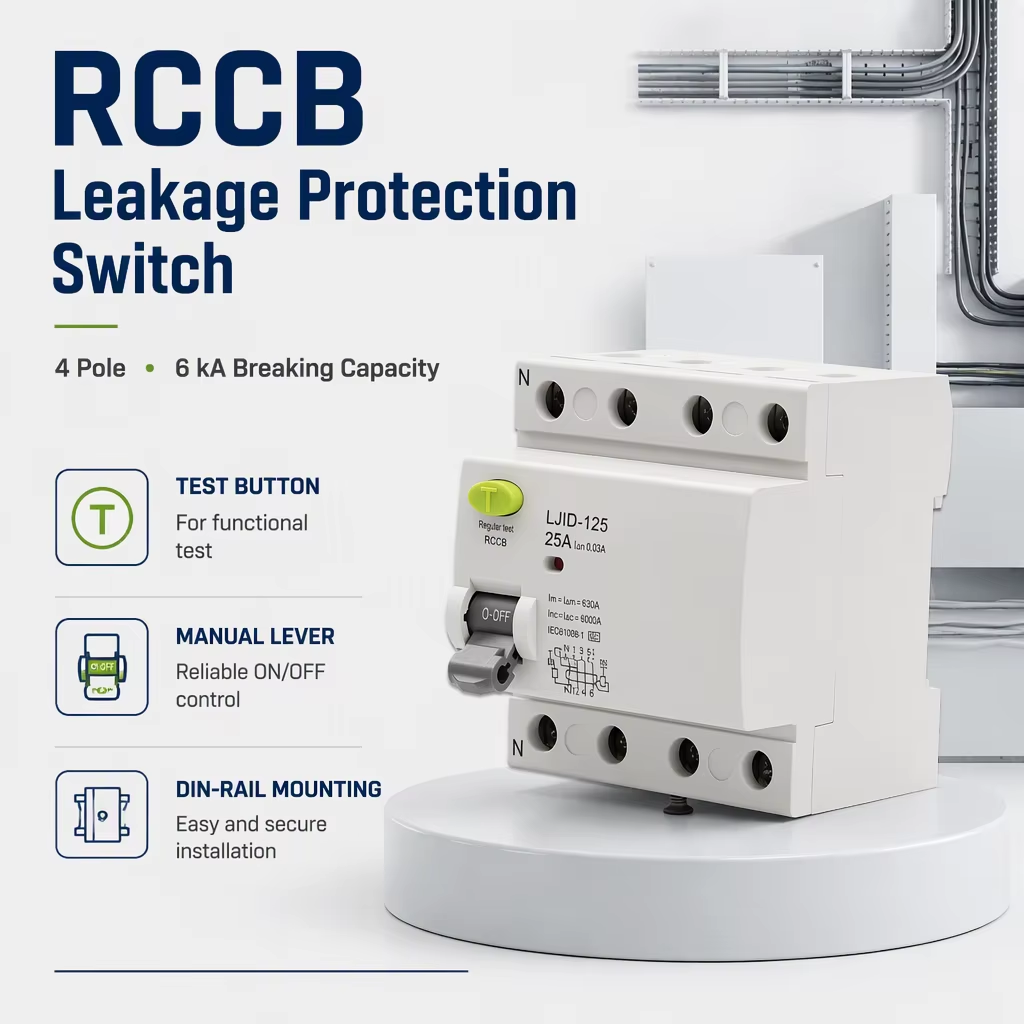
- Rated Current16A - 63A Range
- Trip MechanismVector Magnetic Sensing
- Sensitivity30mA / 100mA / 300mA
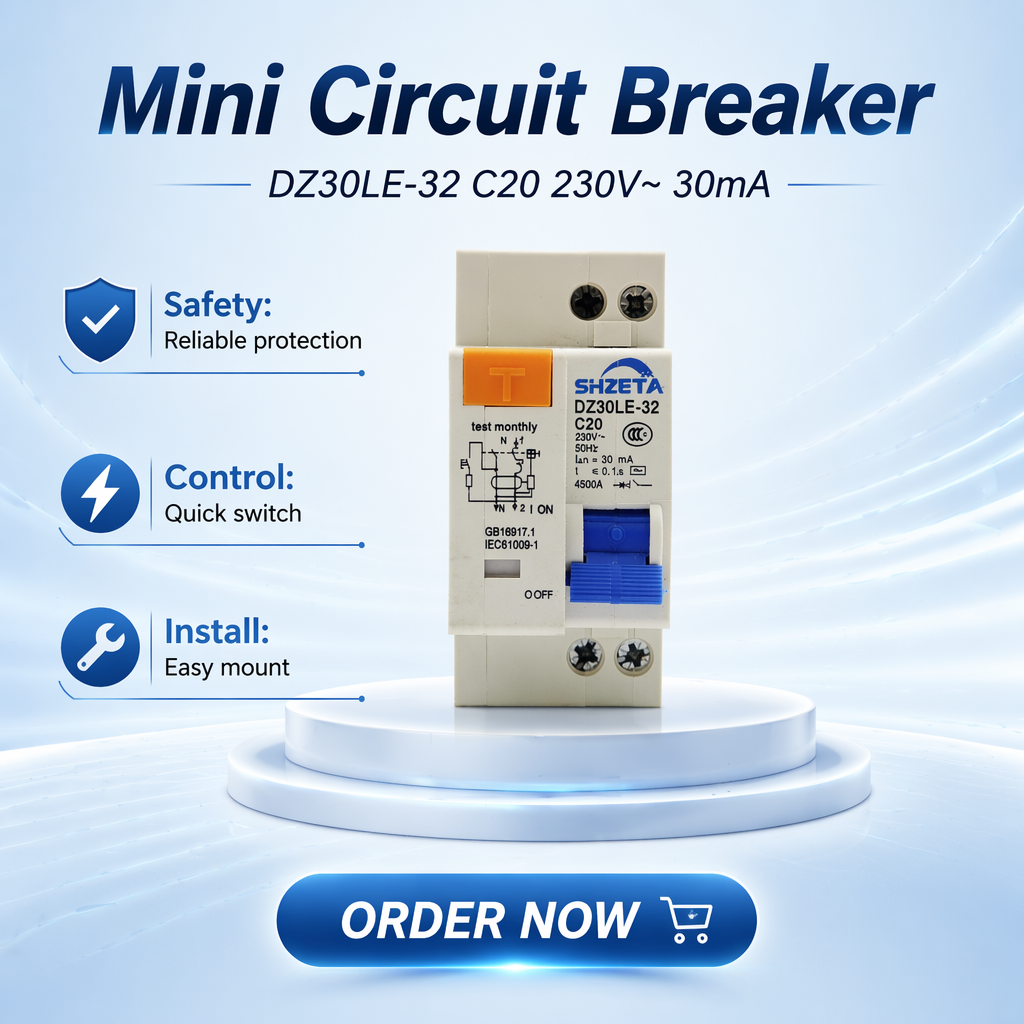
- ApplicationHospitality & Infrastructure
- Poles1P+N Compact DIN
- Rated CurrentUp to 32A Continuous
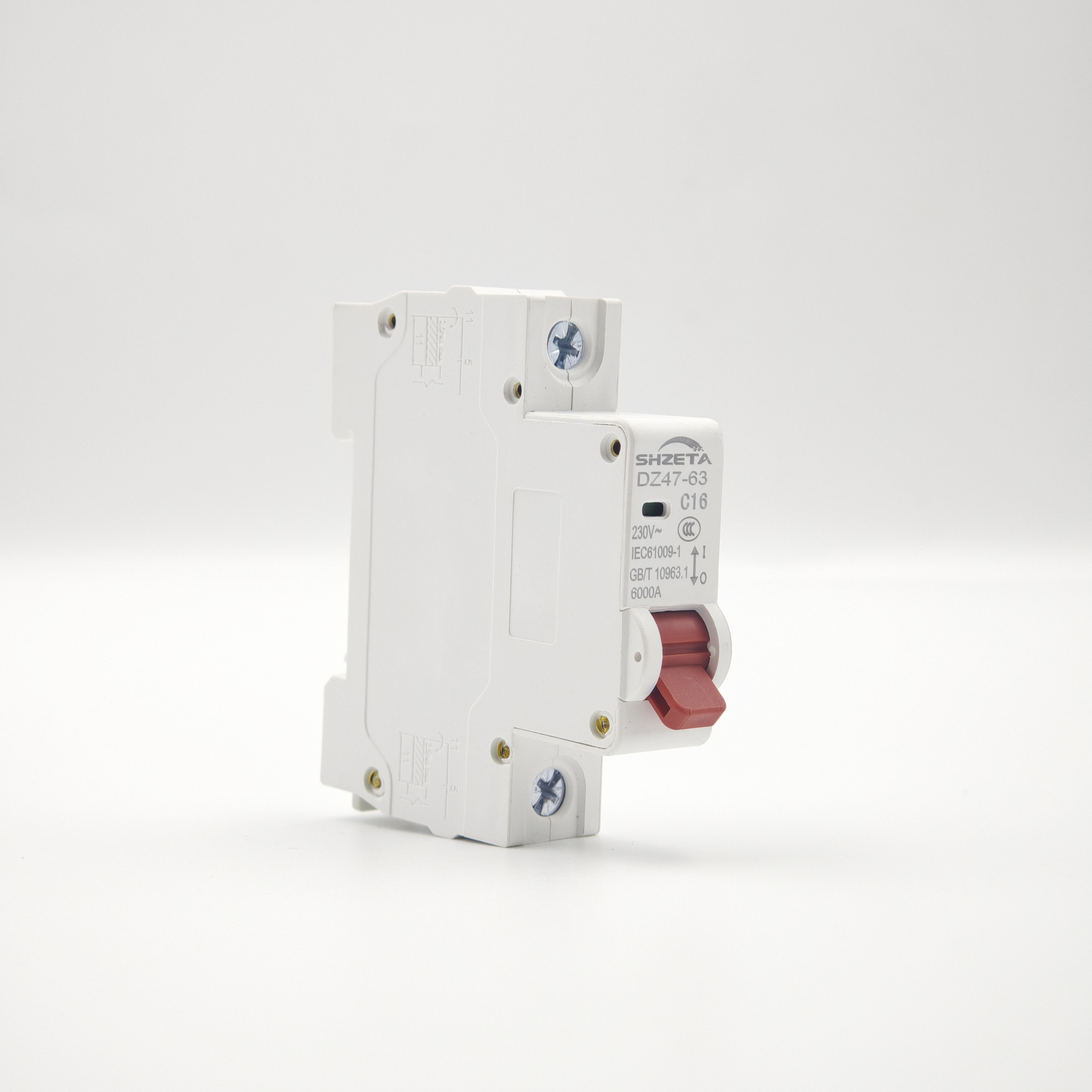
- Interlock TypeFail-Safe Mechanical Link
- Frequency50Hz / 60Hz Dual
- ConfigurationBi-Directional Feed
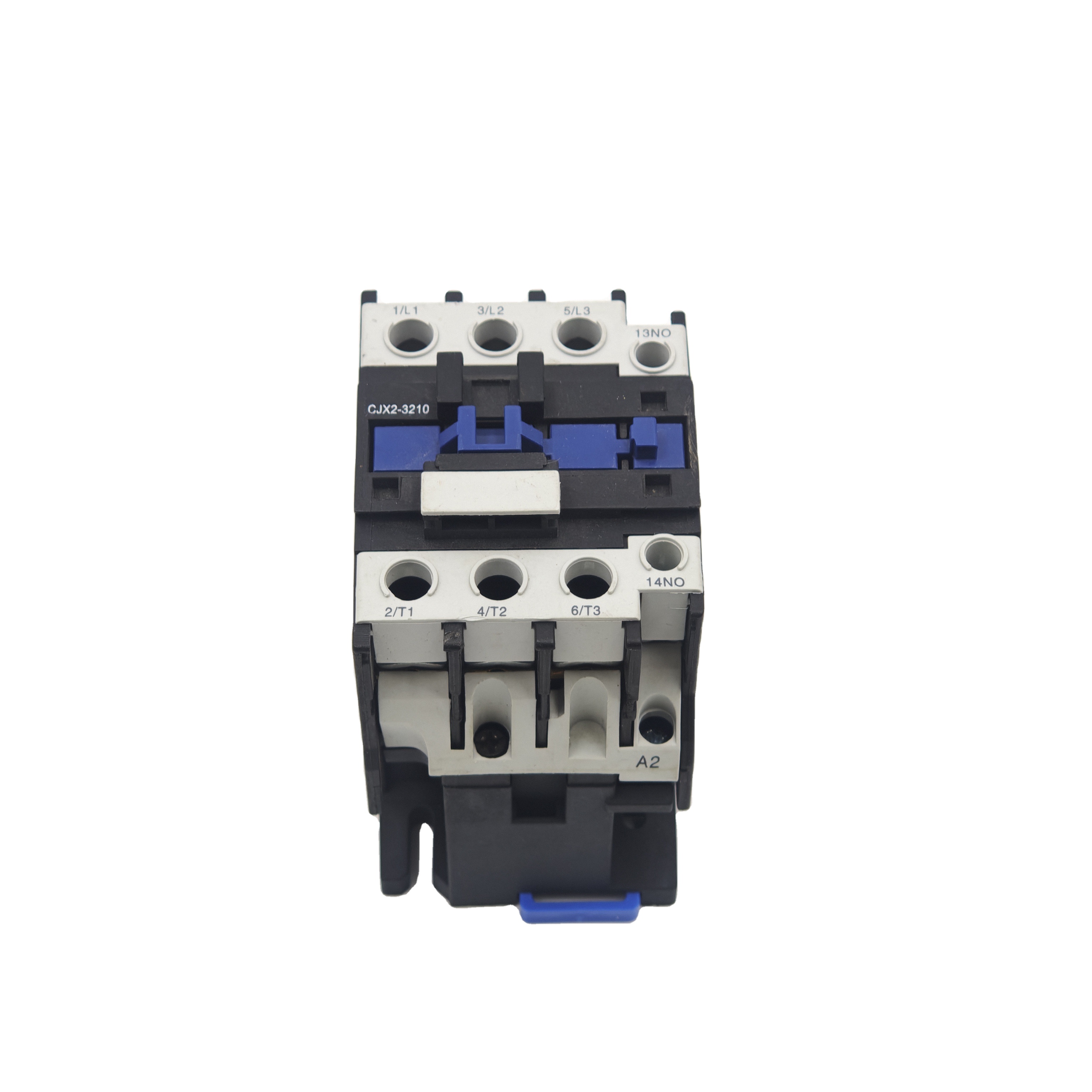
- Thermal Rating12A AC-3 Duty
- Coil Potential220V 50Hz Constant
- Mounting StyleStandard 35mm DIN Rail
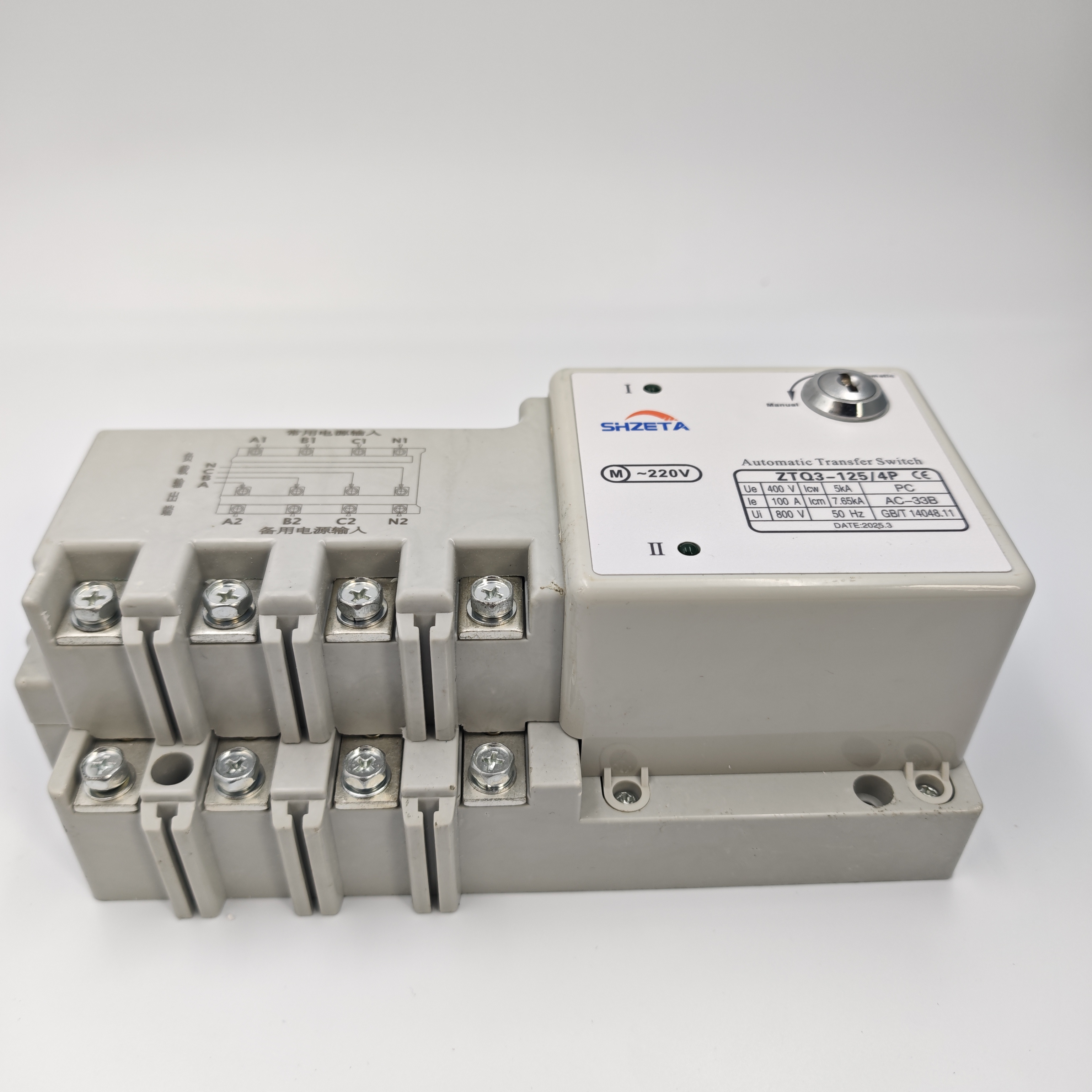
- Transfer Speed< 50ms Seamless Shift
- Capacity100A Continuous Frame
- Operating ModeAuto / Manual Override
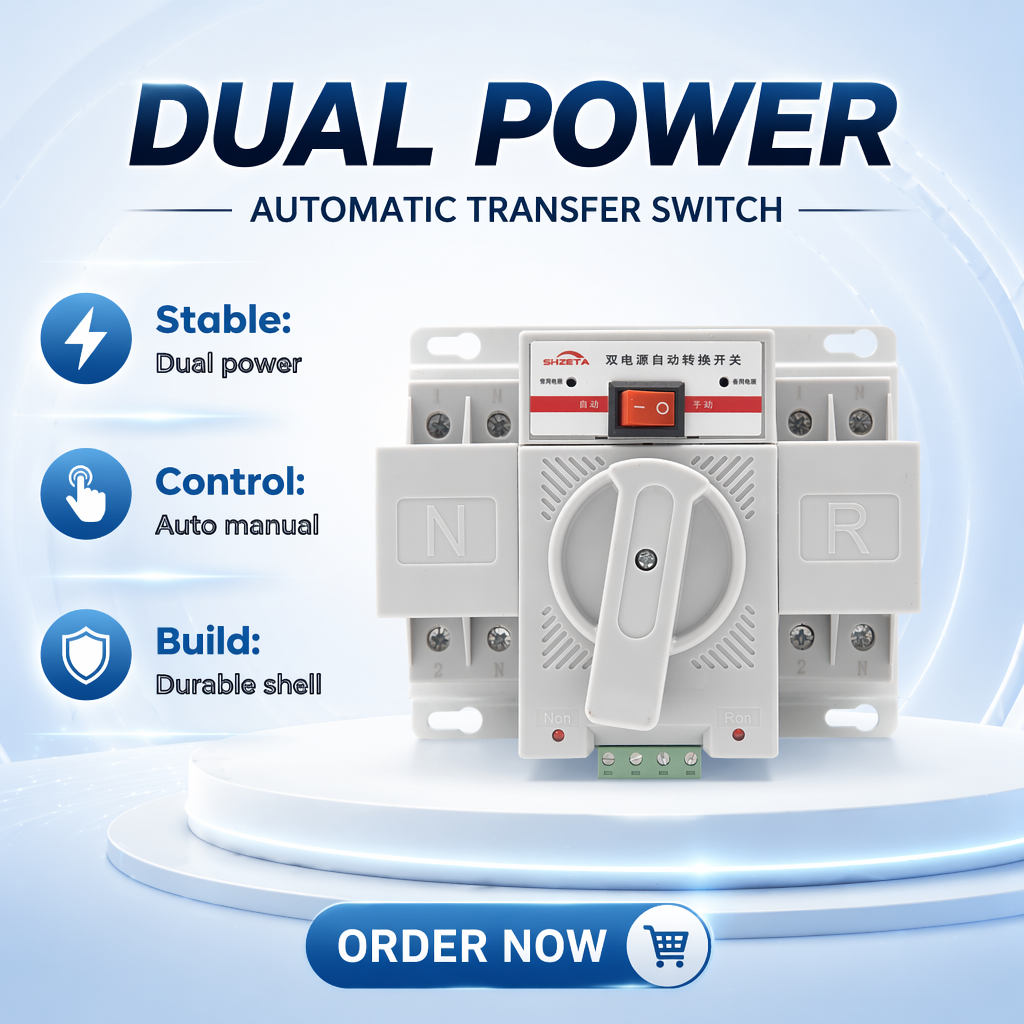
- Amperage63A Isolation Duty
- Poles4-Pole Full Neutral Cut
- HousingAnti-Arc Chute Design
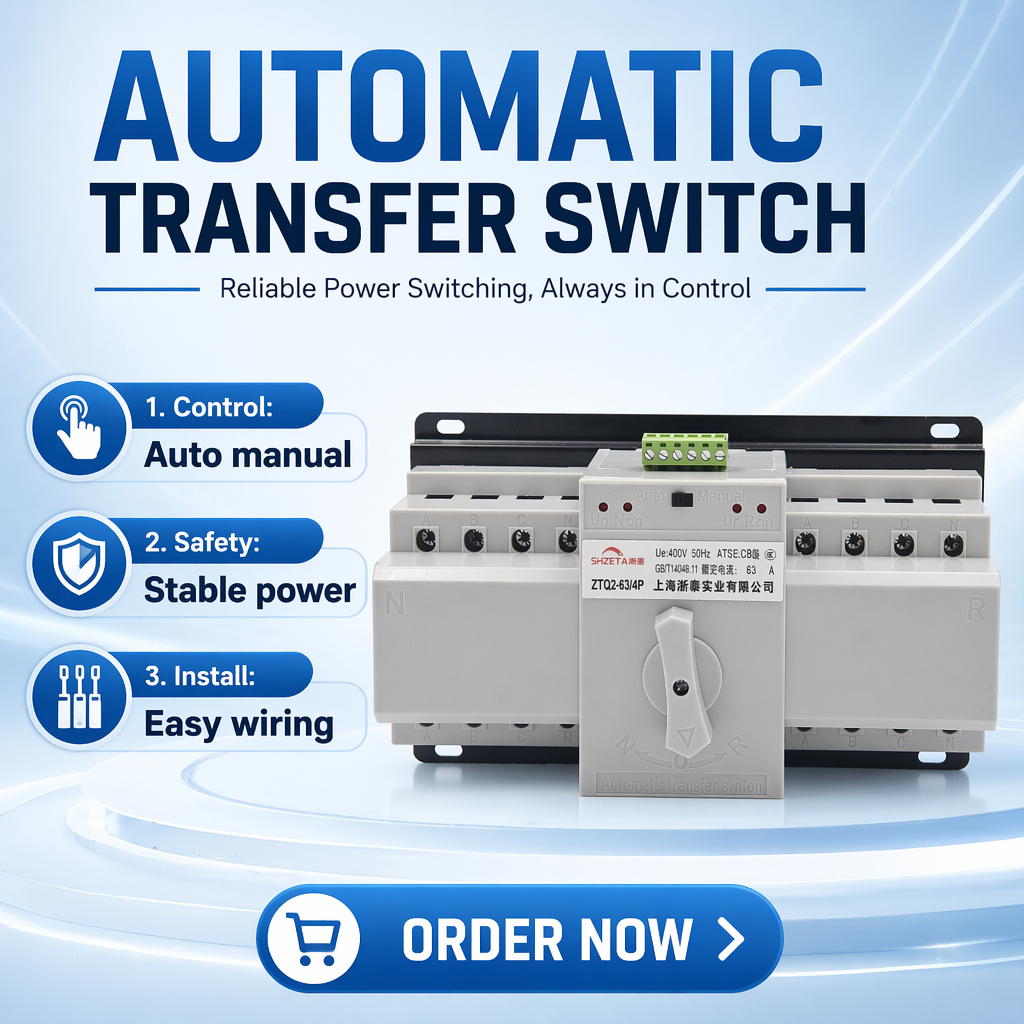
- System ClassPC Level (No Break Line)
- ApplicationSolar-Hybrid Microgrids
- Breaking Capacity5kA Short-Circuit Rating
Engineering Autonomous Protection for Homs Regional Topography
Analyzing electrical fault profiles across Central Syria's strategic industrial corridors, municipal pumping stations, and variable microgrid architectures.
In electrical distribution systems spanning the Homs Governorate, continuity of supply is constantly challenged by transient faults, lightning discharges across arid steppes, and mechanical oscillations caused by shifting utility generation. Traditional thermal-magnetic miniature circuit breakers require manual intervention upon clearance of momentary faults—a major operational bottleneck in remote pumping facilities along the Orontes basin, petroleum refinery peripherals in Hassia, and unstaffed cellular repeaters on desert margins.
An Automatic Reclosing Breaker (Auto-Recloser) functions as an autonomous electromechanical safety nexus. By executing microprocessor-driven reclosing sequences (O - 0.3s - CO - 3s - CO cycles according to IEC 62271-100 and IEC 60898-1 parameters), the system discriminates between self-clearing transient anomalies (up to 82% of observed field faults) and catastrophic permanent short-circuits. If the downstream impedance profile normalizes following the initial pre-programmed dead time, normal transmission resumes instantly without dispatching service crews. If the line remains compromised, the unit executes permanent lockout to isolate fault zones and preserve equipment integrity.
Transient Fault Neutralization
Overhead transmission corridors across Homs frequently experience wind-blown debris bridging conductors and momentary thermal sags. Autoreclosing mechanisms differentiate these from catastrophic copper-to-copper faults, restoring full line capacity within milliseconds.
OPEX Reduction in Remote Sites
Eliminate costly maintenance team dispatches across rural tracks connecting Al-Rastan, Al-Qusayr, and Tadmur highways. The auto-recloser eliminates over 80% of nuisance truck rolls for simple atmospheric-induced breaker trips.
Multi-Source Photovoltaic Sync
Seamlessly integrates with hybrid solar and backup diesel setups in the Hassia Industrial City. Microprocessor controls manage anti-islanding parameters and coordinate safely with dual-power automatic transfer switches.
| Functional Attribute | Standard Household Breakers | Industrial Motor MCCBs | Graybar Intelligent Auto-Reclosing MCBs |
|---|---|---|---|
| Reclosing Cycle Mechanism | Manual reset toggle only | Manual handle / External shunt coil | Autonomous micro-motor driven multi-shot cycle |
| Pre-Closing Fault Clearance Verification | None (Direct manual reclose) | External sync/protection relay required | Built-in zero-voltage and impedance threshold probe |
| Thermal Stability Envelope | -5°C to +40°C rated | -10°C to +55°C calibrated | -25°C to +70°C for desert & high-dust deployments |
| Remote Telemetry Integration | Not supported | Optional auxiliary dry contact switch | RS485 / Modbus RTU telemetry output built-in |
| Operational Life Span | 4,000 mechanical operations | 8,500 mechanical operations | Over 20,000 continuous full-stroke cycles |
Emerging Electrical Modernization Trends Across Homs
How utility modernization and decentralized off-grid investments are reshaping switchgear specifications for commercial engineers and government project contractors.
Grid Hybridization & Microgrids
Due to scheduled regional utility rotation, commercial compounds rely on hybrid setups combining public feeds, private diesel gensets, and high-capacity PV arrays. Switchgear now demands integrated automatic transfer and multi-tier surge protection.
Severe Climate Resilience
Homs experiences extreme seasonal swings—from sub-zero winter cold to dry, dust-heavy 45°C summer heatwaves. Switchgear requires PA66 flame-retardant enclosures, silver-nickel alloy contact pads, and anti-seize micro-gear assemblies.
Low-Voltage Telemetry Demands
Civil engineering contractors are upgrading legacy manual switchboards to smart distribution units equipped with Modbus RS485 interfaces. This enables operators to remotely monitor line current, trip history, and execute line isolation.
Why Major Importers Partner with Zhejiang Graybar Electric
Combining the component manufacturing muscle of Liushi, Wenzhou with verified international trade compliance, flexible MOQs, and rigorous end-to-end quality controls.
Liushi Manufacturing Base
Located in China's low-voltage electrical capital, our facilities directly leverage tier-one supply chains for stamping, bimetal calibration, silver contacts, and injection tooling without intermediary markups.
100% Dielectric & Trip Testing
Every reclosing breaker unit undergoes thermal calibration, instant magnetic release verification, 2.5kV dielectric withstand screening, and mechanical gear endurance cycles before packing.
Agile MOQs & Consolidations
Standard MCB, MCCB, and SPD models start at an ultra-accessible 5-piece MOQ (1 piece for Air Circuit Breakers). Easily combine multiple circuit categories into a single shipping container.
OEM/ODM Customization
Complete engineering support for private labeling, customized laser printing, Arabic-language wiring diagrams, specialized reclosing sequence timings, and bespoke breaking capacities.
Frequently Asked Questions by Local Engineers & Contractors
Practical procurement and technical integration answers addressing voltage fluctuations, customs logistics, and load configurations across Syrian commercial zones.
How do Graybar autoreclosing breakers handle severe grid voltage drops?
Our intelligent auto-reclosers feature integrated undervoltage and overvoltage monitoring circuits. When line voltage falls below 165V AC or surges past 270V AC, the internal controller suspends automatic reclosing to prevent motor winding burnout, re-engaging only after voltage stabilizes within normal parameters.
Can auto-reclosers cause safety issues during manual electrical repairs?
Safety is maintained via an integrated mechanical lockout toggle. When an engineer pulls the manual lockout lever into the OFF position, the internal micro-motor transmission is completely disconnected from the contact mechanism, physically preventing remote or automated reclosing during maintenance.
How are export logistics and documentation handled for Syrian destinations?
We provide full export documentation including Certificates of Origin (CO), commercial invoices, certified packing lists, and third-party IEC test verification reports. Shipments are consolidated through Ningbo or Shanghai ports, supporting flexible delivery terms including FOB, CIF, or containerized freight handling.
What is the recommended reclosing sequence for water distribution pump stations?
For motor loads, we recommend a 3-shot sequence with extended dead time: First attempt at 10 seconds (dissipating residual back-EMF), second at 60 seconds, and third at 180 seconds before entering permanent lockout. This ensures pump motors never restart against excessive back-pressure or ongoing phase imbalances.
Accelerate Your Project with Certified Electrical Protection
Request comprehensive technical datasheets, full line coordination tables, and volume export quotations. Our technical engineers are available for immediate design review.
Get Catalog