Featured Circuit Protection & Automatic Transfer Hardware
Factory-direct switchgear, auto-recovery voltage protectors, and electromagnetic contactors calibrated to withstand cyclic load shedding, generator back-feeding, and saline air degradation.
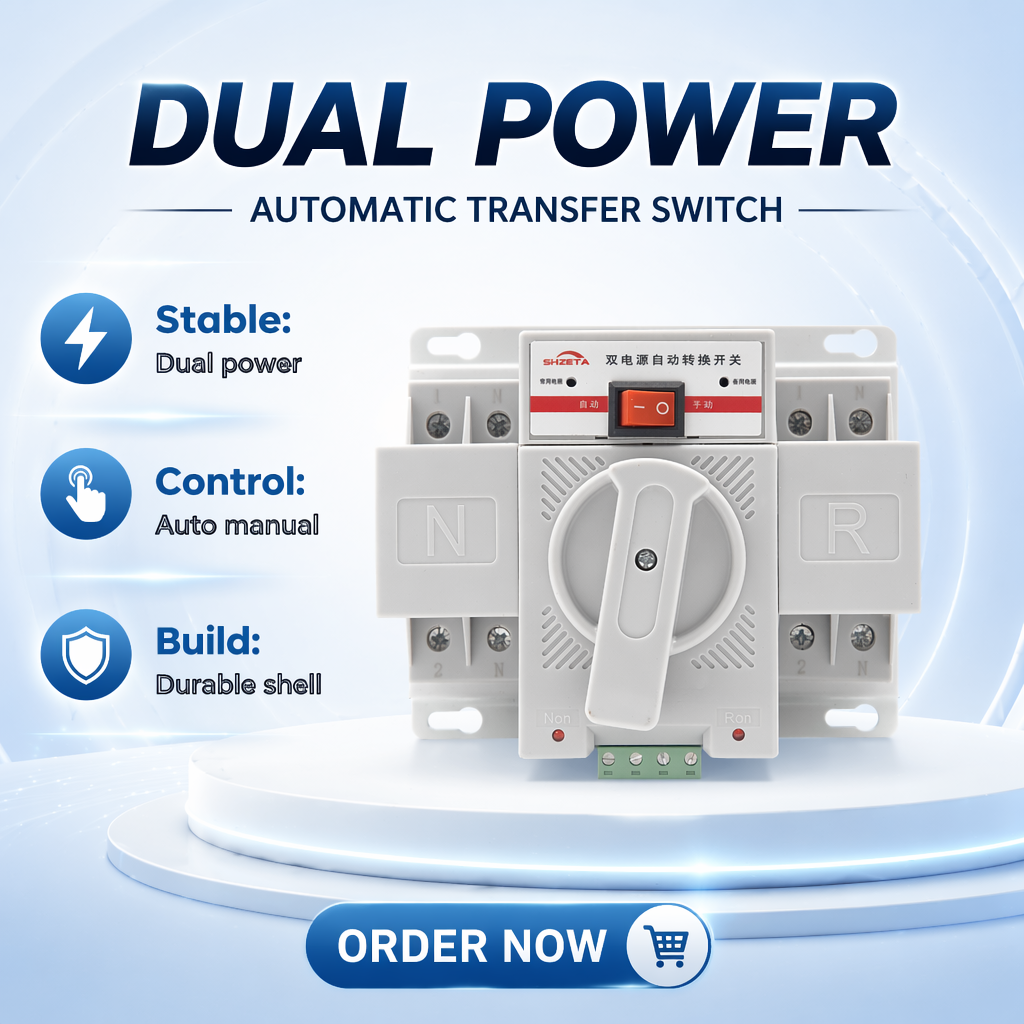
Din Rail 2P Dual Power ATS Switch 63A 230V 3kA
- Rated Current: 63A
- Rated Voltage: 230V AC (50Hz)
- Switching Time: <50ms Seamless
- Standards: IEC 60947-6-1
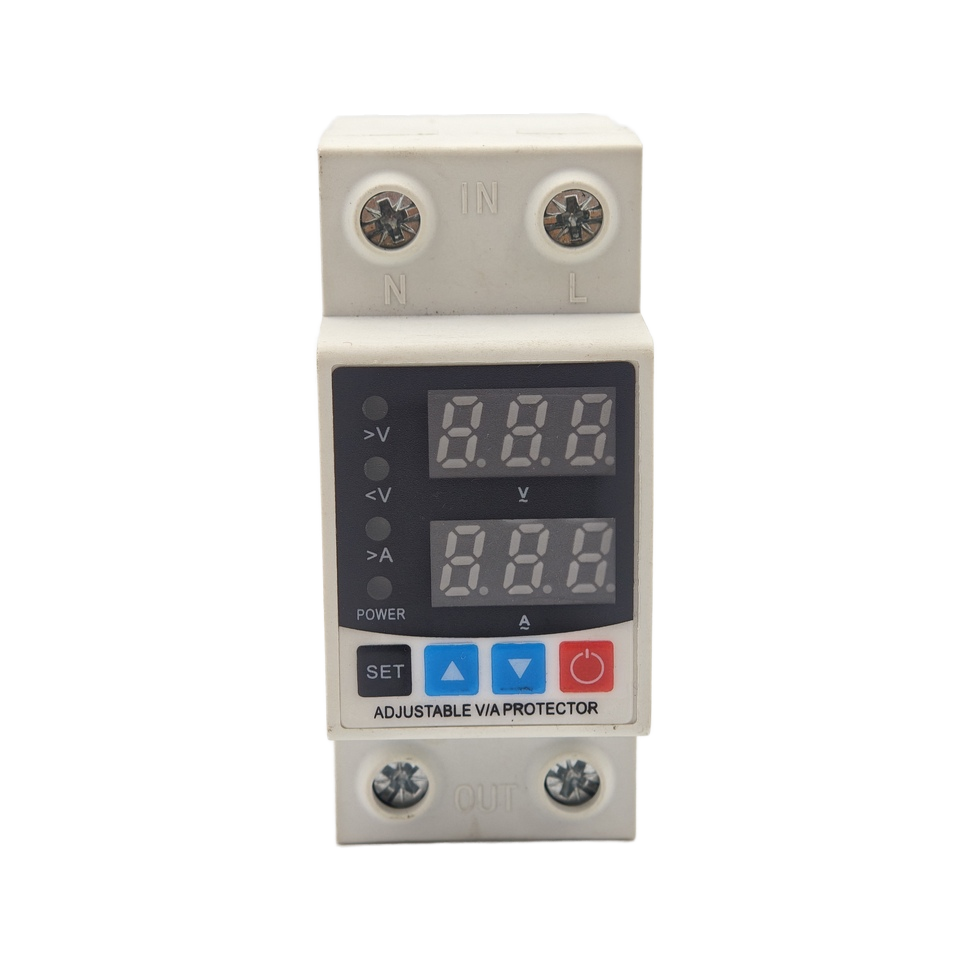
40A-63A Adjustable Auto Recovery Voltage Protector
- Capacity: Up to 30kVA
- Trip Threshold: OVP 230-300V / UVP 140-210V
- Delay Reconnect: 1s - 300s Programmable
- Form Factor: Modular DIN Rail
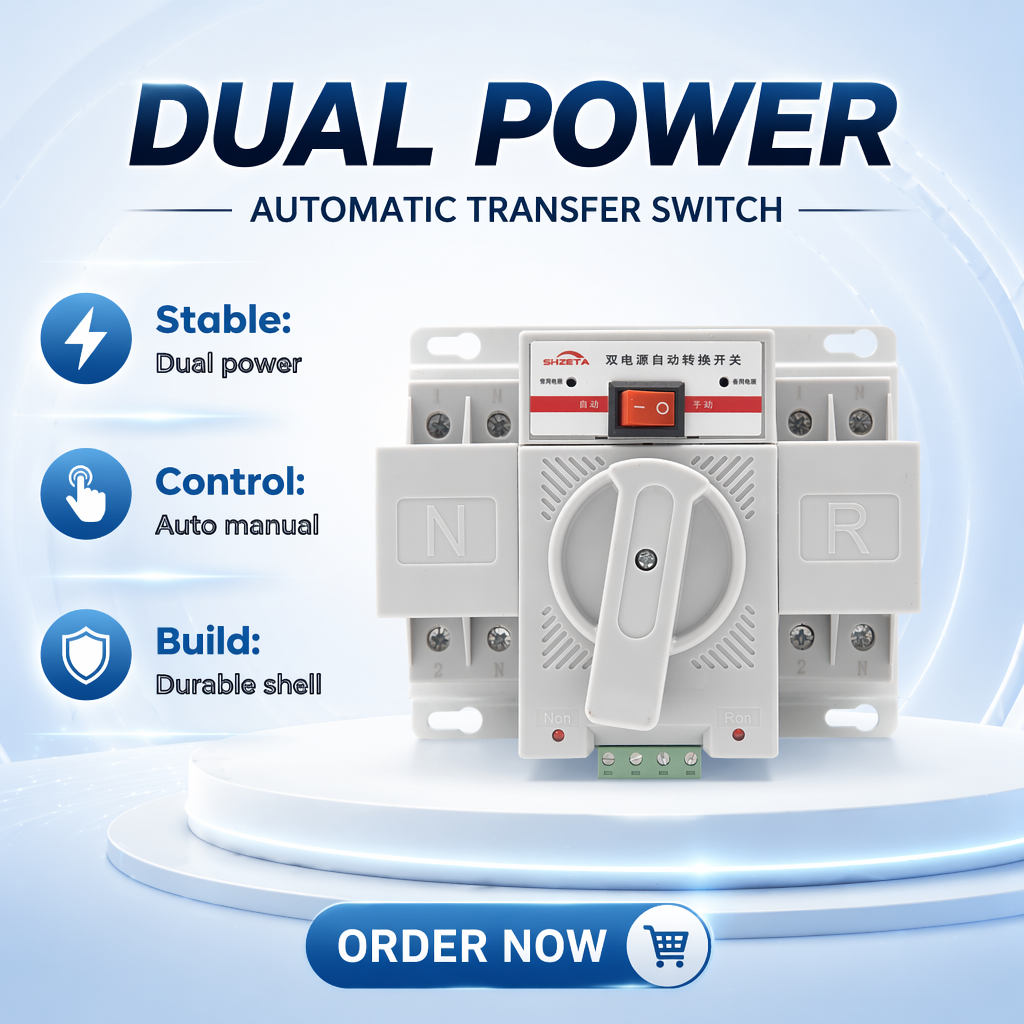
4P 63A Single Phase Changeover Switch with Breaker
- Configuration: 4 Pole Neutral Isolation
- Rated Ampacity: 63A Cont.
- Trip Action: Thermal-Magnetic Integration
- Mechanical Life: >10,000 Cycles
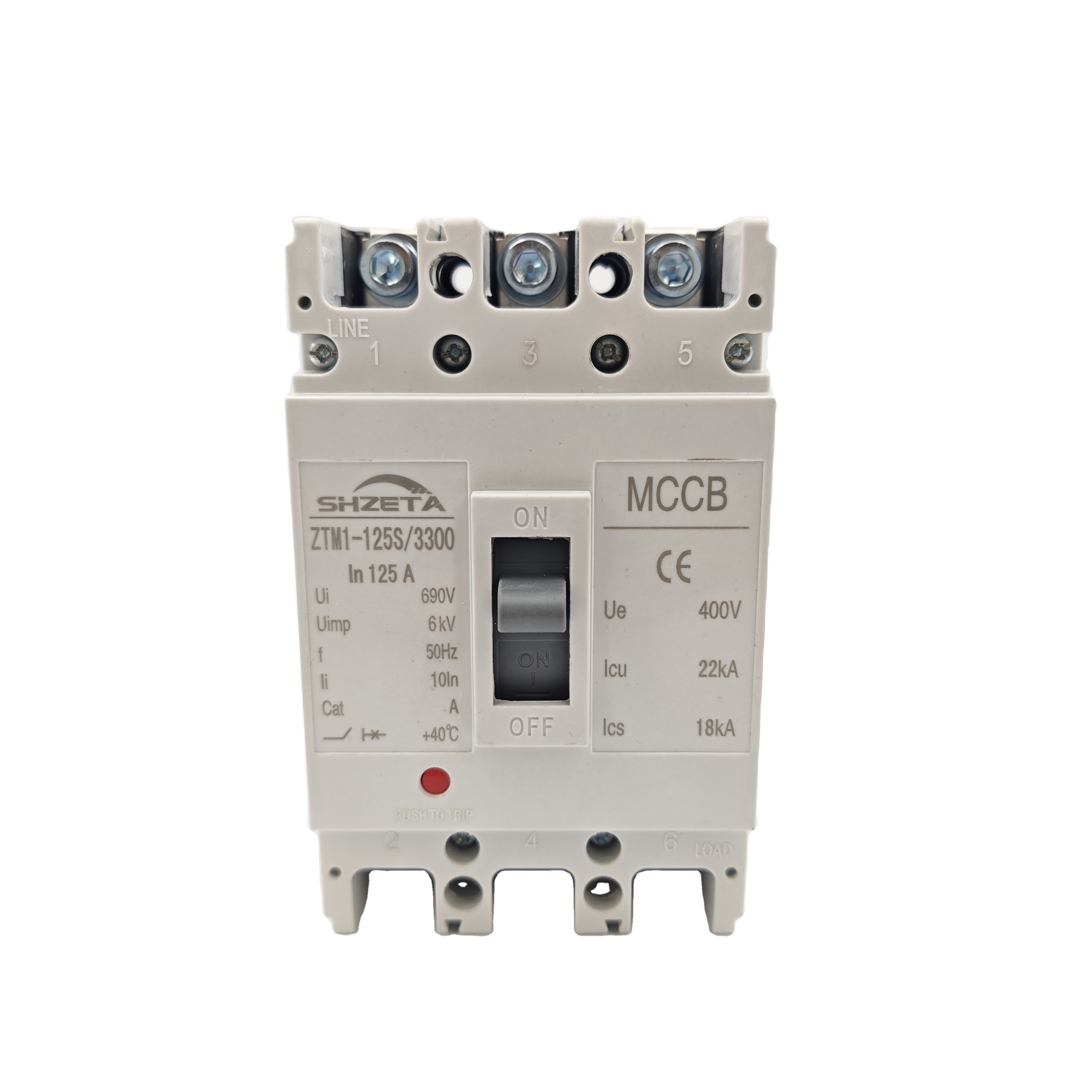
Mutai 3P 80A-100A 415V 35kA Thermal Magnetic MCCB
- Breaking Capacity: 35kA at 415V AC
- Poles: 3 Phase 3P
- Trip Characteristics: Adjustable Thermal
- Use Case: Distribution Sub-panels
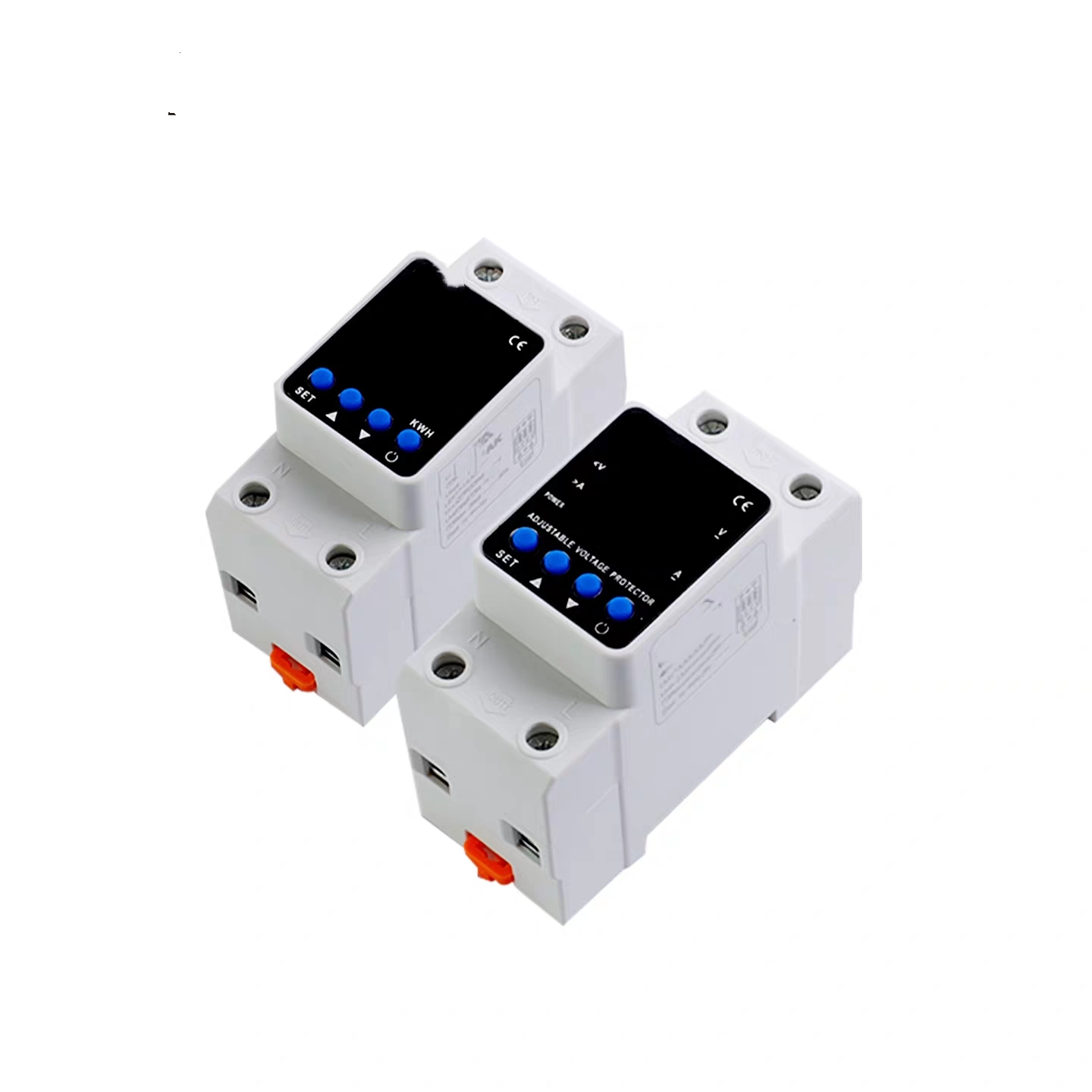
Single-Phase Overcurrent & Undervoltage Protector
- Current Range: 32A - 100A Adjustable
- Voltage Window: AC 220V Nominal
- Digital Readout: Real-time Dual Display
- Protection: Overload, OVP, UVP, Surge
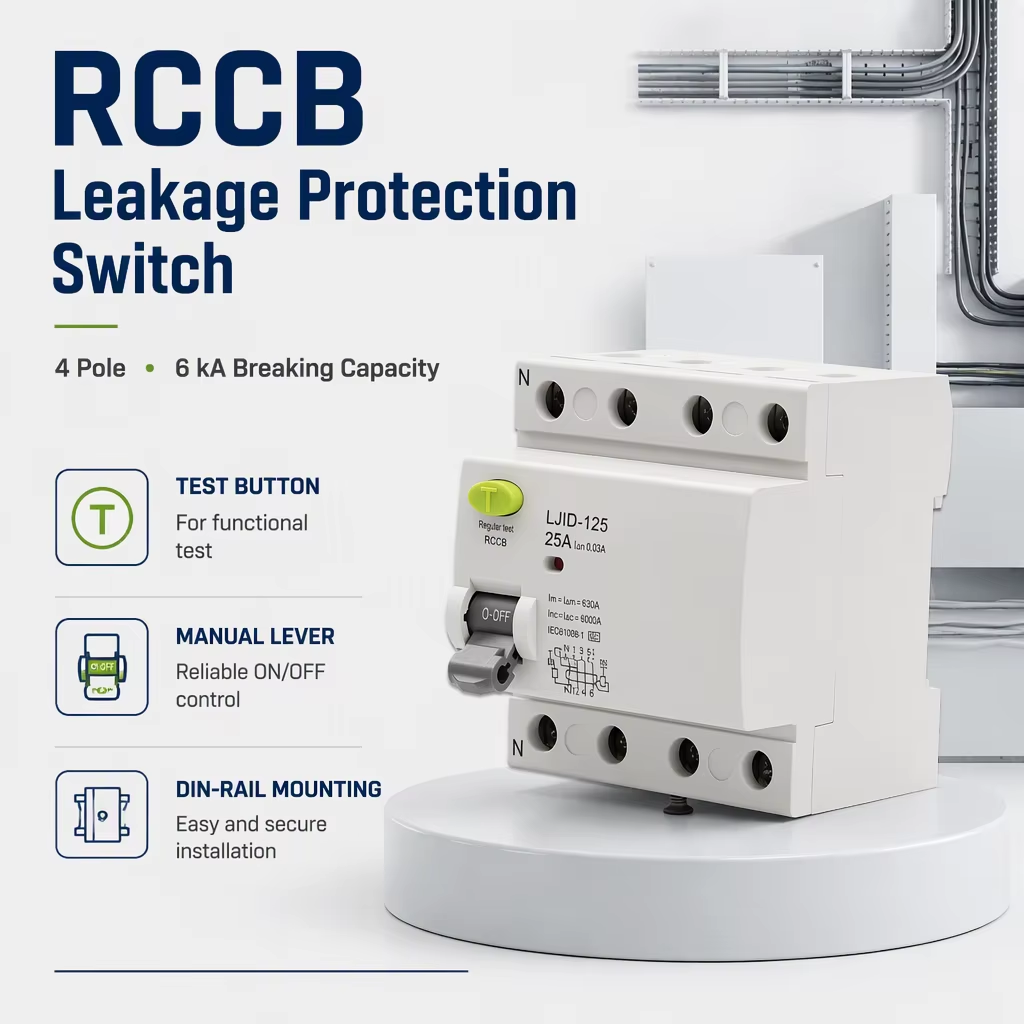
RCCB Residual Current Leakage Breaker 16-63A 2P/4P
- Operating Mechanism: Pure Electromagnetic
- Sensitivity (IΔn): 30mA / 100mA / 300mA
- Zero Voltage Trip: Maintains Protection during Sag
- Poles: 2P & 4P Configurations
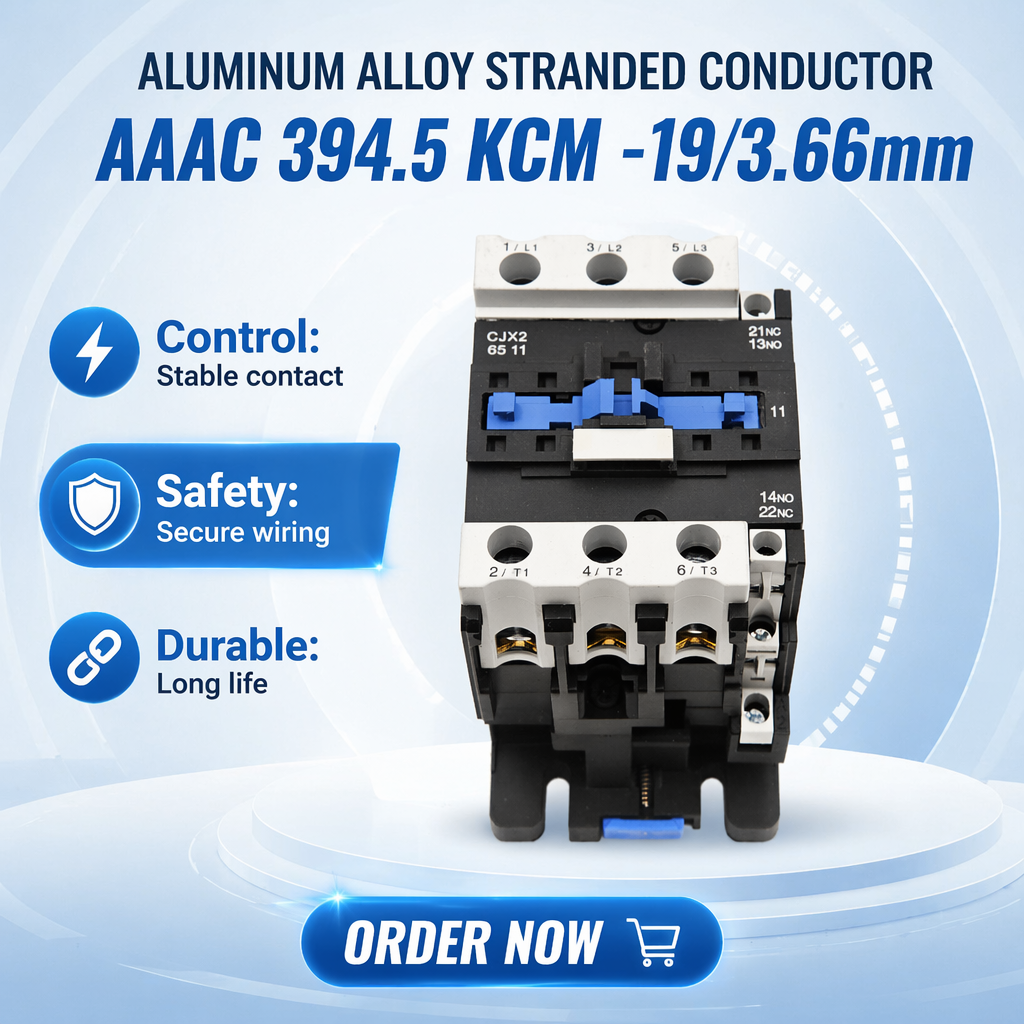
CJX2-8011 3-Pole AC Contactor 80A 50Hz DIN Mount
- Category: AC-3 / AC-1 Heavy Duty
- Main Contacts: Silver Alloy 85% Ag
- Auxiliary Setup: 1NO + 1NC Built-in
- Mounting: 35mm DIN Rail / Screw Plate
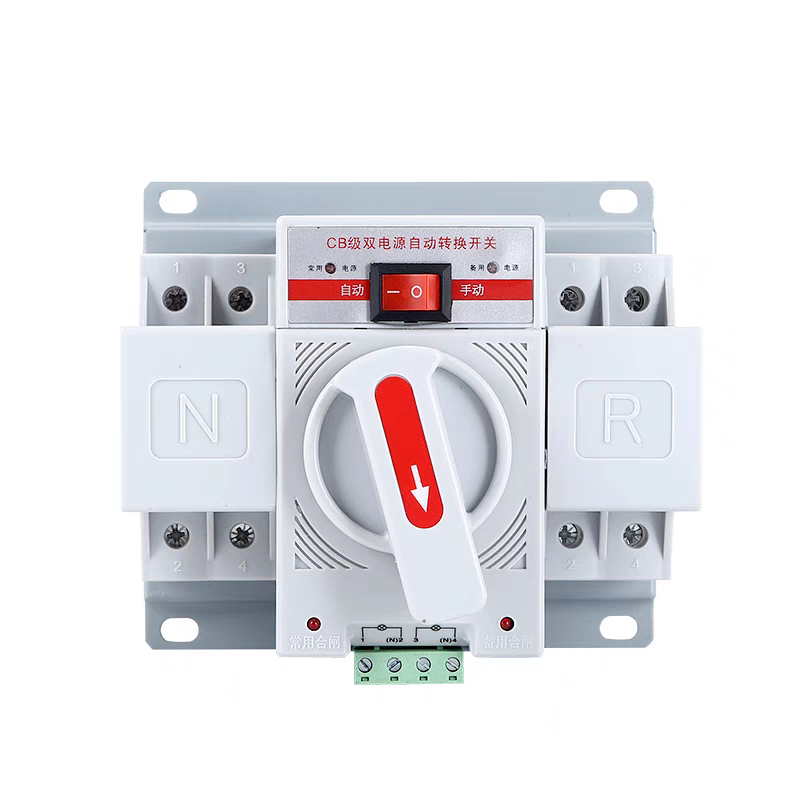
Modular Dual Power ATS Selector 63A-125A 2P/3P/4P
- Ampacity: 10A to 125A Continuous
- Poles: 2P, 3P, 4P Options
- Insulation Rating: Ui 690V / Uimp 8kV
- Feature: Manual Overrule Interlock
Overcoming Severe Grid Volatility, Saline Humidity & Hybrid Microgrid Challenges in Latakia
1. The Latakia Power Architecture: Multi-Source Dynamics & Severe Transients
The Syrian coastal electrical topography—centered around the commercial port hub of Latakia, extending through Jableh, Qardaha, and the coastal ranges—operates under one of the world's most intricate multi-source distributed power regimes. The regional distribution infrastructure managed by the Public Establishment for Electricity (PEE) operates with structured, rolling load shedding where utility feed availability cycles between 1 to 4 hours per interval. Consequently, commercial, industrial, and residential sectors rely simultaneously on three distinct power sources: intermittent municipal 220V/380V 50Hz grid, communal diesel generation schemes (locally referred to as "Ampeerat" or اشتراك الأمبيرات), and rapidly expanding rooftop solar photovoltaic arrays linked with lithium-ion or lead-carbon battery energy storage systems (BESS).
When the public medium-voltage (20kV) distribution feeders re-energize local sub-station step-down transformers (0.4kV), intense transient overvoltages occur. Inrush magnetization currents and inductive switching surges frequently create voltage spikes exceeding 290V AC before collapsing into protracted voltage sags down to 135V–160V under sudden consumer load inrush. Conventional miniature circuit breakers (MCBs) lacking electronic voltage sensing are physically incapable of detecting these destructive over- and under-voltage conditions, resulting in widespread failure of motor windings, HVAC inverter boards, compressor chillers, and industrial automation electronics.
Engineering Criterion: In Latakia installations, automatic reclosing circuit breakers (ARCBs) must integrate solid-state RMS voltage sensing paired with a bi-directional motorized mechanism or electronic disconnect. Upon grid restoration, the device must maintain a deterministic reconnection delay ($t_d$) of 60 to 180 seconds, ensuring inductive transients damp out completely before line contact reconnects to downstream distribution boards.
2. Maritime Saline Air Degradation & Galvanic Arc Corrosion
Geographically bordered by the eastern Mediterranean basin, Latakia experiences sustained relative humidity levels exceeding 78% throughout summer and autumn, combined with airborne marine aerosol concentrations containing dense sodium chloride ($NaCl$) and magnesium ions. In breaker enclosures subjected to non-air-conditioned industrial panels—such as those operating near the Port of Latakia berths, maritime container freight stations, and food processing warehouses—standard copper busbar conductors undergo accelerated galvanic corrosion, producing copper hydroxychloride crusts that drastically increase contact resistance.
When contacts experience increased electrical resistance under high cyclic currents, localized thermal runaway occurs at terminal blocks. Graybar breakers specifically engineered for the Latakia market incorporate silver-cadmium oxide ($AgCdO12$) or silver-nickel ($AgNi$) heavy-duty contact tips bonded to cold-rolled electrolytic copper carriers with 5μm electro-tin plating. Furthermore, internal arc-chute splitters feature de-ionizing steel plates with organic passivated zinc coatings, preventing hygroscopic rust accumulation and ensuring that breaker clearing times under short-circuit currents ($I_{cn}$) remain under 10 milliseconds over a 10-year service life.
3. Tri-Phase Neutral Shift & "Ampeerat" Diesel Synchronization Faults
A primary structural hazard within Latakia’s secondary distribution network is "Floating Neutral" or asymmetrical phase loading. Due to extensive single-phase taps taken across residential quarters without phase balancing, a sudden drop of the neutral conductor on overhead service lines or sub-distribution poles immediately shifts the neutral point. Phase voltages on lightly loaded legs can instantly skyrocket to 380V line-to-neutral, burning out entire residential flats and facility switchboards within fractions of a second.
Our intelligent automatic reclosing breakers and dual-power ATS modules utilize True-RMS quad-microcontroller sensing across all active phases and the neutral conductor. By sampling waveform deviations at 1.2 kHz, the breaker executes instantaneous tripping (opening time <0.1s) when line-to-neutral potentials diverge past programmed safety thresholds ($U_{max} > 265V$, $U_{min} < 165V$). The unit continuously interrogates the input line impedance, only triggering its low-noise internal stepper motor or magnetic actuator to re-engage when symmetrical equilibrium has stabilized for the pre-configured observation duration.
Localized Application Scenarios Across Latakia Governorate
From maritime logistics terminals along the Mediterranean coast to olive oil processing plants in the hinterlands, discover where our automatic reclosing protection equipment safeguards mission-critical systems.
Port of Latakia & Cold-Chain Logistics
Container gantry operations, cold-storage reefers holding perishable agricultural exports, and bulk grain silo conveyors cannot endure indeterminate down-time. Our heavy-frame 4P ATS units paired with draw-out MCCBs provide automated transfers between maritime shore power, dedicated diesel turbines, and municipal lines without generating phase-reversal or harmonic arcing.
Agro-Industrial Olive Oil Mills in Jableh
High-torque decanters, centrifugal separators, and hydraulic presses operate intensively during the harvest season. Sudden voltage drops cause induction motors to stall and burn out thermal overloads. Installing our CJX2 magnetic contactors paired with adjustable over-under voltage auto-reclosing protectors guarantees instant disconnection during brownouts and automatic restarts once utility grid torque parameters normalize.
High-Density Urban & Residential Quarters
In densely populated sectors such as Al-Zira'a, Sulaibah, and American Quarter, apartments toggle constantly between 5A–16A communal Ampeerat feeds, rooftop solar inverters, and main grid lines. Our compact DIN rail 2P ATS and self-reclosing protectors prevent inverter anti-islanding lockouts and protect domestic refrigeration, air conditioning, and water pumping motors.
Hospitals & Clinical Emergency Switchboards
Tishreen University Hospital and municipal clinical theaters require uncompromised voltage stability. Electromagnetic Type-A and Type-B RCCBs eliminate nuisance trips triggered by DC leakage from modern diagnostic equipment while guaranteeing rapid residual earth-fault isolation without shutting down uncompromised branch circuits.
Coastal Cellular Towers & Microwave Relays
Telecom repeater towers situated along the coastal mountain ridges face severe lightning exposure alongside cyclical grid outages. Combining Class I+II surge arresters with intelligent auto-reclosing breakers ensures unmonitored communication nodes recover automatically following localized transient strikes or temporary grid sag phenomena.
Engineering Selection & Performance Parameter Matrix
Rigorous electrical properties comparing standard miniature breakers with intelligent automatic reclosing and dual-source switching architectures.
| Device Series | Primary Standard | Rated Operational Voltage ($U_e$) | Short-Circuit Breaking Capacity ($I_{cu}$ / $I_{cn}$) | Auto-Reclose Reconnect Delay ($t_d$) | Environmental Corrosion Class | Ideal Syrian Installation Role |
|---|---|---|---|---|---|---|
| Intelligent Auto-Reclosing MCB | IEC 60898-1 / GB 10963 | AC 230V / 400V (50Hz) | 6,000A / 10,000A | 1s to 300s (Programmable) | Class C4 (Industrial / Marine) | Residential incoming boards & telecom BTS cabinets |
| Self-Recovery Over/Under Voltage Protector | IEC 60947-2 Annex M | AC 220V (140V–300V Window) | 4,500A with coordinated fuse | 30s to 180s Default | Anti-corrosive silver-tungsten tips | Appliance protection on mixed Solar/"Ampeer" feeds |
| Dual Power Automatic Transfer Switch (ATS) | IEC 60947-6-1 Class PC / CB | AC 230V / 415V | 10kA to 35kA | Switching time < 50ms | Zinc-dichromate passivated frame | Grid-to-Genset changeover for workshops & residences |
| Thermal-Magnetic Molded Case Breaker (MCCB) | IEC 60947-2 | AC 400V / 690V | 35kA to 65kA | Manual or Motor-Driven Reclose | Tropicalized insulation (IEC 60068-2) | Port heavy machinery, pumping stations, distribution subs |
| Electromagnetic RCCB / RCBO | IEC 61008-1 / IEC 61009-1 | AC 230V / 400V | 6kA / 10kA Residual 30mA | Optional auto-reclosing unit add-on | Hermetically sealed sensing toroid | Wet agro-processing lines & medical facilities |
Future Trends: Modernizing Latakia's Localized Distribution
How decentralized power, smart metering, and IoT connectivity are transforming procurement requirements for Syrian electrical contractors.
1. Proliferation of Hybrid Solar-Storage Topologies
As rooftop solar capacity expands across Latakia and the coastal ridge, breaker architecture is shifting from pure AC overload tripping to bi-directional power management. Modern auto-reclosing systems must handle reverse-power flows and rapid transitions when battery storage drains and municipal grid lines kick in, preventing dangerous anti-islanding feedback to line workers.
2. IoT-Enabled Remote Telemetry (RS485 / Modbus)
Commercial facilities in the Latakia Free Zone and maritime logistics hubs increasingly demand breakers equipped with RS485 Modbus communications. Facility engineers can remotely monitor voltage sag frequency, phase-to-phase balance, operating temperature, and cumulative trip cycles without physically opening IP65-sealed exterior panels.
3. Strict Electromagnetic Neutral Isolation Standards
Due to unpredictable neutral floating occurrences during generator-to-grid switching, local engineering consulting bodies increasingly mandate True 4-Pole switching breakers across commercial buildings. 4-Pole isolation guarantees the shared neutral wire is physically decoupled during changeover, preventing destructive back-voltage circulating currents.
Why Importers & Panel Builders Choose Zhejiang Graybar Electric
Headquartered in Liushi Town, Wenzhou—the global epicenter of low-voltage electrical apparatus—we bring end-to-end quality control, low MOQs, and tailored engineering support.
Liushi Supply Ecosystem
- Immediate access to top-tier silver alloy contact suppliers and high-grade thermoset plastics
- In-house precision mold tooling and high-speed stamping presses
- Cost efficiency without sacrificing copper winding purity or bimetal accuracy
Rigorous 100% Quality QC
- 100% calibration of instantaneous magnetic and thermal trip release curves
- Dielectric withstand and impulse voltage testing ($U_{imp}$ up to 8kV)
- Third-party on-site verification and traceable production batch numbering
Flexible Low MOQ Orders
- Standard MCB, MCCB, and SPD models start at an accessible 5-piece MOQ
- Air Circuit Breakers (ACB) starting from 1 unit for verification and project trials
- Consolidated mixed-container shipments directly to regional Middle East sea ports
Full OEM/ODM Customization
- Laser marking of client logos, custom voltage trip parameters, and Arabic labels
- Custom packaging with barcode generation and multilingual instruction manuals
- Direct engineering communication via experienced electrical trade specialists
Frequently Asked Questions for Sourcing in Latakia
Answers to common technical, logistics, and compliance inquiries from Syrian electrical distributors, panel builders, and project procurement teams.
How do your automatic reclosing protectors handle severe Latakia brownout drops down to 140V?
Can these breakers be integrated with local communal diesel generator ("Ampeerat") connections?
What measures are taken to prevent contact degradation from coastal Mediterranean salt air?
What international compliance documentation is supplied for customs clearance in Latakia?
Can we request customized laser branding and Arabic technical labels for our wholesale brand?
Procuring Low-Voltage Switchgear for the Syrian Coast?
Contact Zhejiang Graybar Electric Co., Ltd. today. Share your single-line diagram (SLD), bill of materials (BOM), or project ratings with our senior electrical application engineers for factory-direct wholesale pricing, sample verification, and rapid container scheduling.