High-Performance Low-Voltage Protection Devices
Specially calibrated electrical distribution, isolation, and transfer equipment engineered for high operational uptime, severe island grid fluctuation, and corrosive salt-fog ambient conditions.
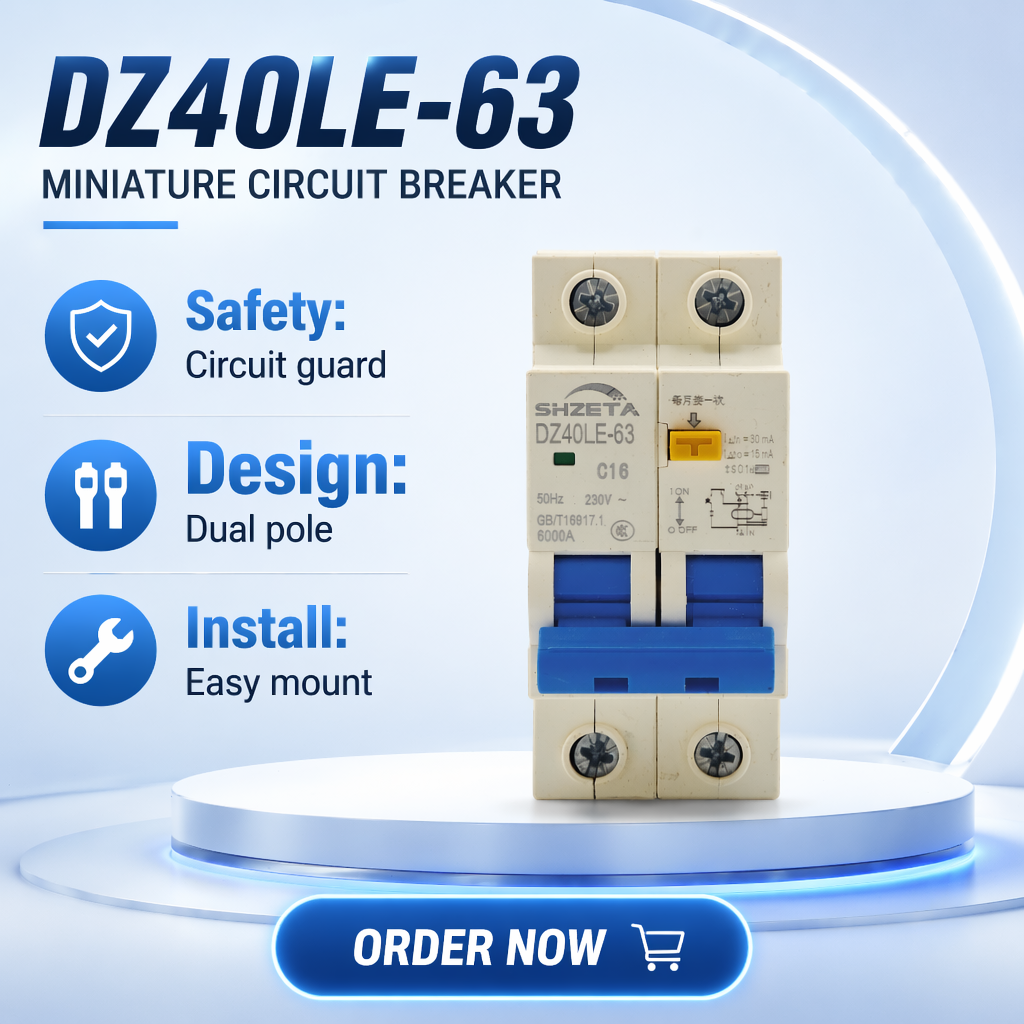
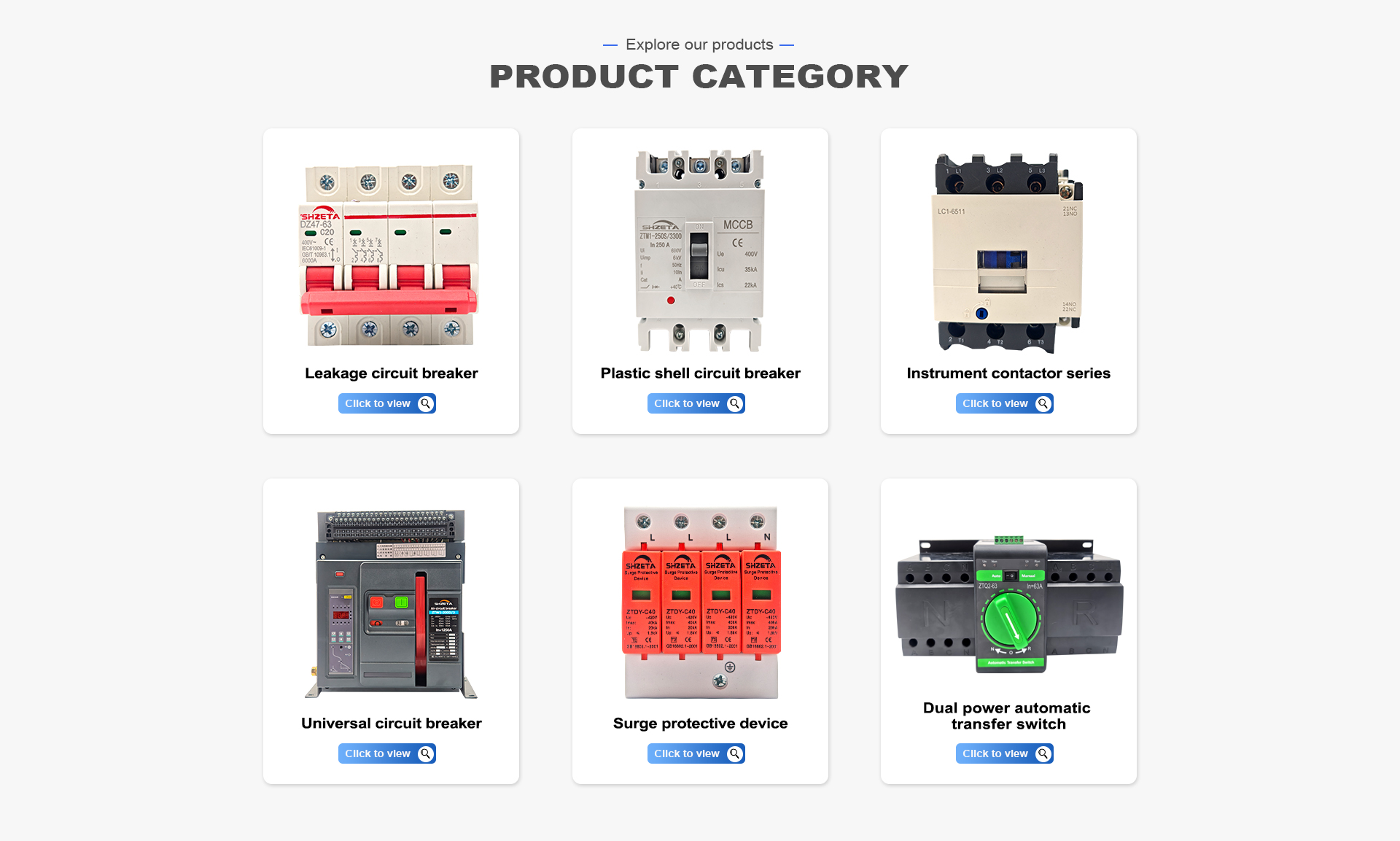
DZ47-63 DC MCB (PA66) BCD Curve C 6kA Protection System
Constructed with high-grade PA66 flame-retardant housing, delivering 6kA breaking capacity for PV arrays and direct current secondary protection in tropical climates.
Send an Inquiry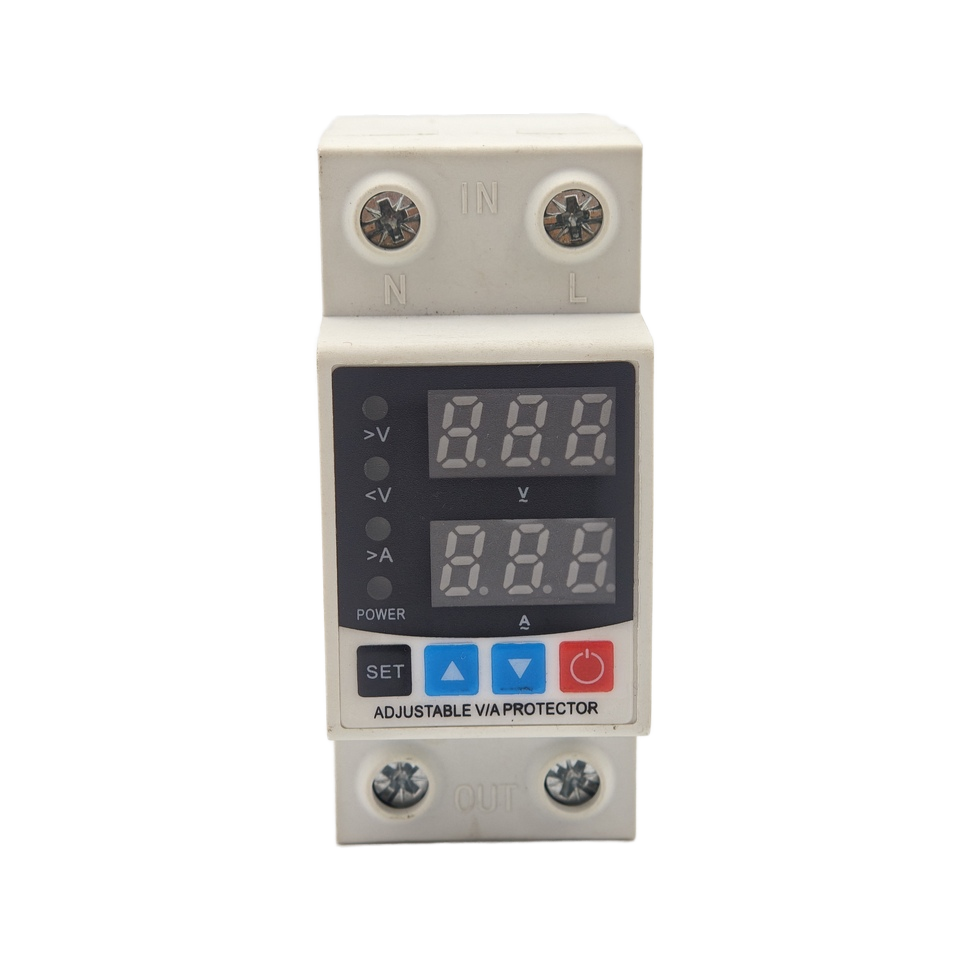
40A-63A 220V Adjustable Over/Under Voltage Electronic Protective Device
Intelligent auto-recovery voltage monitoring unit that shields sensitive commercial equipment from frequent island grid sags, brownouts, and surges.
Send an Inquiry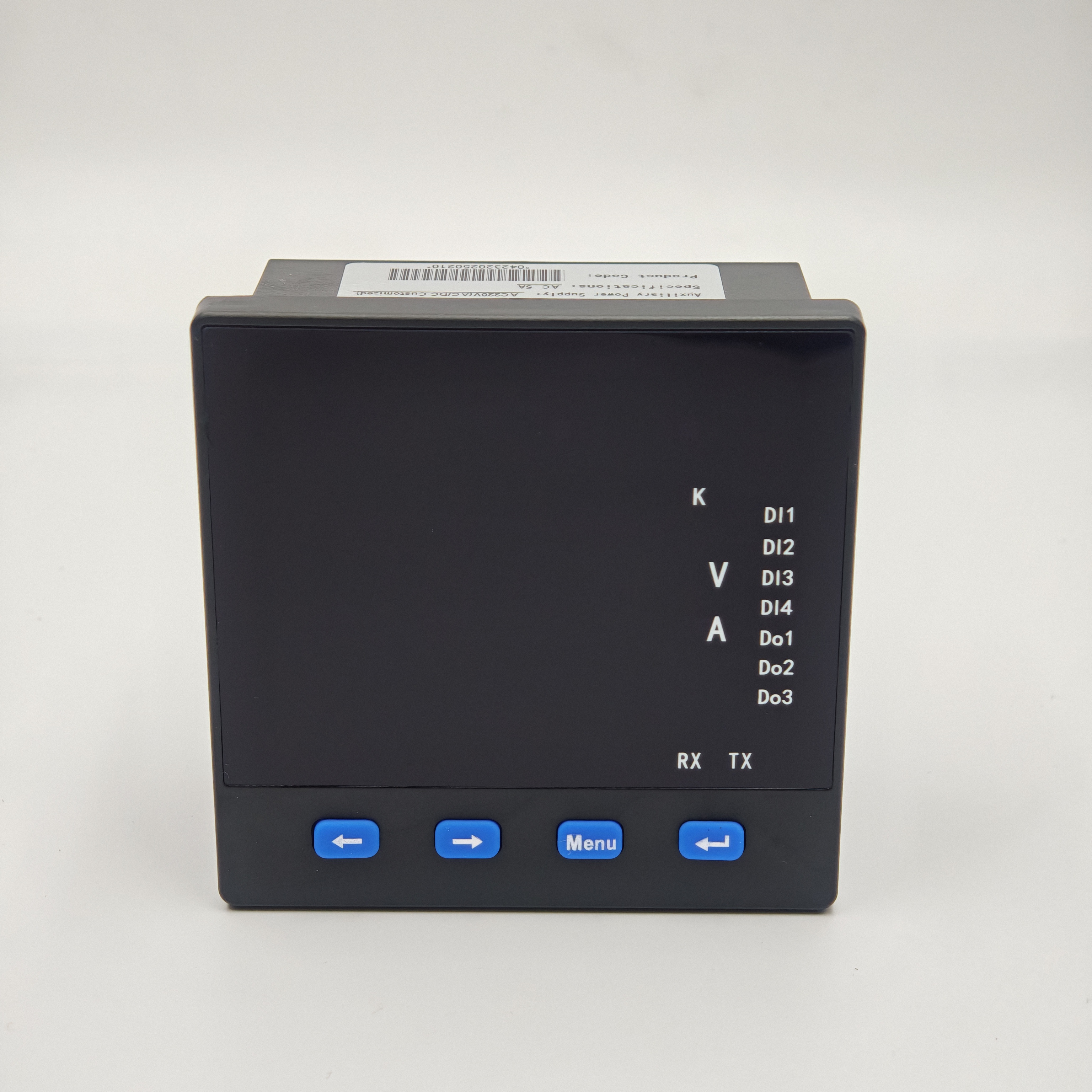
HY-311-80VY Class 0.5 3-Phase Energy Meter RS485 Modbus
High-precision AC/DC 60~280V multi-function power analyzer designed for SCADA telemetry, substation switchboards, and resort sub-metering systems.
Send an Inquiry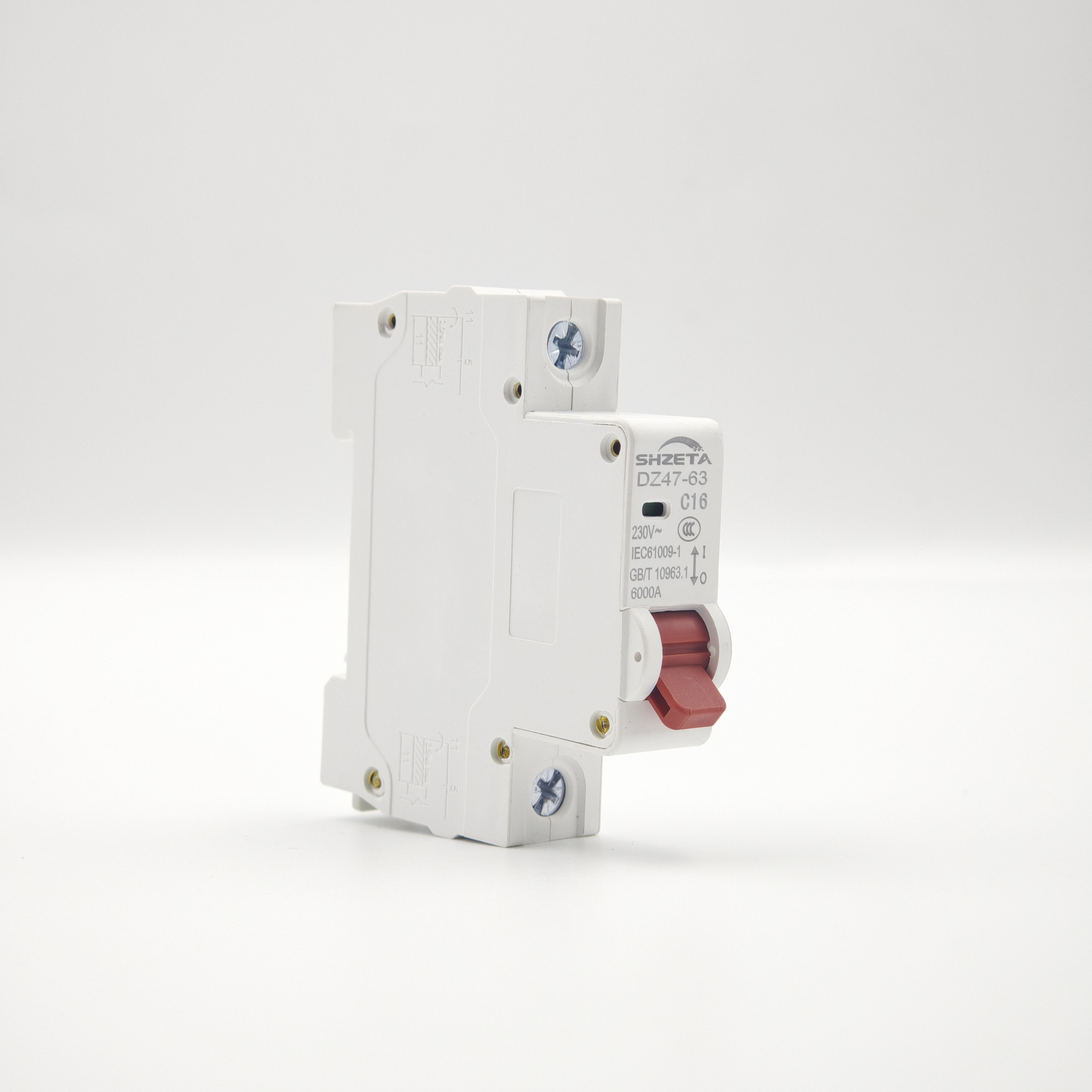
Mechanical Interlocking MCB 1P+N 2P 3P 4P 50/60Hz Low Voltage
Engineered interlocking mechanism preventing concurrent connection of dual sources, serving as a failsafe manual transfer interface for residential generators.
Send an Inquiry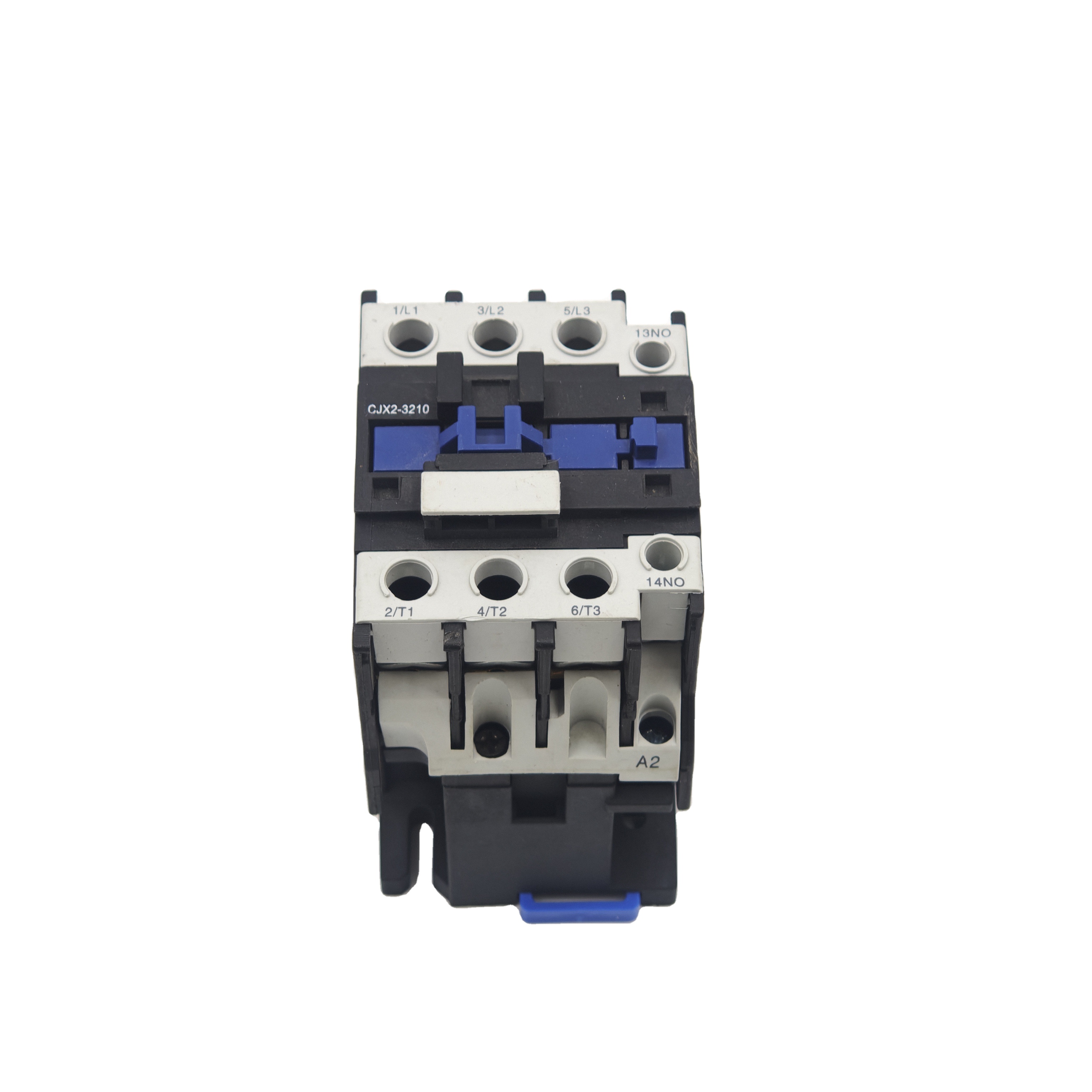
CJX2-1210 3-Phase Magnetic Contactor 220V Coil 12A Motor Control
Heavy-duty AC-3 switching rated contactor with silver-alloy contacts for high cycling loads such as chilled water chillers, water pumps, and air compressors.
Send an Inquiry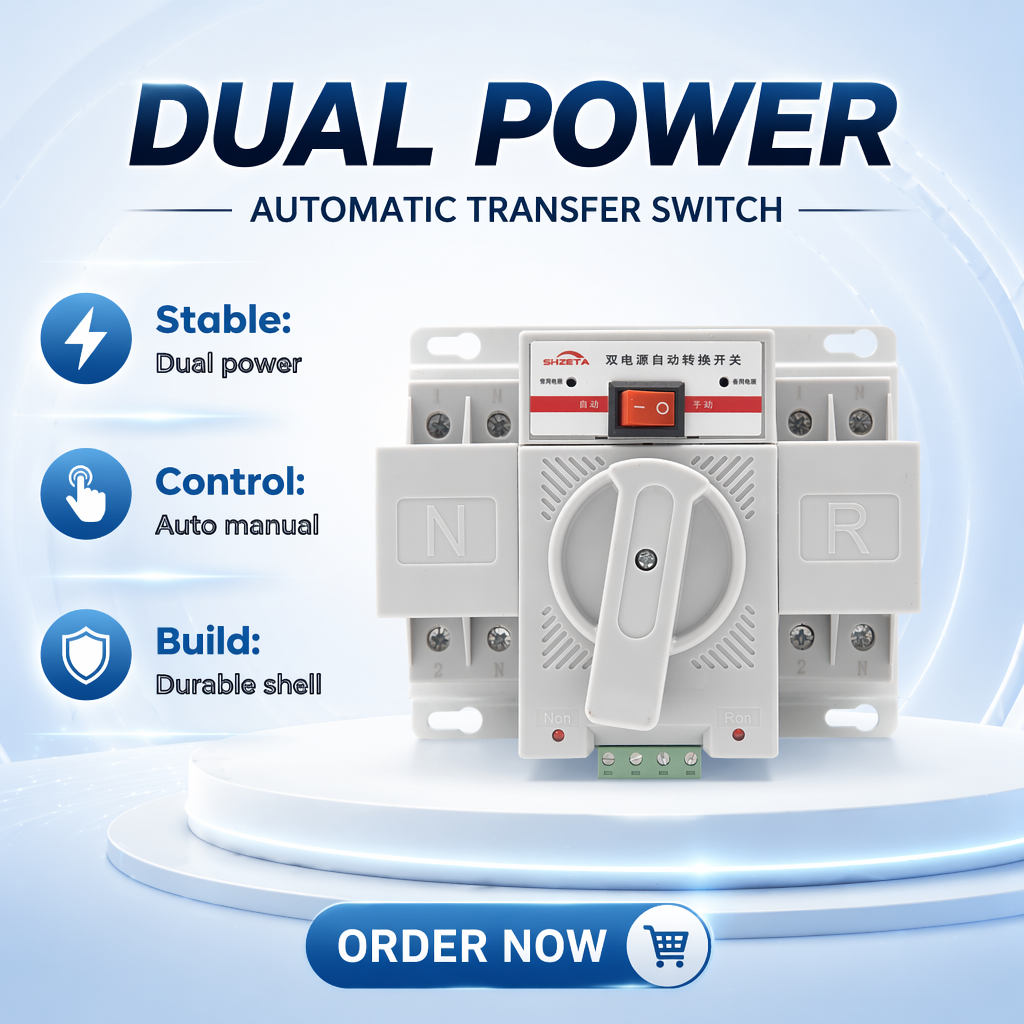
4P 63A Manual Changeover Transfer Switch Breaker Type
Rugged 4-pole DIN rail breaker-based transfer device offering complete neutral line isolation between utility feed and local standby emergency backup power.
Send an Inquiry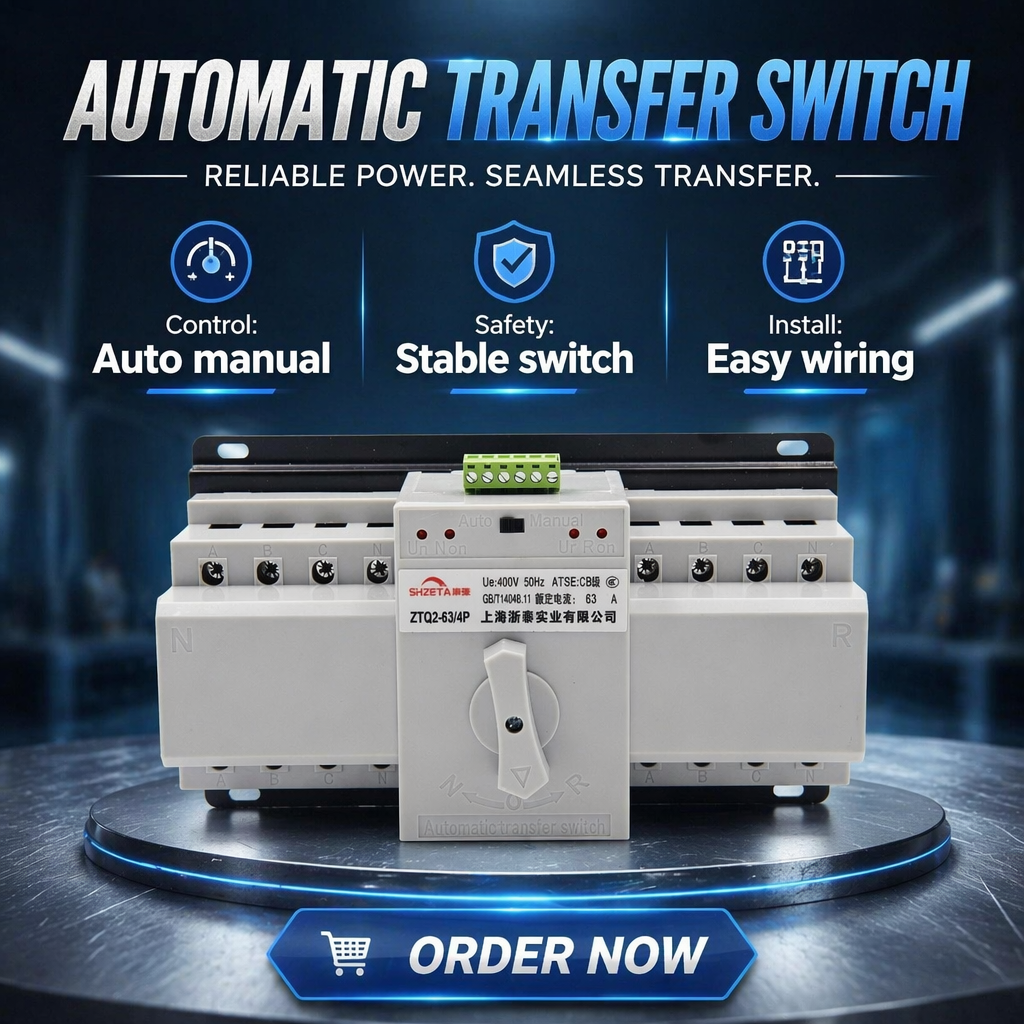
4P 63A Dual Power Transfer Integrated Circuit Breaker Switch
Compact integrated transfer system engineered to handle severe short-circuit stresses, ensuring safe transitions in commercial facilities and telecom stations.
Send an Inquiry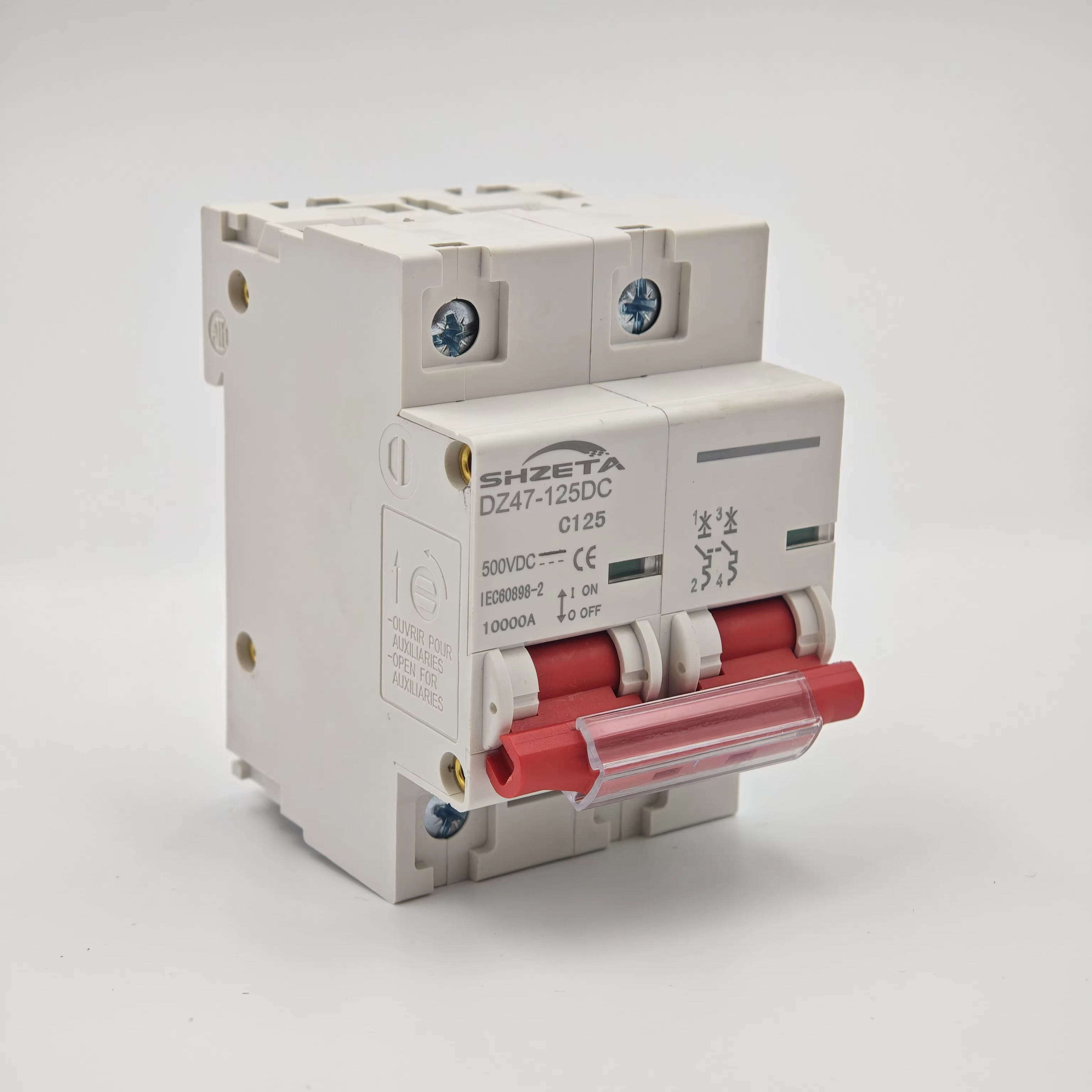
2P 80A-125A DC 500V High-Current Photovoltaic Breaker
Heavy-duty main DC isolating switch featuring arc-extinguishing chutes optimized for solar photovoltaic strings, central inverters, and battery storage.
Send an InquiryAir Circuit Breaker (ACB) Architecture in Island Power Infrastructure
Navigating structural challenges: Low-voltage grid stability, coastal salt mist corrosion, high solar penetration, and emergency diesel generation synchronization across Saint John's, English Harbour, and Barbuda.
The electrical network of Antigua and Barbuda, predominantly energized via heavy fuel oil (HFO) generators by the Antigua Public Utilities Authority (APUA) paired with an accelerating footprint of commercial solar PV arrays, introduces severe stress factors on primary distribution equipment. Air Circuit Breakers (ACBs) serve as the fundamental barrier line protecting medium-to-low voltage step-down substations (typically 11kV/400V or 11kV/230V), commercial resort master switchboards, and harbor infrastructure. Unlike inland electrical topologies, the dual-island ecosystem requires switchgear to sustain continuous ambient operating temperatures exceeding 40°C with 95% relative humidity, alongside highly corrosive airborne aerosolized sea-salt deposits.
Critical Metallurgy & Dielectric Integrity in Coastal Salt-Air Environments
Atmospheric salinity in coastal districts such as Jolly Harbour, Falmouth Harbour, and Codrington rapidly compromises unconditioned copper busbars and conventional low-voltage breaker contacts. Standard switchgear mechanisms experience electrochemical galvanic corrosion, which accelerates silver-plating tarnishing, contact bridge welding, and unexpected micro-arcing. Zhejiang Graybar Electric addresses this vulnerability through heavy nickel-underplated silver alloy contacts (AgCdO / AgSnO2) and anti-fungal, anti-corrosive conformal coatings on all intelligent micro-controller trip units (Microprocessor Control Units).
Furthermore, internal metal components undergo rigorous 96-hour neutral salt-spray (NSS) validation in compliance with IEC 60068-2-11 standards. The mechanical frame housing is pressed from specialized galvanized cold-rolled structural steel plates, eliminating surface oxidation and ensuring seamless racking operation for draw-out ACB cradles even after years of continuous coastal exposure.
Microprocessor Intelligence, LSIG Fault Coordination & Grid Dynamics
Island grid stability is intrinsically more susceptible to sudden frequency excursions (Hz) and voltage transients than continental interconnected grids. When utility feeder shedding occurs during heavy weather or peak tourism demand, standby multi-megawatt diesel generation sets kick in. ACBs deployed at main incomers and bus-tie configurations must provide rapid, highly selective fault clearance without triggering nuisance trips that black out mission-critical loads.
Our intelligent digital controllers support four-stage selective protection (LSIG): Long-time delay (L) for overload protection with inverse time characteristics; Short-time delay (S) with programmable time delay for selective short-circuit discrimination; Instantaneous tripping (I) for high prospective fault currents up to 120kA; and Ground-fault protection (G) via zero-sequence current transformer summing. Integrated RS-485 Modbus RTU communication channels enable facilities managers to feed real-time harmonic distortion (THD), phase imbalance, and breaker contact thermal monitoring directly into central Building Management Systems (BMS).
Key Application Scenarios in Antigua and Barbuda
Tailored configurations engineered for prime industrial sectors, luxury tourism, and autonomous municipal infrastructure.
Luxury Resorts, Marinas & Desalination Plants
Demanding 24/7 continuous availability, high inrush motor protection for high-pressure seawater reverse osmosis (SWRO) booster pumps, and draw-out designs that facilitate scheduled maintenance without total facility shutdown.
Utility Sub-Distribution & Solar PV Farm Integration
Main incomer breakers engineered for bidirectional power flows between APUA grid interconnections and utility-scale solar farms (e.g., V.C. Bird International Airport solar plant), equipped with directional overcurrent and anti-islanding coordination.
Deepwater Harbor, Cruise Terminal & Airport Cargo
High-fault current rated frames (65kA–100kA Icu) engineered to absorb high-stress harmonic distortion generated by marine shore power conversion, heavy gantry cranes, and massive cold storage logistics refrigeration facilities.
Antigua & Barbuda Electrical Market Trends
Structural evolution in island microgrid engineering, regulatory compliance, and distributed generation.
Microgrid Islanding & BESS
Surging adoption of Battery Energy Storage Systems (BESS) requiring DC and ultra-fast AC circuit breakers with low response latency to isolate battery faults under 20 milliseconds.
Grid Modernization Standards
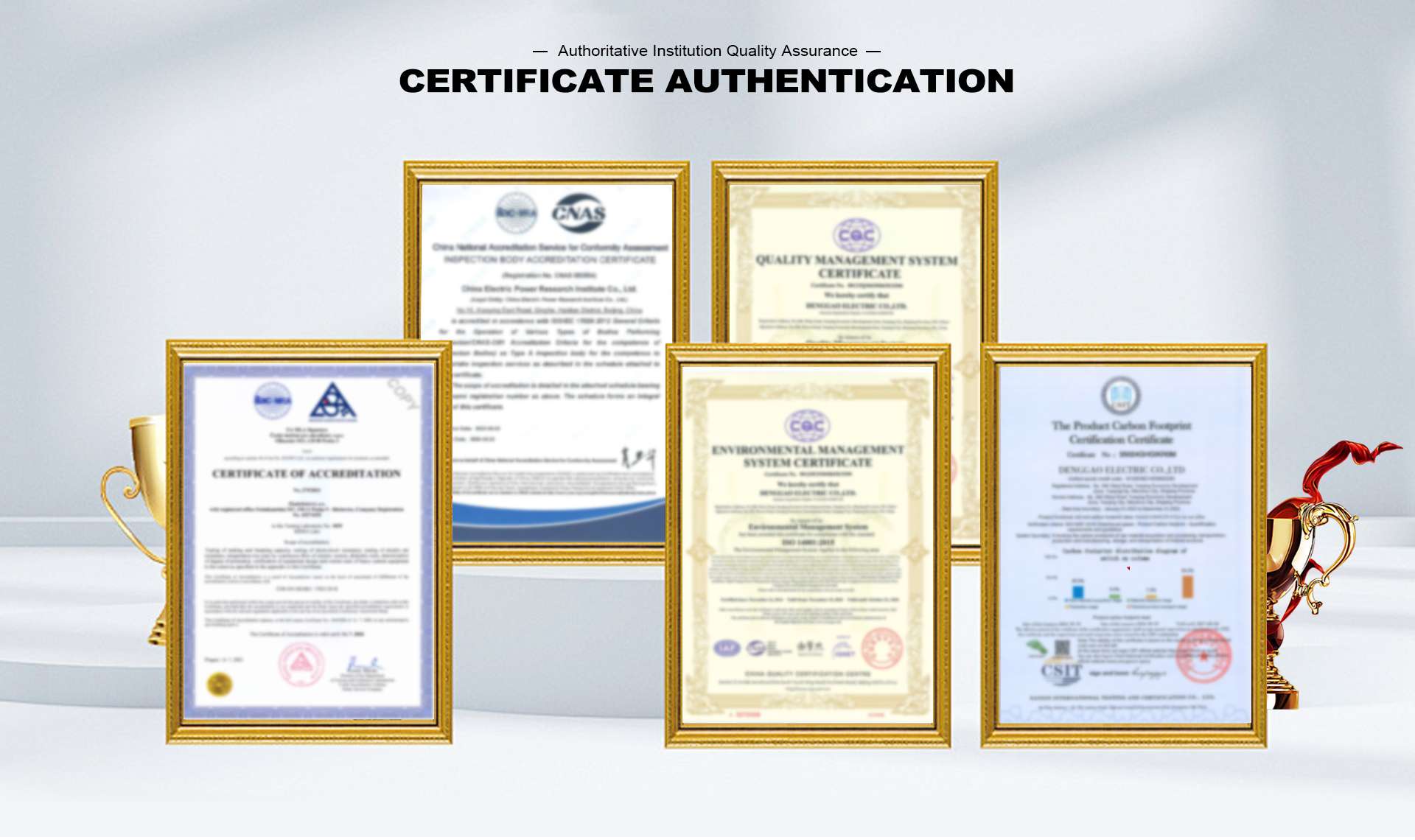
Enforcement of strict regional safety protocols matching IEC 60947-2 over dated legacy installations, requiring contractors to supply verifiable factory third-party type test certifications.
Automated Power Failover
Transition from manual open-transition changeovers to intelligent ACB-based motorized automatic transfer systems capable of zero-crossing synchronizing and load shedding during hurricane seasons.
Sub-Meter Telemetry Adoption
Private infrastructure investors mandating embedded digital energy metering within distribution boards to track energy audits and implement dynamic load throttling during peak rate periods.
Why Electrical Contractors Choose Zhejiang Graybar
Leveraging deep industrial cluster engineering in Liushi Town, Wenzhou, to provide Caribbean switchboard builders unmatched value, technical reliability, and rapid lead times.
Liushi Production Cluster
- Immediate access to top-tier metallurgy and mold fabrication ecosystems
- In-house tooling, coil winding, assembly, and automated calibration bays
- Rapid customization of coil voltages (110V, 220V, 380V AC/DC)
Rigorously Tested Reliability
- 100% routine dielectric withstand tests prior to export boxing
- Microprocessor trip curve calibration verified by digital timing logs
- Complete batch serialization and traceability on every shipment
Caribbean Export Logistics
- Low initial MOQs (ACB starts at 1 pc) to validate prototype fitment
- Reinforced heavy-duty wooden marine crating with internal moisture desiccants
- Consolidated sea/air freight to Saint John's Port or regional transshipment hubs
OEM / ODM Engineering
- Custom laser markings, private labeling, and panel cutout customization
- Comprehensive English engineering drawings, CAD files, and wiring schemes
- Direct engineering support for complex cascade and selectivity analysis

Frequently Asked Questions for Caribbean Buyers
Practical guidance for panel builders, project engineers, and M&E procurement specialists sourcing circuit breakers for Antigua and Barbuda installations.