Innovation Path
The Technological Evolution of the Frame Circuit Breaker
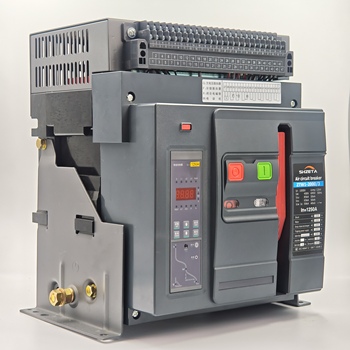
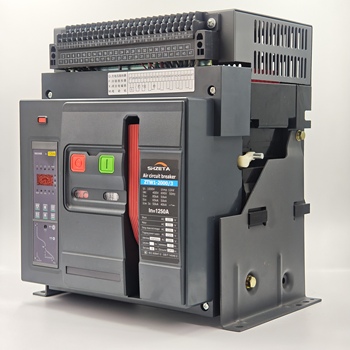
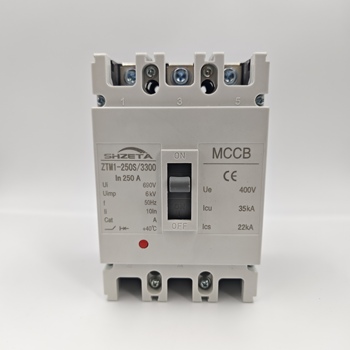
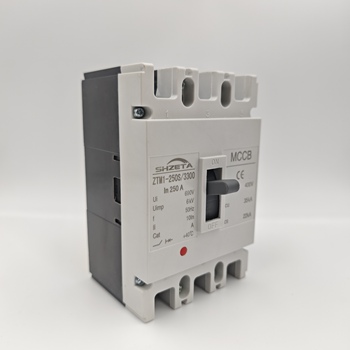
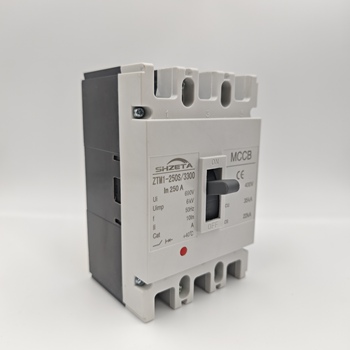
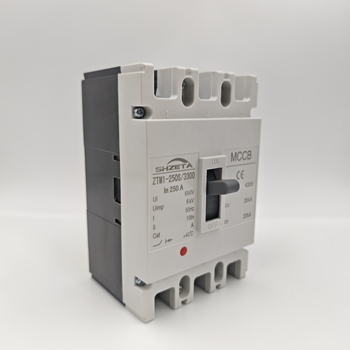
The design of the frame circuit breaker has transformed over recent decades from cumbersome, purely mechanical devices into intelligent power hubs. Early generations relied on pneumatic dashpots, oil dampening pots, and heavy mechanical linkages that drifted out of calibration over time due to heat cycles and vibration. Today, the convergence of solid-state electronics, precision metallurgy, and computational fluid dynamic (CFD) arc simulation has redefined breaker performance.
Modern frame circuit breakers from Zhejiang Graybar Electric Co., Ltd. incorporate specialized de-ionizing arc chambers with splitter plates stamped from precision ferromagnetic steels. When main contacts part under short-circuit conditions, magnetic blowout coils quickly force the high-temperature plasma arc into the splitter stack. The arc is fragmented, stretched, cooled, and safely extinguished in milliseconds, curbing peak let-through energy (I²t) and protecting downstream switchboards from thermal deformation.
Simultaneously, electronic trip controllers have moved to 32-bit ARM microprocessors capable of true-RMS metering up to the 31st harmonic. This prevents erroneous nuisance trips in environments dominated by variable frequency drives (VFDs) and non-linear data processing loads. In addition, internal mechanical components are surfaced with specialized electroplated nickel-tin and silver alloy coatings to resist sulfidation and harsh industrial atmospheres.