Engineered Low-Voltage Protection Inventory
Explore our precision-calibrated AC circuit breakers, dual-power automatic transfer switches, and high-fault moulded case units designed for heavy industrial switchboards and distributed solar networks.
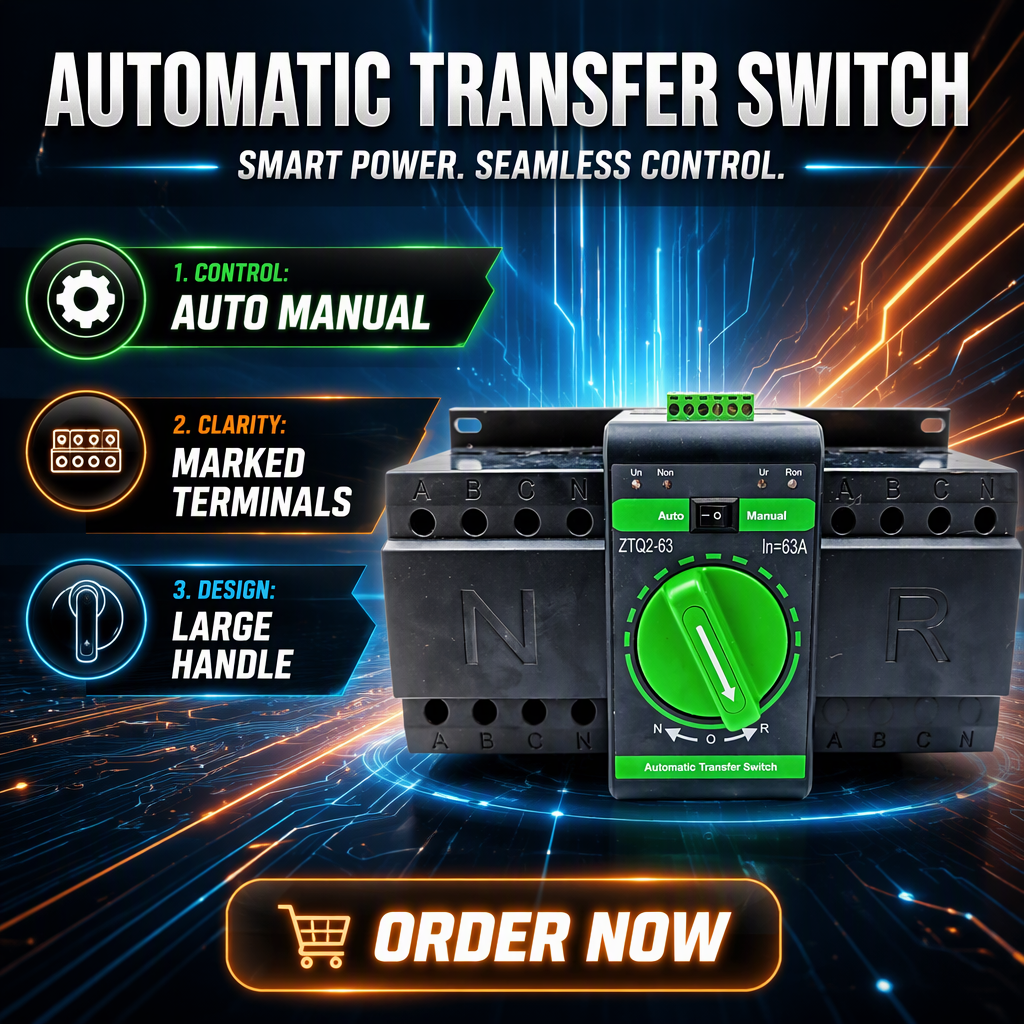
Customizable 2-Pole 4P Single/Three Phase Manual Conversion ATS
- Frame Rating: 125A Frame
- Breaking Capacity: 10kA (Icn)
- Configuration: 2P / 4P Modular
- Standard: IEC 60947-6-1
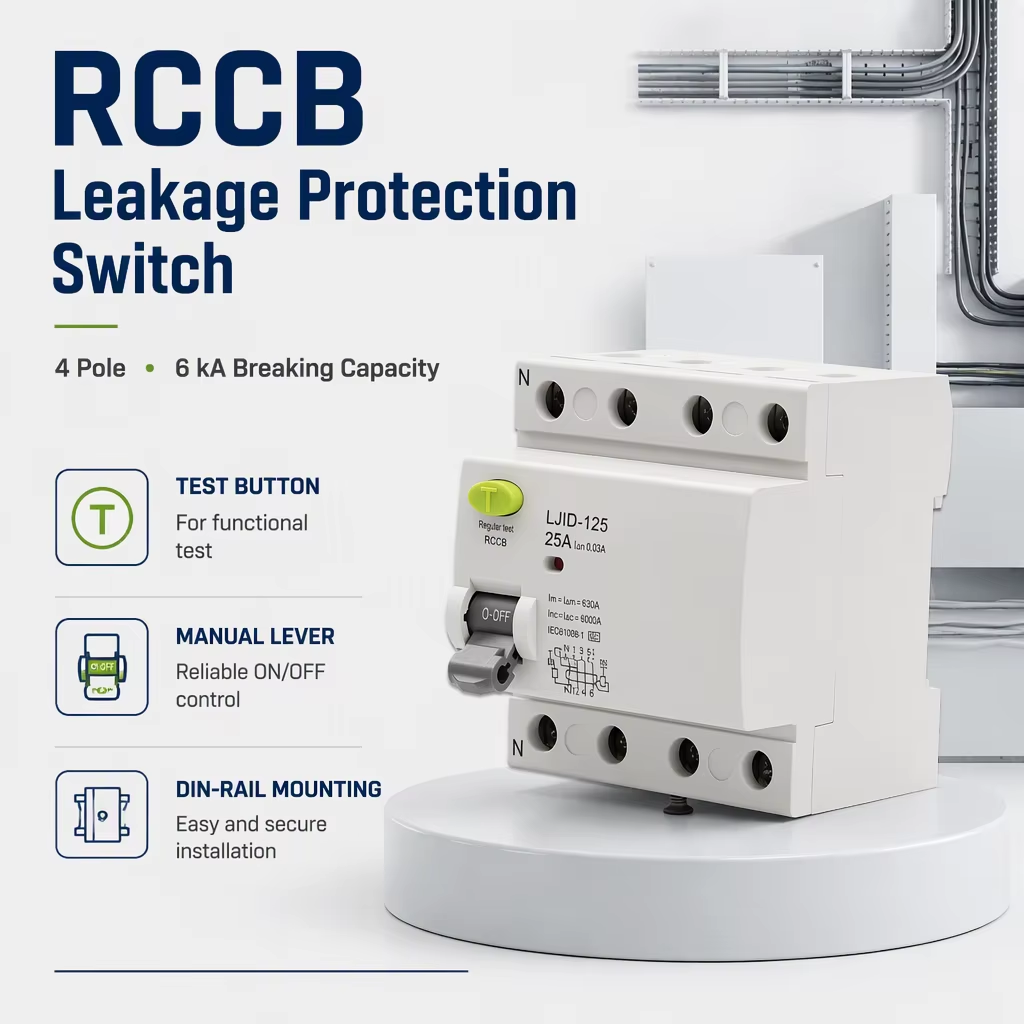
RCCB Leakage Protection Switch 2/4P Electromagnetic Miniature Type
- Rated Current: 16A – 63A Range
- Sensitivity (IΔn): 30mA / 300mA
- Mechanism: Electromagnetic
- Poles: 2 Pole / 4 Pole
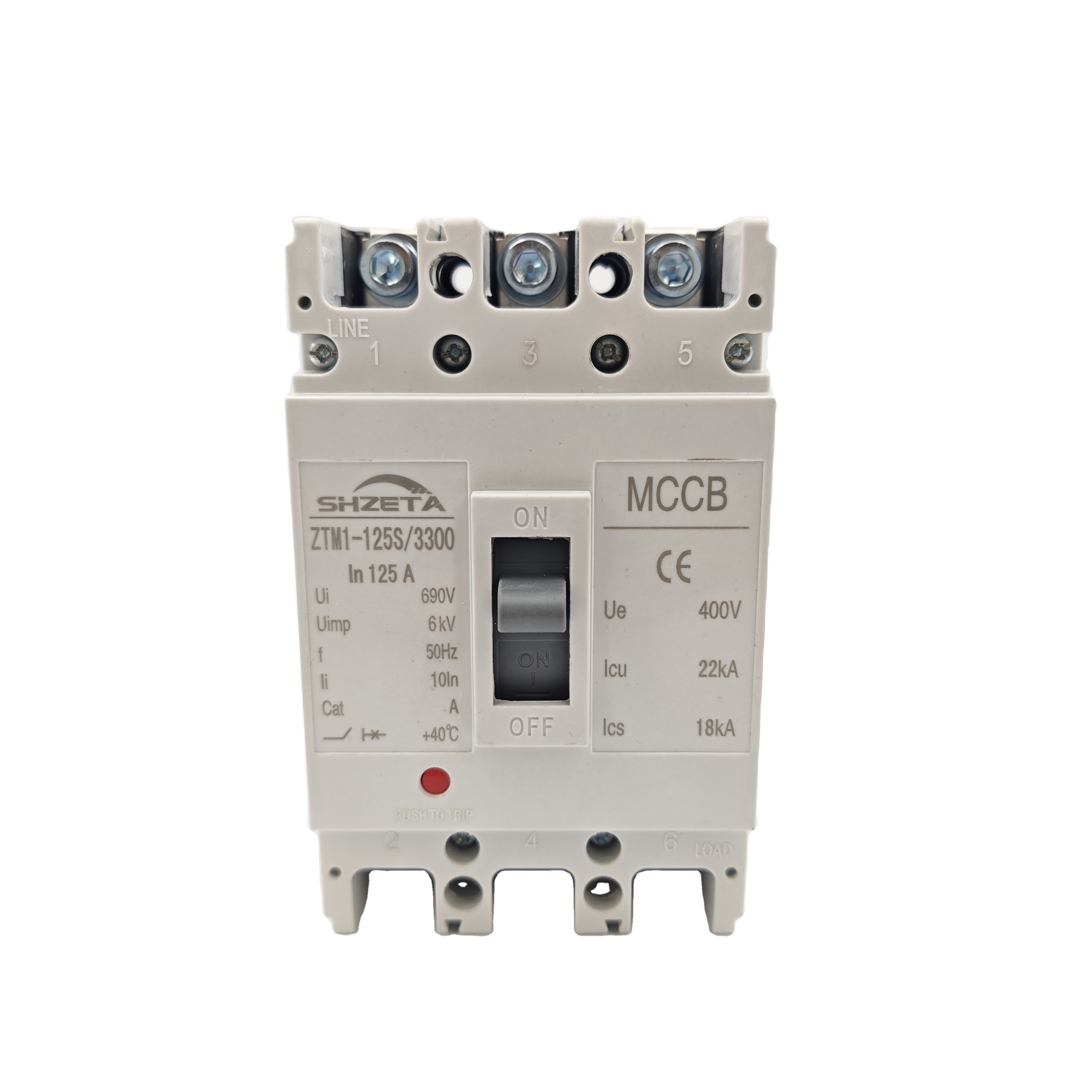
Mutai 3P 80 Amp / 100 Amp Thermal Magnetic Circuit Breaker 415V
- Rated Current: 80A / 100A Calibrated
- Breaking Capacity: 35kA @ 415VAC
- Frequency: 50/60Hz Universal
- Standard: IEC 60947-2
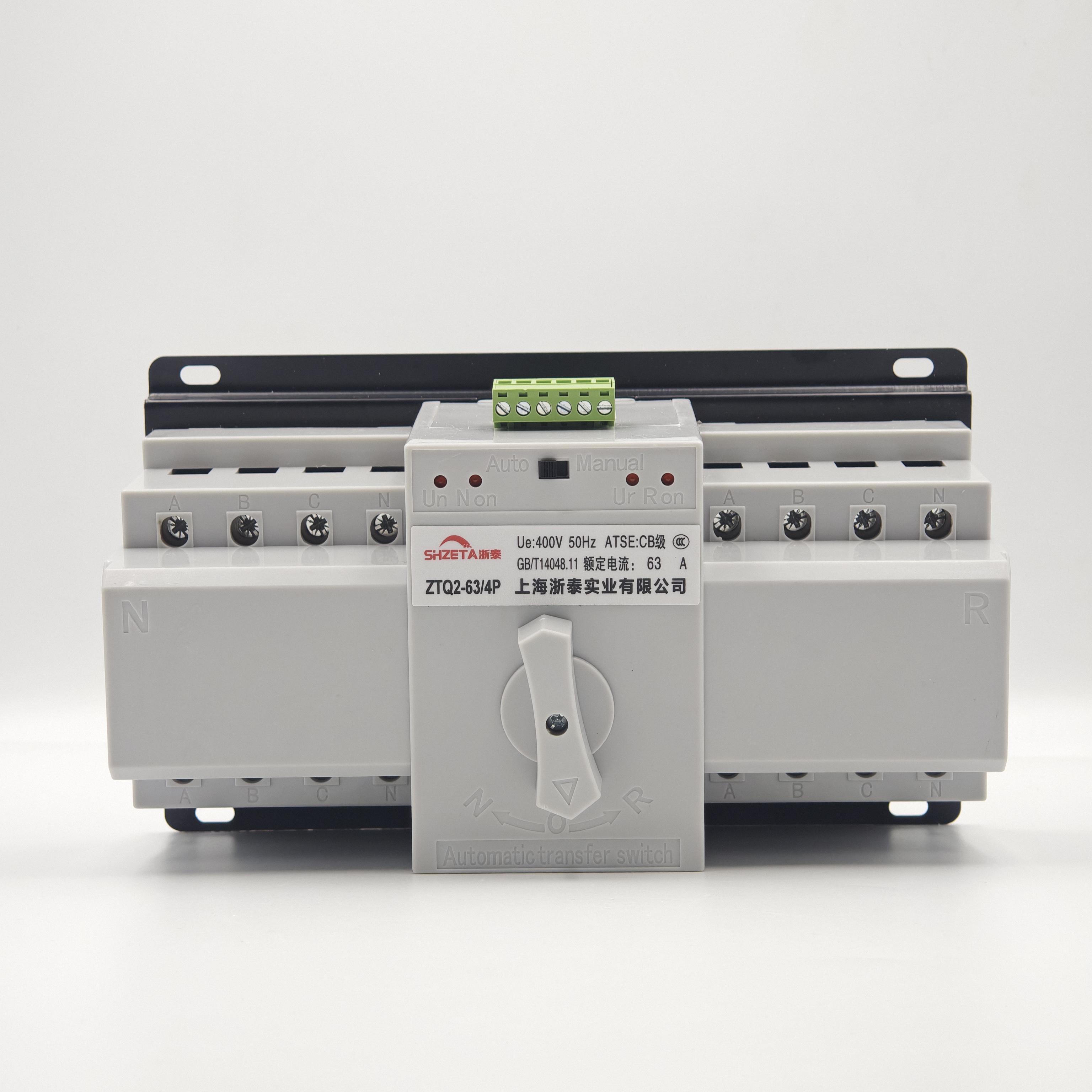
63A 4P Automatic Transfer Switch (ATS) Dual Power 400V CB Class
- Rated Current: 63A Continuous
- Switching Time: <50ms Fast Transfer
- Application: PV Solar & Grid Tie
- Class: CB Integrated Class
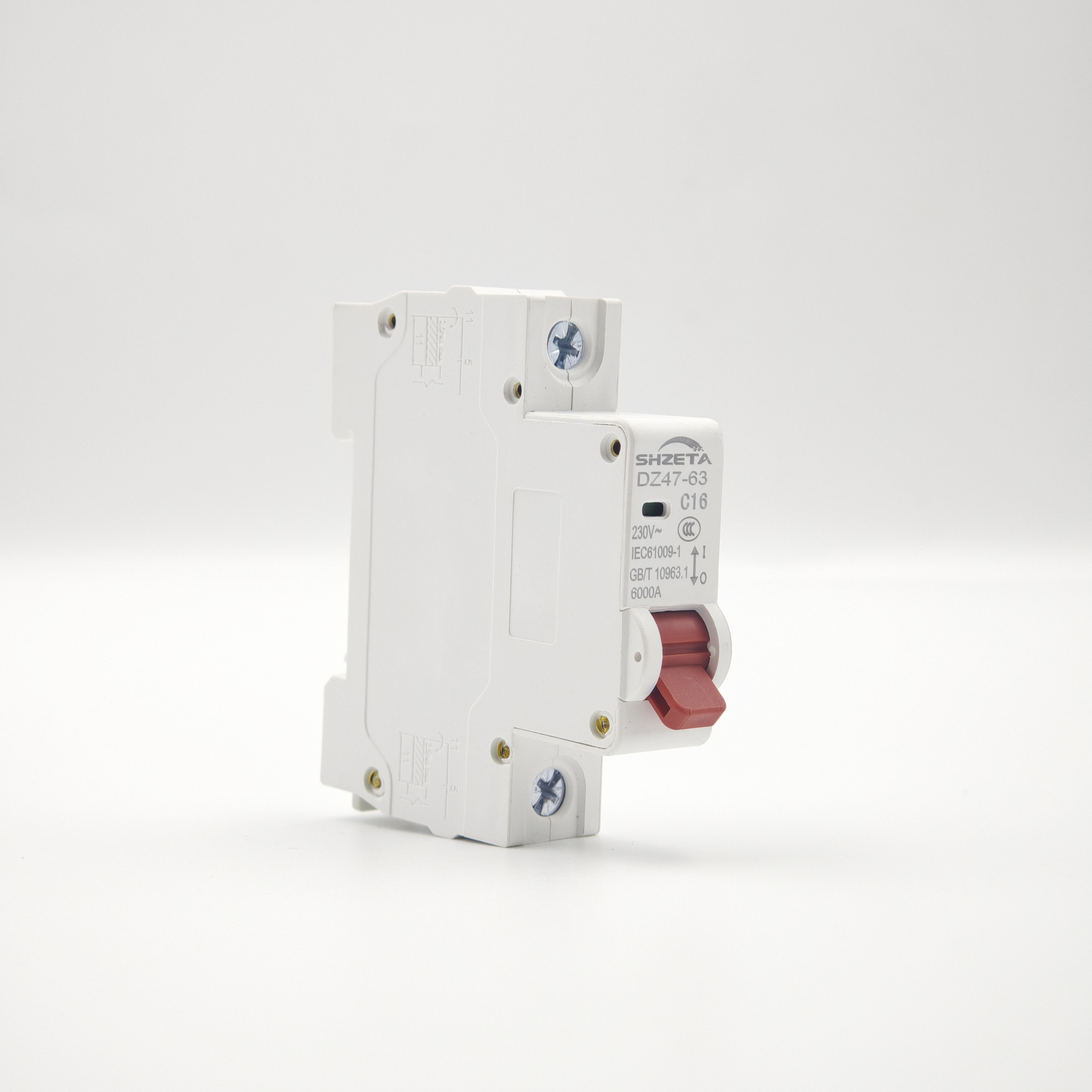
Mini Circuit Breaker 1P+N 2P 3P 4P Mechanical Interlocking Breaker
- Mounting: 35mm Standard DIN Rail
- Interlock Type: Dual-Source Safety
- Trip Curves: B, C, D Characteristics
- Frequency: 50/60Hz AC / DC Compatible
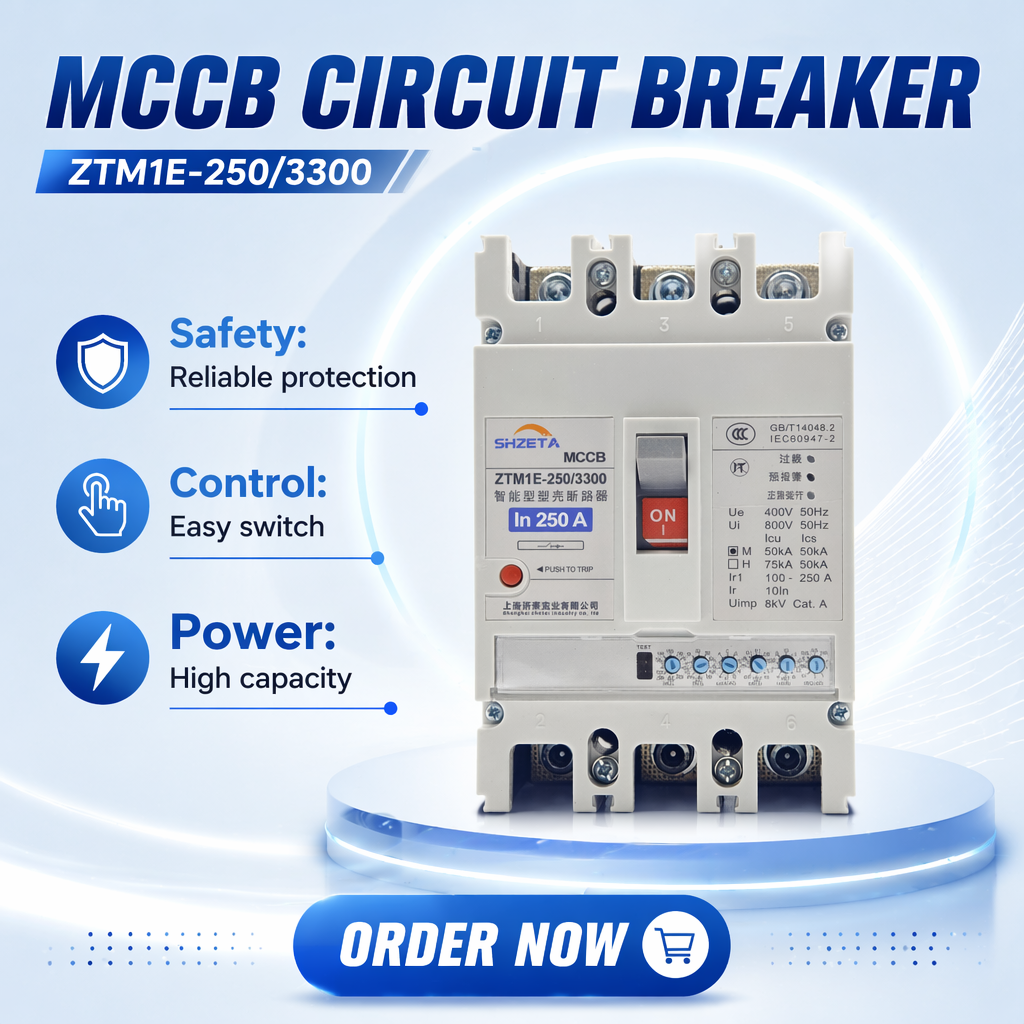
Molded Case Circuit Breaker Thermal-Magnetic Trip 50kA/100kA 690V
- Breaking Capacity: 50kA / 100kA Heavy Duty
- Rated Voltage: 400VAC / 690VAC
- Conductive Bus: Pure Electrolytic Copper
- Enclosure: Thermoset BMC Resin
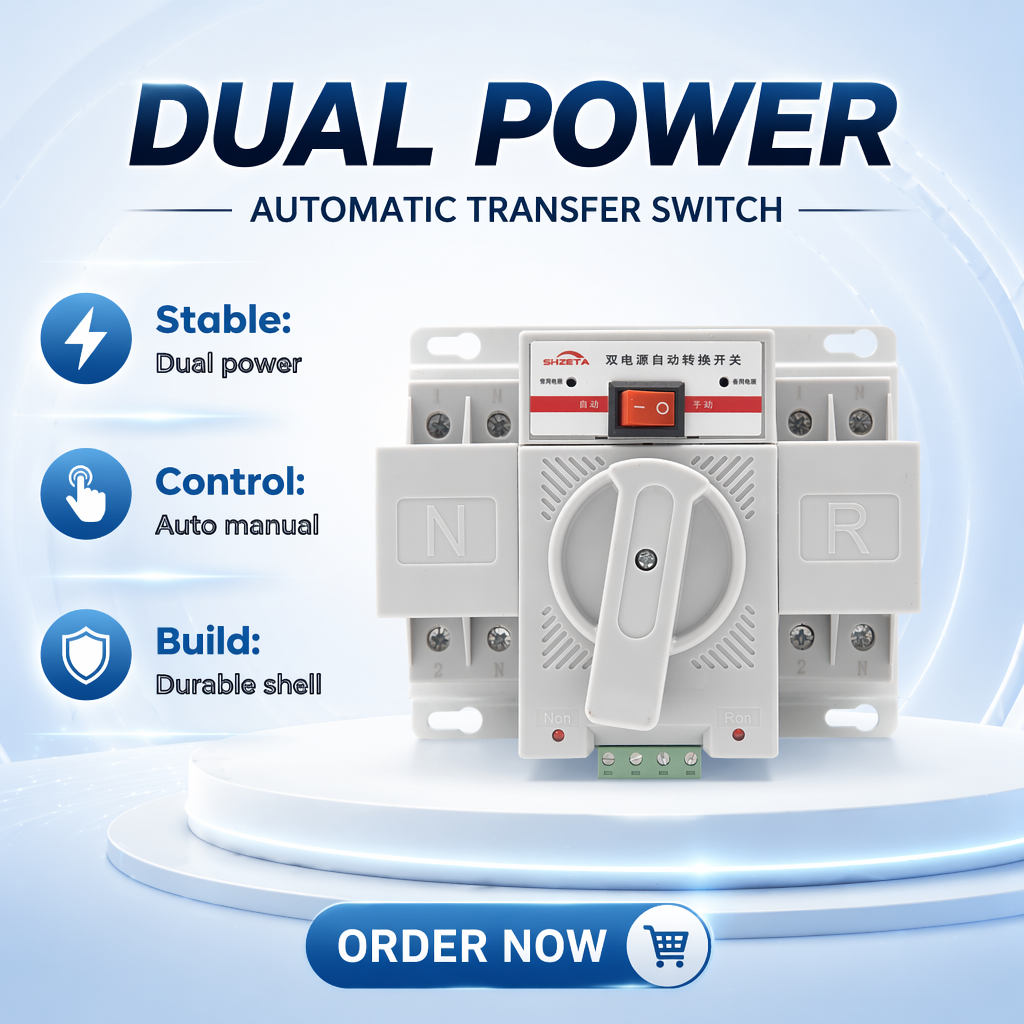
4P 63A Single Phase Manual Changeover Switch Transfer Breaker
- Configuration: 4-Pole Neutral Switched
- Rated Current: 63A Continuous Load
- Function: Generator / Mains Isolation
- Mounting: DIN Modular Installation
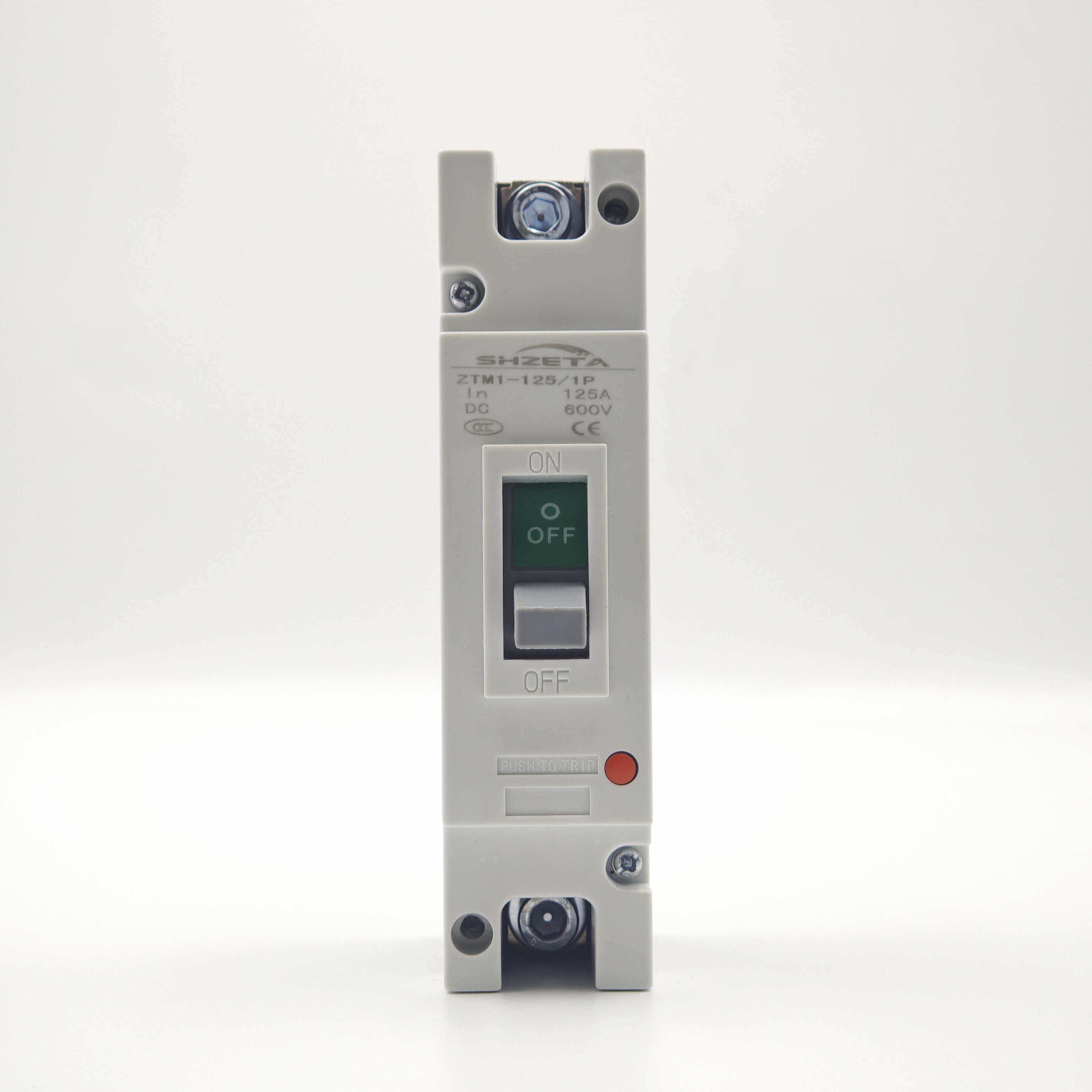
Waterproof Factory Sealed 500V 100A Moulded Case Circuit Breaker
- Enclosure Rating: IP65 / IP66 Sealed Housing
- Operating Voltage: Up to 500V Operation
- Rated Current: 100A Nominal
- Environment: Harsh Outdoor & Marine
The Engineering Paradigm of Low-Voltage AC Circuit Breakers
In low-voltage electrical distribution (ranging from 230V single-phase domestic applications to 400V/690V industrial architectures), selecting a trusted AC circuit breaker supplier demands technical scrutiny beyond nominal price. High-density data centers, commercial high-rises, industrial fabrication lines, and modern photovoltaic balance-of-plant (BOP) systems impose severe thermal and dynamic electromagnetic stresses upon protection gear. A certified breaker is fundamentally an energy dissipation apparatus designed to extinguish high-power electric arcs within milliseconds, arresting catastrophic prospective fault currents before permanent conductor damage or arc-flash events occur.
Key Engineering Metric (Information Gain): A circuit breaker’s performance is decisively governed by the ratio between its Rated Ultimate Short-Circuit Breaking Capacity (Icu) and its Rated Service Short-Circuit Breaking Capacity (Ics). While secondary suppliers often benchmark only Icu, leading international engineering standards (IEC 60947-2) demand an Ics rating equal to 75% or 100% of Icu for mission-critical switchboards, ensuring the unit can immediately resume normal power delivery after interrupting a high-energy fault.
When selecting between Miniature Circuit Breakers (MCB), Moulded Case Circuit Breakers (MCCB), and Air Circuit Breakers (ACB), switchgear engineers must evaluate arc-quenching chute kinematics, de-ion plate metallurgy, and contact erosion rates. Modern breakers utilize silver-tin-oxide (AgSnO2) or silver-cadmium-oxide (AgCdO) composite contact rivets. AgSnO2 provides superior anti-welding characteristics under severe inrush surges generated by electric vehicle chargers, variable-frequency drives (VFDs), and capacitor banks.
Engineering Comparison: AC Breaker Families Across Power Distribution Nodes
| Breaker Topology | Current Envelope (In) | Interrupting Capacity (Icu) | Standard Benchmark | Core Application & Selectivity Strategy |
|---|---|---|---|---|
| Miniature (MCB) | 0.5A to 125A | 4.5kA to 15kA | IEC 60898-1 / 60947-2 | Sub-branch circuits, lighting panels, consumer units; Curve B (resistive), C (inductive), D (high inrush). |
| Moulded Case (MCCB) | 16A to 1600A | 25kA to 150kA | IEC 60947-2 / EN 60947-2 | Motor control centers (MCC), main feeder panels; thermal-magnetic or electronic trip units with adjustable LSI delay. |
| Air Circuit Breaker (ACB) | 630A to 6300A | 50kA to 120kA (Icw 1s) | IEC 60947-2 Category B | Substation transformers, generator incomers; draw-out cassettes with high short-time withstand current (Icw) for total selectivity. |
| Dual Power ATS (CB Class) | 16A to 1250A | 10kA to 65kA | IEC 60947-6-1 | Critical infrastructure backup changeover; integrates dual interlocking breakers with automatic transfer controller logic. |
Emerging Technology Trends in AC Circuit Protection
The evolution of low-voltage switchgear is driven by power electronics, smart grid telemetry, and stringent zero-emission mandates across global markets.
Solid-State & Hybrid Breakers (SSCB)
Traditional mechanical tripping requires 3 to 8 milliseconds to part physical copper contacts. The industry is rapidly introducing hybrid semiconductor breakers utilizing SiC MOSFETs and IGBTs that achieve sub-millisecond current suppression (<500µs), drastically suppressing let-through energy (I²t) and eradicating mechanical contact erosion in critical setups.
IoT Edge Intelligence & Telemetry
Modern MCCBs and ACBs are shifting from purely passive bimetallic trip units to intelligent microcontrollers equipped with Modbus-RTU, Ethernet, and cloud-gateway connectivity. Built-in Rogowski coils provide continuous, real-time waveform monitoring, harmonic analysis, active busbar temperature sensing, and predictive maintenance alarms.
Eco-Friendly Arc-Quenching & BMC Thermosets
Global environmental mandates, including EU RoHS and REACH, are reshaping breaker chemistry. Bulk Moulding Compounds (BMC) are replacing halogenated plastics with phosphorus-free, self-extinguishing polyamides that exhibit exceptional CTI (Comparative Tracking Index > 600V), eliminating toxic gas emissions during high-temperature arc clearing.
Strategic Procurement Trends for B2B Importers
How electrical wholesalers, system integrators, and panel builders are realigning their supply chain models to mitigate risks and protect margins.
Low MOQ Scalability
Procurement teams are shifting away from high container-minimum demands in favor of agile, low-MOQ sourcing (5 pcs on MCB/MCCB, 1 pc on ACB). This reduces warehouse holding costs and enables comprehensive type testing before full-scale commercial release.
BOM Consolidation
System integrators increasingly demand single-source suppliers capable of provisioning complete distribution board bills-of-materials—pairing incoming ACBs and MCCB feeders directly with branch MCBs, SPDs, and changeover ATS switches for certified cascading coordination.
Private-Label OEM Precision
Regional distributors seek factory partners offering fast laser-etched OEM branding, customized trip characteristics (e.g., custom In calibration for elevated ambient temperatures), and localized multi-language technical packaging.
Traceability & Digital QA
Post-pandemic procurement protocols prioritize suppliers operating out of established industrial clusters (such as Liushi, Wenzhou) that offer end-to-end QR serialization, material batch traceability, and verified automated trip calibration testing.
Why Global Panel Builders Partner with Zhejiang Graybar Electric
Located in Huangyu Village, Liushi Town, Wenzhou—the acknowledged global capital of low-voltage electrical appliances—Zhejiang Graybar Electric Co., Ltd. combines tier-one manufacturing efficiency with rigorous international compliance testing. We eliminate intermediate trading markups, giving our distribution partners factory-direct engineering support and superior margin structures.
-
Integrated Supply Chain Cluster: Instant access to pure electrolytic copper busbars, precision bimetal strips, and high-purity silver-alloy contacts within a 5km industrial radius.
-
Automated Calibration & Dielectric Testing: 100% of manufactured breakers undergo multi-station thermal-magnetic tripping calibration and 2500V dielectric insulation verification prior to boxing.
-
Comprehensive International Standardization: Full product architectures reference IEC 60898-1, IEC 60947-2, IEC 61643-11, IEC 60947-6-1, and IEC 60947-4-1 standards.
-
Agile Mixed-Container Logistics: Consolidate ACBs, MCCBs, DIN-rail MCBs, SPDs, and contactors into single, optimized sea freight shipments directly to Ningbo or Shanghai ports.
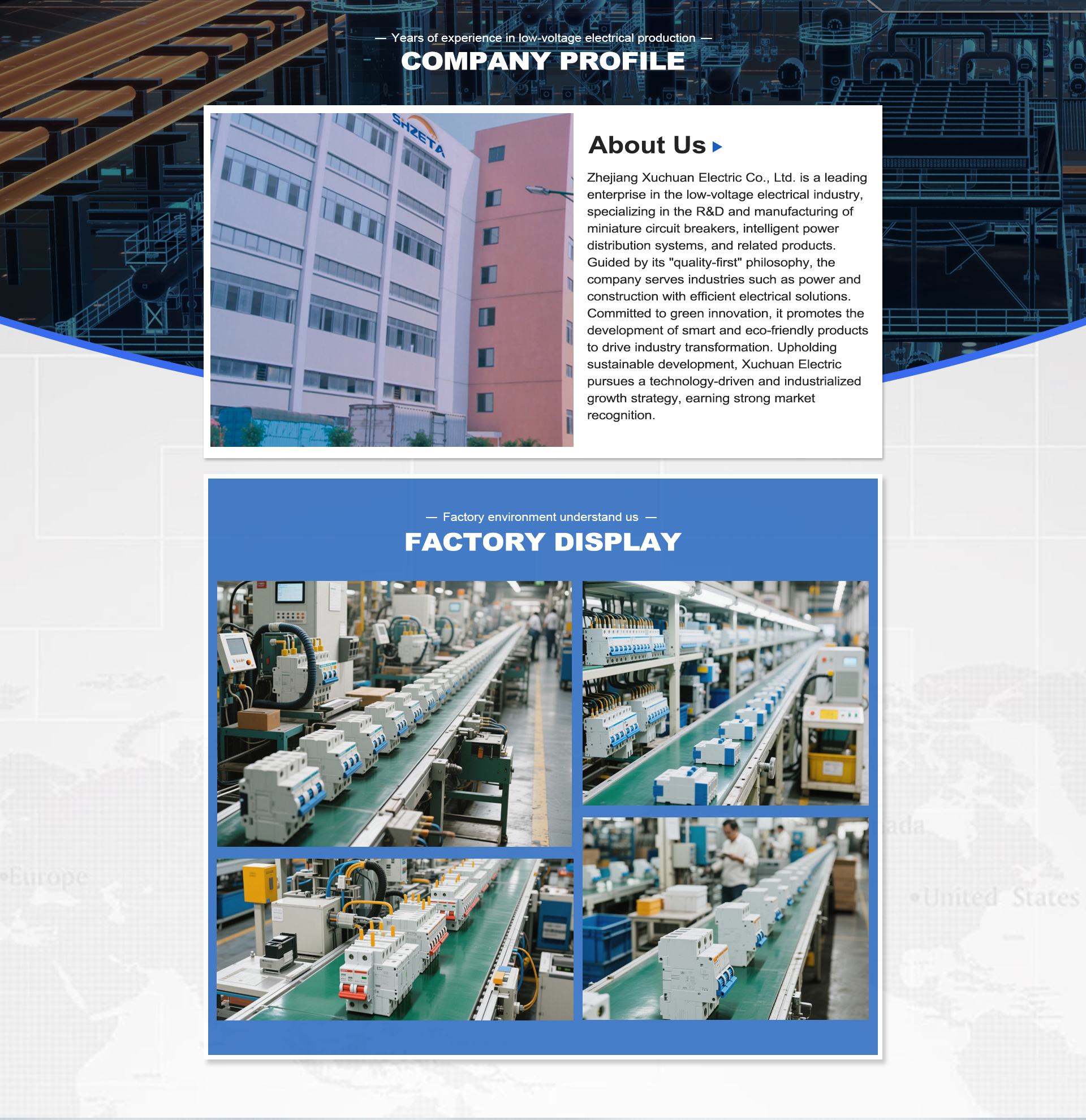
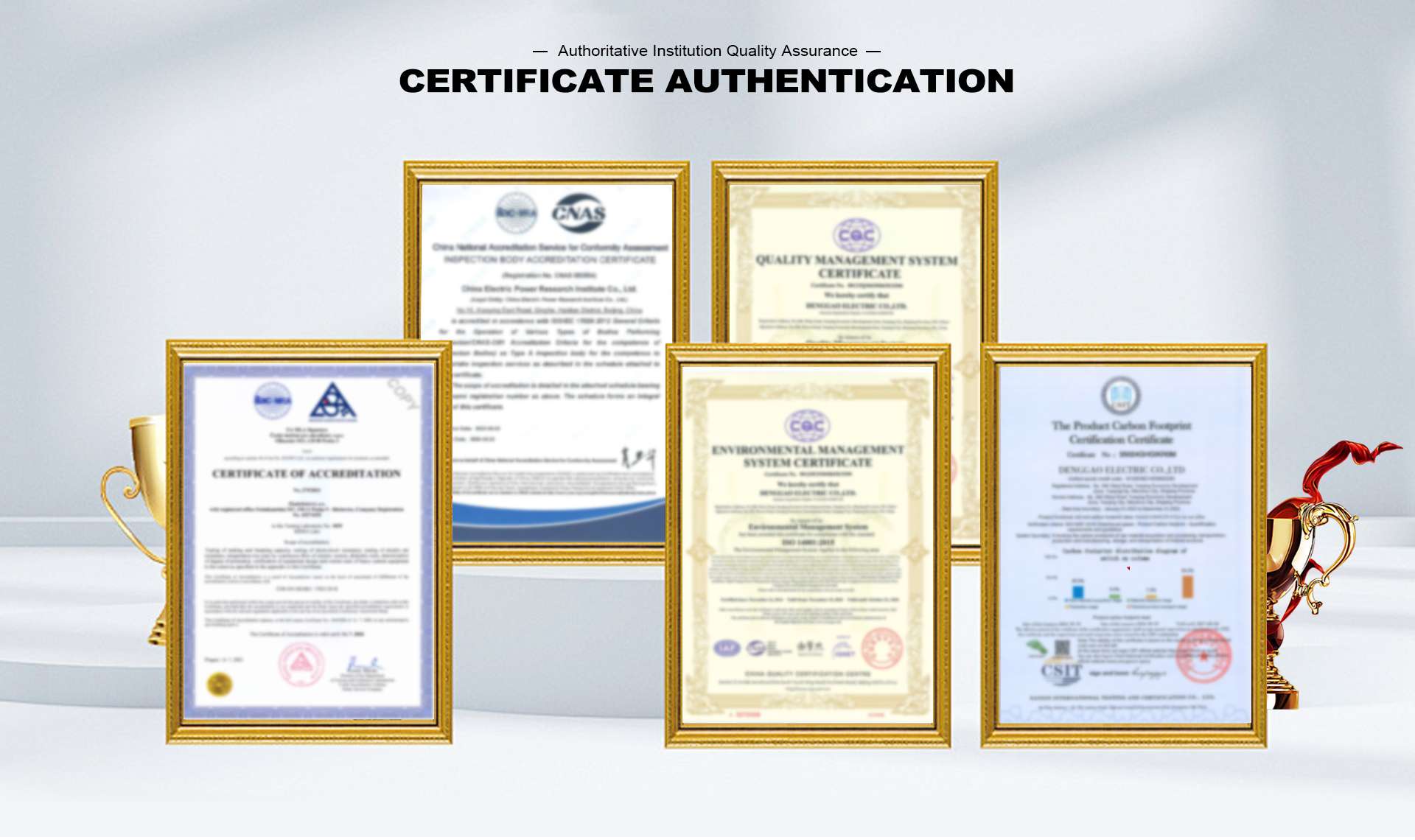
Automated Production & Testing Lines

Intelligent ACB, SPD & ATS Apparatus
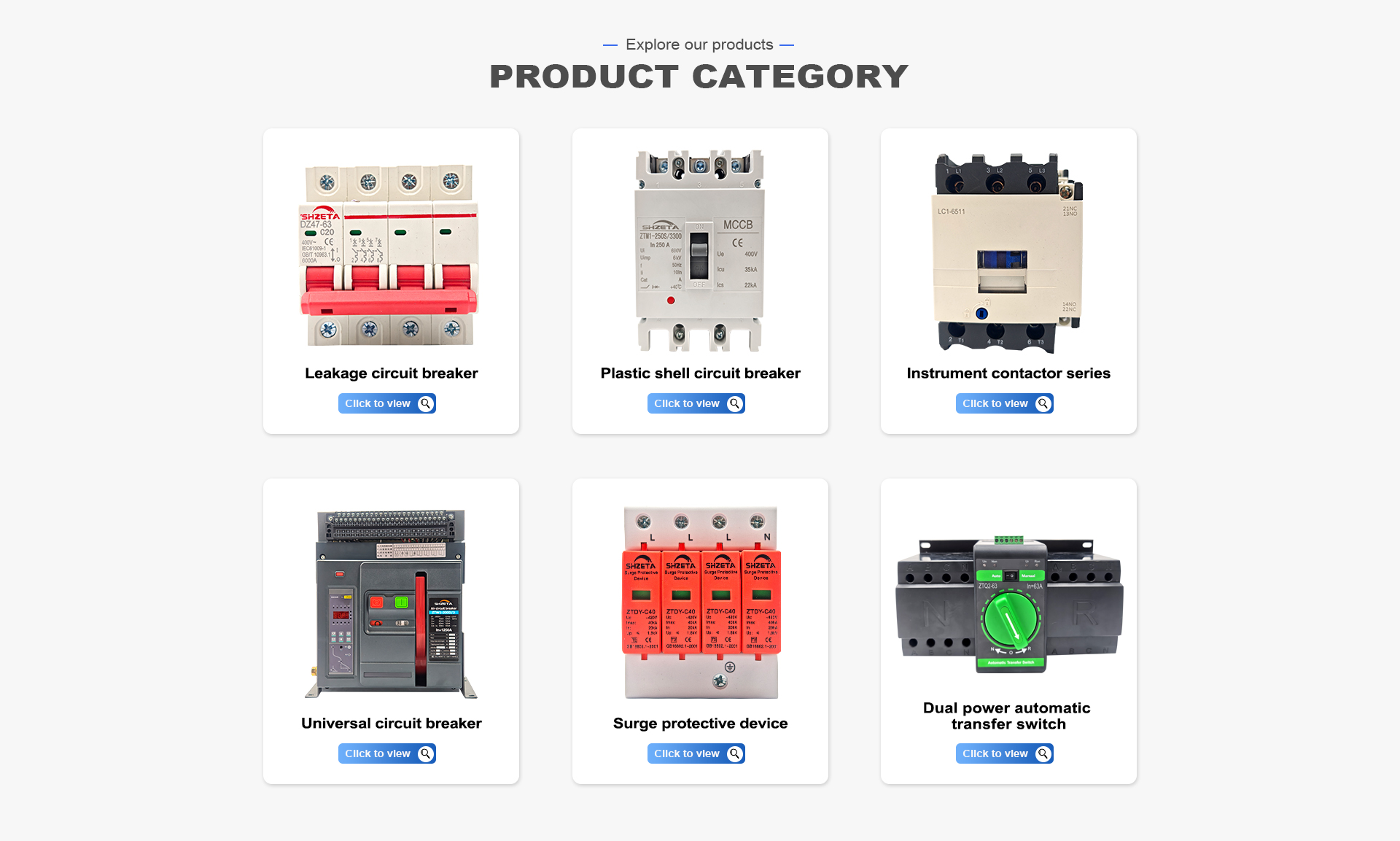
Full Low-Voltage Component Range
Frequently Asked Questions
Direct technical and commercial answers addressing common engineering inquiries, factory capabilities, and global ordering processes.
Icu (Ultimate Short-Circuit Breaking Capacity) represents the maximum prospective fault current the breaker can interrupt twice (O-t-CO test cycle) without an explosion, though the breaker may need replacement. Ics (Service Short-Circuit Breaking Capacity) defines the fault current the breaker can clear repeatedly and remain fully operational. Graybar industrial MCCBs feature an Ics rating equal to 75%–100% of Icu, ensuring reliable post-fault service continuity.
Specify 3-Pole (3P) breakers for balanced three-phase loads (such as induction motors) or in systems utilizing a solidly grounded TN-C earthing regime where the protective earth-neutral (PEN) conductor must never be interrupted. Specify 4-Pole (4P) breakers in TN-S and TT systems with significant single-phase non-linear loads, dual-power utility/generator transfer setups, or solar inverters that generate triplen harmonics on the neutral busbar.
To support international engineering qualification, type testing, and distributor onboarding, standard DIN-rail MCBs, MCCBs, and Surge Protective Devices (SPDs) carry a low MOQ of just 5 pieces per rating. High-capacity Air Circuit Breakers (ACBs) can be sampled at 1 piece per order. Full container load (FCL) orders benefit from volume tiering and consolidated shipping.
Yes. Zhejiang Graybar Electric provides comprehensive OEM and ODM support. We offer laser-marked branding on breaker facings, custom housing color accents, tailored handle mechanisms, and customer-specified trip calibrations (such as specialized Curve D profiles for heavy mining conveyors or high-temperature derating for tropical regions). All private-label products ship with customized packaging and multi-language technical manuals.
A Draw-Out ACB is mounted inside an external guide chassis with plug-in finger clusters. It can be racked out to 'Test', 'Disconnected', or 'Removed' positions without de-energizing the main switchboard busbars, minimizing facility downtime in hospitals, data centers, and marine systems. A Fixed Type ACB is bolted directly to the copper busbars, providing a more compact, economical footprint where planned scheduled outages are acceptable.
Standard thermal-magnetic breakers are factory calibrated to a reference ambient of 30°C (IEC 60898-1) or 40°C (IEC 60947-2). When enclosing breakers in sealed switchboards operating in desert or unventilated industrial settings (50°C–60°C), apply a continuous derating coefficient between 0.85 and 0.92, or specify electronic trip units equipped with active internal temperature compensation.
Request Complete Electrical Catalog & Technical Submittals
Partner directly with Zhejiang Graybar Electric for factory-certified pricing, CAD footprint drawings, coordination curves, and comprehensive type test reports.