Engineering Architecture & Industrial Supply Landscape
As global renewable transitions accelerate, photovoltaic (PV) generation paired with Battery Energy Storage Systems (BESS) demands instantaneous, failsafe transfer between grid utilities, hybrid inverters, and emergency standby generators. China represents over 75% of worldwide low-voltage electrical component fabrication. This engineering paper analyzes the operational dynamics, contact metallurgy, and procurement criteria required when sourcing high-reliability automatic transfer switches (ATS) and coordinated circuit protection devices.
Engineered Solar Transfer & Low-Voltage Protection Devices
Explore our precision-engineered circuit isolation, surge suppression, automatic transfer, and telemetry units designed specifically for commercial and utility solar PV arrays, microgrid switchboards, and critical power infrastructure.
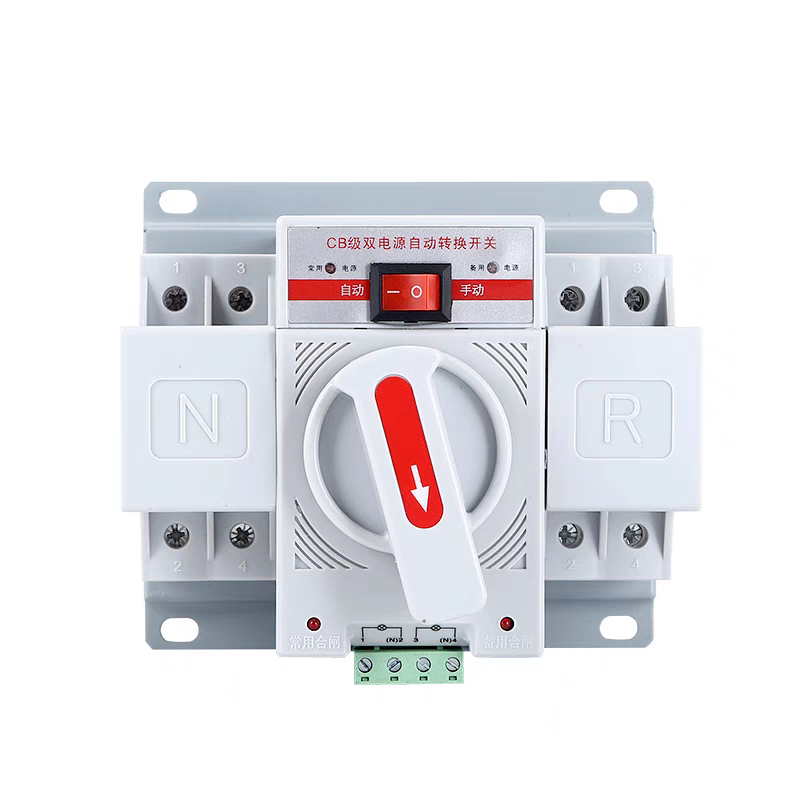
Dual Power Automatic Transfer Electrical Selector Switches 63A/100A Din Rail ATS 2P 3P 4P 10-125A Uninterrupted Power
- Frame Rating: 10A - 125A
- Poles: 2P / 3P / 4P
- Mounting: 35mm Standard DIN Rail
- Transfer Cycle: < 50ms Seamless
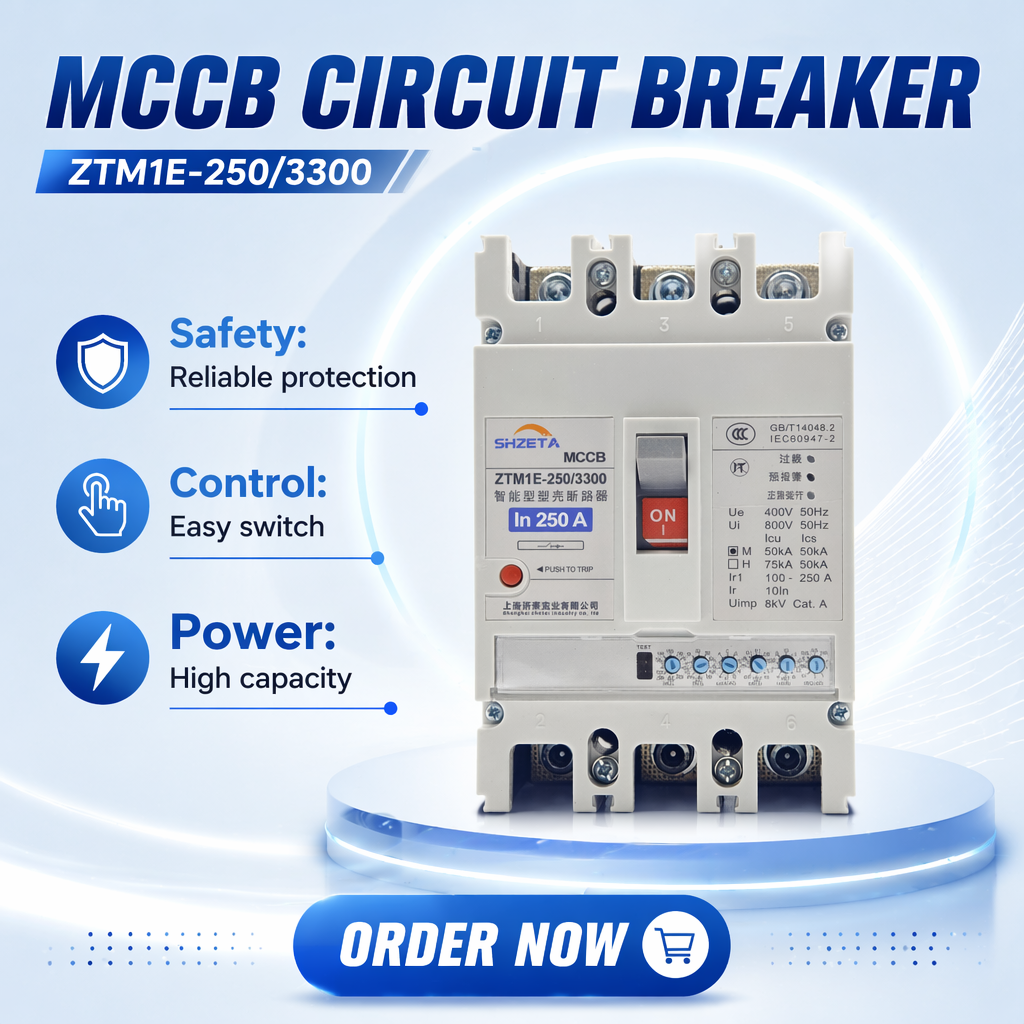
Molded Case Circuit Breaker Thermal-Magnetic Trip Unit Plastic Copper 50kA/100kA Breaking Capacity 690VAC/400VAC 50/60Hz
- Breaking Cap: 50kA / 100kA Icu
- Operating Volt: 400V / 690V AC
- Trip System: Thermal-Magnetic
- Contact Matrix: Silver-Copper Composite
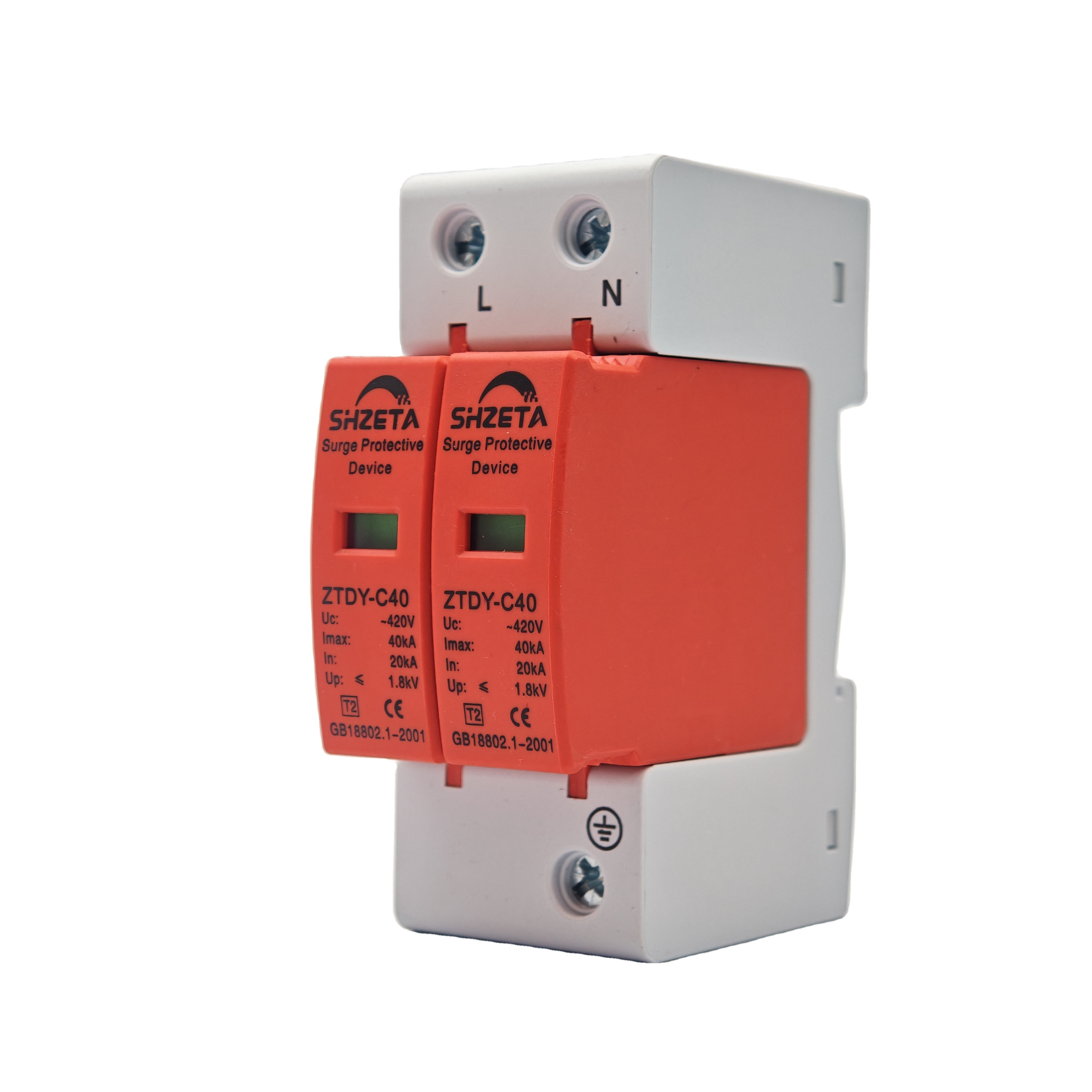
Din Rail Fireproof T1 PBT 800V DC SPD Surge Protective Device 2P 40KA Solar PV Lightning Arrester
- Max Discharge: 40kA Imax
- Voltage Rating: 800V DC Ucpv
- Housing Mat: Flame-Retardant PBT T1
- Standard: IEC 61643-31
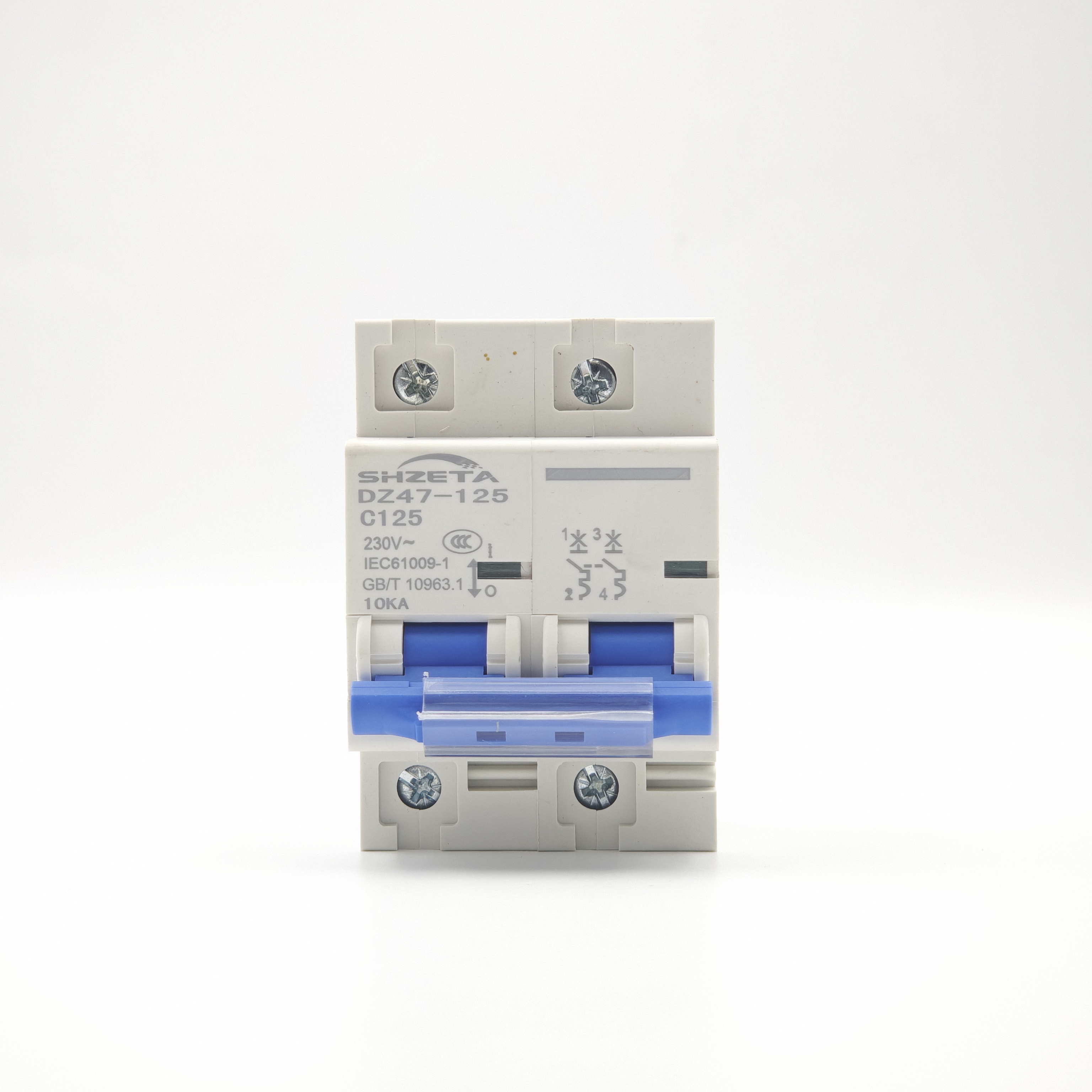
CE Certified DC Circuit Breaker MCB Red Copper Miniature Solar Protection High Efficiency
- Internal Core: Red Copper Electrolytic
- Certification: CE / IEC 60947-2
- Arc Quench: Multi-Plate Magnetic
- Execution: String Inverter DIN Rail
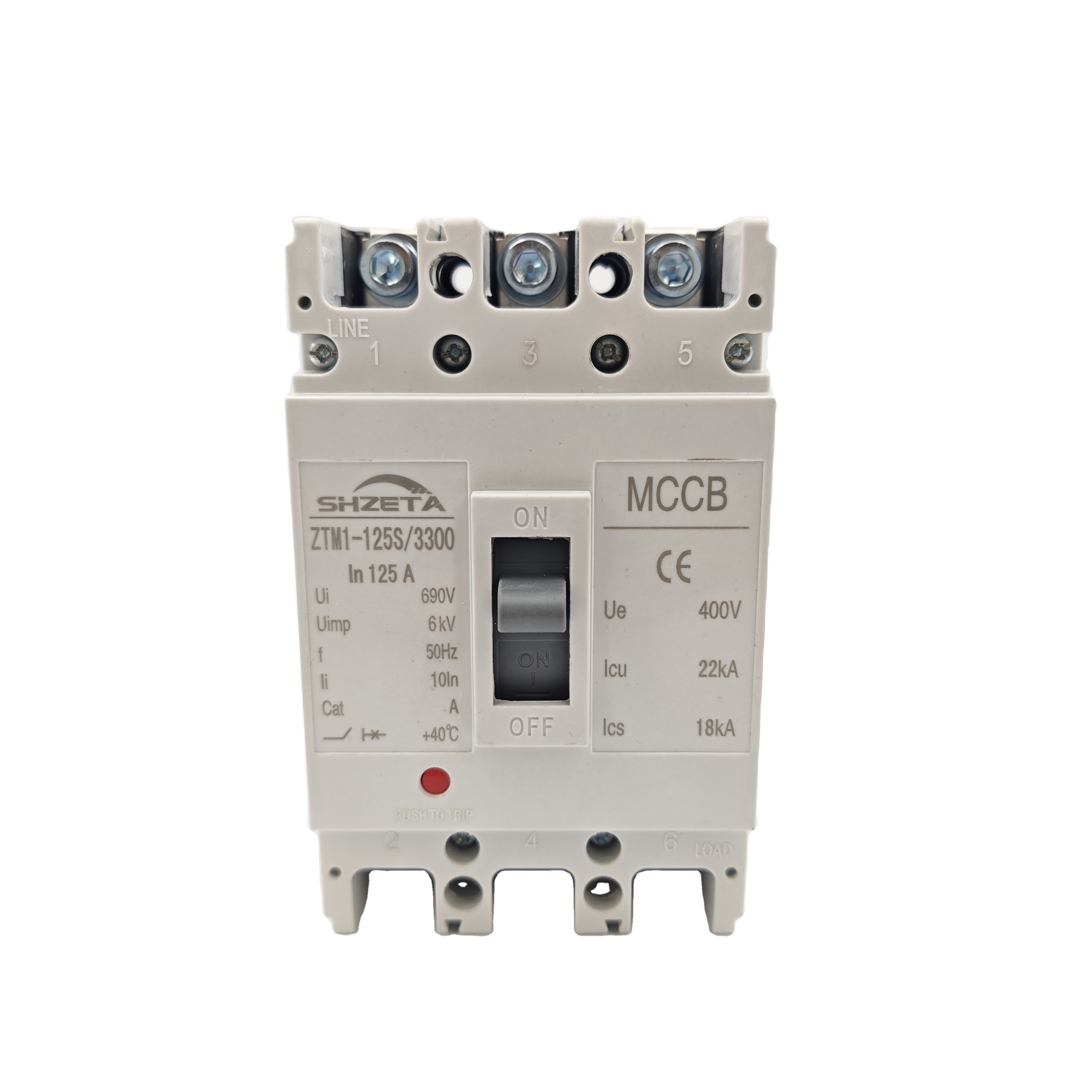
Mutai 3p 80amp 100 Amp Thermal Magnetic Circuit Breaker 415V 35kA 50/60Hz for Wholesale
- Current Setting: 80A / 100A 3P
- Short Circuit: 35kA Breaking Capacity
- Grid Voltage: 415VAC 50/60Hz
- Procurement: Direct Factory Wholesale
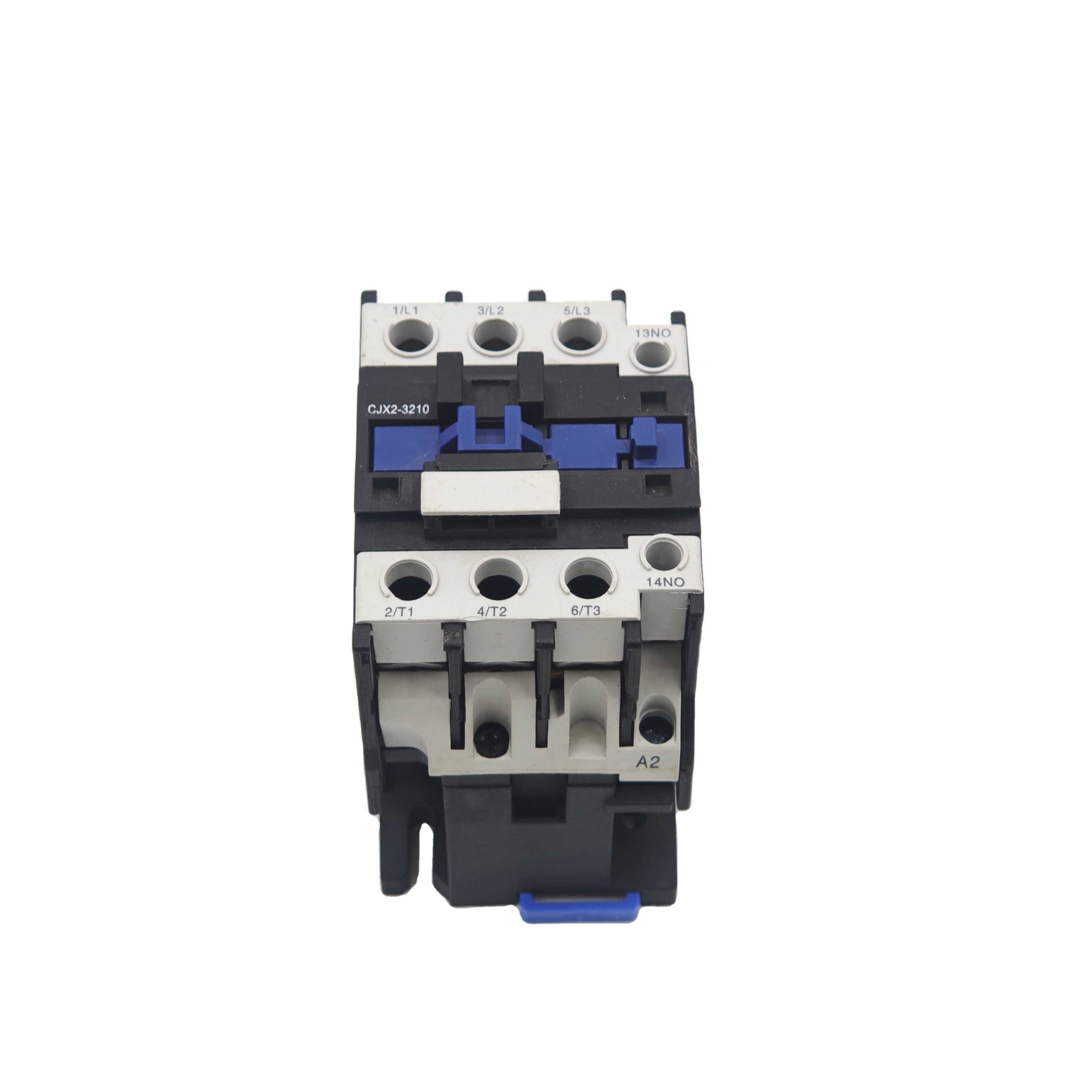
CJX2-1210 Magnetic Electric Contactor AC Three-Phase Surface-Mounted 220V/380V
- Contact Model: 1210 (1 NO Aux)
- Coil Options: 220V / 380V 50/60Hz
- Mounting: DIN / Surface Panel
- Application: Inverter AC Grid Coupling
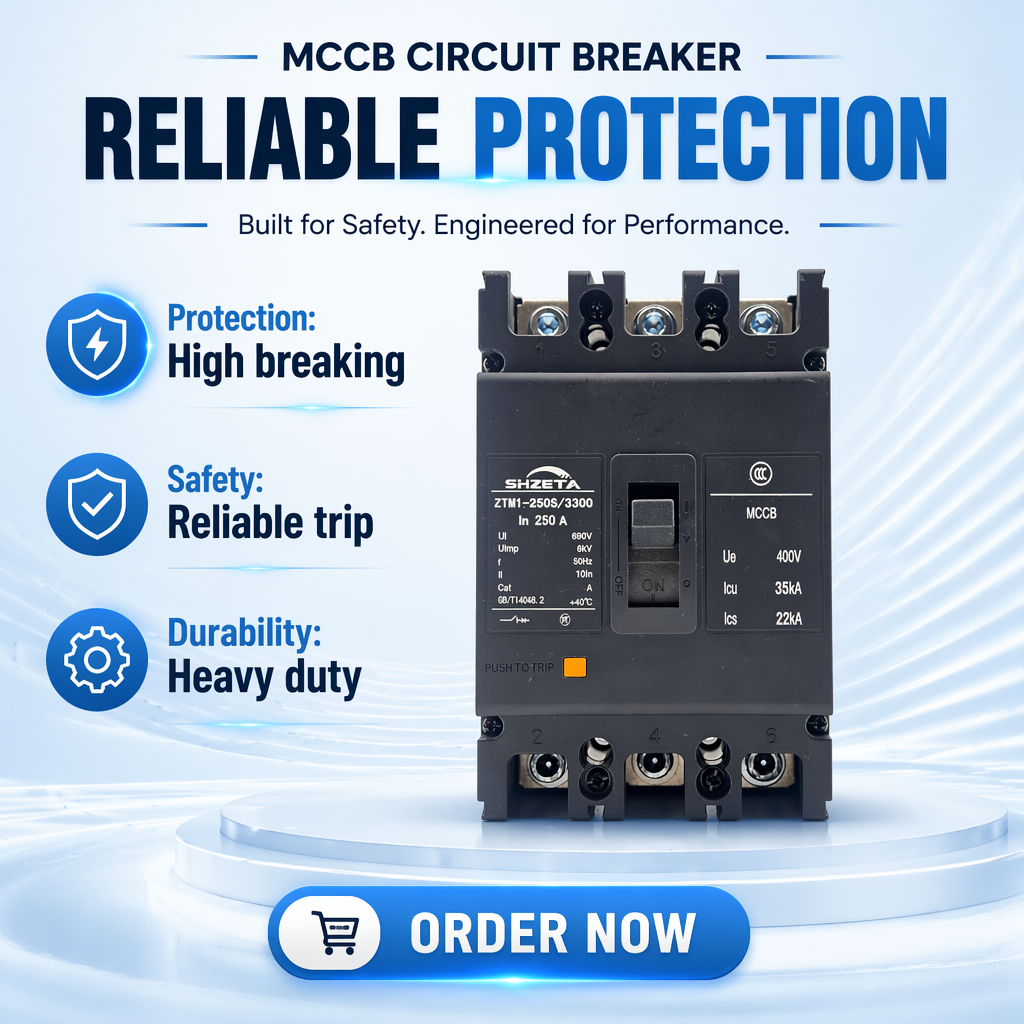
Molded Case Circuit Breaker Thermal-Magnetic Trip Unit Copper & Plastic 50kA/100kA Breaking Capacity 400VAC/690VAC 50/60Hz
- Interrupt Rating: 50kA - 100kA Icu
- System Voltage: 400VAC / 690VAC
- Bimetal Unit: Precision Calibrated
- Endurance: 8,500 Mechanical Ops
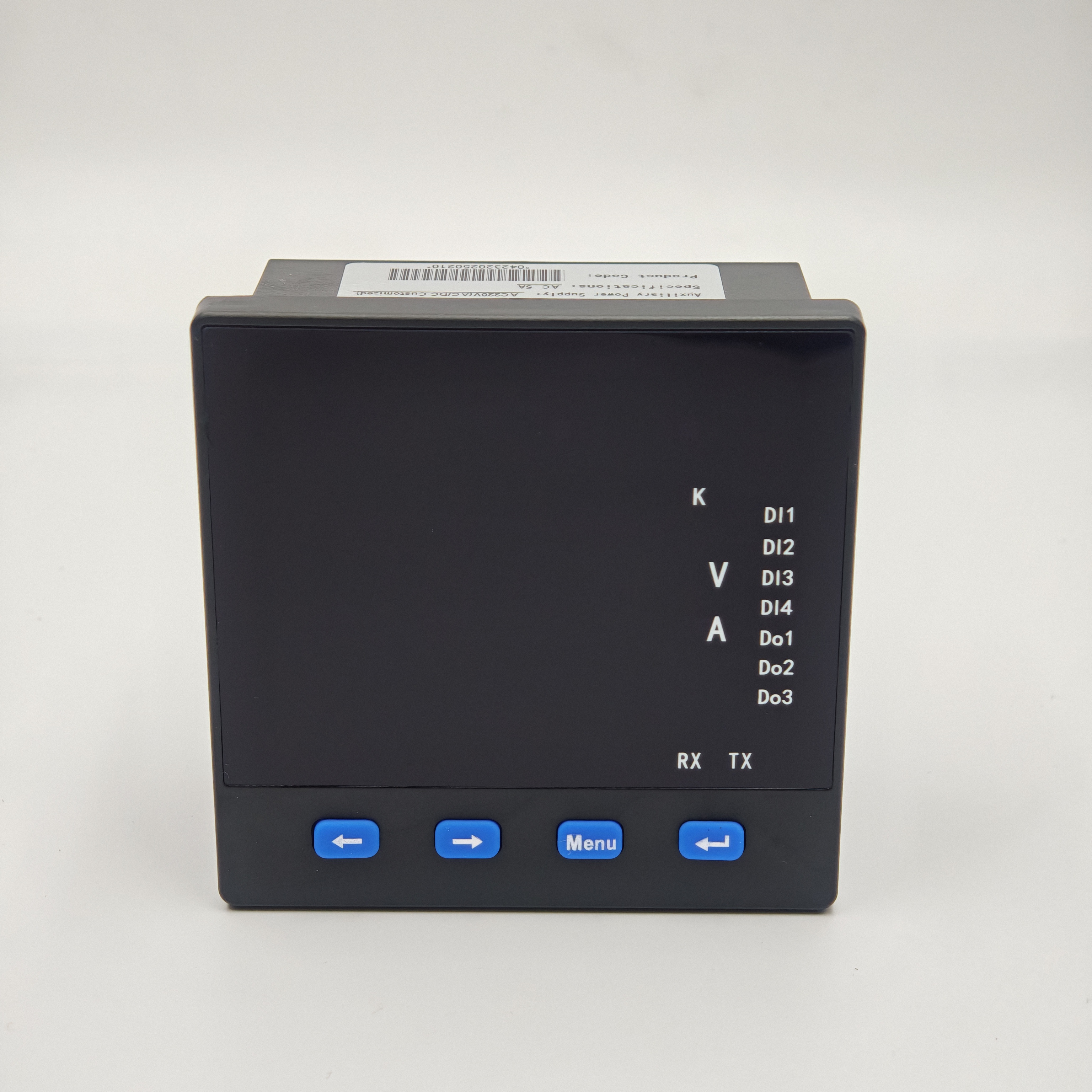
ZTDSI/ASCT HY-311-80VY Series 0.5 Accuracy Class Three-Phase Multifunction Energy Meter AC/DC60~280V RS485/Modbus Communication
- Accuracy: Class 0.5 Measurement
- Bus Protocol: RS485 RTU / Modbus
- Aux Input: AC/DC 60V ~ 280V
- Telemetry: V, I, kW, kVA, THD, PF
Solar ATS Classification & Microgrid Topologies
In grid-interactive photovoltaic systems backed by energy storage, the Automatic Transfer Switch functions as the primary electrical arbiter. Unlike conventional commercial generator switchover panels, solar transfer equipment must accommodate rapid bidirectional current surges, harmonic distortions introduced by variable-frequency pulse-width-modulated (PWM) inverters, and phase synchronization boundaries.
Under international standard IEC 60947-6-1 (Low-voltage switchgear and controlgear – Multifunction equipment – Transfer switching equipment), solar transfer switches are divided into three discrete mechanical topologies:
- Class PC (Power Contactor / Solenoid Driven): Capable of withstanding and making short circuits without integrated overcurrent releases. Class PC units utilize heavy silver-nickel alloy bridge contacts driven by high-speed electromagnetic solenoids, delivering transfer latencies under 50ms without tripping downstream equipment.
- Class CB (Circuit Breaker Based): Equipped with overcurrent releases, incorporating mechanical tripping linkages capable of clearing prospective fault currents up to 65kA or 100kA.
- Class CC (Coordinated Contactor Based): Employs contactors that require external coordinated fuse sets or upstream MCCBs to clear abnormal fault states.
For high-capacity solar installations, Class PC automatic transfer switches paired with downstream molded case circuit breakers (MCCB) and Type 1/2 surge arresters represent the engineering benchmark for maximum system uptime and selective short-circuit coordination.
Arc Quenching Challenges in Solar Microgrids
Direct Current (DC) circuits in photovoltaic strings lack natural sinusoidal current zero-crossings, which fundamentally complicates arc extinction during break operations. If high DC voltages (up to 800V or 1500V DC) are abruptly switched during an anti-islanding isolation or inverter drop-out, sustained electrical arcing can trigger catastrophic ionization and panel fires.
To overcome this, premier Chinese switchgear manufacturers implement deep de-ionizing arc splitter plates, ceramic-reinforced combustion chutes, and neodymium permanent magnetic blowout fields. These magnetic fields physically elongate and force the plasma arc into narrow quench chambers within 4 to 8 milliseconds, ensuring that thermal plasma energy is extinguished before phase contact degradation can occur.
Solar ATS & Protection Device Technical Specifications
Direct comparative benchmarks between core product categories highlighting electrical parameters, breaking tolerances, and standard microgrid application zones.
| Equipment Category | Rated Voltage (Ue) | Rated Insulation (Ui) | Withstand / Break (Icu/Icw) | Transfer Speed | Governing Standard | Optimal Topology Zone |
|---|---|---|---|---|---|---|
| Dual-Power DIN Rail ATS | 230V / 400V AC | 690V AC | 6kA - 10kA (Icn) | < 50 ms | IEC 60947-6-1 | Sub-Distribution & Hybrid Inverter Output |
| Thermal-Magnetic MCCB | 400V / 690V AC | 800V - 1000V AC | 50kA / 100kA (Icu) | < 15 ms (Trip) | IEC 60947-2 | Main Array Combiner / Feeder Busway |
| Fireproof DC SPD Arrester | 800V - 1000V DC | 1200V DC | 40kA (Imax) / 20kA (In) | < 25 ns (Response) | IEC 61643-31 | String Inverter DC Combiner Box |
| Electrolytic DC MCB | 250V / 500V / 1000V DC | 1000V DC | 6kA - 10kA (Icu) | < 10 ms (Trip) | IEC 60898-2 | PV Array String Isolation & Charge Control |
| Magnetic AC Contactor | 220V / 380V / 415V AC | 690V AC | 12A - 95A (AC-3) | 12 ms - 22 ms (Pull) | IEC 60947-4-1 | Inverter Output Interlocking & Motor Staging |
| Multifunction Modbus Meter | 60V ~ 280V AC/DC | 500V Isolation | Class 0.5 Revenue Grade | 100 ms Sample Rate | IEC 62053-22 | Grid Revenue Interconnection & SCADA Feeds |
*Note: All ratings denote standard ambient testing at 40°C. Elevated temperature derating curves must be calculated for tropical and desert photovoltaic deployments.
Technological Development Trends in Solar Transfer Switchgear
The confluence of high-voltage photovoltaic strings, commercial battery storage, and artificial intelligence-driven microgrid management is reshaping low-voltage switchgear architecture across four core vectors.
1500V DC String Architecture
Utility-scale PV generation has shifted decisively toward 1500V DC topologies to minimize copper conductor losses and reduce balance-of-system (BOS) capital costs. Next-generation ATS and isolation breakers are being engineered with ultra-high clearance creepage barriers, specialized ceramic insulation modules, and quad-break series contact arrays designed to safely quench DC voltages up to 1500V without thermal runaway.
Solid-State & Hybrid Switching
To support mission-critical data infrastructure powered by off-grid solar, manufacturers are moving toward Solid-State Transfer Switches (SSTS) leveraging Silicon Carbide (SiC) and Gallium Nitride (GaN) power semiconductors. Hybrid models couple a solid-state branch for microsecond sub-cycle transfer with an automated mechanical bypass to eliminate steady-state semiconductor heat dissipation losses.
IoT Telemetry & Edge Analytics
Modern transfer switches are no longer passive mechanical devices. Integration of embedded microcontrollers running Modbus-RTU, BACnet, and SunSpec protocols allows continuous real-time transmission of contact resistance, coil operating temperature, phase displacement angle, and instantaneous harmonic distortion directly to central SCADA and cloud-based energy management systems (EMS).
Predictive Maintenance Algorithms
Leveraging localized thermal sensor arrays and milli-ohm contact degradation tracking, modern ATS controllers calculate remaining mechanical and electrical contact life dynamically. Instead of arbitrary calendar maintenance cycles, plant operators receive automated diagnostic alerts predicting contact pitting, spring fatigue, or bimetal creep prior to mechanical latch failure.
Future Solar Switchgear Sourcing Trends (2025–2030)
International EPC contractors, distributor consortiums, and electrical panel builders are adapting their procurement methodologies to manage commodity volatility, ensure supply chain resilience, and guarantee cross-border code compliance.
Cluster Sourcing in Liushi Hub
Global importers are concentrating procurement within the Liushi, Wenzhou industrial belt—China’s low-voltage electrical capital. The concentration of component foundries, automated stamping mills, silver electroplating plants, and accredited testing laboratories within a 15-kilometer radius reduces raw material lead times by up to 60% compared to fragmented international supply chains.
Consolidated BOM Turnkey Orders
Sourcing isolated components from disparate vendors introduces severe integration and coordination liabilities. Buyers are now prioritizing Tier-1 manufacturers capable of supplying the complete low-voltage balance-of-plant bill of materials—consolidating ATS, MCCBs, string MCBs, Class T1/T2 surge protection devices, and Modbus energy meters into single containerized shipments under uniform factory warranty terms.
Raw Commodity Hedging & Indexing
With copper, silver, and technical plastics representing up to 68% of the bill of materials in high-breaking-capacity switchgear, long-term procurement contracts are increasingly tied to London Metal Exchange (LME) and Shanghai Futures Exchange (SHFE) indexing. Strategic buyers negotiate flexible, multi-quarter production runs with locked-in processing margins to protect against sudden currency and raw material spikes.
Rapid Prototyping & Flexible MOQs
Rigid minimum order quantities (MOQs) of 500+ units per model are being supplanted by responsive manufacturing schedules. Modern Chinese factories provide low sample testing MOQs (from 5 units for DIN-rail MCB/ATS models, and 1 unit for heavy air circuit breakers), enabling international panel builders to perform independent lab compliance testing before executing multi-megawatt volume container rollouts.
Enterprise Strengths & Production Infrastructure
Based in Huangyu Village, Liushi Town, Wenzhou—the heart of China's electrical industrial cluster—Zhejiang Graybar Electric Co., Ltd. combines precision manufacturing, rigorous third-party verified quality inspection, and international export expertise.
Integrated Liushi Facility
Direct access to the region’s deepest raw material and component ecosystem. High-precision plastic tooling, stamping, internal bimetal assembly, and contact calibration are housed under one unified production roof, minimizing defect rates and production delays.
Rigorous 100% Inspection
Every production batch undergoes dielectric insulation resistance verification, short-circuit trip-time calibration, contact resistance thermography, and mechanical cycle stress testing in accordance with IEC 60947 and IEC 60898 standards before packaging.
Full OEM & ODM Capabilities
Complete bespoke engineering for private-label brand distributors. Laser-marked customer branding, custom coil voltage windings (AC/DC 12V, 24V, 110V, 220V, 380V), tailored tripping curves (B, C, D), and localized multilingual user documentation.
Global Export Readiness
On-site authenticated supplier status with third-party inspected facilities. Dense transit links through Ningbo and Shanghai maritime ports ensure consolidated container shipping, heavy-gauge shockproof export packaging, and frictionless customs clearance.
Frequently Asked Questions by Global Electrical Buyers
In-depth answers addressing compliance standards, mechanical endurance, temperature derating, and cross-border logistics protocols for solar transfer switches and circuit breakers.
What is the fundamental difference between PC Class and CB Class solar transfer switches?
Under IEC 60947-6-1, a Class PC switch is designed to make, carry, and break normal currents but relies on a downstream overcurrent protective device (such as an MCCB or high-speed fuse) to interrupt short-circuit currents. Because Class PC switches use solenoid-driven double-throw contacts without mechanical trip linkages, they switch significantly faster (< 50ms) and boast much higher mechanical endurance (up to 10,000 cycles). Conversely, a Class CB switch integrates its own overcurrent trip mechanism, meaning it operates as both a circuit breaker and a transfer mechanism, but features higher contact inertia and longer transfer times.
How does ambient operating temperature affect the derating curve of an MCCB or MCB?
Standard low-voltage circuit breakers are calibrated at an ambient temperature benchmark of 30°C or 40°C. In solar combiner boxes and rooftop inverter cabinets, internal temperatures frequently reach 55°C to 65°C. Because thermal-magnetic trip units rely on the thermal deflection of a calibrated bimetallic strip, elevated ambient temperatures cause premature bimetal bending, leading to nuisance tripping at currents below rated nominal capacity (In). Buyers must apply factory temperature derating factors (typically 0.88x at 55°C, and 0.82x at 60°C) or specify electronic trip units with digital temperature compensation.
Why is a dedicated DC surge protective device (SPD) required instead of an AC SPD?
DC power systems in photovoltaic arrays exhibit constant voltage without the zero-crossing extinction behavior characteristic of AC sinusoidal grids. If an AC-rated metal oxide varistor (MOV) is installed on a DC PV string, transient overvoltage events can cause the MOV to enter continuous thermal conduction. Because the DC voltage never crosses zero, the internal leakage current cannot self-extinguish, resulting in thermal runaway, explosive varistor rupture, and fire. Dedicated PV SPDs engineered under IEC 61643-31 feature internal high-speed thermal disconnectors and dedicated arc-shielding barriers engineered specifically for direct current.
What minimum order quantities (MOQs) and lead times apply for custom OEM orders?
To support international buyers conducting engineering evaluations, standard catalog items such as DIN-rail automatic transfer switches, MCBs, and surge arresters carry a low sample MOQ of 5 units. Heavy-frame air circuit breakers (ACB) can be sampled starting at 1 unit. For custom OEM private-label branding, customized laser casing printing, and proprietary cardboard packaging, MOQs generally start at 100 to 300 units per specification. Standard production lead times run between 12 and 18 working days from CAD drawing approval, with rapid air courier dispatch for pre-production prototypes.
What is the technical significance of Icu vs Ics ratings on molded case circuit breakers?
Under IEC 60947-2, Icu (Ultimate Short-Circuit Breaking Capacity) designates the maximum fault current magnitude the circuit breaker can safely clear twice (O - t - CO sequence) without catastrophic housing rupture, though the breaker may be functionally compromised afterward. Ics (Service Short-Circuit Breaking Capacity) represents the fault current level the breaker can interrupt repeatedly while remaining fully operational and safe to re-close without thermal degradation. High-tier industrial MCCBs typically guarantee an Ics rating equal to 75% or 100% of Icu, ensuring operational resilience across critical installations.
How do you verify whether a 4-pole switch is required instead of a 3-pole switch?
The decision to specify a 3-pole or 4-pole transfer switch depends strictly on the earthing regime of the distribution system (TN-S, TN-C-S, or TT) and whether multiple neutral-to-earth bonding points exist. In four-wire systems with separate utility transformers and standby diesel or solar battery inverters with grounded neutrals, a 3-pole switch leaves the neutral un-switched, creating parallel neutral return loops that can circulate third-harmonic currents, trigger false earth fault (RCD) tripping, or create safety hazards during single-phase line maintenance. In these topologies, a 4-pole switch with a switched neutral is mandatory.
What quality testing documentation is provided prior to container shipment?
Every export shipment is accompanied by a standardized Factory Acceptance Test (FAT) dossier. This includes Certificate of Origin (CO), raw material test certificates for copper purity and flame-retardant grade PBT resin, dielectric high-potential test certificates, and individual serial number trip-time curve logs. For municipal or utility tenders, third-party accredited type-test reports from international laboratories (such as DEKRA, TUV, or Intertek) validating compliance with IEC 60947-2, IEC 60947-6-1, and CE directives can be provided upon request.
Can transfer switches and contactors integrate directly into digital SCADA systems?
Yes. Modern transfer switch installations integrate auxiliary signal microswitches, dry alarm contacts, and digital controller head units with RS485 two-wire serial communication ports. By connecting via the open Modbus-RTU protocol to multifunction energy meters (such as our 0.5 accuracy class HY-311 series), the plant supervisor can remotely command source changeovers, configure load-shedding thresholds, and continuously capture Phase A-B-C real-time line voltages, power factors, and cumulative kWh generation metrics.