High-Performance Contactors, Breakers & Transfer Switches
Engineered at our specialized manufacturing facility in Liushi, Wenzhou. Every unit features high-grade silver-alloy contacts, flame-retardant thermoplastics, and calibrated arc-suppression chambers engineered for severe duty cycles.
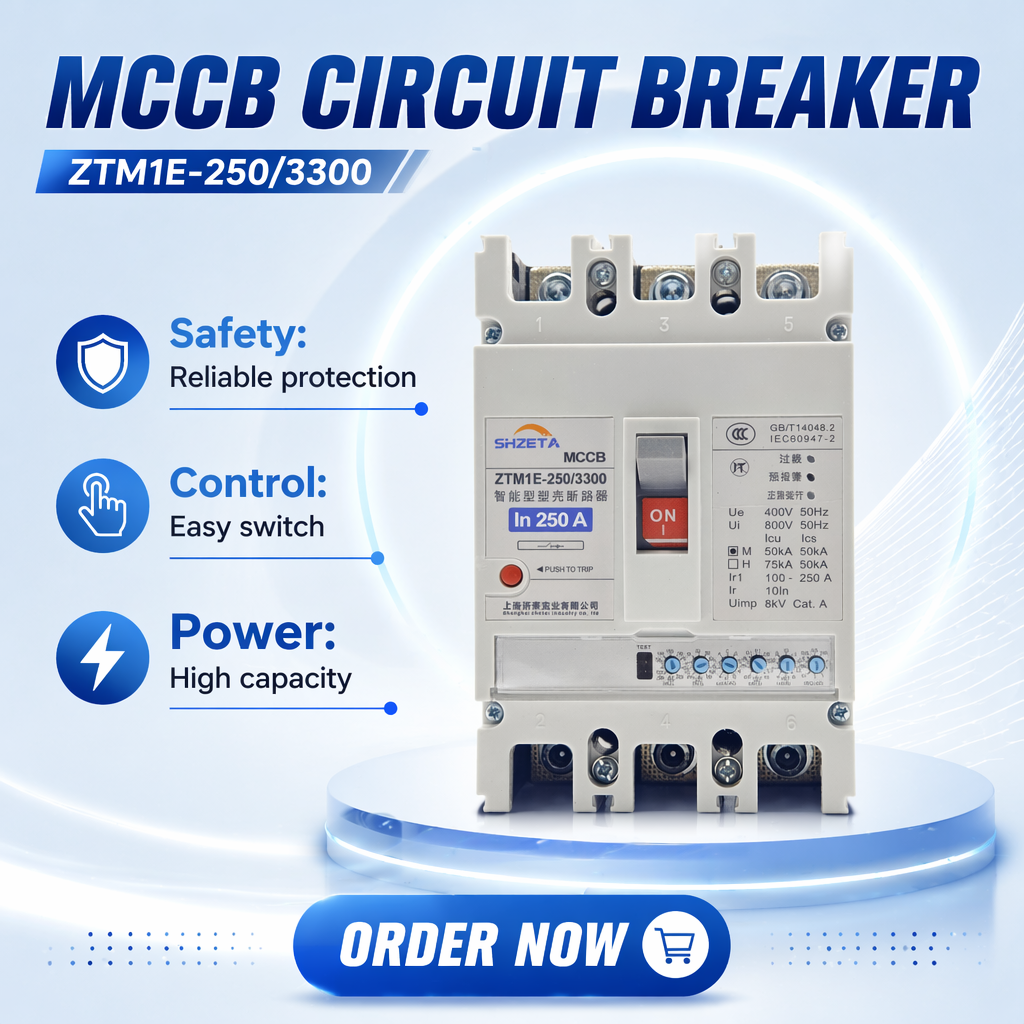
Thermal-Magnetic MCCB 50kA/100kA Trip Unit
Engineered for 690VAC/400VAC commercial and industrial sub-distribution. Features dual thermal-magnetic calibration with plastic-copper arc runners for ultra-high rupture capacity.
- Breaking Capacity50kA / 100kA Icu
- Rated Voltage400V / 690V AC
- StandardsIEC 60947-2
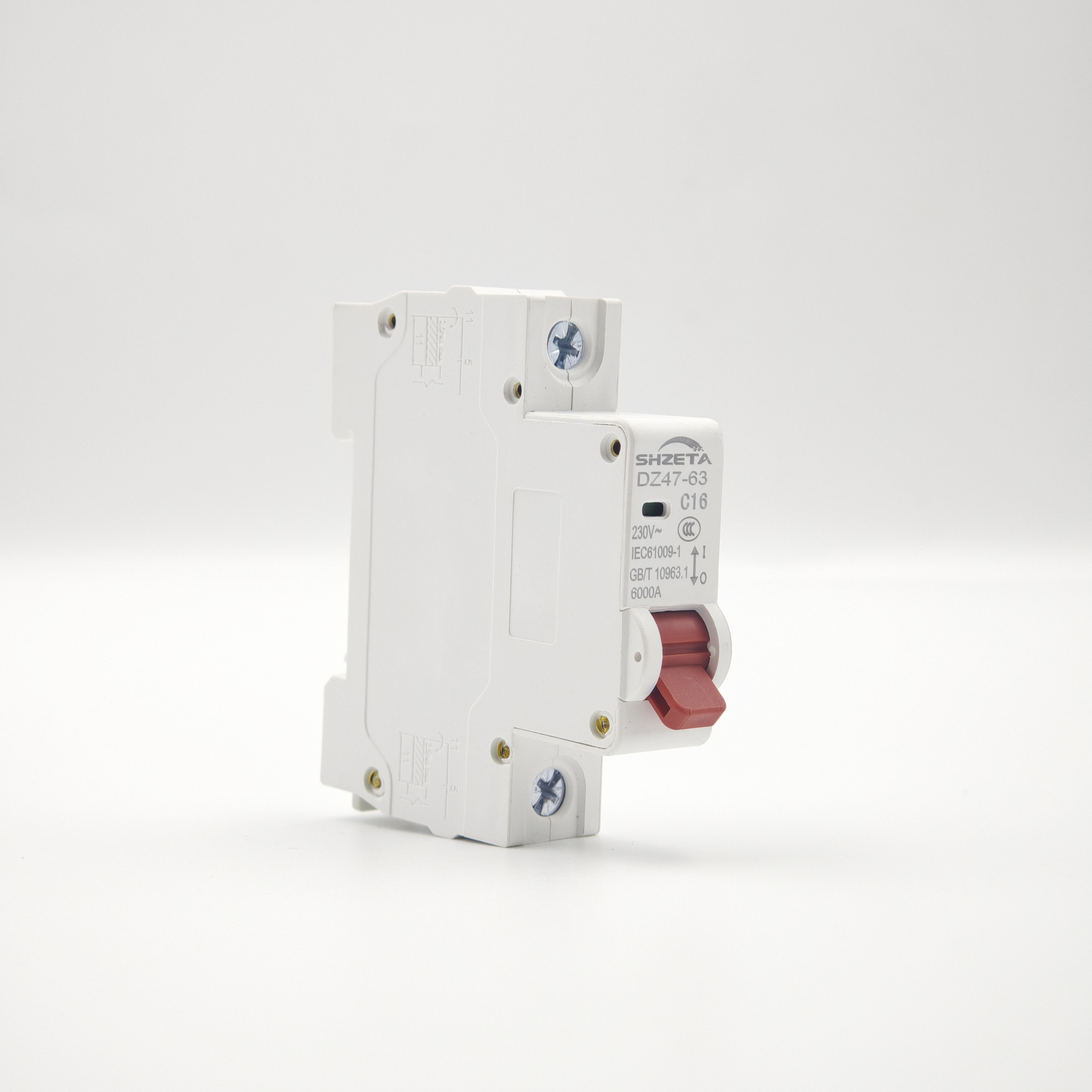
DC MCB 1P+N 2P 3P 4P Mechanical Interlocking
Fail-safe mechanical interlock prevents concurrent power source closure. Ideal for dual-supply DC networks, backup power rails, and telecom battery banks requiring zero crossover risk.
- Poles Available1P+N, 2P, 3P, 4P
- Frequency / Type50Hz / Direct Current
- Interlock ActionPositive Mechanical Lock
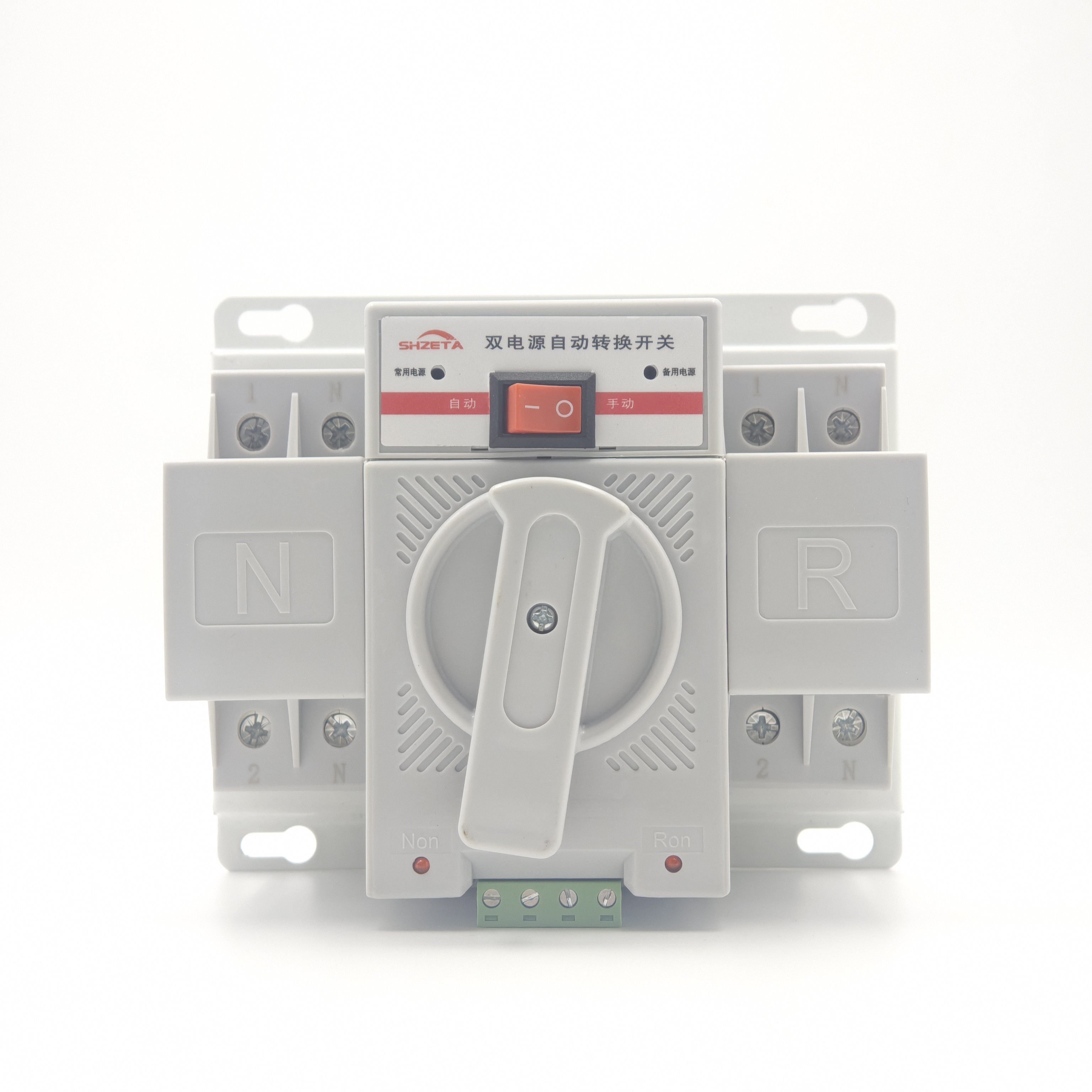
2P 63A 220V Automatic Transfer Switch (ATS)
Compact dual-power automatic transfer switch with 6kA breaking capacity. Seamlessly toggles between primary grid and backup generator with millisecond transfer times to safeguard electronics.
- Frame Current63A Continuous
- Breaking Capacity6kA @ 220VAC
- Switching Speed<50ms Seamless Shift
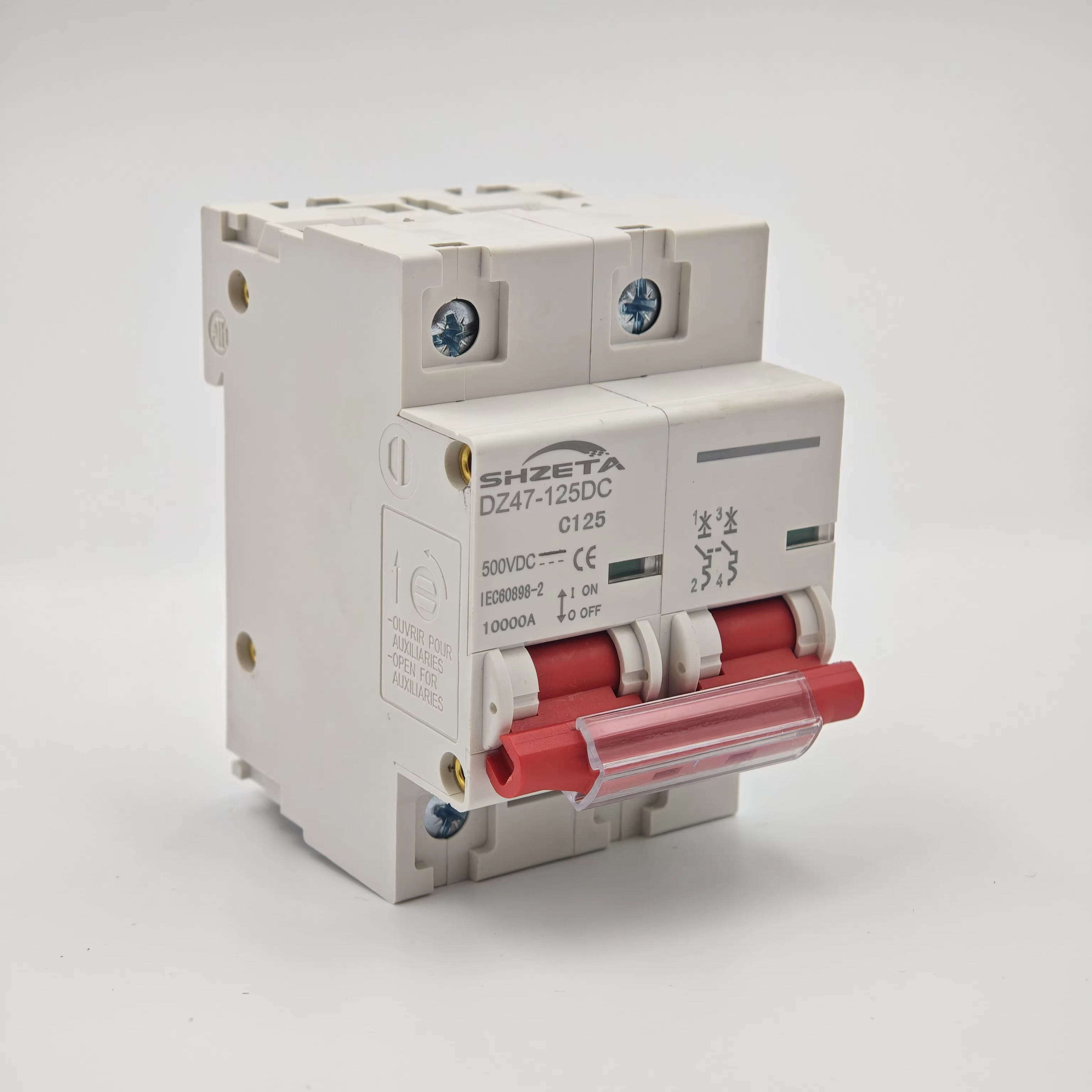
2P 80A-125A DC 500V Photovoltaic MCB
Specifically designed for solar PV combiner boxes and string inverters. Incorporates C-curve magnetic trip thresholds to absorb initial capacitor charging inrush without nuisance tripping.
- Current Range80A, 100A, 125A
- Rated Voltage500V DC Nominal
- Trip ProfileC-Curve Photovoltaic
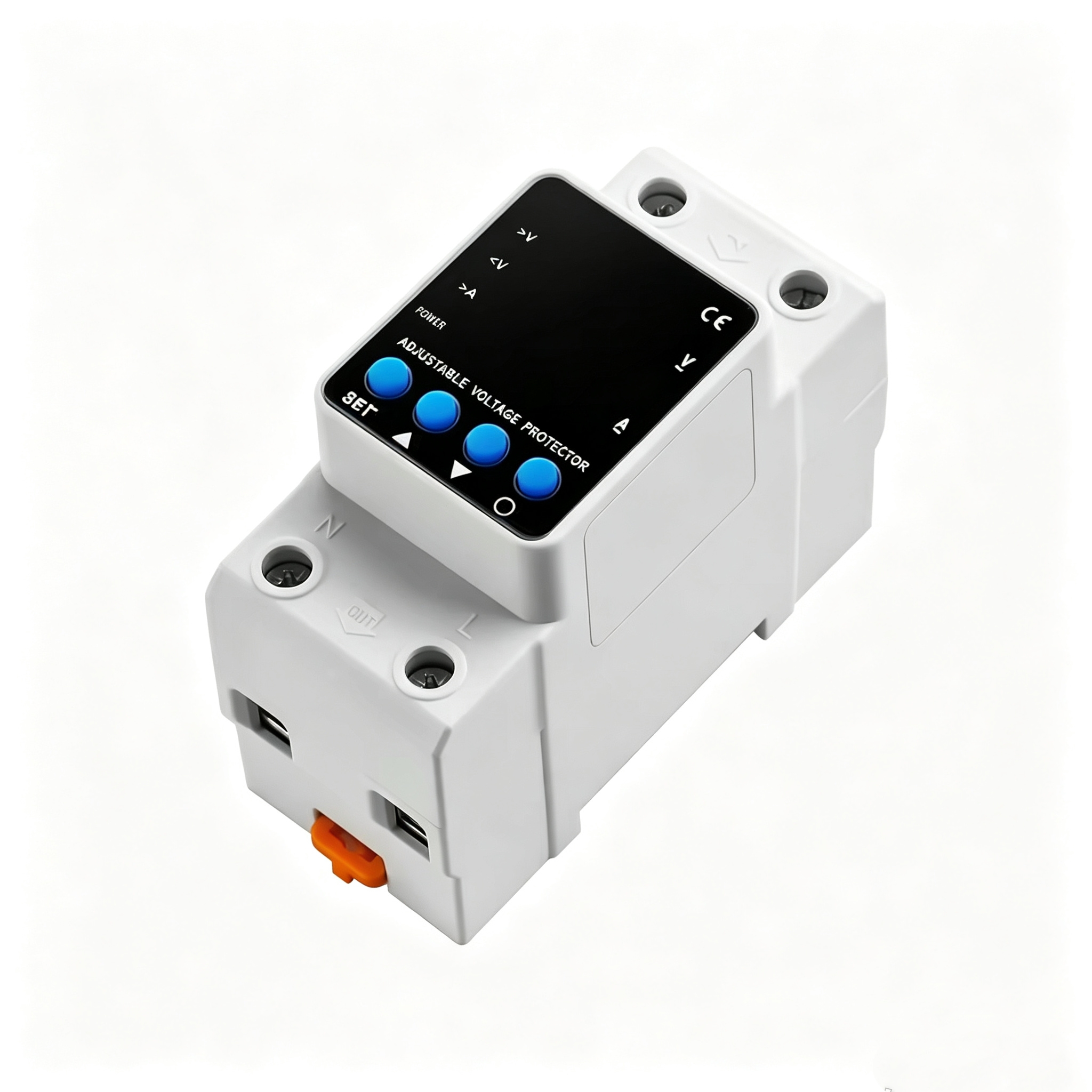
2P 63A Intelligent Auto-Reconnect Protector
Microprocessor-controlled 6-in-1 power diagnostic relay. Continuously monitors phase voltage, line surges, and voltage sags, automatically reconnecting the load once nominal utility grid stabilizes.
- Throughput Rating63A / 6kVA Capacity
- Voltage EnvelopeAdjustable Over/Under
- ReconnectionIntelligent Auto-Reset
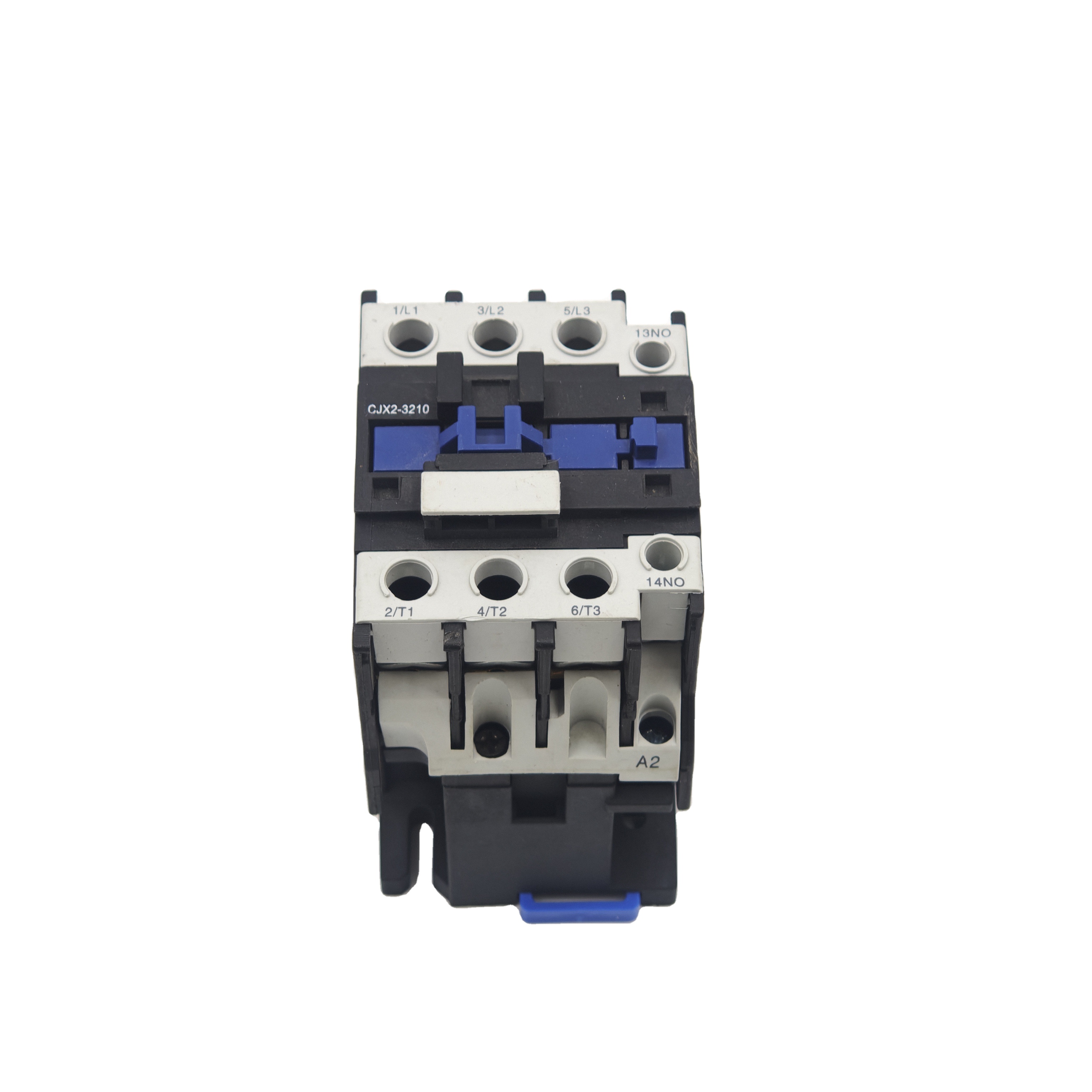
CJX2-1210 3-Phase AC Magnetic Contactor
Our flagship industrial contactor relay. Features a 220V 50/60Hz electromagnetic coil, 12A rated operational current, and standard DIN-rail mounting for remote starting and motor automation setups.
- Rated Operational Current12A (AC-3 @ 380V)
- Coil Voltage220VAC (110V/380V Opt)
- Auxiliary Contacts1NO Built-in Configuration
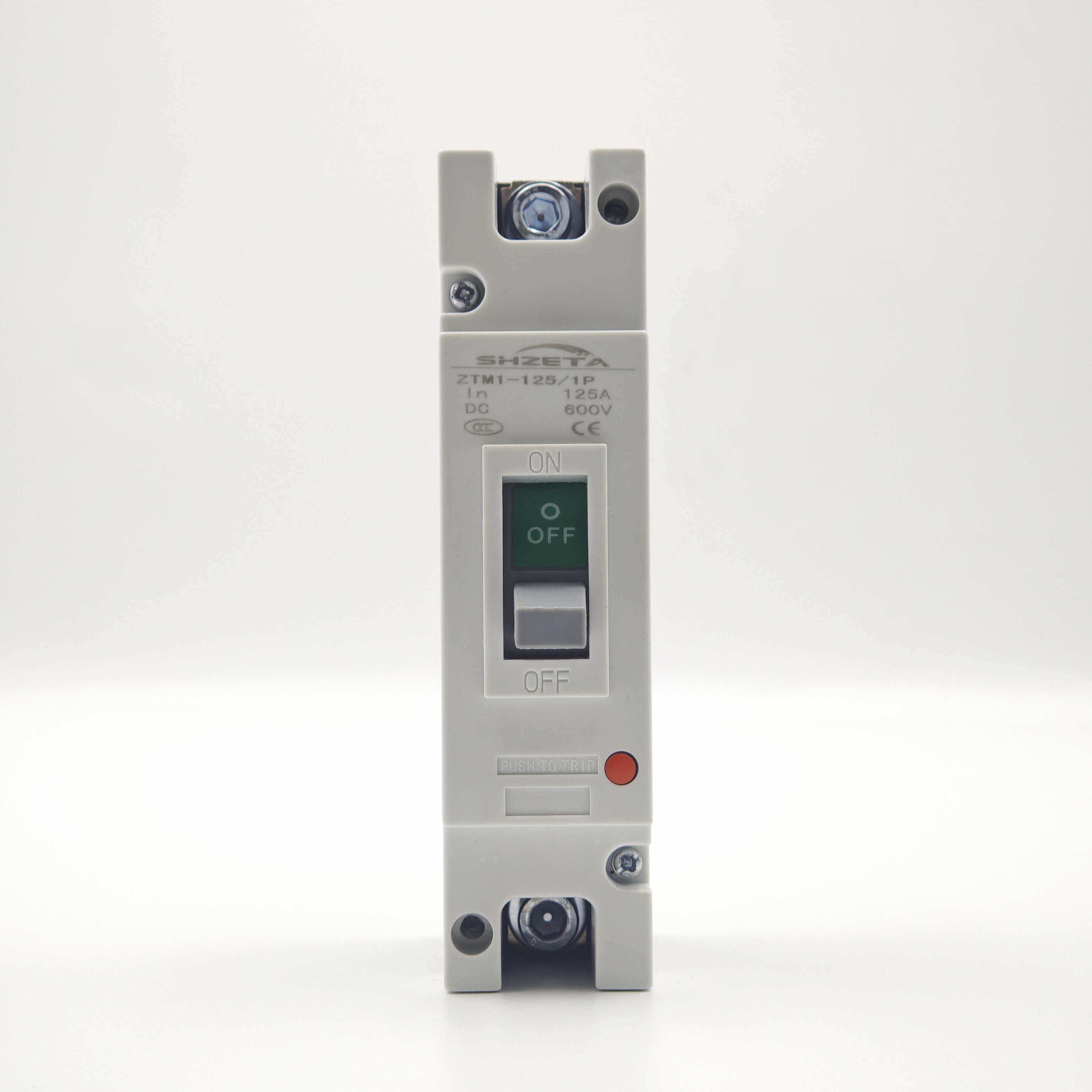
Waterproof 500V DC 100A Industrial MCCB
Enclosed in a sealed weatherproof casing designed for outdoor battery storage arrays, mining substations, and marine installations requiring protection against heavy condensation and dust.
- DC Rating500V DC / 100A Frame
- Enclosure RatingWeatherproof & Dust Sealed
- Arc ManagementMagnetic Blowout Coil
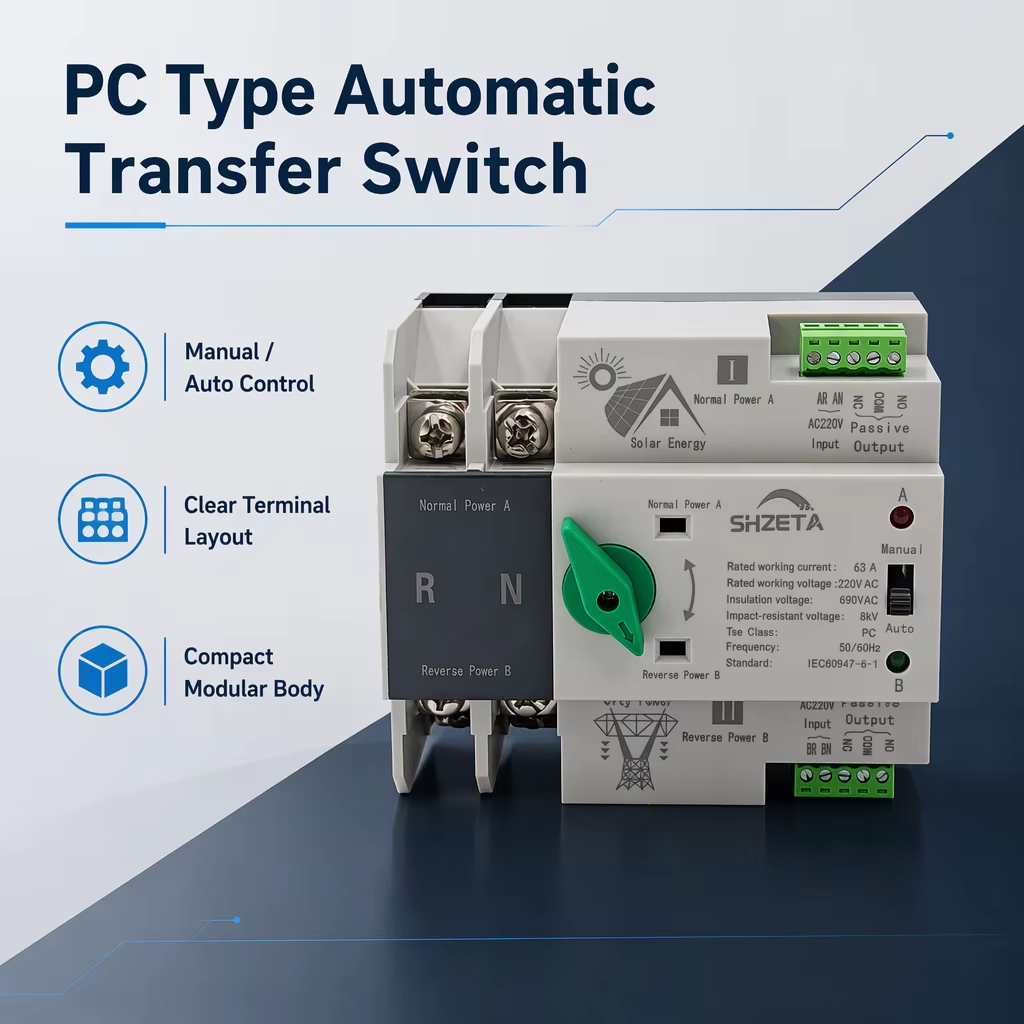
PC-Class 220V AC Modular Transfer Switch
High-speed PC-class automatic changeover switch engineered for solar-plus-storage topologies. Capable of carrying and withstanding fault currents without interruption to sensitive computing hardware.
- ClassificationPC Class (Non-Breaking)
- Control ModesManual / Auto Modular
- Target SectorSolar Hybrid & UPS Systems
Zhejiang Graybar Electric: Manufacturing Excellence from Liushi
Headquartered in Huangyu Village, Liushi Town, Wenzhou—internationally recognized as China’s premier industrial epicenter for low-voltage apparatus—Zhejiang Graybar Electric Co., Ltd. operates a vertically integrated production ecosystem. Combining in-house tooling, high-precision progressive stamping, automated electromagnetic winding, and robotic contact brazing, we eliminate third-party supply-chain latency to ensure consistent dielectric and mechanical tolerances across high-volume production runs.
Our engineering division specializes in low-voltage contactors, thermal-magnetic breakers, air circuit breakers (ACB), surge protective devices (SPD), and automatic transfer switches (ATS). Unlike standard commercial traders, Graybar maintains ISO-aligned testing laboratories equipped with simulated short-circuit testers, thermal endurance ovens, digital salt-spray chambers, and dynamic mechanical lifespan rigs verifying mechanical integrity beyond 10,000,000 switching operations.
Liushi Supply Hub
Direct logistical access to raw silver-tin-oxide (AgSnO2) alloys, specialized copper busbars, and engineered UL94-V0 polymers reduces production lead times by up to 35% compared to inland factories.
100% End-of-Line QA
Every single contactor and circuit breaker undergoes high-voltage dielectric insulation tests, pull-in/drop-out coil voltage calibration, and tripping threshold validation prior to export packing.
Bespoke OEM/ODM
Full support for custom coil voltages (12V–440V AC/DC), customized auxiliary contact topologies (NO+NC variants), private label pad-printing, and multi-language technical documentation.
Flexible MOQ & Transit
Low minimum orders starting from 5 units for core contactors/MCCBs and 1 unit for heavy ACBs allow worldwide switchboard builders to validate samples before committing to full FCL shipments.
Next-Generation Contactor & Relay Technological Trends
The transition toward renewable microgrids, higher DC operating voltages, and industrial IoT has fundamentally transformed switching apparatus design over the past decade.
1. Wide-Bandgap Semiconductor & Hybrid Switching
Traditional electromechanical contactors face contact erosion and arc generation upon opening inductive loads. The industry is rapidly pivoting toward hybrid contactors—combining mechanical contacts with silicon carbide (SiC) or gallium nitride (GaN) solid-state switches. In this architecture, the solid-state device absorbs the high-voltage transient during contact separation, completely suppressing the electric arc before mechanical contacts latch, increasing electrical lifespan from 100,000 cycles to over 2,000,000 cycles.
2. High-Voltage DC Arc Extinction & Hydrogen Seals
With utility solar plants and commercial Battery Energy Storage Systems (BESS) transitioning to 1000VDC and 1500VDC architectures, extinguishing DC arcs has become critical due to the lack of natural zero-crossing points found in AC systems. Modern contactors incorporate sealed ceramic arc chambers backfilled with pressurized hydrogen/nitrogen gas mixtures. Combined with neodymium permanent-magnet blowout systems, the electric arc is forcefully elongated and driven into splitter plates within 5 to 8 milliseconds.
3. Smart Edge-Connected Telemetry & PWM Coils
Modern switchboards now require real-time health diagnostics rather than scheduled maintenance. Contemporary intelligent contactors integrate electronic coils governed by Pulse Width Modulation (PWM) drivers, which slash hold-in power consumption by up to 75% while mitigating thermal degradation. Concurrently, embedded micro-sensors compute contact resistance and thermal gradients, transmitting predictive maintenance data via Modbus-RTU, BACnet, or IO-Link protocols to supervisory SCADA platforms.
Comprehensive Engineering Selection & Coordination Matrix
Selecting the optimal switching and protection equipment requires balancing load dynamics, utilization categories, continuous thermal current ratings, and prospective short-circuit currents (Icu/Ics). The following engineering matrix provides procurement and design engineers with an authoritative cross-reference framework:
| Apparatus Type | Standard Reference | Primary Application Duty | Utilization Category | Contact Metallurgy / Core Design | Critical Selection Criteria |
|---|---|---|---|---|---|
| AC Contactor (CJX2 / LC1D) | IEC 60947-4-1 | Induction motor starting, HVAC chillers, lighting groups | AC-3 (Squirrel cage motors), AC-1 (Resistive) | Silver-Tin Oxide (AgSnO2) contacts with high-permeability silicon steel laminated core | Inrush peak current (6-8x In), coil pulling power, ambient operating temperature derating. |
| Thermal-Magnetic MCCB | IEC 60947-2 | Feeder distribution, motor branch protection, main panelboards | Category A (Instantaneous trip without intentional delay) | Bimetallic strip for inverse time-delay; electromagnetic armature for short-circuit trip | Prospective short-circuit current (Icu ≥ 50kA/100kA), terminal spreader pitch, ambient derating. |
| DC Photovoltaic MCB | IEC 60947-2 / EN 60898-2 | Solar string combiners, central inverters, ESS battery banks | DC-21A / DC-PV2 | Directional/non-directional magnetic blowout chutes with silver-graphite contacts | System string open-circuit voltage (Voc up to 500V/1000V DC), non-polarized arc chutes. |
| Automatic Transfer Switch (ATS) | IEC 60947-6-1 | Critical emergency power (Hospital, Datacenter, Solar/Gen) | AC-33B (Frequent mixed motor and lamp loads) | PC Class (solenoid/electromagnetic driven) or CB Class (integrated MCCB mechanics) | Transfer time (<50ms), mechanical interlock rigidity, short-time withstand current (Icw). |
| Auto-Reconnect Voltage Relay | IEC 60255 / IEC 60947-5-1 | Residential, light commercial rural distribution boards | AC-1 / Control Relay | Microcontroller-driven latching relay with integrated precision CT & VT | Response time to brownouts (<0.1s), self-recovery delay time window, surge handling. |
Global Contactor & Switchgear Procurement Trends
Strategic purchasing executives are moving away from short-term spot purchases toward comprehensive lifecycle cost optimization, supply chain regionalization, and strict carbon-border accountability.
Total Cost of Ownership (TCO) Over Initial CapEx
Historical procurement metrics focused primarily on initial piece price. However, in automated factory environments, a single unscheduled contact welding event on a 30kW motor contactor can cause downtime losses exceeding $20,000 per hour. Tier-1 EPC contractors and panel builders now calculate TCO by evaluating electrical endurance ratings, coil hold-in wattage consumption, and modular replacement capabilities for auxiliary contact blocks and arc chutes.
Supply Chain Decoupling & Chinese Cluster Integration
Global distributors are actively mitigating supply chain fragility by partnering directly with manufacturers situated within concentrated industrial clusters like Liushi, Wenzhou. Sourcing directly from certified facilities with integrated forging, molding, and testing eliminates the risk of regional raw-material shortages, reducing order-to-dispatch transit schedules to under 15 days for standard SKUs.
Environmental Compliance: RoHS, REACH & CBAM
The European Union’s Carbon Border Adjustment Mechanism (CBAM) and strict global restrictions on hazardous elements are redefining low-voltage component specs. The industry is systematically phasing out cadmium-oxide contacts in favor of eco-compatible Silver-Tin Oxide (AgSnO2) and Silver-Nickel (AgNi) contact rivets. Sourcing managers must demand verified test documentation ensuring housings utilize halogen-free, recyclable technical resins.
Frequently Asked Questions for B2B Importers & Engineers
Direct technical answers addressing certification, contactor sizing, thermal derating, and factory customization protocols.