Featured Power Transfer & Circuit Switching Portfolio
Explore high-reliability Automatic Transfer Switches (ATS), energy meters, and circuit protection devices for B2B procurement
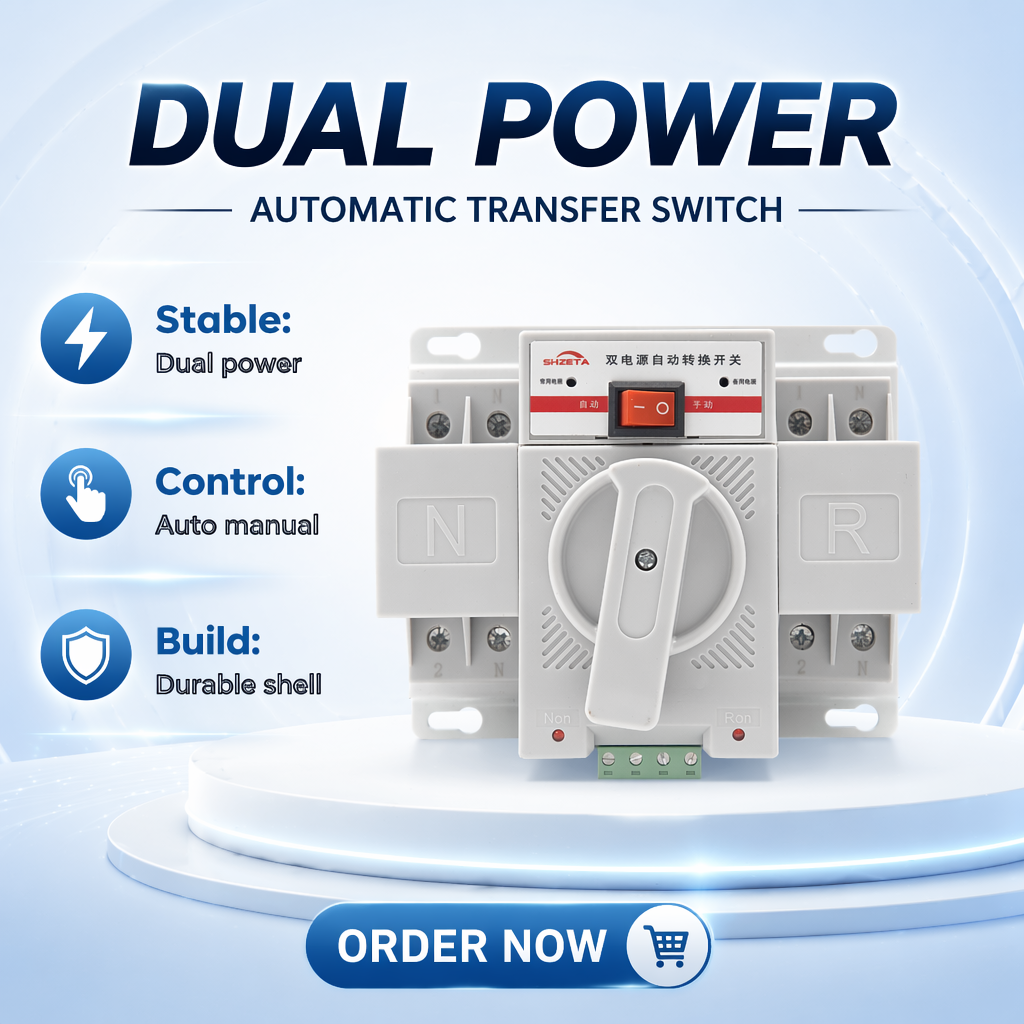
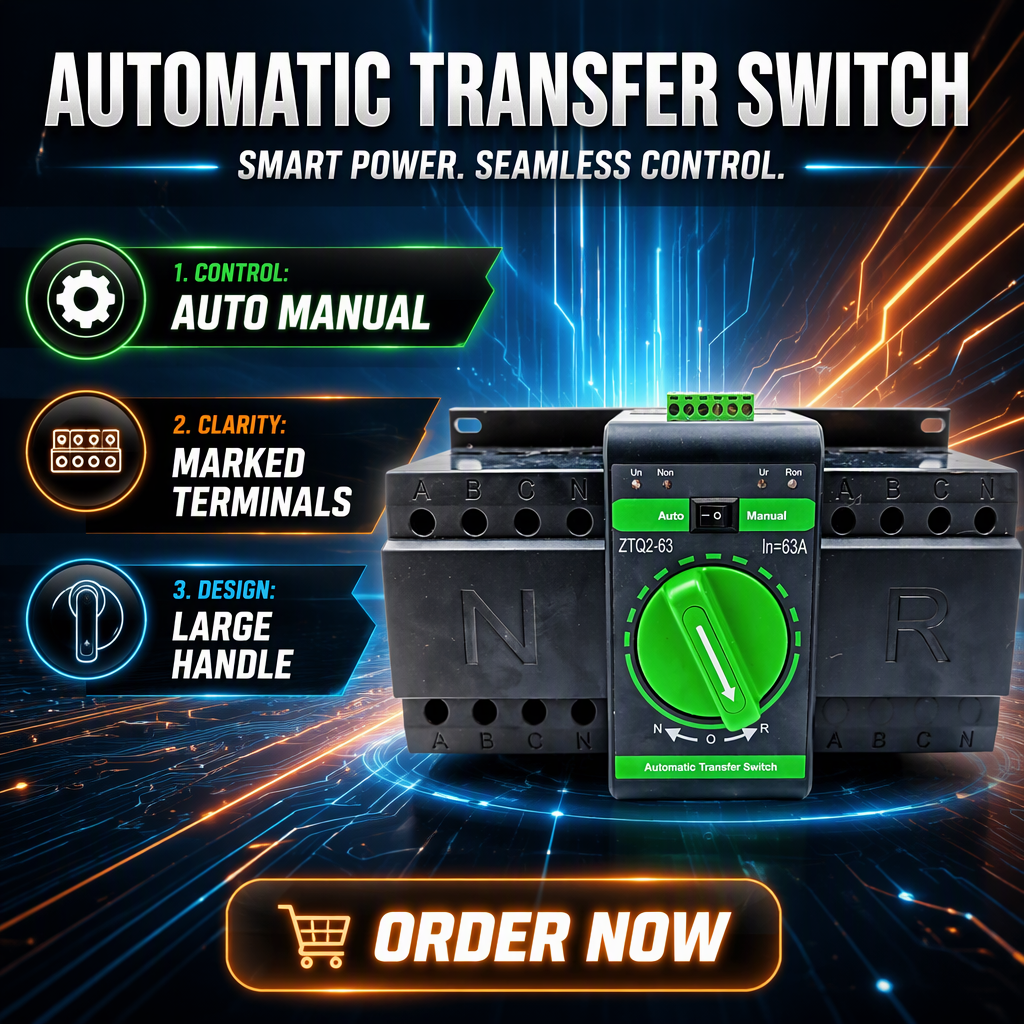
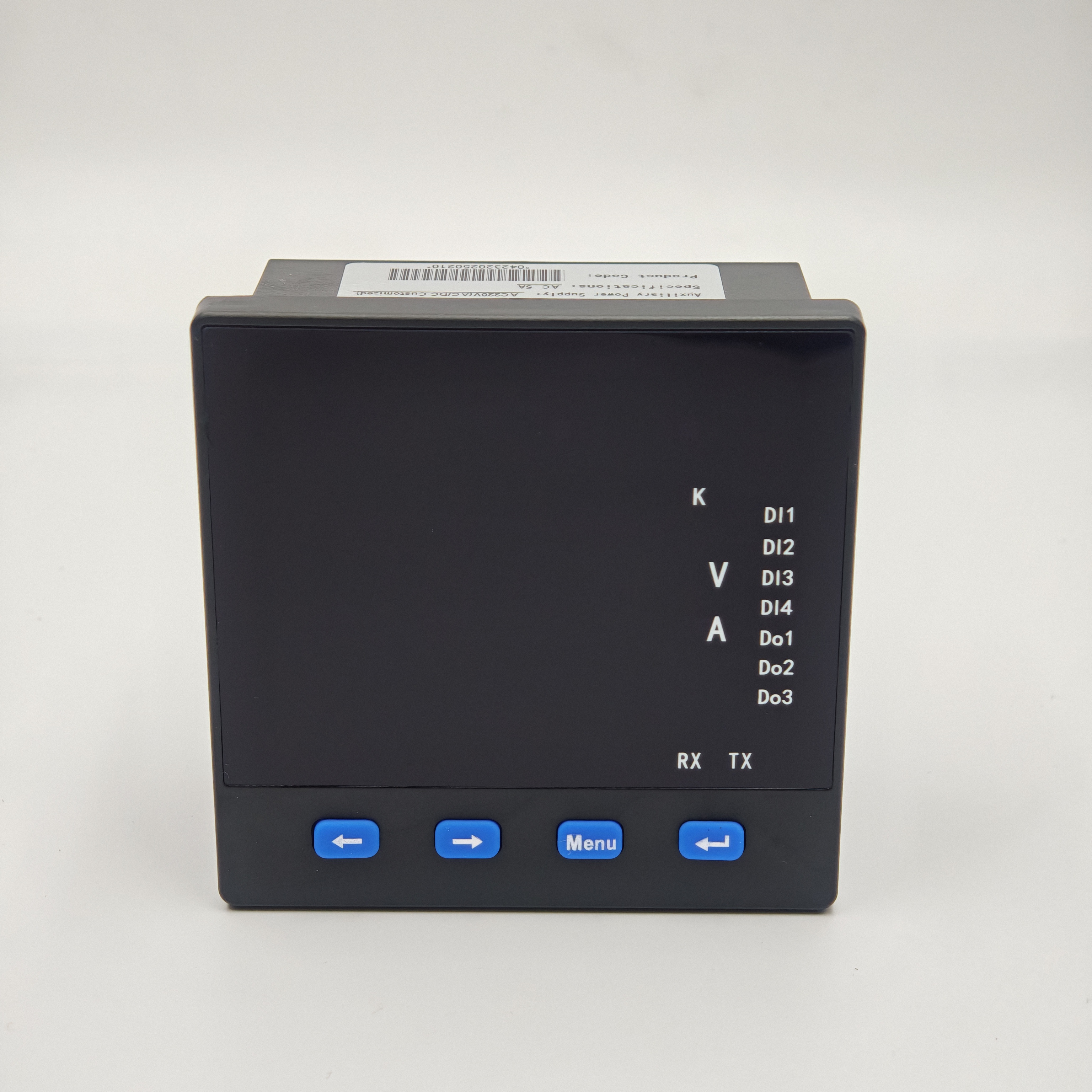
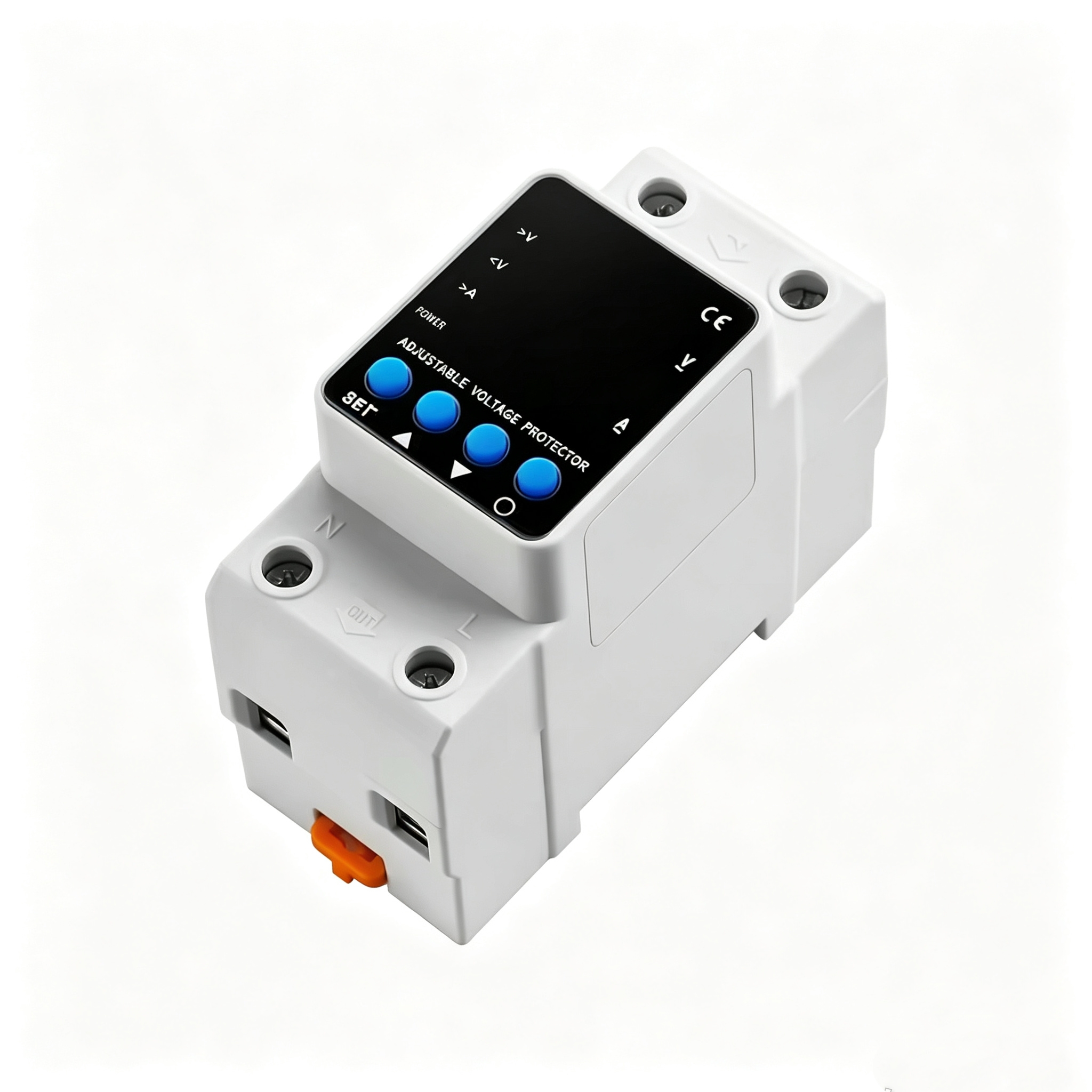
Global Power Transfer Switch Market & Executive Procurement Analysis
A comprehensive whitepaper on grid resilience, switching topology, and global manufacturing benchmarks
In modern electrical distribution architecture, the Automatic Transfer Switch (ATS) acts as the vital safeguard between primary utility power grids and emergency backup power generators, renewable microgrids, or uninterruptible power supply (UPS) banks. Driven by expanding data center infrastructure, industrial automation, commercial real estate resilience, and volatile weather events causing utility fluctuations, the global power transfer switch market is experiencing unprecedented demand growth.
When selecting a transfer switch manufacturer, engineering procurement managers must balance short-circuit withstand ratings (Icw), operational transfer speeds, contact arc quenching mechanisms, and compliance with severe global standards such as IEC 60947-6-1 and UL 1008. This whitepaper provides a rigorous evaluation of the industry's leading manufacturers, dissects future technological trajectories, and delivers actionable sourcing insights for international B2B buyers.
Top 10 Power Transfer Switch Manufacturers Benchmark
Comparative analysis of leading global switchgear OEMs and specialized low-voltage manufacturers
1. ASCO Power Technologies (Schneider Electric)
Headquarters: USA / France
Core Specialization: High-end mission-critical ATS for healthcare, hyperscale data centers, and industrial facilities. Known for robust solenoid-driven mechanisms and bypass-isolation transfer switches.
2. Eaton Corporation
Headquarters: Ireland / USA
Core Specialization: Comprehensive power management solutions including Magnum and Contactor-based transfer switches. Strong integration with building management systems (BMS) and IoT telemetry.
3. Cummins Power Generation
Headquarters: USA
Core Specialization: PowerCommand® series transfer switches optimized for seamless synchronization with diesel and gas generator systems, supporting closed-transition and open-transition configurations.
4. Generac Power Systems
Headquarters: USA
Core Specialization: Dominant in residential and light commercial standby generator switching. Offers cost-effective smart management switches for load prioritization and residential energy management.
5. Siemens Energy & Automation
Headquarters: Germany
Core Specialization: High-performance industrial transfer switches, digital trip units, and SENTRON series switching devices with high short-circuit withstand capabilities tailored to European and global IEC markets.
6. ABB Power Grids
Headquarters: Switzerland
Core Specialization: TruONE® series automatic transfer switches featuring all-in-one design with embedded controllers, reducing wiring and installation footprint while optimizing predictive maintenance analytics.
7. Kohler Power
Headquarters: USA
Core Specialization: KSS and Decision-Maker® switchgear designed for critical healthcare and utility tie applications. Engineered for fast transition and seamless load shedding control.
8. Socomec Group
Headquarters: France
Core Specialization: ATyS series motor-driven transfer switches. Global leadership in PC-class switching technology with modular design, high thermal endurance, and dedicated manual override handles.
9. Delta Electronics
Headquarters: Taiwan
Core Specialization: Static Transfer Switches (STS) engineered for millisecond-level switching in high-density rack environments and sensitive telecom server infrastructure.
10. Zhejiang Graybar Electric Co., Ltd.
Headquarters: Liushi, Wenzhou, China
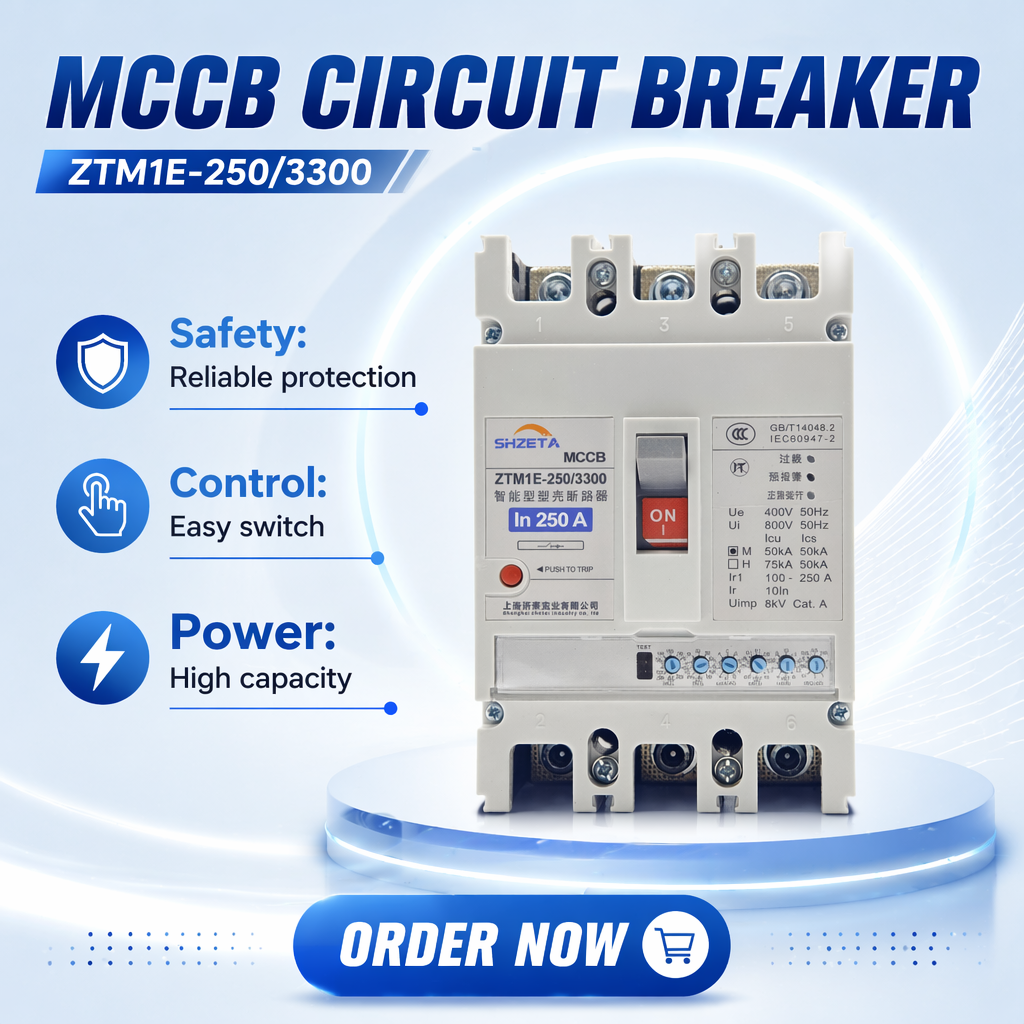
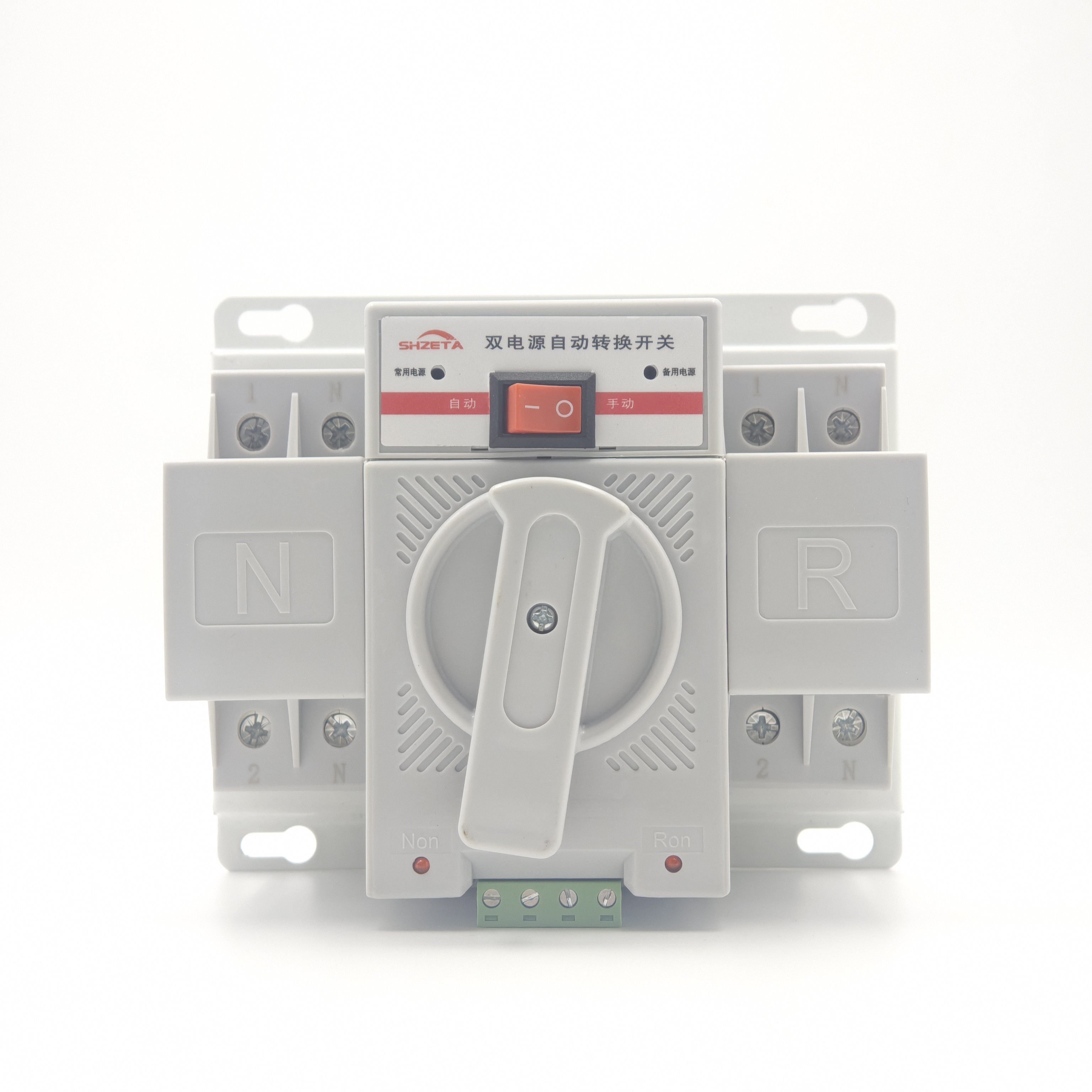
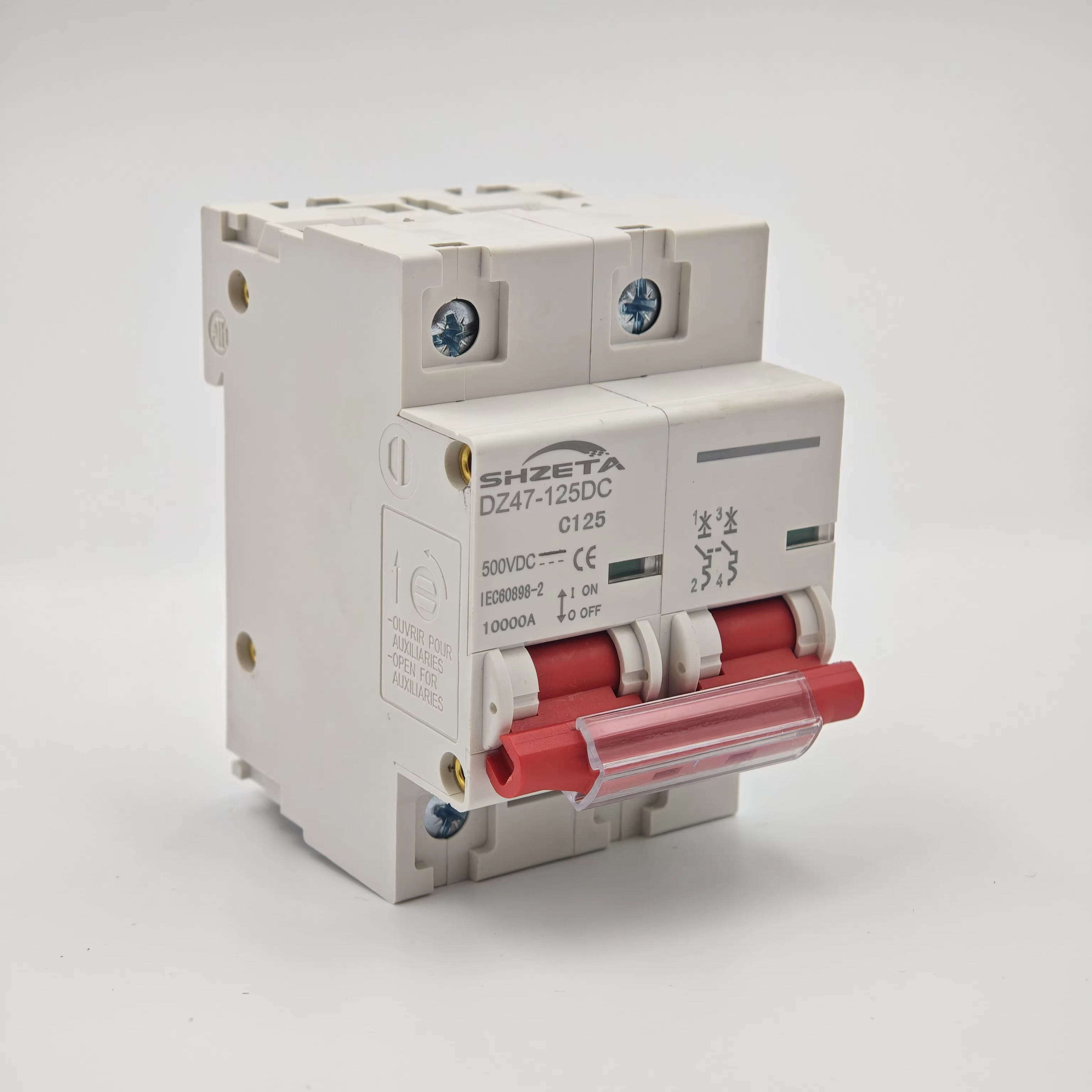
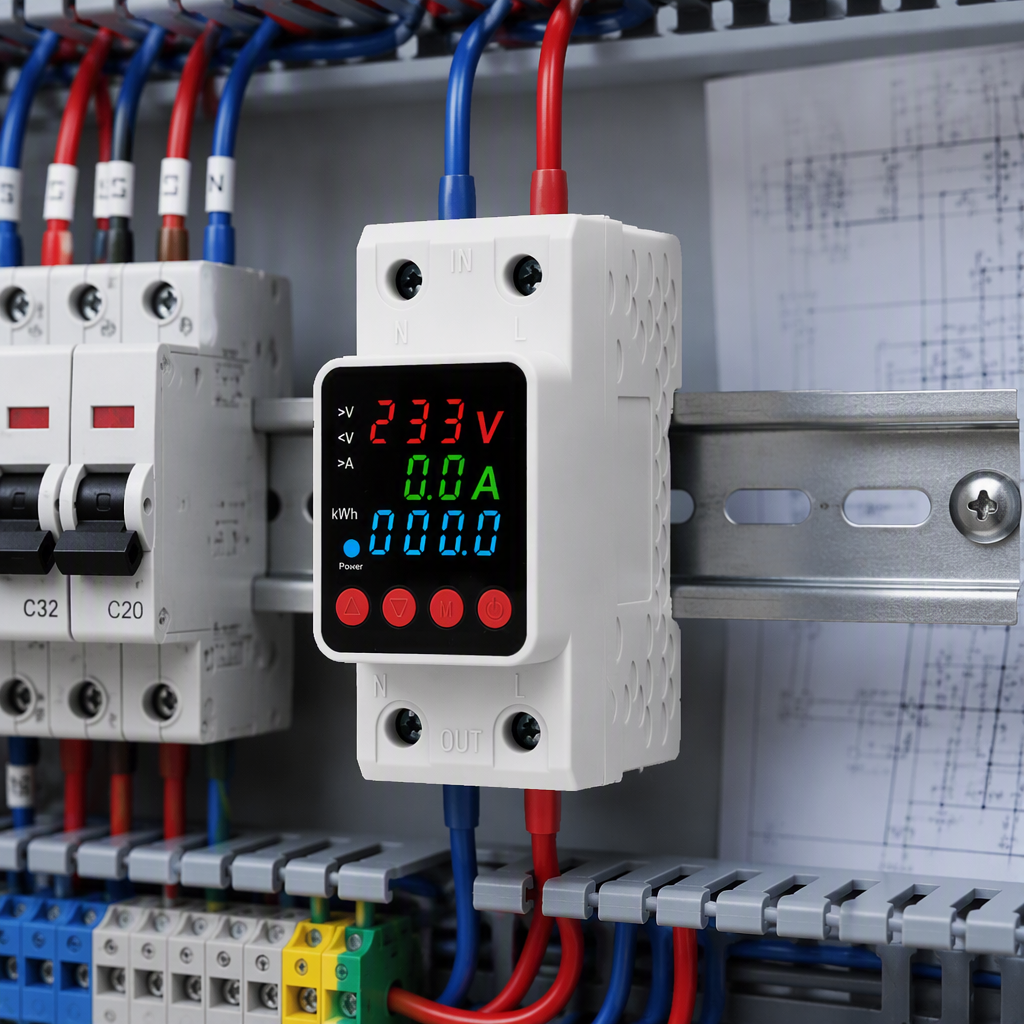
Core Specialization: Premier OEM/ODM manufacturer specializing in low-voltage circuit protection, DIN-rail ATS, dual-power automatic transfer switches, MCCBs, and smart energy monitoring meters with ultra-low MOQs and agile global customization.
ATS Sourcing Matrix: PC-Class vs. CB-Class vs. CC-Class
Understanding internal switching architecture for correct specification in engineering tenders
| Feature Category | PC-Class ATS | CB-Class ATS | CC-Class ATS |
|---|---|---|---|
| Primary Switching Mechanism | Heavy-duty electromagnetic contact or mechanism without integral overcurrent protection | Dual Moulded Case Circuit Breakers (MCCBs) or Air Circuit Breakers (ACBs) with trip units | Standard AC Contactors interlocked mechanically and electrically |
| Short-Circuit Withstand (Icw) | Exceptional: Able to withstand high fault currents without contact welding | Moderate to High: Dependent on the integrated circuit breaker breaking capacity (Icu) | Standard: Requires upstream fusing or MCB protection |
| Transfer Speed | Fast (< 30ms to 80ms) | Moderate (100ms to 250ms due to motor operator delay) | Ultra-Fast (< 20ms) |
| Overload & Short Circuit Protection | No internal tripping (relies on upstream breakers) | Built-in thermal-magnetic or electronic trip units | None (requires external protection) |
| Primary Application Area | Critical infrastructure, data centers, industrial microgrids, medical switchboards | Commercial buildings, general sub-distribution feeders, generator switchgear | Light residential, HVAC control, smaller sub-panels |
Future Procurement Trends in Power Switching Technology (2025–2030)
Key technological disruptions driving global electrical procurement decisions
1. IoT Telemetry & Predictive Maintenance
Modern transfer switches are transitioning from simple electromechanical devices to intelligent IoT nodes. Advanced switches now incorporate RS485/Modbus, Ethernet, and cloud-connected sensors that continuously monitor contact temperature, operating cycles, micro-arcing events, and mechanical switching latency. This allows panel builders to perform predictive maintenance before physical contact failure occurs.
2. Solid-State Hybrid Switching (SS-ATS)
To meet the stringent uptime requirements of AI computing facilities and micro-chip fabrication units, manufacturers are blending solid-state semiconductor switching (SCRs/IGBTs) with traditional mechanical contacts. Solid-state transfer switches can achieve instantaneous transfer speeds of less than 4 milliseconds, eliminating voltage sags during source transition.
3. Bi-Directional Renewable Integration
The rapid adoption of rooftop solar PV, battery energy storage systems (BESS), and EV fleet charging hubs requires ATS units capable of handling multi-source synchronization. Next-generation switches support closed-transition overlap, allowing seamless transfer between utility power, solar inverters, and battery banks without micro-outages.
4. Cyber-Secured Communication Protocols
As transfer switches connect directly to centralized building automation networks, cybersecurity compliance (such as IEC 62443 standards) has become a mandatory procurement criterion. Encrypted firmware updates, secure bootloaders, and physical security lockouts prevent unauthorized remote tampering with primary grid switching.
Enterprise Advantages: Zhejiang Graybar Electric Co., Ltd.
Located in Liushi Town, Wenzhou — China's world-renowned capital for low-voltage electrical apparatus — Zhejiang Graybar Electric Co., Ltd. serves as a trusted manufacturing partner for international importers, panel builders, and electrical wholesalers.
By controlling the complete production lifecycle from silver-alloy contact stamping, flame-retardant housing injection molding, coil winding, to rigorous thermal-magnetic tripping calibration, Graybar provides an ideal balance between premium engineering quality and competitive direct-factory pricing.
Frequently Asked Questions (FAQ) for Sourcing Buyers
Technical guidance and commercial parameters for power transfer switch procurement
What is the difference between an Automatic Transfer Switch (ATS) and a Manual Transfer Switch (MTS)?
How do I determine the correct frame rating and ampacity for an ATS?
What is open transition versus closed transition switching?
Closed Transition ("Make-Before-Break"): The switch temporarily parallels both power sources (for less than 100 milliseconds) during transfer, allowing seamless switching without any power interruption to critical digital loads.
What Minimum Order Quantity (MOQ) and customization services are offered by Zhejiang Graybar Electric?
Which international quality and safety certifications apply to your transfer switches?
- IEC 60947-6-1: Transfer switching equipment
- IEC 60947-2: Moulded case circuit breakers and air circuit breakers
- IEC 60898-1: Miniature circuit breakers for household installations
- IEC 61643-11: Low-voltage surge protective devices
Why is 4-Pole switching necessary in 3-Phase dual-power system configurations?
Request Technical Specifications & Direct OEM Pricing
Contact our engineering sales team today to receive detailed product catalog PDFs, CAD dimensional drawings, type-test certificates, or a customized factory quote for your switchgear project.
Send an Inquiry