Featured Circuit Protection & Transfer Solutions
Engineered in Liushi, Wenzhou for switchboard builders, EPCs, and global wholesale distributors adhering to IEC standards.
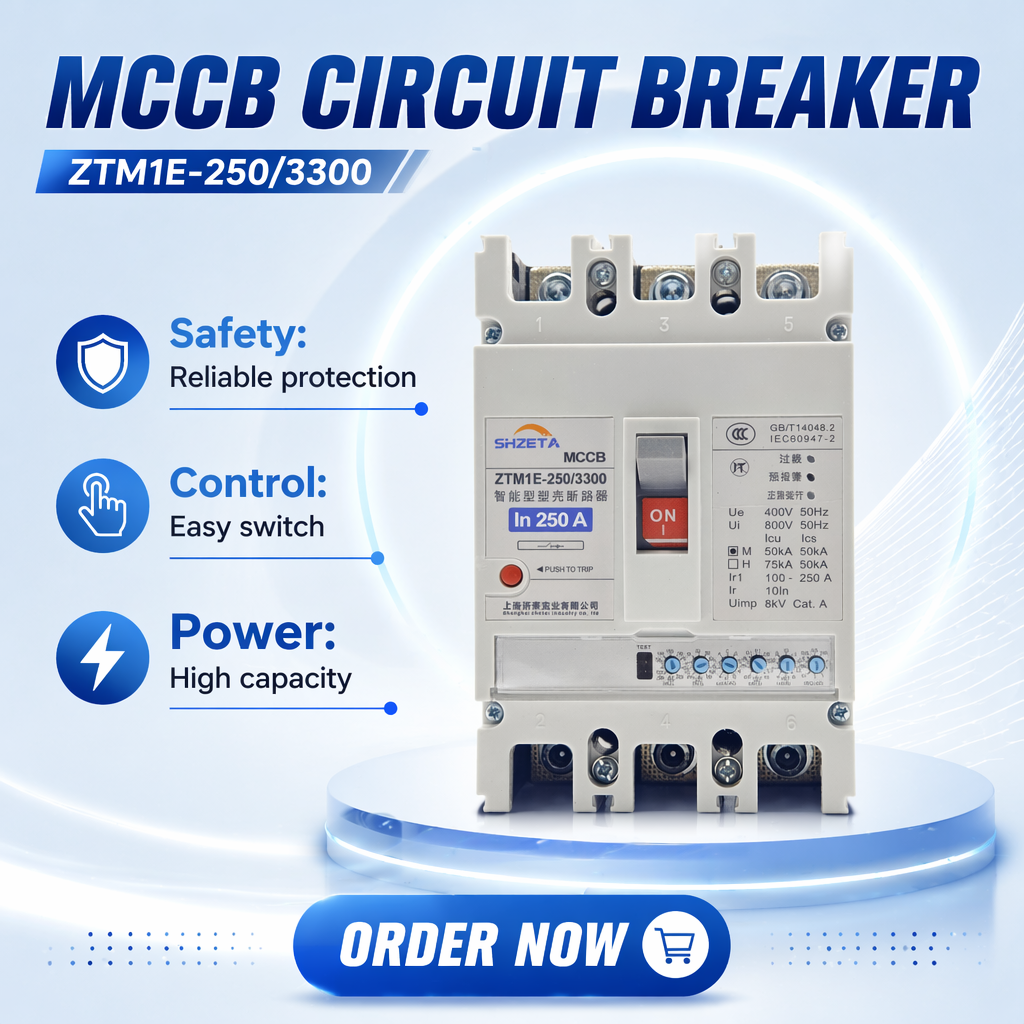
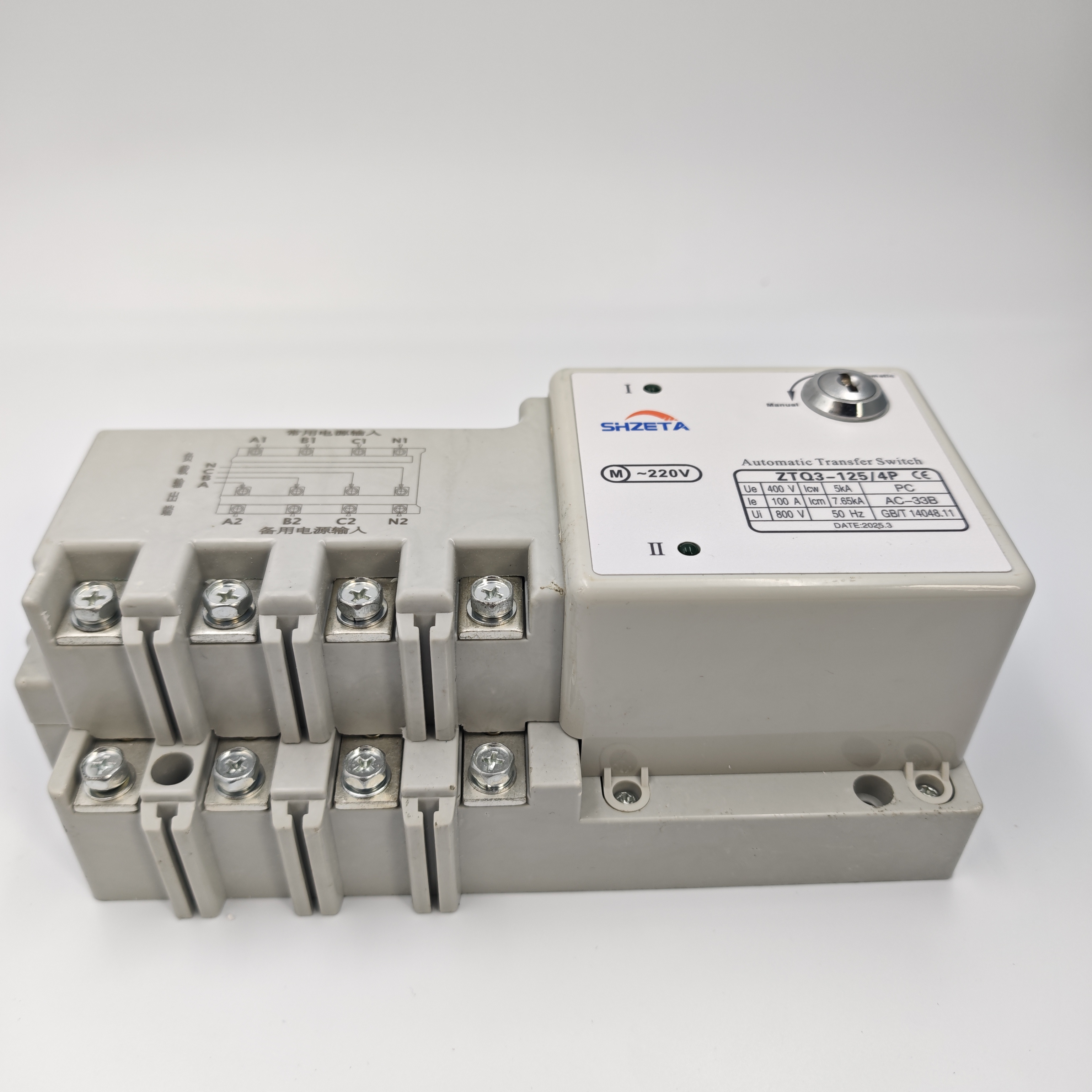
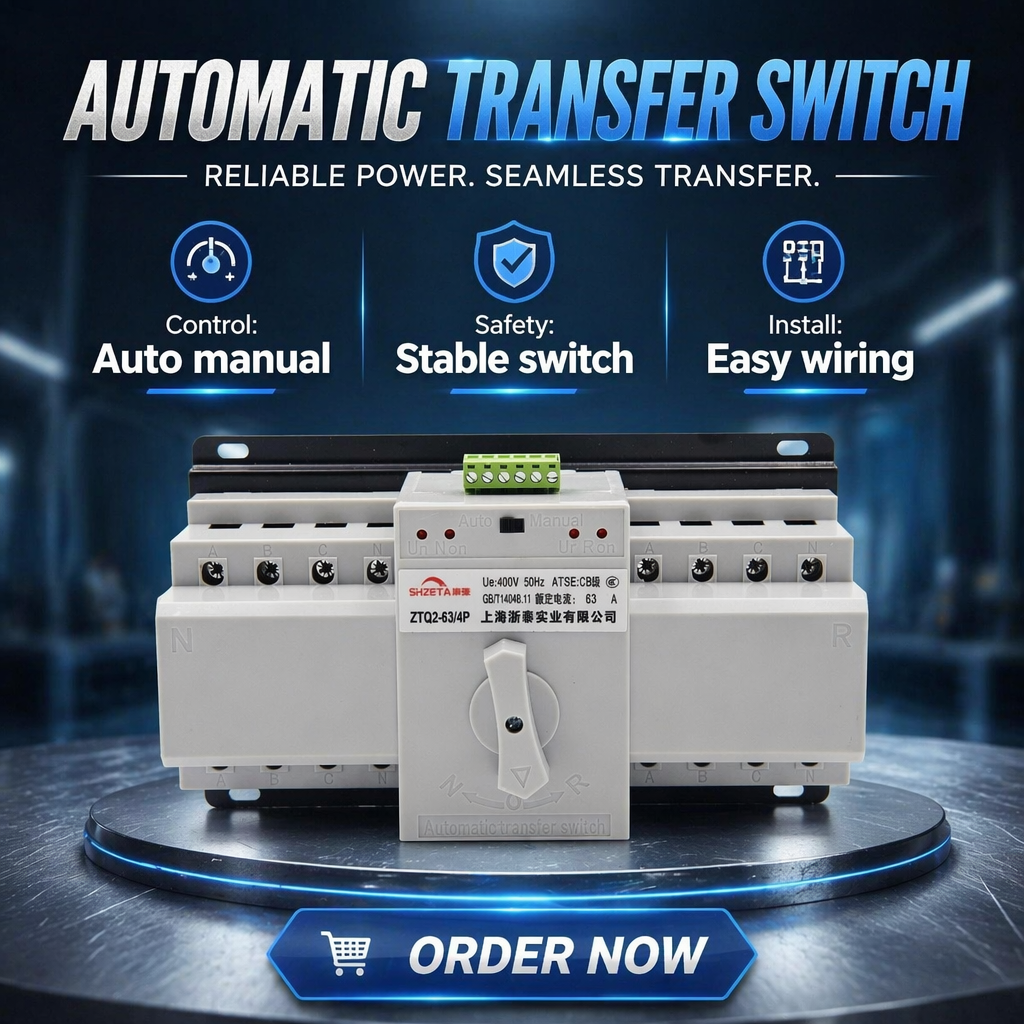
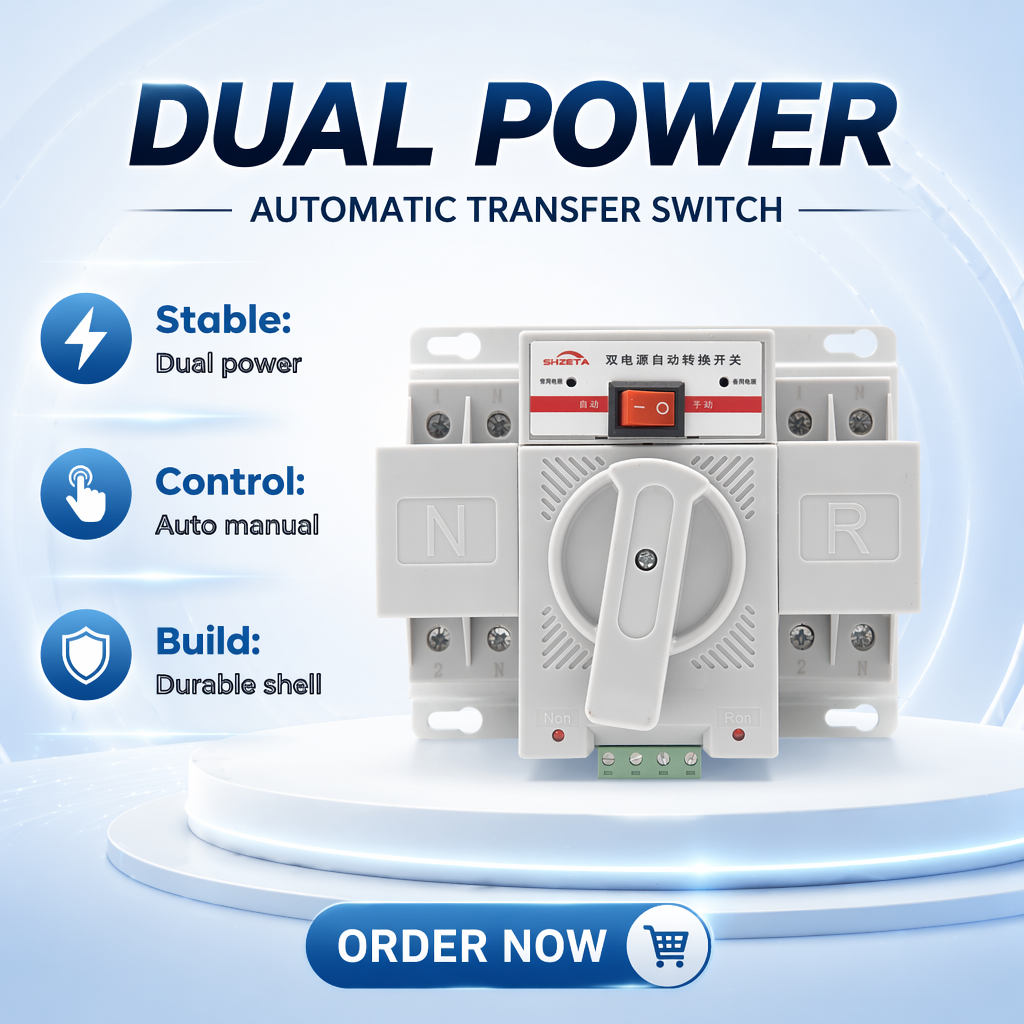
The Architecture of Global Low-Voltage Distribution: Navigating Top ACB Breaker Suppliers & Exporters
In high-capacity commercial, data center, mining, and industrial power distribution, the Air Circuit Breaker (ACB) functions as the foundational backbone of the entire low-voltage electrical infrastructure. Deployed primarily as the main incomer (Incoming Feeder Breaker) on the secondary winding of MV/LV distribution transformers or as high-power generator circuit breakers, ACBs handle sustained currents typically spanning 630A to 6300A. Unlike Miniature Circuit Breakers (MCB) which manage downstream branches or Molded Case Circuit Breakers (MCCB) intended for sub-distribution circuits, the Air Circuit Breaker must withstand extreme electromechanical stresses, prolonged short-time withstand currents ($I_{cw}$ up to 1 second or 3 seconds), and facilitate complex selective coordination schemes without nuisance tripping.
Selecting from the world's Top 10 ACB Breaker Suppliers & Exporters requires an exhaustive understanding of both tier-one multinational conglomerates (such as Schneider Electric, ABB, Siemens, Mitsubishi Electric, and Eaton) and premier agile manufacturing clusters. Situated in Liushi, Wenzhou—internationally recognized as the electrical component manufacturing epicenter of China—enterprises like Zhejiang Graybar Electric Co., Ltd. bridge the gap between rigorous IEC compliance and aggressive supply chain economics. For switchboard builders, OEM panel builders, and international EPC contractors, this directory dissects technical distinctions, export logistics, and the essential engineering benchmarks required to build fault-tolerant electrical frameworks.
Core Comparative Benchmark: Tier 1 Multinationals vs. Specialized Liushi Manufacturing Hubs
Procurement teams frequently evaluate whether to specify traditional Tier 1 European/Japanese multinational brands or source directly from audited Chinese manufacturers. While Tier 1 players provide established brand equity across regulated government tenders, leading Chinese exporters deliver substantial advantages in lead times, modular OEM customizability, and non-proprietary communication options.
| Evaluation Parameter | Tier 1 Multinational Brands (e.g., ABB, Schneider, Siemens) | Leading Liushi Exporters (e.g., Graybar Electric Cluster) | Impact on Procurement & Switchgear Integration |
|---|---|---|---|
| Standard Lead Time | 16 to 28 Weeks for non-standard configurations | 3 to 6 Weeks with flexible assembly lines | Significantly mitigates construction delays and penalization risks. |
| MOQ Restrictions | Strict framework commitments or local distributor markups | Low MOQ (From 1 Piece for ACBs, 5 Pieces for MCCBs) | Empowers prototype verification and cost-effective retrofits. |
| Controller Ecosystem | Proprietary closed-loop protocols (EcoStruxure, Ability) | Open-standard Modbus-RTU, RS485, and Ethernet IP | Lowers SCADA/BMS licensing and universal gateway integration fees. |
| Total Cost of Ownership (TCO) | High initial acquisition + high maintenance accessories | Competitive Capex with interchangeable spare assemblies | Optimizes overall switchboard tender margin without sacrificing safety. |
| Certification Alignment | IEC 60947-2, UL 489, KEMA, CE, CCC | IEC 60947-2, CE, CCC, third-party type tests | Meets standard international tender specifications across global regions. |
Draw-Out vs. Fixed Type ACB Configurations: The Reliability Trade-Off
A vital consideration when procuring an Air Circuit Breaker is selecting between Draw-out (Withdrawable) and Fixed configurations. A Draw-out ACB resides within a dedicated chassis (cradle) equipped with heavy-duty primary isolating disconnect contacts and secondary control circuit plugs. Through a mechanical racking handle mechanism, the breaker safely navigates between three distinct physical positions: Connected, Test (where primary main busbars are physically isolated with internal safety shutters closed, yet control and trip-unit electronics remain energized for functional diagnostics), and Disconnected.
For critical continuous-process environments—including Tier III/IV data centers, hospital surgical wings, semi-conductor manufacturing plants, and marine power plants—the draw-out type is indispensable. Routine maintenance, contact wear inspection, arc-chute de-ion plate clearing, or complete breaker swapping can occur within minutes without de-energizing the main switchboard horizontal busbar. Conversely, Fixed Type ACBs are permanently bolted to the incoming copper busbar arrangement. While offering lower upfront hardware expenditure and reduced enclosure depth (useful in space-constrained secondary substations), maintaining a fixed unit mandates a complete substation outage, incurring substantial operational downtime.
Harmonized Low-Voltage Ecosystem
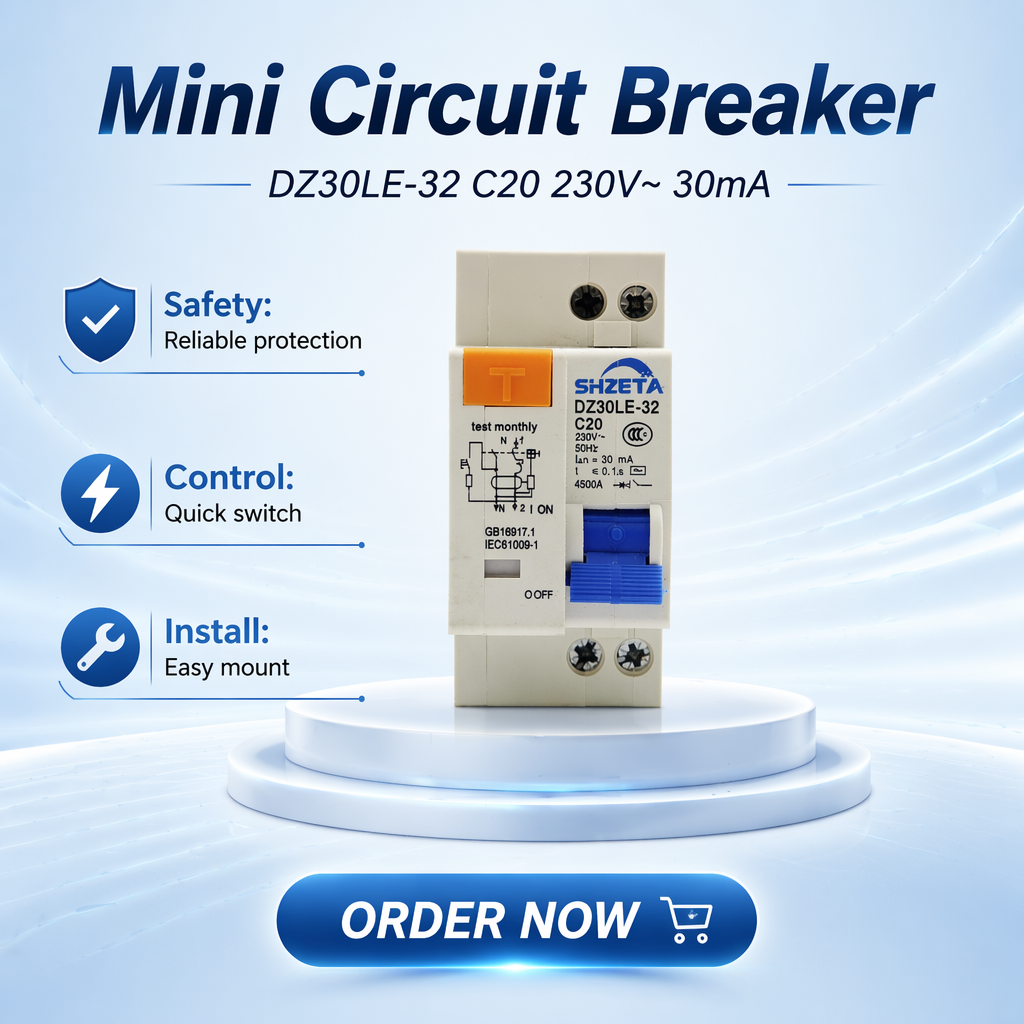
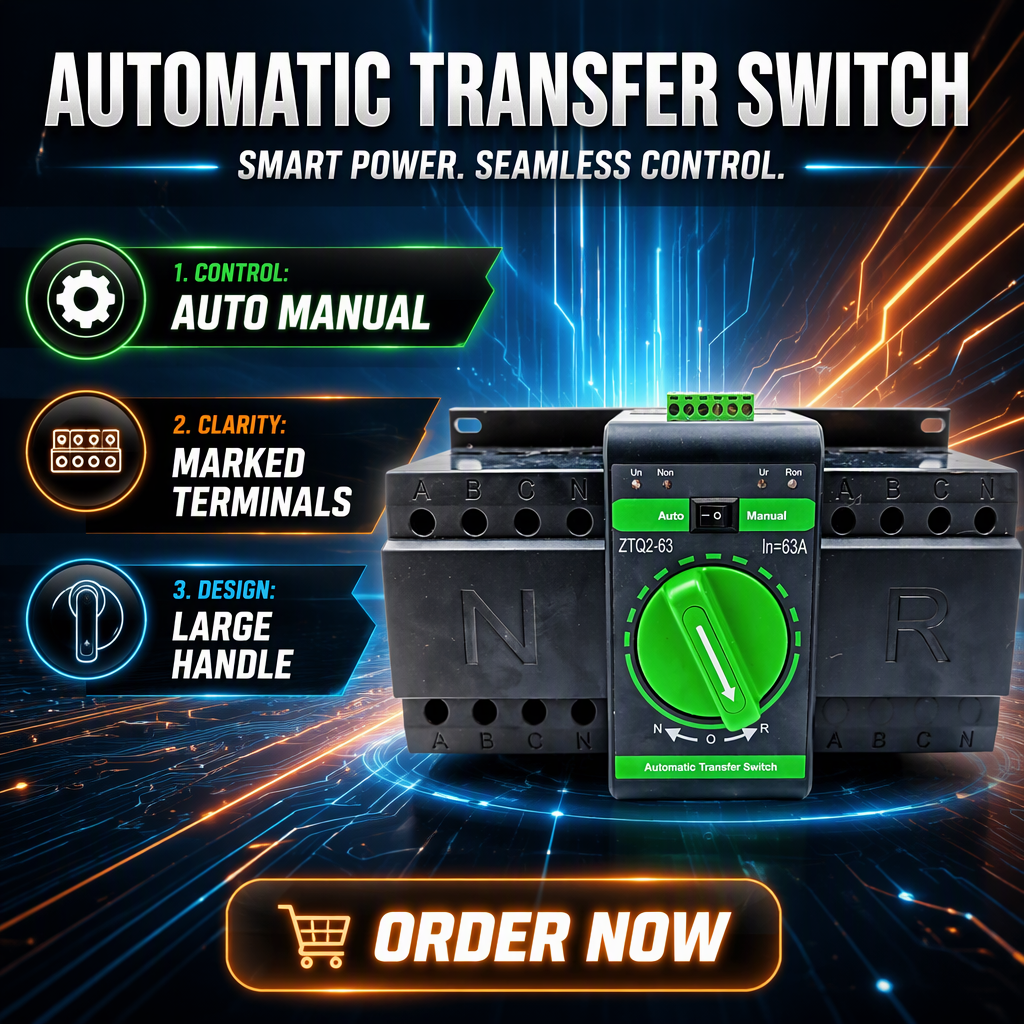
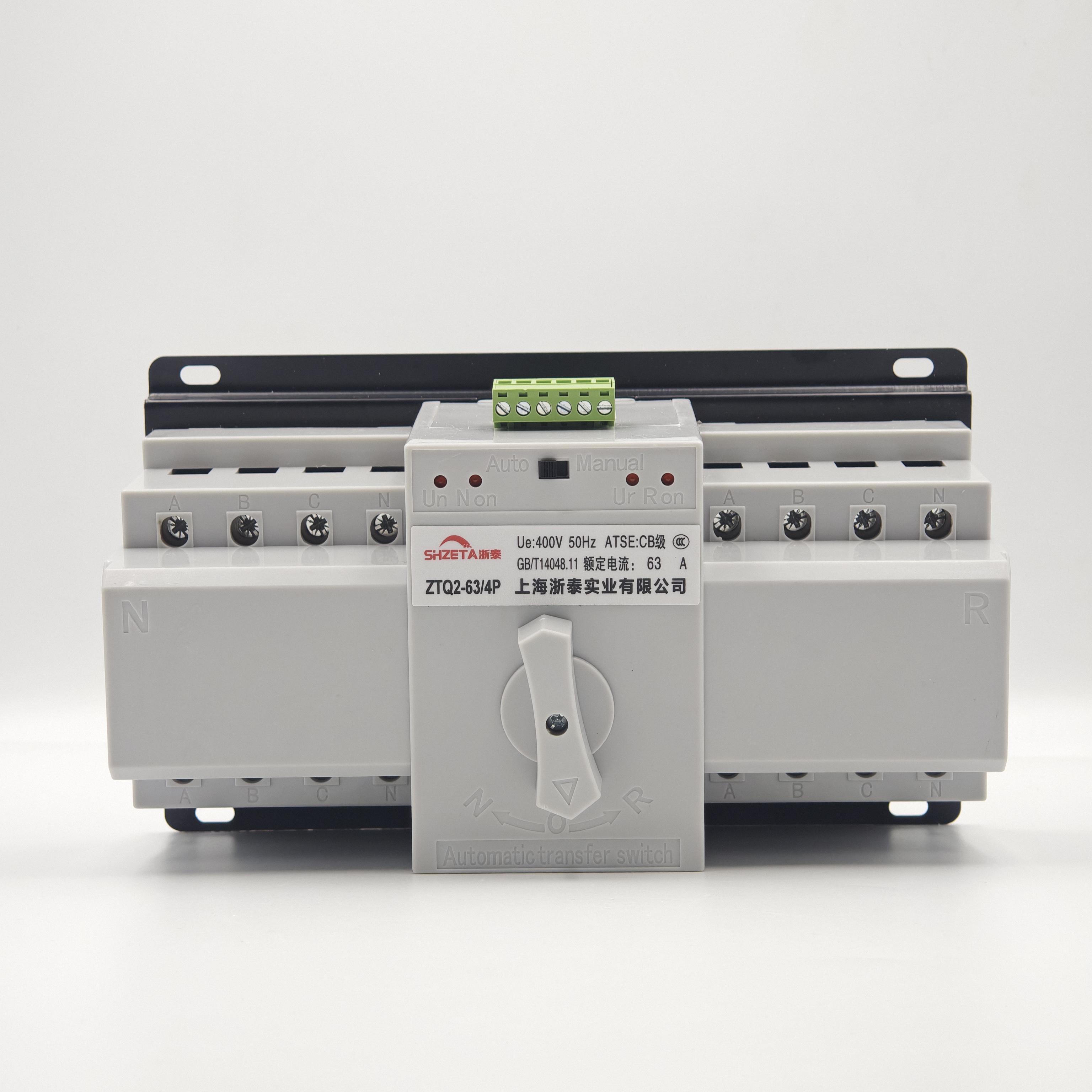
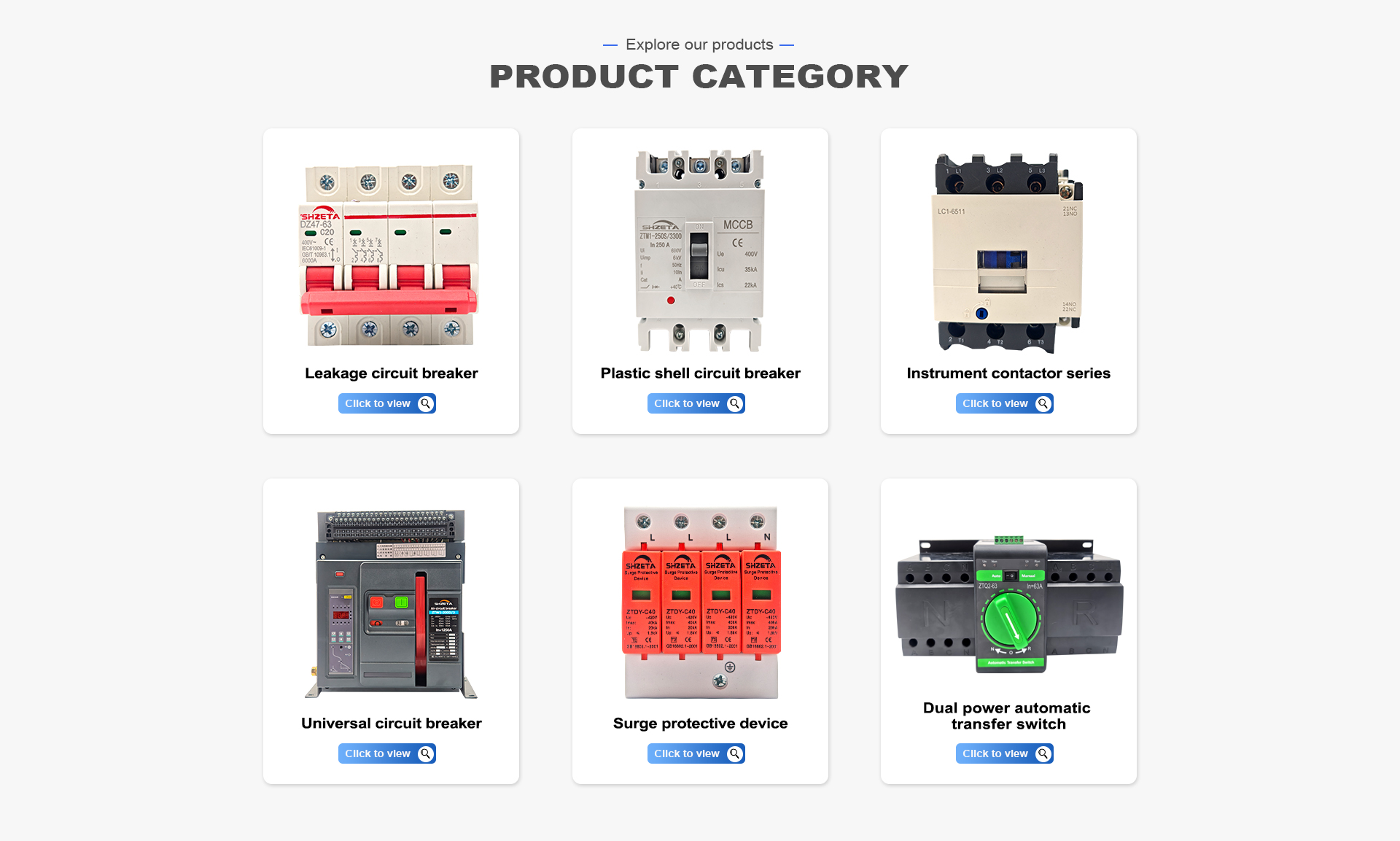
A resilient distribution board requires full coordination among protection tiers. Zhejiang Graybar Electric structures its product lines to enable cohesive cascade and discrimination studies. From main incoming intelligent universal ACBs to intermediate sub-feeders powered by thermal-magnetic MCCBs (50kA/100kA breaking capacity), down to DIN-rail mounted DZ30LE-32A miniature circuit protection systems, components share complementary current-limiting and tripping curves. Integrated Automatic Transfer Switches (ATS) ensure seamless source transitions within milliseconds during upstream utility anomalies.
Intelligent Electronic Trip Units (ETU): LSIG Protection Mechanics
Modern ACB performance is governed by the capabilities of its onboard microprocessing Electronic Trip Unit (ETU). Traditional thermal-magnetic mechanisms are incapable of handling the complex fault dynamics of multi-megawatt systems. Advanced ETU controllers provide precise, fully adjustable LSIG protection curves:
- L - Long-Time Protection ($I_r$, $t_r$): True RMS thermal memory overload protection, simulating cable heating effects and preventing insulation breakdown across variable industrial load duty cycles.
- S - Short-Time Protection ($I_{sd}$, $t_{sd}$): Definite time delay or $I^2t$ inverse time response for timed short-circuit faults, critical for establishing downstream MCCB discrimination without tripping the main breaker.
- I - Instantaneous Protection ($I_i$): Ultra-fast magnetic trip operating without intentional time delay when fault currents surpass transformer withstand capacity or mechanical structural limits.
- G - Ground-Fault Protection ($I_g$, $t_g$): Residual current vector summation or external Neutral CT input protecting against arcing phase-to-ground faults that may cause catastrophic electrical switchboard fires.
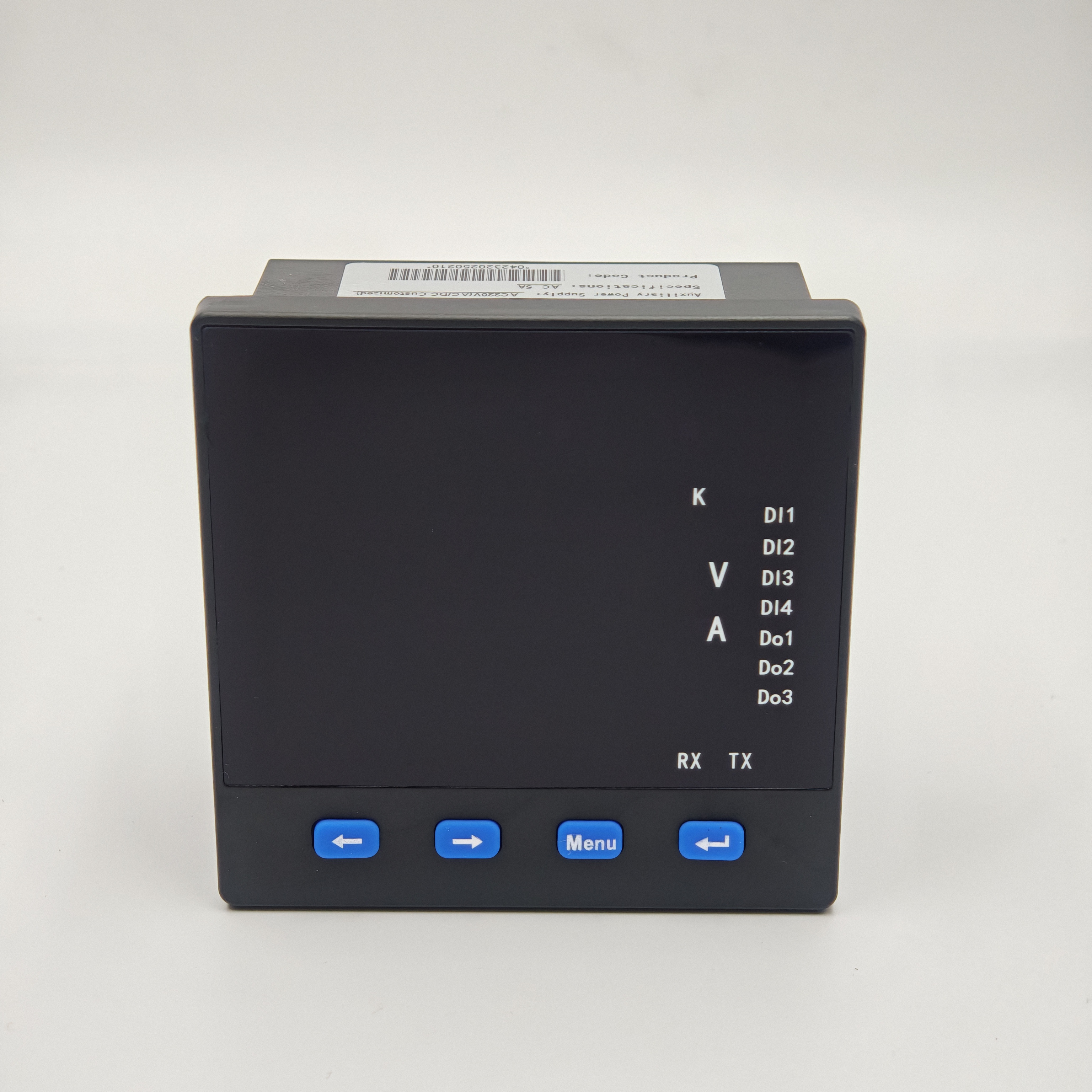
Beyond baseline protection, intelligent trip units now incorporate Class 0.5/1.0 electrical power metering (measuring active, reactive, apparent power, power factor, and harmonics up to the 31st order). Integrated with RS485 Modbus-RTU interfaces or native Ethernet, these ACBs communicate directly with factory Energy Management Systems (EMS) and SCADA setups, providing maintenance engineers with predictive contact wear percentages and fault waveform logs.
Future Procurement & Technological Trends in the ACB Sector
Strategic supply chain dynamics shaping how global distributors, panel builders, and EPCs source electrical switchgear.
1. Rise of DC Microgrids & 1500V DC Breakers
With utility-scale solar PV expansion, Battery Energy Storage Systems (BESS), and EV supercharger hubs, demand for high-capacity DC Air Circuit Breakers rated up to 1500V DC is expanding rapidly. Quenching high-voltage direct-current arcs without natural zero-crossings mandates proprietary permanent magnet blowouts and multi-stage arc-chute designs.
2. Supply Chain Regionalization & Dual-Sourcing
Global procurement directors are increasingly mitigating supply disruptions by complementing Tier 1 OEM contracts with verified direct-from-manufacturer partnerships in China. Dual-sourcing ensures critical spare parts availability, bypasses extended European production queues, and maintains project delivery margins.
3. Embedded IoT & Condition-Based Maintenance
Modern ACB tenders now routinely specify real-time busbar contact temperature tracking via integrated infrared or wireless surface sensors. Detecting loose terminal torque or surface degradation prevents catastrophic thermal thermal runaways before short circuits manifest.
4. Demand for Modular Footprints & Retrofit Kits
As aging urban substations undergo life-extension programs without room for switchgear enclosure expansion, exporters offering compact frame dimensions and plug-and-play cradle retrofit kits capture substantial replacement market share.
5. Decarbonization & Sustainable Lifecycle Design
Environmental Product Declarations (EPD) and compliance with RoHS/REACH standards are becoming compulsory in international switchgear bids. Leading suppliers now prioritize lead-free silver alloy contacts and recyclable thermoplastic molding compounds throughout manufacturing.
Why Global Importers Partner with Zhejiang Graybar Electric
Rooted in Liushi Town, Wenzhou—the world capital of low-voltage electrical apparatus—we streamline manufacturing, testing, and private-label delivery.
Direct Liushi Supply Chain Authority
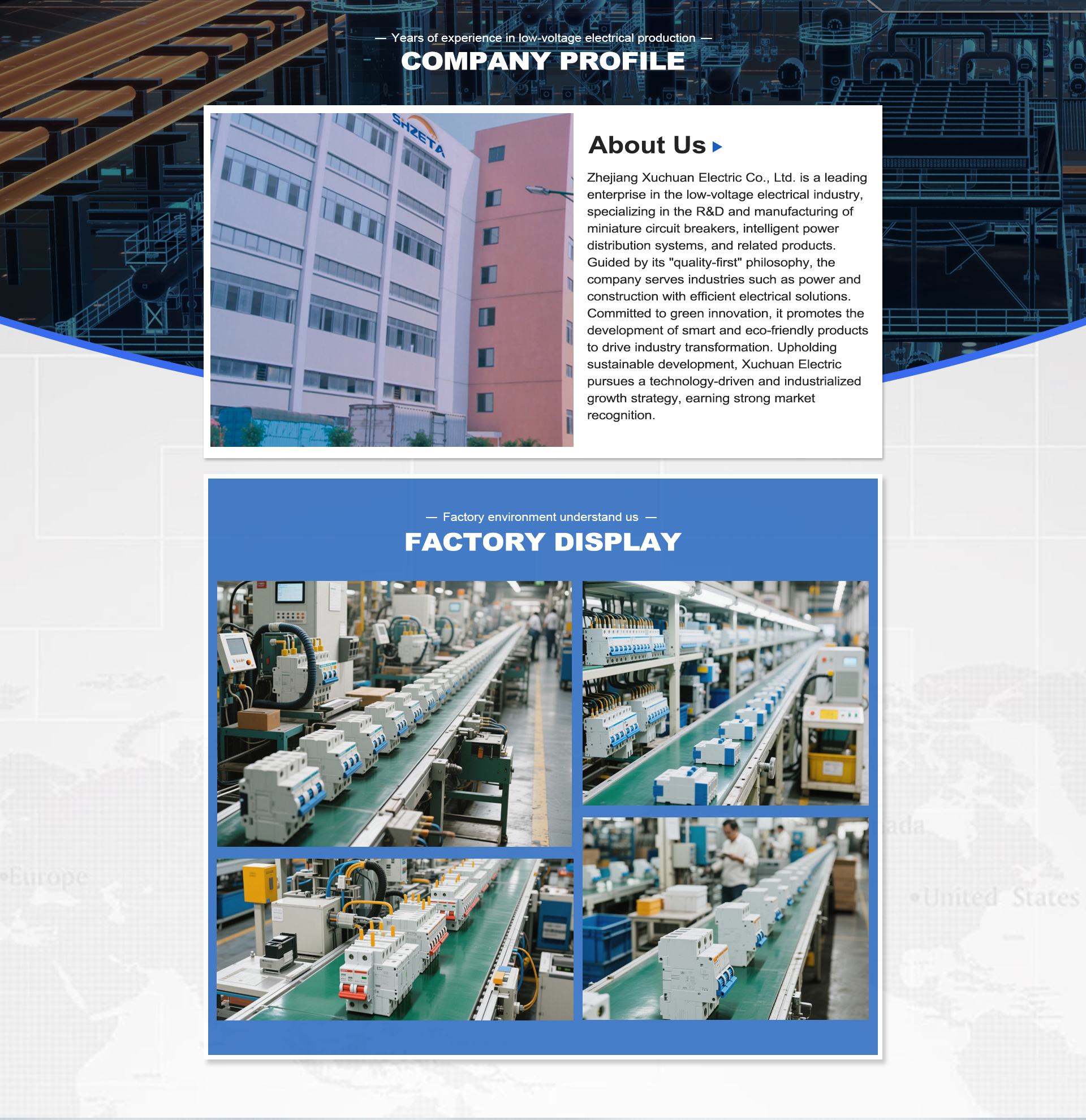
Operating within Huangyu Village, Liushi Town, Zhejiang Graybar Electric Co., Ltd. capitalizes on unparalleled local industrial density. Our facility integrates precision tooling, high-grade copper punching, silver-cadmium or silver-tin-oxide contact brazing, automated coil winding, and algorithmic calibration under rigorous quality protocols.
- Verified Manufacturer & Exporter: On-site verified production lines ensuring transparent business standing and documented trade capacity.
- Comprehensive Testing Infrastructure: Dielectric withstand tests, mechanical endurance cycling, and secondary micro-ohmmeter contact resistance inspections before packing.
- Flexible OEM / ODM Integration: Custom laser-etched nameplates, bespoke breaking capacities, custom CT/PT ratios, and multi-language technical manuals.
- Aggressive Logistics Scalability: Low MOQs for testing combined with rapid export packaging suitable for Ningbo and Shanghai sea-freight handling.
Engineered Compliance to International IEC Regimes
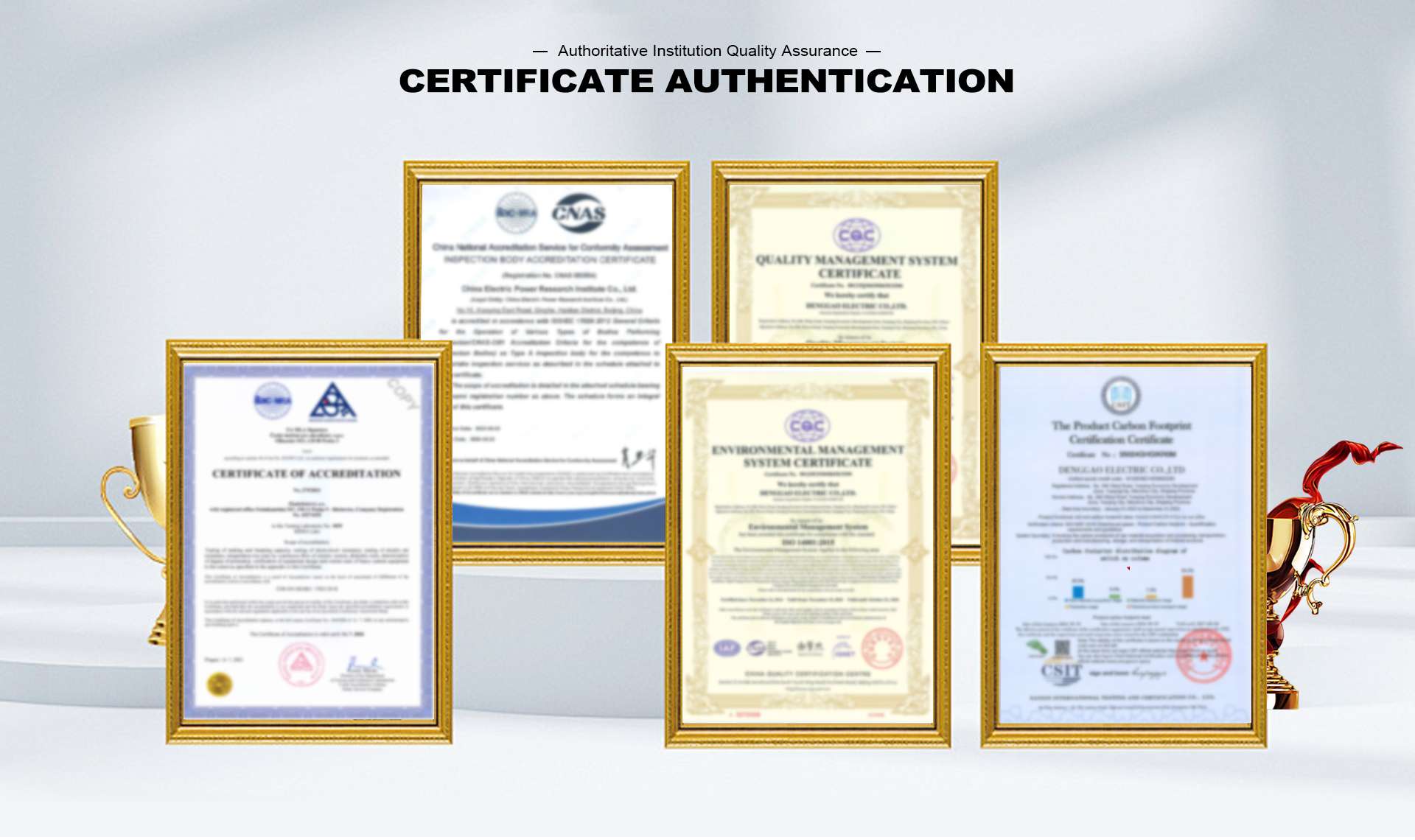
Every circuit breaker, changeover switch, and surge suppression device is designed in alignment with international electrotechnical codices. We ensure that switchboard builders can integrate our products directly into projects governed by IEC 60947-2 (for ACB and MCCB units), IEC 60898-1 (for residential MCBs), IEC 60947-6-1 (for dual-power automatic transfer switching equipment), and IEC 61643-11 (for surge arresters). Complete batch documentation and test certificates accompany commercial shipments.
Frequently Asked Questions: Air Circuit Breaker Procurement
Clear, authoritative technical clarifications addressing the core engineering queries of global B2B buyers.
Accelerate Your Switchgear Procurement Today
Submit your Single Line Diagrams (SLD), bill of quantities, or customized trip curves to our technical engineering team for an exact tender quote within 24 hours.