Featured Low-Voltage Protection & Switchgear Range
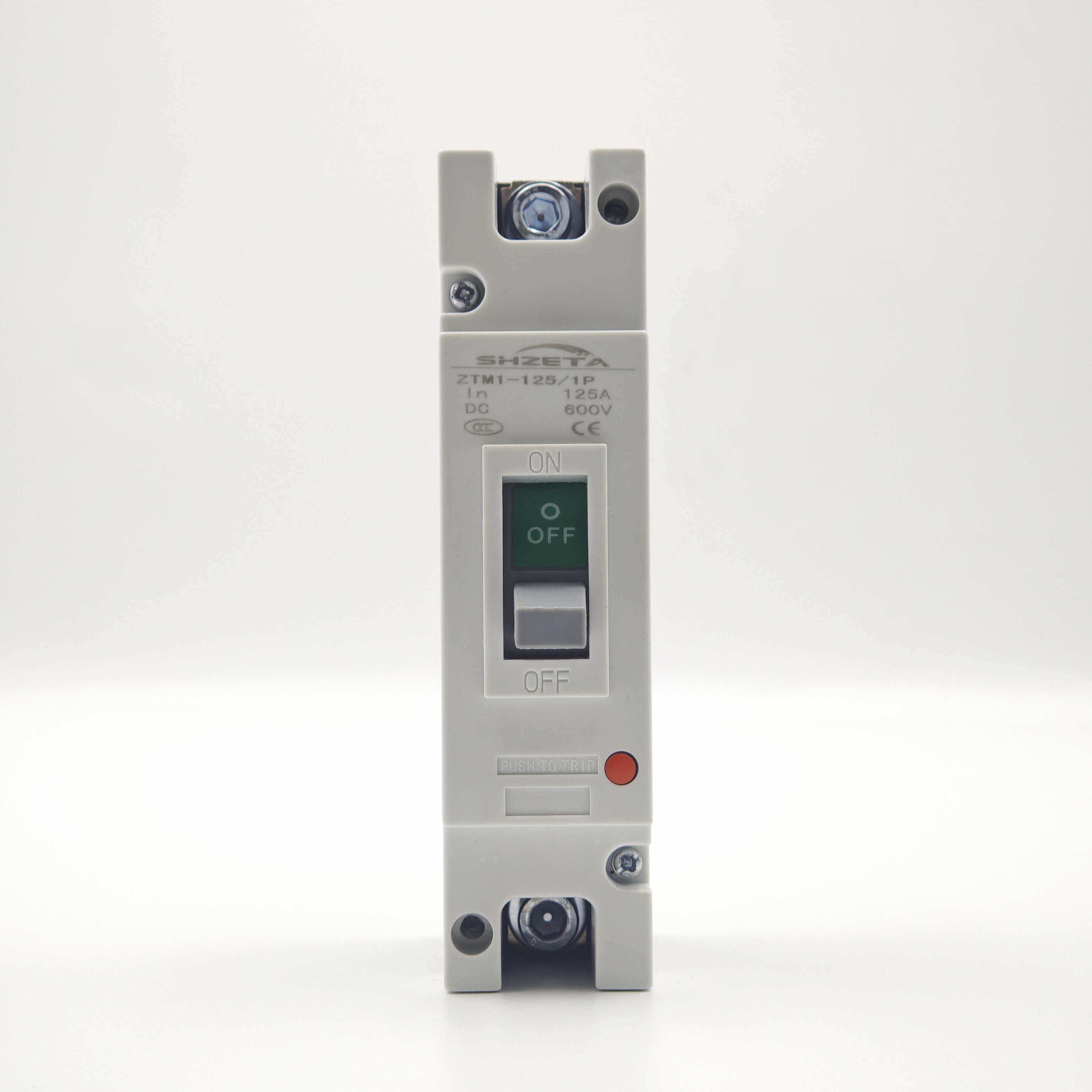
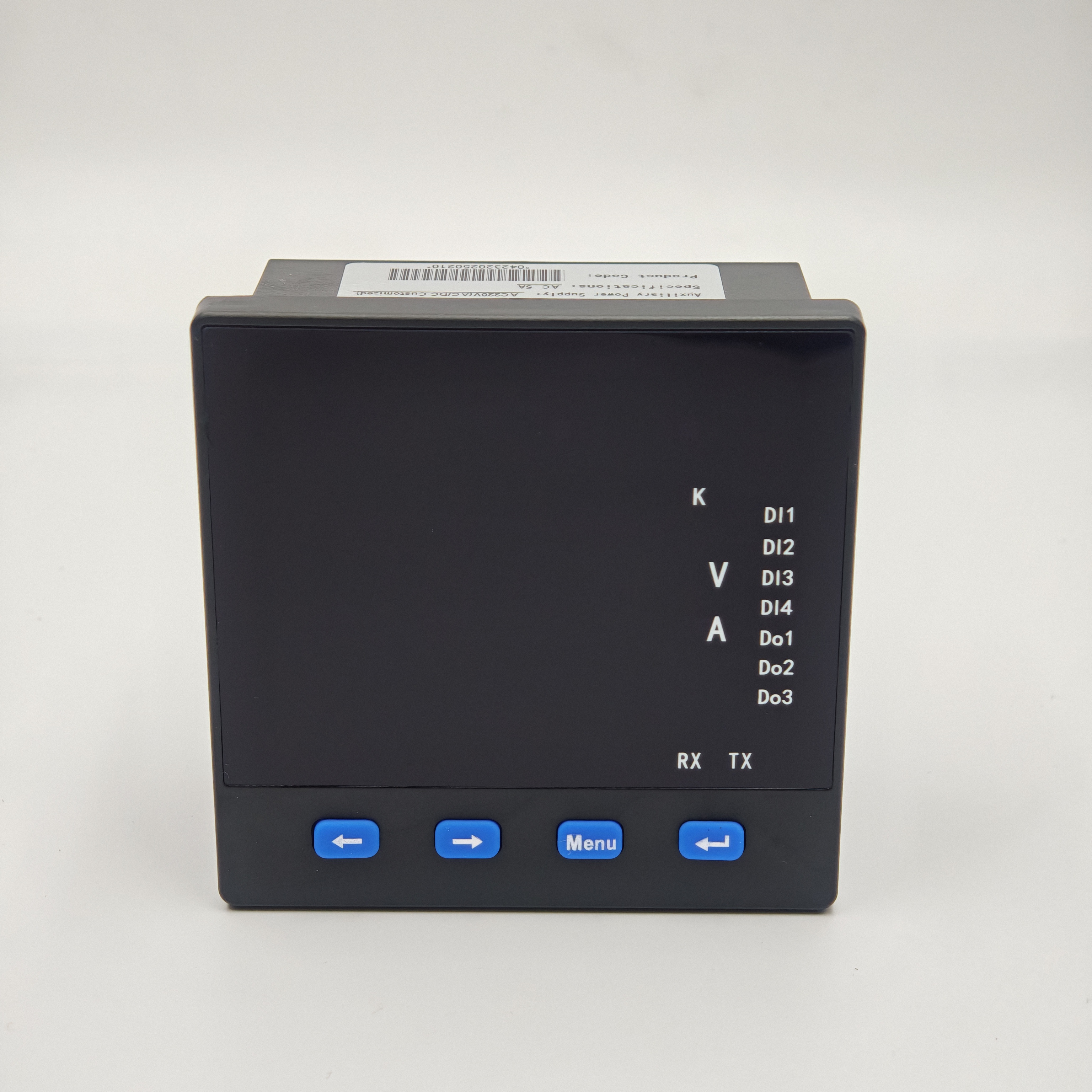
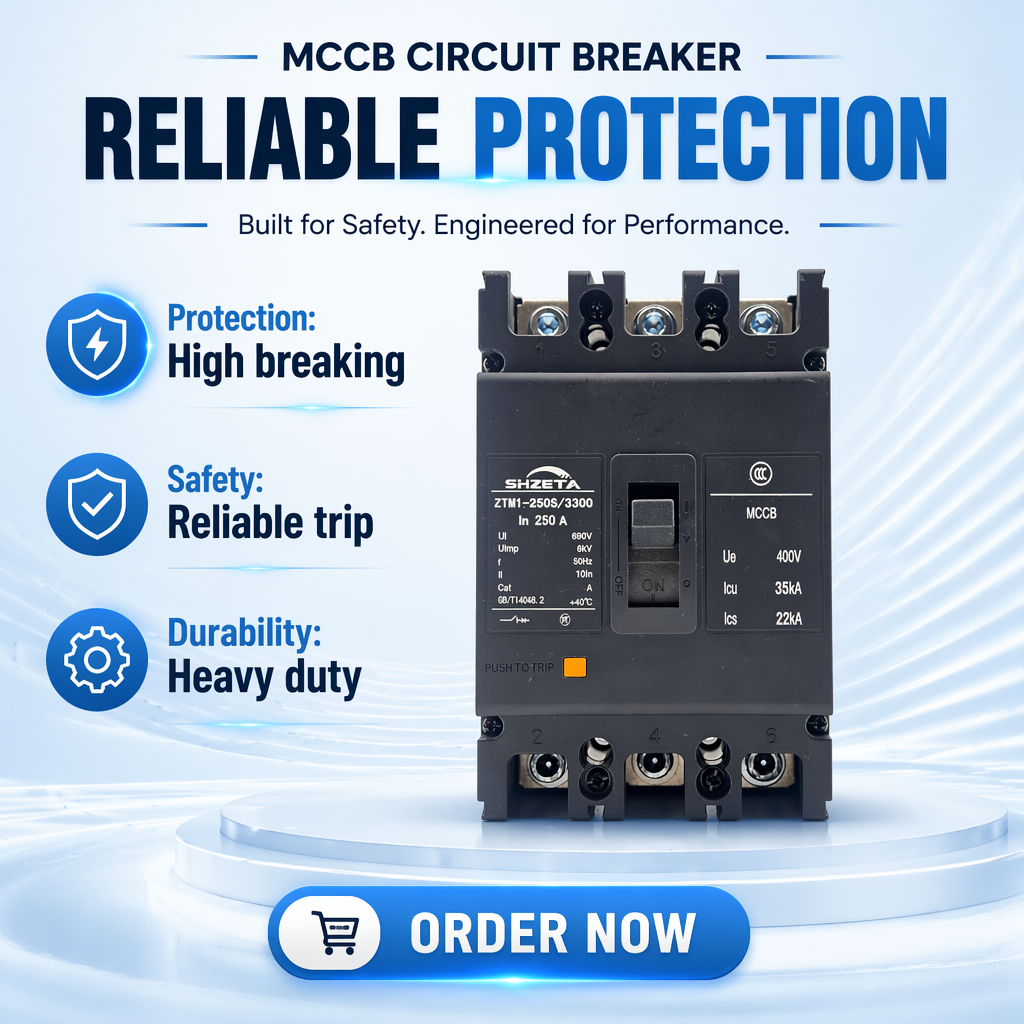
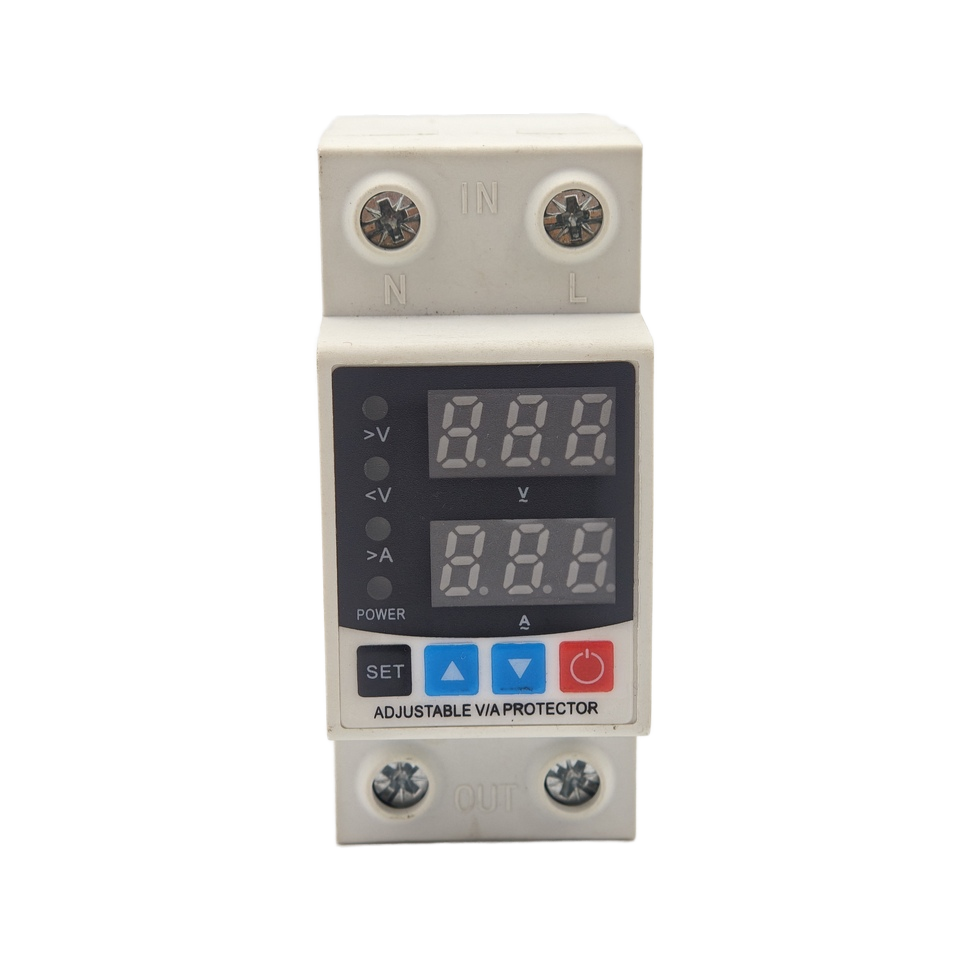
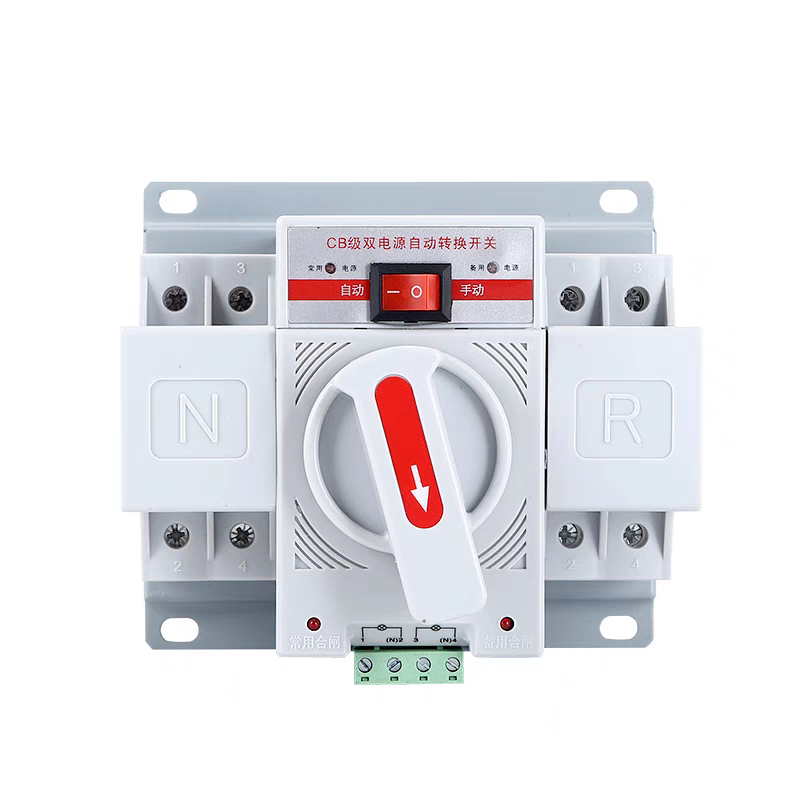
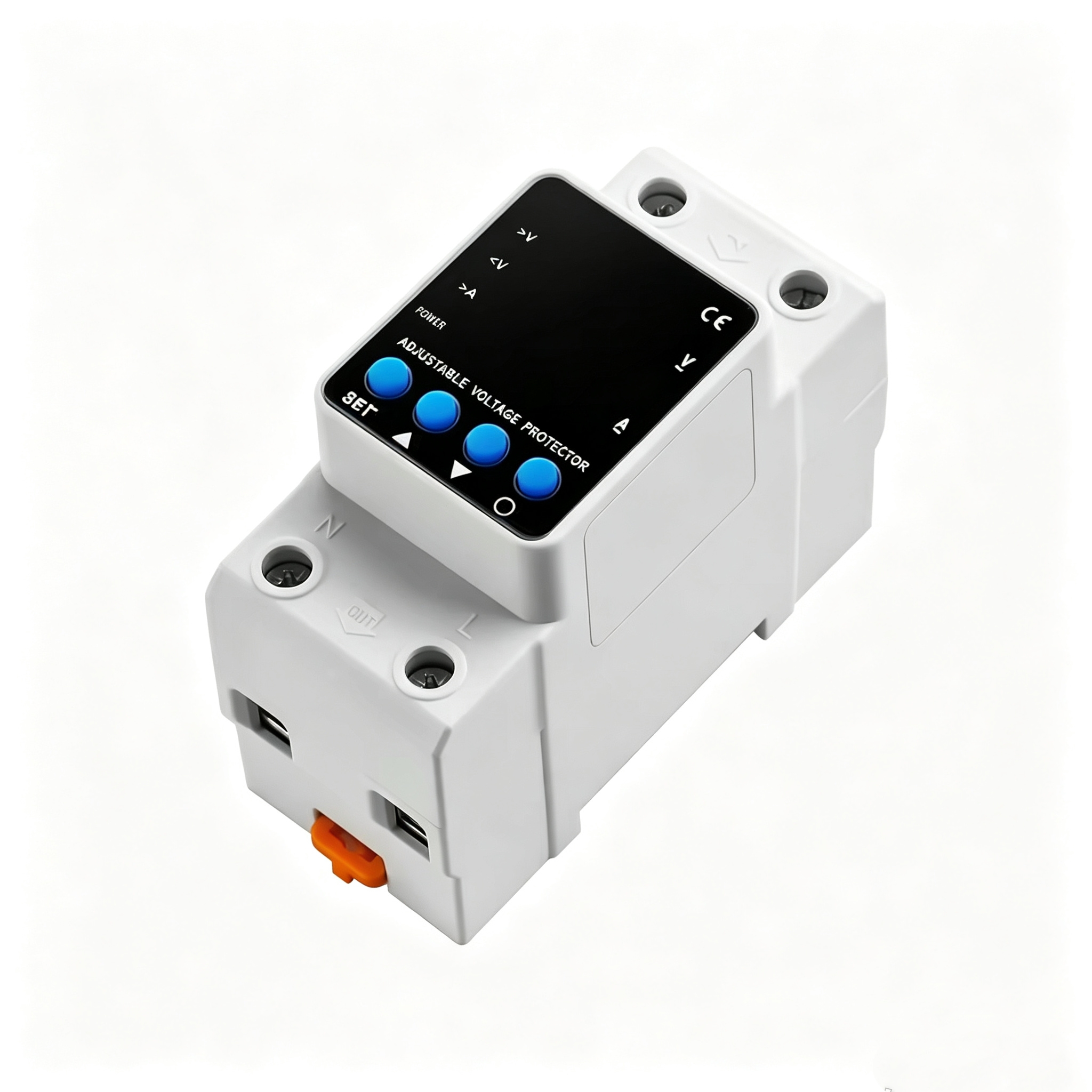
Explore our primary factory portfolio engineered for power distribution, motor switching, automatic power transfer, and surge protection. Built strictly to international IEC and CE standards for global OEM and B2B buyers.
Executive Summary: Global AC Contactor Market Landscape
Alternating Current (AC) Contactors serve as the fundamental electromechanical switching elements in modern electrical engineering. Designed to make, carry, and break electric currents under normal circuit conditions, including operating overload conditions, AC contactors are pivotal across industrial automation, HVAC/R climate control, renewable energy integration (solar PV inverters and wind energy turbines), electric vehicle (EV) charging infrastructures, and commercial building management systems (BMS).
According to international electromechanical market analysis, the global AC contactor market size was valued at approximately USD 5.8 Billion in 2023 and is projected to expand at a Compound Annual Growth Rate (CAGR) of 6.8% through 2030. Factors accelerating this market expansion include global industrial automation retrofits, rising adoption of heat pumps, expanding utility-scale solar farms requiring high-voltage AC switching, and modern panel-building practices governed by stringent safety standard IEC/EN 60947-4-1.
In-Depth Evaluation of the Top 10 AC Contactor Manufacturers & Exporters
Selecting the optimal AC contactor supplier requires an engineering evaluation balancing technical reliability, breaking capacity ($I_c$), electrical and mechanical lifespan, global certifications (UL, CE, CCC, EAC, CB), customization agility, and total cost of ownership (TCO). Below is an industry whitepaper breakdown of the market leaders and premier exporting manufacturers globally.
1. Schneider Electric
FranceAs the pioneer behind the benchmark TeSys series (TeSys Deca, TeSys Giga), Schneider Electric dominates the global low-voltage switching market. Their contactors are acclaimed for high breaking capacity, digital connectivity, modular auxiliary blocks, and advanced electronic coils handling wide voltage fluctuations (100V–250V AC/DC).
2. Siemens AG
GermanySiemens' SIRIUS 3RT modular switching line represents German precision engineering. Featuring compact frame sizes from S00 to S12 (up to 500kW / 400V), SIRIUS contactors integrate seamlessly into TIA (Totally Integrated Automation) environments, providing fail-safe operation, low heat dissipation, and long electrical endurance.
3. ABB Industrial Solutions
SwitzerlandABB’s flagship AF Series contactors revolutionized motor control with wide-band electronic coils as standard. AF contactors reduce coil energy consumption by up to 80% and manage voltage sags smoothly without chatter. Their 3-pole and 4-pole product spectrum ranges up to 2650A (AC-1) for severe industrial duties.
4. Zhejiang Graybar Electric Co., Ltd.
China (Export Leader)Located in Liushi, Wenzhou—China's premier low-voltage electrical manufacturing hub—Zhejiang Graybar Electric Co., Ltd. is a dominant manufacturing exporter. Specializing in high-performance AC Contactors, MCB, MCCB, ACB, SPD, and ATS, Graybar delivers OEM/ODM flexibility, low MOQs, custom laser-marking, silver-tin oxide ($AgSnO_2$) contact tips, and high-volume cost efficiency for global panel builders.
5. Eaton Corporation
USA / IrelandEaton’s xStart / DILM contactor range is widely specified across North America and Europe. Known for Toolless connection technology, SmartWire-DT fieldbus integration, and high compliance with UL 60947-4-1, Eaton contactors excel in harsh heavy-duty machinery and mining applications.
6. Mitsubishi Electric
JapanMitsubishi’s MS-N Series magnetic contactors are renowned for unmatched mechanical longevity and low noise operation. Engineered with patented arc-extinguishing structures and silver-alloy contacts, they are the preferred choice across East Asian manufacturing plants and automated assembly lines.
7. Fuji Electric
JapanFuji Electric’s SK and SC Series magnetic contactors feature high breaking capacities, dual-interlocking safety options, and compact dimensions. Their SUPER-MAGNET electronic coil mechanism ensures chatter-free operation even during voltage dips down to 65% of rated voltage.
8. LS ELECTRIC
South KoreaFormerly LG Industrial Systems, LS Electric offers the Metasol Series contactors. Metasol products provide seamless mounting with thermal overload relays (TOR) and manual motor starters (MMS), delivering excellent cost-performance ratios for OEM panel builders worldwide.
9. CHINT Electrics
ChinaCHINT is one of Asia's largest low-voltage component producers. Their NC1 and NCK3 series contactors serve mass residential, commercial HVAC, and solar inverter markets, relying on automated manufacturing lines to deliver consistent product volumes at competitive price points.
10. Lovato Electric
ItalySpecializing in motor control and automation components for over 100 years, Italy's Lovato Electric manufactures compact 3-pole and 4-pole contactors (BG and BF series) engineered for modular switchboards, pump systems, and industrial elevator controls.
Technical Comparison Matrix: Top Global AC Contactor Brands
The following comparative engineering matrix outlines critical technical parameters, material standards, and sourcing advantages across major AC contactor brands for B2B engineering evaluation:
| Manufacturer | Core Flagship Series | Current Range (AC-3) | Contact Material | Coil Technology | Key Sourcing Advantage |
|---|---|---|---|---|---|
| Schneider Electric | TeSys Deca / Giga | 9A – 800A | Silver-Tin Oxide ($AgSnO_2$) | Wide Band Electronic AC/DC | Global Brand Premium & Specification Recognition |
| Siemens | SIRIUS 3RT | 7A – 500kW | Silver Nickel / $AgSnO_2$ | Fail-Safe PLC Direct Control | Seamless TIA System Integration |
| ABB | AF Series | 9A – 2650A (AC-1) | Silver Cadmium Free Alloy | Wide-Band Low Consumption | Surge Suppression Built-In as Standard |
| Zhejiang Graybar | CJX2 / LC1-D Compatible | 9A – 630A | 88/12 Silver-Tin Oxide ($AgSnO_2$) | Copper Encapsulated AC/DC | Direct OEM Customization, Low MOQ, Factory Pricing |
| Eaton | xStart DILM | 7A – 1600A | High-Anti-Weld Silver Alloy | Conventional & Electronic | Toolless Connection & North American UL Market Focus |
| LS ELECTRIC | Metasol | 6A – 800A | Silver Alloy | AC/DC Universal Modules | Competitive Asian Regional Cost Architecture |
Product Engineering & Technological Development Trends
The electromechanical design of AC contactors is undergoing a rapid technological evolution driven by energy efficiency standards, harsh environmental endurance requirements, and the digital transformation of electrical panels. Key technological vectors shaping product R&D include:
1. Transition to $AgSnO_2$ (Silver-Tin Oxide) Contact Materials
Historically, Silver Cadmium Oxide ($AgCdO$) was widely utilized due to its excellent anti-welding and arc-erosion resistance. However, under European Union RoHS (Restriction of Hazardous Substances) directives and global environmental regulations, leading contactor manufacturers have fully transitioned to Silver-Tin Oxide ($AgSnO_2$) and Silver-Zinc Oxide ($AgZnO$) alloys. $AgSnO_2$ delivers superior material hardness, higher thermal resistance, and exceptional resistance to contact welding caused by high peak inrush currents (such as LED lighting loads and IE3/IE4 premium efficiency motor starting).
2. Electronic Wide-Voltage Coils & Energy Reduction
Traditional AC contactor electromagnetic coils rely purely on alternating current to maintain magnetic attraction across the iron core. This conventional design is susceptible to "coil chatter" or contact bouncing during supply line voltage drops, which rapidly erodes contact tips and risks contact welding. Modern electronic coils utilize an integrated microcontroller circuit that rectifies incoming AC/DC supply, smoothly pulling in the armature at high speed and reducing holding current by up to 75–80%. This prevents thermal overheating in sealed enclosures and guarantees stable operation across a wide voltage spectrum (e.g., 70% to 120% of nominal $U_s$).
3. Advanced Arc Quenching & Splitter Plate Geometries
When contactor contacts break an active electrical load under AC-3 or AC-4 utilization categories, an electrical arc is struck. Advanced contactor designs employ optimized arc chutes equipped with deionizing metallic splitter plates (arc chutes) and permanent magnetic blowout magnets. The Lorentz force drives the electric arc off the silver contact tips and into the splitter plates, cooling and extinguishing the arc within milliseconds, minimizing thermal stress on the arc chamber housing.
Optimize Your Electrical Supply Chain with Direct Factory Pricing
Need custom coil voltages, private-label laser etching, or technical cross-reference engineering for your distribution panels? Speak directly with Zhejiang Graybar's technical export sales team.
Contact UsFuture Procurement Trends for B2B Electrical Buyers
Global procurement strategies for low-voltage components are shifting away from sole-source OEM lock-ins toward flexible, multi-tiered supply chains. Enterprise buyers, electrical panel builders, and original equipment manufacturers (OEMs) are adopting the following procurement strategies:
Dual-Sourcing & Supply Chain Resilience
To mitigate geopolitical risk and logistics disruptions, multinational panel builders maintain a tier-1 premium brand for spec-heavy bids alongside a verified direct factory OEM supplier (such as Graybar) for standard commercial projects.
Demand for Flexible MOQs & Fast Prototyping
Industrial project schedules demand rapid technical approval. Exporters providing low Minimum Order Quantities (MOQs)—such as 5 units for standard contactors—enable engineering teams to validate physical samples rapidly before placing FCL orders.
Total Cost of Ownership (TCO) Prioritization
Procurement teams evaluate not only unit purchase cost, but also power loss watts per pole ($I^2R$), holding power consumption of coils, and replacement contact kit availability over a 10-year panel service life.
Enterprise Advantage: Zhejiang Graybar Electric Co., Ltd.
Based in Huangyu Village, Liushi Town, Wenzhou City—renowned globally as the capital of China's low-voltage electrical industry—Zhejiang Graybar Electric Co., Ltd. stands out as a highly specialized manufacturer and exporter of circuit protection and control equipment.
Graybar's modern manufacturing facilities bridge high-precision automated assembly with stringent quality verification protocols, delivering critical operational advantages for international distributors, wholesalers, and panel builders:
- Liushi Industrial Ecosystem Advantage: Direct integration with regional component supply chains ensures immediate access to high-purity copper windings, flame-retardant VO-rated engineering plastics (PA66), and precision silver contact stamping, drastically reducing production lead times.
- Comprehensive Low-Voltage Lineup: Consolidate your shipments by sourcing AC Contactors, Miniature Circuit Breakers (MCB), Moulded Case Circuit Breakers (MCCB), Air Circuit Breakers (ACB), Surge Protective Devices (SPD), and Automatic Transfer Switches (ATS) under a single consolidated Bill of Lading.
- Rigorous Quality Assurance Testing: Every contactor lot undergoes 100% mechanical trip calibration, dielectric voltage withstand checks (2500V AC), coil pull-in/drop-out voltage testing, and temperature rise inspection before export packaging.
- Agile OEM/ODM Customization: Full support for customized coil voltages (12V, 24V, 48V, 110V, 220V, 380V AC/DC), laser-etched private logos, multilingual user manuals, and customized terminal packaging.
Frequently Asked Questions (FAQ) for AC Contactor Procurement
Below are technical and commercial answers to the most frequent inquiries received by our application engineering team from global B2B electrical buyers:
What is the difference between AC-1, AC-3, and AC-4 utilization categories according to IEC 60947-4-1?
Utilization categories define the operating conditions and load characteristics:
• AC-1: Non-inductive or slightly inductive loads, such as electric resistance heaters (Power Factor $\ge 0.95$). Rated current is higher because there is no heavy inrush.
• AC-3: Squirrel-cage induction motors starting and switching off during normal running conditions. Inrush current can reach 5 to 7 times the rated operational current ($I_e$).
• AC-4: Severe motor duties involving plugging, inching (jogging), and reverse-current braking, causing extreme electrical contact wear and thermal shock.
How do I select between AC coil control and DC coil control for contactors?
AC coils use alternating current directly from the control circuit transformer, offering fast pull-in response but drawing higher inrush volt-amperes (VA). DC coils operate silently without humming, generate zero AC eddy current losses in the core, and do not chatter during control voltage drops. Electronic wide-voltage coils (AC/DC universal) combine the advantages of both.
What causes contact welding in AC contactors and how can it be prevented?
Contact welding occurs when high peak short-circuit currents or severe inrush spikes melt the surface of the silver contacts, fusing them together upon closing. Prevention requires specifying high-grade Silver-Tin Oxide ($AgSnO_2$) contact tips, matching proper short-circuit protective devices (MMS or MCCB for Type 2 coordination), and ensuring stable coil drive voltage to eliminate contact bounce.
What is the difference between Type 1 and Type 2 coordination according to IEC 60947-4-1?
Under short-circuit fault conditions:
• Type 1 Coordination: The contactor and overload relay must cause no danger to persons or installation, but may suffer permanent damage and require replacement before resuming service.
• Type 2 Coordination: The contactor suffers no damage or alteration except light welding of contacts (which must be easily separable with a screwdriver). The starter remains fully functional for immediate service resumption.
What OEM customization options does Zhejiang Graybar offer for wholesale orders?
Zhejiang Graybar Electric provides comprehensive OEM services including custom laser-printed product branding, personalized model numbering, wide-voltage coil customization (DC 12V up to AC 440V), custom terminal blocks, tailored box packaging, and multi-language installation instruction sheets. Minimum order quantities start as low as 5 pieces for standard models.
Ready to Request Technical Datasheets or Sample Quotations?
Connect directly with Zhejiang Graybar Electric's global engineering support desk for expert cross-referencing, price lists, and technical documentation.
Contact Us