Flagship Smart Transfer Switches & Coordinated Protective Equipment
Manufactured under strict ISO9001 and IEC 60947-6-1 test conditions. Designed for seamless utility, generator, and solar BESS power changeover with customizable breaking capacities, pole structures, and telemetry protocols.
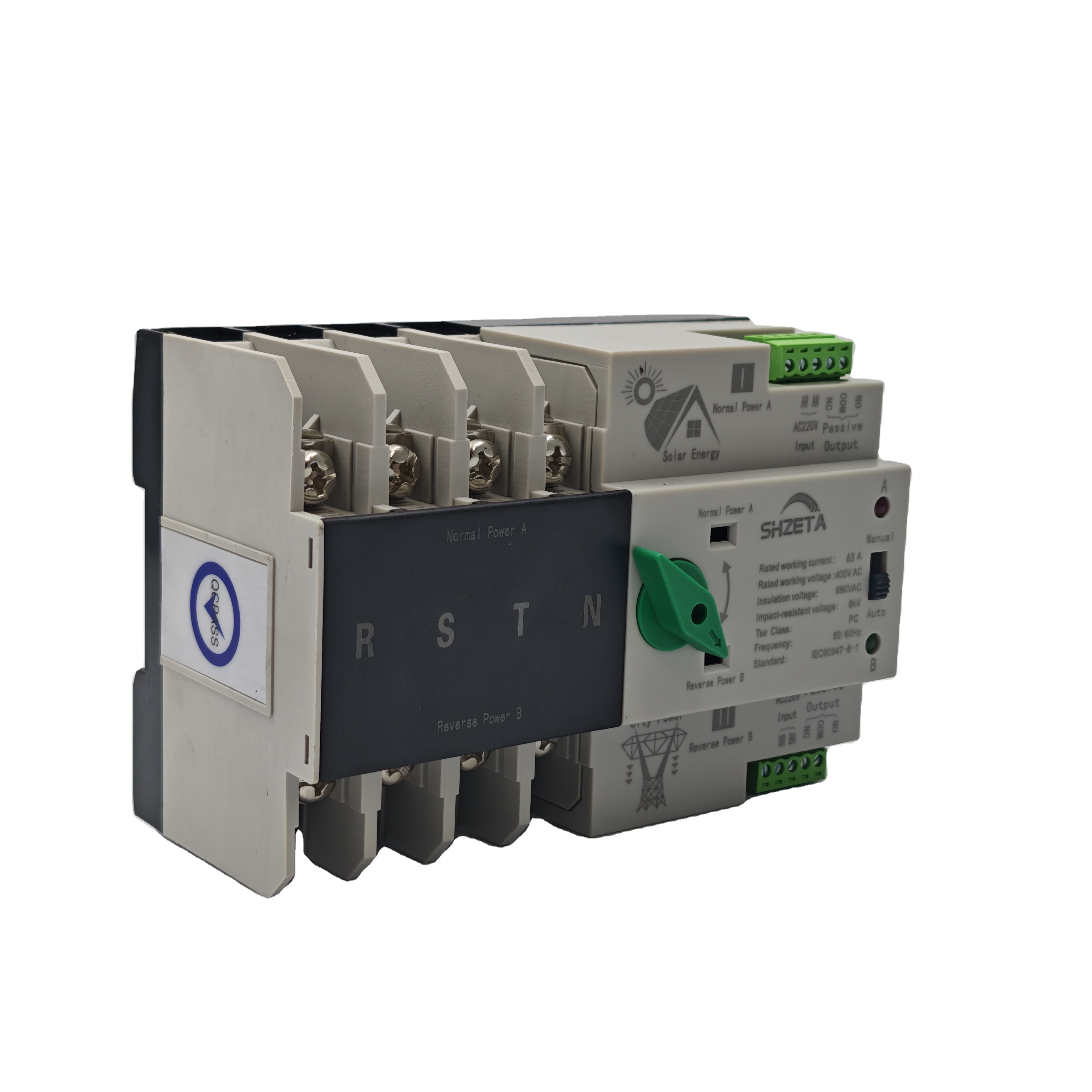
Din Rail ATS Double Power Automatic Transfer Switch 4P 100A 125A Three Phase PC Type AC 400V
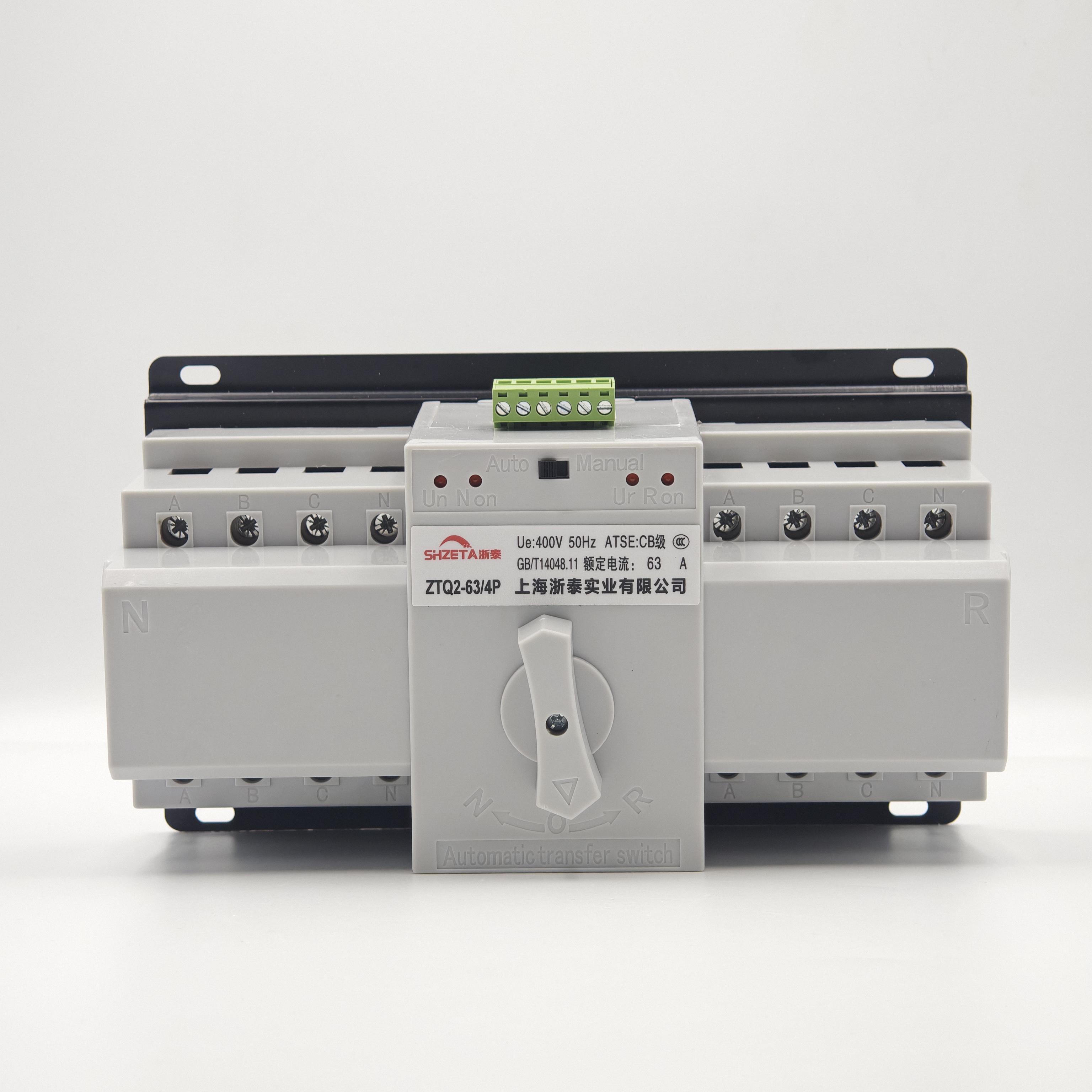
63A 4P Automatic Transfer Switch (ATS) Dual Power 400V CB Class for Solar Storage Systems
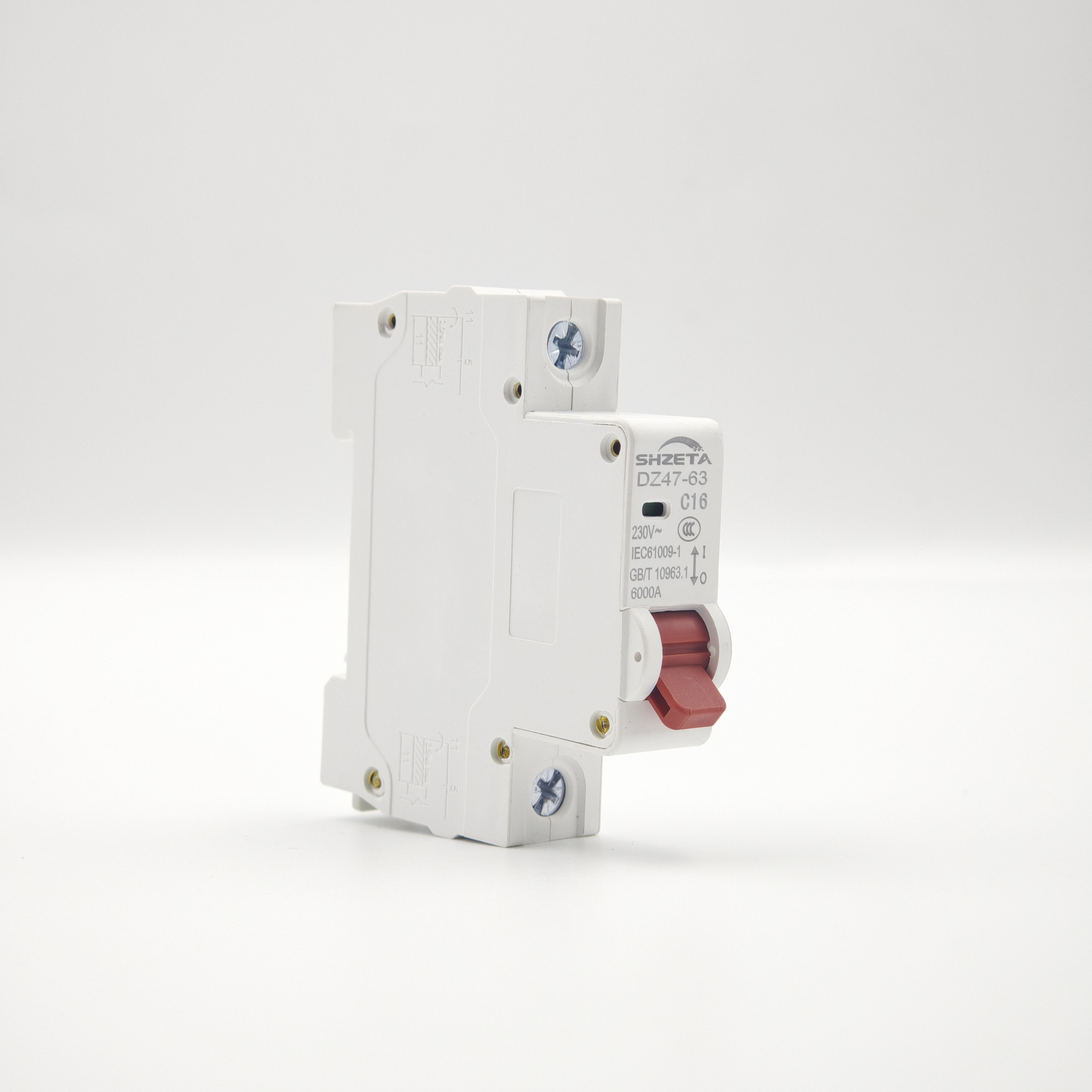
Mini Circuit Breaker 1P+N 2P 3P 4P Mechanical Interlocking Changeover Isolator
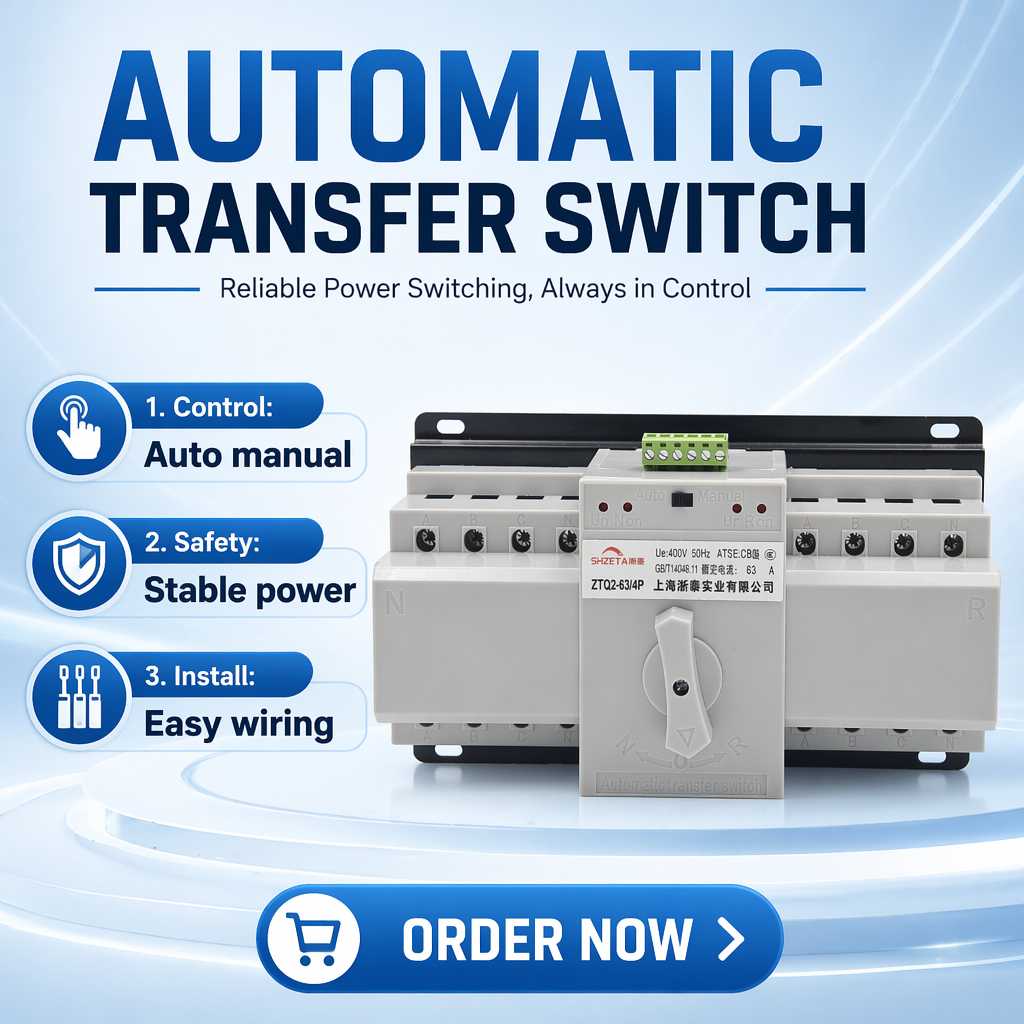
4P 63A Single Phase Manual Changeover Switch with Dual Breaker Interlocking Structure
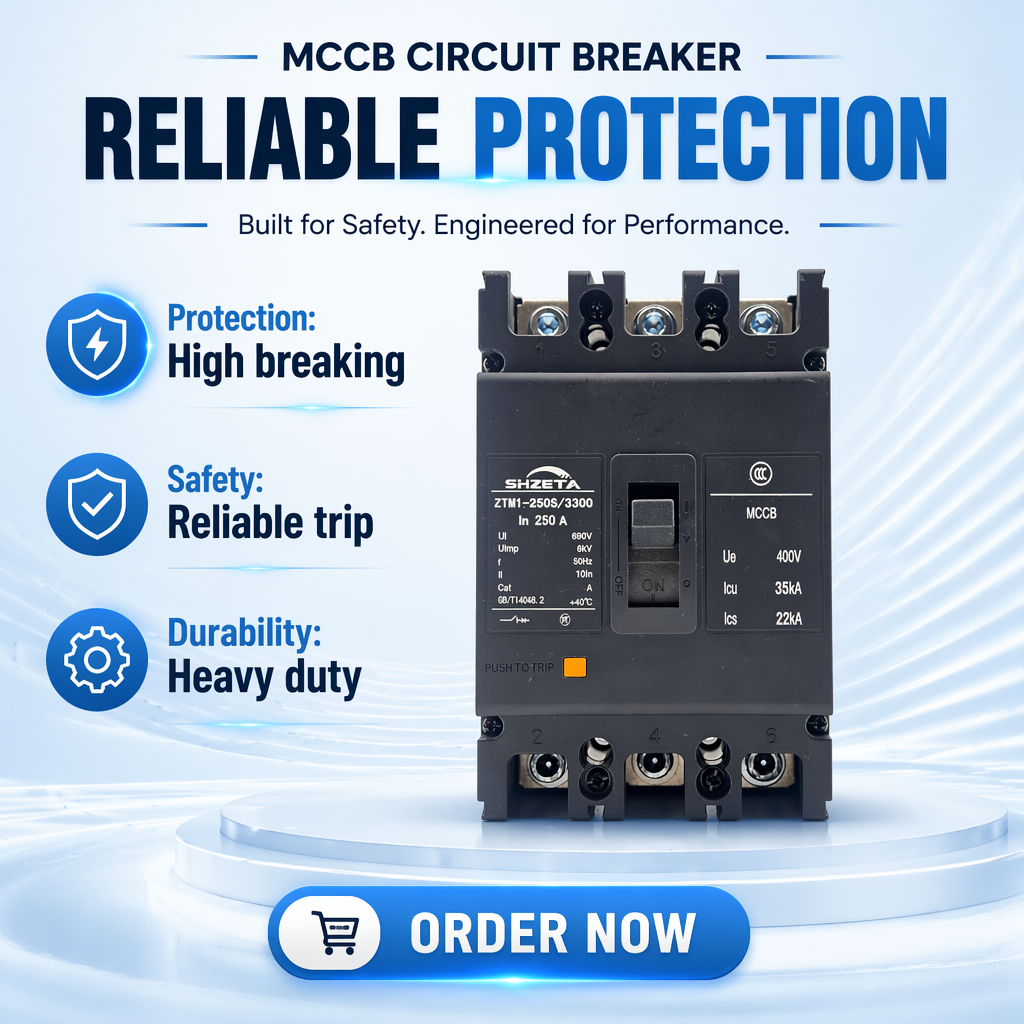
Molded Case Circuit Breaker Thermal-Magnetic Trip Unit 50kA/100kA 400VAC/690VAC
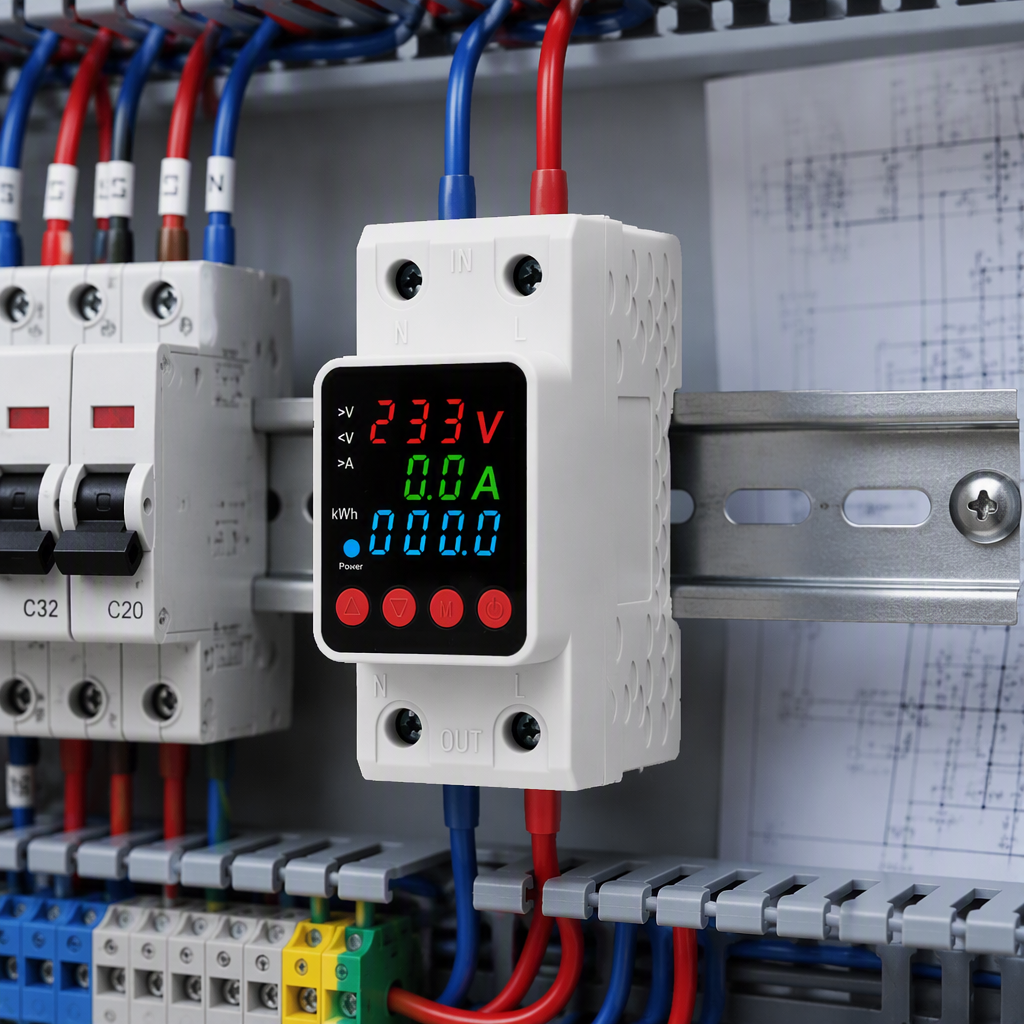
SHZETA Single Phase AC Voltage Meter with Auto Over/Under Voltage Cutoff & kWh Meter
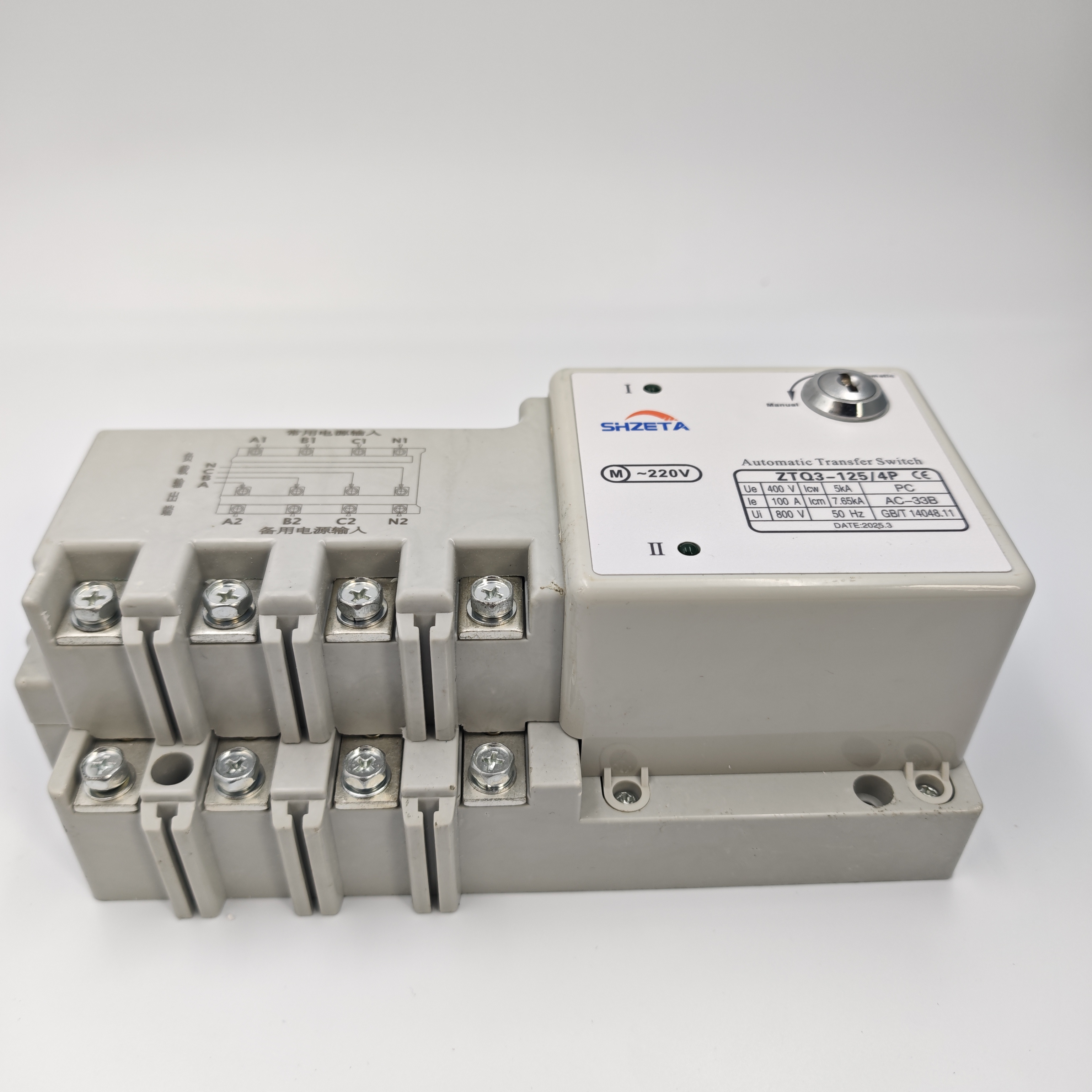
Dual Power Automatic Transfer Switch ZTQ3-100A/4P Industrial Duty Cycle Isolator
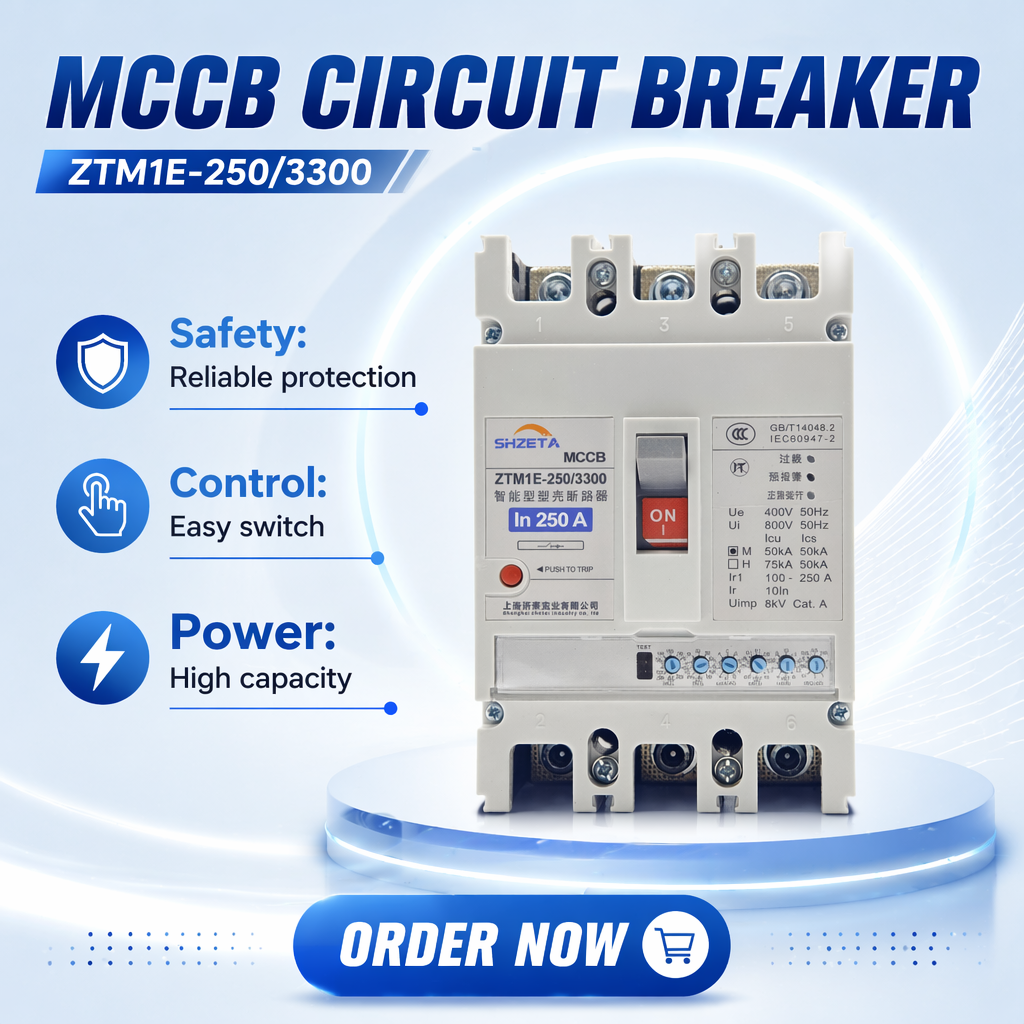
High-Capacity Molded Case Circuit Breaker 690VAC Dual Tier Busbar Coordinated Unit
Smart Transfer Switch (STS) Engineering: PC-Class vs. CB-Class Topology
Deciding between PC (Power Contact) Class and CB (Circuit Breaker) Class automatic transfer switches dictates panel footprint, short-circuit withstand ratings (Icw), coordination selectivity, and lifecycle system maintenance costs.
PC-Class Solenoid Mechanism
Built exclusively to carry and switch rated operational currents without integral overcurrent trips. Utilizing dual-coil electromagnetic solenoid drives, our PC-class units transfer in under 30–50ms. With massive silver-alloy contacts and heavy-duty arc chutes, they achieve exceptional short-time withstand current (Icw) ratings, ensuring that downstream distribution faults do not compromise primary transfer integrity.
CB-Class Breaker Interlocking
Constructed from two mechanically and electrically interlocked circuit breakers (MCBs or MCCBs) fitted with a motorized changeover transmission mechanism. CB-class switches supply both power transfer and built-in overcurrent and short-circuit interruption. They are ideal for cost-optimized branch panels where upstream feeder protective devices are absent or cannot guarantee dedicated selective coordination.
In-Phase vs. Delayed Transition
Inductive motor loads and medical imaging machines generate significant counter-electromotive forces (CEMF) upon disconnection. Our digital microprocessor controllers monitor phase-angle synchronization across dual live sources, executing in-phase transfers within a ±5° window, or introducing a programmed center-off neutral delay (0–300s) to allow downstream inductive magnetic fields to collapse safely before source re-engagement.
| Engineering Parameter | PC-Class Transfer Switch | CB-Class Transfer Switch | Hybrid Solid-State Static Switch (STS) |
|---|---|---|---|
| Governing Standard | IEC 60947-6-1 / GB/T 14048.11 | IEC 60947-6-1 & IEC 60947-2 | IEC 62310-1 / IEC 62310-2 |
| Transfer Action Time | 20 ms – 50 ms (Fast Mechanical) | 80 ms – 250 ms (Motor Drive) | ≤ 4 ms – 8 ms (Sub-Cycle SCR) |
| Overcurrent Protection | Requires External Fuse / MCCB | Integral Thermal-Magnetic / MicroLogic | Requires External Fast-Acting Fuses |
| Short-Circuit Withstand (Icw) | Extremely High (10kA – 50kA for 30ms-60ms) | Governed by Breaker Interruption (Icu) | Moderate (Limited by SCR Diode I²t) |
| Typical Application Footprint | Data Centers, Hospitals, Solar Microgrids | Commercial Feeders, Standby Gensets | Mission-Critical Server Racks, Telecom UPS |
| Maintenance & Longevity | High Endurance (> 10,000 cycles) | Medium Endurance (≈ 4,000–8,500 cycles) | Solid-State (> 1,000,000 switching operations) |
Global Procurement Trends: What Major Electrical Importers Are Specifying
Supply chain dynamics for low-voltage power distribution are transitioning rapidly. EPC contractors and panel builders face stringent decarbonization goals, rooftop solar-plus-storage proliferation, and remote telemetry demands.
1. Bidirectional PV-BESS ATS
Standard transfer switches were designed for unidirectional utility-to-diesel generator topologies. Modern tenders demand bidirectional switches capable of managing grid-tied versus off-grid energy storage inverters, handling sudden reverse power flows without false contact tripping.
2. IoT Modbus & Wireless Telemetry
Procurement teams now mandate native RS-485 Modbus-RTU, Ethernet, or LoRa/NB-IoT interfaces directly embedded in the ATS controller. Facility engineers monitor voltage harmonic distortion (THD), phase imbalance, contact temperature rise, and cycle health in real time.
3. 4-Pole Fully Switched Neutral
In modern facilities with extensive LED drivers, Variable Frequency Drives (VFDs), and IT hardware, third-harmonic neutral currents run high. Global procurement guidelines increasingly enforce 4P ATS with overlapping neutral contacts to prevent dangerous floating neutrals during transfer.
4. Low Initial MOQ & Private Label
Rather than tying up working capital in massive container loads of unverified stock, international distributors favor Tier-1 factories offering low pilot-run MOQs (5 to 10 pcs) paired with turnkey laser-etch branding, multilingual manuals, and tailor-made trip curves.
Zhejiang Graybar Electric: World-Class Low-Voltage Manufacturing in Liushi
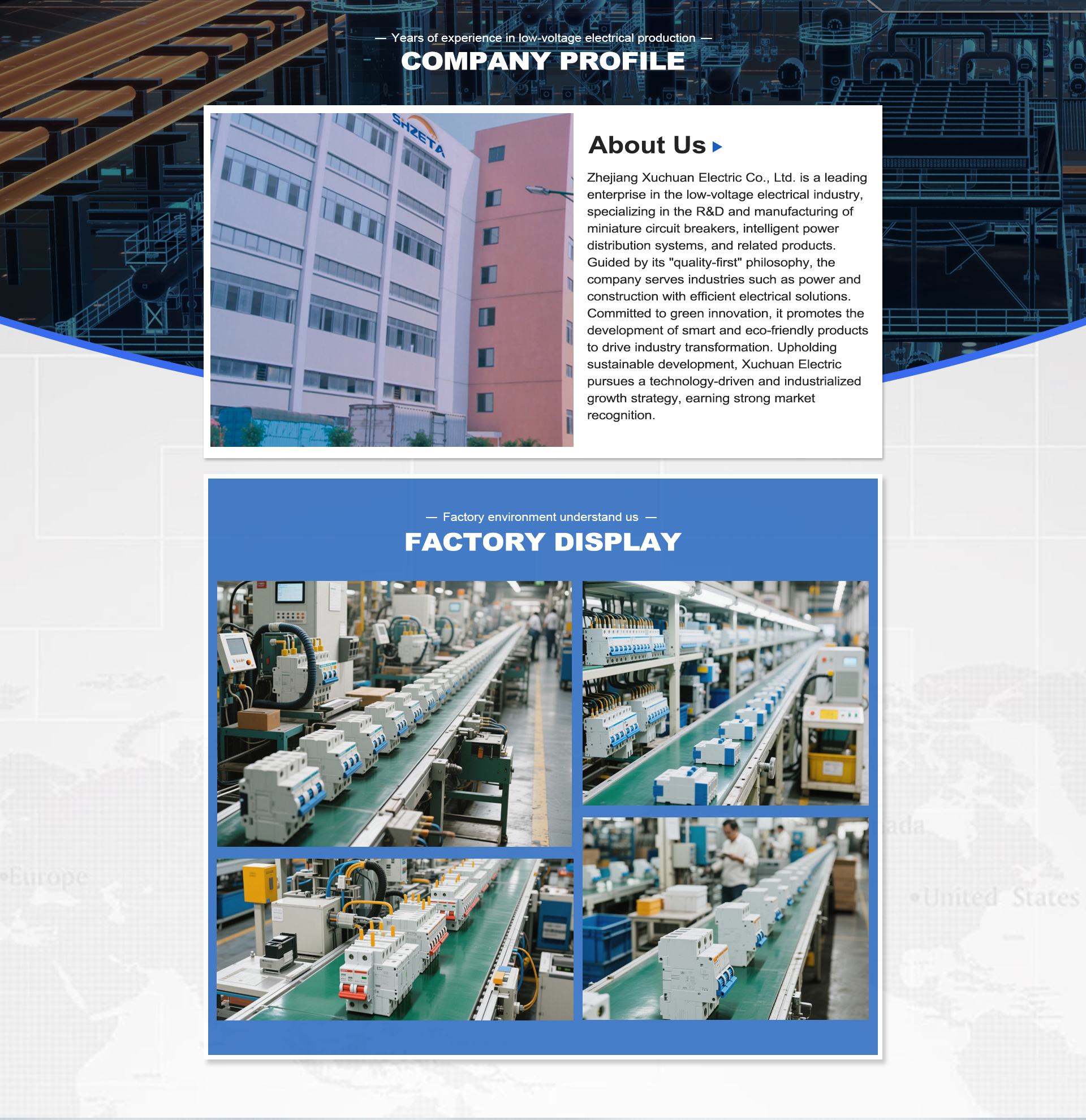
Rooted in China's electrical capital—Liushi Town, Wenzhou—Zhejiang Graybar Electric Co., Ltd. combines localized supply chain speed with rigorous ISO 9001 and IEC manufacturing standards. Unlike purely assembly-based traders, our vertically integrated plant executes high-precision DMC (Dough Moulding Compound) compression molding, silver alloy contact brazing, stamping, and automated secondary bench calibrations under one roof.
We solve the common failure points in commercial transfer switches: premature contact erosion, electromagnetic coil burnout under low-voltage conditions, and mechanical jamming. By engineering moving contacts with a minimum of 88% Silver-Cadmium Oxide (AgCdO) or Silver-Tin Oxide (AgSnO2) matrix, our transfer contacts resist welding even under prospective peak fault currents exceeding 50kA.
Next-Generation Transfer Switch Engineering Trends
The convergence of renewable microgrids, battery storage, and artificial intelligence is fundamentally reshaping power transfer architecture across industrial and commercial facilities.
Solid-State Hybrid Switching
Mechanical transfer switches inevitably suffer from contact arc generation. Next-gen smart transfer switches incorporate silicon-controlled rectifiers (SCRs) in parallel with bypass mechanical contacts. The SCR conducts during the brief millisecond transition to eliminate arcing, and mechanical contacts close immediately thereafter to eliminate ongoing semiconductor heat dissipation.
Predictive Health & Contact Wear Edge AI
Embedded sensors continuously measure milli-volt drops across closed contacts during peak load, as well as mechanical transit velocity. On-board machine-learning algorithms extrapolate contact erosion and predict residual operating life (RUL), sending maintenance alerts across BACnet or Modbus before a catastrophic switch failure occurs.
Autonomous Islanding & Black-Start Sync
Future transfer architectures must interface seamlessly with grid-forming inverters. Next-generation ATS controllers autonomously issue gen-start, shed non-essential load tiers, balance microgrid voltage and frequency vectors, and synchronize back to main utility power without interrupting sensitive computing hardware.
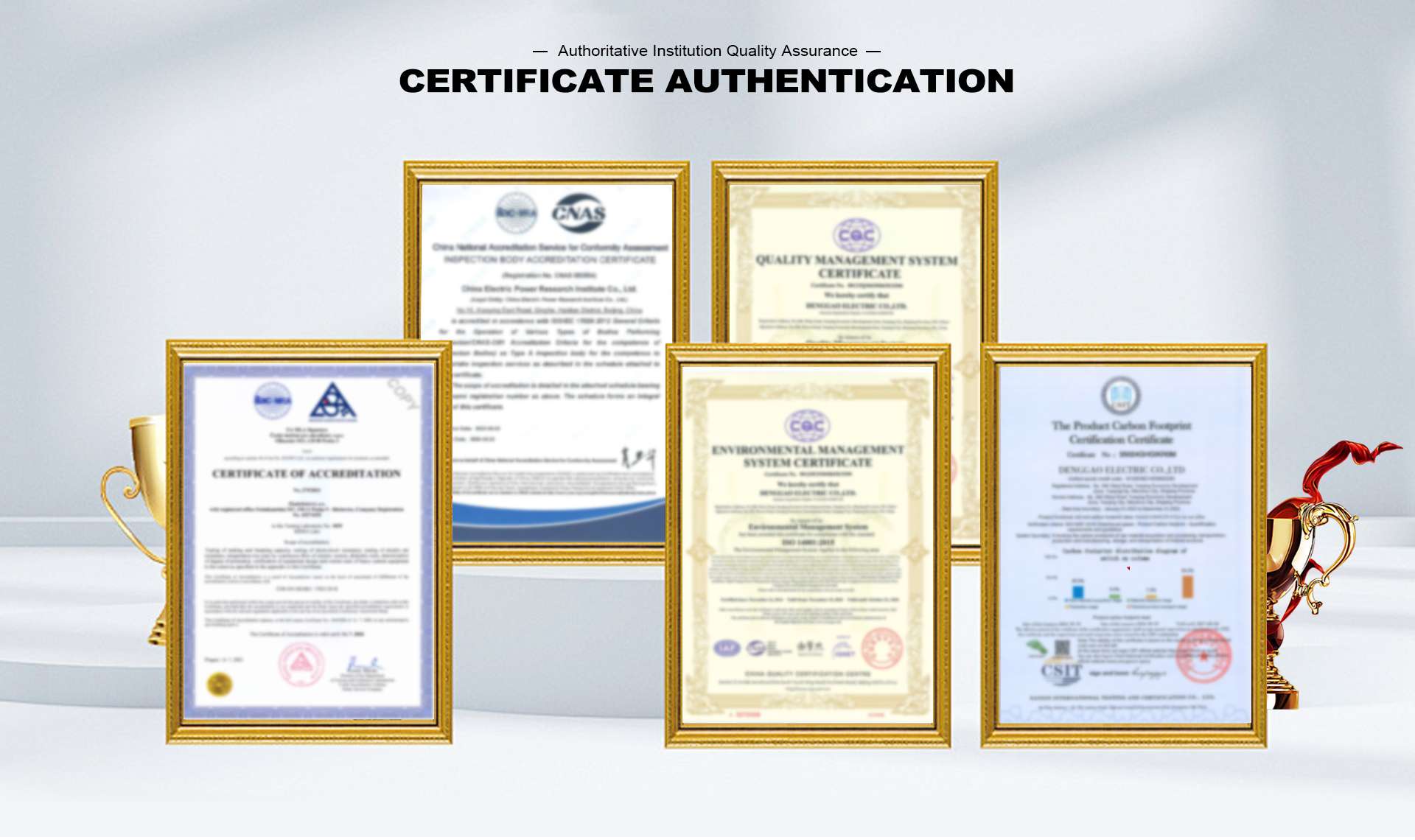
Comprehensive batch dielectric, trip timing, and thermal temperature-rise verification benches.

Full-spectrum low-voltage switchgear lineup enabling consolidated BOM container shipments.
Frequently Asked Procurement & Engineering Questions (FAQ)
Direct technical answers to common queries submitted by electrical EPCs, switchboard builders, and global sourcing specialists.
What is the fundamental difference between PC-Class and CB-Class Automatic Transfer Switches?
A PC-Class ATS is capable of making and withstanding short-circuit currents, but is not designed to clear fault currents itself. It relies on high-speed electromagnetic coils or motorized mechanisms with robust silver contacts capable of extremely high short-time withstand ratings (Icw). It switches within 30–50 milliseconds without tripping out during through-faults. In contrast, a CB-Class ATS utilizes two complete circuit breakers equipped with thermal-magnetic or electronic overcurrent releases interconnected with mechanical linkage. A CB-class unit automatically breaks fault currents, but features longer mechanical transition times (80–250ms) and lower overall endurance ratings.
Why should electrical engineers specify 4-pole (4P) ATS instead of 3-pole (3P) in commercial installations?
Specifying 4-Pole ATS is critical in systems with separately derived sources (such as an on-site generator with a bonded neutral) or installations containing multi-grounded neutral conductors. When switching between utility power and a standby generator, using a 3-pole switch with an unbroken neutral conductor creates multiple ground loops. This leads to false tripping of sensitive Ground Fault Protection (GFP/RCD) relays, circulating harmonic ground currents, and dangerous stray neutral currents flowing through the equipment grounding conductor during unbalanced system operation. A 4P switch with switched or overlapping neutral completely isolates the unselected source neutral conductor.
What customization services (OEM/ODM) does Zhejiang Graybar Electric support for international distributors?
We provide full-scope white-label manufacturing: custom laser-etched front bezels with your brand logo, tailored controller firmware (customized under/over voltage thresholds, frequency bands, delay timers, and RS485 communication registers), multi-language product packaging, custom rated current calibrations (from 16A to 3200A), choice of frame enclosure materials (V0 flame retardant plastics, BMC/DMC composite moldings), and complete technical compliance documentation packages referencing target export destination testing regimes.
What are your Minimum Order Quantities (MOQs) and production lead times for standard vs customized configurations?
To support sample bench testing and system type approval by foreign engineering boards, our standard catalog transfer switch units (such as 63A–125A DIN rail models) have an initial MOQ of only 5 pieces. Large industrial frame ACB-type transfer units start from 1 piece. Standard off-the-shelf samples dispatch within 3 to 5 business days. Full container orders (FCL) of mixed switchgear (MCBs, MCCBs, SPDs, ATS) typically ship in 20 to 25 calendar days directly from Ningbo or Shanghai port.
How do Graybar switches guarantee safe transfer between grid power and solar hybrid storage inverters?
Solar photovoltaic inverters with lithium battery storage often operate with anti-islanding algorithms that disconnect abruptly when grid sync is lost, but switch to off-grid mode within 10–20ms. Our solar-dedicated dual power transfer switches are tested according to utilization category AC-33B/AC-31B. They feature dual auxiliary feedback contacts that signal the hybrid inverter to throttle back solar generation momentarily prior to mechanical line reconnection, eliminating destructive voltage spikes and phase-opposition switching.
Partner Directly With a Premier Chinese Switchgear Manufacturer
Eliminate middleman markups, obtain verified factory-direct pricing, review certified third-party type test reports, and accelerate your project pipeline. Our bilingual sales engineers respond within 8 business hours.