Featured Products & Components
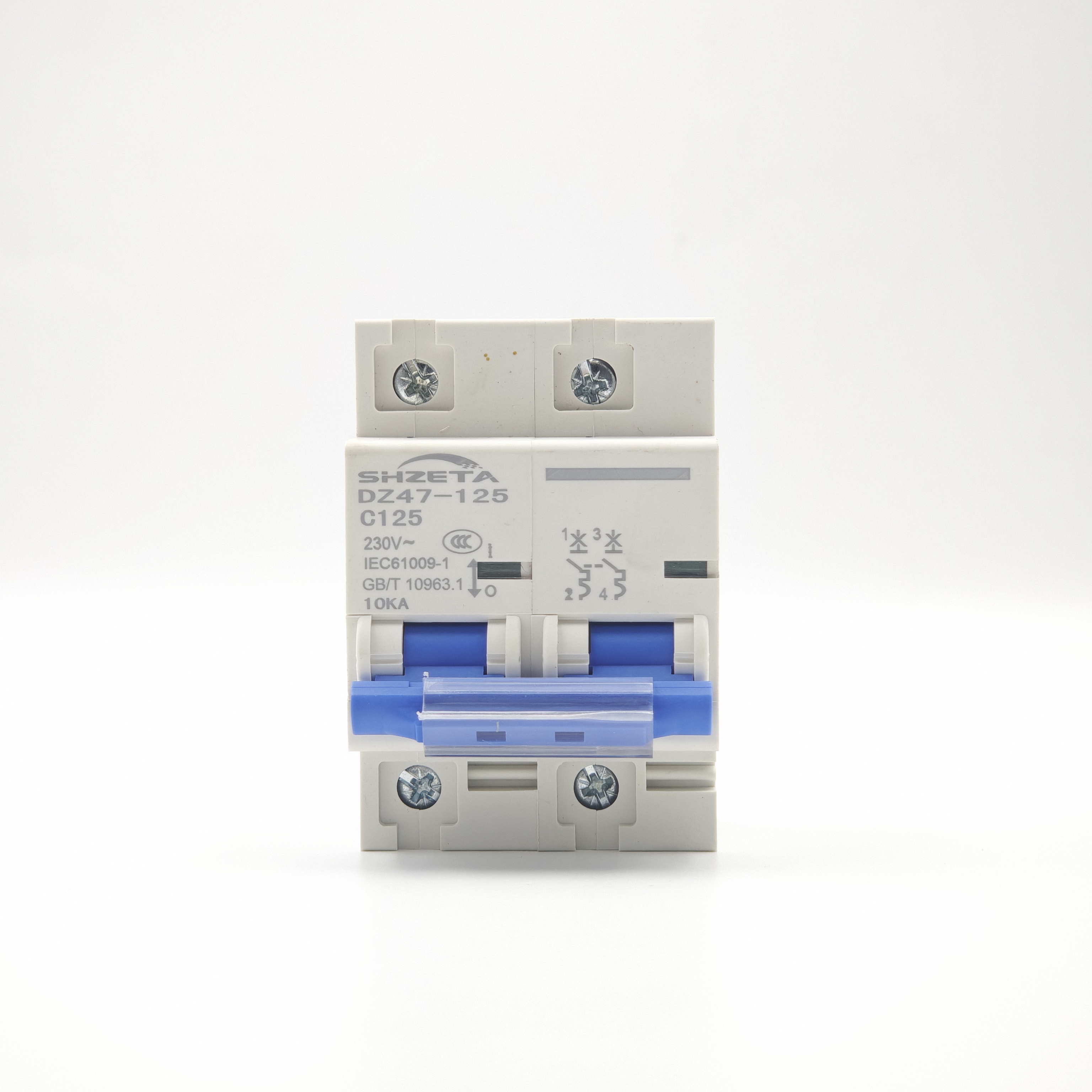
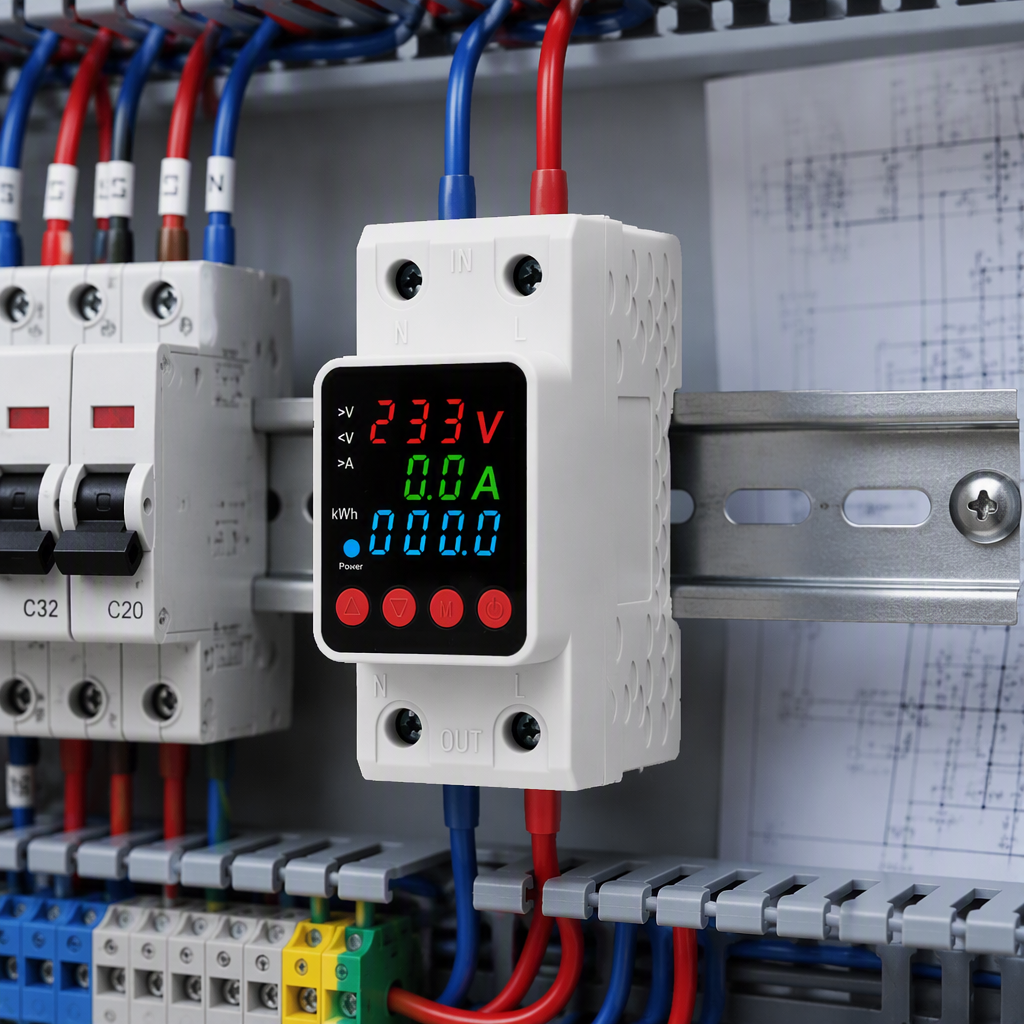
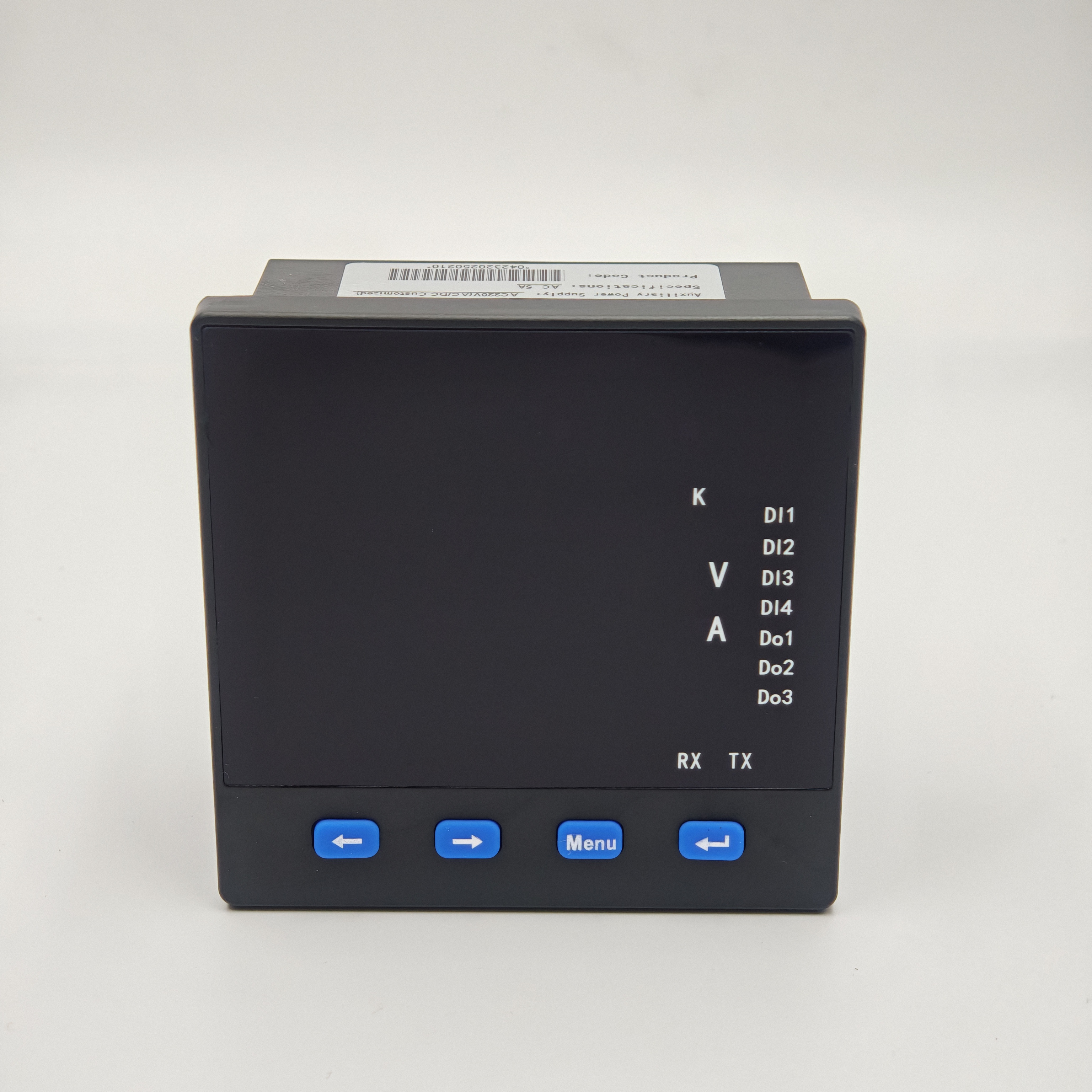
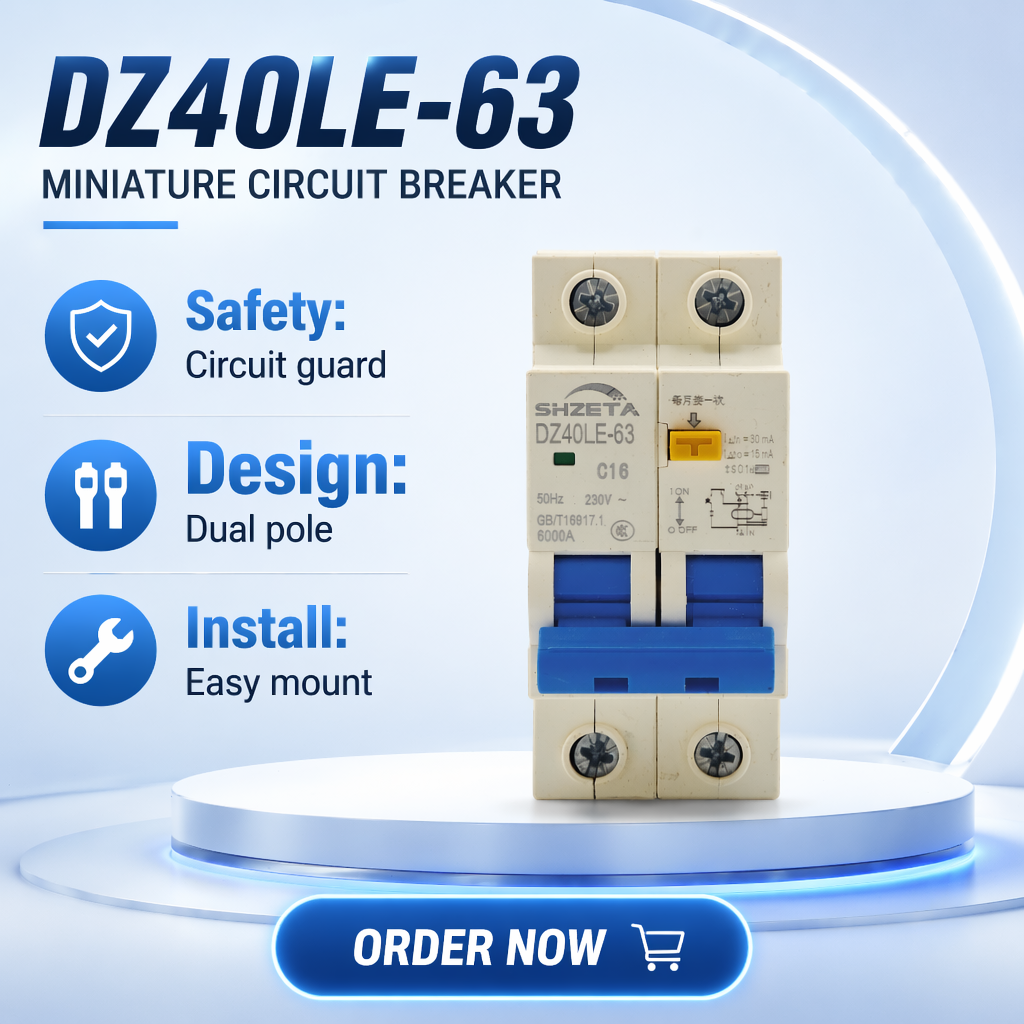
Explore our certified range of circuit breakers, energy meters, automatic transfer switches, and industrial protection units built for international panel builders and OEM distributors.
1. Engineering Fundamentals of Magnetic Contactors in Industrial Power Systems
A magnetic contactor serves as the fundamental electromechanical switching muscle in modern electrical engineering. Designed for high-frequency connection and disconnection of AC and DC power circuits under heavy electrical loads, magnetic contactors differ significantly from standard circuit breakers. While circuit breakers are primarily designed to interrupt fault currents under short-circuit anomalies, magnetic contactors excel at continuous duty cycles, remote operation, and automated motor control switching under normal operational currents (AC-1 through AC-4 utilization categories as specified in IEC 60947-4-1).
At the architectural core of an industrial AC contactor lies an electromagnet system (consisting of a stationary core, a movable armature, and an encapsulated operating coil), a main contact system with specialized arc chutes, and auxiliary contacts for control logic feedback. When energized, the electromagnetic coil generates a concentrated magnetic field that pulls the armature closed, compressing main stationary and movable silver-alloy contacts to complete the circuit.
Technical Information Gain: Contact material selection dictates operational lifespan. Standard contactors often utilize low-grade silver-nickel (AgNi) alloys susceptible to contact welding under inductive inrush. Zhejiang Graybar Electric utilizes premium Silver Tin Oxide (AgSnO2) and Silver Cadmium Oxide (AgCdO) composites, increasing contact erosion resistance by up to 300% under high-inductance AC-3 motor starting conditions.
Arc Suppression Physics & Thermal Dissipation Optimization
During contact separation under load, the ionization of air forms an intense electrical arc generating local temperatures exceeding 3,000°C. Advanced magnetic contactors engineered by OEM manufacturers integrate multi-plate arc splitter chutes (de-ion grids). As the contacts separate, the electromagnetic Lorentz force drives the electric arc upwards into the splitter plates, subdividing the single arc into multiple series arcs. This rapidly cools the plasma, increases the total arc voltage above the system supply voltage, and extinguishes the arc in milliseconds, safeguarding panel infrastructure against catastrophic flashovers.
2. Strategic Advantages of Zhejiang Graybar Electric Co., Ltd. for Global Buyers
Headquartered in Huangyu Village, Liushi Town, Wenzhou City, Zhejiang Province—widely recognized as China's premier low-voltage electrical manufacturing hub—Zhejiang Graybar Electric Co., Ltd. stands as a trusted, on-site verified OEM/ODM manufacturer and exporter. Operating directly at the center of the world's most concentrated electrical component supply chain allows us to provide unprecedented cost efficiencies, rapid raw material sourcing, and end-to-end quality control.
Vertical In-House Production
From precise plastic injection molding of high-temperature flame-retardant housings (PA66 with 30% glass fiber) to silver-point contact stamping and coil winding, we control 90% of the manufacturing value chain under one roof.
Rigorous Quality Assurance
100% automated inspection protocol covering pull-in and drop-out coil voltage testing, contact bounce analysis, dielectric strength testing at 2,500V AC, and automated thermal overload trip calibration before final export packaging.
Flexible B2B Sourcing Models
Unmatched commercial flexibility: Low starting MOQs for standard units (starting from 5 pieces for standard models and 1 piece for heavy ACB/Contactor units) to support trial testing before scaling to full container orders.
Custom OEM & ODM Capabilities Matrix
For international electrical brand owners, panel builders, and regional importers, Zhejiang Graybar Electric offers comprehensive customization programs engineered to exact technical specifications:
- Coil Voltage & Frequency Engineering: Custom AC control voltages (24V, 48V, 110V, 220V, 230V, 380V, 415V at 50/60Hz) and DC wide-voltage electronic control modules (12V DC, 24V DC, 48V DC, 110V DC, 220V DC).
- Auxiliary Contact Configurations: Tailored combinations of Normally Open (NO) and Normally Closed (NC) auxiliary blocks (1NO, 1NC, 2NO+2NC, 4NO, 4NC) with top and side snap-on mounting.
- Branding & Packaging Aesthetics: High-precision laser marking for custom logos, model designations, wiring diagrams, customized color sliders, and private-label retail packaging with multilingual manuals.
3. Industrial Magnetic Contactor Specification & Selection Matrix
Selecting the optimal magnetic contactor requires precise alignment between duty cycles, motor power ratings, operational voltages, and expected electrical endurance. Below is the technical performance comparison chart for Zhejiang Graybar's industrial contactor lineup (compatible with LC1D and CJX2 industry standards):
| Model Series | Rated Current (AC-3, 380V) | Motor Power (3-Phase, 380/415V) | Thermal Current (Ith, AC-1) | Electrical Life (Ops) | Mechanical Life (Ops) | Auxiliary Contacts |
|---|---|---|---|---|---|---|
| GBC-09 (CJX2-09) | 9 A | 4.0 kW / 5.5 HP | 25 A | 1,200,000 | 10,000,000 | 1NO or 1NC |
| GBC-12 (CJX2-12) | 12 A | 5.5 kW / 7.5 HP | 25 A | 1,200,000 | 10,000,000 | 1NO or 1NC |
| GBC-18 (CJX2-18) | 18 A | 7.5 kW / 10 HP | 32 A | 1,000,000 | 10,000,000 | 1NO or 1NC |
| GBC-25 (CJX2-25) | 25 A | 11 kW / 15 HP | 40 A | 1,000,000 | 10,000,000 | 1NO + 1NC |
| GBC-32 (CJX2-32) | 32 A | 15 kW / 20 HP | 50 A | 800,000 | 8,000,000 | 1NO + 1NC |
| GBC-65 (CJX2-65) | 65 A | 30 kW / 40 HP | 80 A | 600,000 | 6,000,000 | 1NO + 1NC |
| GBC-95 (CJX2-95) | 95 A | 45 kW / 60 HP | 125 A | 600,000 | 6,000,000 | 1NO + 1NC |
* Note: Custom current ratings up to 630A and specialized DC contactors for solar photovoltaic / battery energy storage system (BESS) switching are available upon request.
4. Future Procurement Trends & Technology Roadmap (2025–2030)
As global industries transition toward automated smart factories, renewable energy integration, and stringent carbon reduction mandates, the magnetic contactor industry is undergoing a massive technological evolution. Importers, distribution engineers, and panel builders must align their procurement strategies with four key market trends:
1. Electronic Coils & Wide-Voltage Technology
Traditional AC contactors suffer from coil humming, high power consumption during holding state (up to 15-20 VA), and vulnerability to voltage sags. Modern B2B buyers are rapidly shifting to electronic wide-voltage coils (e.g., 100V-250V AC/DC in a single coil). Electronic coils reduce holding power consumption by up to 75%, eliminate contact chatter, and prevent coil burnout caused by severe grid voltage fluctuations.
2. Solar PV & Energy Storage DC High-Voltage Switching
With solar photovolatic (PV) installations expanding to 1000V and 1500V DC operating thresholds, traditional AC contactors cannot break pure DC currents due to the absence of natural zero-crossing points. Advanced DC contactors equipped with magnetic blowout permanent magnets and hermetically sealed gas-filled (hydrogen/nitrogen) arc chambers are becoming mandatory for solar inverters, EV supercharging hubs, and commercial battery storage systems.
3. Smart IoT Integration & Predictive Maintenance
Inductor contactors are increasingly integrated into smart motor management controllers (MMCs) via Modbus-RTU, IO-Link, or Ethernet protocols. Real-time monitoring of contact erosion depth, coil operating temperature, switching cycle counts, and load currents allows industrial operators to move from reactive maintenance to predictive replacement, avoiding unscheduled assembly line downtime.
4. Cadmium-Free Eco-Friendly Material Compliance
Global environmental directives such as European RoHS, REACH, and WEEE are strictly phasing out heavy metal contact materials containing cadmium (AgCdO). Forward-thinking OEM suppliers like Zhejiang Graybar have transitioned standard production to eco-friendly Silver Tin Oxide (AgSnO2) and Silver Zinc Oxide (AgZnO), ensuring seamless compliance across North American and European markets.
5. B2B Buyer Sourcing Guide: How to Evaluate & Audit Contactor Manufacturers
For international buyers navigating the global supplier landscape, differentiating between cheap low-quality assemble-and-ship trading intermediaries and genuine manufacturing facilities is critical to brand protection and long-term supply safety. When conducting factory audits and technical evaluations, insist on verifying the following five parameters:
- Contact Tip Thickness & Composition Analysis: Ask suppliers for precise metallographic test reports detailing the weight percentage of pure silver (typically 85% to 90% Ag) and actual contact tip thickness. Inferior contactors often reduce silver content to under 50% or use thin flash plating, resulting in contact welding within a few thousand switching cycles.
- Temperature Rise Testing (IEC 60947-1 Compliance): Verify that terminal temperature rise does not exceed 65K under full rated thermal current ($I_{th}$). Excessive terminal heat degrades wire insulation and causes thermal breakdown of adjacent switchgear components inside enclosed control panels.
- Plastic Housing Flame Retardancy Grade: Insist on housing materials certified to **UL94-V0** self-extinguishing flame retardancy ratings. Substandard plastic materials melt or catch fire during localized arcing events.
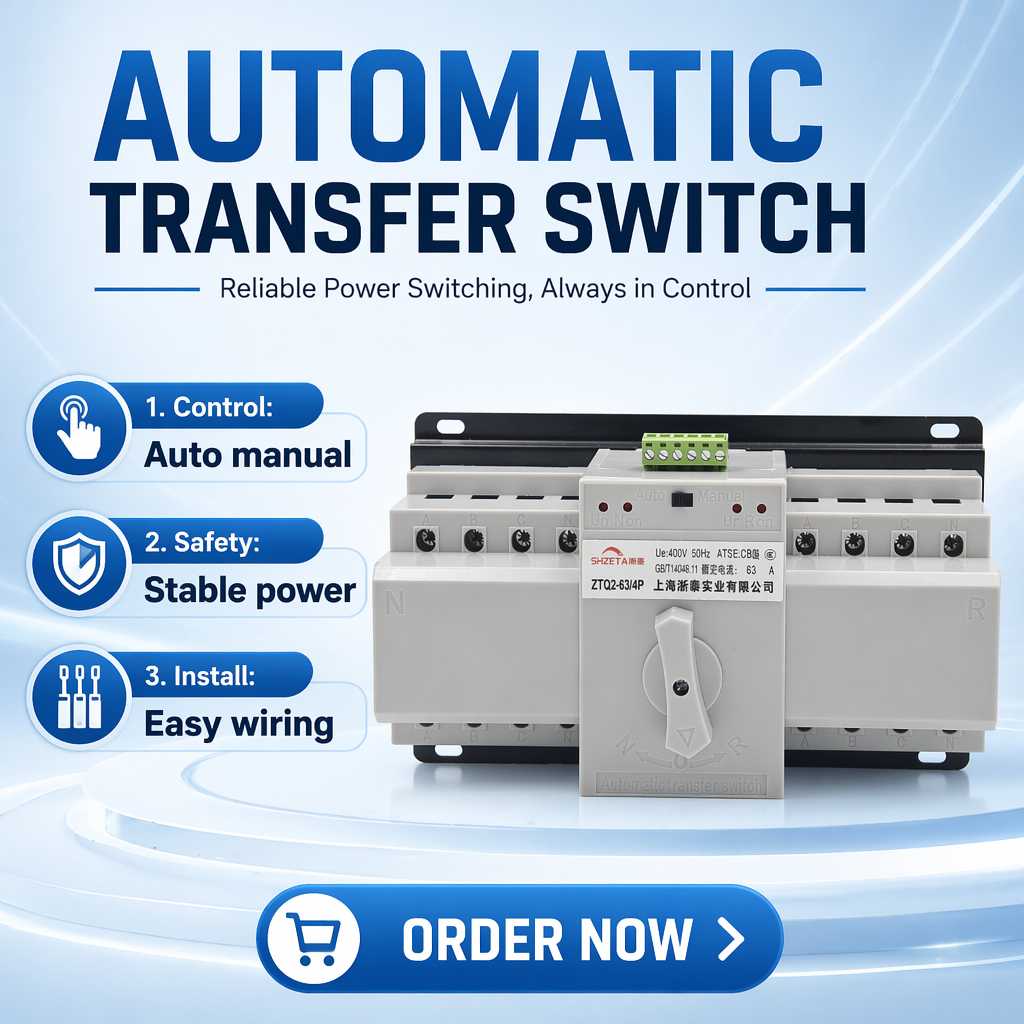
- Mechanical & Electrical Interlocking Precision: For reversing motor starters and ATS transfer systems, verify mechanical interlock tolerances to eliminate the possibility of simultaneous phase-to-phase short-circuits.
- Traceability & Third-Party Factory Inspection: Ensure the factory maintains transparent credit records, transaction levels, and third-party verified facility audits. (Zhejiang Graybar's manufacturing site and trading capacity can be reviewed via our verified credit and factory introduction portals).
Frequently Asked Questions (FAQ)
Expert answers to common engineering, OEM customization, and procurement questions asked by global distributors and panel builders.
What is the core difference between a magnetic contactor and a circuit breaker?
How do I choose between AC-1, AC-3, and AC-4 utilization categories?
- AC-1: Non-inductive or slightly inductive loads (e.g., resistance furnaces, heater banks, general distribution lighting).
- AC-3: Squirrel-cage induction motors switched OFF during normal running speeds (typical motor starting in pumps, fans, and conveyors with inrush current 5-7x rated current).
- AC-4: Severe motor switching involving plugging, inching, jogging, and reverse-current braking, demanding maximum arc suppression and heavy contact material thickness.