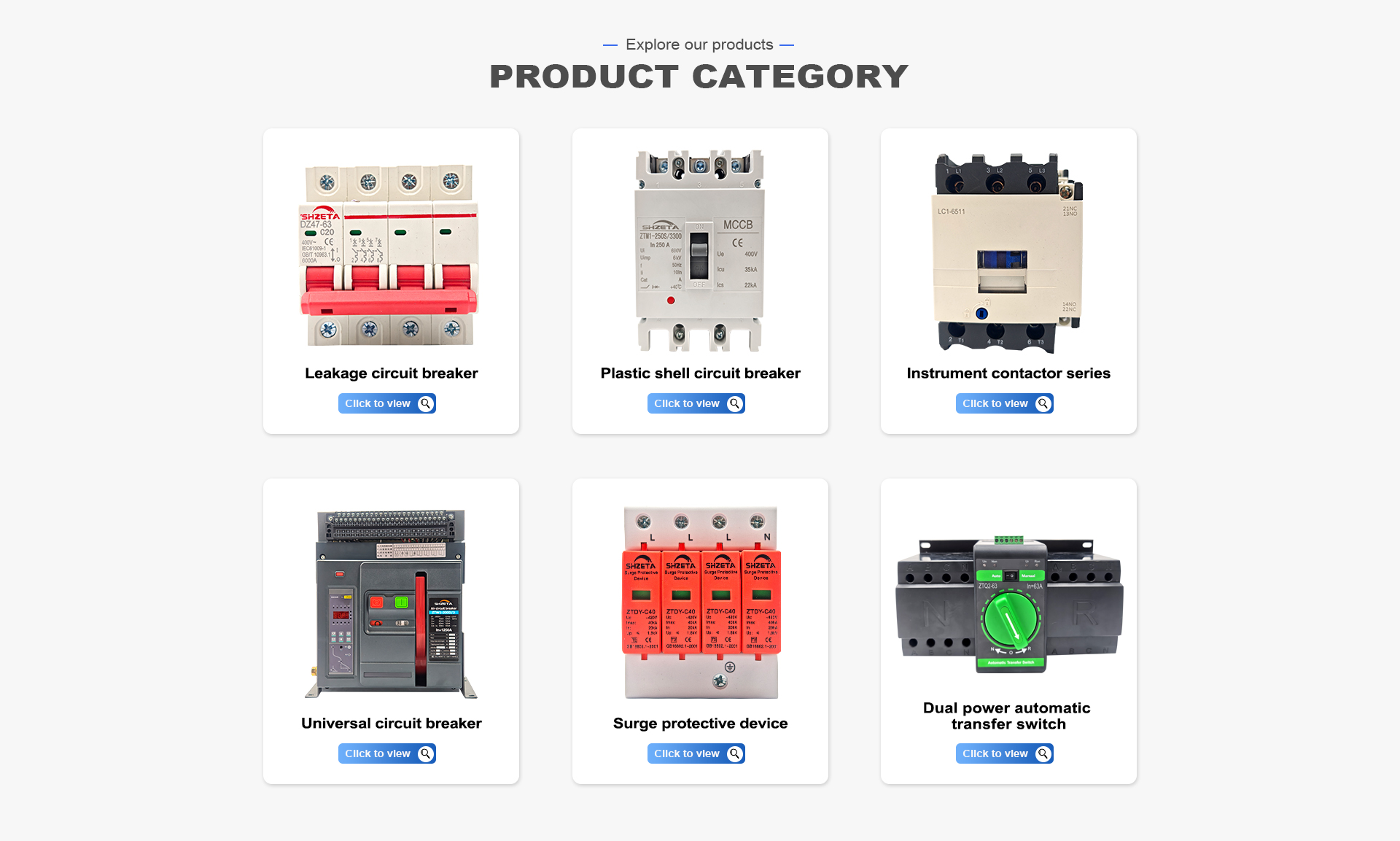
Featured Low-Voltage Protection & Control Equipment
Explore our top-tier precision circuit protection devices manufactured with IEC conformity, exceptional breaking endurance, and complete private-label OEM/ODM customizability.
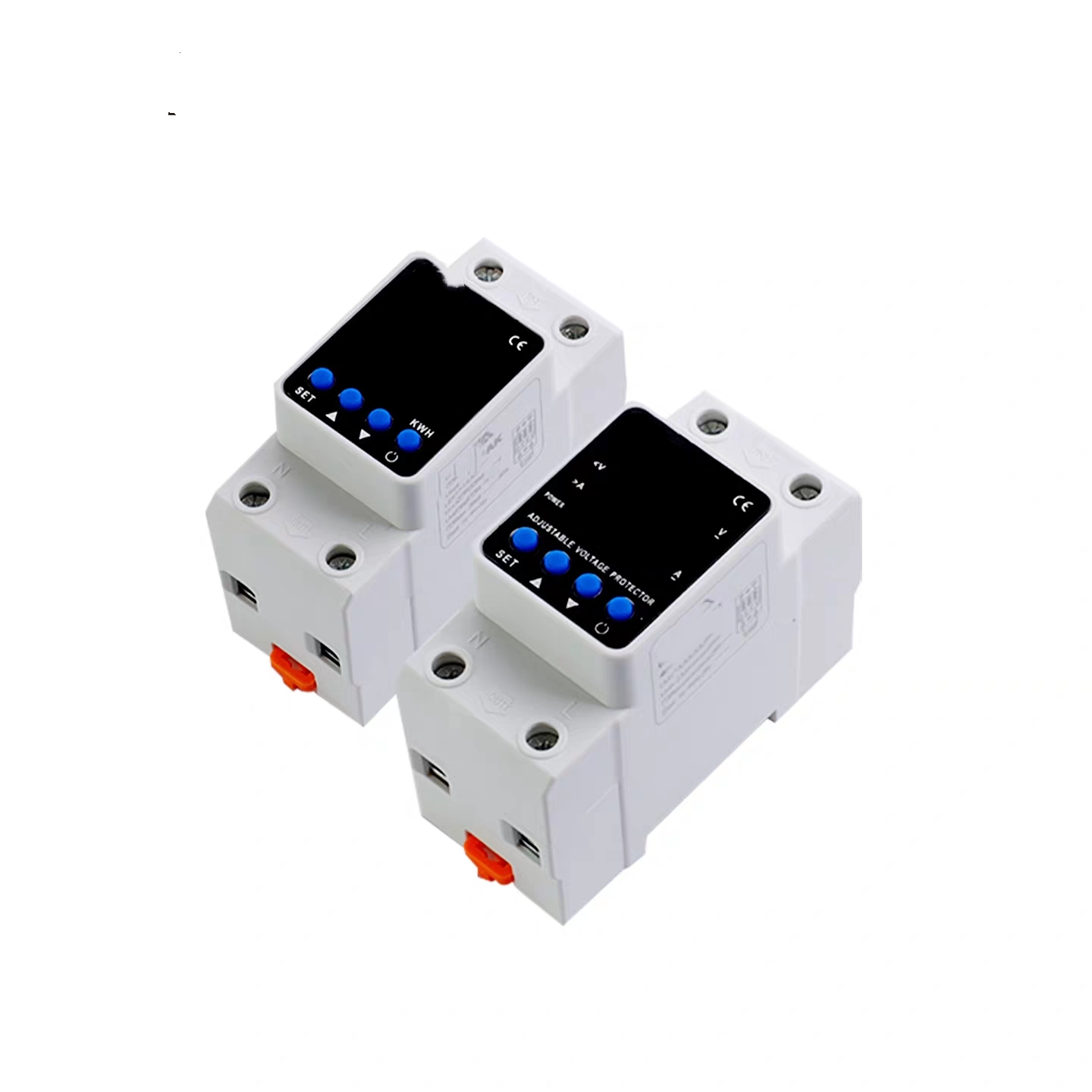
Single-phase Overcurrent, Undervoltage Protector, AC 220V 32A-100A
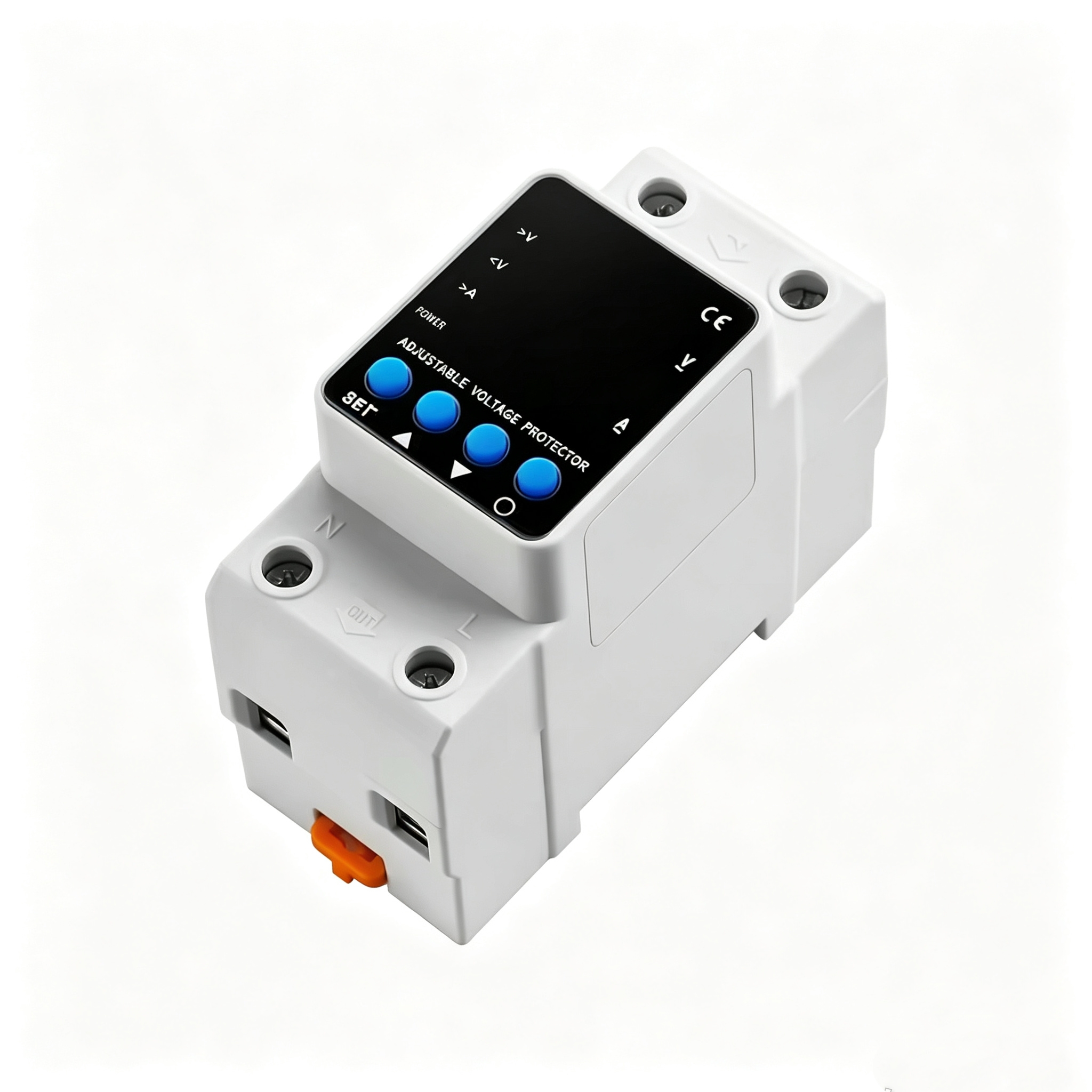
2P 63A AC230V 50/60Hz 6kVA 6-in-1 Auto Reconnect Voltage Protector
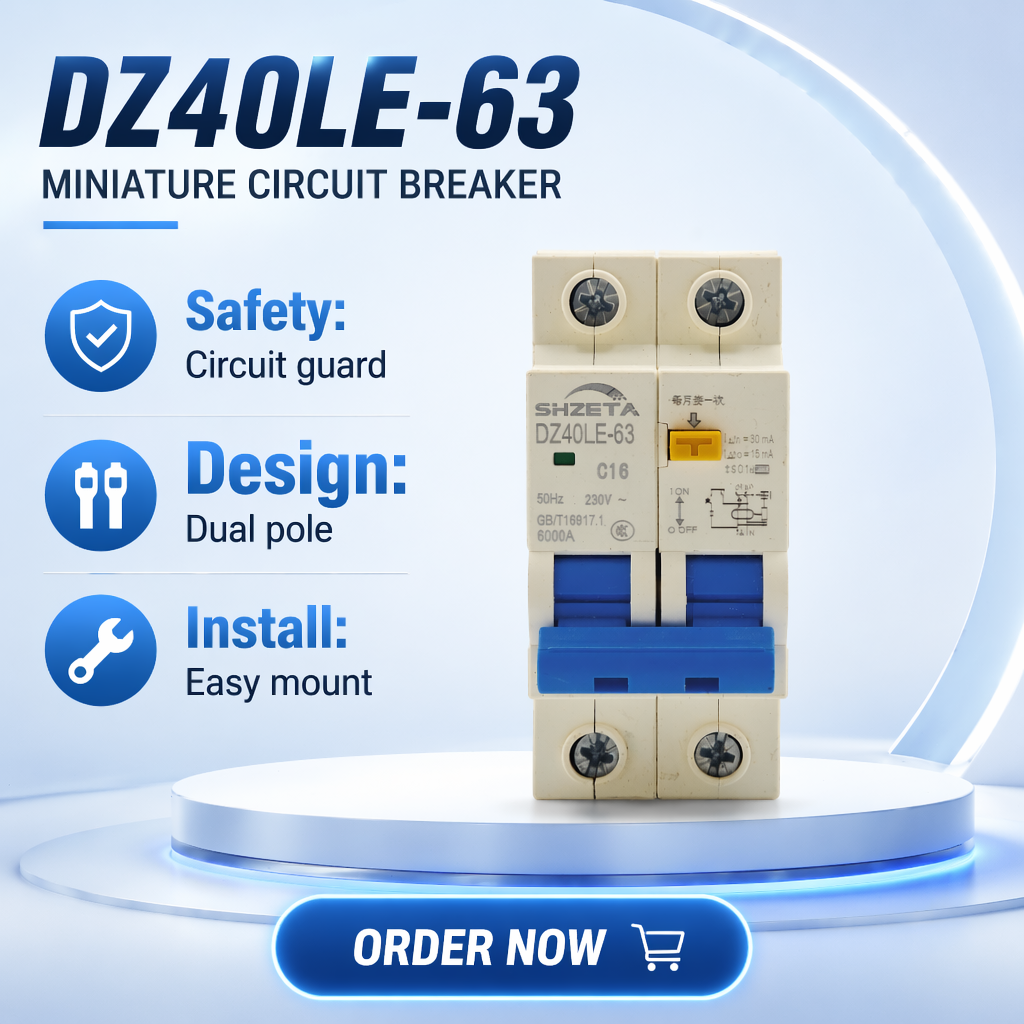
DZ47 63 DC MCB (PA66) BCD Curve C 6kA Rail Mounting Protection
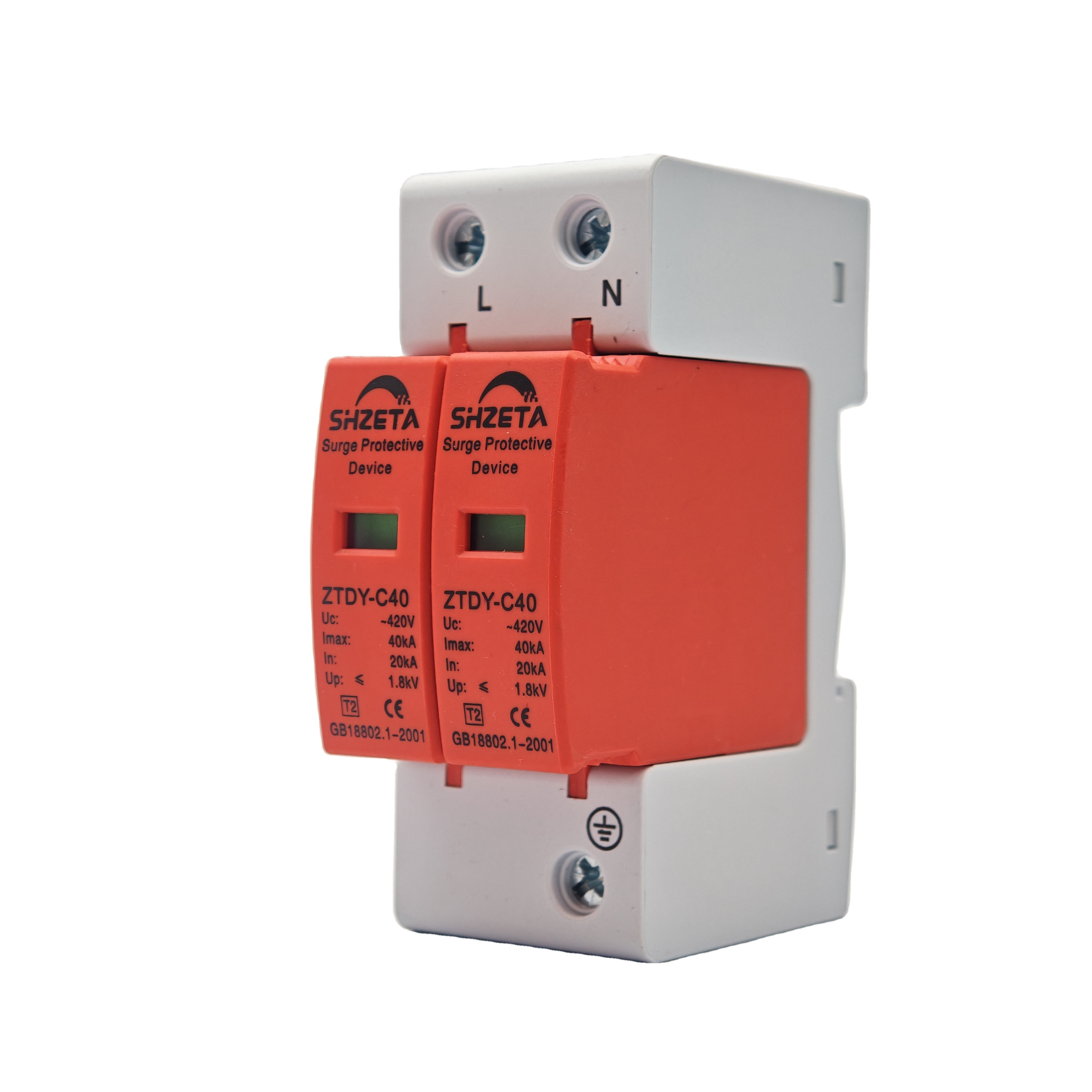
Din Rail Fireproof T1 PBT 800V DC SPD 2P 40KA Solar Lightning Arrester
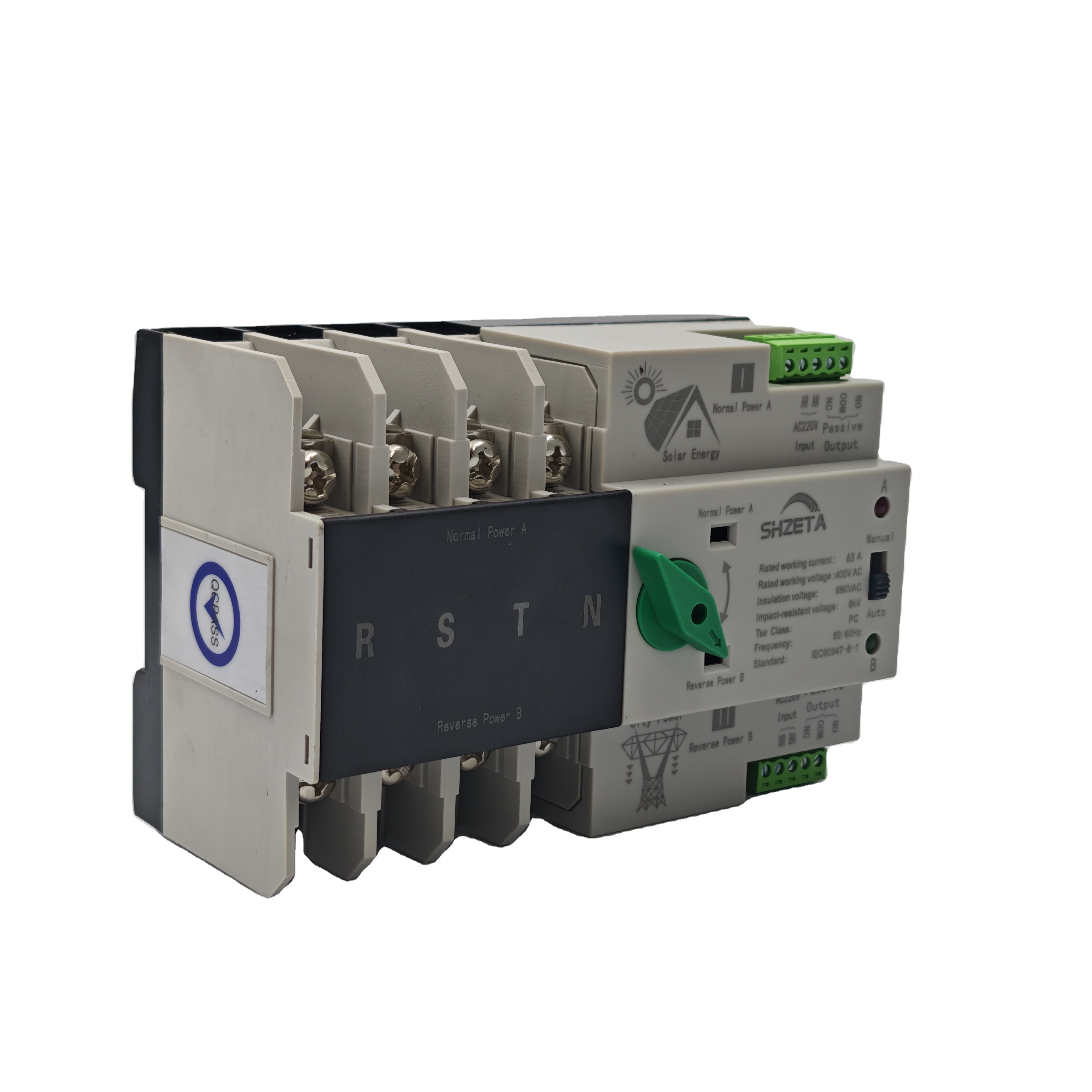
Din Rail ATS Double Power Transfer Switch 4P 100A/125A 3-Phase PC Type
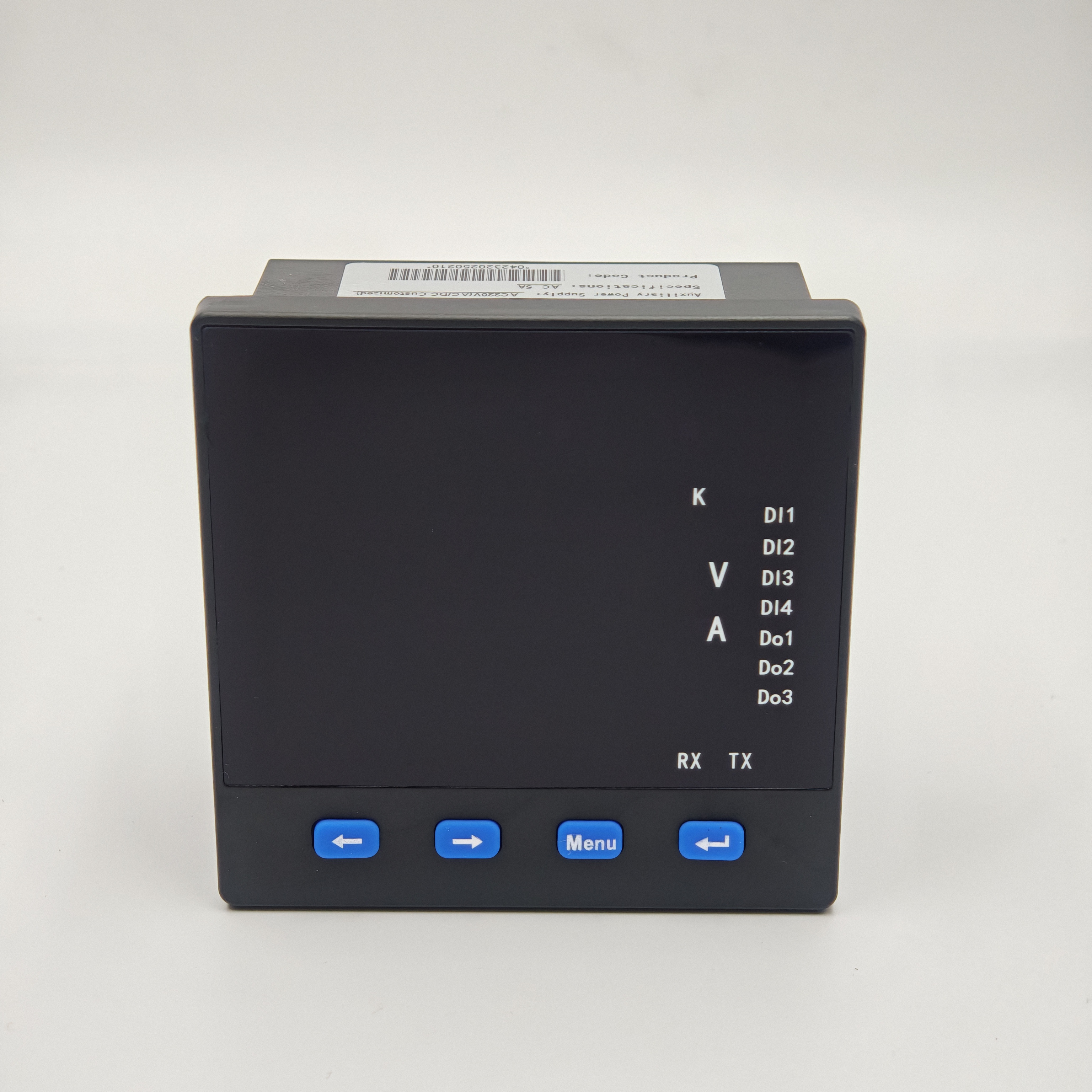
HY-311-80VY Class 0.5 3-Phase Energy Meter RS485 Modbus AC/DC
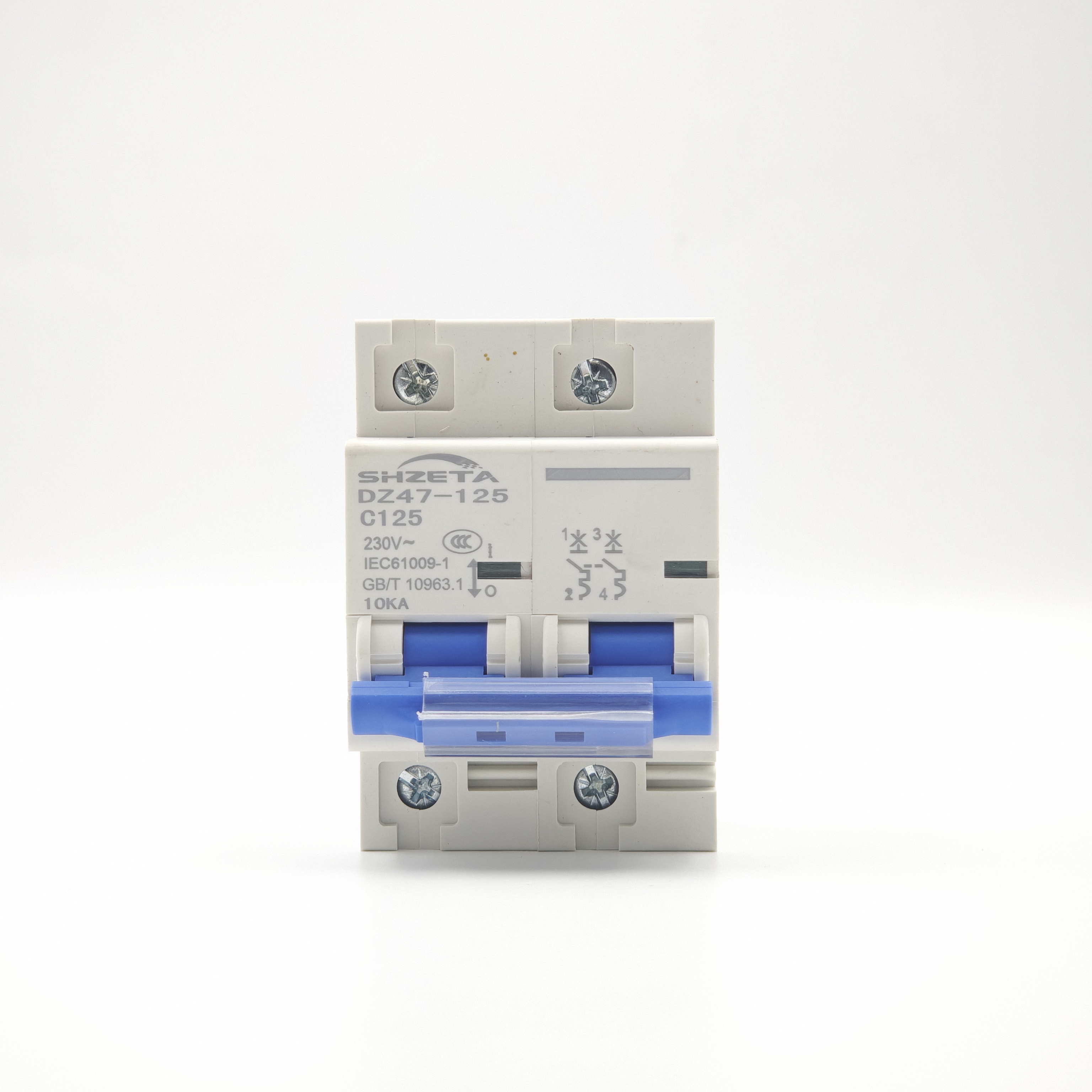
CE Certified DC Circuit Breaker MCB Red Copper Miniature Solar Breaker
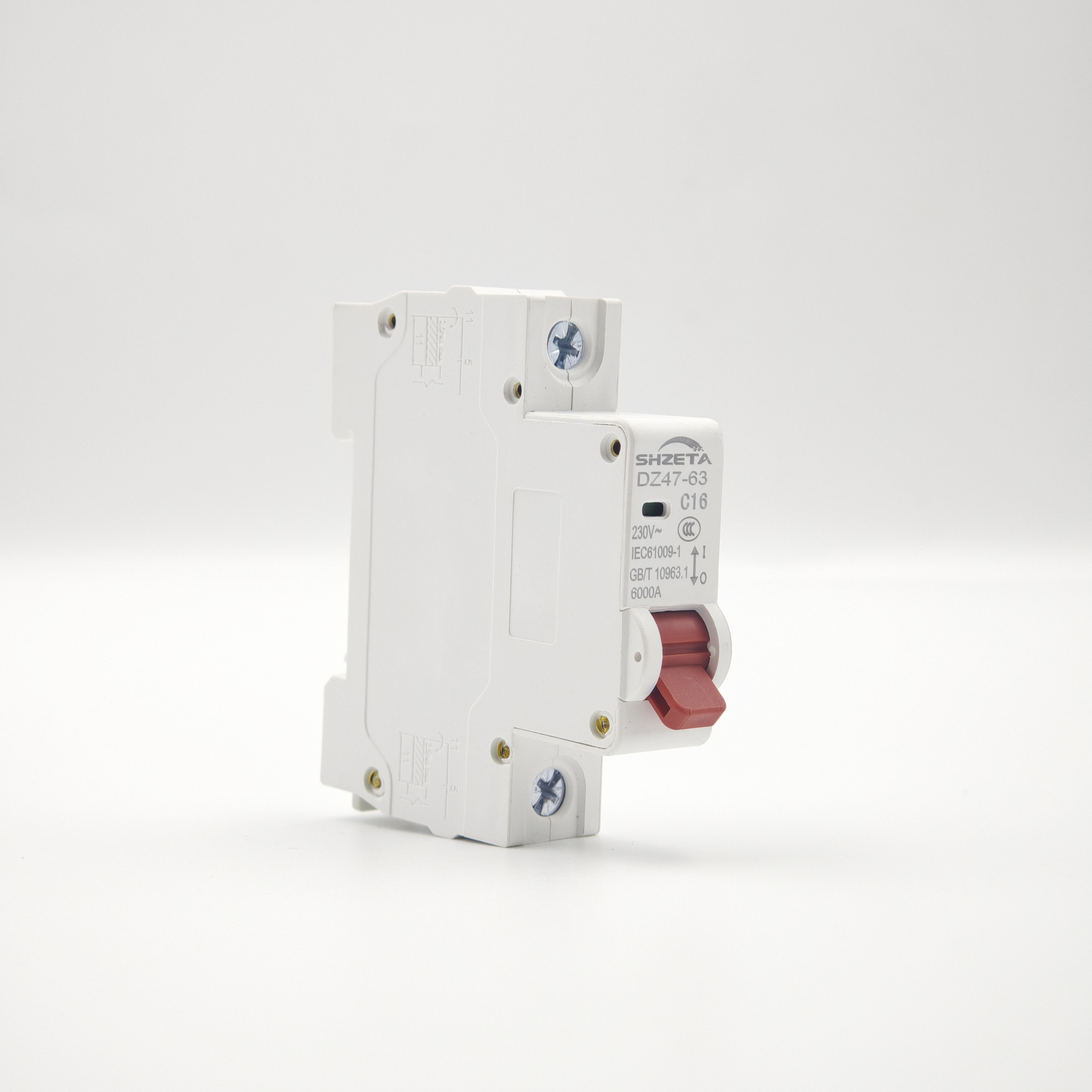
Mechanical Interlocking Circuit Breaker 1P+N/2P/3P/4P 50Hz DC MCB
Low Voltage Air Circuit Breakers (ACB): Engineering Design, Selectivity & Manufacturing Topology
In low-voltage electrical distribution infrastructures operating up to 1000V AC, the Low Voltage Air Circuit Breaker (ACB) functions as the definitive vanguard for power reliability, personal safety, and switchboard survivability. Unlike standard Miniature Circuit Breakers (MCB) intended for branch circuits or Moulded Case Circuit Breakers (MCCB) engineered for mid-tier feeder protection, intelligent universal ACBs manage main incomers spanning 630A to 6300A with rated ultimate short-circuit breaking capacities (Icu) regularly surpassing 100kA to 120kA at 400/415V AC under IEC 60947-2. Sourcing through qualified OEM/ODM channels demands a rigorous technical assessment of mechanical contact structures, micro-controller trip units (ETUs), arcing chamber efficiency, thermal endurance under maximum enclosure ambient temperatures, and communication bus integration.
Thermodynamic Quenching & Contact Metallurgy
During severe short-circuit faults, the contact separation mechanism must withstand immense electromagnetic repulsion forces (Holm forces) while maintaining strict galvanic integrity. Our custom ACB platforms leverage multi-finger, silver-tungsten alloy (Ag-W) or silver-tin-oxide (AgSnO2) sintered contacts. When the primary contact fingers part, specialized sacrificial arcing horns ensure that electrical arcing is diverted safely away from the primary current-carrying surfaces. The generated arc is propelled into a reinforced de-ionizing arc chute comprising multiple ferromagnetic splitter plates, cooling and breaking the ionized gas column within milliseconds to preclude switchgear flashovers.
For custom ODM projects, selecting appropriate terminal orientations (horizontal, vertical, or mixed rear busbars) directly impacts thermal dissipation. High-grade electrolytic copper bus connectors, treated with anti-corrosion silver or tin plating, prevent localized temperature hot-spots from violating IEC 60947-2 maximum allowable terminal temperature rise limits (70K for bare copper, 80K for silver-coated terminations).
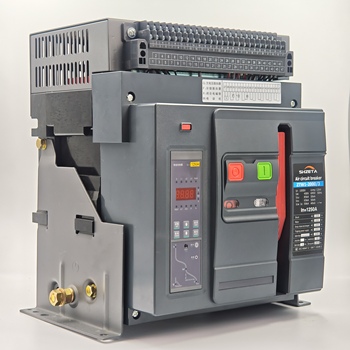
Draw-Out vs. Fixed Type Mechanical Architecture
Procuring low voltage air circuit breakers necessitates an architectural decision between draw-out (withdrawable) configurations and fixed installations. As an engineering-driven supplier, Zhejiang Graybar Electric structures internal chassis mechanisms to align precisely with switchboard downtime tolerance and panel footprint constraints:
| Evaluation Parameter | Draw-Out (Withdrawable) ACB Chassis | Fixed Type Bolted ACB |
|---|---|---|
| Mechanical Mounting | Installed inside a dedicated cradle; racked via lead-screw mechanism. | Bolted directly to primary switchboard copper busbars. |
| Safety Interlocking | Automatic safety shutters isolate live busbars when racked out; three positions: Connected, Test, Disconnected. | Requires full switchboard upstream de-energization for physical isolation. |
| Mean Time to Repair (MTTR) | Ultra-low (<15 minutes to rack out and swap the breaker core module). | Higher (>2-4 hours due to busbar de-torqueing and structural extraction). |
| Capital Cost Index | Higher due to precision cradle, racking shutters, and secondary auxiliary terminals. | Cost-effective baseline; ideal for compact panels and tight OEM budget frameworks. |
| Target Environments | Tier III/IV Data Centers, continuous chemical processing, marine vessels, critical hospital feeds. | Standard commercial complexes, decentralized packaging machinery, intermittent operations. |
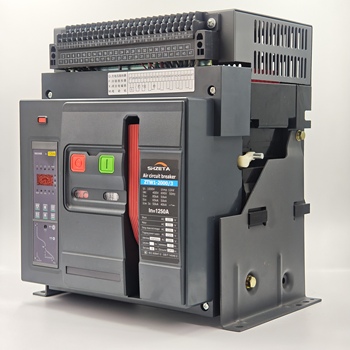
Advanced Microprocessor Trip Units (ETU) & LSIG Curve Customization
Modern electrical architectures require granular selectivity to ensure localized fault containment without collapsing upstream sub-stations. Graybar's OEM/ODM intelligent universal air circuit breakers incorporate comprehensive electronic trip units featuring 32-bit ARM microcontrollers supporting full LSIG four-stage protection regimes:
- L (Long-Time Overload): Inverse-time delay (I²t on/off), configurable from 0.4 to 1.0 In with ultra-tight trip repeatability.
- S (Short-Time Overcurrent): True selective discrimination featuring definite-time and inverse-time curves, permitting downstream MCCBs or MCBs to clear localized branch faults before the main incomer trips.
- I (Instantaneous Short-Circuit): High-speed fault interception operating up to 15x In, cutting off peak dynamic electromagnetic currents within 10 to 20ms.
- G (Ground-Fault Protection): Residual or direct zero-sequence CT sensing preventing devastating low-current phase-to-chassis arcing fires.
Future Procurement Trends for OEM/ODM Low Voltage ACB Systems
Global supply chain directors, EPC project managers, and switchgear manufacturers are navigating rapid macroeconomic and technological shifts. The following five dynamics govern procurement strategies through 2030.
1. Rise of DC & Hybrid Microgrids
With massive adoption of commercial solar PV arrays, BESS (Battery Energy Storage Systems), and EV fleet charging hubs, switchboard builders increasingly source specialized DC-rated ACBs capable of quenching DC arcs up to 1500V DC without zero-crossing assistance.
2. Supply Chain Diversification & Low MOQs
Global distributors are bypassing rigid Western tier-one conglomerates burdened by 26–52 week lead times. They partner with authenticated Chinese OEM hubs like Liushi, utilizing flexible initial MOQs (1 piece for ACBs) to accelerate cash-flow velocity and regional panel manufacturing turnaround.
3. Embedded Power Quality Metering
Procurement teams no longer treat ACBs as isolated electromechanical disconnects. The specification mandate now requires embedded Class 0.5/1.0 metering to capture total harmonic distortion (THD), active/reactive power, frequency deviations, and sequence voltages directly from the breaker's controller.
4. Modular Platform Customization
Switchgear builders demand modular ACB architectures that allow rapid swaps of auxiliary contact blocks (4NO/4NC, 6NO/6NC), shunt trip coils, under-voltage releases (UVR), and electric motor mechanisms without invalidating internal mechanical certifications.
5. Decarbonization & Circular LCA
Environmental Product Declarations (EPD) and RoHS/REACH compliance have become compulsory in European and North American municipal tenders. Sourcing shifts toward suppliers utilizing recyclable thermoset plastics and eliminating halogenated flame retardants.
6. Independent Verification & Traceability
Stringent anti-counterfeiting requirements dictate serialized QR coding for every single-line assembly. Traceability records linking silver contact batch metallurgy, dielectric flash tests, and millisecond trip logs are now expected before packing authorization.
Technological Development Trends in Modern Low Voltage Protection
The transition from traditional mechanical trip mechanisms to digitalized cyber-physical energy control has reshaped the functional scope of low-voltage air circuit breakers. When specifying ODM designs for high-demand environments, the following technical vectors represent the leading edge of contemporary breaker engineering:
Industrial IoT & Dual Protocol Telemetry
Next-generation ACB systems feature native multi-drop communication architectures. Modern industrial switchboards bridge legacy RS-485 Modbus-RTU networks with high-speed industrial Ethernet protocols (Modbus-TCP, Profinet, IEC 61850). This integration allows automated energy management systems (SCADA) to read instantaneous 3-phase current profiles, contact wear indicators, and internal chassis temperatures in real time. Remote racking, remote charging of the stored-energy spring mechanism, and motorized opening/closing coils allow operators to manage main incomers safely outside the hazardous arc-flash boundary.
Predictive Contact Health & Digital Twin Analytics
Whereas older breakers were inspected solely on scheduled chronological maintenance cycles, modern intelligent universal breakers track cumulative breaking energy (expressed in I²t accumulation). The internal controller logs every operational interruption, weighing nominal manual switching cycles against high-amperage short-circuit clearances. By continuously calculating contact degradation and contact finger erosion, the system issues predictive maintenance alerts over the SCADA network long before the breaker's dynamic contact resistance exceeds standard micro-ohm thresholds.
Ultra-Fast Solid-State Interruption (SSCB) Hybridization
For mission-critical data center server halls and renewable DC bus links, mechanical contact inertia (typically 20ms to 40ms total clearing time) poses an inherent constraint against extreme short-circuit fault current development. Research into hybrid ACBs integrates solid-state semiconductor switches (IGBTs or Silicon Carbide MOSFETs) in parallel with main mechanical contacts. During extreme di/dt current spikes, solid-state switches commutate the fault within microsecond horizons, completely eliminating galvanic arcing and extending contact life by a factor of ten.
Why Global Buyers Partner with Zhejiang Graybar Electric
Located in Huangyu Village, Liushi Town, Wenzhou—China's low-voltage electrical capital—Zhejiang Graybar Electric Co., Ltd. combines an unyielding commitment to IEC technical standards with the agility of tailored OEM/ODM engineering.
Liushi Industrial Cluster
Direct supply-chain integration with specialized regional vendors for rapid procurement of high-purity electrolytic copper, Ag-alloy contacts, and thermoset housings.
Rigorous Multi-Stage QC
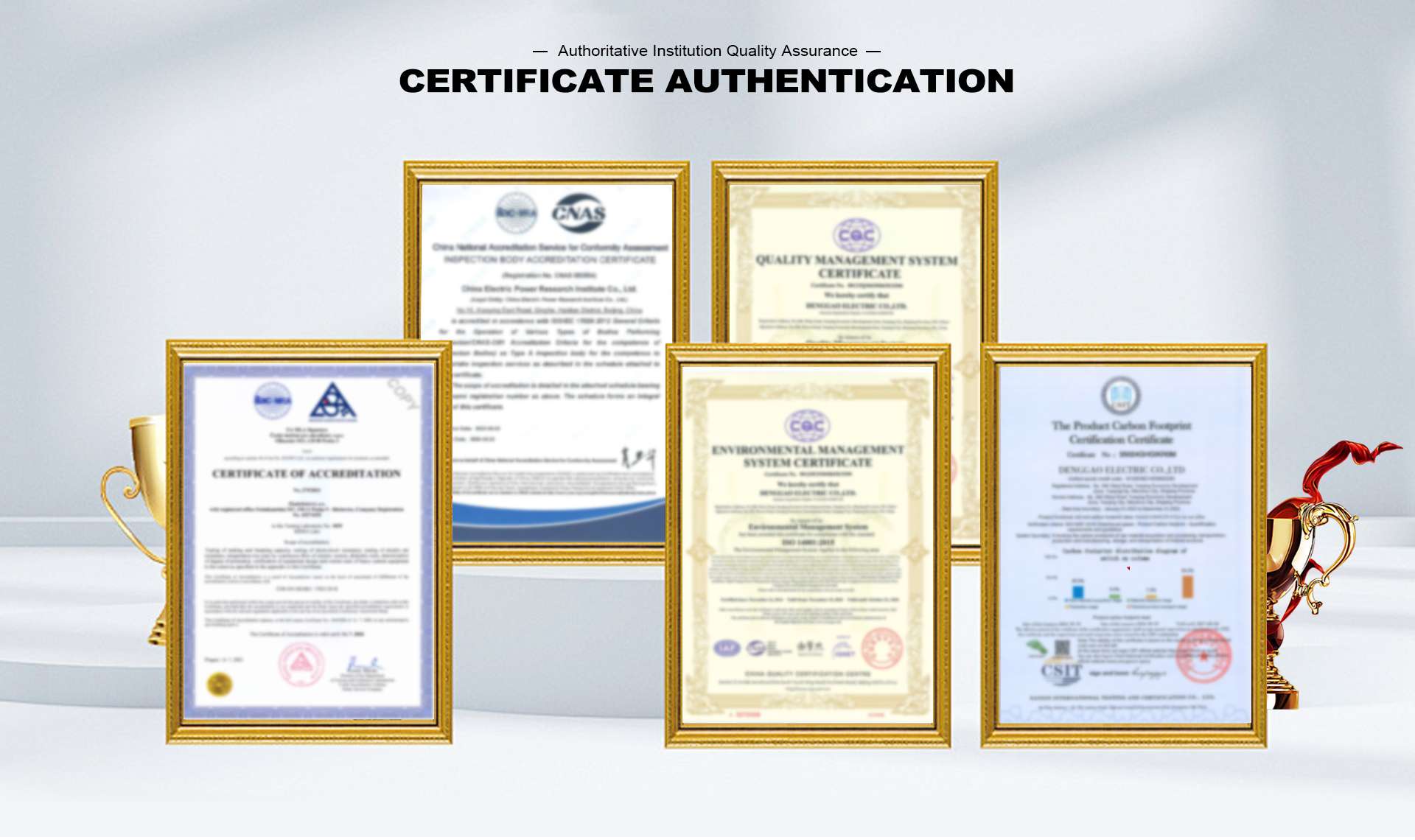
100% factory verification protocol: contact resistance testing, dynamic mechanical timing, dielectric insulation breakdown at 2500V, and primary injection calibration.
Agile Scalability & Low MOQs
Democratizing access to high-spec protection: start with 1 piece for heavy industrial ACBs and 5 pieces for MCB, MCCB, and SPD models before scaling to container loads.
Comprehensive OEM/ODM
Turnkey private labeling, laser-etched nameplates, bespoke terminal arrangements, custom trip curves, multilingual instruction manuals, and drop-ship packaging.
Full Low-Voltage Coordination from One Single Manufacturer
Procuring an entire switchboard bill of materials (BOM) through disparate vendors invariably results in cascading coordination mismatches between ACB incomers, MCCB distribution tiers, MCB final circuits, and SPD surge networks. Zhejiang Graybar Electric provides an interconnected ecosystem designed to IEC 60947-2, IEC 60898-1, IEC 61643-11, and IEC 60947-6-1.
Our applications engineering team evaluates client single-line diagrams (SLD) without charge, verifying let-through energy curves (I²t) and selectivity tables so panel builders guarantee complete cascade protection across transformers, generators, busways, and downstream branch loads.
Frequently Asked Technical Sourcing Questions
Direct answers to the most common engineering and procurement inquiries submitted by international switchgear fabricators, EPC contractors, and wholesale importers.
What are the exact technical distinctions between Icu, Ics, and Icw when selecting an ACB?
Can Graybar configure 4-Pole ACBs for 100% or 50% neutral protection in harmonic-heavy environments?
What is the lead time and procedure for custom OEM laser-marking, branding, and packaging?
How does Graybar verify quality before dispatch, and what test documentation accompanies each shipment?
Which accessories are typically integrated into an intelligent draw-out ACB order?
How does Zhejiang Graybar manage sample testing for new distributors entering market tenders?
What earthing configurations (TN-C, TN-S, TT, IT) are supported by your protection catalog?
Require Custom OEM/ODM Low Voltage ACB Engineering?
Connect immediately with our chief switchgear application engineers for single-line diagram reviews, custom trip-curve parameters, or formal price tenders.