Precision Protection, Motor Control & Transfer Switching Systems
Engineered for global panel builders, switchgear integrators, and electrical EPC contractors. All assemblies comply strictly with international IEC standards.
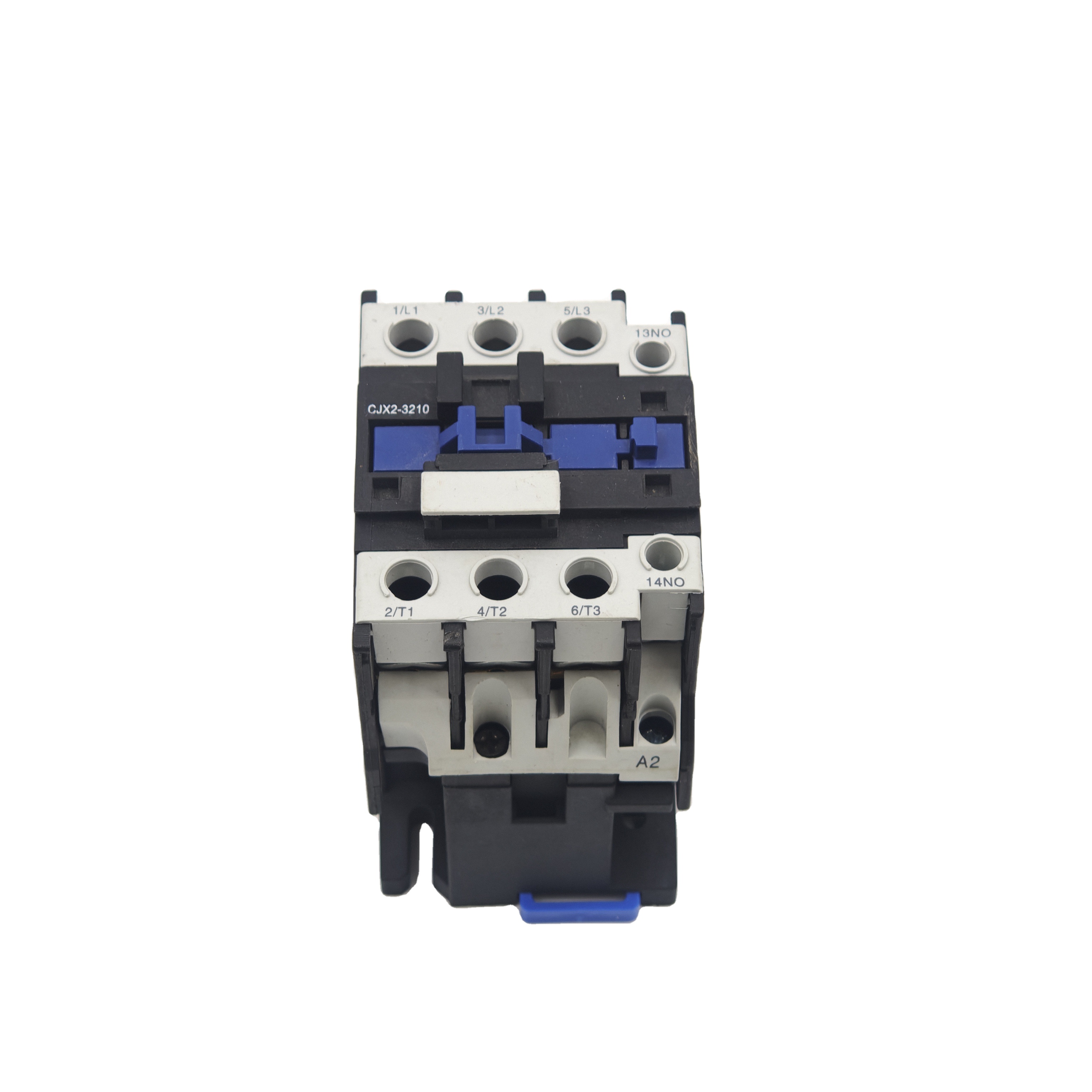
CJX2-1210 3 Phase Magnetic Contactor 220V Coil 50Hz 380V 12A AC Motor Control DIN Rail Industrial Automation
- Rated Current:12A (AC-3)
- Control Coil:220V AC 50/60Hz
- Mounting:35mm DIN Rail
- Compliance:IEC 60947-4-1
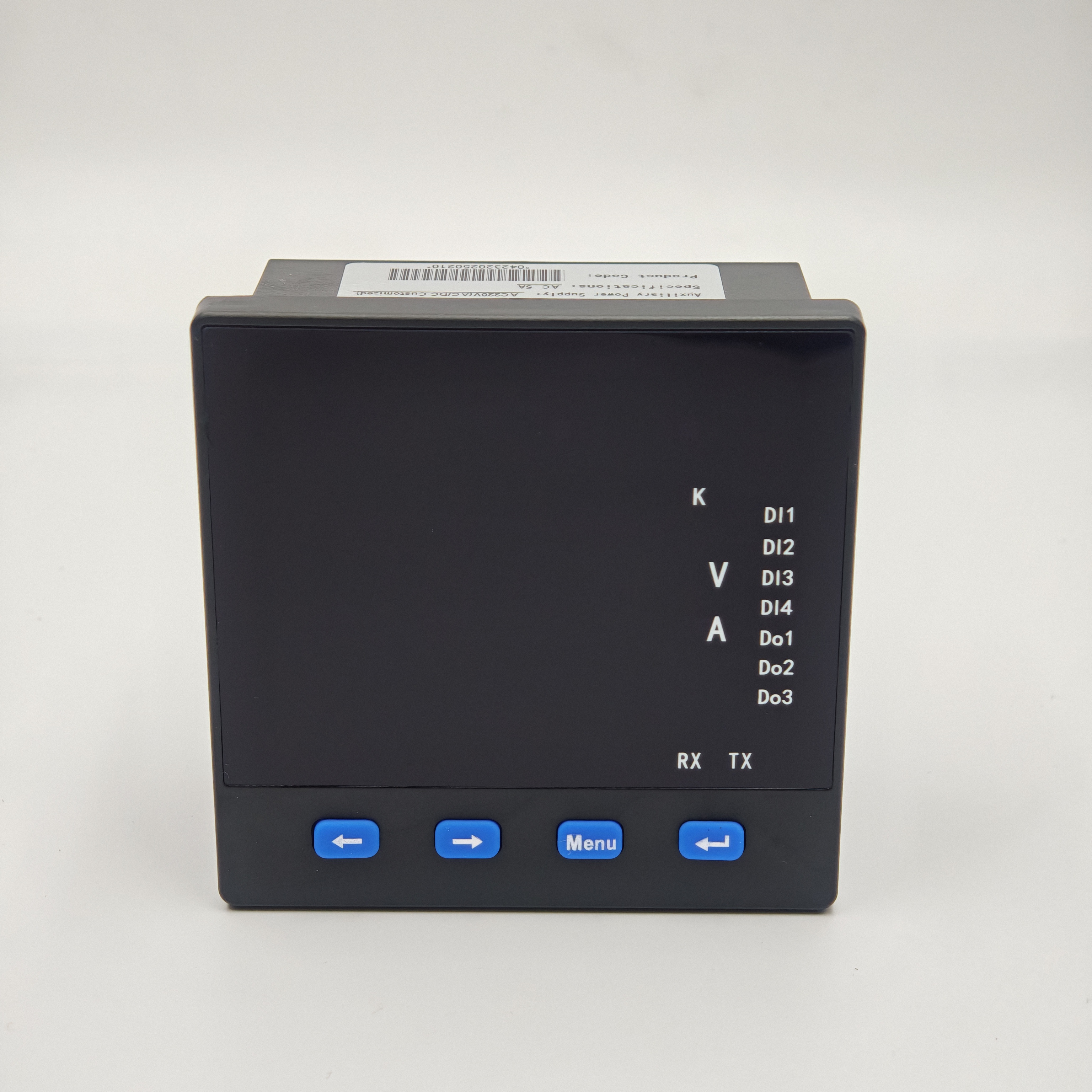
ZTDSI/ASCT HY-311-80VY Series 0.5 Accuracy Class Three-Phase Multifunction Energy Meter AC/DC60~280V RS485/Modbus Communication
- Accuracy Class:Class 0.5S
- Interface:RS485 Modbus-RTU
- Voltage Range:AC/DC 60V–280V
- Feature:Harmonic Analysis
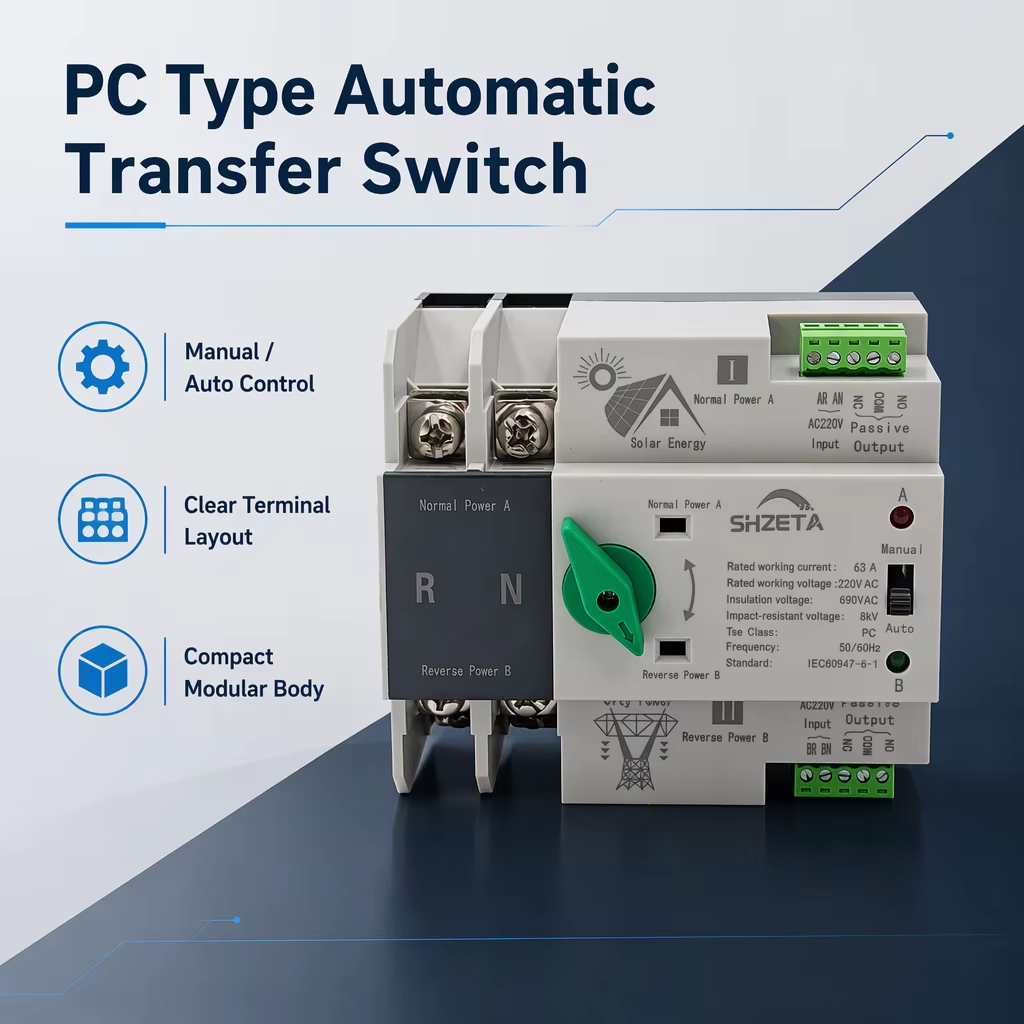
PC Type Automatic Transfer Switch 220V AC Manual Auto Control Modular Changeover Device for Solar Power
- Switching Class:PC Class (High Speed)
- Rated Voltage:220V AC Single Phase
- Operation:Manual & Automatic
- Application:PV / Grid Dual Feed
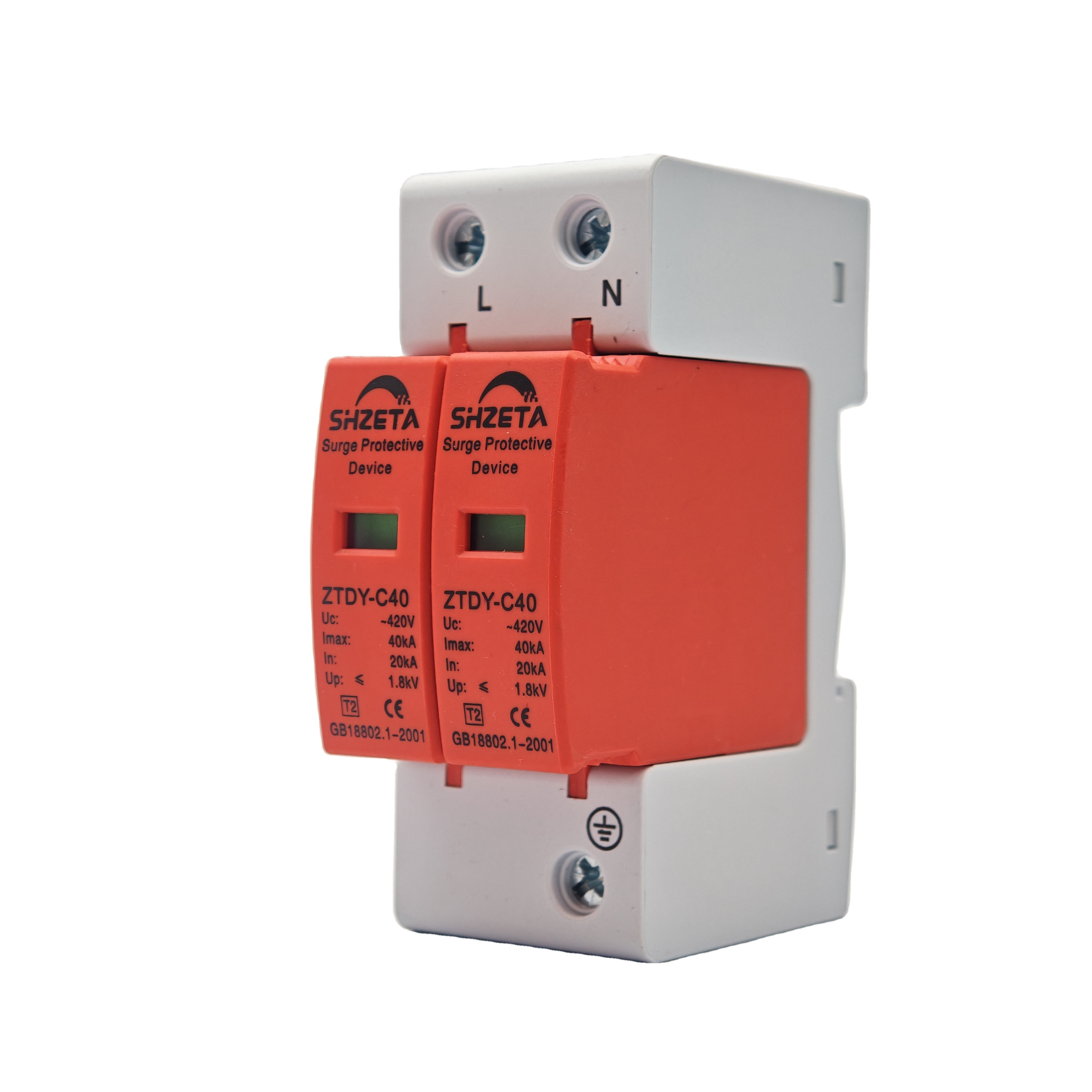
Din Rail Fireproof T1 PBT 800V DC SPD Surge Protective Device 2P 40KA Solar PV Lightning Arrester
- Max Voltage (Ucpv):800V DC
- Discharge (Imax):40kA (8/20μs)
- Enclosure:Fireproof PBT Polymer
- Standard:IEC 61643-31 / T1
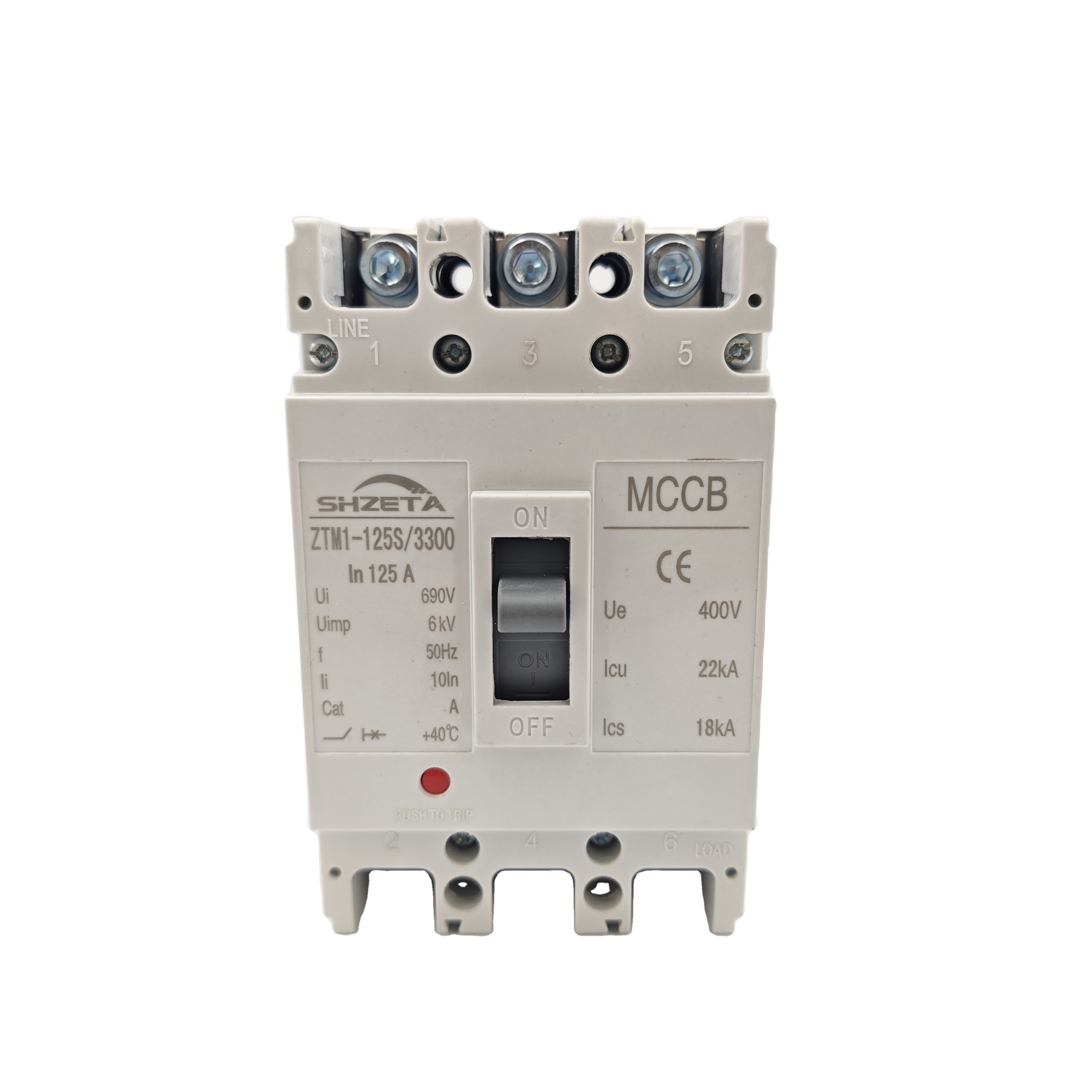
Mutai 3p 80amp 100 Amp Thermal Magnetic Circuit Breaker 415V 35kA 50/60Hz for Wholesale
- Rated Amperage:80A / 100A 3-Pole
- Breaking Capacity:35kA @ 415V AC
- Trip Release:Thermal-Magnetic Fixed
- Application:Feeder & Motor Backup
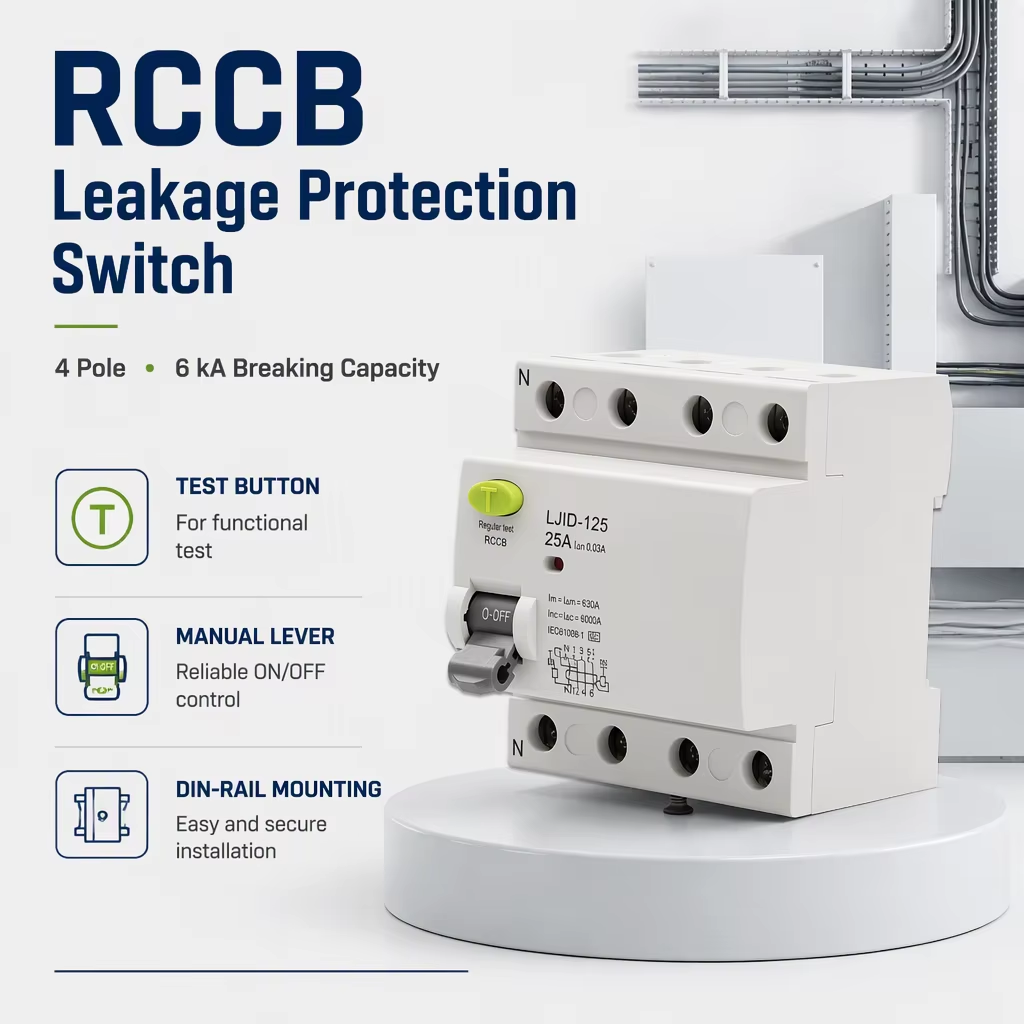
RCCB Leakage Protection Switch 24P Electromagnetic Miniature Type 16-63A
- Sensitivity (IΔn):30mA / 100mA / 300mA
- Operating Tech:Electromagnetic (Voltage Indep.)
- Rated Current:16A to 63A 2P/4P
- Standard:IEC 61008-1
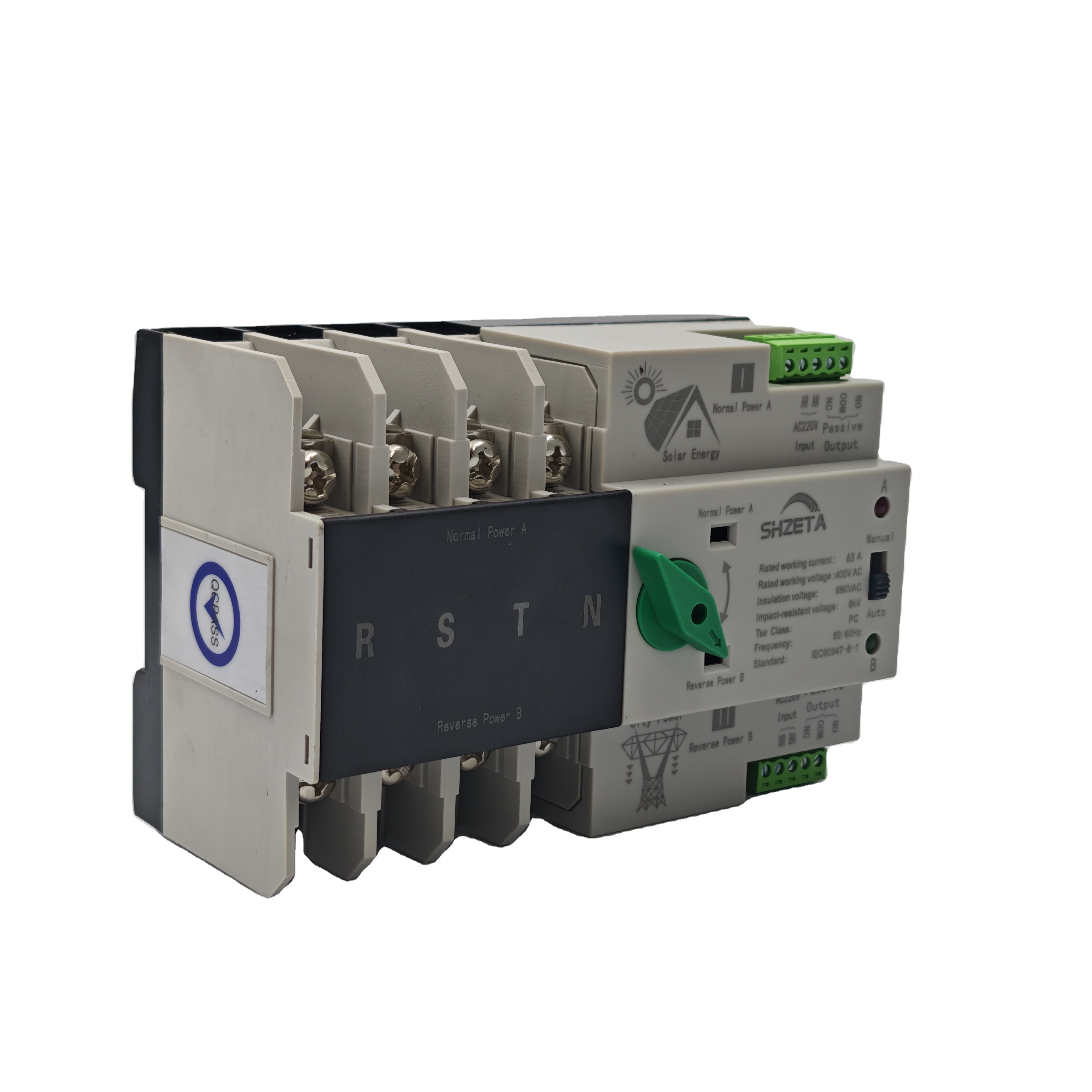
Din Rail ATS Double Power Automatic Transfer Switch 4P100A 125A Three Phase PC Type AC 400V OEM
- Rated Frame:4P 100A / 125A
- Transfer Duration:< 50ms High-Speed
- System Voltage:400V AC 3-Phase
- Application:Emergency Generator Tie
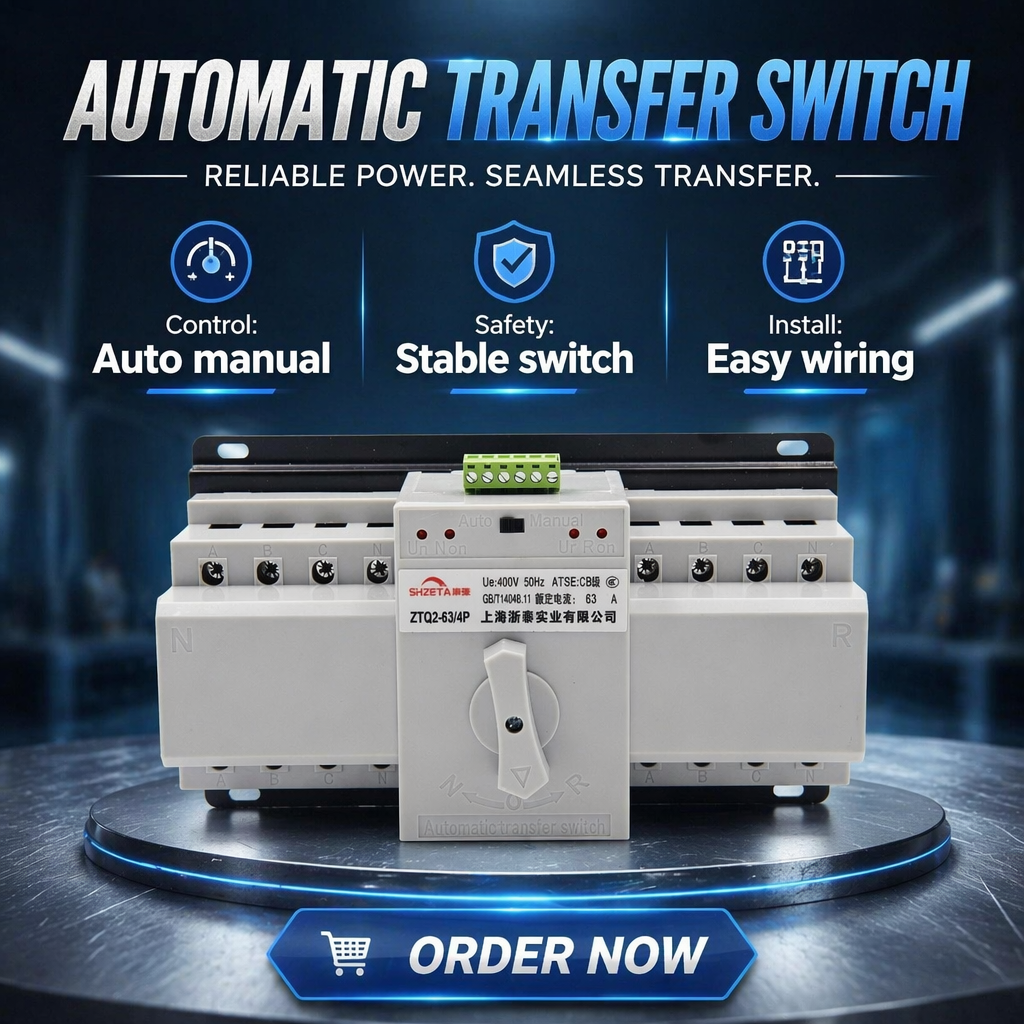
4P 63A Manual Changeover Switch Reliable Dual Power Transfer Integrated Circuit Breaker Type ATS for Home and Industrial Use
- Poles / Amperage:4-Pole 63A
- Mechanism:Interlocked Breaker Type
- Dielectric Test:2.5kV 50Hz 1min
- Installation:Standard DIN Modular
Engineering Whitepaper: Inside Drawout Air Circuit Breaker (ACB) Architecture
In modern high-capacity electrical distribution systems—spanning utility substations, critical hyperscale data centers, manufacturing complexes, and marine installations—the Air Circuit Breaker (ACB) serves as the primary defense incomer. Among all configurations, the Drawout (Withdrawable) Air Circuit Breaker represents the gold standard for operational continuity, personnel safety, and lifecycle maintenance efficiency.
1. The Mechanical Racking Mechanism and Three-Position Cradle
The defining technological advantage of a drawout ACB lies in its dedicated cassette cradle. Rather than bolting directly to the copper busbar network, the breaker frame slides smoothly into a fixed chassis via precision telescopic guide rails. A heavy-duty worm-gear mechanical racking screw drives the breaker carriage through three distinct, interlocked operating positions:
- Connected Position: Main primary power disconnecting clusters and secondary control sliding contacts are fully engaged. The breaker is live and ready for open/close power operations.
- Test Position: Main primary isolating contacts are separated by a certified physical air clearance, while secondary control circuits remain plugged in. This allows switchgear commissioning engineers to electrically open, close, and verify auxiliary trip coils, undervoltage releases, and microprocessor communication nodes without powering live busbars.
- Disconnected / Isolated Position: Both main power clusters and auxiliary secondary circuits are completely disengaged. Internal metallic safety shutters drop automatically over the stationary busbar stabs, preventing inadvertent contact with energized conductors. Padlock interlocks lock the breaker firmly in this safe inspection posture.
2. Arc Quenching and Contact Dynamics under Extreme Fault Currents
Under severe short-circuit scenarios exceeding 80kA or 100kA, electrodynamic repulsion forces between silver-alloy contact tips reach thousands of Newtons. Graybar-engineered Drawout ACBs utilize dual-break contact fingers optimized through electromagnetic finite element analysis (FEA). As the contacts separate, arc runners transfer the plasma arc into steel de-ion grid plates within fraction-of-a-millisecond timeframes. The splitter plates cool, stretch, and extinguish the arc while venting ionizing gases through safety blast deflector baffles, preventing flashovers across switchboard compartments.
3. Microprocessor-Based Intelligent Electronic Releases (Trip Units)
Drawout ACBs manufactured for overseas B2B buyers integrate advanced digital trip controllers offering comprehensive protection matrices: LSIG protection—Long-time overload (L), Short-time delay selective trip (S), Instantaneous short circuit (I), and Ground fault leakage (G). With built-in digital true RMS sampling up to the 31st harmonic, these intelligent releases maintain precise discrimination coordination, preventing upstream breaker cascading trips when downstream miniature (MCB) or moulded case (MCCB) circuit breakers clear localized branch faults.
Drawout ACB vs. Fixed ACB: Comprehensive Specification Matrix
Evaluating initial capital expenditure versus operational lifecycle costs for switchgear switchboard installations.
| Engineering Criteria | Drawout (Withdrawable) Type ACB | Fixed Type ACB | Procurement Recommendation |
|---|---|---|---|
| Mounting Methodology | Racked inside stationary cradle cassette via guide rails | Bolted directly to switchboard copper riser busbars | Drawout enables zero busbar disturbance during overhaul |
| Mean Time to Repair (MTTR) | < 15 Minutes (Hot-swap spare carriage) | 4 – 8 Hours (Requires complete section shutdown) | Drawout is mandatory for Tier 3/4 Data Centers & Hospitals |
| Switchgear Safety Isolation | Automatic fall-down safety shutters shield live stabs | Manual barrier installation and physical de-energization | Drawout provides visual physical air-gap proof of isolation |
| Testing Capabilities | Dedicated "Test" position for secondary signal validation | Control testing requires energizing local panel circuits | Drawout simplifies SCADA / Modbus commissioning |
| Weight & Dimensions | Heavier; requires deeper switchboard cubicle depth | Compact frame; lighter net shipping weight | Fixed type fits compact prefabricated package substations |
| Initial Purchase Cost | Higher due to cradle mechanism, cluster contacts, interlocks | Economical initial equipment purchase price | Fixed reduces CAPEX; Drawout vastly reduces lifetime OPEX |
Future Technological & Global Sourcing Trends in Drawout ACBs
How renewable energy integration, digitalization, and predictive switchgear analytics are redefining procurement criteria.
IoT & Cloud-Connected Breakers
Modern procurement documents increasingly mandate direct Modbus-TCP, Ethernet/IP, and Profinet connectivity within the ACB trip unit. Real-time data streams—monitoring contact thermal wear, contact resistance, spring charge status, and power quality harmonics—feed switchboard SCADA and cloud-based energy management systems for condition-based maintenance.
800V AC & High-Voltage PV Integration
Utility-scale solar central inverters and battery energy storage systems (BESS) are shifting rapidly from traditional 400V AC systems to 800V AC and 1140V AC platforms to minimize cable transmission line losses. Exporters must provide drawout ACBs tested to higher dielectric impulse levels (Uimp 12kV) with robust interrupting ratings at elevated operational voltages.
Zone Selective Interlocking (ZSI)
To overcome the traditional dilemma between selective tripping time delays and arc-flash incident energy reduction, next-generation ACBs employ Zone Selective Interlocking. Digital communication links between upstream incoming ACBs and downstream feeder MCCBs signal downstream fault isolation instantly, reducing switchboard thermal stress without sacrificing selectivity.
Zhejiang Graybar Electric Co., Ltd. Manufacturing Advantages
Based in Huangyu Village, Liushi Town, Wenzhou—China’s low-voltage electrical manufacturing capital—we bridge high engineering precision with unmatched supply chain efficiency.
Integrated Liushi Cluster
Direct geographic access to specialized precision silver-cadmium/silver-tin-oxide contacts, specialized thermoset anti-tracking polymers, and precision copper busbars ensures short tooling lead times and agile production scaling.
100% Comprehensive Routine Testing
Every drawout ACB, MCCB, and transfer switch undergoes strict mechanical racking cycle verification, trip-curve timing calibration, high-voltage power-frequency dielectric withstand testing, and secondary circuit insulation checks before crating.
Tailored OEM/ODM Engineering
Full customization capability: private-label laser marking, custom trip controller firmware, specialized horizontal/vertical busbar extension brackets, tailored auxiliary contact configurations (up to 6NO+6NC), and customized language manuals.
Flexible Sourcing & Low MOQs
Starting from an MOQ of just 1 piece for Air Circuit Breakers (enabling prototype engineering validation) and 5 pieces for standard MCB/MCCB lines. Consolidated container shipping allows mixed-product distribution panels in one delivery.
Frequently Asked Questions for B2B Importers & Switchgear Builders
Technical, commercial, and operational insights addressed directly by our senior switchgear design engineers.
What is the critical engineering difference between Icu, Ics, and Icw on a Drawout ACB nameplate?
How does ambient temperature inside the switchboard compartment affect ACB rating?
What interlocks are built into the Drawout ACB cradle to ensure operator safety?
Can you configure custom secondary wiring and communication protocols for OEM switchboards?
What international certifications and routine test reports accompany your export shipments?
What is the minimum order quantity (MOQ) and production lead time for customized drawout ACBs?
Accelerate Your Switchgear Projects with Expert Engineering Support
Whether you require custom-branded OEM drawout ACBs, single-line diagram coordination reviews, or complete bill-of-materials pricing for distribution switchboards, our engineering export team is standing by to assist.
Get a Quote