Featured Industrial Contactors & Transfer Switches
Explore our top-rated OEM electrical protection, switching components, and automatic transfer solutions designed for demanding industrial applications.
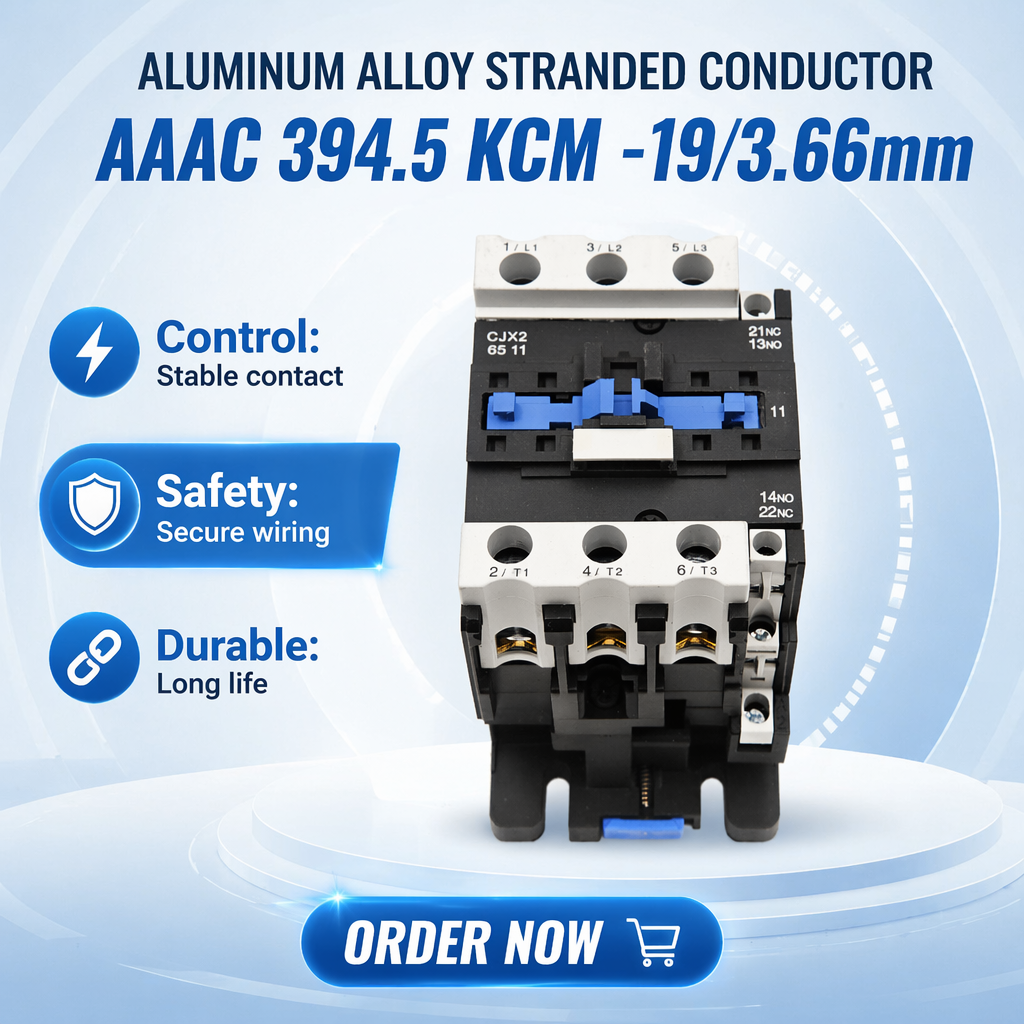
Electrical AC Magnetic Contactor 50Hz 3 Phase 3 Poles Main Circuit Rating Din Rail Mount Industrial Automation Use CJX2-8011
View Details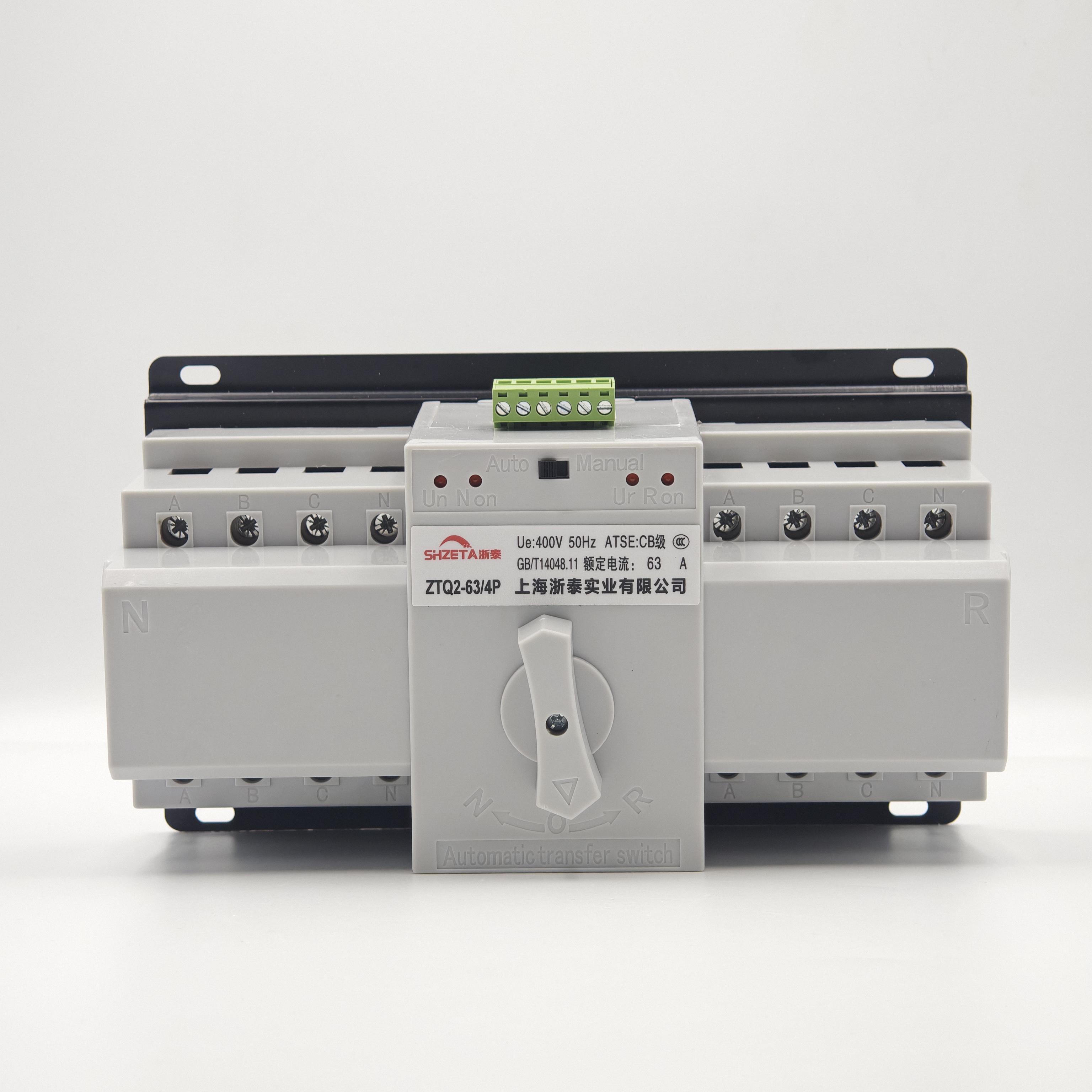
63 /4P Automatic Transfer Switch (ATS) Dual Power 400V CB Class for Solar System
View Details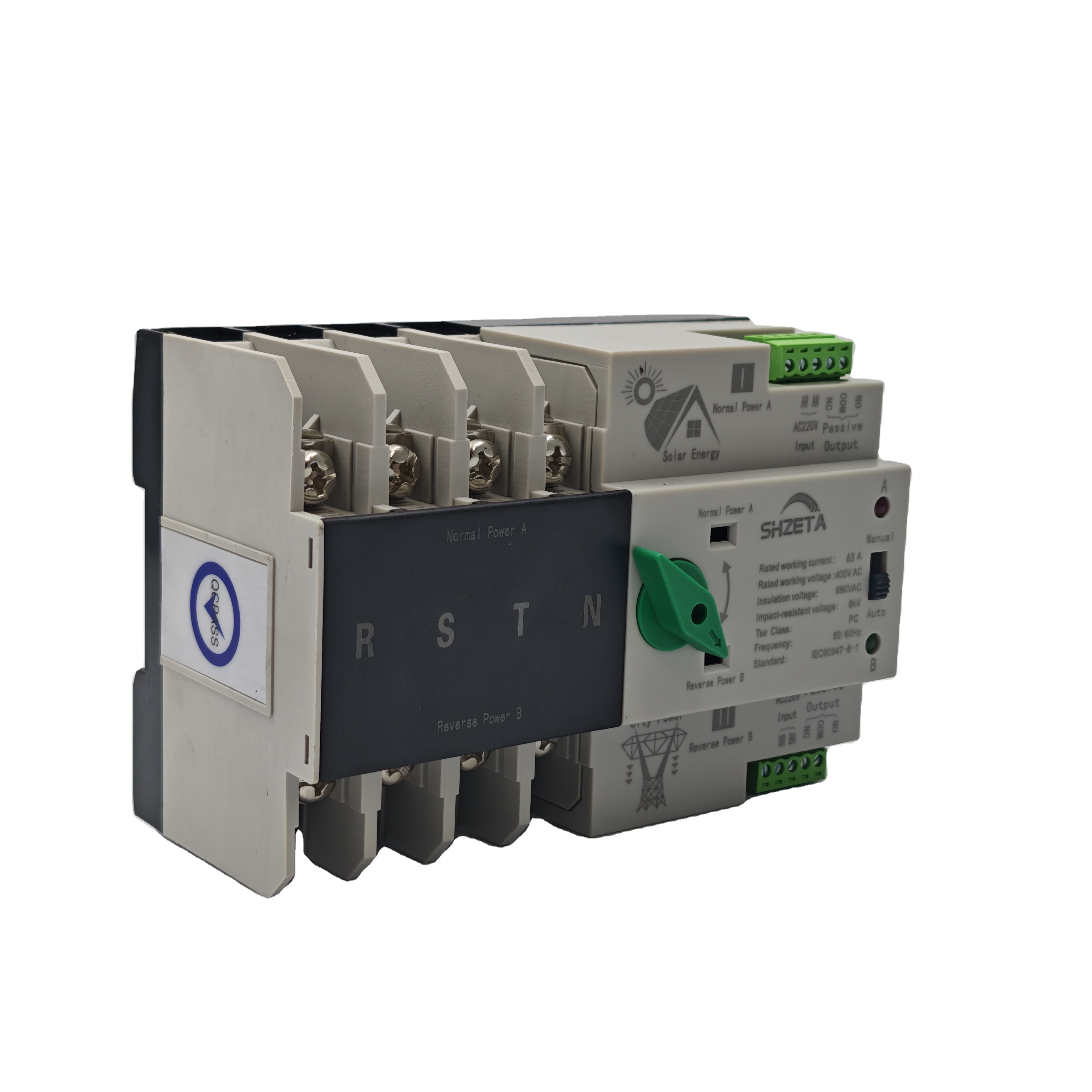
Din Rail ATS Double Power Automatic Transfer Switch 4P100A 125A Three Phase PC Type AC 400V OEM
View Details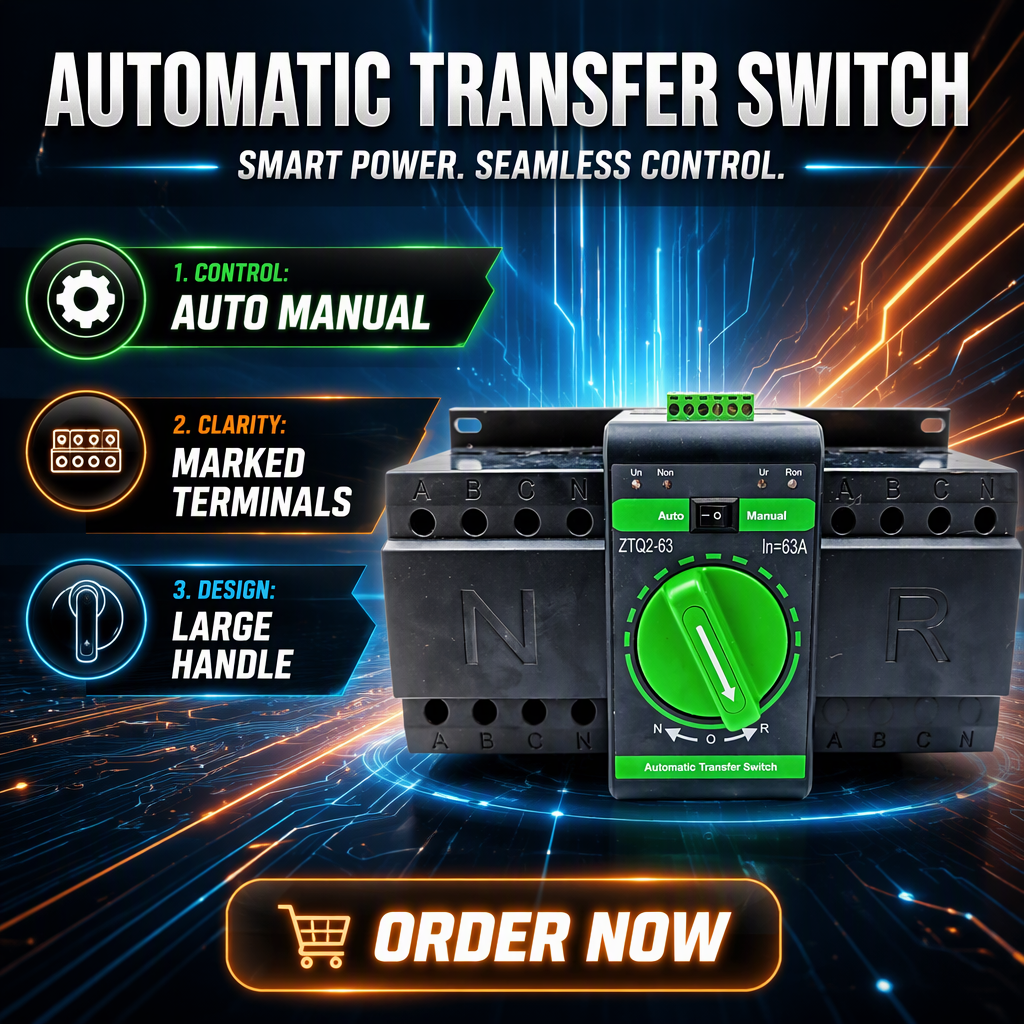
Customizable 2-Pole 4P Single/Three Phase Manual Conversion ATS 10kA Breaking Capacity 125A Frame Current Industrial Household
View Details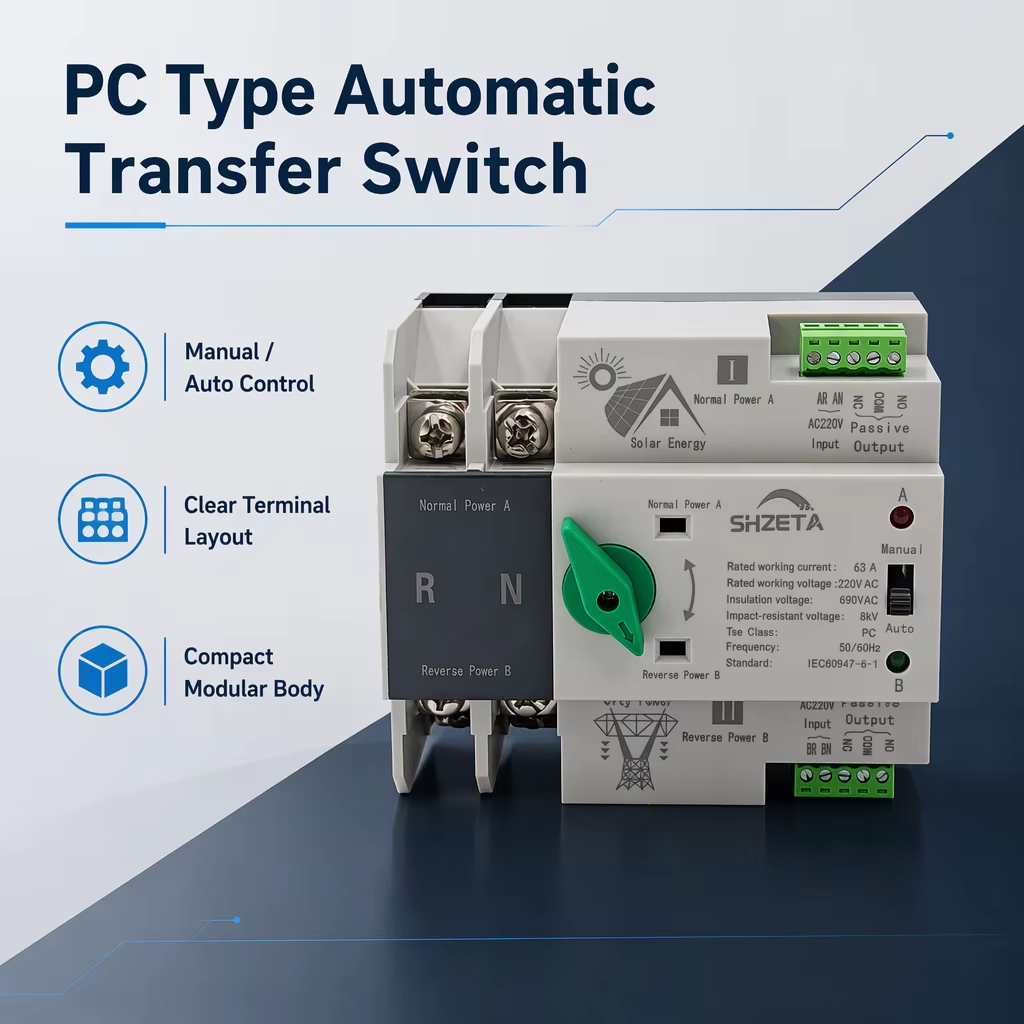
PC Type Automatic Transfer Switch 220V AC Manual Auto Control Modular Changeover Device for Solar Power
View Details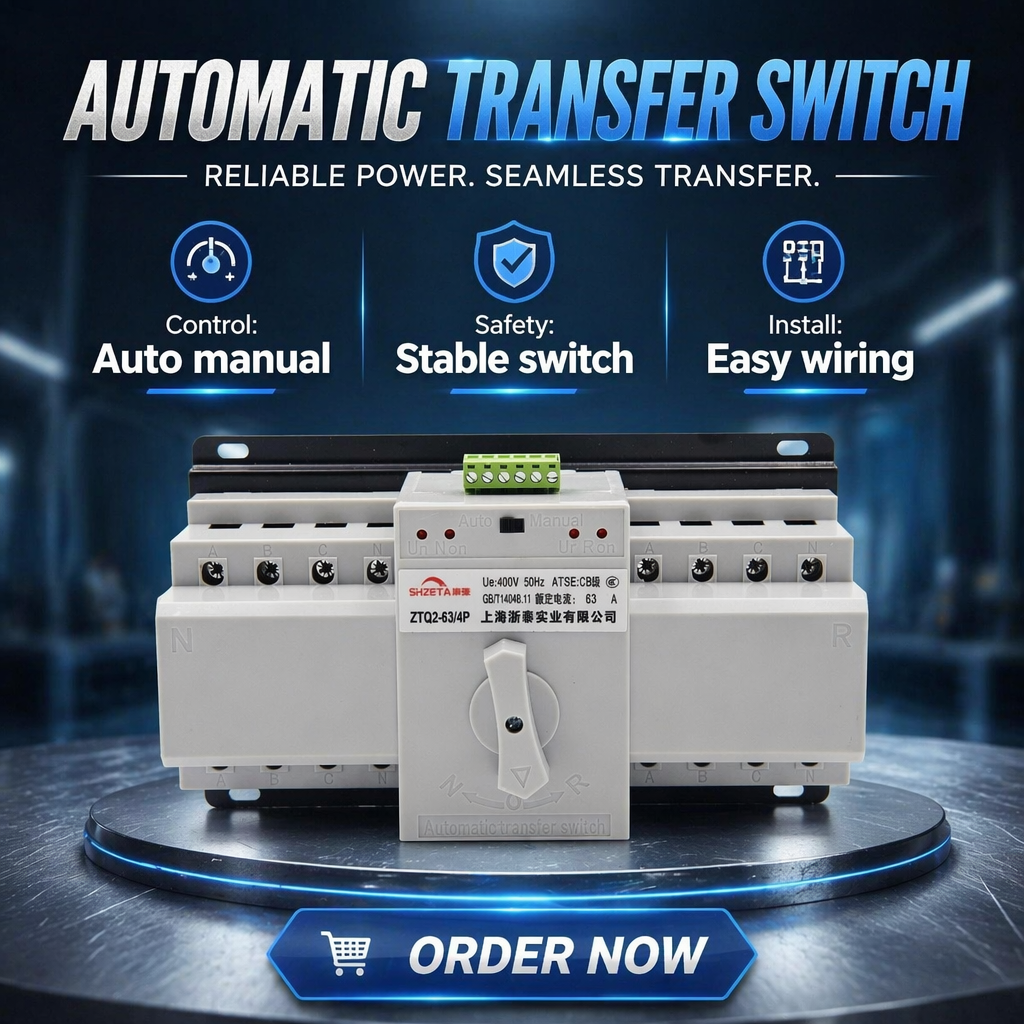
4P 63A Manual Changeover Switch Reliable Dual Power Transfer Integrated Circuit Breaker Type ATS for Home and Industrial Use
View Details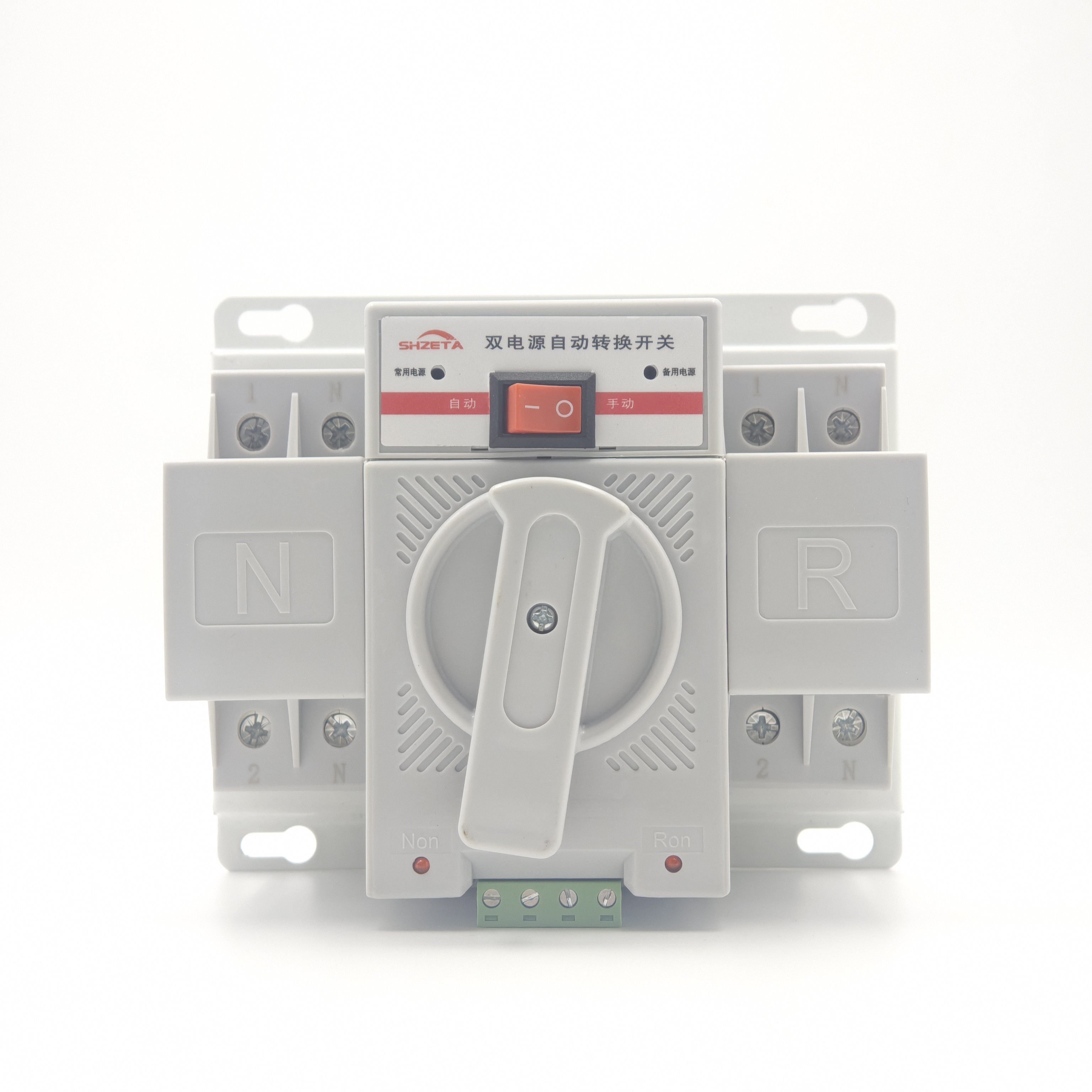
2P Single Phase Automatic Transfer Switch 220V 6kA Breaking Capacity 63A Frame Current Coated Back Paper Henan for Industrial
View Details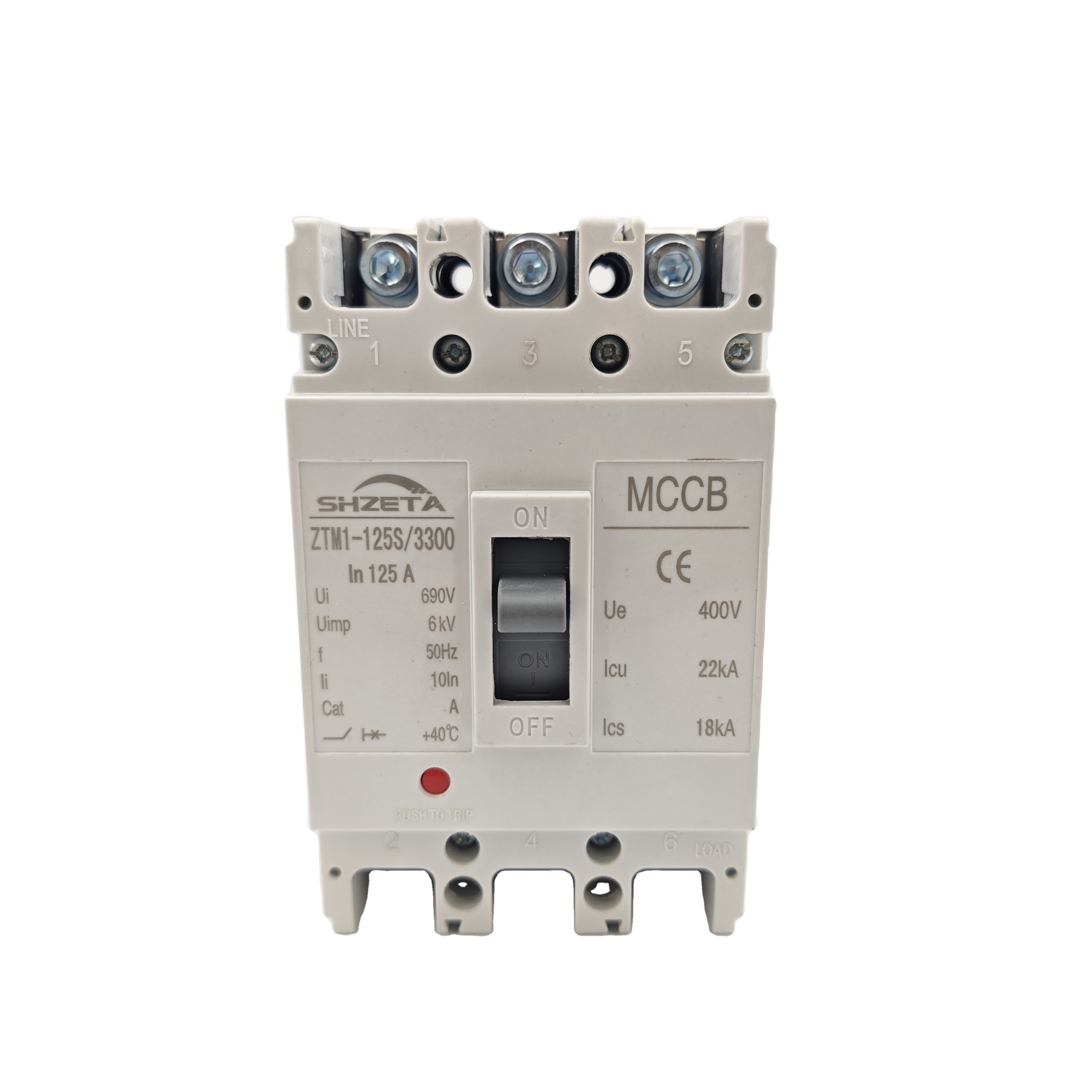
Mutai 3p 80amp 100 Amp Thermal Magnetic Circuit Breaker 415V 35kA 50/60Hz for Wholesale
View DetailsFactory Advantages & OEM Customization Capabilities
Zhejiang Graybar Electric Co., Ltd. stands as an industry-leading manufacturer and exporter situated in Liushi Town, Wenzhou—China's global capital for low-voltage electrical technology. Leveraging decades of localized supply chain integration and cutting-edge electromechanical engineering, Graybar provides global importers, panel builders, original equipment manufacturers (OEMs), and industrial distributors with high-performance AC/DC contactor switches, Automatic Transfer Switches (ATS), Moulded Case Circuit Breakers (MCCB), and Surge Protection Devices (SPD).
Integrated Manufacturing Ecosystem
Located in the heart of Liushi, our facility oversees coil winding, stamping, silver alloy contact welding, housing moulding, and rigorous automated inspection under one unified quality framework.
OEM & ODM Flexibility
We offer customized coil voltages (AC/DC 12V to 440V), custom terminal geometry, laser-engraved logos, private label packaging, and bespoke enclosure configurations with low minimum order quantities.
Strict IEC Verification
Every single contactor unit undergoes 100% full-load trip verification, dielectric withstand voltage testing, contact bounce checking, and temperature rise analysis conforming to IEC 60947-4-1 standards.
Engineering White Paper: Fundamentals of Modern Custom Contactor Switches
Electrical contactors represent the core switching interface in modern industrial automation, HVAC control, motor starters, renewable energy microgrids, and power distribution switchboards. Unlike residential relays or manual circuit breakers, an AC Magnetic Contactor is engineered to repeatedly establish, carry, and interrupt high nominal currents under severe duty cycle conditions without suffering contact welding or thermal runaway.
1. Electromagnetic Mechanism & Coil Efficiency
The core operating mechanism relies on a dynamic balance between electromagnetic pull force and mechanical spring return. When energised, the control coil creates an intense magnetic field within a laminated soft-iron core, drawing the movable armature towards the stationary core. In high-grade OEM contactors manufactured by Graybar, coils are wound using high-purity copper magnet wire rated for Class H insulation ($180^\circ\text{C}$). Advanced DC solenoid coils feature wide-voltage electronic control modules that eliminate magnet chatter during line voltage sags, drastically reducing coil power holding consumption by up to 70%.
2. Contact Material Metallurgy & Arc Quenching Technology
When switching inductive loads (such as AC-3 or AC-4 motor start-stop cycles), an intense electric arc is drawn across the contact tips during opening. The longevity of an OEM contactor switch hinges primarily on two factors:
- Contact Metallurgy: Standard low-cost contactors employ basic silver-cadmium oxide ($\text{AgCdO}$), which presents environmental disposal issues under EU RoHS directives. Graybar utilizes environmentally compliant Silver Tin Oxide ($\text{AgSnO}_2$) and Silver Nickel ($\text{AgNi}$) composite alloy contacts. $\text{AgSnO}_2$ offers superior resistance to contact erosion, arc welding, and material transfer during peak inrush currents.
- Arc Suppression Chambers: High-ampere contactors (such as the CJX2 series up to 800A) feature multi-plate steel arc chutes and magnetic blowout coils. When contacts separate, the electromagnetic Lorentz force drives the arc upward into splitter plates, dividing the total arc voltage into smaller series arcs, cooling the plasma, and extinguishing it within milliseconds.
Technical Insight: Utilization Category Selection (IEC 60947-4-1)
Selecting the correct contactor switch requires matching the electrical rating with the specific load characteristics. Applying an AC-1 rated device to an AC-4 heavy-duty motor reversing application will cause rapid contact welding. Always verify the motor operational current ($I_e$) and breaking capacity before specifying thermal overload settings.
3. Contactor Duty Cycle & Technical Comparison Matrix
The following technical matrix outlines the key engineering criteria across standard switching equipment families used in modern low-voltage distribution boards:
| Equipment Category | Primary IEC Standard | Utilization Duty | Typical Mechanical Life | Key OEM Custom Options |
|---|---|---|---|---|
| AC Magnetic Contactor | IEC 60947-4-1 | AC-1 (Resistive), AC-3 (Squirrel Cage Motor), AC-4 (Plugging/Inching) | 10,000,000 Operations | Coil Voltage (12V–440V), Auxiliary Blocks (1NO+1NC, 2NO+2NC), Latching Units |
| Automatic Transfer Switch (ATS) | IEC 60947-6-1 | AC-33B (Frequent Changeover), PC-Class / CB-Class Dual Power | 1,000,000 Operations | Fire-fighting signal link, Genset start logic delay, RS485 Modbus telemetry |
| Thermal Magnetic MCCB | IEC 60947-2 | Category A / Category B Main Feeder Protection | 25,000 Operations | Adjustable thermal release ($0.8\text{--}1.0 \times I_n$), Shunt release, Under-voltage release |
| Modular DIN Rail Contactor | IEC 61095 / IEC 60947-4-1 | Household AC-7a / AC-7b Building Automation | 3,000,000 Operations | Hum-free DC coils, Manual override switch lever, Customized pole width |
Future B2B Procurement Trends for Low-Voltage Control Components
As the global power sector transitions toward decentralized renewable energy generation, smart grids, electric vehicle infrastructure, and energy storage systems (ESS), procurement managers and system integrators face evolving operational demands. Analyzing procurement patterns across North America, Europe, and Asia-Pacific reveals several critical shifts:
1. Shift Towards Total Cost of Ownership (TCO) & Sustainability
Procurement strategies have moved beyond initial purchase price ($CapEx$) evaluation toward long-term lifecycle cost management ($OpEx$). Standard contactors with high internal coil resistance generate significant heat inside enclosed switchboards, requiring additional cabinet cooling fans and increasing parasitic energy losses. Modern buyers prioritize energy-saving contactors equipped with electronic coil drives that draw minimal holding power, contributing directly to carbon reduction targets and building energy ratings (LEED, BREEAM).
2. Demand for Resilient, Localized OEM Supply Chain Partnerships
Recent global supply chain disruptions have highlighted the risk of over-reliance on rigid supply networks with high minimum order quantities. Procurement teams are seeking agile manufacturing partners in specialized industrial clusters like Liushi, Wenzhou. By partnering directly with manufacturers offering low MOQs (starting from 5 units for standard breakers and contactors), distributors can streamline inventory turns, run quick prototype validation cycles, and maintain lean warehouse operations.
3. Integration of Direct Solar PV & Energy Storage Switching Requirements
With the exponential growth of commercial solar microgrids and battery storage, procurement departments are rapidly expanding specifications to include high-voltage DC contactors and hybrid dual-power Automatic Transfer Switches (ATS). These devices must handle bi-directional power flows, zero-voltage switching, and fast transfer times (<10ms) to ensure uninterrupted transition between solar inverters, utility grids, and diesel standby generators.
Next-Generation Product Development Trends in Contactor Manufacturing
Research and development in low-voltage electrical apparatus focuses on increasing contact density, extending electrical endurance, and enabling seamless digital connectivity. The main technological trajectories shaping the market include:
1. Smart Contactors with Integrated Microcontrollers & IoT Gateways
Traditional contactors serve solely as passive execution elements. Next-generation smart contactors embed current transformers, temperature sensors, and RS-485 Modbus or IO-Link communication microcontrollers directly onto the housing. These integrated features enable real-time telemetry of contact erosion, operational count, phase voltage imbalance, and coil status, allowing predictive maintenance software to flag potential switch failures before unscheduled industrial downtimes occur.
2. Hybrid Electromechanical & Solid-State Switching (Zero-Cross Switching)
Pure solid-state relays (SSRs) feature ultra-fast switching but suffer from high forward voltage drops and continuous heat dissipation. Pure mechanical contactors have zero forward loss but generate contact arcs. Advanced hybrid switching technology combines a semiconductor switch in parallel with mechanical silver contacts. During closing or opening, the solid-state device fires at the exact AC voltage zero-crossing point, completely suppressing electrical arcing. Once closed, the mechanical contacts carry the full load current with zero heat dissipation, extending contact electrical life by up to 1,000%.
3. Compact Modularization & Flame-Retardant Polymer Housings
Cabinet space inside modern control panels is at an absolute premium. Modern contactor designs leverage high-density arc-extinguishing chute geometry and high-performance engineering thermoplastics (such as PA66 glass-fiber reinforced material rated for UL94-V0 flammability). This allows manufacturers to reduce overall device footprints by up to 30% while increasing dielectric insulation ratings up to 1000V AC.
Procurement & Engineering FAQ
Key technical and sourcing questions addressed by Graybar’s senior application engineering team for overseas buyers and panel builders.
Ready to Upgrade Your Switching Control Infrastructure?
Contact our technical engineering team today for custom coil specifications, OEM brand laser printing, technical datasheets, and direct factory price quotes.