Featured Low Voltage Protection & Switching Assemblies
Certified to IEC 60898-1, IEC 60947-2, and IEC 60947-6-1. Sourced directly from our automated Liushi production lines with zero intermediary markups.
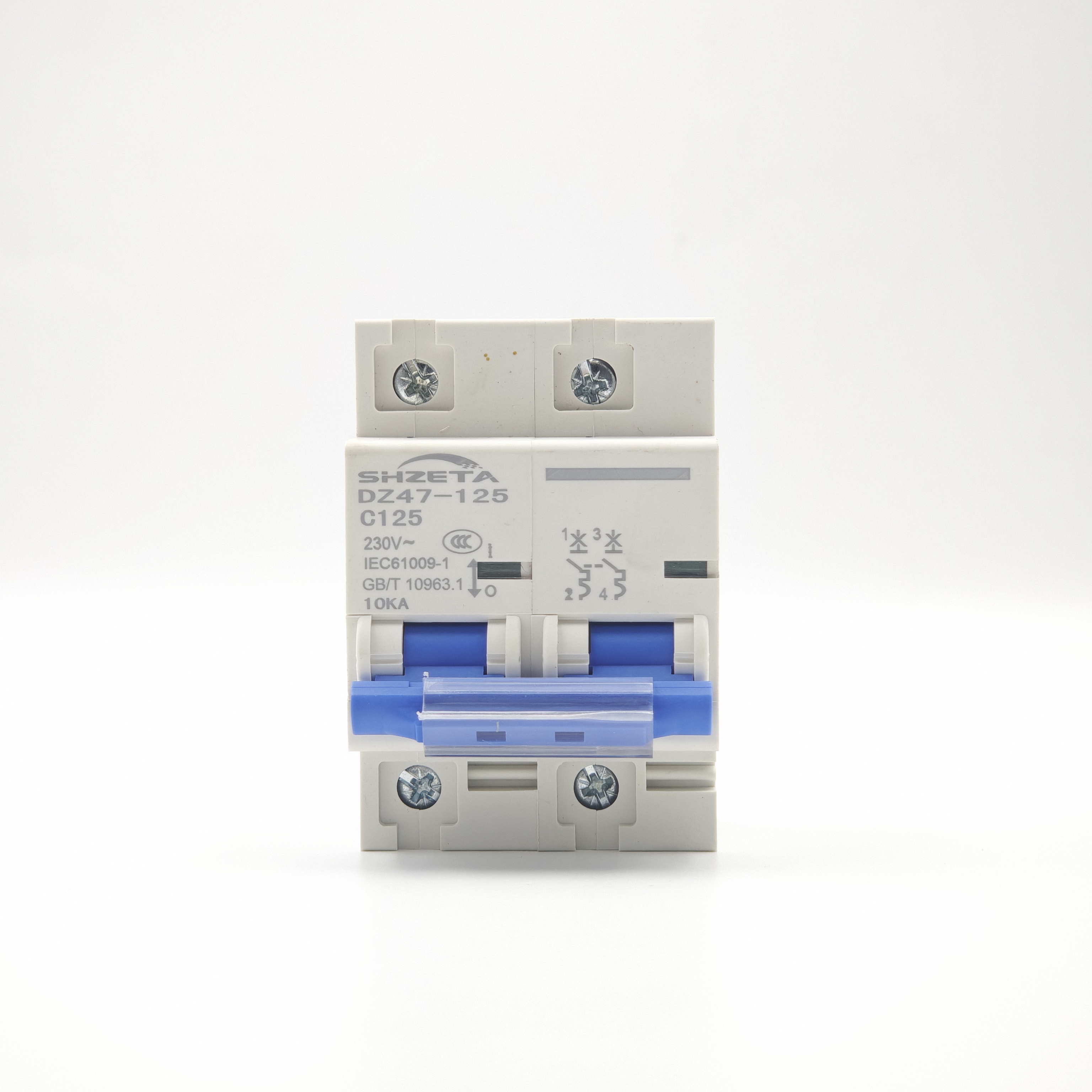
CE Certified DC Circuit Breaker MCB Red Copper Miniature Solar Protection High Efficiency
- Contact Matrix: Pure Red Copper
- Voltage Rating: Up to 1000V DC
- Standard: IEC 60947-2 / CE
- Core Use: Solar PV & BESS Strings
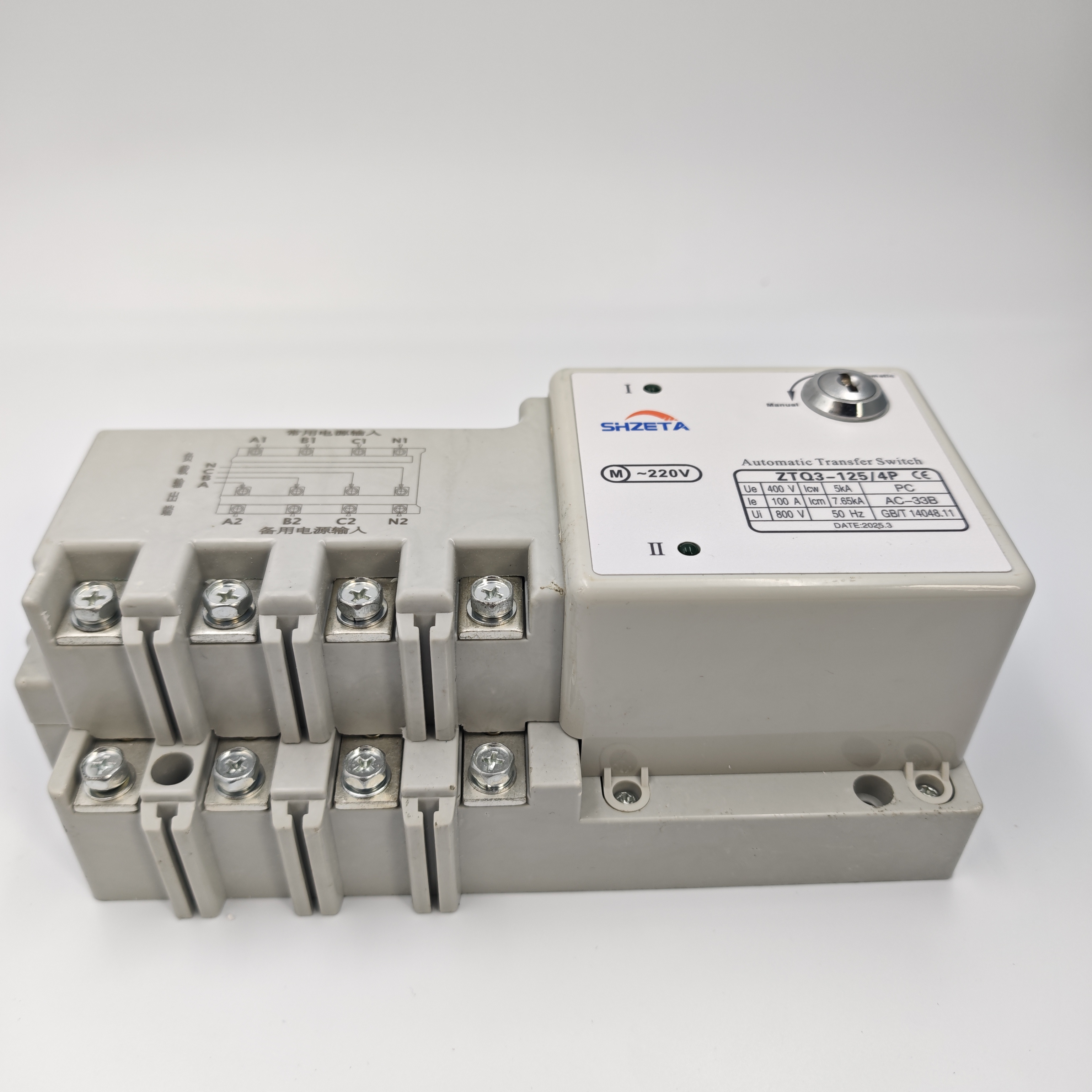
Dual Power Automatic Transfer Switch ZTQ3-100A/4P for Households Industrial Use Customizable
- Rated Amperage: 100A Frame (4-Pole)
- Switching Time: < 50ms Seamless Transfer
- Class: PC / CB Dual Option
- Standard: IEC 60947-6-1
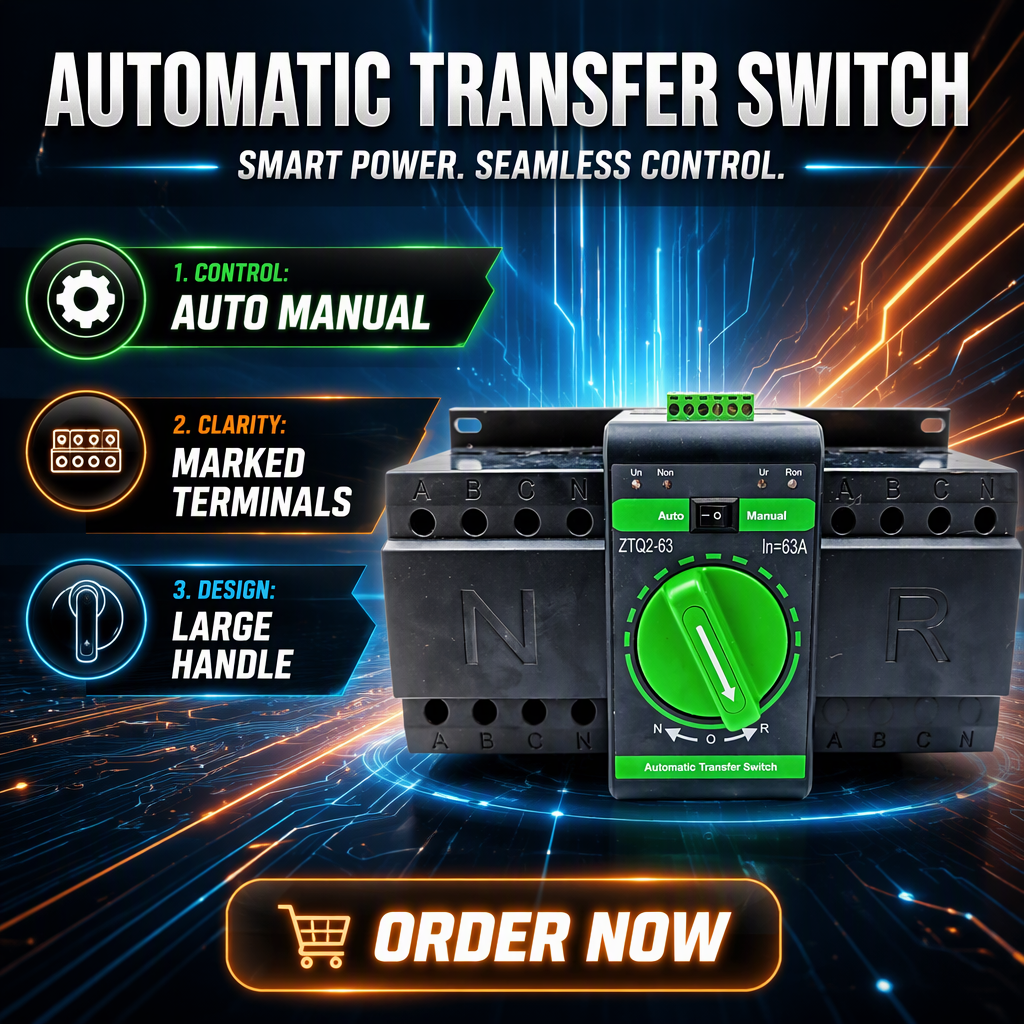
Customizable 2-Pole 4P Single/Three Phase Manual Conversion ATS 10kA Breaking Capacity 125A
- Breaking Capacity: 10kA Heavy-Duty
- Frame Current: 125A Incomer
- Pole Structure: 2P / 4P Configurable
- Mounting: Standard 35mm DIN-Rail
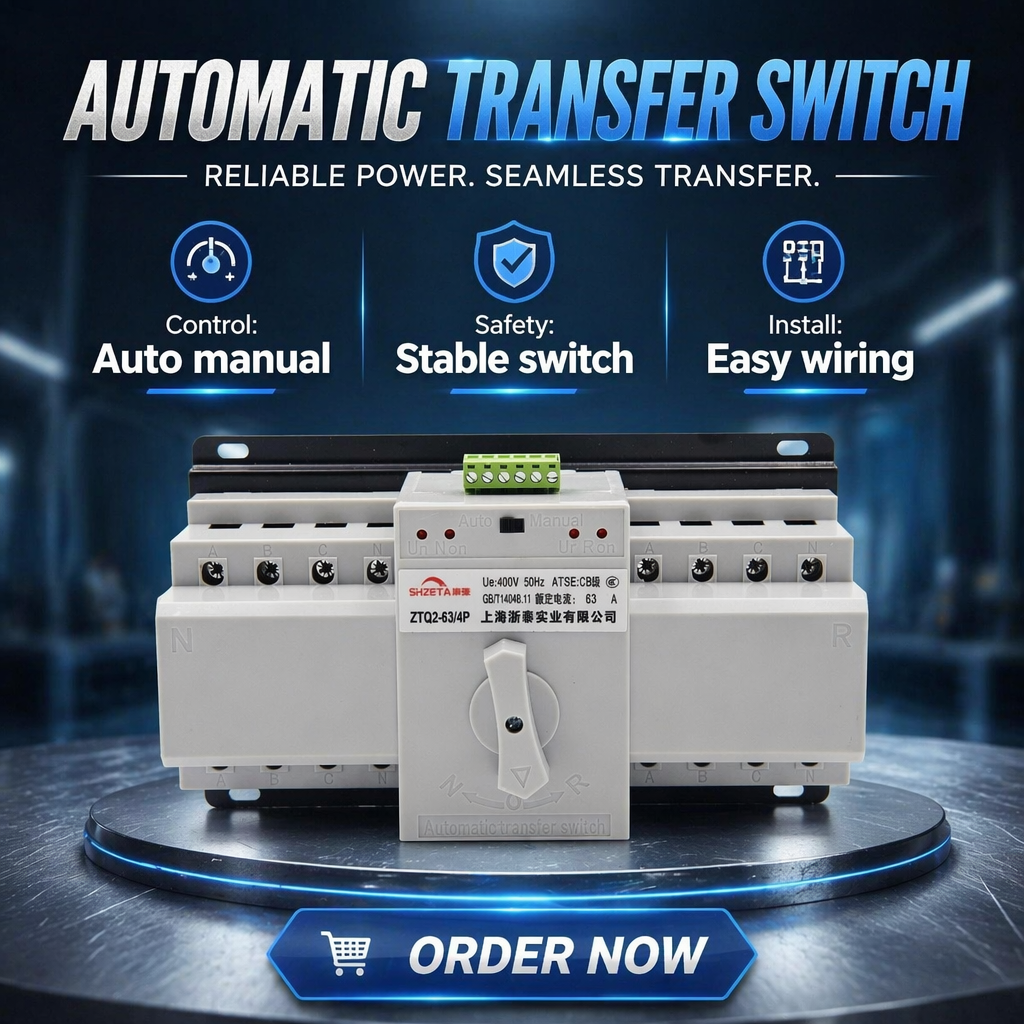
4P 63A Manual Changeover Switch Reliable Dual Power Transfer Integrated Circuit Breaker Type
- Configuration: 4-Pole Breaker Coupled
- Current Range: 63A Continous
- Safety Lock: Interlocked Prevention
- Target Grid: Mains / Generator Backup
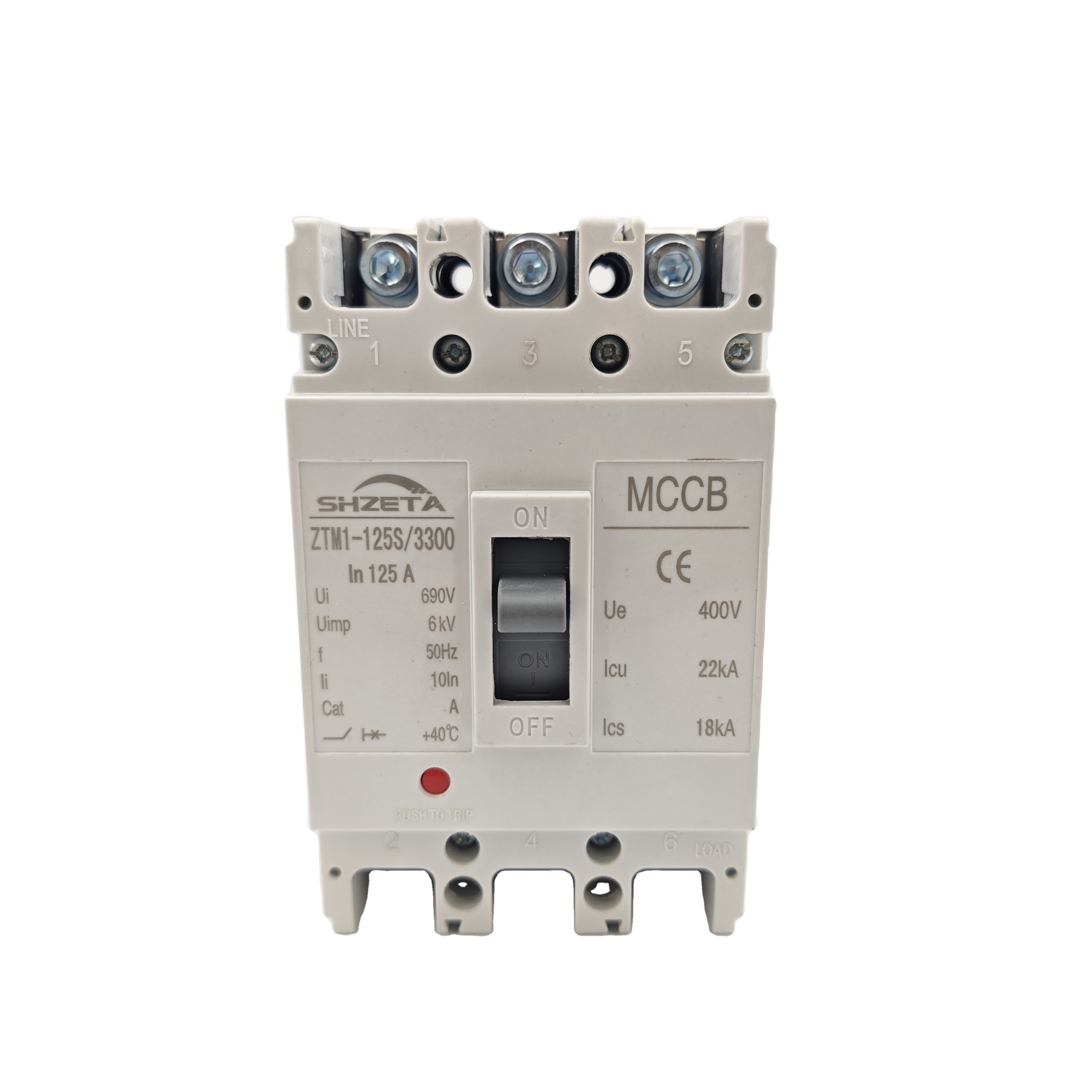
Mutai 3p 80amp 100 Amp Thermal Magnetic Circuit Breaker 415V 35kA 50/60Hz for Wholesale
- Trip Unit: Thermal-Magnetic Bimetal
- Rated Voltage: 415V AC (50/60Hz)
- Breaking Icu: 35kA High Interrupting
- Application: Motor Feeder & Distribution
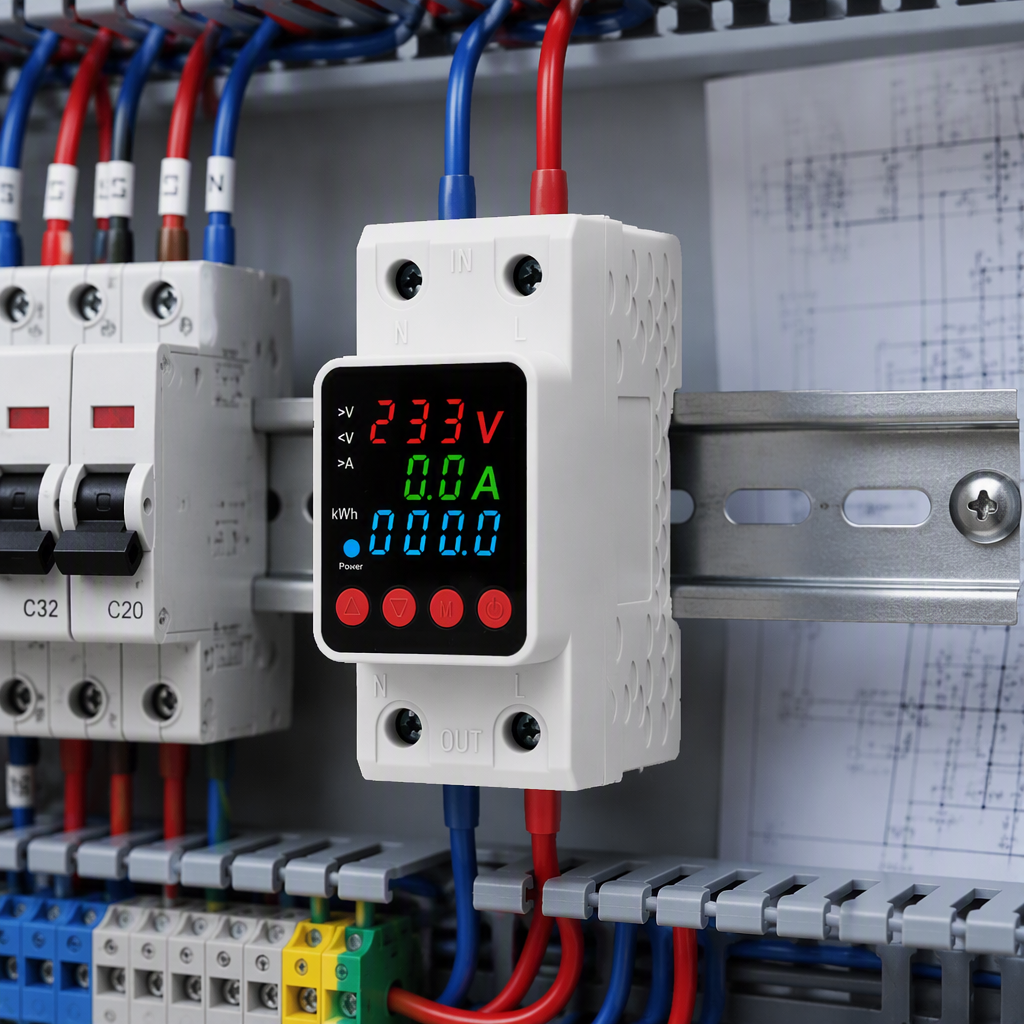
SHZETA Single Phase AC Voltage Meter with Over Voltage Protection and Energy kWh Meter Digital Display
- Monitoring: Real-Time Voltage & kWh
- Protection: Over/Under Voltage Auto-Cut
- Display: High-Contrast Backlit LCD
- Standard: IEC 62053-21 Class 1.0
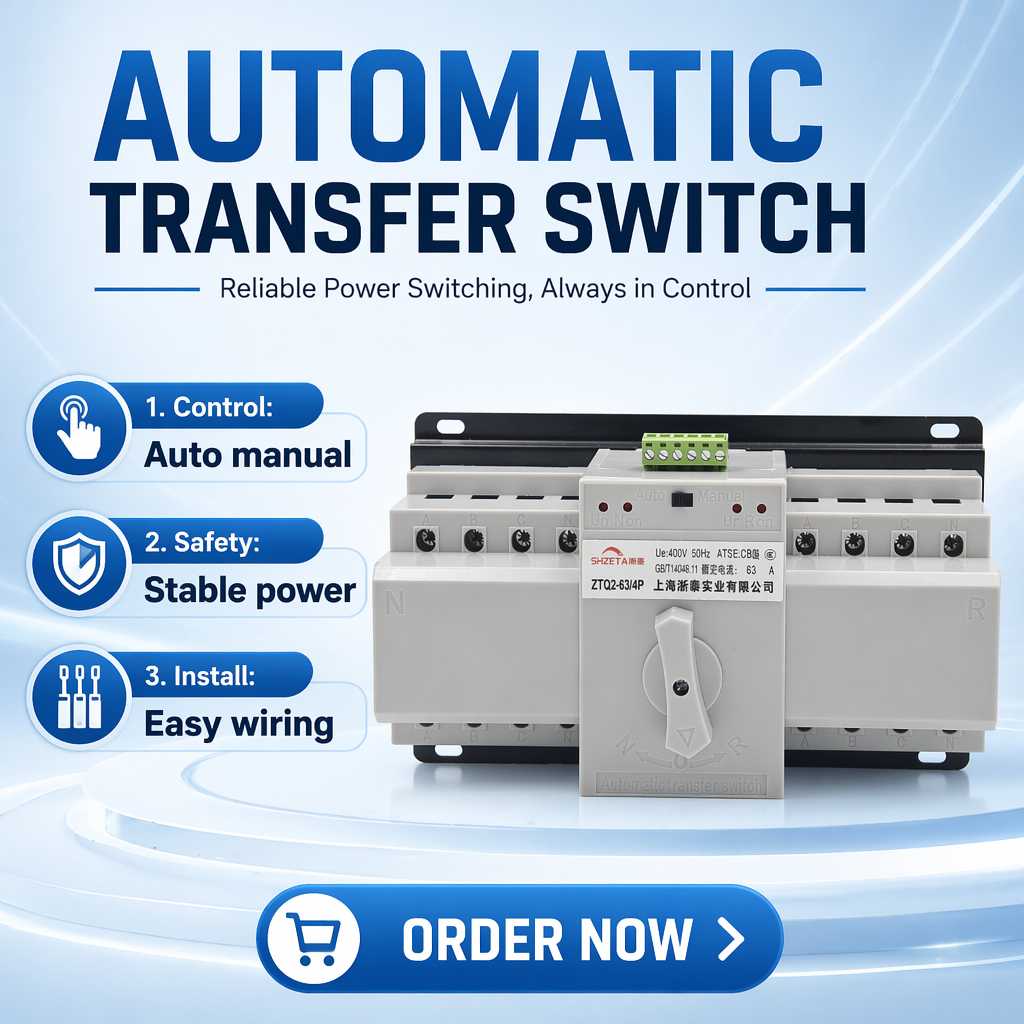
4P 63A Single Phase Manual Changeover Switch with Breaker Circuit Breaker Type ATS
- Operation: Manual Isolation & Transfer
- Housing Material: Flame-Retardant PA66
- Trip Curve: C-Curve Industrial
- Mechanical Life: ≥ 10,000 Operations
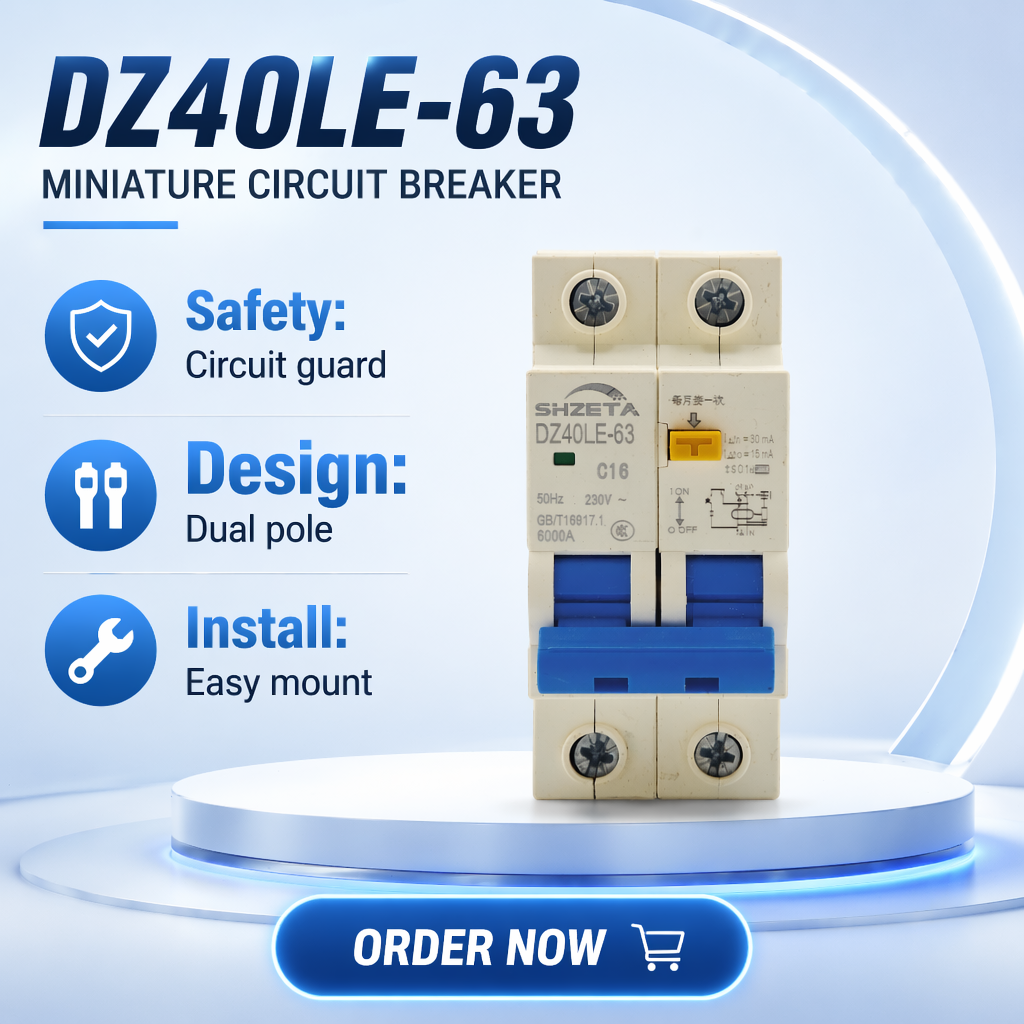
DZ47 63 DC MCB (PA66) BCD Curve C 6kA Rail Mounting Circuit Protection System
- Enclosure: UL94-V0 Virgin PA66
- Trip Curve: Curve B, C, D Multi-Choice
- Breaking Icn: 6kA Arc Quenching
- Polarity: Directional Non-Polarity Options
Next-Generation Low Voltage Circuit Breaker Sourcing Trends
As the international electrical landscape transitions toward high-density renewable power, battery storage, and automated building management systems, procurement engineers are altering their technical evaluation matrices.
High-Voltage DC Interrupting (1000V - 1500V DC)
The rapid expansion of distributed photovoltaic (PV) networks, EV charging superstations, and commercial battery energy storage systems (BESS) has shifted demand away from standard AC breakers toward specialized DC overcurrent protective devices. Because direct current lacks a natural zero-crossing point, extinguishing a 1000V DC fault arc demands expanded magnetic blowout fields and multi-plate de-ionizing arc chutes. International importers are actively auditing suppliers for certified DC breaking capacities under IEC 60947-2 to avert catastrophic switchboard meltdowns.
Microprocessor ETUs & Smart IoT Integration
Traditional bimetallic thermal-magnetic trip mechanisms are increasingly supplemented or replaced by Microprocessor-Based Electronic Trip Units (ETUs) and smart digital metering MCBs. Facility managers and panel builders now demand bidirectional telemetry—capturing real-time voltage, active power, harmonics, phase imbalance, and breaker contact wear. Modern low voltage breakers are transforming into active IoT edge nodes that communicate over RS485 Modbus, MQTT, or Zigbee protocols, permitting predictive maintenance and preemptive overload trip warning alarms before physical outages occur.
Supply Chain Agility & Cluster Procurement
Global supply chain volatility has made standalone trading houses risky for international distributors. B2B buyers now mandate direct tier-1 manufacturer relationships situated within hyper-dense industrial clusters like Liushi, Wenzhou. Sourcing from localized clusters provides sub-tier component resilience (silver-copper sintering, flame-retardant polyamide compounding, stamping tooling) within a 15-minute radius, insulating project lead times against global freight fluctuations and localized raw material chokepoints.
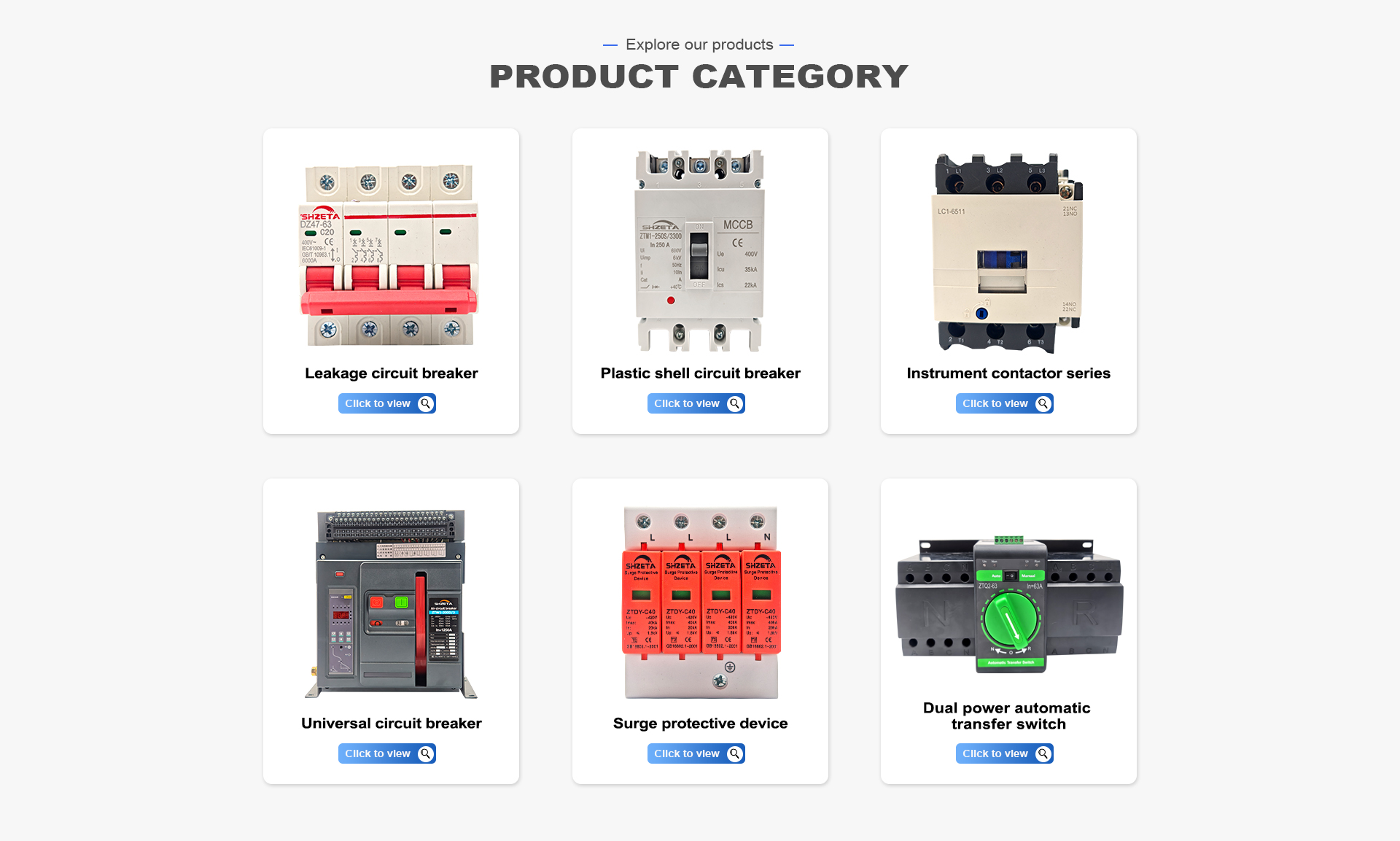
Contact Tip Metallurgy & Housing Integrity
The structural survival of an MCB or MCCB during an extreme prospective short-circuit fault depends fundamentally on metallurgy. While low-tier manufacturers often substitute copper-plated steel or low-purity brass to shave production costs, Zhejiang Graybar integrates 99.9% electrolytic red copper internal current paths combined with AgCdO (Silver Cadmium Oxide) or AgSnO2 (Silver Tin Oxide) sintered contact tips.
This metallurgical formulation exhibits extraordinary anti-welding characteristics under severe arc erosion up to 35kA. Simultaneously, breaker casings are molded strictly from non-recycled PA66 engineering plastics infused with glass fiber reinforcing agents, guaranteeing UL94-V0 flame retardancy, dimensional stability at continuous 70°C ambient operating temperatures, and exceptional tracking resistance (CTI > 175V).
Low Voltage Protection Selection & Discrimination Matrix
Systematic coordination guide for switchboard designers and electrical contracting engineers specifying protection architecture across main intake, feeder, and sub-circuit levels.
| Device Classification | Primary Standard | Current Scope (In) | Breaking Capacity (Icu/Icn) | Tripping Characteristic | Engineering Selection Guideline |
|---|---|---|---|---|---|
| Miniature Circuit Breaker (MCB) | IEC 60898-1 IEC 60947-2 |
0.5A to 125A | 4.5kA, 6kA, 10kA | B-Curve (3-5 In) C-Curve (5-10 In) D-Curve (10-20 In) |
Select B-curve for resistive loads, C-curve for general lighting/sockets, and D-curve for transformers and inductive motors with high instantaneous inrush currents. |
| Moulded Case Breaker (MCCB) | IEC 60947-2 | 16A to 1600A | 25kA to 100kA | Thermal-Magnetic Electronic (LSI/LSIG) |
Essential for sub-distribution feeders. Ensure service breaking capacity (Ics) equals 100% or 75% of ultimate breaking capacity (Icu) for mission-critical installations. |
| Air Circuit Breaker (ACB) | IEC 60947-2 | 630A to 6300A | 50kA to 150kA | Intelligent Digital ETU (Selective Category B) | Main incoming switchboards and secondary transformer switchgear. Draw-out cradles allow hot inspection and rapid replacement without dismantling main busbar systems. |
| Automatic Transfer Switch (ATS) | IEC 60947-6-1 | 16A to 3200A | Up to 100kA Coordination | PC Class (Solenoid) CB Class (Breaker Based) |
Specify PC-Class for ultra-fast (<30ms) critical transfer (hospitals/data centers); specify CB-Class where integrated overcurrent protection within the transfer switch is required. |
| Surge Protective Device (SPD) | IEC 61643-11 | Imax up to 100kA Up ≤ 1.5kV - 2.5kV |
Type 1, Type 2, Type 3 | High-Energy MOV / Gas Discharge Tube (GDT) | Match pole configurations to earthing topologies: 1P+N for TT/TN-S single phase, 3P+N for 400V three-phase systems. Always decouple with an upstream backup MCB or fuse. |
Why Global Wholesalers Choose Zhejiang Graybar Electric
Operating from the global epicenter of low voltage electrical manufacturing in Liushi Town, Wenzhou, we empower engineering contractors, private-label distributors, and OEM brands with decisive competitive margins.
Liushi Supply-Chain Epicenter
Direct adjacency to world-class precision stamping, silver alloy sintering, and automated molding facilities ensures rapid raw component turnaround, lowering our production cycle by 35% compared to inland factories.
100% Pre-Shipment Testing
Every single pole passes automated instantaneous magnetic trip calibration, thermal delay bimetal verification, and high-voltage dielectric isolation testing before packing. Zero unverified random-sampling shortcuts.
Agile OEM / ODM Customization
Private labeling via high-precision fiber laser marking, custom tripping curves, specialized rated operating voltages (110V, 220V, 380V, 415V, 690V, 1000V DC), multilingual carton packaging, and barcoding.
Low Trial Order MOQs
Standard MCB, MCCB, and SPD models initiate from an accessible 5-piece trial threshold, while Air Circuit Breakers (ACB) can be sampled from 1 unit, mitigating testing capital risk for new commercial importers.
On-Site Audited Workshop Infrastructure
Zhejiang Graybar Electric Co., Ltd. operates authenticated manufacturing and assembly spaces situated in Huangyu Village, Liushi Town, Wenzhou. We maintain dedicated calibration laboratories, dynamic life-cycle test rigs, and temperature-controlled storage cells.
Our logistical positioning guarantees seamless export consolidation through Ningbo and Shanghai deep-water container terminals, enabling mixed-category container shipments consolidating MCBs, MCCBs, Contactors, and SPDs within a single unified customs declaration.
Frequently Asked Questions in Low Voltage Breaker Procurement
Direct engineering answers to technical queries, compliance protocols, and export logistics frequently handled by our sales engineering desk.
Q1: What is the practical distinction between Icu and Ics ratings in MCCB sourcing?
Icu (Ultimate Short-Circuit Breaking Capacity) denotes the maximum fault current the circuit breaker can interrupt successfully twice (O-t-CO sequence), though the unit may suffer physical degradation and require immediate replacement. Ics (Service Short-Circuit Breaking Capacity) defines the maximum fault current the breaker can extinguish repeatedly (O-t-CO-t-CO) without sacrificing continuous operational performance. For industrial distribution, always demand an Ics of at least 75% to 100% of Icu to prevent costly post-fault downtime.
Q2: Can standard AC miniature circuit breakers be deployed safely in DC circuits?
No, standard AC MCBs must never be substituted for DC protection without rigorous de-rating and factory validation. Alternating current passes through zero voltage 100 or 120 times per second, extinguishing the arc naturally. Direct current maintains constant voltage, causing sustained plasma arc burning that quickly vaporizes standard AC contact points. Our dedicated DC MCB range incorporates permanent magnetic blowout dampers that physically divert the DC arc into dedicated arc splitters.
Q3: When should an engineer specify a 4-Pole (4P) MCCB instead of a 3-Pole (3P)?
A 4-Pole breaker (switching the neutral alongside phases L1, L2, and L3) is mandatory in systems with multiple source earthing points, installations fed by dual power sources (Utility and Standby Generator via ATS), systems utilizing TT or TN-S earthing with significant harmonic non-linear loads (servers, variable frequency drives) that generate excessive neutral currents, and any switchboard where full electrical isolation of the neutral is required by local wiring regulations (such as IEC 60364).
Q4: What is the critical distinction between PC-Class and CB-Class Automatic Transfer Switches?
A PC-Class ATS utilizes a dedicated high-speed solenoid or motor mechanism built exclusively for switching; it possesses no integrated thermal or magnetic overcurrent tripping, offering exceptional short-time withstand current (Icw) and high mechanical endurance. A CB-Class ATS is constructed from two mechanically interlocked circuit breakers equipped with overcurrent trip mechanisms. If an overcurrent fault occurs, the CB-class switch trips automatically, eliminating the need for an external upstream breaker.
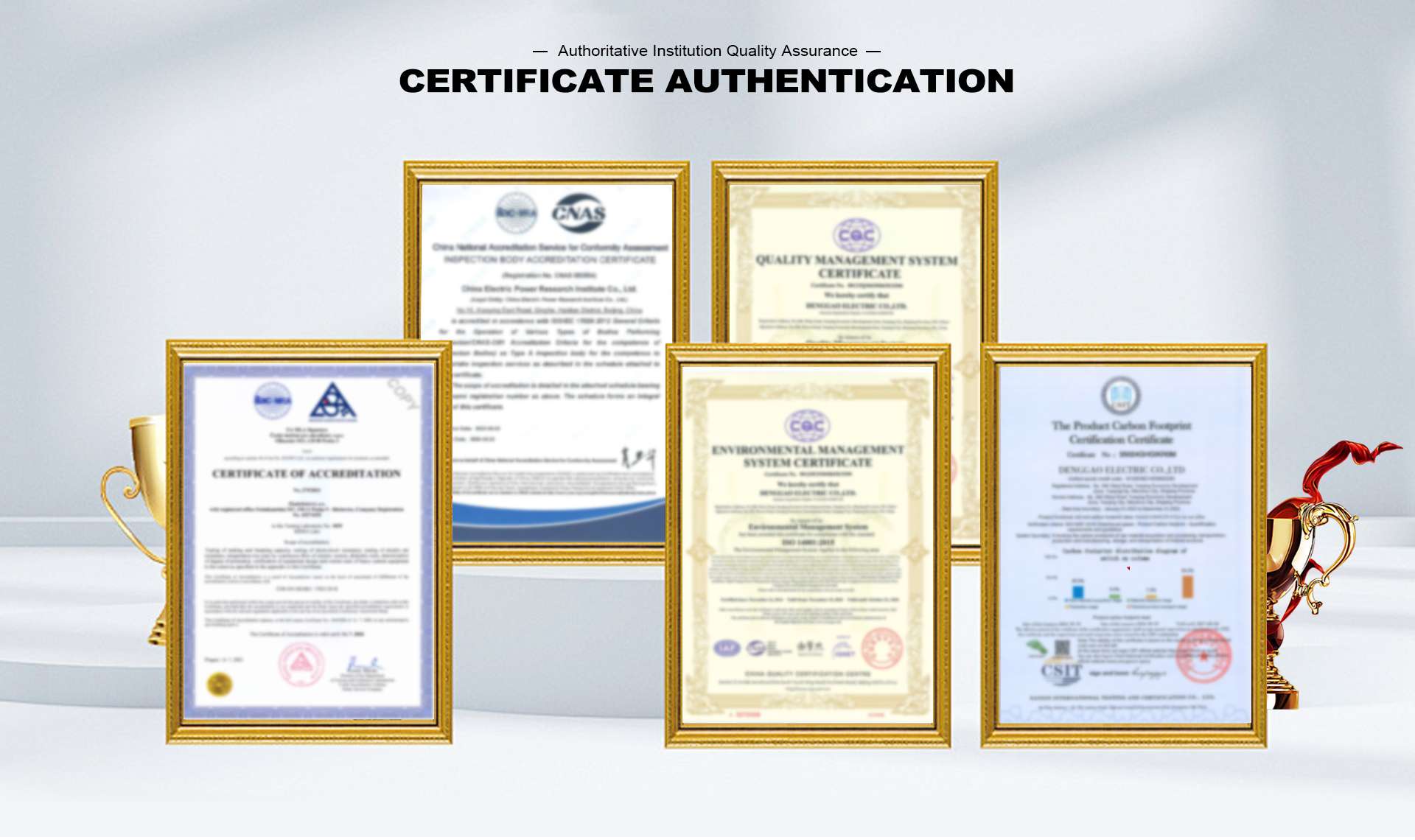
Q5: What third-party certificates and type-test reports are available for import compliance?
Zhejiang Graybar products are engineered with reference to IEC 60898-1, IEC 60947-2, IEC 60947-6-1, and IEC 61643-11. We supply CE declarations of conformity, RoHS material compliance reports, and accredited third-party laboratory type-test certificates verifying temperature-rise limits, mechanical/electrical endurance cycles, dielectric strength, and short-circuit interrupt capabilities upon project specification.
Q6: What is your standard lead time for full-container OEM branded orders?
Standard lead times for branded OEM production (including laser logo printing, customized cartons, and multilingual user guides) range between 15 to 25 calendar days, contingent upon frame size and custom pole configurations. Small batch trial orders (5 to 100 units) from our standard stock program can be packed and dispatched to Ningbo or Shanghai forwarding warehouses within 3 to 7 working days.
Q7: How does Zhejiang Graybar manage quality consistency across large-volume production runs?
We implement a triple-tier inspection protocol: Incoming Material Quality Control (IQC) tests silver plating thickness, spring tension constants, and bimetal thermal deflection; In-Process Quality Control (IPQC) conducts 100% automated instantaneous magnetic and thermal tripping tests on specialized test racks; Outgoing Quality Control (OQC) verifies torque tolerances, terminal screw hardness, laser marking clarity, and drop-proof packaging integrity.