Engineered Solar PV & Balance of Plant Hardware
Precision protection and switching devices tested according to IEC 60947-2, IEC 60898-2 DC, and IEC 61643-11 standards for direct shipment to EPCs, panel integrators, and distributors.
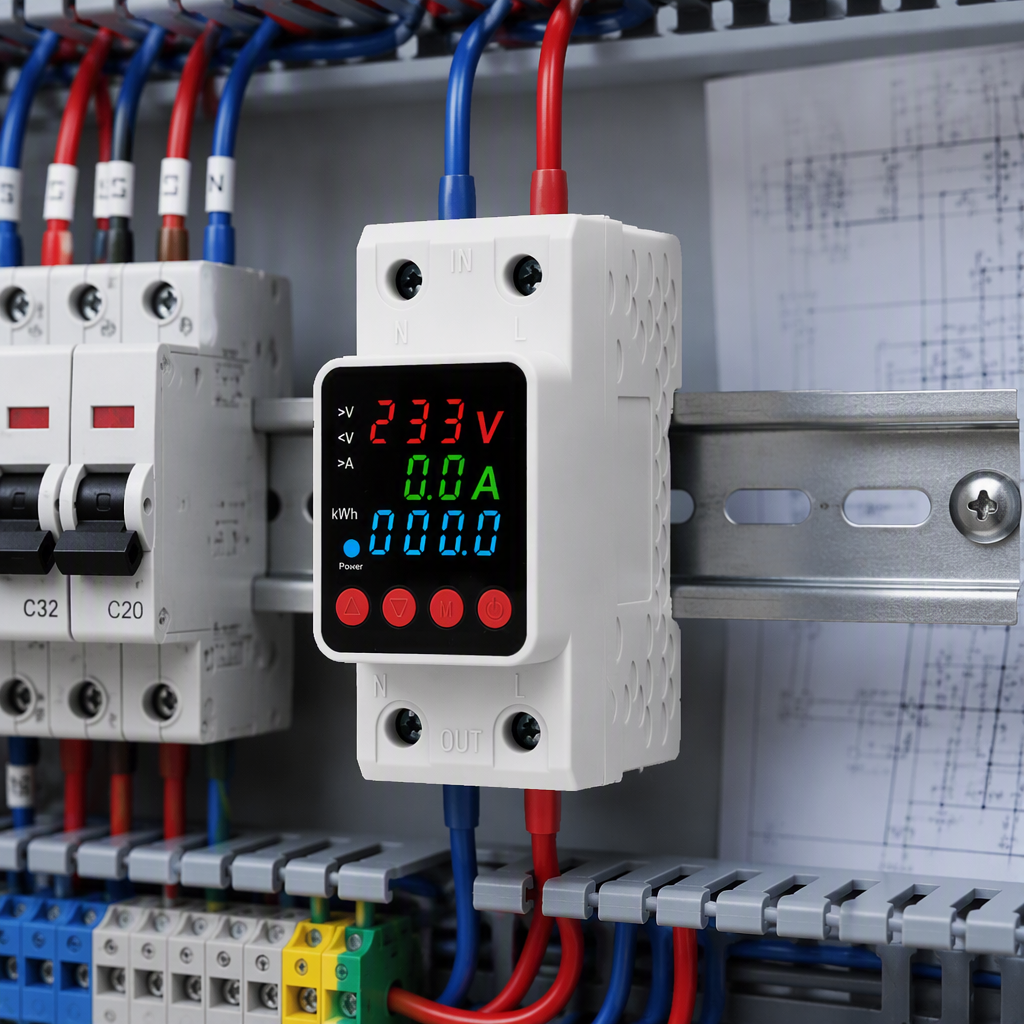
- FunctionOVP + kWh Display
- PhaseSingle Phase AC
- Mounting35mm DIN Rail
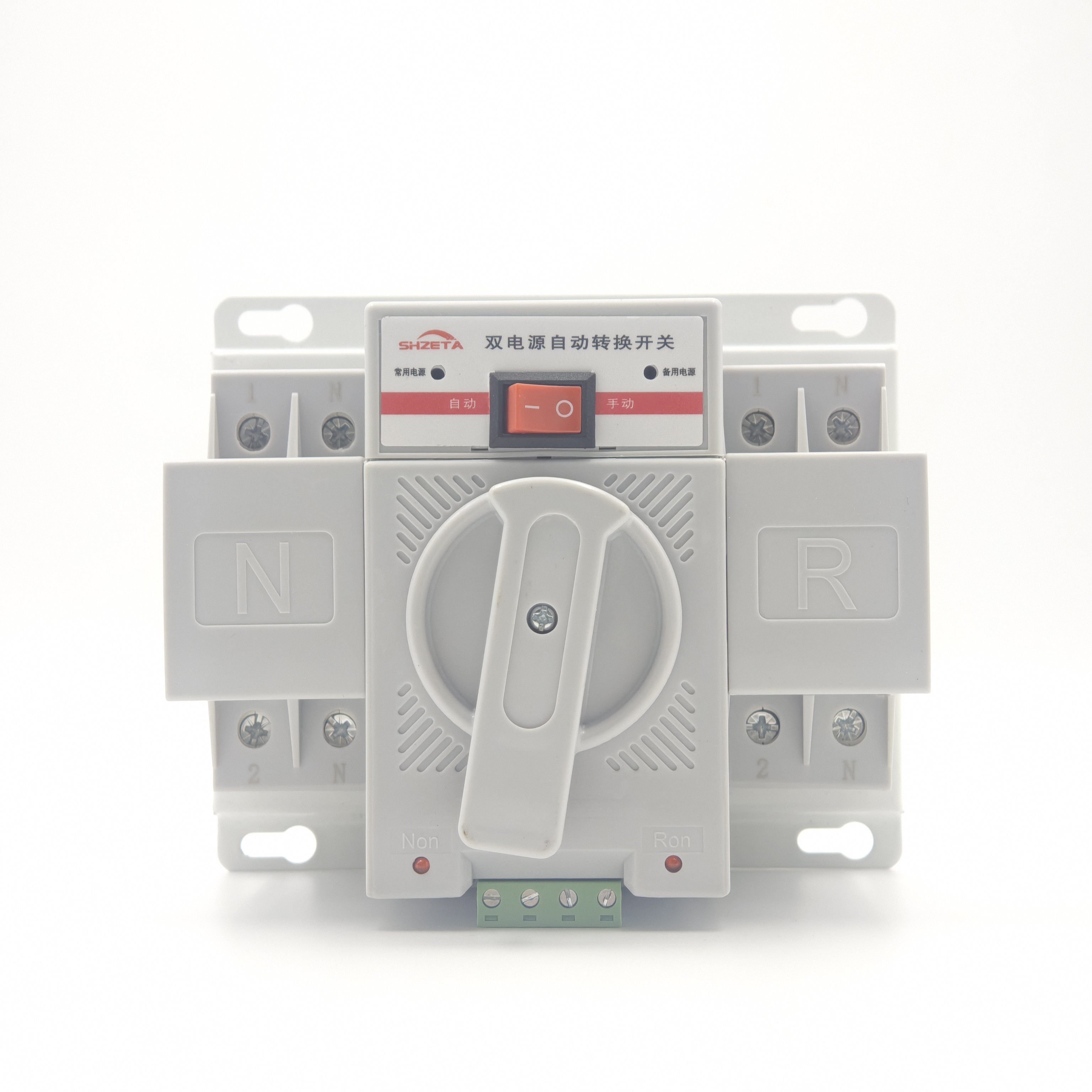
- Breaking Capacity6kA (Icu)
- Frame Current63A / 2-Pole
- OperationAutomatic Transfer
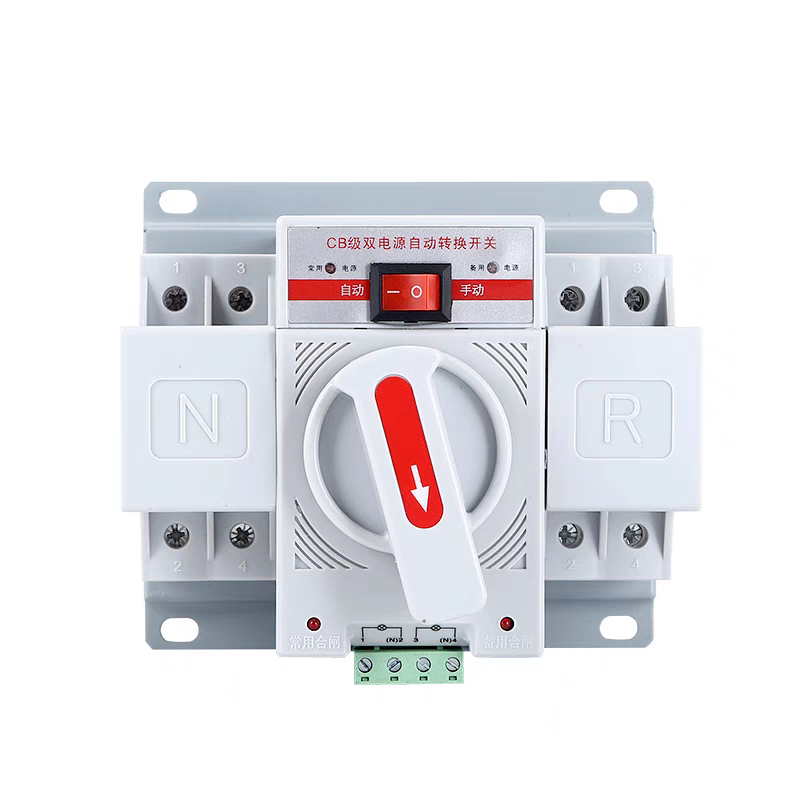
- Rated Amperage10A – 125A Range
- Poles Config2P / 3P / 4P
- Switching Time< 50ms Critical
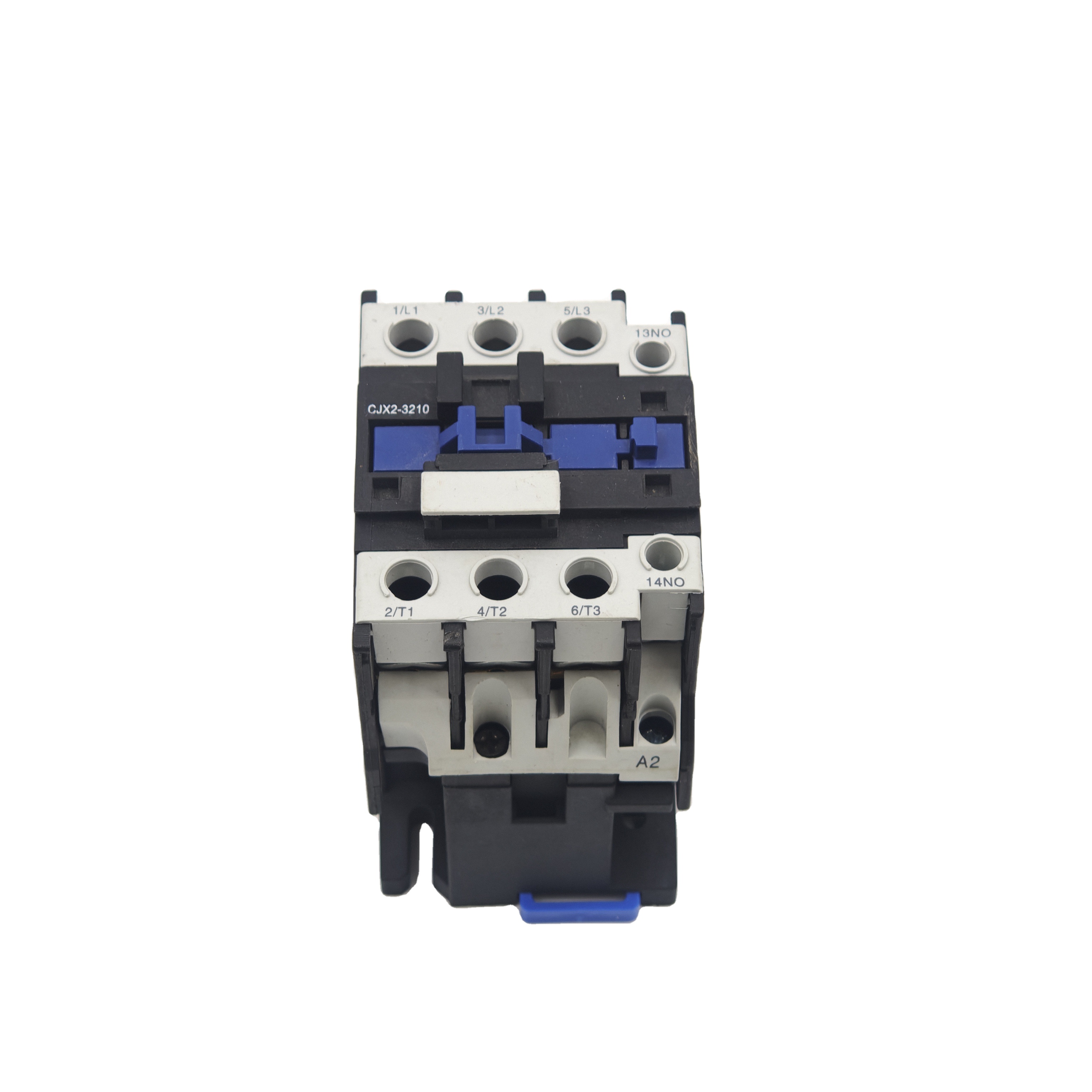
- Current Rating12A (AC-3)
- Coil Voltage220V 50Hz
- Aux Contact1 NO (1210)
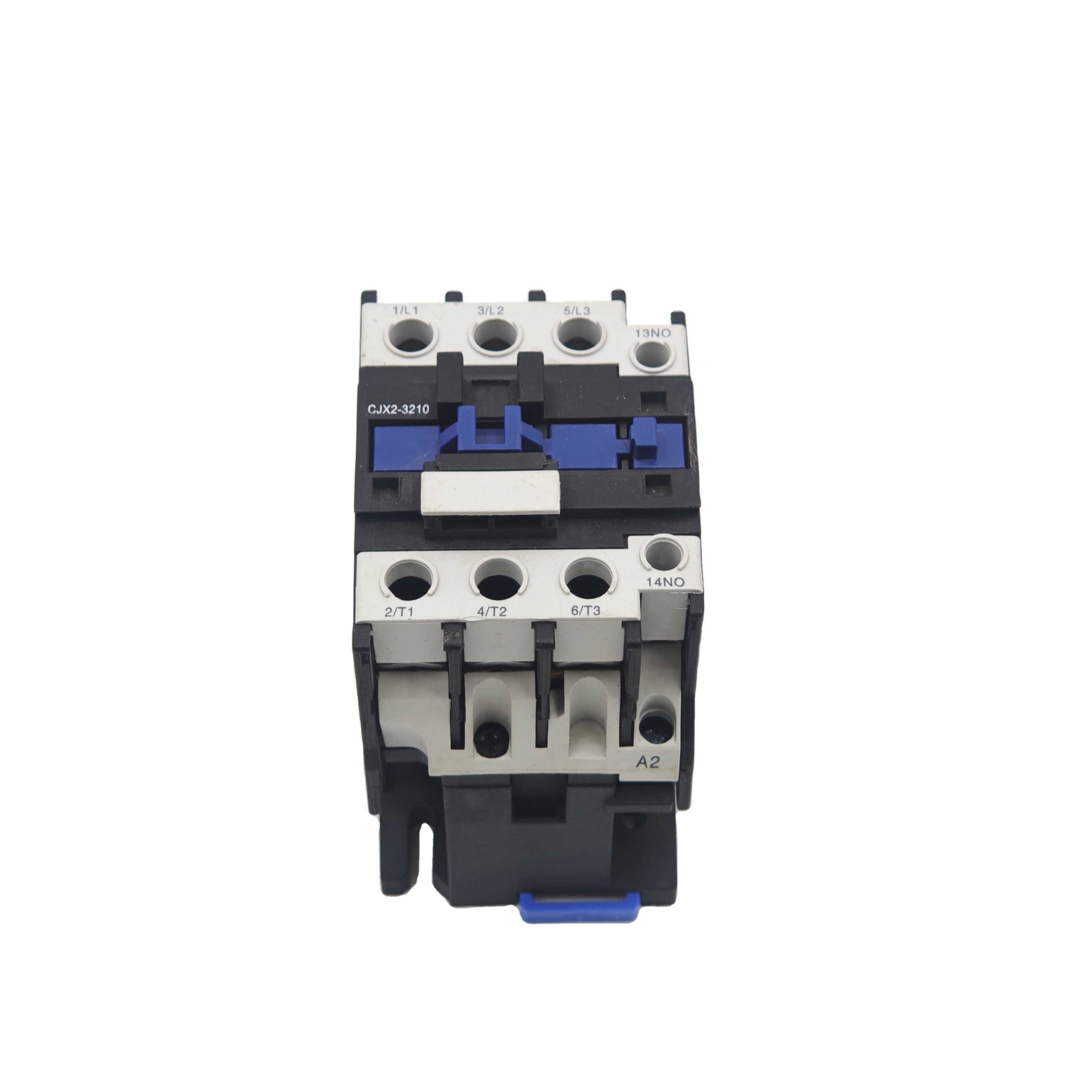
- System Voltage220V / 380V AC
- MountingSurface & DIN Rail
- Life Cycle1,000,000 Mech Ops
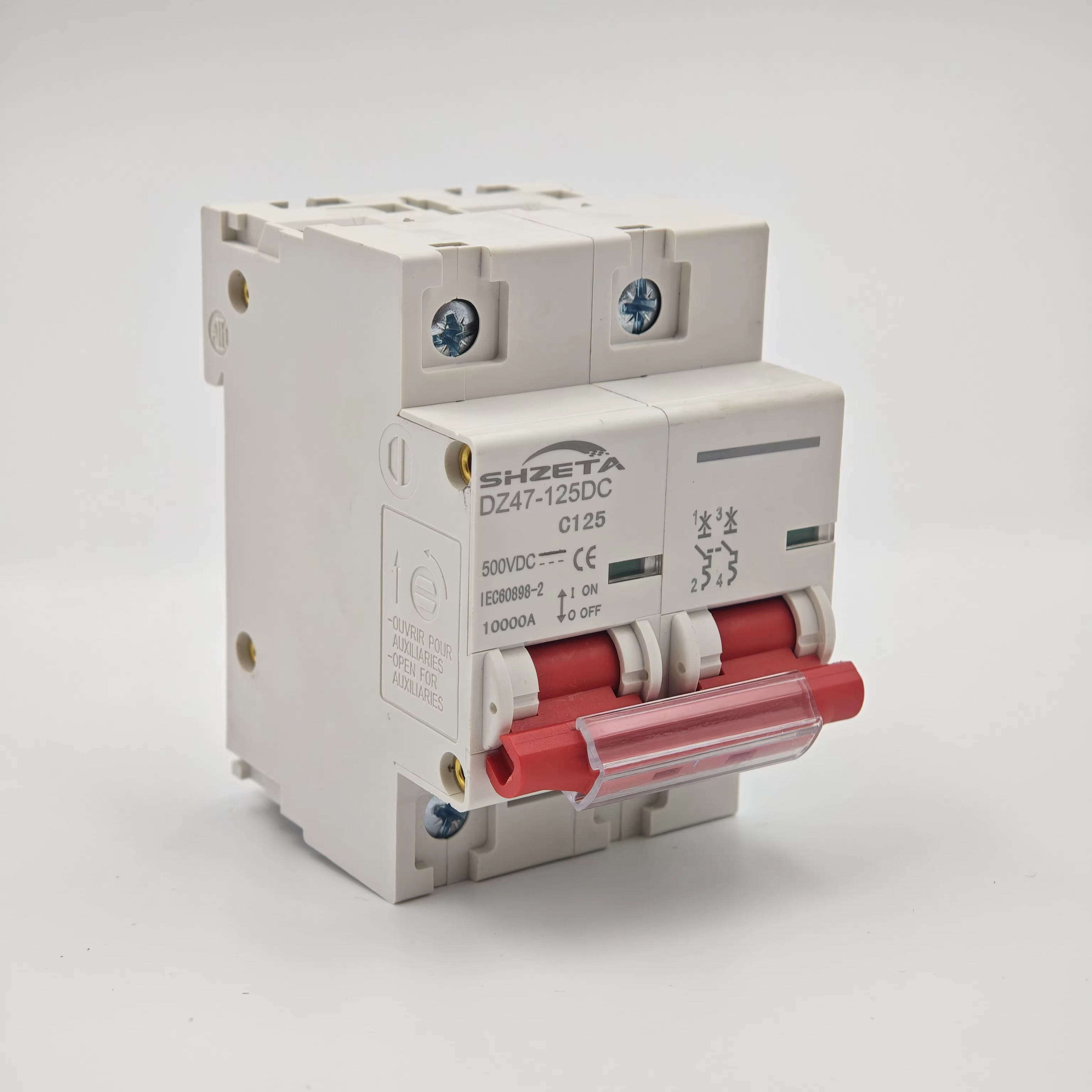
- Voltage Rating500V DC (2-Pole)
- Rated Amperage80A / 100A / 125A
- Trip CurveC Curve Solar Spec
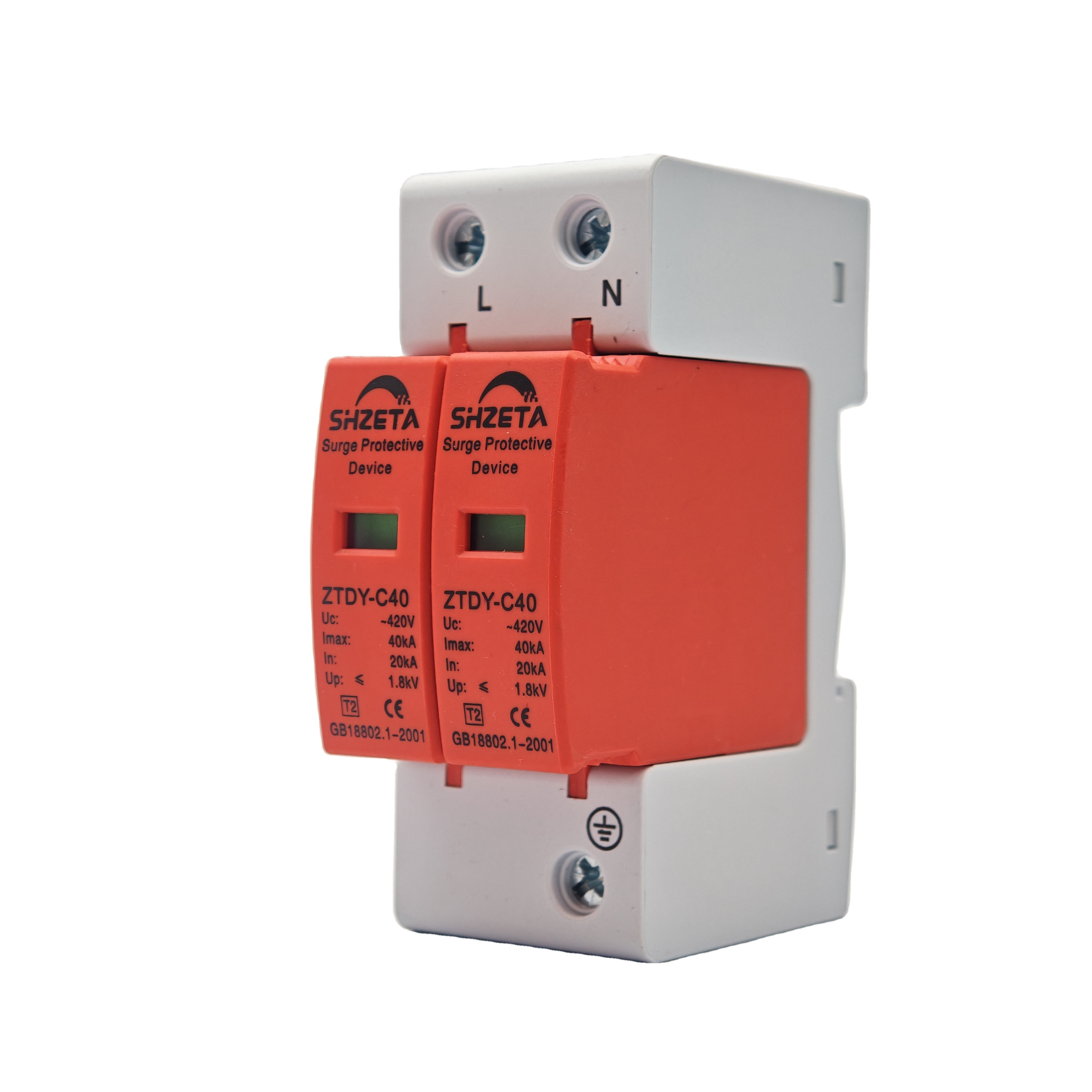
- Max Discharge (Imax)40kA
- Working Voltage800V DC
- Housing MaterialFireproof T1 PBT
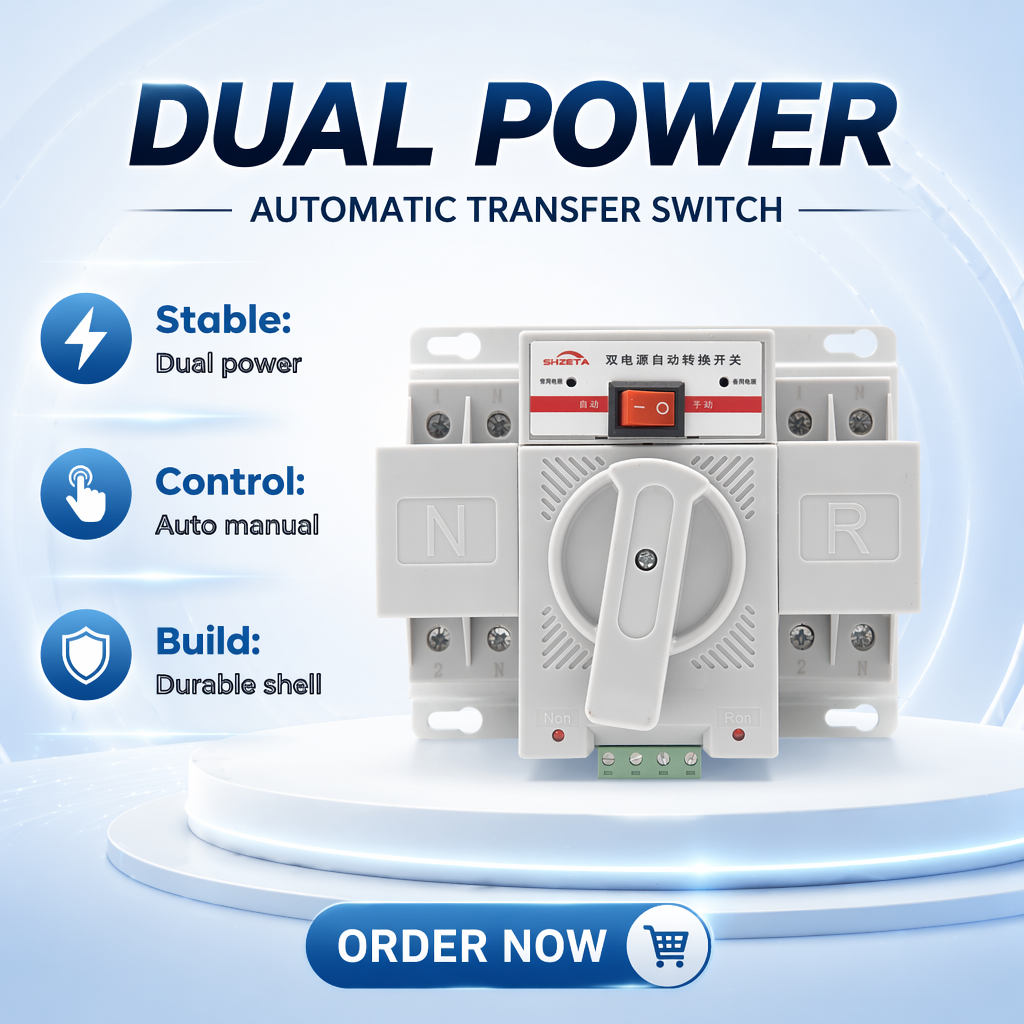
- Amperage / Pole63A / 4-Pole
- Mechanical InterlockIntegrated Fail-safe
- StandardIEC 60947-6-1
Why Global Tier-1 Solar EPCs Source from Graybar
Operating from Liushi Town, Wenzhou—the capital of China's electrical apparatus industry—we combine precision engineering, vertically integrated supply chains, and stringent IEC type-testing.
Liushi Component Cluster
Direct proximity to silver-alloy contact metallurgy, thermoset polymer moulding, and precision spring stamping enables complete BOM cost optimization and ultra-fast design cycles.
Severe Quality Verification
Every single DC breaker, ATS, and SPD module undergoes end-of-line verification: instantaneous electromagnetic trip thresholds, bimetallic thermal timing, and 100% dielectric isolation.
Agile OEM / ODM Tooling
From custom trip curves (B, C, D, and K profiles) and laser-etched private labels to bespoke voltage ratings (500V, 800V, 1000V, 1500V DC) and multilingual technical manuals for localized tenders.
Consolidated BOM Shipping
Pack entire commercial switchboard bills of materials into unified sea or air shipments—combining DC string MCBs, high-current MCCBs, air circuit breakers (ACB), SPDs, and changeover switches.
1. The Physics of Direct Current Interruption in Photovoltaic Arrays
Direct current (DC) interruption in utility-scale and commercial rooftop photovoltaic (PV) systems represents one of the most demanding engineering frontiers in low-voltage electrical protection. Unlike alternating current (AC) power distribution systems—where the sinusoidal waveform naturally passes through zero voltage and zero current twice per cycle (100 times per second in 50Hz networks and 120 times per second in 60Hz networks)—DC voltage and current remain strictly constant over time. When a circuit breaker attempts to separate mechanical contacts carrying a DC fault current, the absence of natural zero-crossing means that the electrical arc does not self-extinguish. Instead, the sustaining energy of the photovoltaic array continues to drive an ionized plasma channel between the moving contact tips.
If the breaker is improperly sized or utilizes standard AC internal components, this sustained arc can exceed core temperatures of 5,000 to 10,000 Kelvin, vaporizing copper contacts, ionizing surrounding air, and triggering explosive arc-flash degradation of the breaker enclosure. To overcome this fundamental physical challenge, export-grade Chinese PV circuit breaker manufacturers utilize sophisticated arc-quenching chambers. These feature high-strength permanent magnetic blowout coils that generate an intense transverse Lorentz force ($\mathbf{F} = q(\mathbf{E} + \mathbf{v} \times \mathbf{B})$), magnetically propelling the plasma arc outward at supersonic velocity into an array of nickel-plated de-ionizing splitter plates (arc chutes). Here, the arc is subdivided into numerous localized sub-arcs, dramatically increasing arc voltage ($U_{arc}$) until it exceeds the source voltage ($U_{source}$), driving the current to zero ($di/dt < 0$) and safely clearing the fault.
2. Comprehensive Solar Protection Selection Matrix
Sizing the protective balance of plant requires matching the correct protection architecture to each physical location in the PV generation topology—from string combiner boxes and DC disconnects to the central inverter DC bus and AC utility tie-in.
| Protection Device | Grid Location | Standard Ratings | Design Benchmark | Arc-Interruption Mechanism |
|---|---|---|---|---|
| DC Miniature Circuit Breaker (MCB) | String Combiner Box & Inverter Input | 1A – 125A; 250V–1000V DC | IEC 60898-2 / IEC 60947-2 | Permanent magnetic blowout + 13-plate arc chute |
| DC Moulded Case Breaker (MCCB) | Sub-Array Aggregator & Central Inverter | 100A – 800A; up to 1500V DC | IEC 60947-2 (Cat A/B) | Rotary double-break contacts + high-dielectric DMC walls |
| DC Surge Protective Device (SPD) | DC Array & Combiner Entrance | Up to 1500V DC; Imax 40kA–80kA | IEC 61643-31 / EN 50539-11 | High-energy Zinc Oxide Varistor (MOV) with thermal disconnector |
| Automatic Transfer Switch (ATS) | AC Hybrid Inverter & Standby Genset | 16A – 630A; 230V/400V AC | IEC 60947-6-1 | Mechanical interlock with microsecond motor/solenoid drive |
| Heavy-Duty AC Contactor | Inverter AC Output / Grid Interconnection | 9A – 800A; up to 690V AC | IEC 60947-4-1 | Electromagnetic coil with high-purity silver-alloy contacts (AgSnO2) |
3. Future Procurement Trends in Global Solar Component Sourcing
The international procurement landscape for low-voltage solar balance of systems is undergoing significant structural shifts driven by higher system voltages, supply-chain re-evaluation, and carbon accounting mandates:
1500V DC Standard Migration
Utility-scale projects worldwide have decisively pivoted from 1000V to 1500V DC topologies, reducing Balance of System (BOS) cabling costs by 30%. Sourcing managers must specify circuit breakers and SPDs engineered with extended creepage distances and specialized tracking resistance (CTI > 600V).
Carbon Auditing & CBAM
With the European Union's Carbon Border Adjustment Mechanism (CBAM) and corporate ESG initiatives expanding, tier-one factories in Zhejiang are adopting closed-loop molding polymers, recycled copper scrap monitoring, and zero-VOC production documentation.
Smart Telemetry Integration
Procurement specifications increasingly mandate motorized remote-reset mechanisms and integrated Modbus RS-485 / IoT current-voltage telemetry in DC breakers, allowing unmanned solar plants to diagnose tripped strings remotely via SCADA.
4. Technical Evolution: Arc-Fault Detection & Solid-State DC Protection
Beyond traditional thermomagnetic trip mechanisms, the market is actively integrating advanced active safety protocols. In distributed solar arrays, series arc faults caused by degraded cable terminations or cracked PV solder ribbons represent over 80% of rooftop fire hazards. Modern Chinese manufacturers are integrating digital signal processors (DSP) executing Fast Fourier Transform (FFT) algorithms directly adjacent to DC circuit breakers to achieve high-frequency electrical noise sensing compliant with UL 1699B and IEC 63024.
Simultaneously, hybrid and solid-state circuit breakers (SSCB) utilizing Silicon Carbide (SiC) and Gallium Nitride (GaN) semiconductor switches are emerging for high-amperage battery energy storage system (BESS) DC busbars. These solid-state switches clear fault currents in under 10 microseconds—roughly 1,000 times faster than mechanical contacts—completely eliminating the physical arc and reducing prospective peak fault let-through energy ($I^2t$) to negligible levels.
Frequently Asked Questions for B2B Importers & EPC Buyers
Direct Factory Technical Support & Quotations
Provide your Single-Line Diagram (SLD) or Bill of Materials (BOM) to our Liushi electrical engineering team. Receive verified IEC datasheets, custom trip-curve charts, and factory-direct volume pricing within 24 business hours.