Featured Industrial Transfer Switching & Power Protection Equipment
Precision-manufactured in Liushi, Wenzhou: high-withstand automatic and manual changeover systems, intelligent micro-inverters, DIN-rail surge suppression, and telemetry-ready metering units.
CE Certified DC Circuit Breaker MCB Red Copper Miniature Solar Protection High Efficiency
Engineered with refined electrolytic red copper runners and permanent magnetic arc blowout chambers for DC PV combiner boxes and BESS setups.
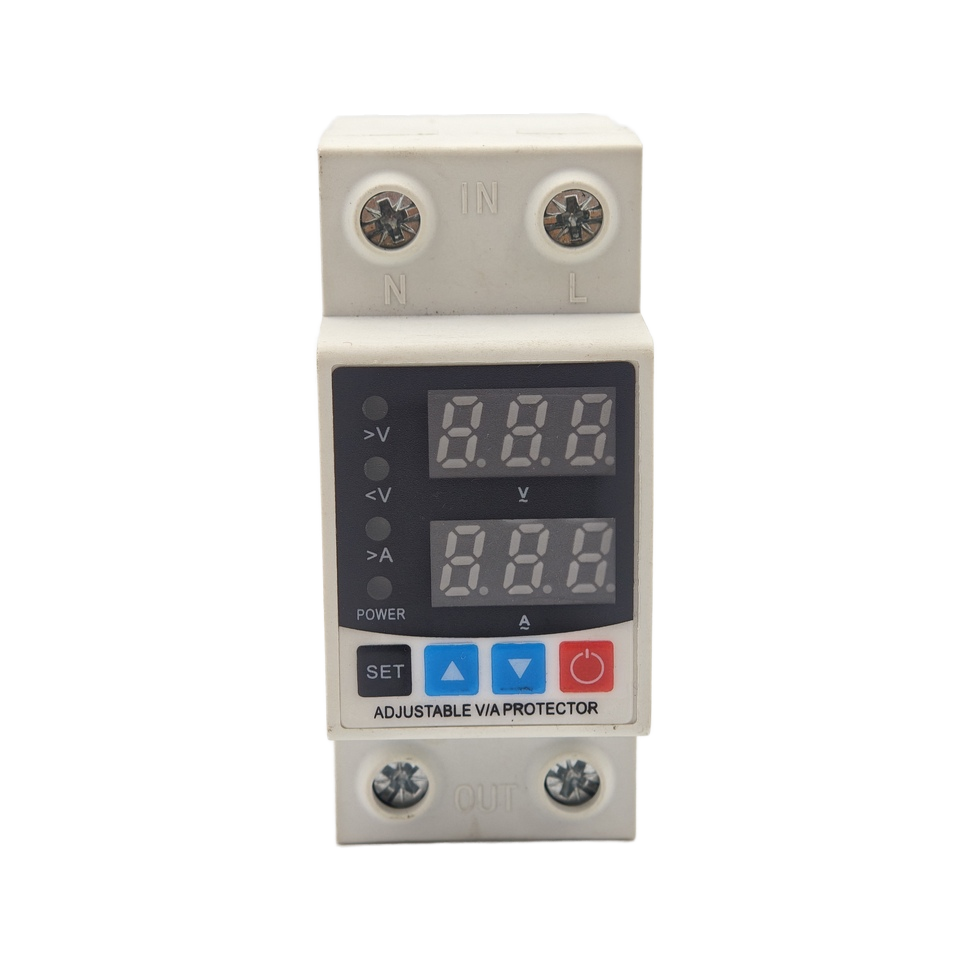
40A 63A 220V SVC PC AC Din Rail Adjustable Recovery Reconnect Over Under Voltage Device 30kVA
Microprocessor-governed modular electronic protection featuring autonomous reconnect cycles and customizable over-voltage thresholds.
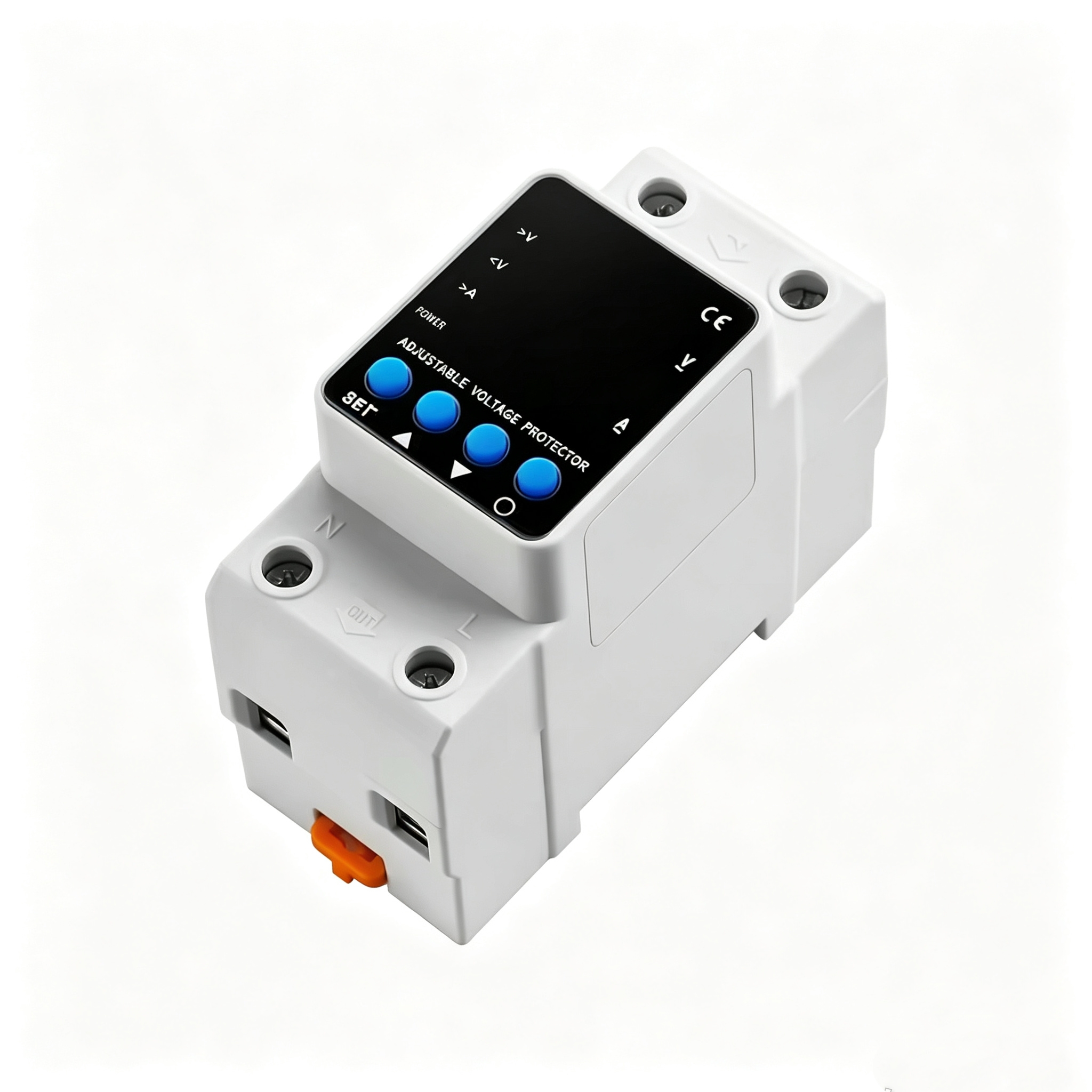
2P 63A AC230V 50/60Hz 6kVA High Efficiency Intelligent 6-in-1 Auto Reconnect Device
High-accuracy telemetry integration offering real-time voltage monitoring, dynamic current limiting, and automated fault clearance in compact sub-panels.
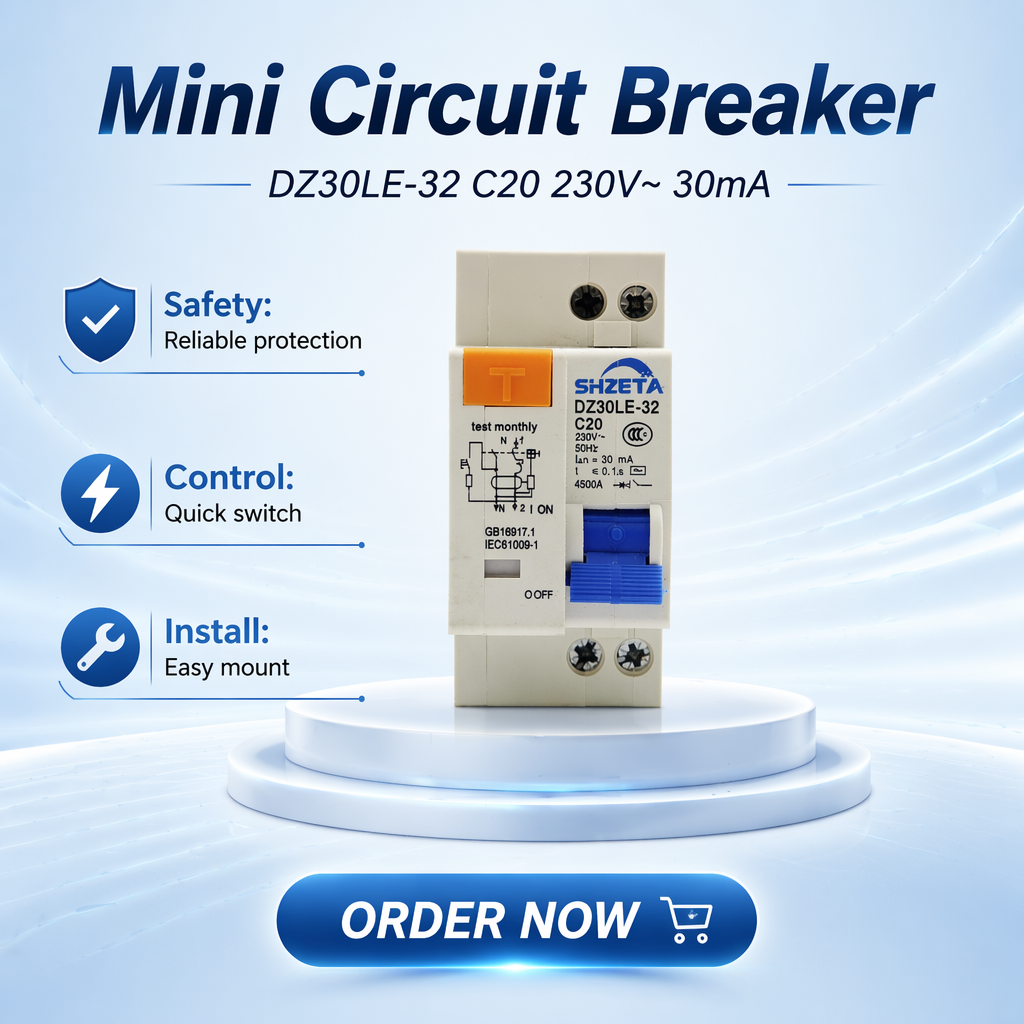
DZ30LE-32A Plastic Circuit Protection System for Office Hotel Shop/Supermarket & Public Lighting
Space-saving residual current breaker with integrated thermal-magnetic overload detection (RCBO) designed for commercial infrastructure safety.
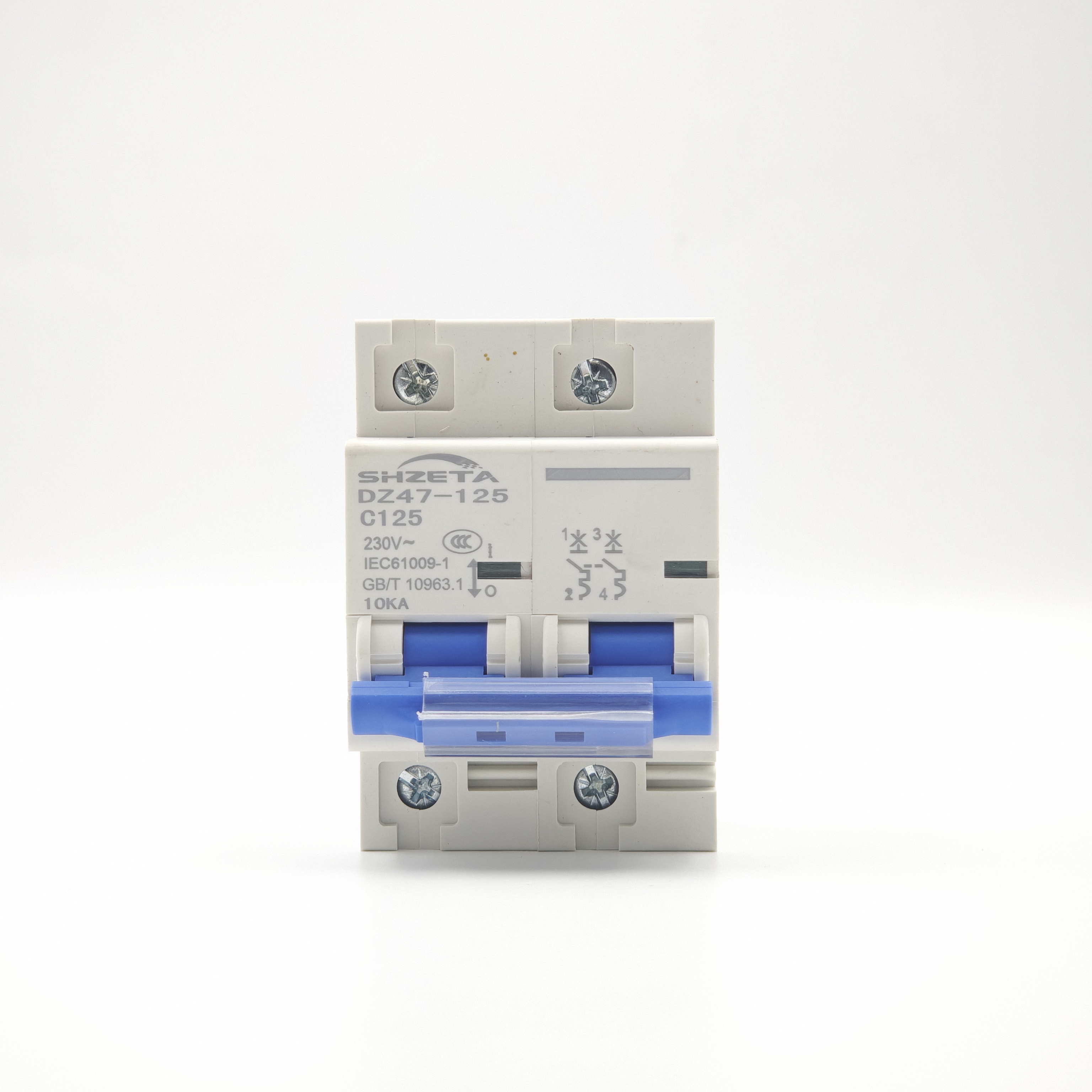
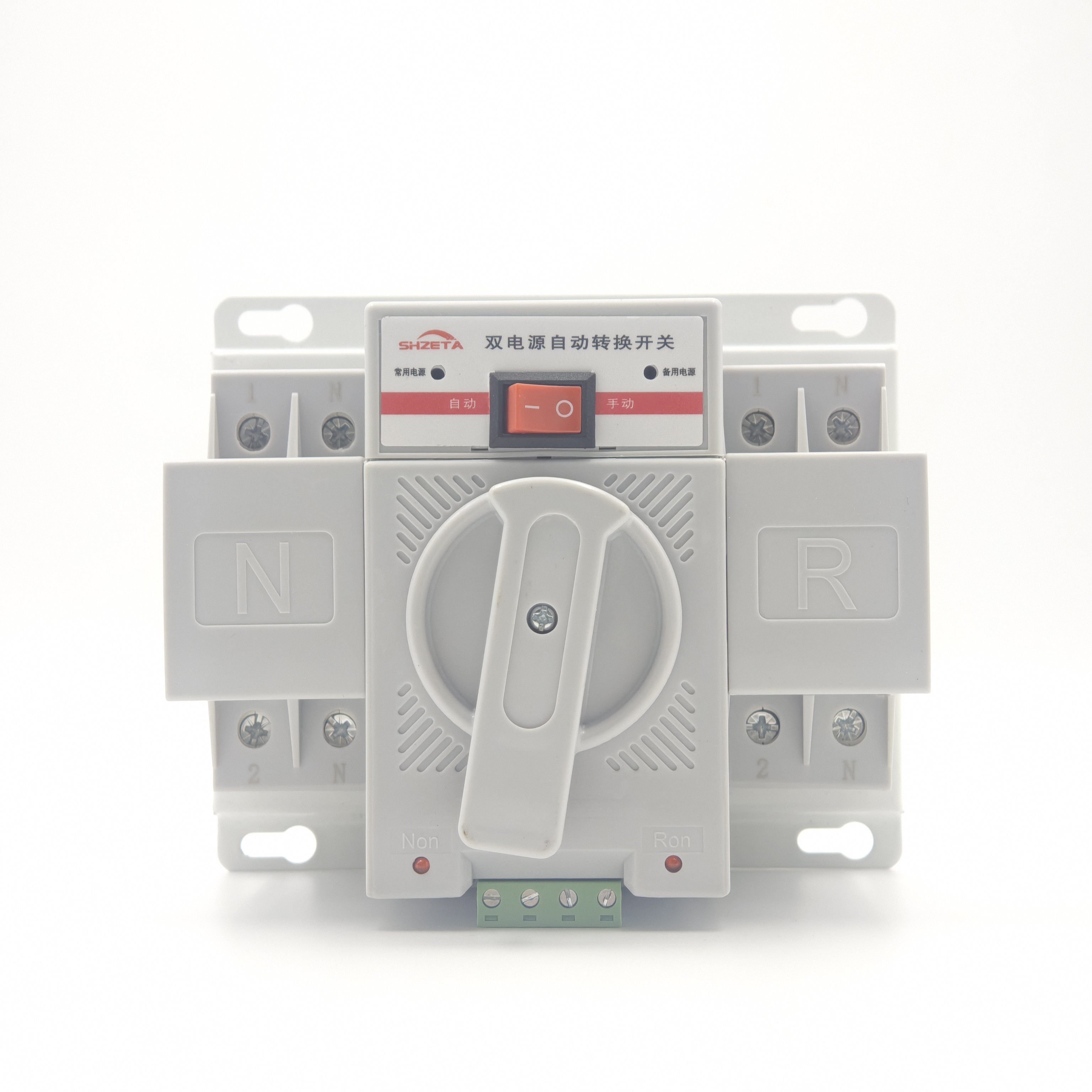
Customizable 2-Pole 4P Single/Three Phase Manual Conversion ATS 10kA Breaking Capacity 125A
Rugged rotary-drive manual transfer switch providing mechanical interlock reliability, silver-alloy contacts, and 10kA breaking capacity for backup generators.
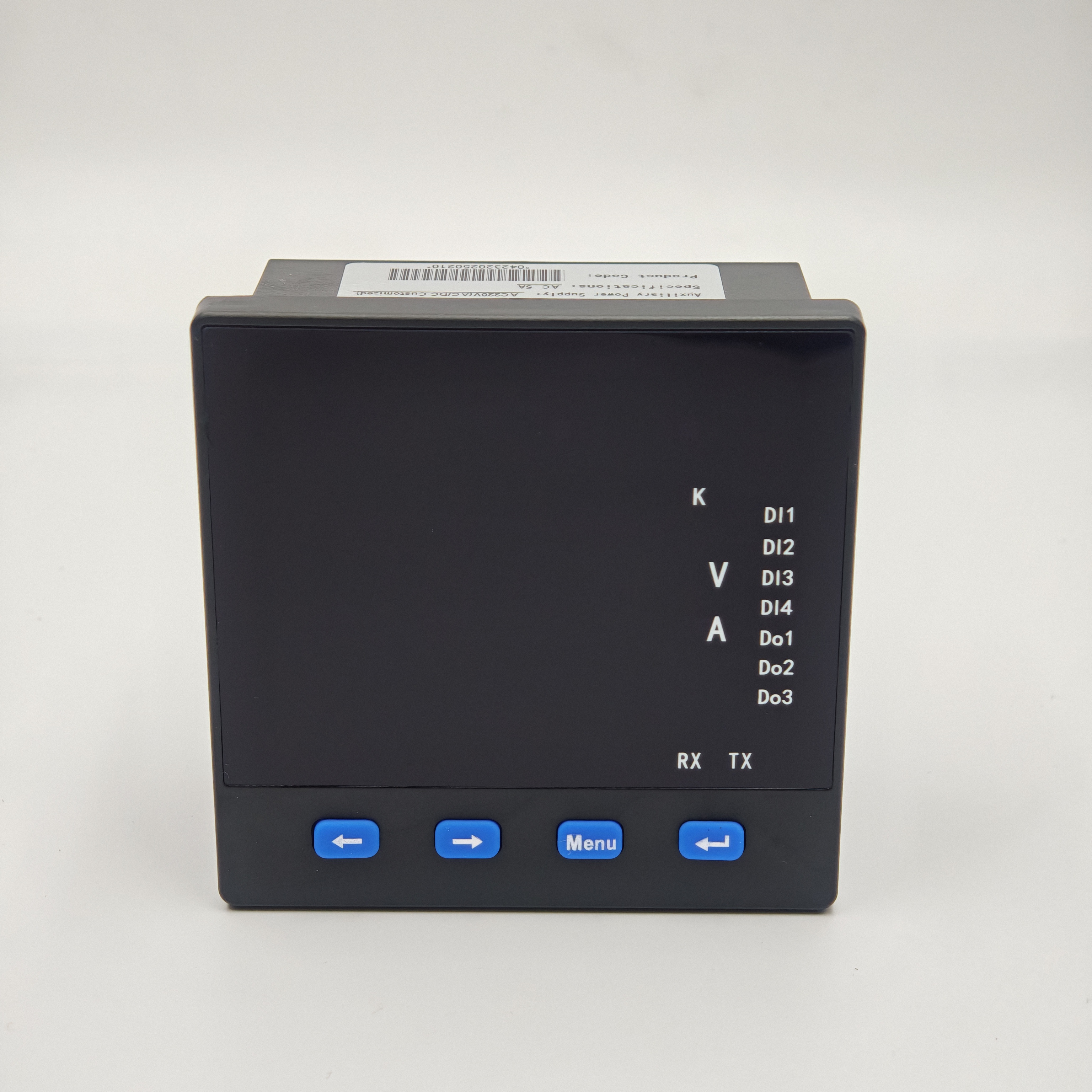
ZTDSI/ASCT HY-311-80VY Series 0.5 Class Three-Phase Multifunction Energy Meter RS485/Modbus
Industrial Class 0.5 power parameter analyzer with bidirectional Modbus-RTU networking for ATS telemetry, harmonics tracking, and remote load balancing.
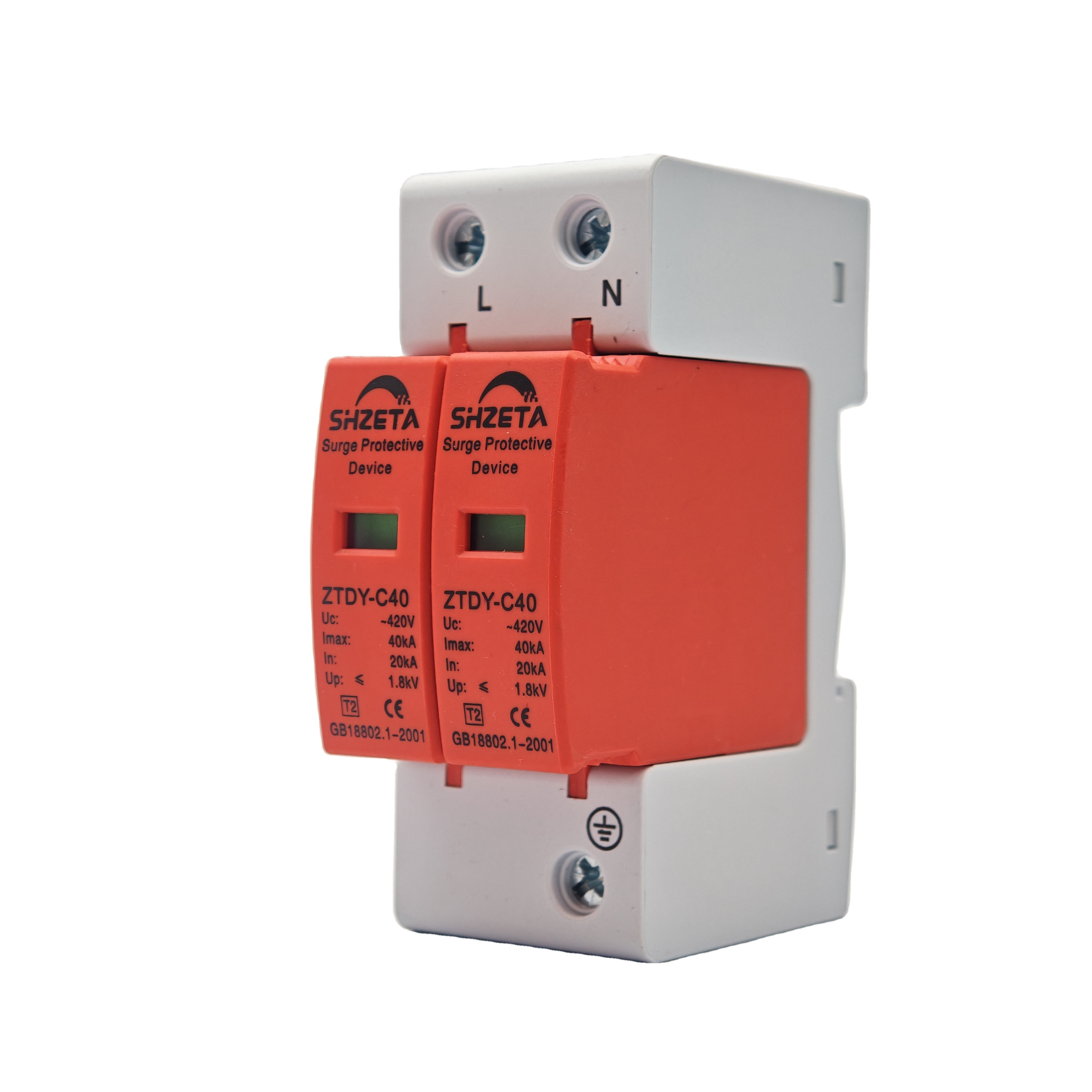
Din Rail Fireproof T1 PBT 800V DC SPD Surge Protective Device 2P 40KA Solar PV Lightning Arrester
High-energy metal oxide varistors (MOV) with integral thermal disconnect mechanisms and visual fault trip indicators rated for 40kA surge discharges.
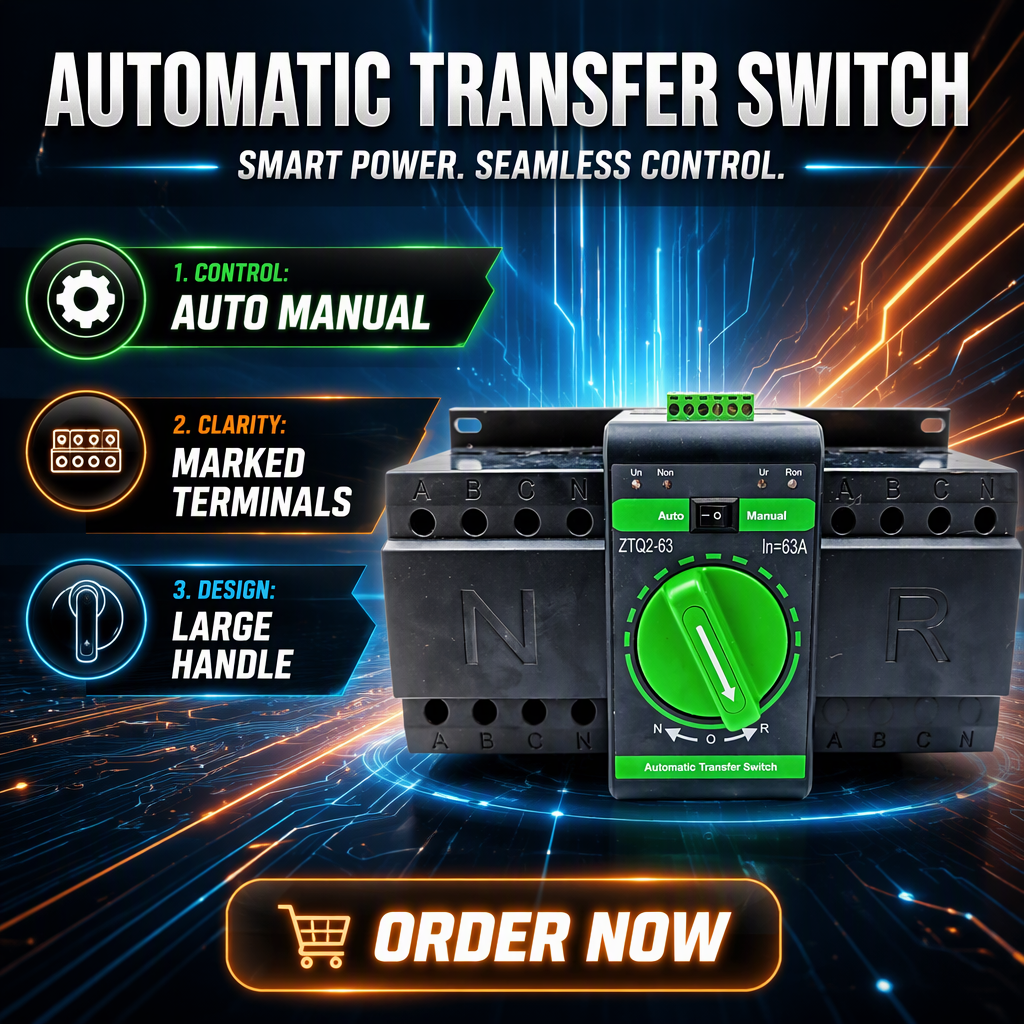
2P Single Phase Automatic Transfer Switch 220V 6kA Breaking Capacity 63A Frame Current
Ultra-fast dual power electromagnetic solenoid transfer mechanism delivering seamless changeover under 50ms between municipal grid and auxiliary gensets.
Engineering Architecture of Modern Industrial Transfer Switches in China
A definitive technical analysis for electrical EPCs, panel switchboard builders, and global importers evaluating low-voltage automatic and manual transfer switching equipment (TSE) sourced from the Liushi electrical manufacturing cluster.
In modern continuous-process industries, mission-critical data infrastructure, healthcare facilities, and automated manufacturing plants, power interruptions cannot be tolerated. The industrial transfer switch—whether operating as an Automatic Transfer Switch (ATS) or a Manual Transfer Switch (MTS)—functions as the primary switching bridge between utility main supplies and secondary emergency energy resources (such as diesel gensets, battery energy storage systems, or dedicated photovoltaic strings).
As the global center of low-voltage component fabrication, China’s industrial apparatus centered in Liushi, Wenzhou (Zhejiang Province) accounts for over 65% of global circuit switching component assemblies. However, navigating this manufacturing ecosystem requires deep engineering insight. Global procurement teams must look past exterior shell branding and thoroughly audit the mechanical contact metallurgy, dielectric ratings, transition timing topologies, short-circuit withstand capabilities, and international standard harmonizations that dictate continuous operating reliability.
1. Technical Classification: PC-Class vs. CB-Class Architecture
The primary decision parameter when engineering a low-voltage emergency transfer system involves choosing between PC-Class and CB-Class transfer switching equipment under standard IEC 60947-6-1 (or the corresponding UL 1008 classification). Misinterpreting these core categories often results in premature contact welding, improper protection coordination, or costly switchboard failure during high fault-current transients.
PC-Class (Power Contact) ATS
Constructed with dedicated heavy-duty contacts capable of making and withstanding short-circuit currents without an integral overcurrent tripping mechanism. PC-class equipment utilizes dual-solenoid or high-speed motorized mechanisms with exceptional rated short-time withstand current ($I_{cw}$), designed to ride through upstream clearing intervals.
CB-Class (Circuit Breaker) ATS
Equipped with integral overcurrent and short-circuit release units derived from Moulded Case Circuit Breakers (MCCB) or Air Circuit Breakers (ACB). CB-class systems integrate their own clearing mechanism, making them compact solutions for remote sites where downstream feeder coordination is simplified within a single enclosure.
CC-Class (Contactor Type) ATS
Constructed using mechanically interlocked AC contactors. CC-class units rely on continuous coil energization or magnetic latching. While highly cost-effective for resistive and light commercial loads, they exhibit lower short-time fault withstand and require strict coordination with fast-acting current-limiting fuses upstream.
Engineering Selection Matrix: Comparing Transfer Switch Configurations
| Evaluation Parameter | PC-Class (Solenoid Driven) | CB-Class (Dual MCCB / ACB) | CC-Class (Electromagnetic Contactor) |
|---|---|---|---|
| Primary Design Target | Maximum continuous power availability & extreme $I_{cw}$ fault endurance | Dual-source switching coupled with integrated overcurrent branch protection | Economical transfer for non-inductive or low inrush commercial systems |
| Transition Velocity | Fast: 30 ms – 80 ms | Moderate: 100 ms – 250 ms | Fast to Moderate: 40 ms – 120 ms |
| Short-Time Withstand ($I_{cw}$) | High: Up to 50kA – 100kA (0.1s - 1.0s) | Determined by breaker breaking capacity ($I_{cu}$ / $I_{cs}$) | Low: Requires upstream fast backup fuses |
| Contact Arc Suppression | Segmented de-ionizing arc chutes with silver tin oxide (AgSnO2) pads | Integrated breaker arc runners and splitter plates | Standard open-air or enclosed contactor arc shields |
| Service Life (Ops) | 8,000 to 12,000 mechanical operations | 4,000 to 7,000 operations (governed by breaker springs) | 10,000 to 20,000 operations |
| Typical Tier-1 Applications | Data centers, hospitals, semiconductor lines, continuous chemical plants | Sub-distribution boards, industrial branch plants, telecom base towers | HVAC ventilation groups, residential towers, small pump stations |
2. Transition Topologies and Contact Metallurgy Optimization
Industrial buyers must pair load sensitivity with the appropriate switching transition mode. Modern transfer switch engineering categorizes switching cycles into three distinct topologies:
- Open Transition (Break-Before-Make): The industry baseline. The switch completely disconnects source A before initiating connection to source B. Within open transition, In-Phase Transition uses microprocessor phase-angle tracking to close contacts only when source vectors coincide, eliminating transient motor back-EMF torques that can snap industrial shafts.
- Delayed Transition (Center-Off Position): Incorporates a programmed dead-time delay in a neutral, de-energized "Off" position. This allows residual motor field voltage to decay to safe levels below 20% before transferring inductive loads to the alternate supply, preventing breaker nuisance tripping and transformer saturation.
- Closed Transition (Make-Before-Break): Provides seamless overlap transfer without a millisecond of power disruption by paralleling both stable sources for less than 100 milliseconds. This mode requires precision utility synchronizing interlocks, protective relays, and reverse power monitoring to prevent back-feeding the grid.
Silver-Alloy Contact Engineering: AgSnO2 vs. AgCdO
A transfer switch’s durability depends largely on its contact metallurgy. While legacy Chinese manufacturers previously used Silver Cadmium Oxide (AgCdO) for its anti-welding properties, RoHS compliance and modern industrial requirements have shifted tier-1 factories—such as Zhejiang Graybar Electric—toward advanced Silver Tin Oxide (AgSnO2) and Silver Nickel (AgNi) composite matrices.
AgSnO2 alloys offer exceptional resistance to electrical erosion and material migration under the intense high-temperature arcs generated during inductive motor breaking. Furthermore, high-purity electrolytic red copper terminal busbars ensure minimal contact resistance, preventing thermal buildup during continuous 24/7/365 full-frame current operations.
The Liushi Electrical Advantage: Vertical Integration in Wenzhou
Located in Liushi Town, Wenzhou—widely recognized as China's low-voltage electrical capital—Zhejiang Graybar Electric Co., Ltd. operates with immediate geographic access to specialized component ecosystems. From precision stamping of copper armatures to thermoset dough molding compound (DMC) flame-retardant enclosures, our localized supply chain reduces manufacturing lead times and eliminates secondary subcontractor markups.
Every automatic transfer switch, miniature breaker, and surge arrester undergoes rigorous multi-stage quality control: incoming bimetal deflection calibration, contact pressure profiling, high-potential dielectric breakdown verification, and real-time millivolt drop testing under full thermal saturation.
3. Future Procurement Trends in Industrial Transfer Switches (2025–2030)
As global power grids accommodate higher shares of variable renewable generation, the specifications governing industrial transfer switch procurement are shifting rapidly. Forward-looking procurement directors are prioritizing four strategic technological developments:
IoT Edge Telemetry & RS485 Modbus
Modern ATS platforms are no longer isolated mechanical devices. Native integration with RS-485 Modbus, Ethernet IP, and IEC 61850 protocols enables continuous real-time streaming of harmonic distortion (THD), phase sequence balances, contact temperature rises, and cycle counts directly into plant SCADA systems.
Solar PV & BESS Hybrid Integration
With the rise of on-site microgrids, transfer switches must manage bi-directional power flows between utility lines, battery energy storage systems, and solar arrays. Smart ATS controllers now incorporate automated load-shedding schedules and zero-export control logic to maintain frequency stability during islanded operations.
Solid-State Hybrid Switching Topologies
Static Transfer Switches (STS) utilizing silicon controlled rectifiers (SCR) achieve sub-cycle transfer times (< 4 milliseconds). Emergent hybrid topologies combine solid-state SCR switches for near-instantaneous current commutations with mechanical bypass contacts that eliminate ongoing semiconductor thermal losses during steady-state operation.
4. International Standards, Compliance Verification, and Factory Audits
When procuring industrial transfer switches from Chinese suppliers, compliance with global testing regimes prevents catastrophic on-site failures and regulatory import impoundments. The baseline standard for industrial transfer switches is IEC 60947-6-1: Low-voltage switchgear and controlgear – Multiple function equipment – Transfer switching equipment.
| Regulatory Standard | Geographic Focus | Critical Test Mandatory Mandates | Verification Method for Importers |
|---|---|---|---|
| IEC 60947-6-1 | Europe, Middle East, APAC, Latin America | Short-circuit making and breaking capacity, dielectric test at $2U_i + 1000\text{V}$, temperature rise verification under rated continuous current ($I_{th}$). | Request third-party test reports from accredited laboratories (TÜV, Dekra, CE, or CNAS accredited labs). |
| UL 1008 | North America, ANSI-aligned markets | Withstand and Closing Rating (WCR) under 480V/600V with specific upstream overcurrent protective devices (OCPD) and minimum time durations (3-cycle or 30-cycle tests). | Verify active UL listing file number and physical cULus holographic labeling on product enclosures. |
| GB/T 14048.11 | China Domestic & Belt & Road Infrastructure | Harmonized directly with IEC 60947-6-1; verifies mechanical interlock life, fire resistance of mold parts, and electromagnetic compatibility (EMC immunity). | Inspect China Compulsory Certificate (CCC) documentation and factory audit compliance logs. |
| Utilization Categories | Global Application Specific | AC-31A/B: Non-inductive or slightly inductive loads. AC-33A/B: Highly inductive motor loads and mixed electrical loads requiring frequent switching endurance. |
Match system load profiles directly to nameplate utilization ratings (never specify an AC-31 rating for heavy motor centers). |
Graybar Quality Inspection & Factory Verification Protocol
Zhejiang Graybar Electric Co., Ltd. addresses common supply chain risks through comprehensive in-house testing protocols before packaging:
- Contact Resistance (Millivolt Drop) Testing: Ensures that all copper-silver contact junctions exhibit uniform resistance within narrow micro-ohm tolerances, preventing excessive localized heating during continuous operation.
- Dielectric Voltage Withstand: High-voltage impulse testers subject the switch poles to 2,500V–4,000V AC dielectric potentials between phases and across open contact gaps to verify insulation integrity under system surges.
- Mechanical Interlock Integrity Checks: Automated pneumatic test benches cycle the dual-source mechanism through 50 continuous changeover cycles to confirm zero possibility of dual-source overlap in break-before-make units.
- Automated Microprocessor Logic Calibration: ATS electronic controllers undergo burn-in testing under simulated voltage drops, phase losses, and frequency shifts to ensure precise transfer initiation within preset millisecond thresholds.
5. Frequently Asked Questions: B2B Industrial Transfer Switch Procurement
What is the minimum order quantity (MOQ) for custom-branded ATS units?
How do I select between Utilization Category AC-31B and AC-33A?
Why is the rated short-time withstand current ($I_{cw}$) critical for PC-class ATS?
Can Graybar transfer switches interface with external BMS and SCADA monitoring?
What are the lead times for consolidated full-container B2B orders?
How does neutral conductor switching work in 4-Pole vs. 3-Pole ATS configurations?
Do your transfer switches comply with fire-retardant enclosure standards?
What type-test documentation is provided for engineer review before contracting?
6. Why Global Panel Builders Partner with Zhejiang Graybar Electric
Sourcing industrial electrical protection directly from an authenticated manufacturer eliminates layers of trading intermediary markups while providing direct access to the design engineers who configure your components:
Full BOM Switchboard Sourcing
Consolidate your entire switchboard bill of materials with one certified manufacturer: from 63A miniature breakers to 6300A air circuit breakers, dual-power automatic transfer switches, AC contactors, and high-energy surge protective devices.
On-Site Verified Facility
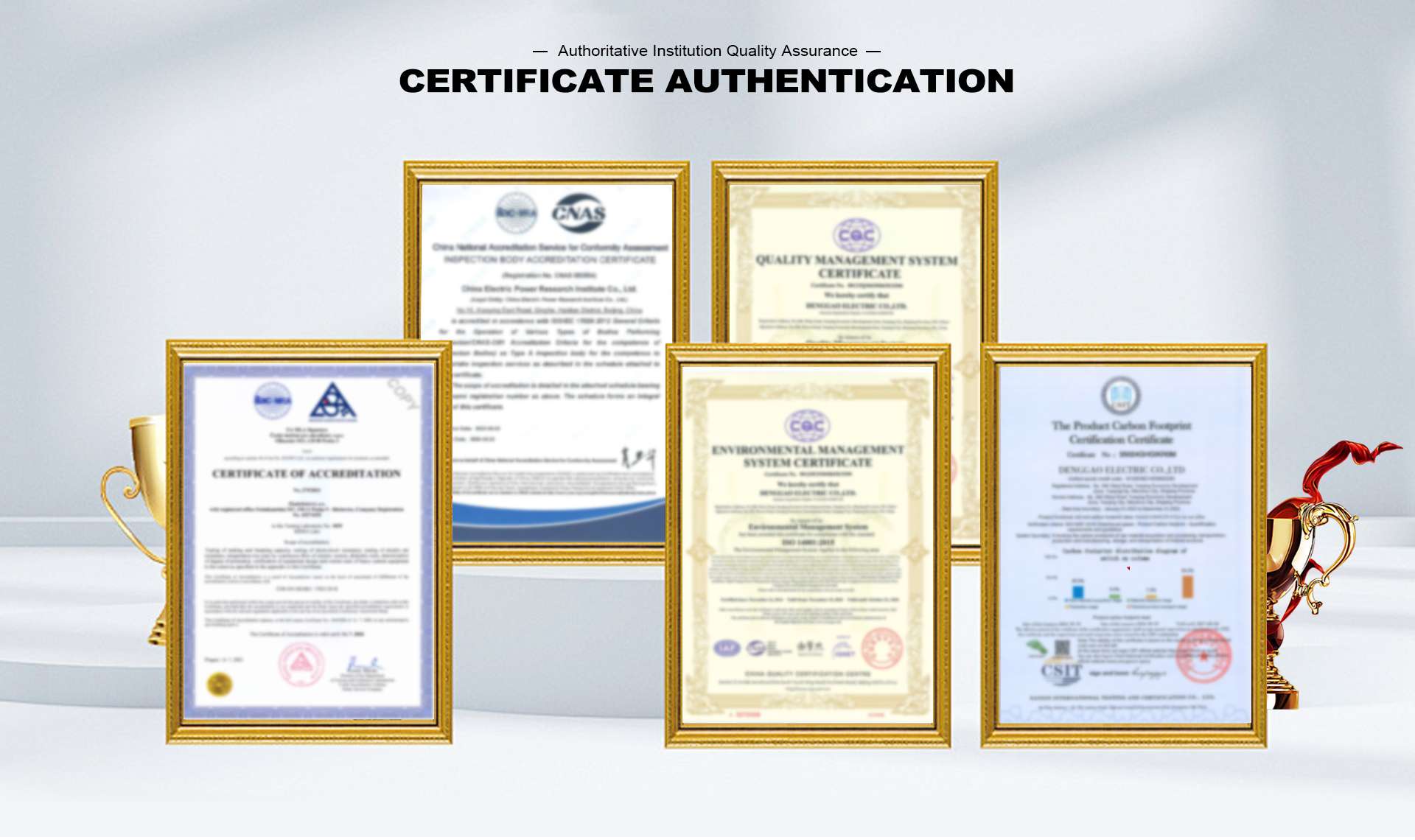
Zhejiang Graybar Electric’s premises in Huangyu Village, Liushi Town, Wenzhou, have undergone on-site physical auditing by international inspection agencies, confirming authentic production workshops, automated assembly lines, and genuine testing benches.
OEM / ODM Custom Engineering
We accommodate private labeling, custom coil operating voltages (12V, 24V, 48V DC, 110V, 220V, 380V AC), custom-curved neutral bars, auxiliary contact arrangements, and bespoke enclosure IP ratings for global distributors and switchboard builders.
Request Engineering Catalog & Direct Factory Pricing
Connect directly with our low-voltage engineering team in Liushi, Wenzhou. Submit your Single-Line Diagram (SLD), target operating parameters, or projected bill of quantities (BOQ) for immediate technical review, formal quotation, and sample dispatch.