Precision Switching & Industrial Protection Portfolio
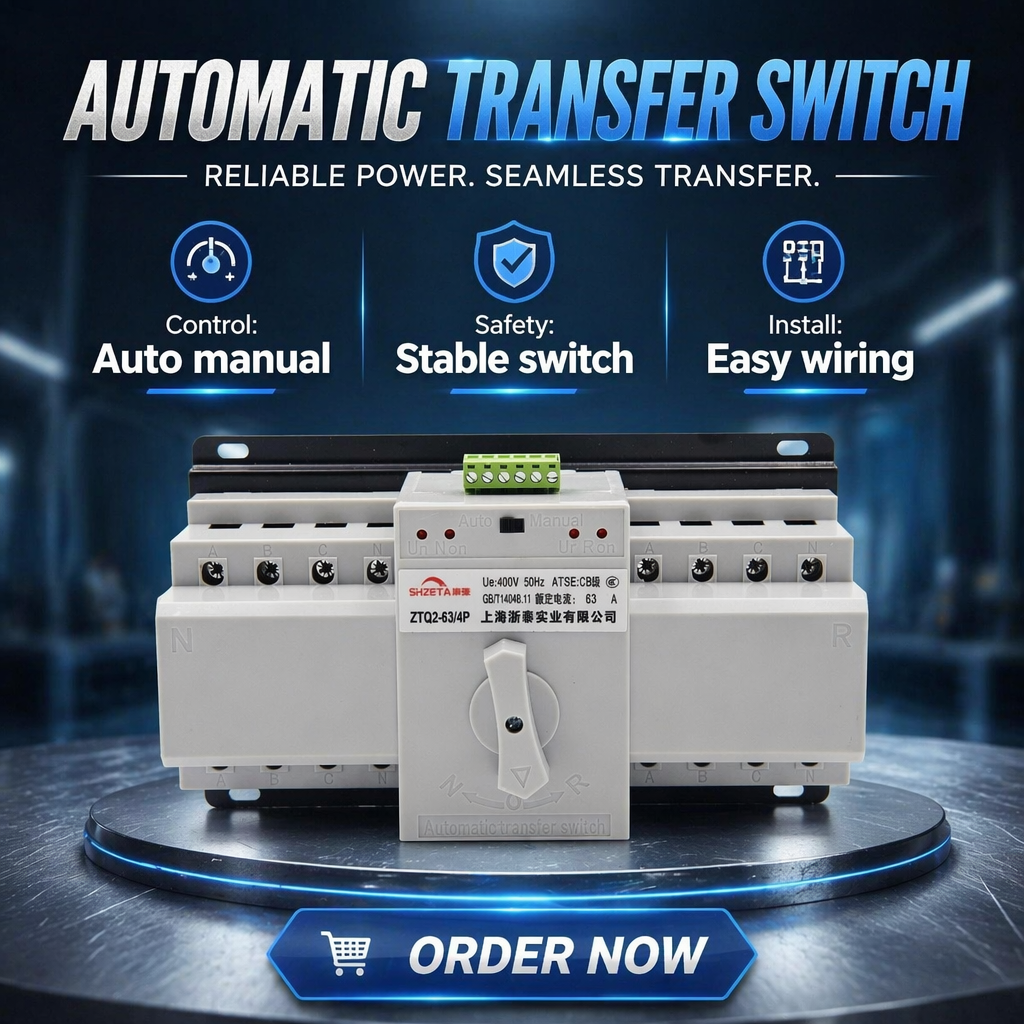
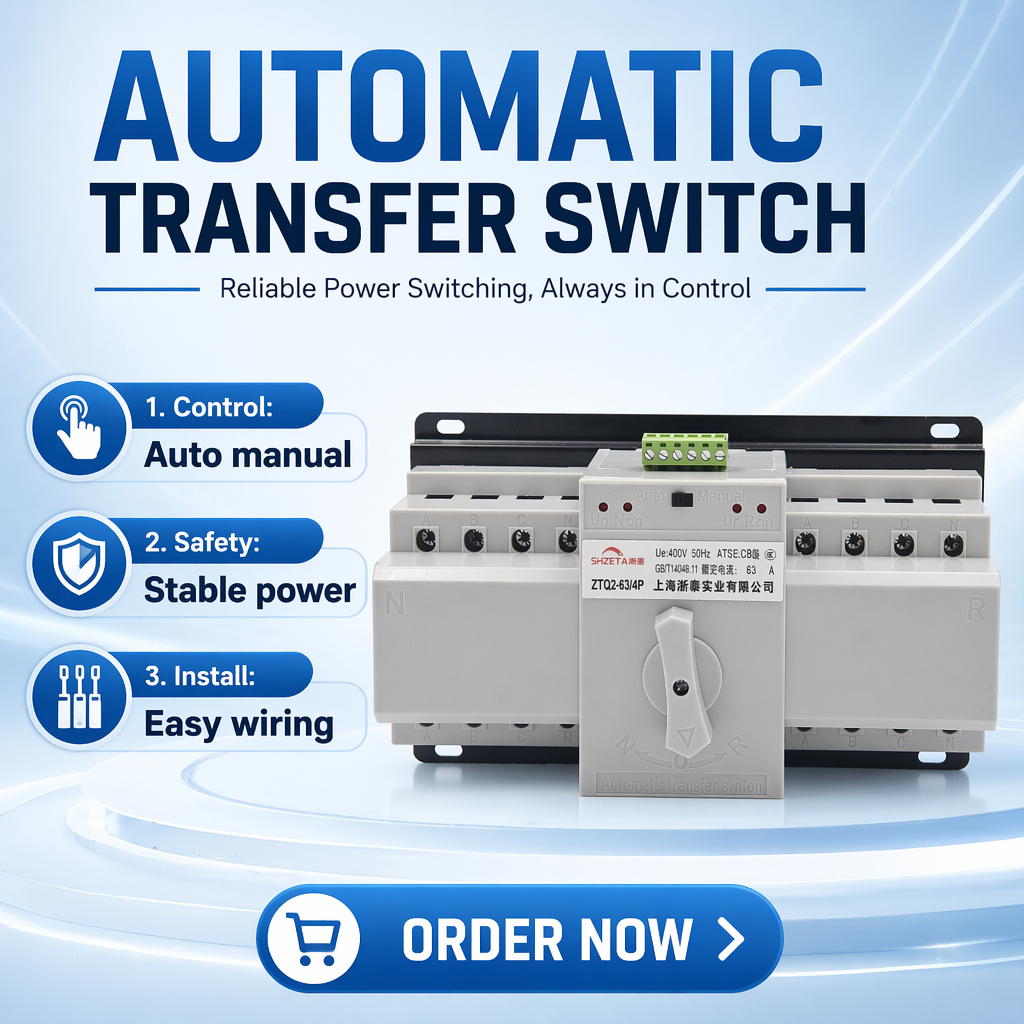
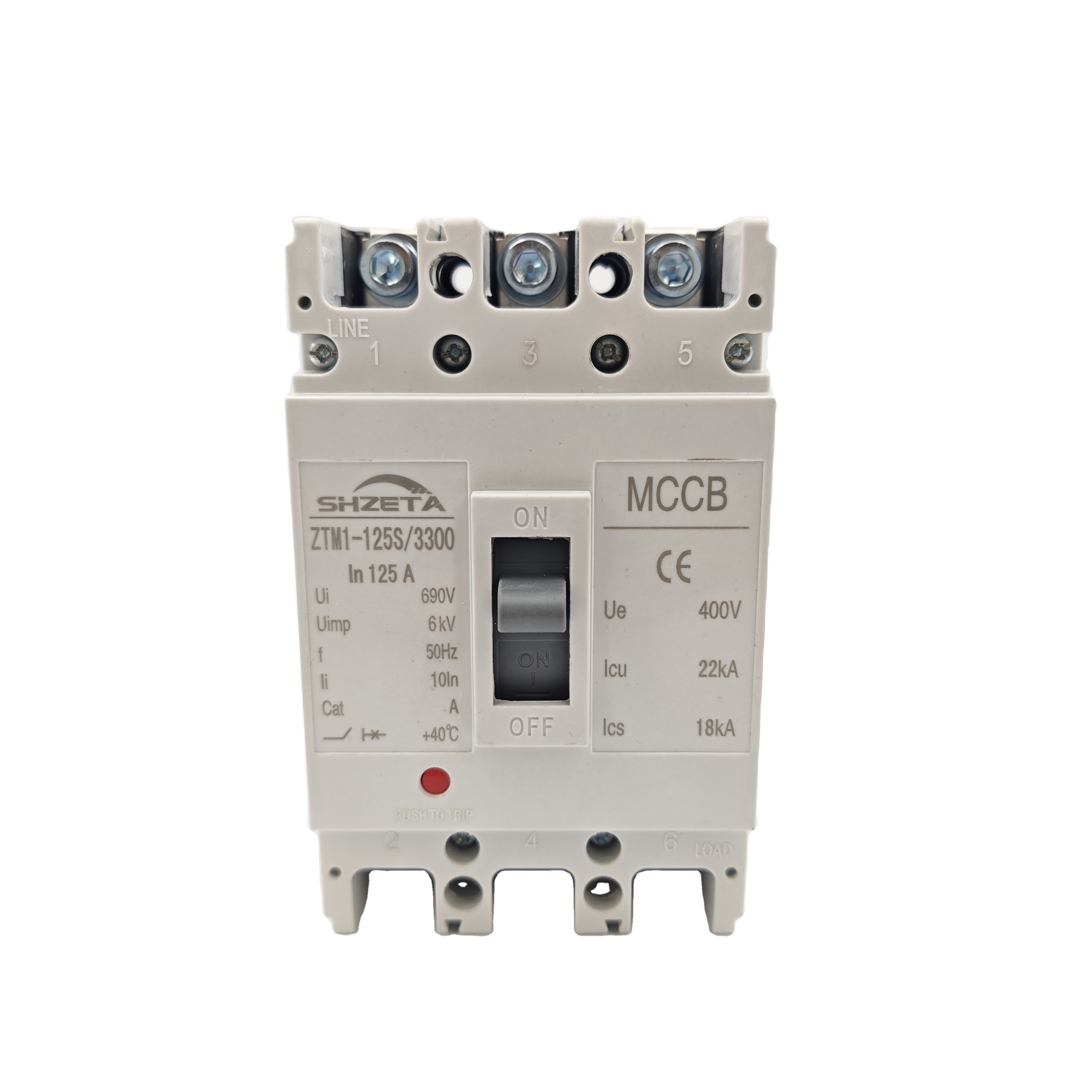
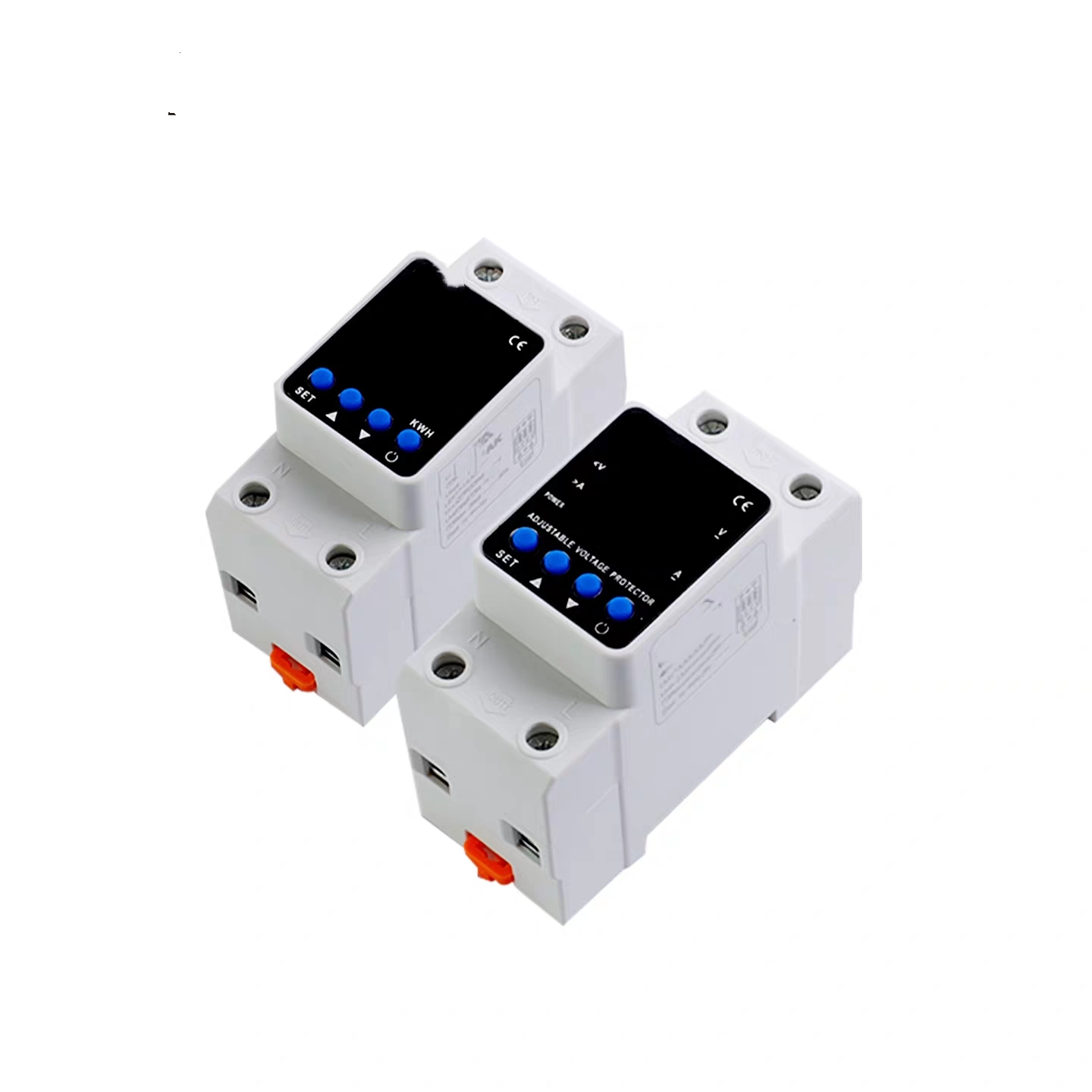
Engineered for high breaking performance, rapid arc dissipation, and thermal-magnetic selectivity. Inspect our verified heavy-duty protection devices below.
Why Global EPCs & Wholesalers Partner With Us
Located in Huangyu Village, Liushi Town, Wenzhou—the world's densest industrial cluster for low-voltage power electronics—Zhejiang Graybar Electric combines engineering rigor with direct supply-chain speed.
In low-voltage electrical systems, the Moulded Case Circuit Breaker (MCCB) serves as the mechanical and electrical backbone for secondary power distribution, motor branch protection, and critical infrastructure feeder control. Sourcing directly from an audited industrial factory in Liushi eliminates secondary agent markups while ensuring direct engineering oversight on contact metallurgy, chamber de-ionization performance, and bimetallic calibration tolerances.
Liushi Component Cluster
Instant proximity to high-purity silver-tungsten/copper alloy sintering lines, BMC flame-retardant thermoplastics, and localized stamping infrastructure guarantees shorter production lead times.
Rigorous Quality Checks
Every single pole assembly undergoes instantaneous electromagnetic tripping audits, long-time thermal trip testing at 1.05 and 1.30 In, and high-potential dielectric withstand tests before shipment.
Export Packaging & Consolidation
Shock-proof inner cartons with desiccant protection and reinforced palletization, optimized for consolidated container freight (MCB, MCCB, ACB, ATS, and SPDs in a single consignment).
OEM/ODM & Compliance
Full support for private-label pad printing, custom dial markings for electronic trip settings (LSI/LSIG), custom pole colorations, and localized multilingual technical documentation.
MCCB vs. Miniature & Air Breakers: Engineering Architecture
A structured technical matrix for switchgear builders, panel designers, and electrical contractors planning their system coordination hierarchy.
| Apparatus Category | Typical Current Frame (In) | Breaking Capacity (Icu) | Trip Unit Technology | Primary Industrial Role |
|---|---|---|---|---|
| Miniature Circuit Breaker (MCB) | 0.5A to 63A (Up to 125A) | 4.5kA to 10kA (at 230/400V) | Fixed Thermal-Bimetal & Magnetic Plunger | Terminal final branch protection (lighting, small appliances, standard receptacle circuits). |
| Moulded Case Breaker (MCCB) | 16A to 1600A (Common 63A-250A) | 25kA to 85kA (Industrial Grade) | Thermal-Magnetic Adjustable or Microprocessor Electronic (ETU) | Sub-distribution feeders, motor branch isolation, capacitor banks, and commercial switchboards. |
| Air Circuit Breaker (ACB) | 630A to 6300A | 50kA to 120kA+ | Intelligent Digital Microprocessor (LSIG Selectivity) | Main incomer from step-down transformers, generator synchronizing boards, critical bus couplers. |
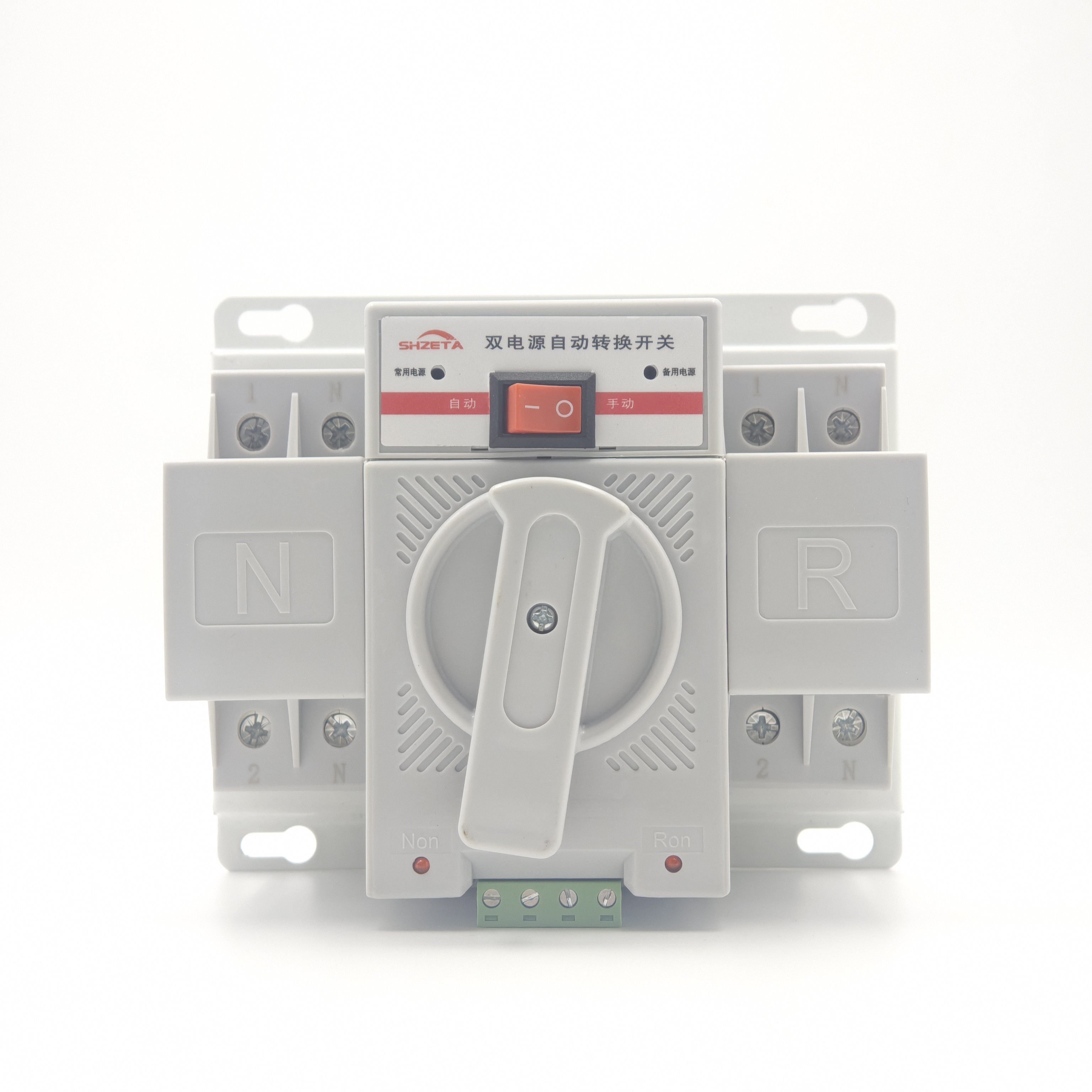
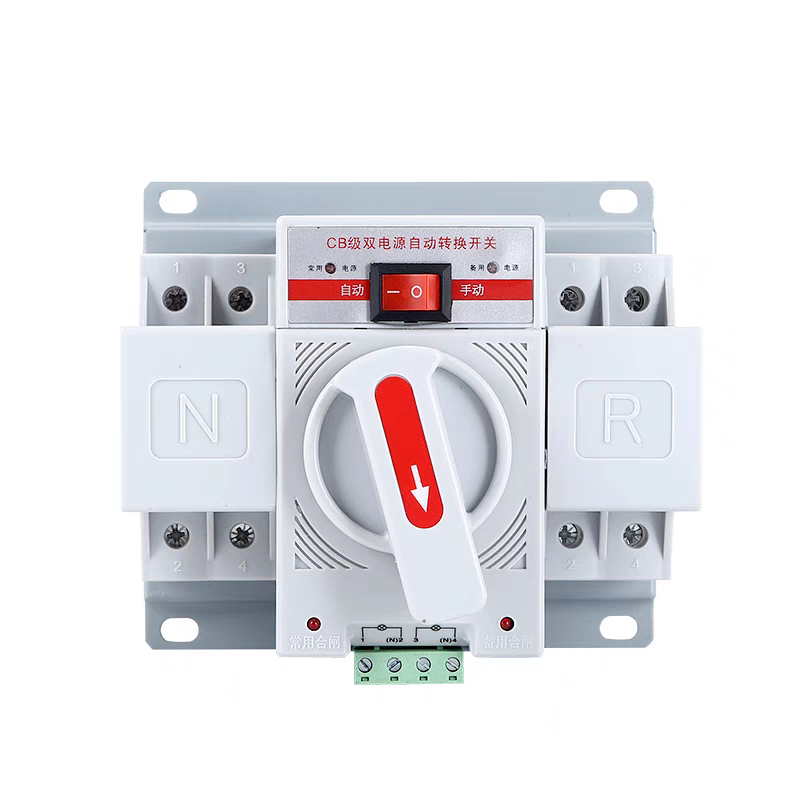
| Automatic Transfer Switch (ATS) | 16A to 3200A (PC/CB Class) | Coordinate with MCCB/Fuse | Electromechanical Interlock with Smart Logic Controller | Uninterrupted auto-switching between utility grid line and emergency diesel/solar back-up systems. |
System Selectivity & Ics vs. Icu Considerations: In heavy industrial environments, specifying an MCCB requires a clear understanding of the difference between Rated Ultimate Short-Circuit Breaking Capacity (Icu) and Rated Service Short-Circuit Breaking Capacity (Ics) per IEC 60947-2. While standard commercial MCCBs may only offer an Ics of 50% Icu, our heavy-duty industrial series delivers an Ics rating up to 75% or 100% of Icu. This ensures that after clearing a severe fault, the internal contact system, arc chutes, and insulation barriers retain sufficient integrity to safely maintain service continuity.
Emerging Technology Trends & Strategic Procurement Insights
How decarbonization, commercial microgrids, and IoT intelligence are reshaping low-voltage circuit protection procurement through 2026–2030.
1. High-Voltage DC & Renewable Integration
With utility solar installations moving toward 1000V–1500V DC and commercial Battery Energy Storage Systems (BESS) scaling globally, MCCBs are rapidly transitioning beyond conventional 415V AC limits. Specialized DC-rated MCCBs with lengthened arc-quenching corridors, permanent magnetic blowouts, and ceramic splitter plates are now essential to suppress sustained direct current arcs without polarity restrictions.
2. Digital IoT & Predictive Condition Monitoring
Traditional passive thermal-magnetic trip units are giving way to digital microcontrollers embedded directly inside the MCCB frame. Cloud-connected electronic trip units (ETUs) with native Modbus-RTU, BACnet, and RS485 communication protocols now track real-time contact temperature, harmonic distortion, mechanical operating cycles, and cumulative thermal wear—allowing maintenance crews to schedule service before unplanned switchboard failures occur.
3. Compact Footprints with Enhanced Breaking
Urban real estate constraints and modular data center designs demand higher power densities. Modern frame architectures achieve up to 50kA breaking capacity in the same physical volume that previously held a 25kA breaker. Advanced gas-dynamic thermodynamic modelling in our Liushi research labs has optimized arc runners and vent de-ionizers, minimizing venting clearances and flashover hazard inside compact type-tested low-voltage assemblies.
Strategic Procurement Guidance for International Wholesalers
When procuring industrial MCCBs from Chinese manufacturers, technical procurement managers must avoid low-cost traps that compromise circuit safety. Key purchasing criteria should include:
- Contact Metallurgy Verification: Insist on authenticated silver-nickel (AgNi) or silver-cadmium oxide (AgCdO) alloy tips rather than clad copper contacts, ensuring electrical life exceeding 8,000 operations under rated operational current (Ie).
- Environmental De-rating Curves: Industrial MCCBs frequently operate in hot control cabinets exceeding 40°C. Review manufacturer ambient temperature de-rating tables to prevent premature nuisance tripping in tropical, desert, or poorly ventilated switchgear installations.
- Coordinated Sub-Tier Cascading: Source your upstream MCCB frames and downstream DIN-rail MCBs from a unified manufacturer to obtain verified cascade tripping and discrimination tables. This ensures localized fault clearance without tripping entire facility busbars.
Frequently Asked Technical & Sourcing Questions
Clear, unhedged answers to help your engineering and purchasing departments streamline validation.
What is the difference between thermal-magnetic and electronic (micrologic) MCCBs?
What is the minimum order quantity (MOQ) and sample evaluation lead time?
Which international certifications and testing reports are available for export?
Can Zhejiang Graybar provide custom branding, private labeling, and customized enclosure ratings?
Why is pole selection (3-Pole vs. 4-Pole) critical in ATS and MCCB installations?
Request Technical Specifications or Project Quotation
Collaborate directly with our technical sales engineers in Liushi. Send your single-line diagrams, tender BOQs, or target breaker schedules for rapid review and factory-direct pricing.