ATS & Changeover
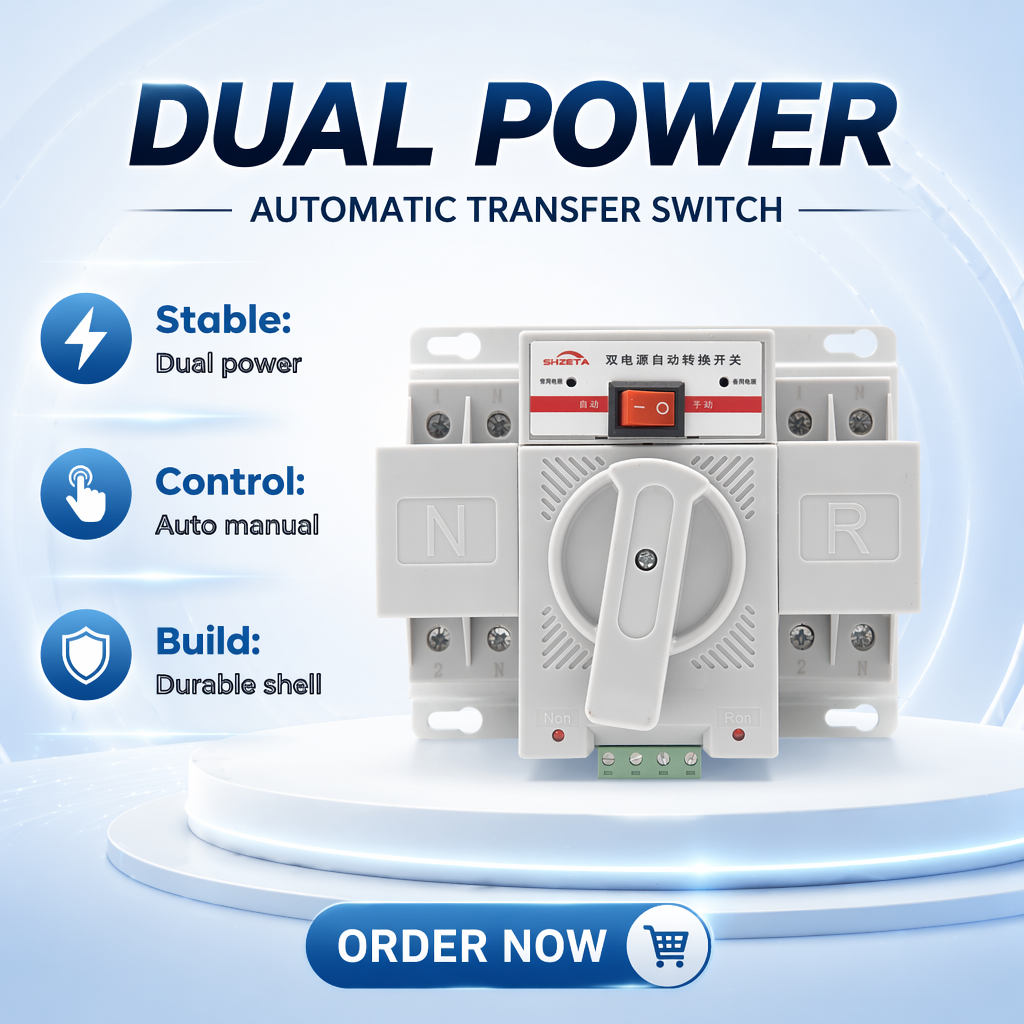
4P 63A Manual Changeover Switch Transfer with Breaker Type ATS
Integrated 4-pole dual power changeover device providing manual transfer interlocking and complete overcurrent circuit protection.
Explore our heavy-duty industrial switchgear components, certified under IEC/EN 60947-2 and engineered for high breaking capacity, supreme selectivity, and extreme duty cycles.
Integrated 4-pole dual power changeover device providing manual transfer interlocking and complete overcurrent circuit protection.
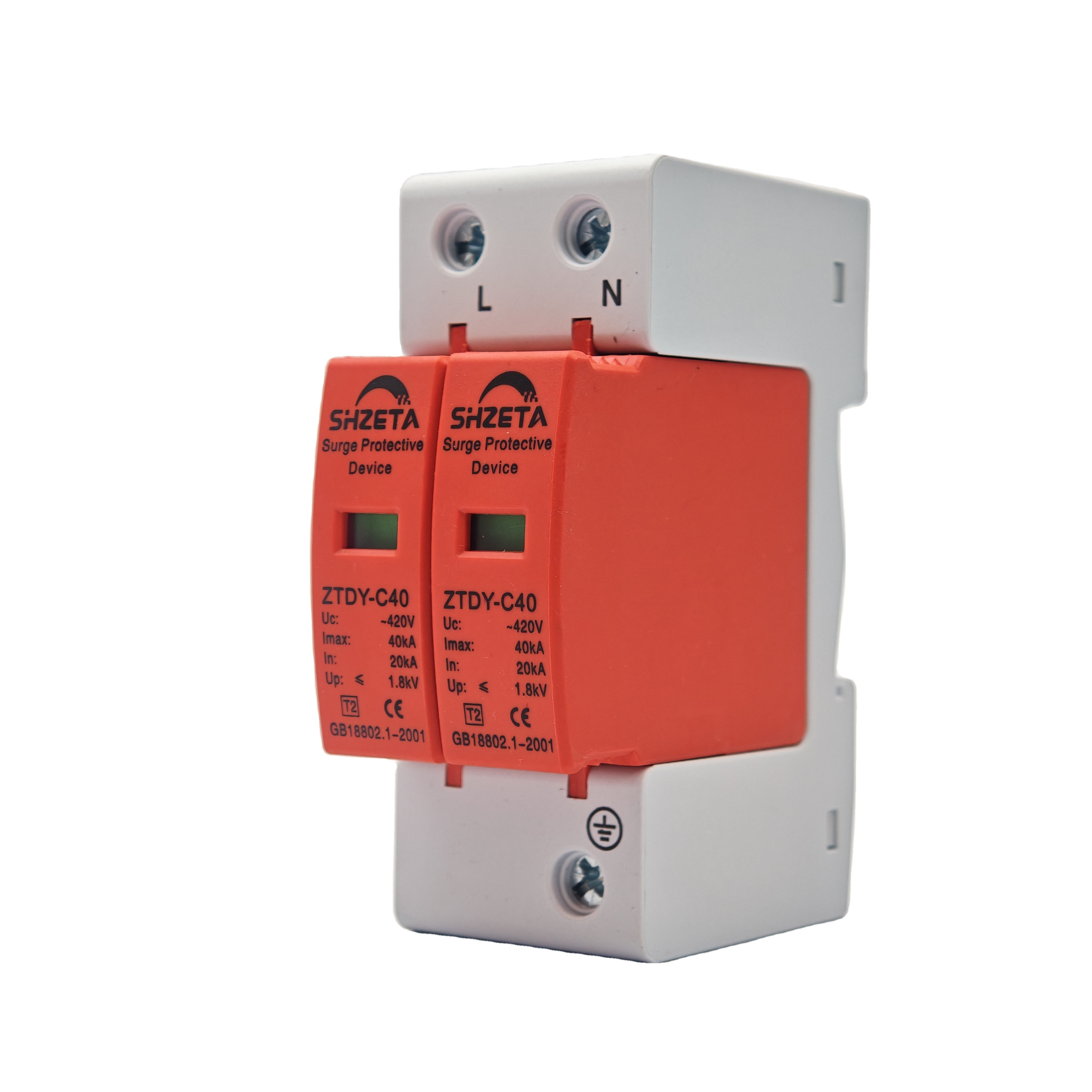
High-grade flame-retardant PBT enclosure with Class I/II transient suppression, designed explicitly for high-voltage DC solar PV strings.
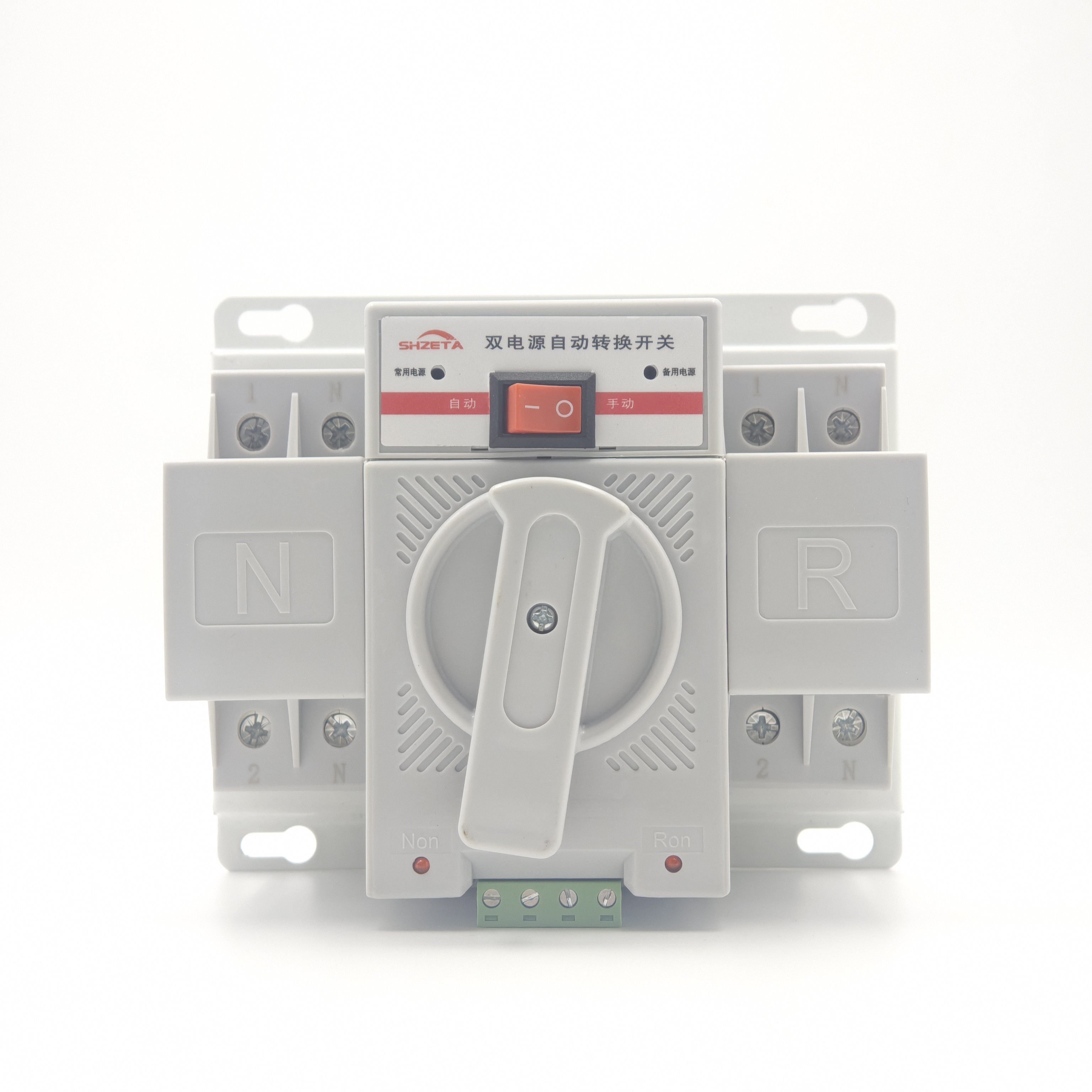
Millisecond-level power source changeover for critical telecom, medical, and residential panels with micro-break interlocking mechanism.
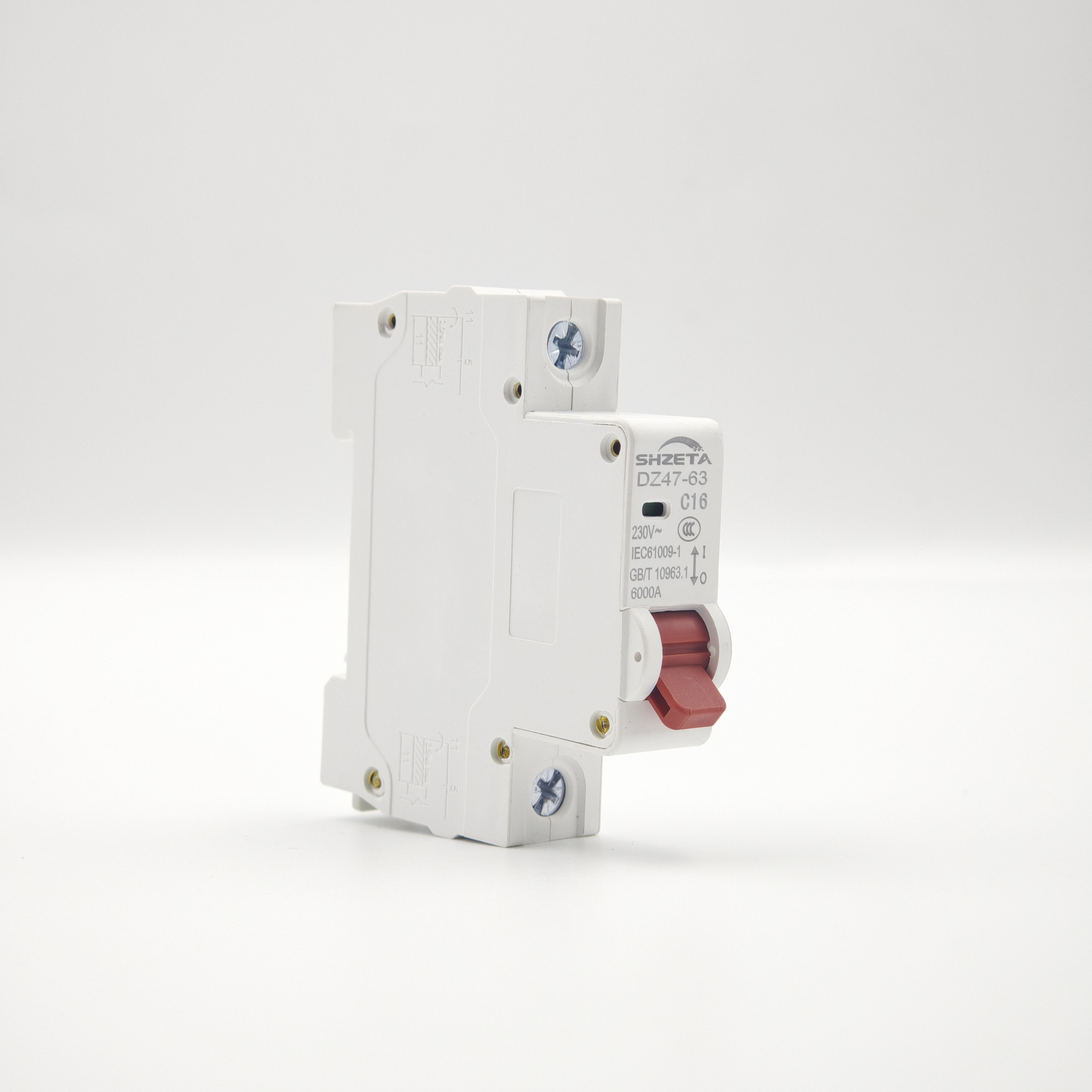
Compact DIN rail breaker featuring permanent magnetic blowout fields for instant DC arc extinguishing up to 1000V DC applications.
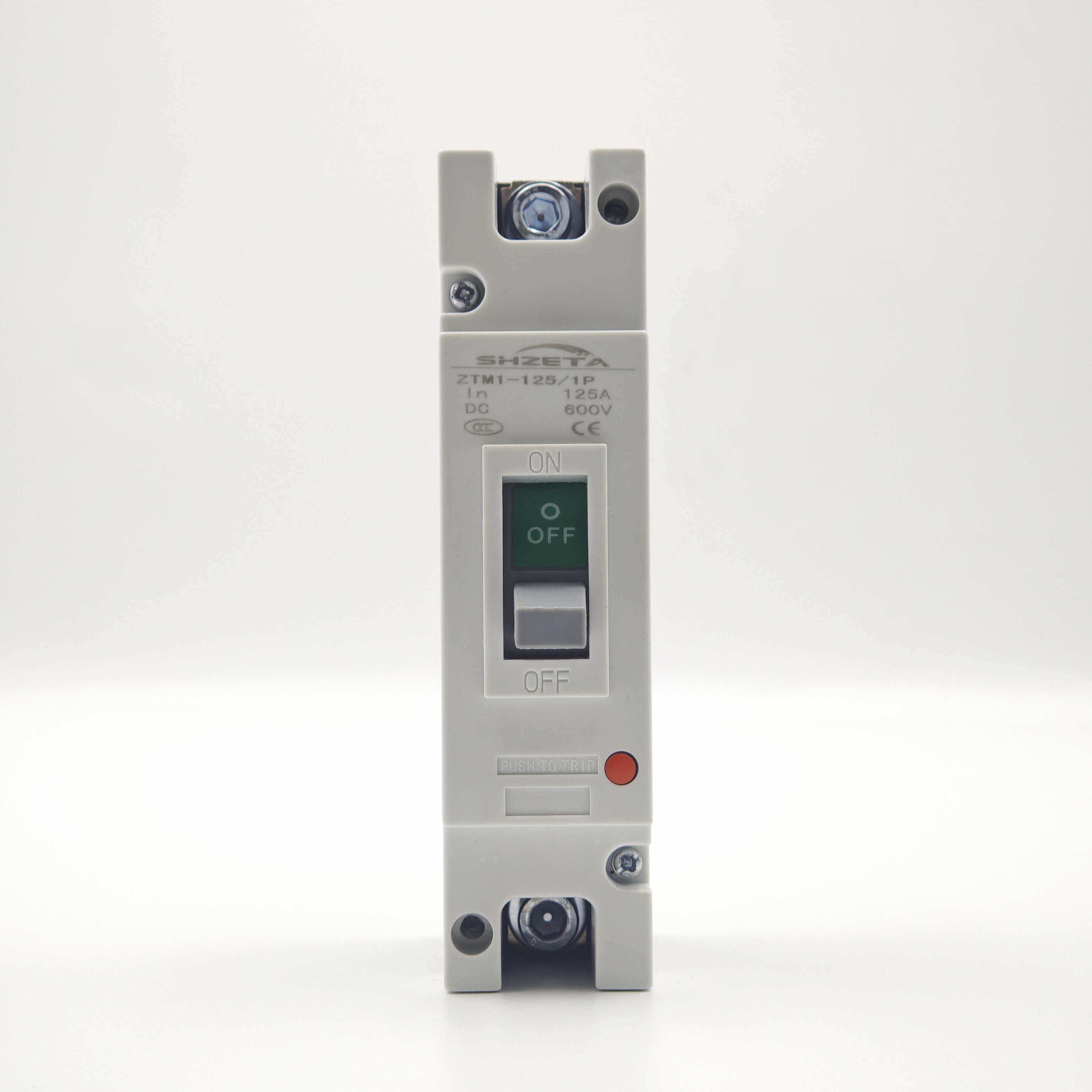
IP-rated sealed industrial MCCB engineered for outdoor PV combiner boxes, DC microgrids, and battery energy storage banks (BESS).
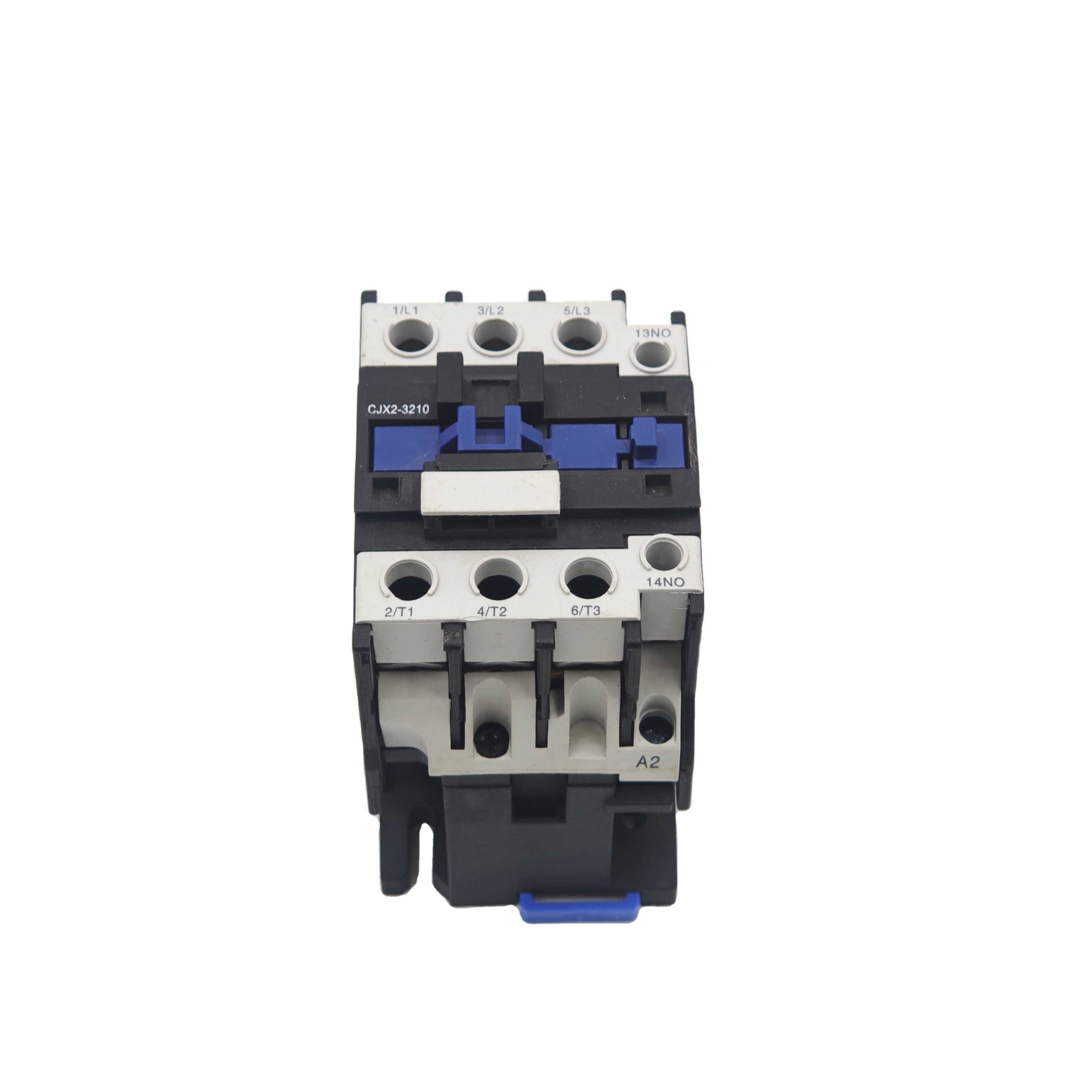
Heavy-duty AC-3 contactor designed for long electrical endurance, high-frequency motor switching, and HVAC compressor control panels.
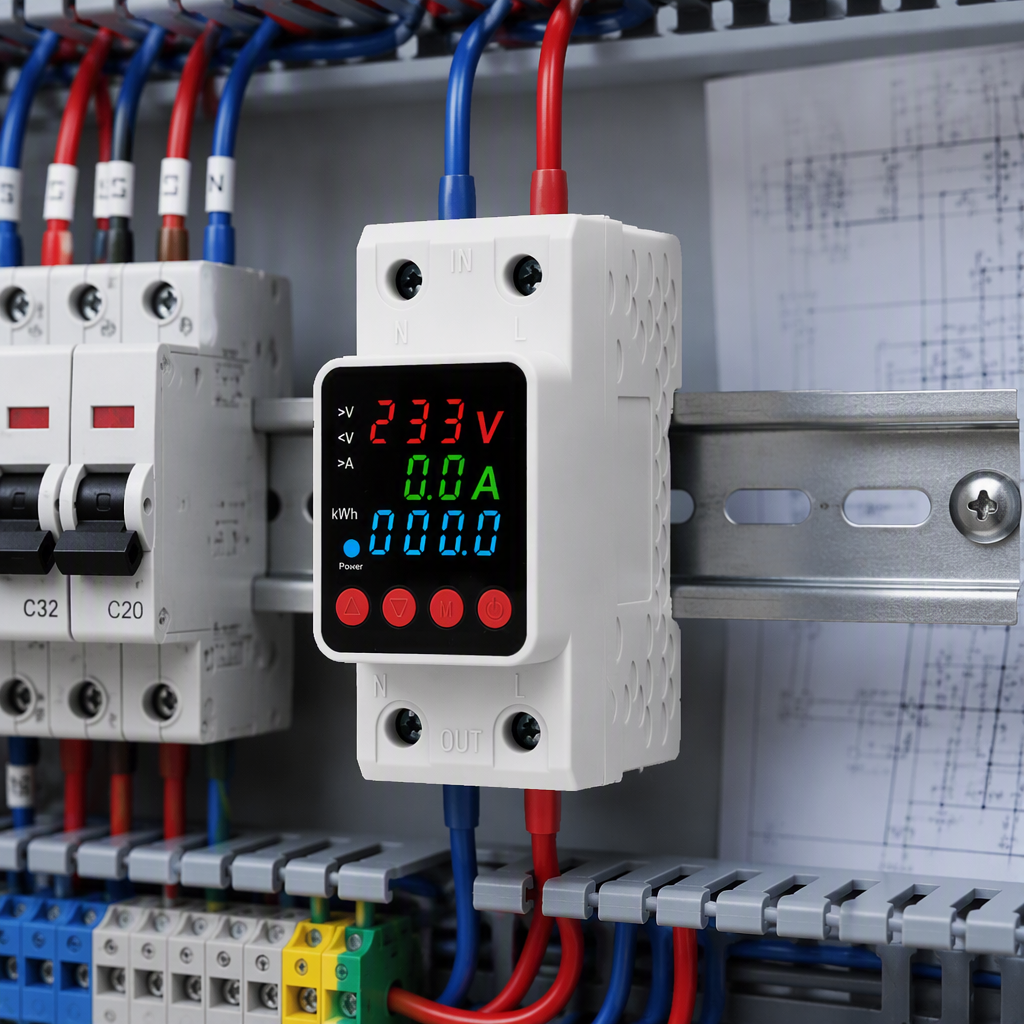
Multifunction digital protector with integrated over-voltage cut-off, under-voltage protection, and Class 1.0 real-time kWh metering.
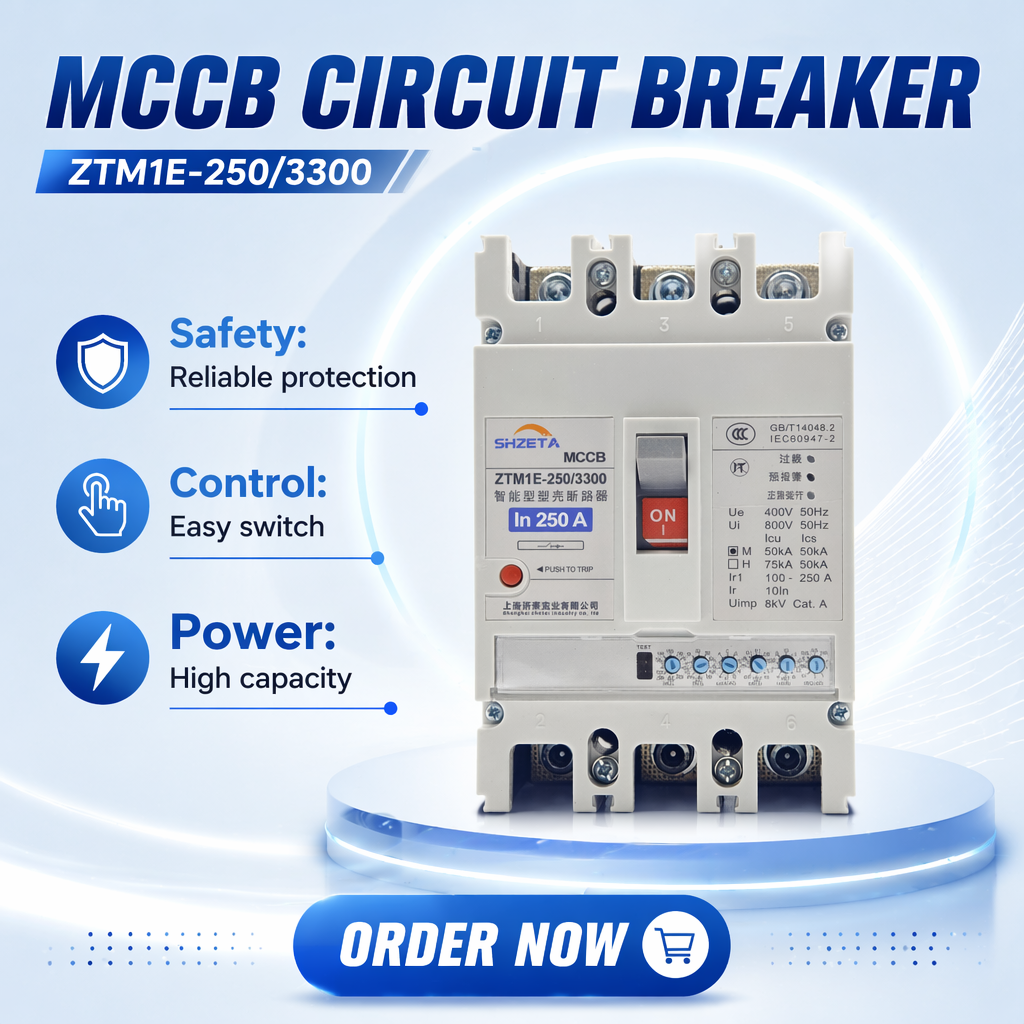
Flagship industrial MCCB with composite silver-tungsten contacts, calibrated bimetallic overload, and instantaneous electromagnetic release.
Moulded Case Circuit Breakers (MCCBs) utilizing thermal-magnetic trip units form the operational backbone of low-voltage electrical distribution switchgear globally. Governed strictly by the IEC/EN 60947-2 and GB/T 14048.2 standards, a thermal-magnetic MCCB pairs two distinct physical phenomena to deliver fail-safe overcurrent interruption without relying on external control power or delicate microprocessors.
The thermal protection mechanism protects cables and electrical equipment against sustained, low-magnitude overload currents. This relies on an inverse-time characteristic ($I^2t$ thermal memory curve) executed via an electromechanical bimetallic strip. Formed by bonding two metals with differing coefficients of thermal expansion (such as invar and brass/nickel-steel), the strip deflects predictably when exposed to resistive Joule heating caused by excess load current. At calibrated current thresholds (typically $1.05 \times I_r$ non-trip and $1.30 \times I_r$ conventional trip), the physical curvature of the strip trips the mechanical latch mechanism, releasing spring-loaded contacts within defined time envelopes.
Conversely, the magnetic protection mechanism provides instantaneous tripping during massive short circuits, ground faults, and phase-to-phase flashovers. This section consists of a precision electromagnetic solenoid or fixed magnetic yoke coupled to an armature. Under normal rated currents ($I_n$), a calibrated spring prevents premature armature movement. When short-circuit currents exceed the magnetic threshold (typically $5 \times$ to $10 \times I_n$ for distribution Type C, or $10 \times$ to $14 \times I_n$ for motor starting Type D), the intense electromagnetic Lorentz flux pulls the armature in milliseconds, instantly unlatching the breaker mechanism.
| Critical Parameter | IEC 60947-2 Definition | Engineering Significance for Switchgear Designers |
|---|---|---|
| Icu (Ultimate Breaking Capacity) | Test sequence: O - t - CO at rated operating voltage | The absolute maximum prospective fault current the breaker can safely extinguish without exploding or catching fire. |
| Ics (Service Breaking Capacity) | Test sequence: O - t - CO - t - CO (expressed as % of Icu) | The fault current level the MCCB can break repeatedly and maintain full dielectric isolation and thermal functionality thereafter. Top Chinese manufacturers deliver $I_{cs} = 100\% I_{cu}$. |
| Ui & Uimp | Rated Insulation Voltage & Impulse Withstand Voltage | Ensures internal clearances and creepage distances withstand high voltage spikes (e.g., 8kV lightning or inductive switching surges). |
| Thermal Memory | Residual heat retention across consecutive tripping cycles | Prevents immediate breaker reclosing after heavy overloads, allowing conductor insulation to dissipate destructive heat. |
A pivotal engineering differentiator of world-class MCCB manufacturing in China is the design of the arc-chute quenching chamber. When contacts separate under an inductive short circuit of 50kA or 100kA, an electric plasma arc exceeding 5,000°C is generated. Our factories incorporate de-ionizing arc runner plates made of insulated magnetic steel splitters, flanked by gas-generating ablative PA66/thermoset DMC polymers. The magnetic field pulls the plasma arc away from the silver-tungsten (AgW) contacts and splits it into dozens of series micro-arcs, cooling the plasma and forcing an instantaneous voltage rise that quenches the fault current before it reaches its peak sinusoidal value (current-limiting technology).
Positioned in Liushi Town, Wenzhou—China's global capital of low-voltage electrical apparatus—Zhejiang Graybar Electric Co., Ltd. combines supply-chain integration, precision automated tooling, and low-MOQ flexibility.
Direct adjacency to world-class copper stamping, thermoset resin casting, and contact alloy metallurgy facilities yields unparalleled cost efficiency and rapid sub-component replenishment.
Every single bimetallic thermal trip element and magnetic coil undergoes computer-controlled load calibration test benches to eliminate nuisance tripping and maintain 1.05/1.30 Ir accuracy.
Full support for private labeling, custom laser marking, non-standard breaking capacities, specialized terminal spreaders, rotary handles, and tailored packaging with low starting MOQs from 5 pieces.
Tested in accordance with IEC 60947-2, IEC 60898-1, and IEC 61643-11. Factory laboratory verified for dielectric breakdown, mechanical life cycles up to 20,000 operations, and temperature rise.
How electrical contractors, panel assemblers, and global equipment importers are evolving their supplier selection models to navigate decarbonization, supply security, and total cost of ownership.
The rapid deployment of Commercial & Industrial Solar, Battery Storage (BESS), and DC Fast EV Charging stations has created unprecedented demand for 500V, 800V, and 1500V DC MCCBs. Buyers are abandoning AC-adapted breakers in favor of dedicated DC circuit breakers with permanent magnet arc-blowout capabilities.
Global switchboard fabricators and electrical distributors are increasingly bypassing European tier-1 brand distribution markups. By establishing direct audited supply agreements with verified Chinese manufacturers like Graybar, buyers reduce unit procurement costs by 35%–50% while retaining full technical conformity.
European and North American switchboard specifications now mandate full declarations of hazardous substances, halogen-free thermoset plastics, and lower silver-cadmium contact alloys. Sourcing criteria have expanded from pure unit pricing to include product lifecycle recyclability and environmental compliance documentation.
From advanced metallurgical formulations to hybrid current limiting, the next generation of thermal-magnetic circuit breakers is engineered for extreme environments and higher electrical densities.
To eliminate toxic cadmium oxides (AgCdO) without degrading anti-welding characteristics under severe short circuits, premier manufacturers have standardized on Silver Tin Oxide ($AgSnO_2$) and Silver Tungsten Carbide ($AgWC$), optimizing arc resistance and contact longevity during fault clearing.
Traditional breakers calibrated for 30°C or 40°C require steep derating calculations in Middle Eastern and tropical Southeast Asian installations. Next-generation designs leverage specialized bimetallic composites capable of baseline 50°C and 55°C operation without premature thermal nuisance tripping in sealed switchboards.
Modern thermal-magnetic MCCBs feature snap-in accessory cavities that allow field installation of Shunt Trips (MX), Undervoltage Releases (MN), Auxiliary Switches (OF), and Alarm Contacts (SD). Standardized modular footprints empower distributors to maintain lower stock SKUs while catering to diverse project needs.
Get clear, authoritative answers to critical engineering, testing, and shipping questions directly from our switchgear production team.