High-Performance Circuit Protection & Switching Devices
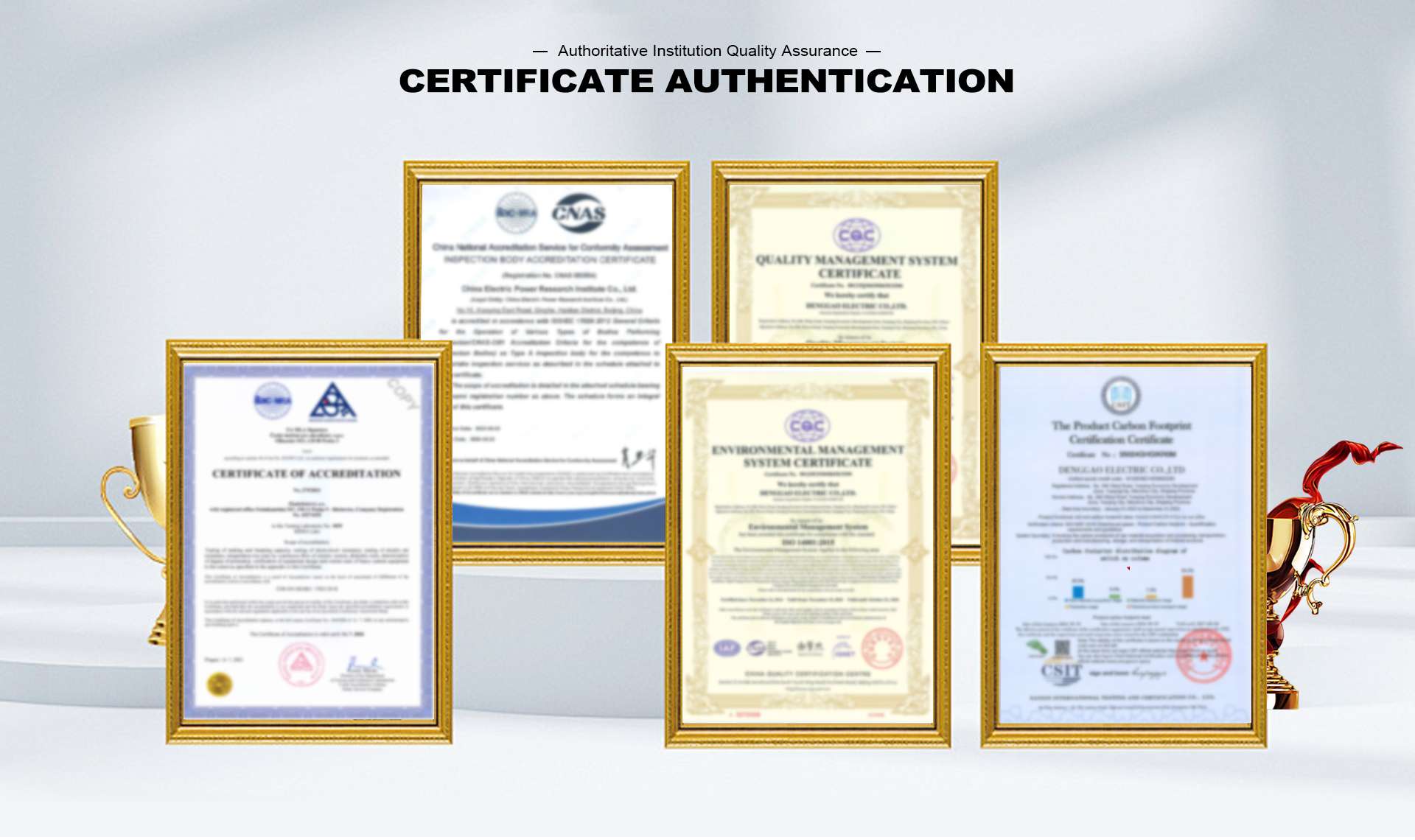
Engineered for industrial switchboards, commercial substations, and photovoltaic systems. Fully compliant with IEC 60947-2, IEC 60898-1, and IEC 60947-6-1 rigorous type certifications.
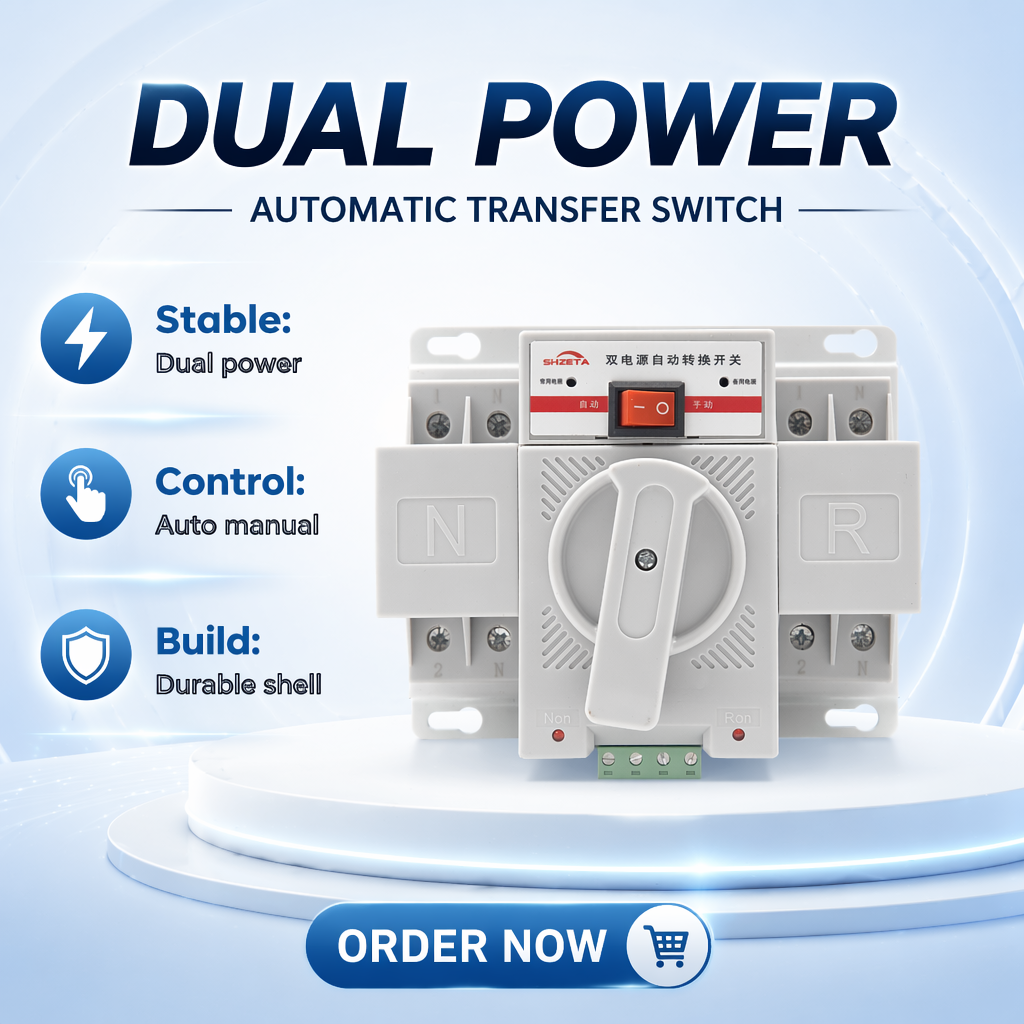
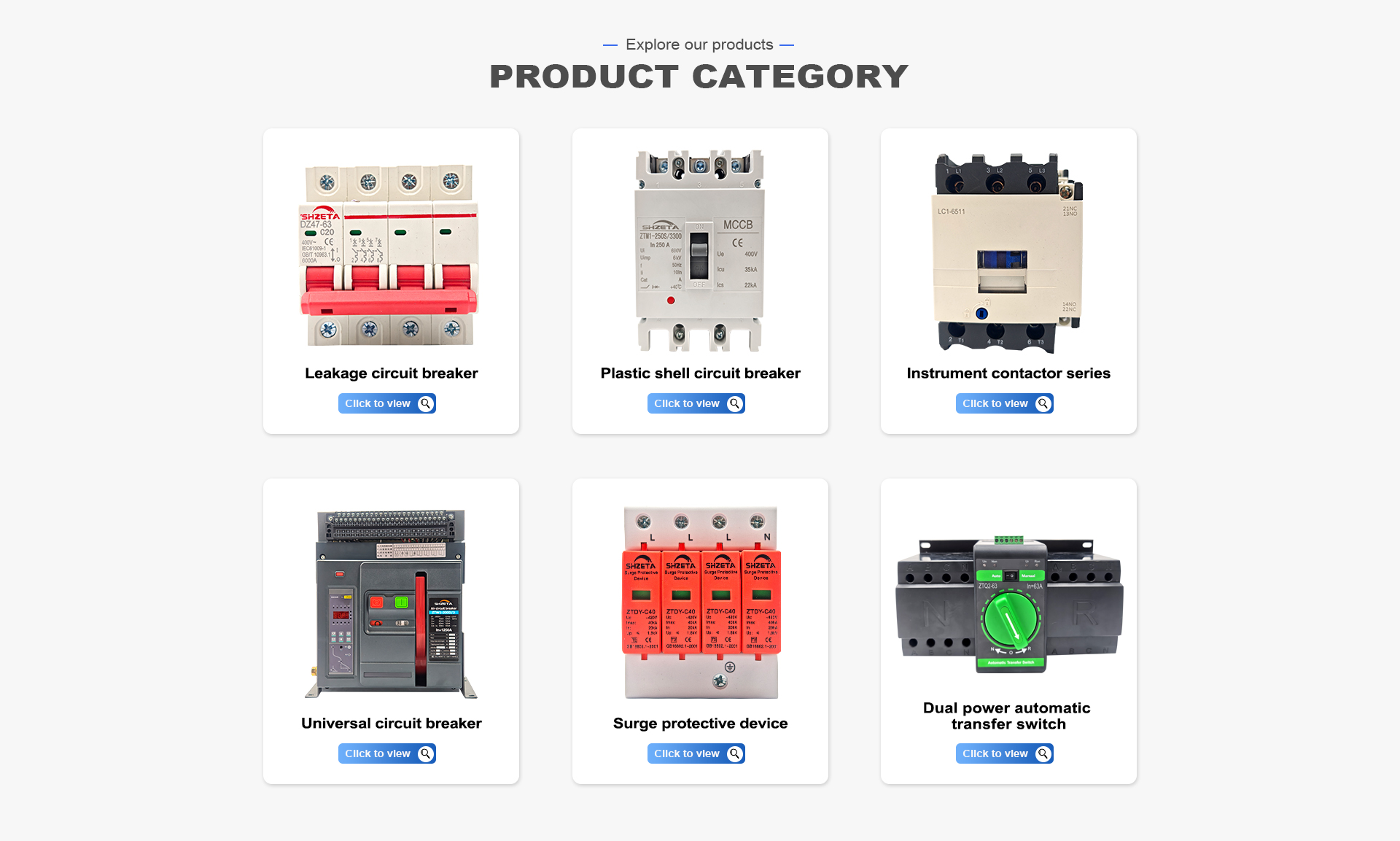
- Rated Current:63A
- Poles & Voltage:2P / 230V AC
- Breaking Capacity:3kA / CB Class
- Mounting:35mm DIN Rail
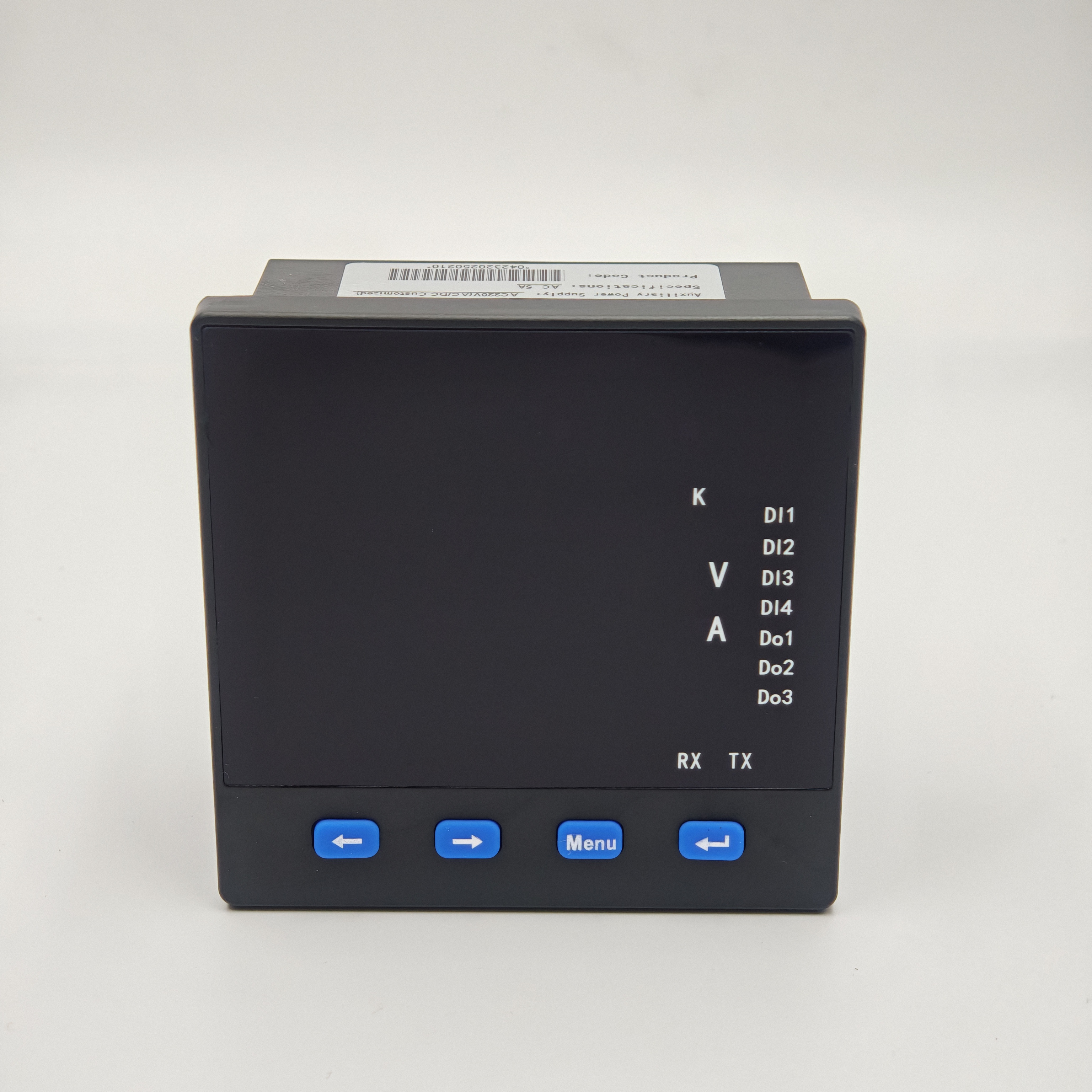
- Accuracy Class:Class 0.5
- Voltage Rating:AC/DC 60~280V
- Communication:RS485 Modbus RTU
- Application:Smart Panel Monitoring
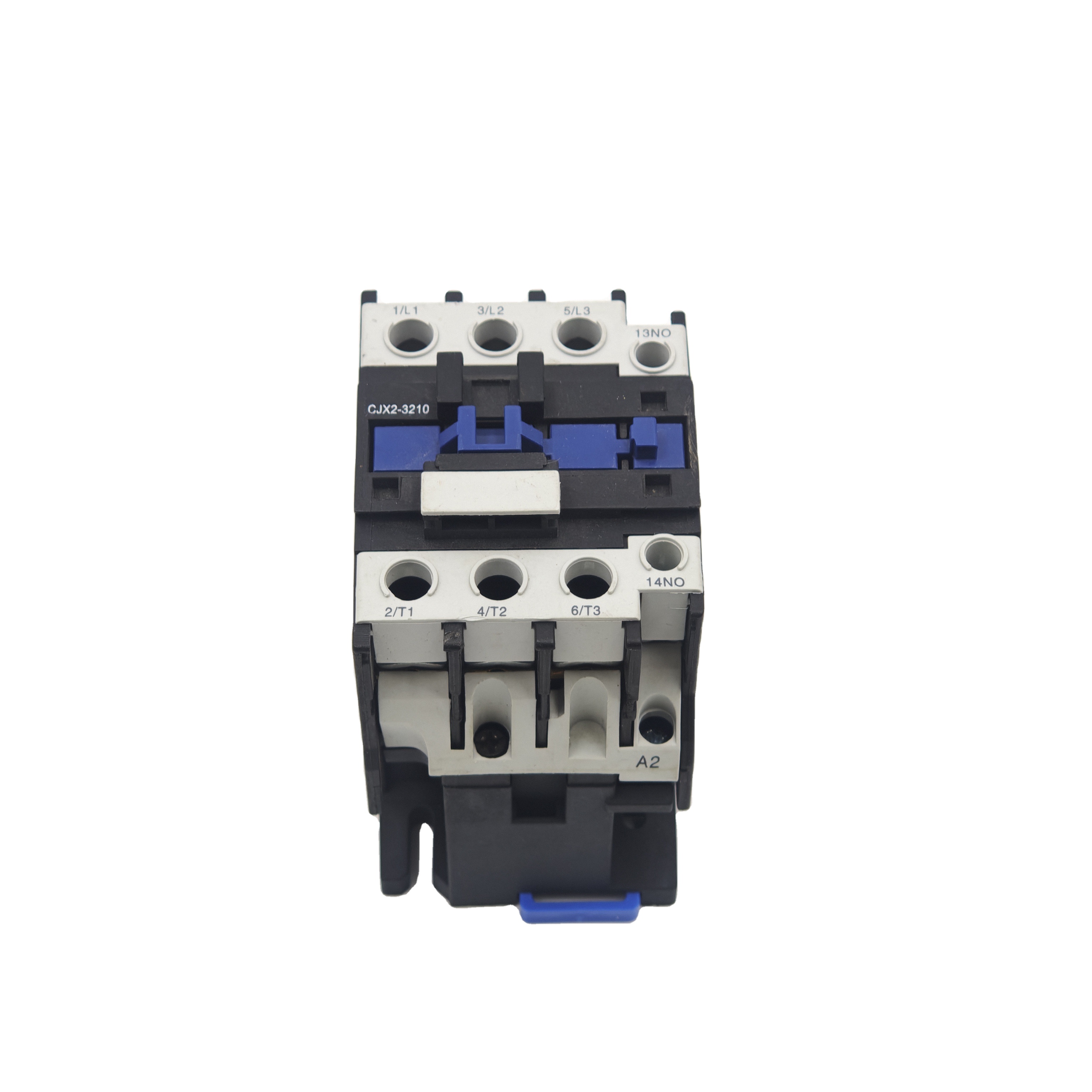
- Rated In:12A (AC-3)
- Coil Voltage:220V AC 50/60Hz
- Main Poles:3P + 1NO Auxiliary
- Standard:IEC 60947-4-1
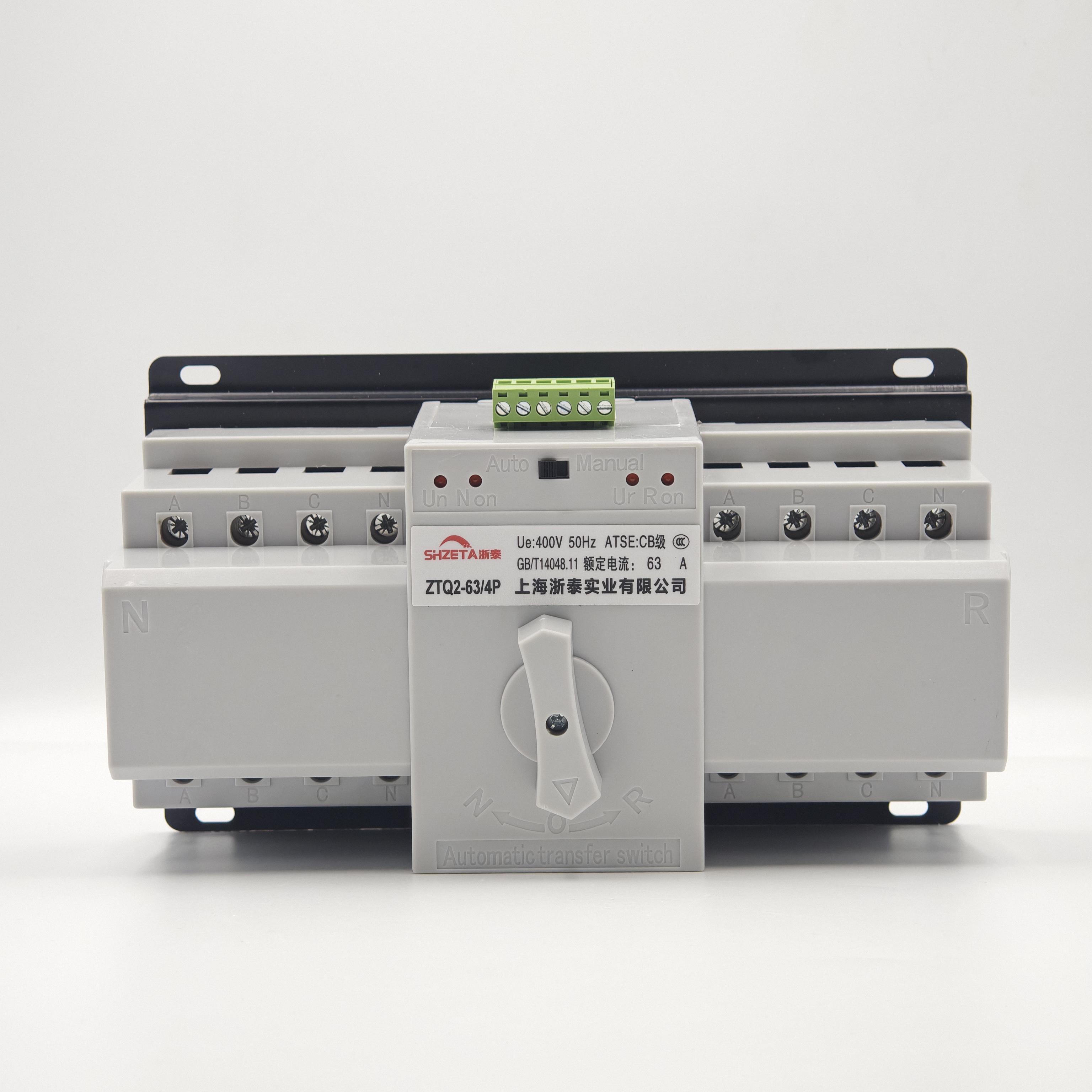
- Frame Rating:63A / 4 Pole
- Operating Volts:400V AC
- Switching Time:< 50ms
- Integration:Grid-PV-Genset
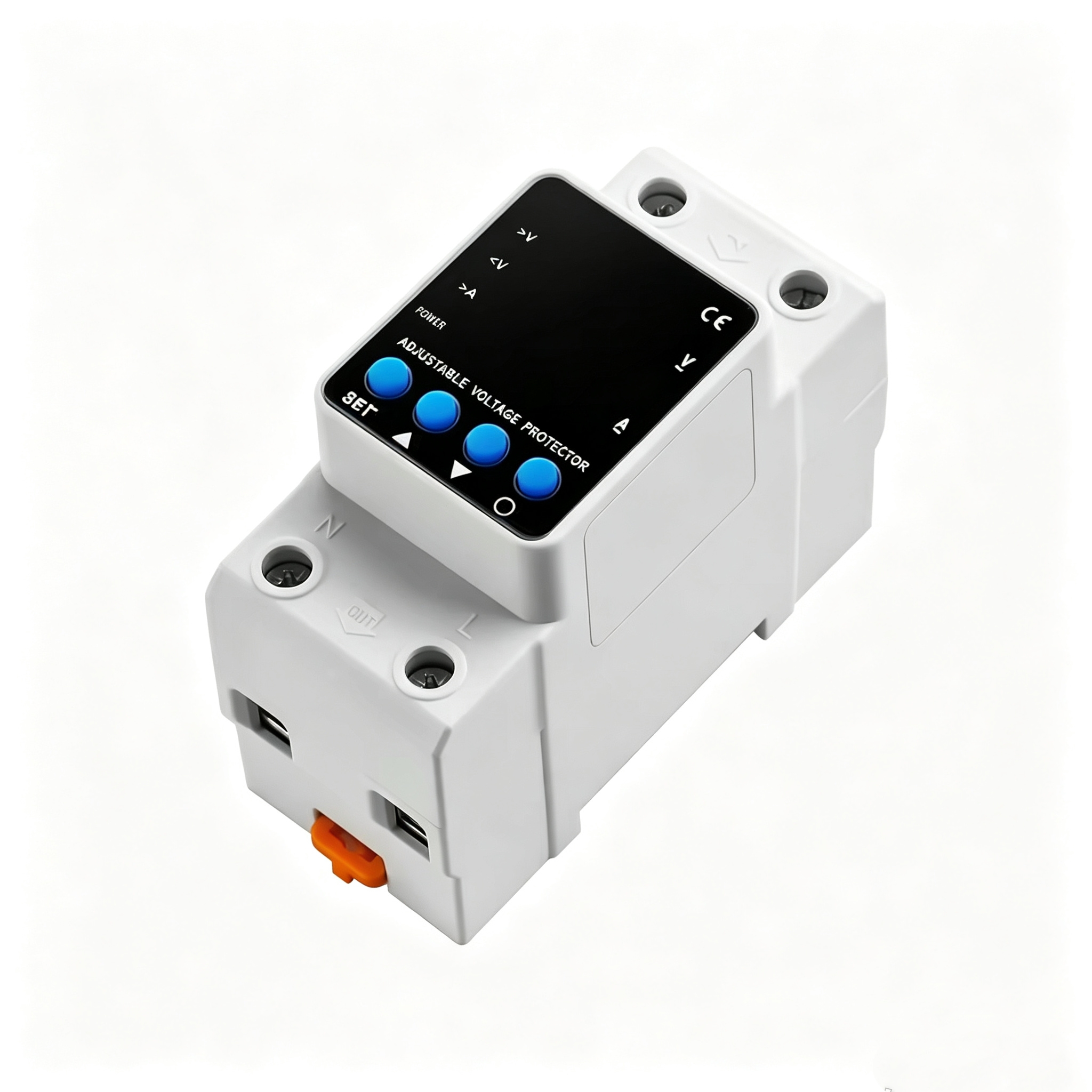
- Current Rating:1A - 63A Adjustable
- Protection Mode:U>, U<, Overcurrent
- Recovery Time:1s - 500s Configurable
- Display:Real-time Dual Digital
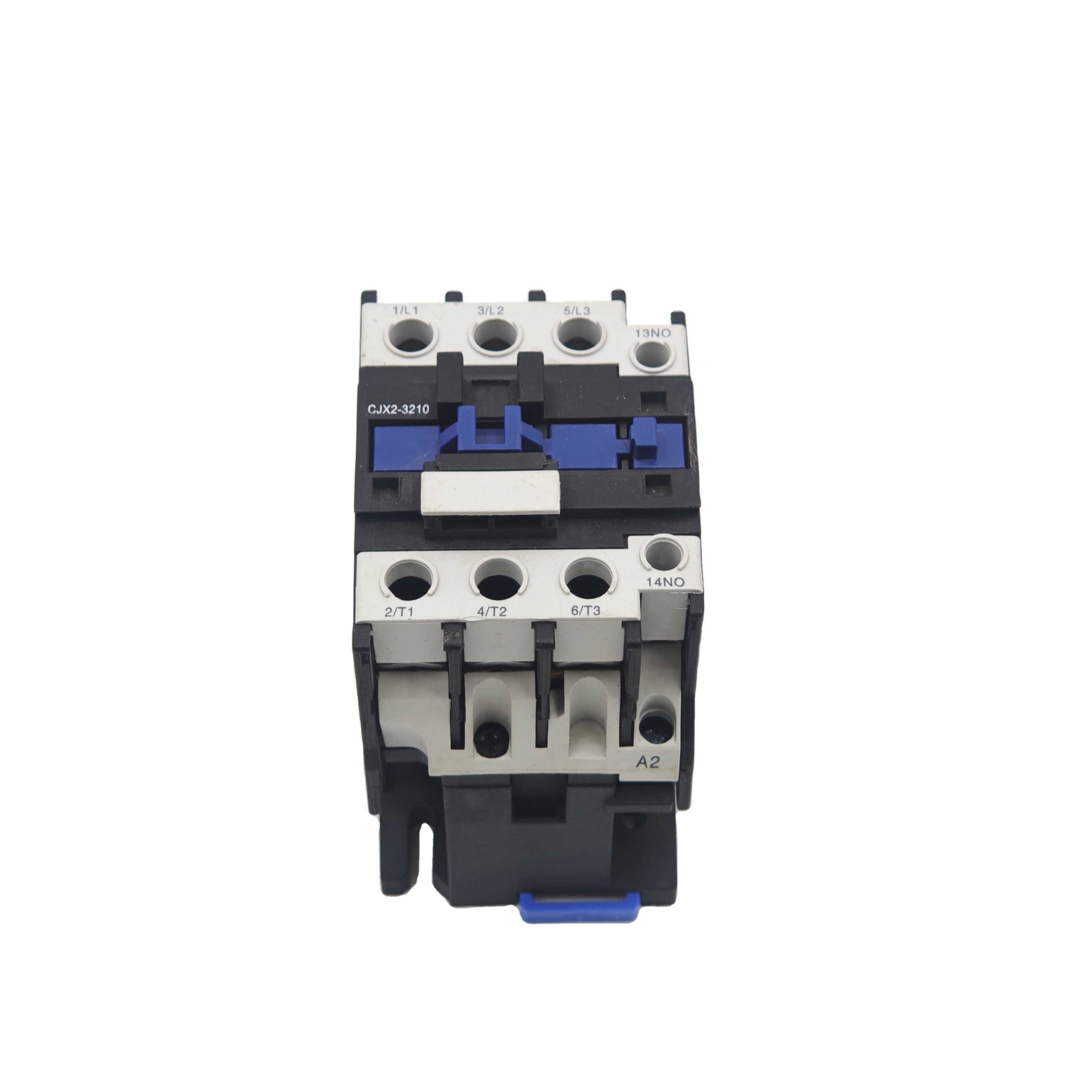
- Mechanical Life:10,000,000 Operations
- Insulation Ui:690V
- Contact Material:85% Silver Cadmium Oxide
- Mounting:DIN Rail / Screw Mount
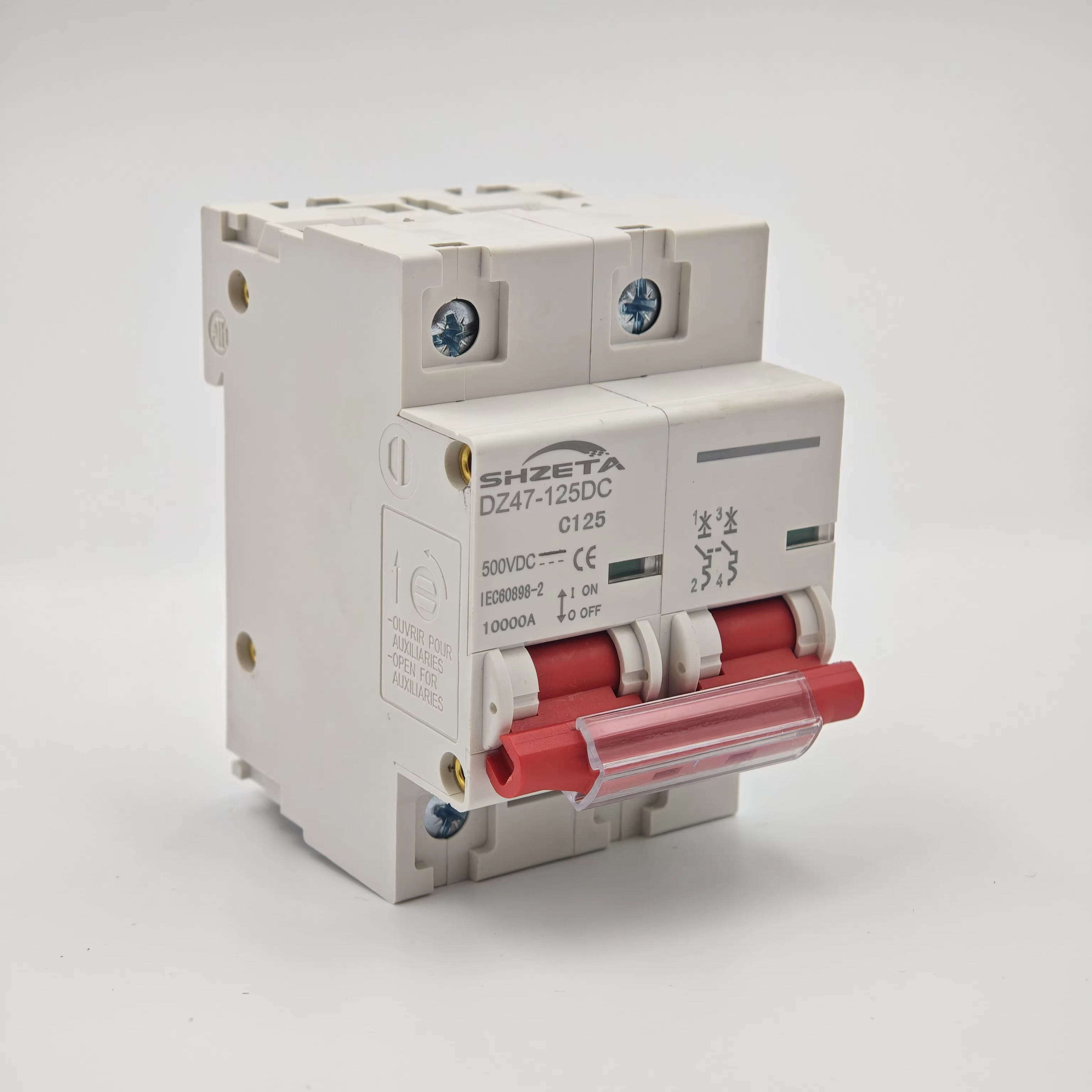
- Rated DC Voltage:500V DC (2 Pole)
- Rated Ampacity:80A / 100A / 125A
- Trip Curve:Type C Industrial
- Arc Extinction:Permanent Magnetic Arc Chute
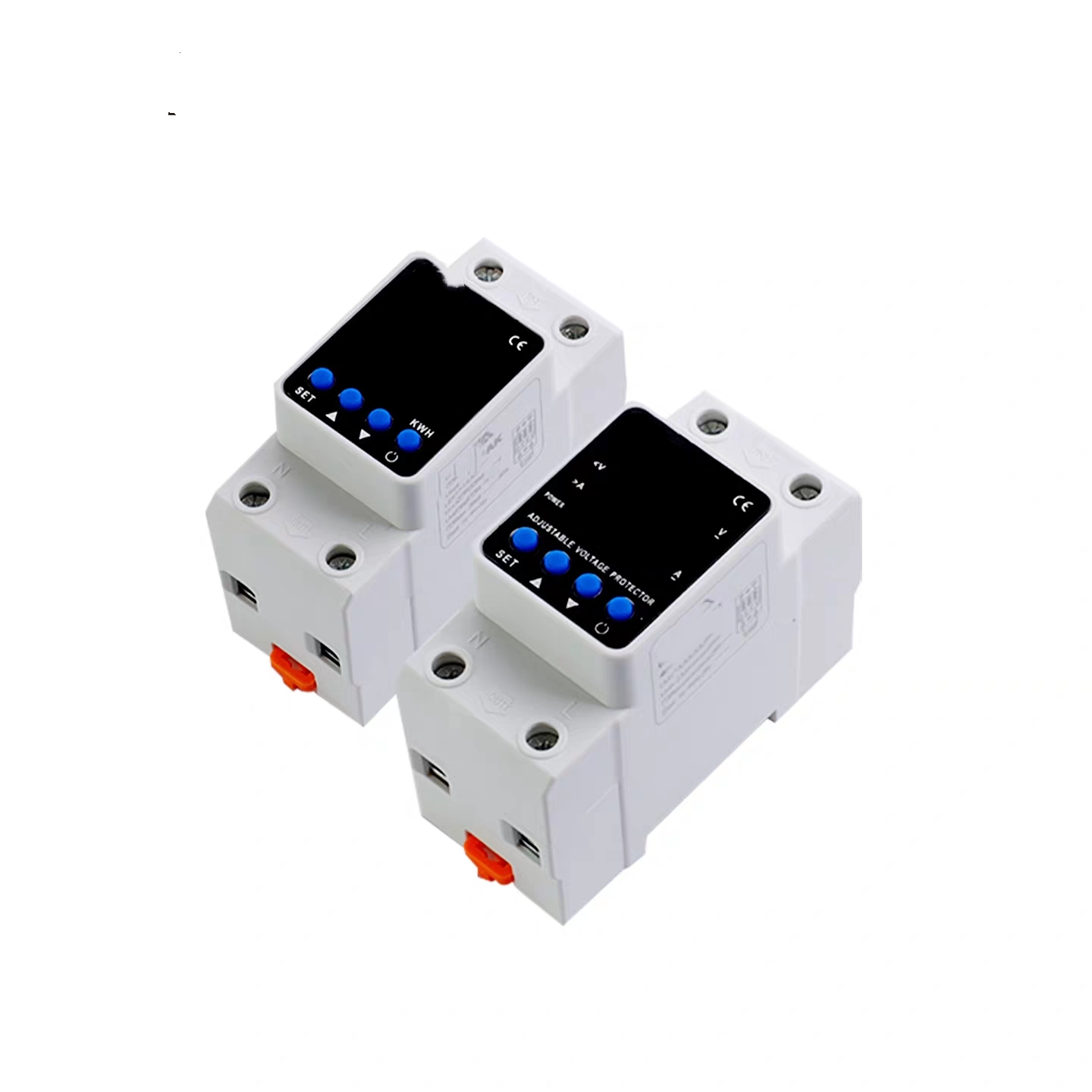
- Capacity Window:32A to 100A Heavy Duty
- Operating Volts:220V AC ±20%
- Microcontroller:High-Speed MCU Sampling
- Self-Consumption:≤ 1.5W Eco Design
Thermal-Magnetic Breaker Mechanics: The Science of Overcurrent & Short-Circuit Physics
A comprehensive engineering breakdown of trip curve dynamics, bi-metallic calibration, and instantaneous electromagnetic blow-open mechanics for mission-critical panel boards.
Dual Trip Protection: Physics in Equilibrium
Thermal-magnetic circuit breakers represent the gold standard of mechanical overload and short-circuit protection across low-voltage power distribution. The operational reliability of this apparatus hinges on two distinct physical phenomena executing inside an arc-quenching enclosure.
The Thermal Mechanism (Inverse-Time Overload): An electro-mechanically calibrated bimetallic strip comprising two metals with differing thermal expansion coefficients (invar and brass/copper alloys). As sustained overload currents traverse the conductor, resistive Joule heating (I²t) elevates strip temperature. Deflection proceeds along an inverse-time curve governed by thermal integration. This allows transient motor-start inrush currents to pass unhindered while tripping during dangerous sustained thermal saturation.
The Magnetic Mechanism (Instantaneous Fault Interruption): In series with the thermal element sits an electromagnetic solenoid coil wrapped around a movable armature. Under catastrophic short-circuit conditions exceeding the critical threshold (3–5 In for B-Curve, 5–10 In for C-Curve, 10–20 In for D-Curve), magnetic flux spikes instantly. The armature is violently pulled into the trip latch, releasing stored spring energy within 3 to 8 milliseconds—clearing the fault before fault currents reach peak mechanical stress levels.
Trip Curve Coordination & Operational Topologies
Ensure selective coordination and cascading reliability by matching device parameters to specific downstream electrical loads and prospective short-circuit levels (Icu / Ics).
| Breaker Type | Magnetic Trip Threshold | Typical Applications | Primary Standards | Contact Metallurgy | Arc Extinction System |
|---|---|---|---|---|---|
| B-Curve MCB | 3 to 5 × In | Resistive loads, non-inductive heaters, long cable runs, telecom DC racks | IEC 60898-1 | AgNi (Silver Nickel) | 9-12 plate de-ionizing splitter chute |
| C-Curve MCB | 5 to 10 × In | General lighting circuits, standard inductive loads, small AC motors, appliances | IEC 60898-1 / 60947-2 | AgC (Silver Graphite) / AgNi | Dual magnetic blow-out runner |
| D-Curve MCB | 10 to 20 × In | High-inrush industrial equipment, transformers, heavy induction motors, UPS chargers | IEC 60947-2 | AgCdO85/15 or AgSnO2 | Heavy-gauge copper arc horns |
| Solar PV DC MCB | 7 to 10 × In (Instantaneous) | PV string combiner boxes, central inverter DC disconnects, BESS storage | IEC 60947-2 (DC) | Sintered AgSnO2 (Anti-welding) | Permanent magnet directional arc diversion |
| Industrial MCCB | Adjustable 5–10 × In | Substation incomers, motor branch feeders, heavy manufacturing machine panels | IEC 60947-2 | Tungsten-doped Silver Alloy | Vented composite arc chambers up to 50kA |
Why Tier-1 Switchboard Builders Source From Zhejiang Graybar
Strategically situated in Huangyu Village, Liushi Town, Wenzhou—the electric capital of China—our facility integrates end-to-end tooling, stamping, moulding, and automated testing lines.
Liushi Cluster Advantage
Instant access to high-purity electrolytic copper, silver-alloy contacts, and thermoset/thermoplastic formulations, providing unbeatable lead times and cost efficiency.
- Immediate raw material supply chain
- Localized component calibration
- Fast prototyping within 72 hours
Stringent Multi-Stage QC
Every single thermal-magnetic circuit breaker passes our computerized tripping calibration test bench prior to ultrasonic casing assembly and export packaging.
- 100% Dielectric insulation testing
- Instantaneous trip time verification
- Optical contact gap measurement
Agile OEM & ODM Flexibility
Tailor trip currents, custom branding, multi-language manuals, laser-etched markings, and packaging to match regional distributor and utility specifications.
- Low initial sample MOQs (from 5 pcs)
- Customized front-panel aesthetics
- Multi-lingual technical datasheet design
Export-Grade Reliability
Direct logistical access to Ningbo and Shanghai sea terminals with heavy-duty export honeycomb cartons, anti-vibration trays, and verified trade authenticity.
- Third-party verified on-site facility
- Consolidated multi-category shipments
- Comprehensive export documentation

Future Procurement & Technological Trends in Circuit Protection
How digitization, renewable energy microgrids, and RoHS-compliant sustainability directives are reshaping circuit breaker manufacturing and global procurement channels.
IoT Integration & Solid-State Hybrids
Traditional pure thermal-magnetic architectures are increasingly paired with edge-computing microcontrollers, RS485/Modbus communication modules, and real-time current/voltage sensors for predictive maintenance, remote telemetry, and preemptive fault forecasting.
High DC Breaking for PV & BESS
The global surge in distributed photovoltaics and battery energy storage systems (BESS) demands breakers capable of suppressing high-voltage DC arcs without natural zero-crossings. Permanent magnet arc chutes and non-polarized bi-directional contact paths dominate modern tenders.
Supply Chain Decarbonization & Cadmium Phaseout
International environmental regulations (EU RoHS, REACH) are rapidly driving the elimination of silver-cadmium oxide (AgCdO) contacts in favor of green, eco-friendly sintered silver tin oxide (AgSnO2) contacts with equal anti-welding properties and superior thermal endurance.
Frequently Asked Questions on Sourcing Breakers From China
Essential technical, commercial, and quality assurance factors global electrical project managers must consider before signing procurement contracts.