Featured Manual & Dual Power Transfer Solutions
From DIN-rail mechanical interlocking circuit breakers to high-breaking capacity dual power automatic changeover switches and auxiliary contactors, source verified low-voltage switchgear direct from Liushi, Wenzhou.
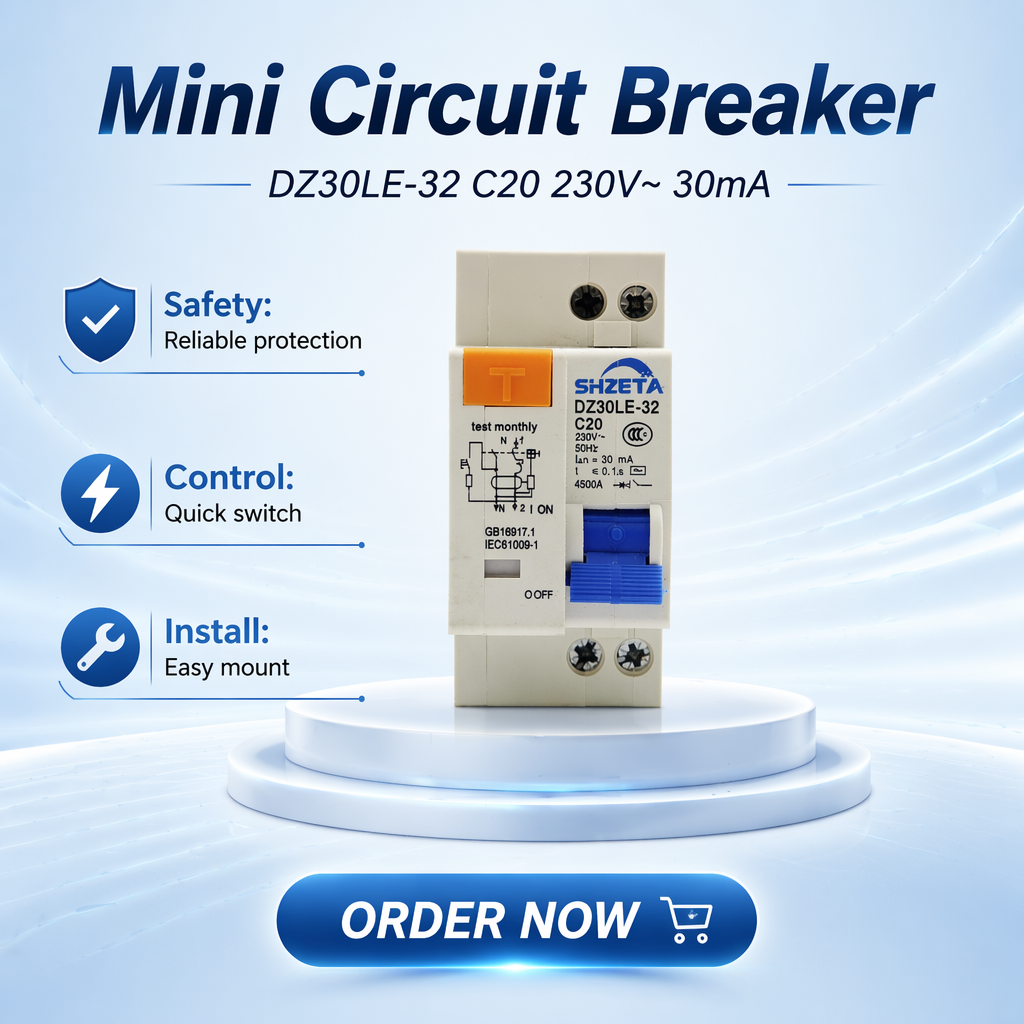
DZ30LE-32A Plastic Circuit Protection System for Office Hotel Shop/Supermarket & Public Lighting
- Rated Current:Up to 32A
- Sensitivity:30mA Residual Current
- Mounting:Standard 35mm DIN Rail
- Target Duty:Branch Lighting & Hospitality
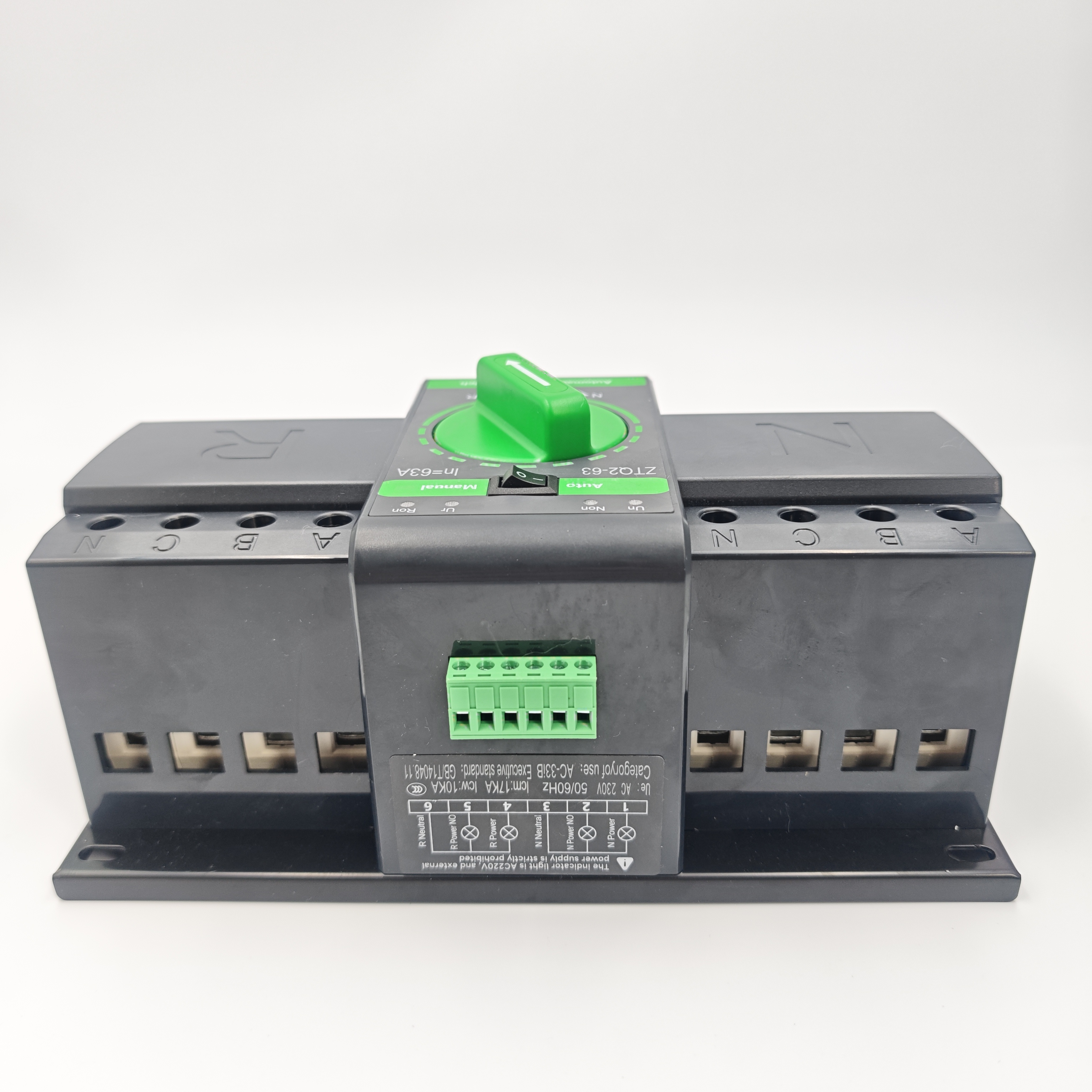
Dual Power Transfer Switch Circuit Automatic ATS PC Three Phase 63 A -125A
- Frame Rating:63A – 125A Three Phase
- Switch Class:PC Class (High Short-Time)
- Transition Time:< 50ms High Velocity
- Standard:IEC 60947-6-1 Certified
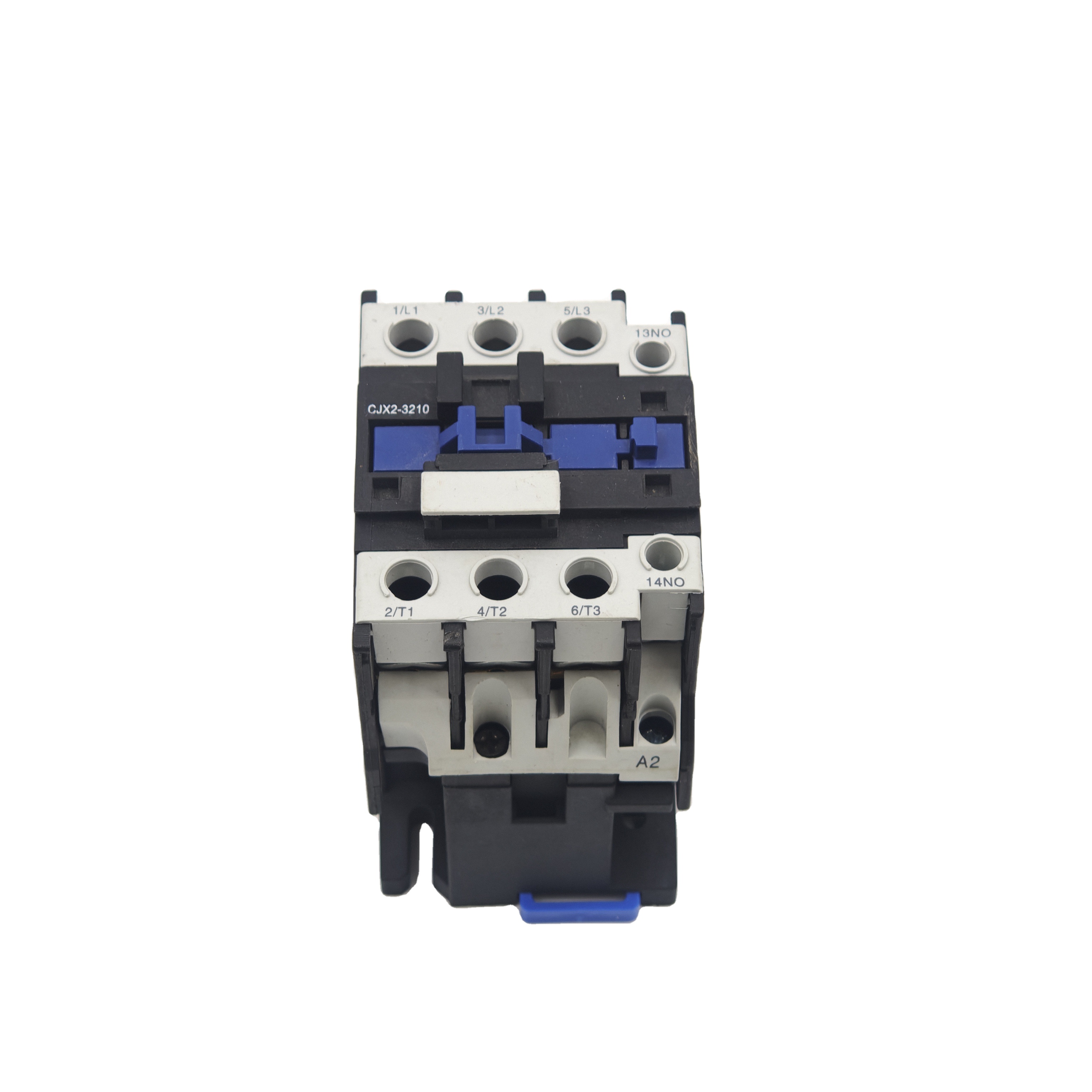
CJX2-1210 3 Phase Magnetic Contactor 220V Coil 50Hz 380V 12A AC Motor Control DIN Rail Industrial Automation
- Rated Operational:12A AC-3 at 380V
- Coil Voltage:220V AC 50/60Hz
- Auxiliary Contacts:1NO Built-in Configuration
- Duty Cycle:AC-3 / AC-4 Heavy Starting
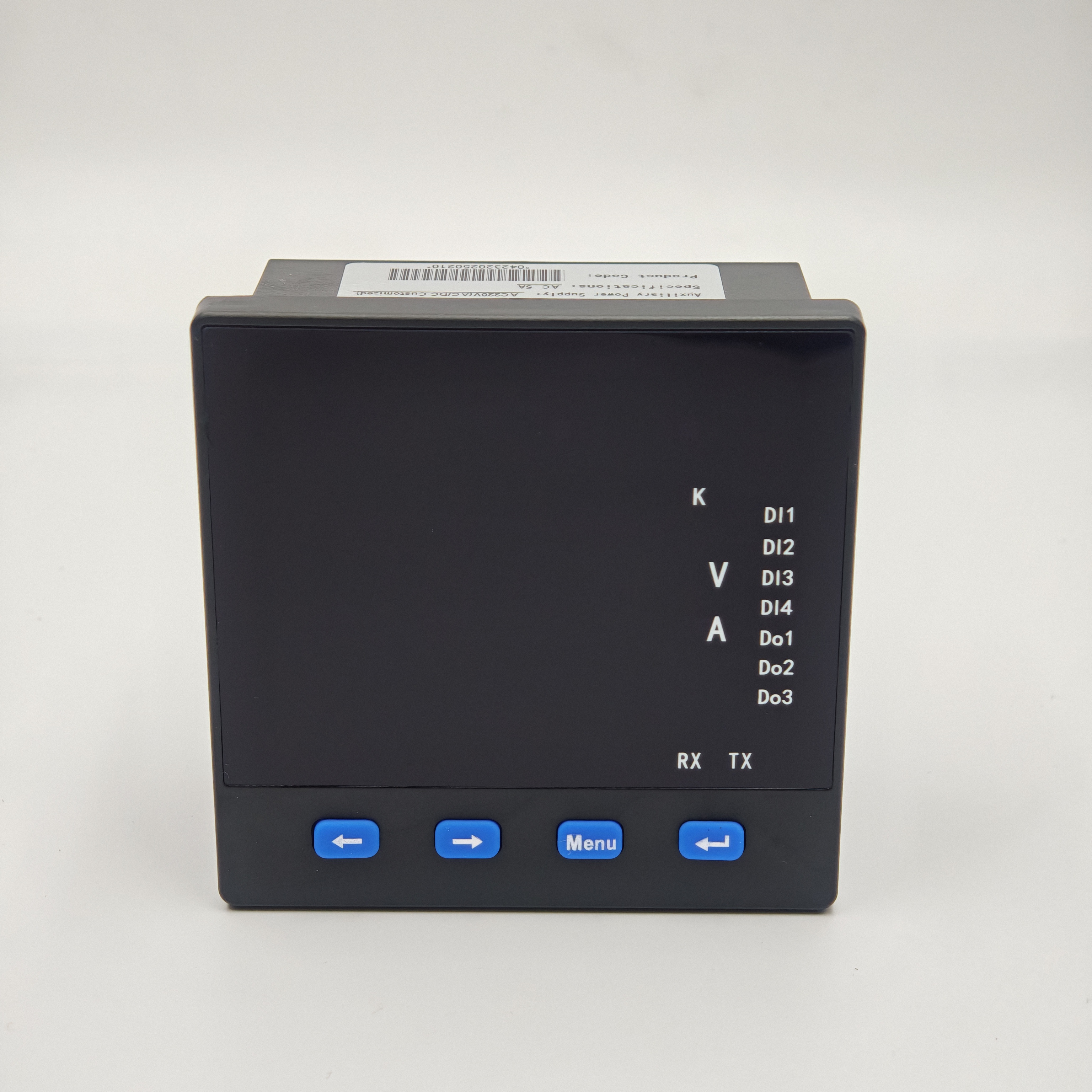
ZTDSI/ASCT HY-311-80VY Series 0.5 Accuracy Class Three-Phase Multifunction Energy Meter AC/DC60~280V RS485/Modbus Communication
- Metering Accuracy:Class 0.5S Active Energy
- Operating Range:AC/DC 60V–280V Multi-input
- Bus Protocol:RS485 Modbus-RTU Support
- Parameters:V, I, kW, kVA, PF, THD Analysis
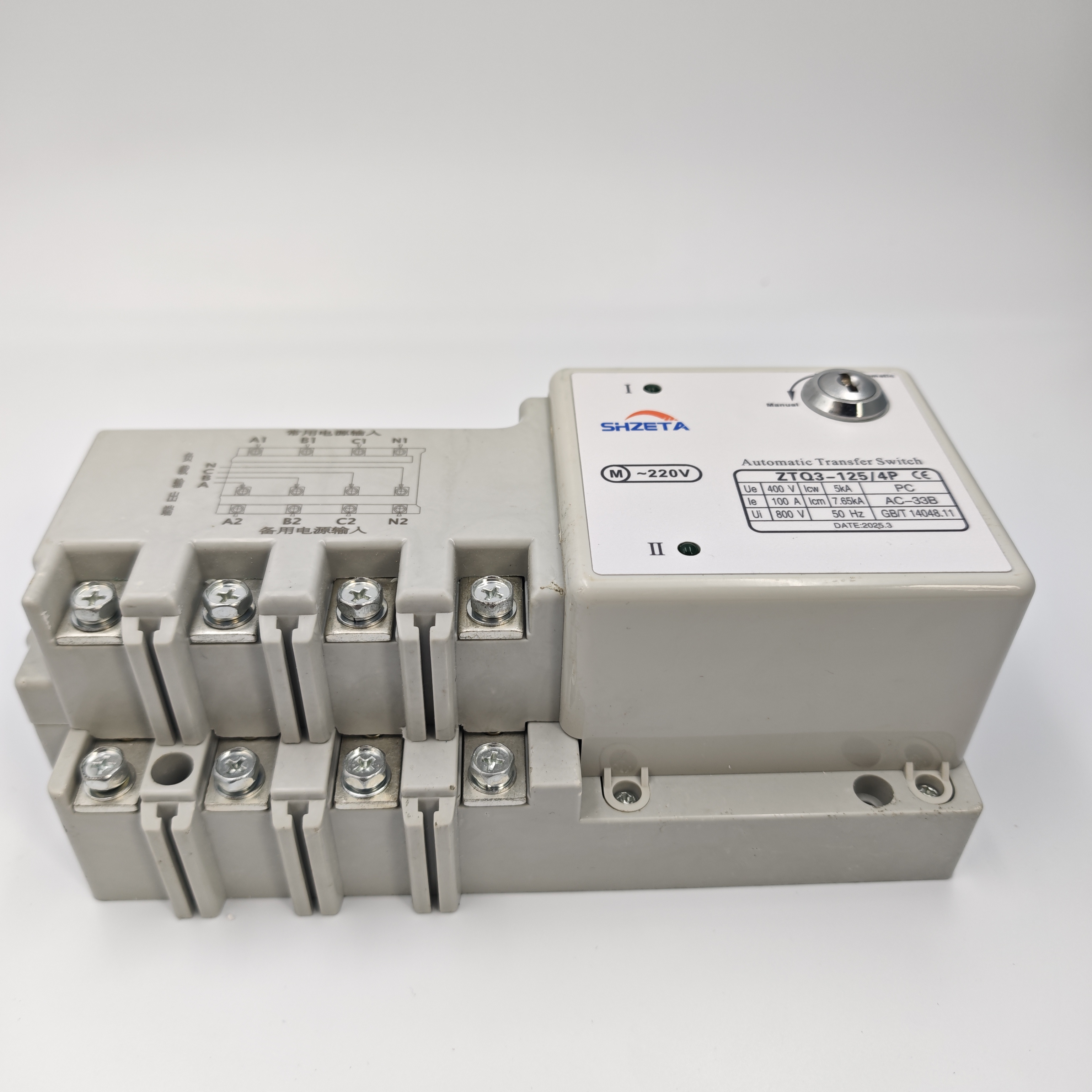
Dual Power Automatic Transfer Switch ZTQ3-100A/4P for Households Industrial Use Customizable Breaking Capacity/Poles/Phase 100A
- Current Rating:100A Continuous 4-Pole
- Poles:4P (Switched Isolated Neutral)
- Operational Modes:Manual & Automatic Select
- Coordination:Adjustable Transfer Delay
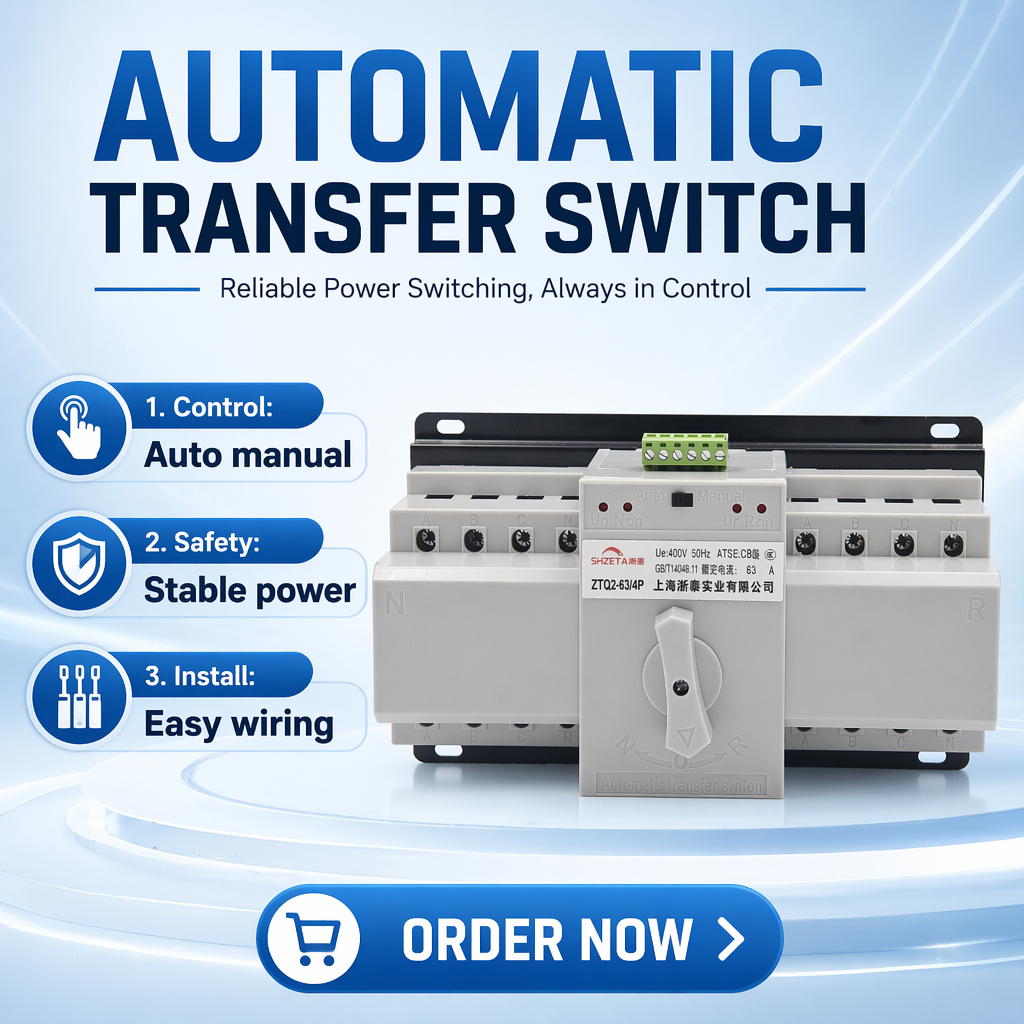
ATS PC Three Phase 4P 63A 400V 5kA Breaking Capacity Dual Power Automatic Device Changeover Solar Electric
- Breaking Capacity:5kA Prospective Fault
- Grid Interface:Utility to Solar Inverter
- Poles / Voltage:4 Pole / 400V AC Nominal
- Interlock Type:Fail-Safe Mechanical Lockout
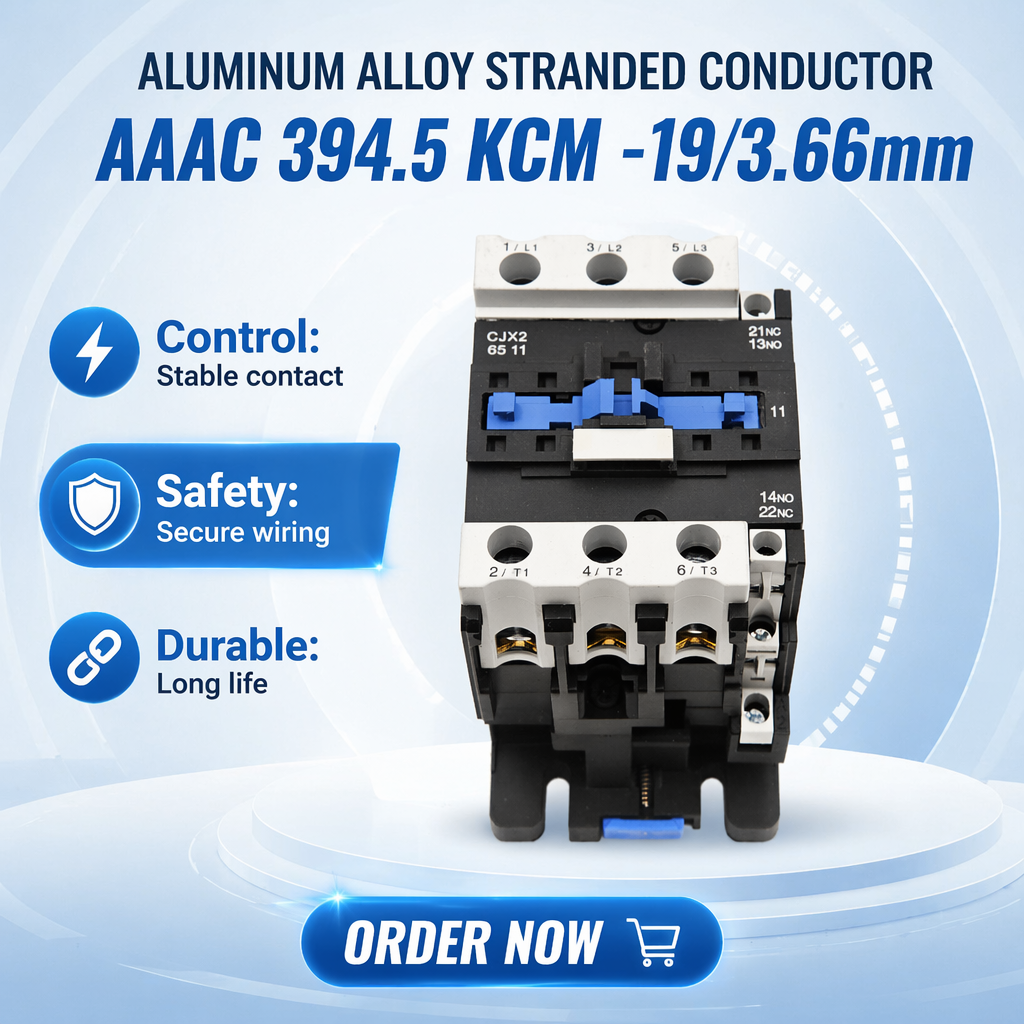
Electrical AC Magnetic Contactor 50Hz 3 Phase 3 Poles Main Circuit Rating Din Rail Mount Industrial Automation Use CJX2-8011
- Current Rating:80A (AC-3 Inductive Duty)
- Auxiliary Block:1NO + 1NC Factory Fitted
- Arc Suppression:Magnetic Blowout Chute
- Chassis:DIN Rail & Screw Baseplate
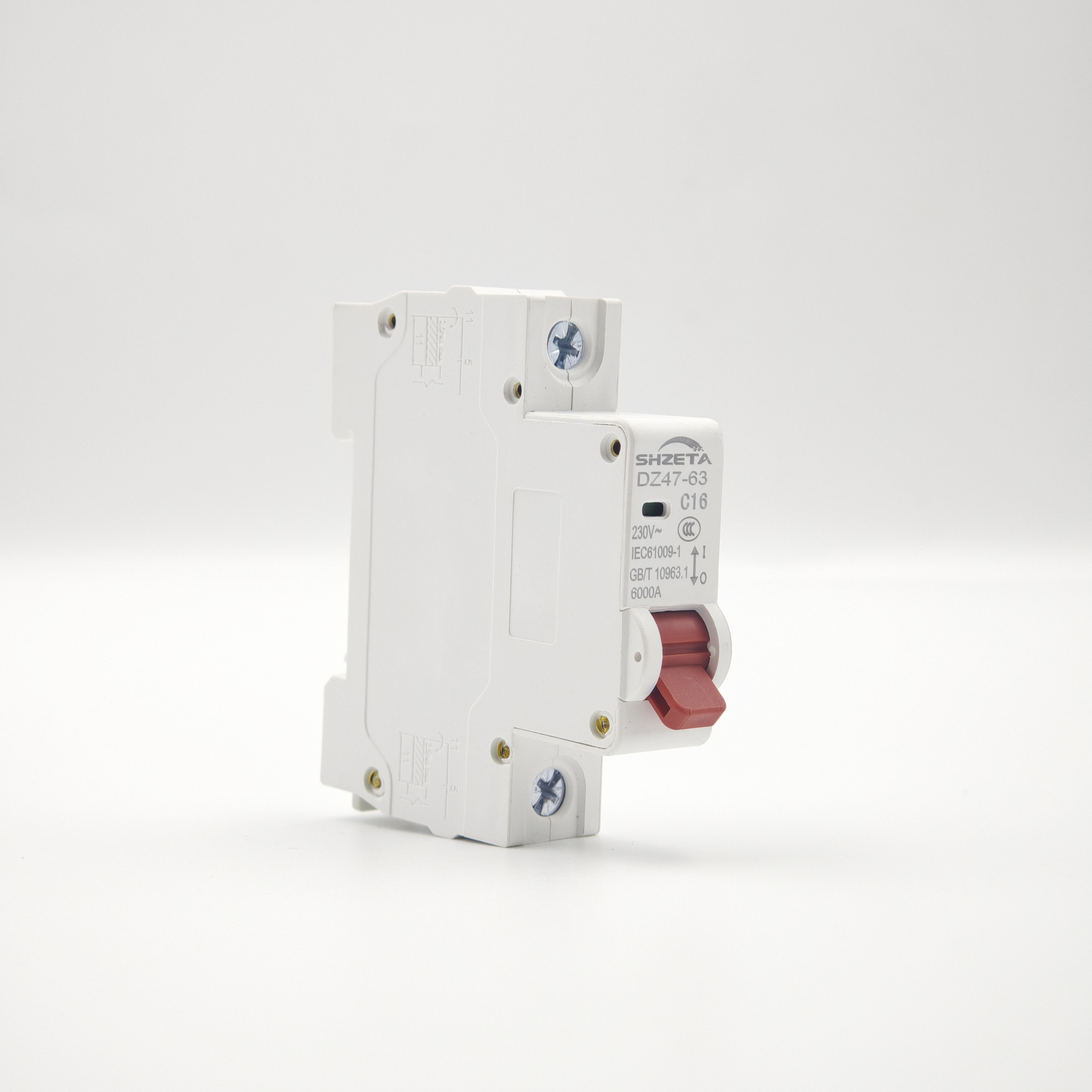
Mini Circuit Breaker 1P+N 2P 3P 4P 50Hz Mechanical Interlocking Low Price DC MCB
- Interlock Mechanism:Precision Steel Sliding Plate
- Circuit Topology:Dual Incomer / Common Bus
- Poles Available:1P+N, 2P, 3P, 4P Configurations
- Dual Capability:AC Distribution & DC Solar
Demystifying Manual Transfer Switches (MTS) & Mechanical Interlocking Architecture
In modern electrical distribution boards, the manual transfer switch remains the definitive fail-safe defense against out-of-phase utility cross-connection, generator backfeeding, and unintended multi-source coupling. While automatic transfer switches (ATS) dominate mission-critical data infrastructure, manual changeover systems provide absolute immunity to control-logic vulnerabilities, auxiliary coil burnouts, harmonic disturbances, and electromagnetic pulse (EMP) degradation.
A robust manual transfer assembly is defined by three fundamental mechanical sub-systems:
1. Positive Mechanical Interlocking
Whether executed via internal hardened cam shafts, deadbolt linkages, or external sliding steel plates mounted between dual MCBs/MCCBs, the mechanism physically renders it impossible for Source A (Grid) and Source B (Standby Generator/Solar PV) to close simultaneously. The physical gap guarantees a verified Break-Before-Make (BBM) open transition.
2. High-Velocity Arc Extinction
Under heavy inductive breaking (Utilization Category AC-33B), manual operators may switch slowly. Industrial transfer switches solve this using spring-assisted toggle mechanisms where contact velocity is independent of manual operator speed. De-ion plate arc chutes split and quench arcs within milliseconds to prevent ionized gas buildup.
3. Silver Alloy Contact Metallurgy
China's premier manufacturing plants utilize composite Silver-Nickel (AgNi) or Silver-Tin Oxide (AgSnO2) sintered contact rivets rather than cheap copper-clad brass. AgSnO2 offers exceptional thermal stability and anti-welding characteristics under high short-time withstand currents (Icw up to 10kA for 1s), preventing catastrophic contact fusion.
Engineering Parameters: Sizing & Specifying Transfer Switches
Compare frame configurations, operational voltages, dynamic short-circuit withstand capabilities, and utilization categories across common manual and hybrid transfer architectures.
| Switch Architecture | Rated Current (In) | Pole Configurations | Insulation (Ui) / Impulse (Uimp) | Utilization Category | Short-Time Withstand (Icw / Icm) | Standard Compliance |
|---|---|---|---|---|---|---|
| Mechanical Interlock MCB | 1A – 63A | 1P+N, 2P, 3P, 4P | 500V / 4kV | AC-21A / AC-22A | 4.5kA / 6kA (Icn) | IEC/EN 60898-1, IEC 60947-2 |
| Modular Rotary Changeover (MTS) | 16A – 125A | 2P, 3P, 4P Switched N | 690V / 6kV | AC-22A / AC-23A | 12 x In (Making Capacity) | IEC 60947-3, GB/T 14048.3 |
| Moulded Case MTS (MCCB Frame) | 63A – 630A | 3P, 4P Full Neutral | 800V / 8kV | AC-31B / AC-32B | 18kA – 50kA (Icu @ 400V) | IEC 60947-2, IEC 60947-6-1 |
| PC-Class Dual Power Switch | 63A – 1600A | 3P, 4P Overlapping N | 1000V / 8kV – 12kV | AC-33B (High Inductive) | 10kA / 100ms – 50kA / 60ms | IEC 60947-6-1 Class PC |
| Heavy-Duty Bypass Isolator | 100A – 3200A | 3P, 4P With Neutral | 1000V / 12kV | AC-31A / AC-33B | Up to 100kA with Backup Fuse | IEC 60947-3, UL 1008 Reference |
Future Procurement & Technological Trends in Transfer Switching
Anticipate regulatory shifts, distributed energy integration demands, and component material evolutions reshaping global low-voltage equipment procurement.
1. Solar PV & BESS Microgrid Sourcing
With residential and light commercial sites deploying hybrid inverters, procurement is shifting rapidly from standard 230V grid switches to specialized AC/DC dual-rated manual transfer switches. Buyers mandate mechanical interlocks capable of switching between grid-tie mode and islanded battery storage backup without inducing earth-fault current loops.
2. True Switched 4th Pole Mandatory
In TN-S, TT, and IT grounding regimes, electrical regulators across Europe, Australia, and the Middle East increasingly require 4-Pole transfer switching. Procuring 4P switches with early-make, late-break neutral contacts avoids hazardous floating neutral potential swings that destroy sensitive downstream office and IT electronics during changeover.
3. Halogen-Free Flame Retardants
Global tenders now penalize brominated flame retardants. China's top tier exporters are transitioning all MTS moulding compounds to UL94 V-0 glass-fiber reinforced PA66 and PC composites that pass the 960°C glow-wire flammability index (GWFI), emitting low smoke and zero toxic halogens during electrical flashovers.
4. Hybrid IoT Telemetry Integration
The boundary between manual switches and smart monitoring is disappearing. Global EPC contractors routinely pair manual mechanical changeovers with compact DIN-rail multifunction meters (such as our RS485 Modbus HY-311 series). This architecture delivers pure mechanical transfer reliability while reporting real-time voltage, current, and phase angle metrics to SCADA.
Why Global B2B Buyers Partner With Zhejiang Graybar Electric
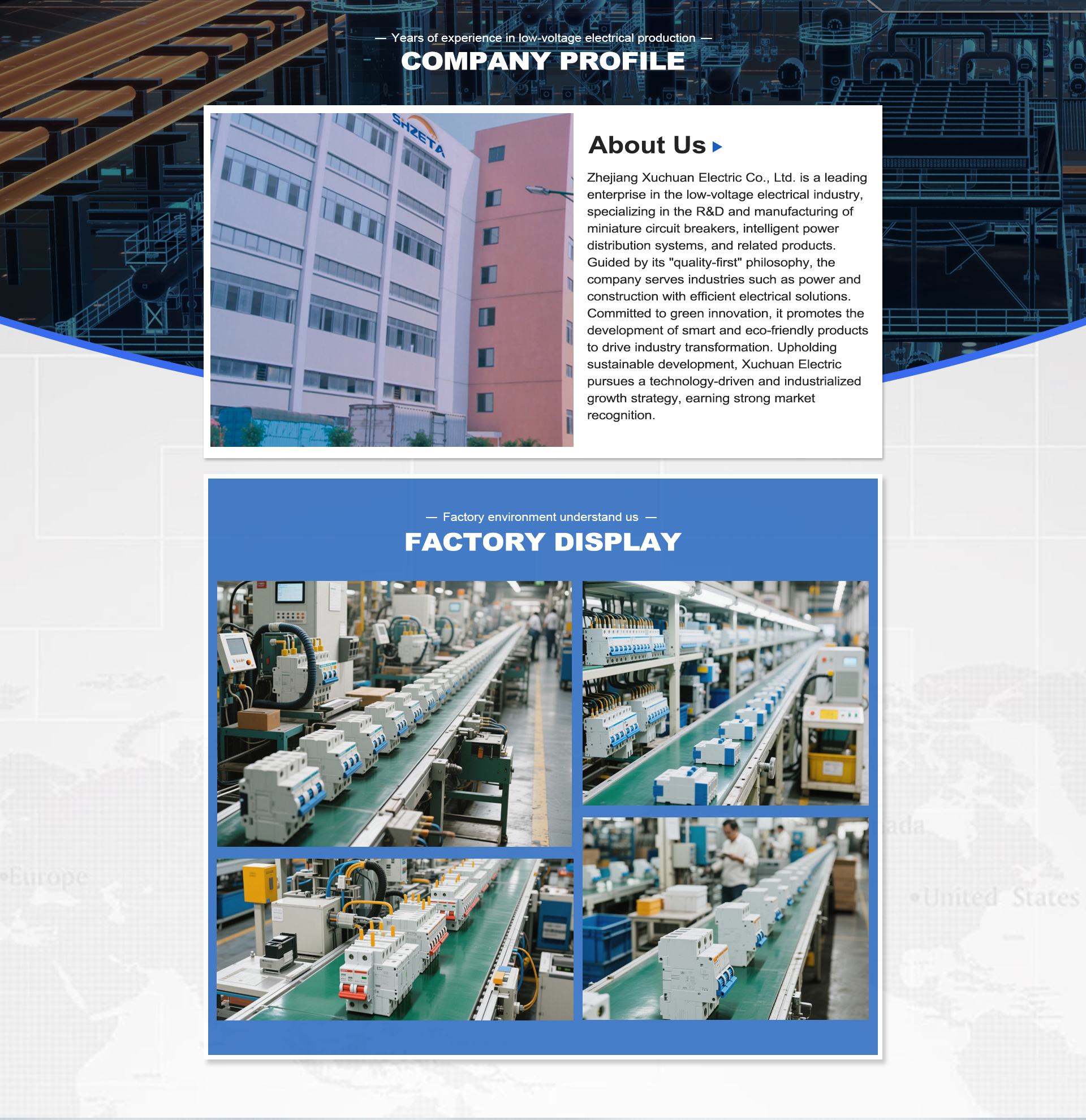
Headquartered in Huangyu Village, Liushi Town—globally recognized as the low-voltage electrical capital of China—Zhejiang Graybar Electric Co., Ltd. integrates direct component supply chain agility with stringent, export-oriented quality assurance.
Our state-of-the-art facility maintains complete operational control over every stage of transfer switch fabrication: precision tool fabrication, automated thermoset injection, silver contact riveting, calibration of bimetal thermal trips, and end-of-line high-potential dielectric breakdown verification.
Frequently Asked Sourcing & Technical Questions
Authoritative guidance on testing standards, electrical sizing, short-circuit coordination, and international supply chain parameters.
IEC 60947-3 governs standard manual switches, disconnectors, and switch-disconnectors evaluated primarily for isolation and non-automatic load switching. In contrast, IEC 60947-6-1 is dedicated specifically to Transfer Switching Equipment (TSE). It subjects the assembly to much more stringent operational duty cycles, high-current transfer endurance, mechanical interlock fatigue tests, and prospective short-circuit stress without contact fusion. For critical dual-power applications, always specify IEC 60947-6-1 compliance.
In 3-phase installations with an alternate on-site standby power source (generator or solar battery inverter) sharing a common earth, using a 3-pole switch creates an unbroken solid neutral connection. This solid link often forms dangerous dual neutral-to-earth ground loops, causing stray currents, false tripping of Residual Current Devices (RCD/GFCI), and catastrophic harmonic circulating currents. A 4-Pole switch physically transfers the neutral line, isolating the sources and stabilizing voltage referencing.
Under IEC 60947-6-1, utilization categories dictate the electrical severity the switch can safely interrupt. AC-31B covers non-inductive or slightly inductive resistance loads (resistive heaters, standard lighting). AC-32B covers mixed resistive and inductive loads, including small commercial equipment. AC-33B represents heavy industrial inductive motor loads with high locked-rotor starting currents. If your transfer switch handles chiller compressors, water pumps, or large inductive machinery, specify AC-33B ratings.
Our manual mechanical interlocking transfer switches utilize high-strength, CNC-stamped cold-rolled steel sliding gates and internal interlocking cam stops. The mechanical interference fit physically locks Breaker B in the positive OPEN/OFF position whenever Breaker A is closed. Even under forceful manual lever actuation, simultaneous engagement is physically impossible, ensuring a verified Break-Before-Make transition cycle that guarantees line technician safety.
We support low MOQs starting from 5 pieces for standard MCB, MCCB, and SPD models, and just 1 piece for heavy industrial air circuit breakers (ACB) and large custom transfer frames. Standard sample orders ship within 3–7 business days, while volume container orders (FCL) generally average 20–25 days from technical signoff, facilitated by our integrated Liushi regional supply network.
Yes. We deliver comprehensive OEM and ODM support for distributors and panel builders worldwide. We provide fiber-laser marking for your private company logo, customized voltage and current rating plates, custom terminal shunts, bilingual technical instruction manuals, and drop-tested shockproof export carton packaging tailored to your brand identity.
Optimize Your Switchgear Supply Chain with China's Premier Manufacturer
Whether you are tendering for utility distribution boards, specifying solar-generator backup transfers, or sourcing custom OEM circuit protection, our technical sales engineers in Liushi are standing by to evaluate your single-line diagrams and supply requirements.