Industrial Switchgear & Motor Control Architecture

China Best Industrial Contactor Factories & Supplier

Technical Procurement Whitepaper • IEC 60947-4-1 Verified Performance • OEM/ODM Engineering Directory from Liushi, Wenzhou Electrical Cluster

10M+

Mechanical Switching Cycles Tested

5 Pcs

Low Sample Evaluation MOQ

100%

Dielectric & Thermal Rise Inspected

85+

Export Destination Markets Served

Direct Factory Recommendations

Industrial Contactors, Automatic Transfer & Protection Devices

Engineered for heavy-duty motor duty, critical automatic emergency bypass, and sub-distribution protection. Evaluated to IEC 60947-4-1, IEC 60947-6-1, and IEC 60947-2 standards with factory-direct traceable testing.

Industrial Switchgear Insight

The Engineering Role of AC & DC Contactors in Modern Industrial Electrification

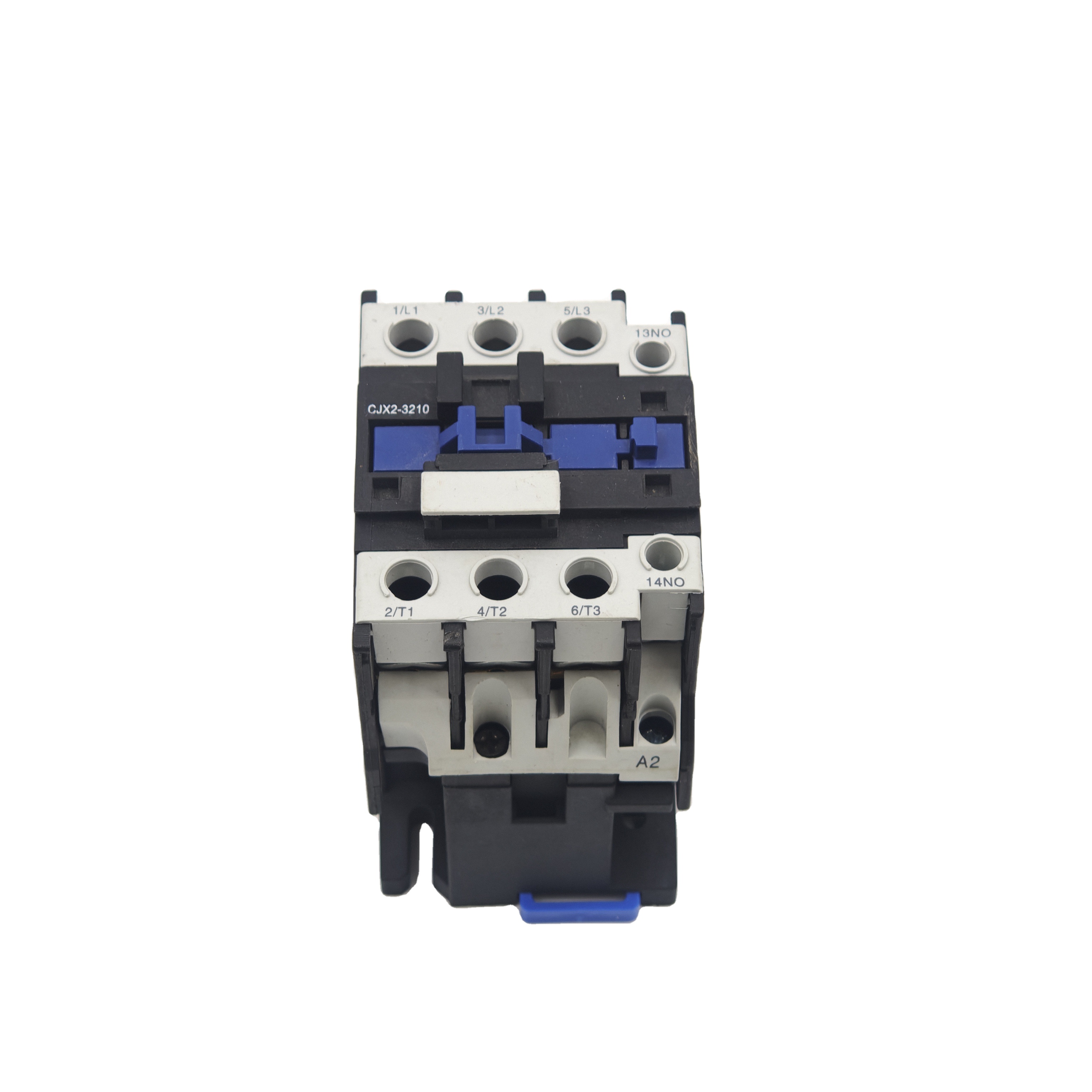
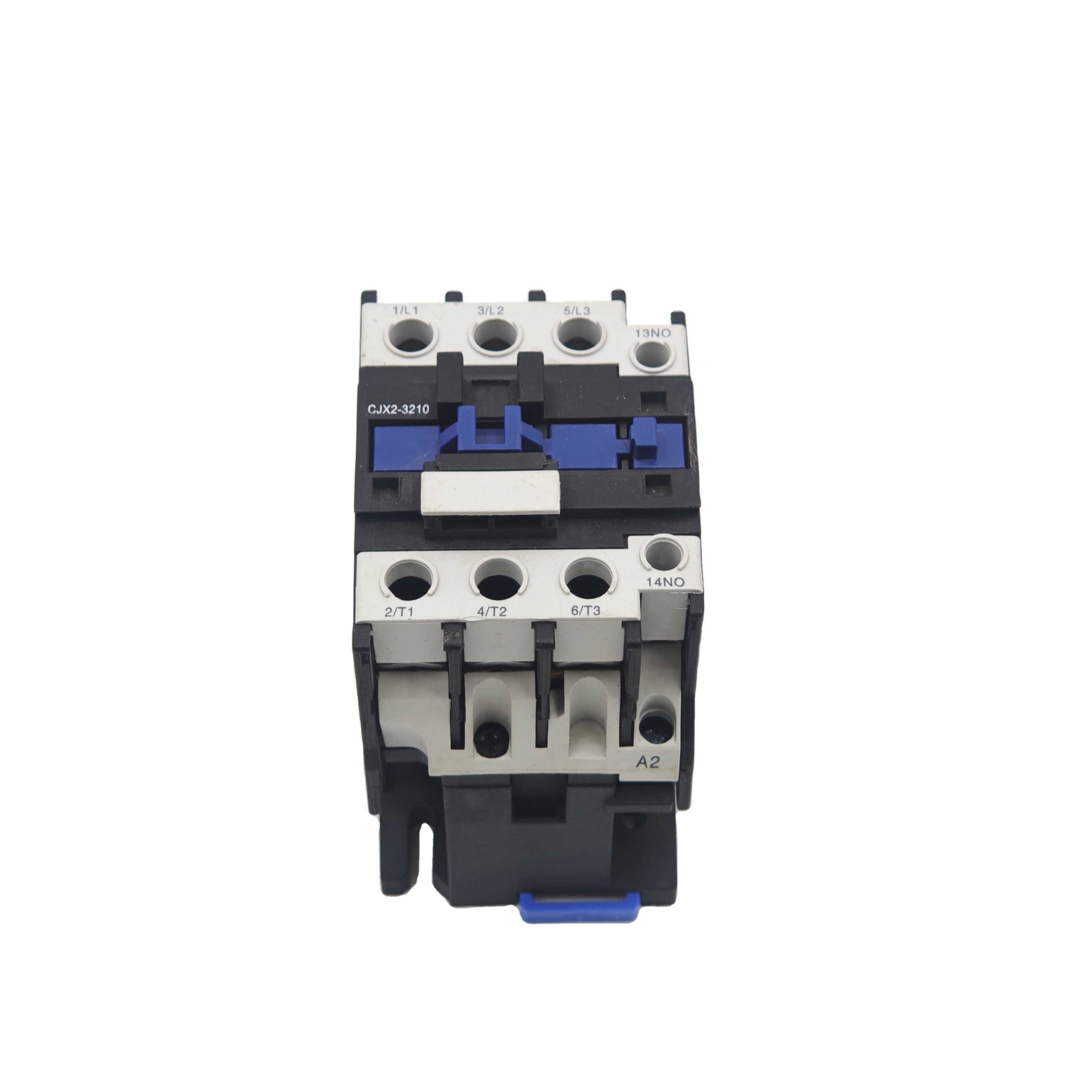
Electromagnetic contactors represent the critical operational muscle in automated manufacturing, HVAC chillers, continuous motor control centers (MCC), and renewable energy power conversion systems. Unlike static circuit breakers designed strictly for passive fault mitigation, an industrial contactor is an active electromechanical switching mechanism engineered to endure millions of operations under severe inductive surges, violent arc temperatures, and extreme duty cycles.

Operating under the stringent provisions of IEC 60947-4-1 and UL 508, contactors are subjected to rigorous electrical parameters. In motor-starting applications (Utilization Category AC-3), the contactor must repeatedly make currents reaching up to 8 to 10 times the full load motor rating and break full load current at line voltage. For regenerative braking and inching loads (AC-4), the severe breaking arc causes rapid localized surface vaporization of contact tips. Global switchgear designers and engineering procurement professionals look toward China's premier manufacturing ecosystem not merely for cost arbitrage, but for high-precision metallurgical fabrication, automated coil potting, and dependable Type 2 coordination capabilities.

  • Silver Alloy Metallurgy: Advanced silver tin oxide (AgSnO2) and silver nickel (AgNi) contact rivets replace outdated cadmium alloys, yielding higher anti-welding properties during locked-rotor starting surges.
  • Arc Quenching Efficiency: Optimized de-ionizing splitter plates constructed from cold-rolled electrical steel dissipate high-energy plasma arcs within 8 to 12 milliseconds, reducing thermal stress on insulation housings.
  • Universal Magnetic Core Architecture: Precision-stamped silicon steel laminations with shading rings prevent hum, chatter, and micro-vibrations across varying grid frequency tolerances (50Hz/60Hz).
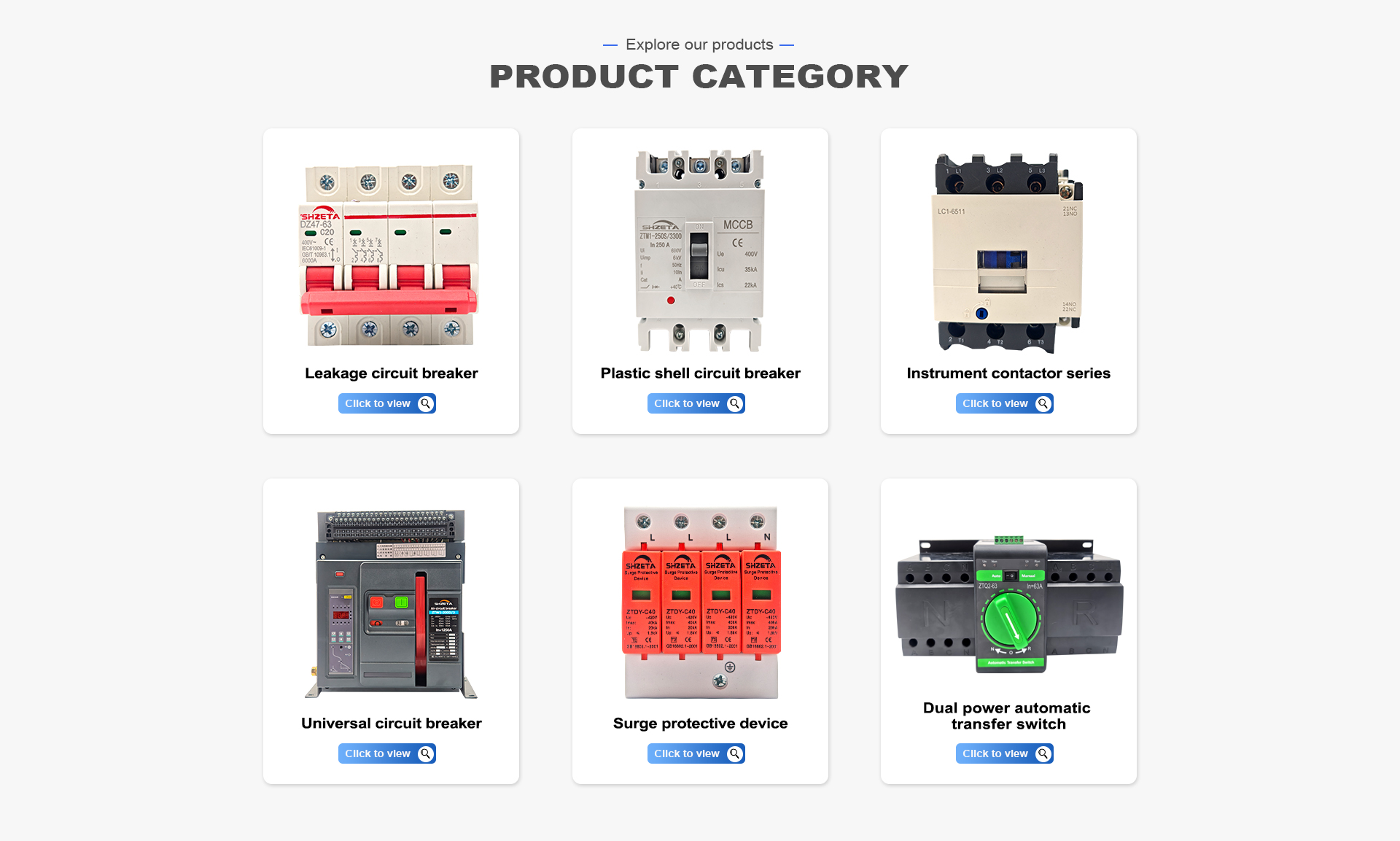
Comprehensive Low-Voltage Circuit Protection and Switching Range by Zhejiang Graybar Electric
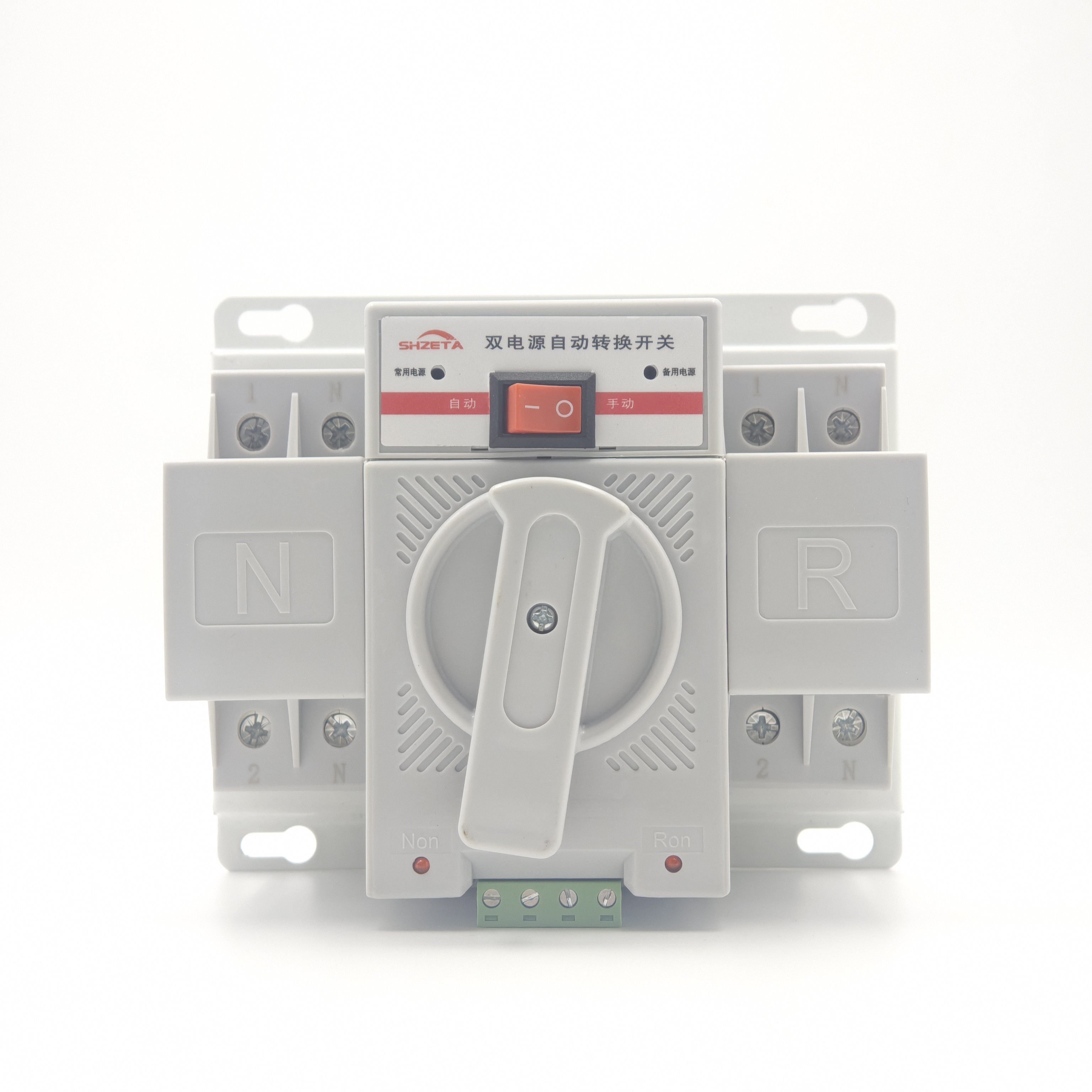
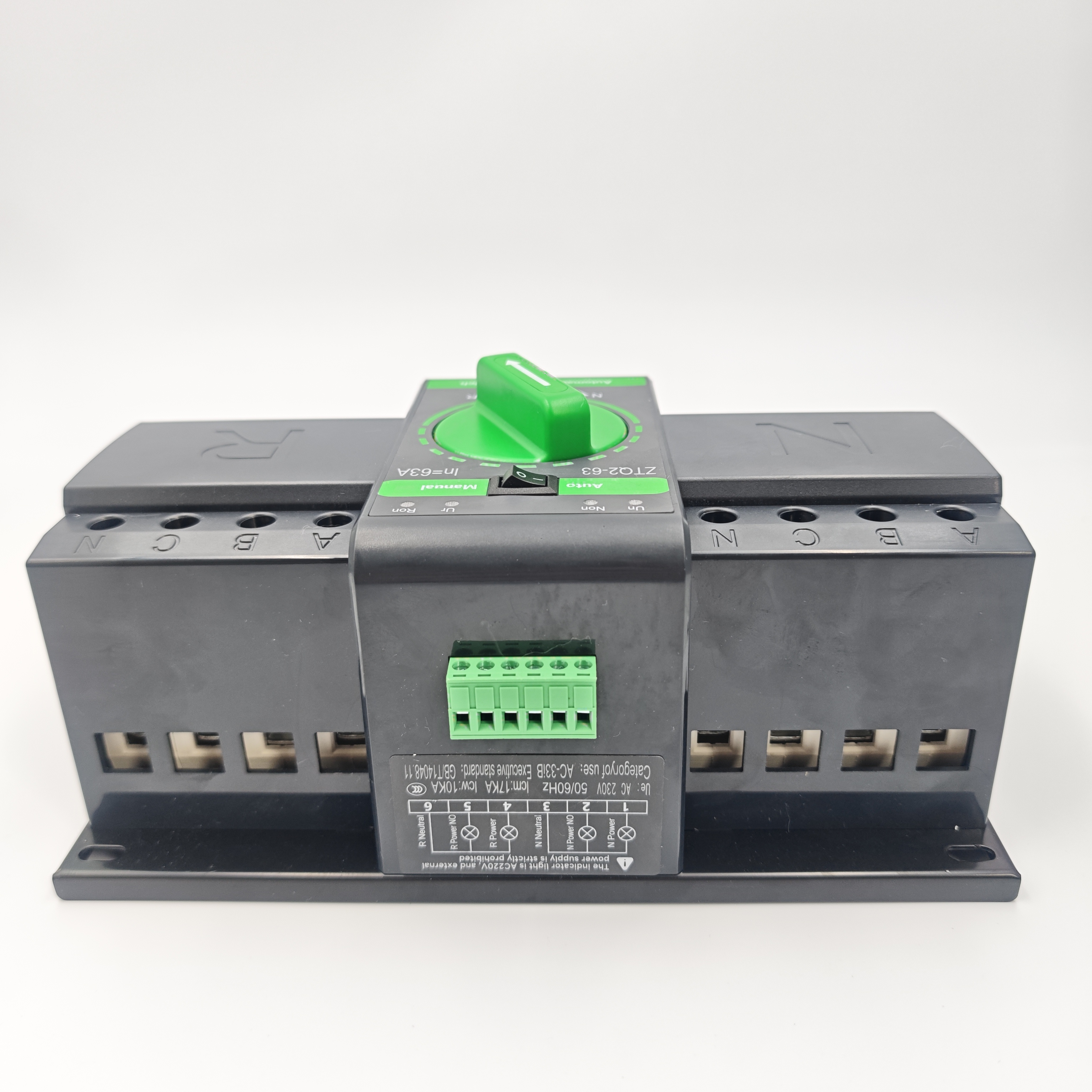
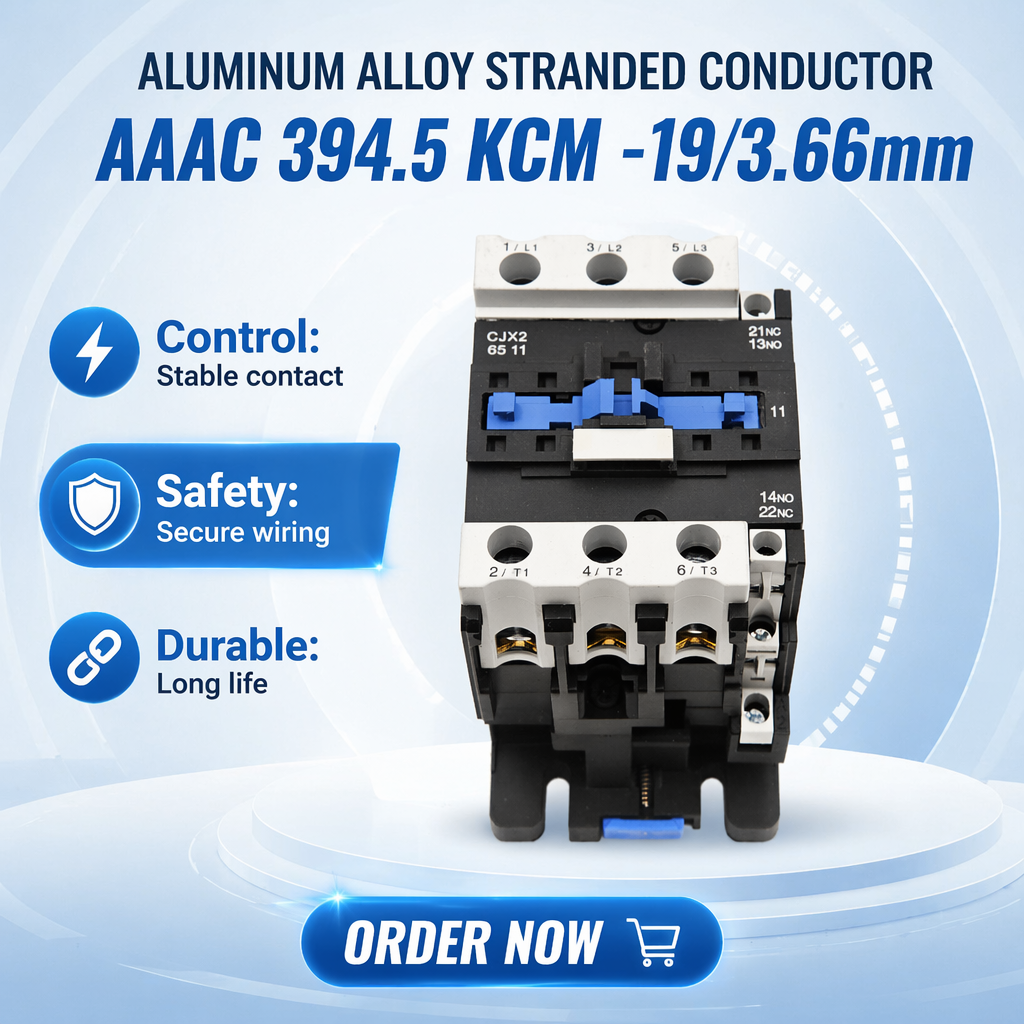
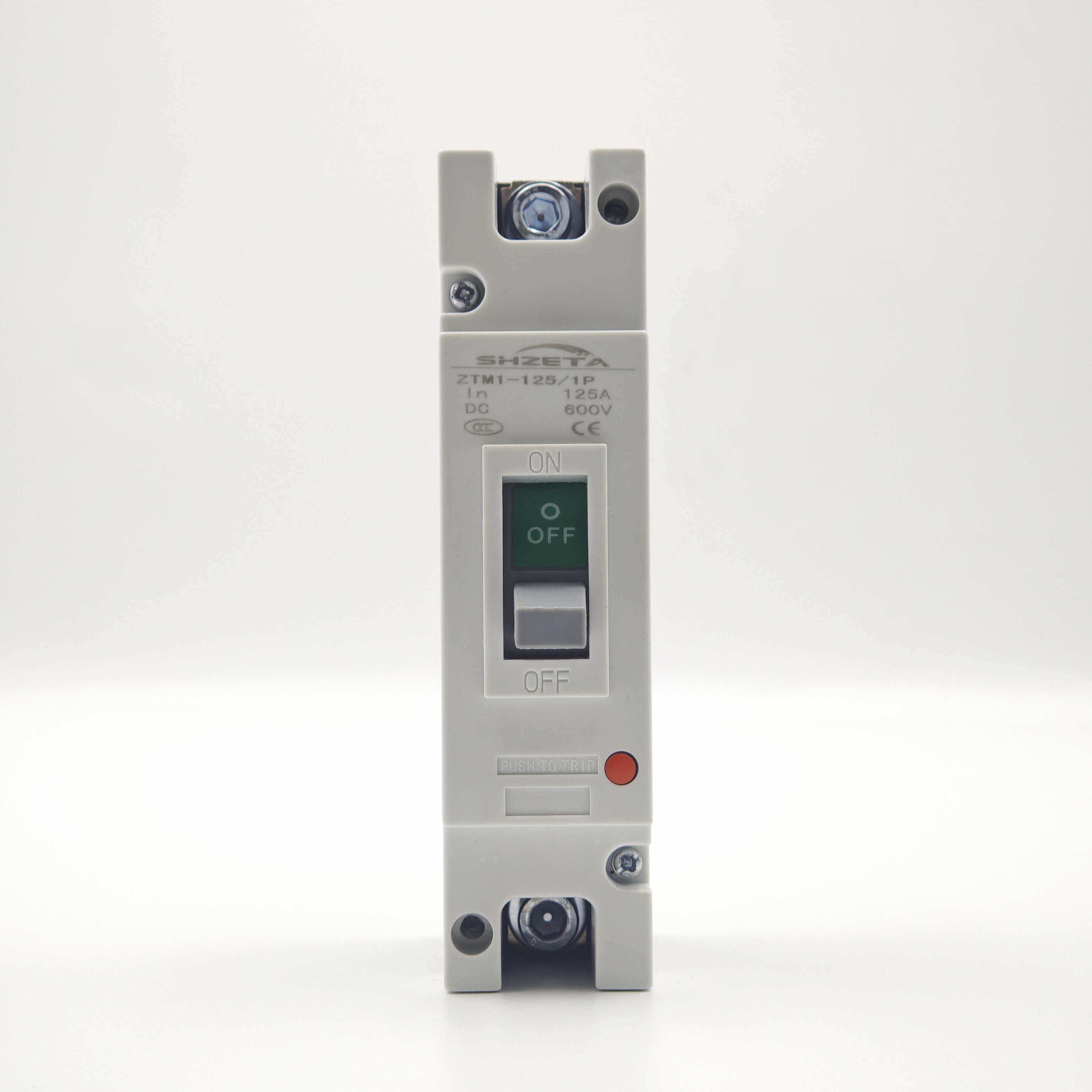
Figure 1: Comprehensive low-voltage motor control, circuit switching, and circuit protection hierarchy produced in Liushi, Wenzhou.
Manufacturing Authority & Reliability

Why Global Panel Builders Choose Zhejiang Graybar Electric

Headquartered in Huangyu Village, Liushi Town, Wenzhou—the acknowledged global hub of low-voltage electrical apparatus—Zhejiang Graybar Electric Co., Ltd. combines localized supply chain speed with tier-1 export manufacturing discipline.

Liushi Cluster Integration

Direct supply-chain adjacency gives us raw-material access to ultra-high-purity copper busbars, precision spring-steel stampings, and UL94-V0 thermoset polymers, cutting production lead times by 35% compared to inland factories.

100% Parameter Verification

Every single CJX2 contactor, ATS mechanism, and MCCB undergoes automated pickup/dropout voltage verification, contact resistance measurement, and 2,500V AC dielectric breakdown screening prior to packaging.

OEM & Engineering Customization

From custom coil operating voltages (12V to 440V AC/DC) to specialized laser-etched terminal labeling, bespoke multi-lingual instruction sheets, and private-label packaging, we support both boutique distributors and multinational brands.

B2B Agile Procurement Support

We eliminate extreme capital tie-up by offering low starting MOQs (from 5 pieces for standard contactors and circuit breakers, 1 piece for ACBs), permitting rigorous laboratory evaluation before scaling into 20ft/40ft container consignments.

Automated Contactor and Circuit Breaker Assembly Lines at Zhejiang Graybar Electric
Precision automated stamping, winding, and calibration clean-room lines at our Wenzhou manufacturing complex.
Quality Control Testing and Final Packaging Lines
Type-testing laboratory executing temperature-rise, mechanical endurance, and high-voltage impulse certifications.
Engineering Sizing Whitepaper

IEC 60947-4-1 Utilization Categories & Sizing Matrix

Selecting the ideal industrial contactor requires matching the mechanical and electrical stress profiles to precise operational duties. Consult our engineering selection matrix below to configure proper thermal ratings.

Category Typical Industrial Load Application Make Current (I / Ie) Break Current (Ic / Ie) Power Factor (cos φ) Typical Graybar Match
AC-1 Non-inductive or slightly inductive loads, resistance furnaces, heating banks, general lighting 1.0 × Ie 1.0 × Ie cos φ ≥ 0.95 CJX2-1210 / CJX2-8011 (Derated to Ith max)
AC-2 Slip-ring motors: starting, reversing, plugging, heavy hoisting cranes 2.5 × Ie 2.5 × Ie cos φ = 0.65 CJX2 Series with Upgraded AgSnO2 Contacts
AC-3 Squirrel-cage induction motors: starting, switching off running motors during normal operations 5.0 to 8.0 × Ie 1.0 × Ie cos φ = 0.35 to 0.45 CJX2-1210 (12A) to CJX2-8011 (80A)
AC-4 Squirrel-cage motors: rapid inching, plugging, jogging, hoist and elevator maneuvers 6.0 to 10.0 × Ie 6.0 to 10.0 × Ie cos φ = 0.35 CJX2 High-Frame with Magnetic Arc Blowout
AC-6a Switching of transformers, step-down power distribution, capacitive reactive power banks Up to 30 × In peak 1.0 × Ie cos φ = 0.30 CJX2-D Series with Damping Resistance Auxiliary
DC-1 / DC-3 Non-inductive DC loads, DC shunt motors, battery storage charging systems 1.0 to 2.5 × Ie 1.0 to 2.5 × Ie L/R ≤ 2.0 ms Waterproof 500V DC Series / Magnetic Blowout

* Note: For Type 2 Coordination per IEC 60947-4-1, downstream contactors and thermal overload relays must maintain dielectric integrity without contact welding after high-magnitude fault interruption by upstream MCCBs.

Industry 4.0 & Decarbonization

Emerging Product Development & Global Sourcing Trends

Driven by smart manufacturing, distributed renewable microgrids, and aggressive factory efficiency standards, the global demand profile for industrial contactors is undergoing three structural evolutions.

Trend 01 • Energy Efficiency

Wide-Voltage Electronic Coils with Built-in Economizers

Traditional AC magnetic coils suffer from continuous holding power losses, coil hum, and vulnerability to grid voltage sags. Next-generation contactor design incorporates microprocessor-controlled electronic coils accepting wide universal inputs (e.g., 100V–250V AC/DC). Once contact closure occurs, an internal PWM economizer circuit slashes coil retention power by up to 75%, substantially minimizing control panel thermal dissipation and total switchboard cooling requirements.

Trend 02 • Digital Telemetry

IoT Integration, Smart Auxiliary Blocks & Predictive Maintenance

Unscheduled machine downtime costs industrial facilities thousands of dollars per hour. Modern high-tier Chinese factories are embedding Hall-effect sensors and micro-switches directly into auxiliary contact cassettes. These modules monitor actual operating hours, contact resistance degradation, mechanical chatter anomalies, and local temperature spikes, transmitting early warning signals over Modbus-RTU or IO-Link directly to the plant SCADA before terminal failure occurs.

Trend 03 • Clean Energy

Hermetically Sealed High-Voltage DC Switching (800V–1500V DC)

The rapid proliferation of utility-scale Photovoltaic (PV) installations, Commercial & Industrial Battery Energy Storage Systems (BESS), and rapid EV charging infrastructure necessitates high-voltage DC contactors. Unlike AC arcs that naturally extinguish at zero-crossing points, DC arcs persist relentlessly. China's leading suppliers are pioneering ceramic-sealed hydrogen/nitrogen gas-filled arc chambers with permanent magnetic blowouts capable of breaking 1000V+ DC arcs cleanly without catastrophic contact degradation.

Strategic Supply Chain Shift: Moving from Tier-1 Western Brands to Verified Direct Manufacturers

Historically, global panel builders and OEM machine builders relied exclusively on multinational European or North American switchgear conglomerates. However, escalating inflation, protracted supply lead times exceeding 26 weeks, and excessive brand markups have accelerated a structural shift toward certified Tier-1 Chinese manufacturers like Zhejiang Graybar Electric Co., Ltd.

By sourcing directly from authenticated Liushi manufacturers, international B2B buyers achieve 30% to 50% cost optimization while maintaining uncompromised conformance to international IEC and CE regulatory baselines. Furthermore, direct engineering communication ensures that bespoke adjustments—such as customized latching mechanisms, tropicalized insulating varnishes for maritime humidity, or custom coil sensitivities—are executed within days rather than months.

Technical Due Diligence

Frequently Asked Questions for B2B Contactor Sourcing

Direct answers to the critical engineering, quality assurance, compliance, and logistical inquiries evaluated by procurement managers, panel builders, and electrical contractors.

What distinguishes an industrial contactor from a standard circuit breaker (MCB/MCCB)?

While both are switching devices, their operational architectures and design missions are fundamentally distinct. A circuit breaker (MCB or MCCB) is a safety protection device designed to open under overcurrent, short-circuit, or ground-fault scenarios, featuring low mechanical switching frequency (typically rated for a few thousand operations). An industrial contactor is an electromechanical control device engineered for frequent, active switching (often hundreds of operations per hour, totaling 1 to 10 million lifetime cycles) under normal load and motor-starting conditions. Unlike circuit breakers, contactors do not provide integrated thermal-magnetic short-circuit trip mechanisms unless paired with a coordinated thermal overload relay (TOR) or protective motor circuit breaker (MPCB).

How does contact material composition (AgSnO2 vs AgCdO vs AgNi) affect contactor lifespan?

The metallurgical formulation of the stationary and movable contact rivets directly governs electrical endurance and contact resistance:

1. Silver Tin Oxide (AgSnO2): The modern global standard for high-performance AC-3 and AC-4 switching. AgSnO2 exhibits outstanding resistance to contact welding during severe inrush surges and superior resistance to material erosion under intense arc temperatures, all while adhering to RoHS non-toxic environmental mandates.
2. Silver Nickel (AgNi): Preferred for lower-current contactors (under 16A) and auxiliary circuits due to its excellent electrical conductivity, low contact resistance, and consistent performance across frequent light-load operations.
3. Silver Cadmium Oxide (AgCdO): Historically prevalent for its self-extinguishing arc behavior, it is now strictly phased out across European and North American markets under environmental regulations (RoHS/REACH). Zhejiang Graybar utilizes eco-compliant AgSnO2 sintered contacts across all premium CJX2 industrial contactor lines.

What is Type 1 vs Type 2 Coordination per IEC 60947-4-1?

When a short-circuit occurs in a motor branch circuit, the upstream protective device (fuse or MCCB) must clear the fault before the contactor and overload relay cause catastrophic fire:

• Type 1 Coordination: Under short-circuit conditions, the contactor or starter must not cause danger to persons or installation. However, it may suffer internal contact welding or damage, requiring repair, contact replacement, or complete renewal before it can be returned to service.
• Type 2 Coordination: Under short-circuit conditions, the contactor and overload relay must suffer no damage or alteration of calibration. Only slight, easily separable contact welding is permitted. The starter must immediately remain capable of normal operational use. Zhejiang Graybar provides comprehensive coordination test charts pairing our CJX2 contactors with our MCCB series to ensure compliant Type 2 protection.

What are the minimum order quantities (MOQ) and lead times for trial orders?

To empower foreign electrical contractors, panel builders, and engineering distributors to validate our build quality, standard CJX2 contactors, miniature circuit breakers (MCBs), and surge protective devices (SPDs) are supported with an ultra-flexible minimum order quantity starting from just 5 pieces per specification. Air Circuit Breakers (ACBs) and Class PC Automatic Transfer Switches (ATS) start from 1 unit. Standard trial samples ship via air express within 3 to 7 business days, while customized OEM/ODM production consignments typically fulfill within 15 to 25 days depending on batch volume.

Can contactors operate reliably under varying ambient temperatures and high altitudes?

Standard industrial contactors are calibrated for operation between -5°C and +40°C at altitudes up to 2,000 meters above sea level per IEC guidelines. For installations above 2,000 meters, the thinner atmospheric density impairs dielectric strength and convective heat dissipation. Consequently, the operational current (Ie) and rated insulation voltage (Ui) must be derated by approximately 2% for every 100 meters above 2,000m. For extreme desert (+55°C) or cold-climate (-40°C) environments, Zhejiang Graybar formulates specialized magnetic coils with Class H insulation varnishes and reinforced low-temperature spring steels.

How does Zhejiang Graybar execute private-label OEM and ODM manufacturing?

Our OEM/ODM process is fully integrated: clients provide their vector branding and target electrical parameters, or collaborate with our application engineering team. We offer laser-etched front housing logos, custom-colored reset knobs, personalized terminal wiring schematics, multilingual installation manuals, and retail-ready barcode packaging. Furthermore, we can accommodate proprietary housing mould tooling (ODM) with complete intellectual property security agreements.

What testing procedures are conducted to ensure zero defect delivery for export shipments?

Our quality assurance protocols follow a three-tier gate:

1. Incoming Raw Material Inspection (IQC): Silver contact purity verification via spectral analysis, copper conductivity tests, and polymer flammability verification (UL94-V0).
2. In-Line Automated Testing (IPQC): Coil resistance, coil pickup voltage (must pull in smoothly at 85% to 110% of rated Us), dropout voltage (must release reliably between 20% and 75% Us), and simultaneous multi-pole contact stroke alignment.
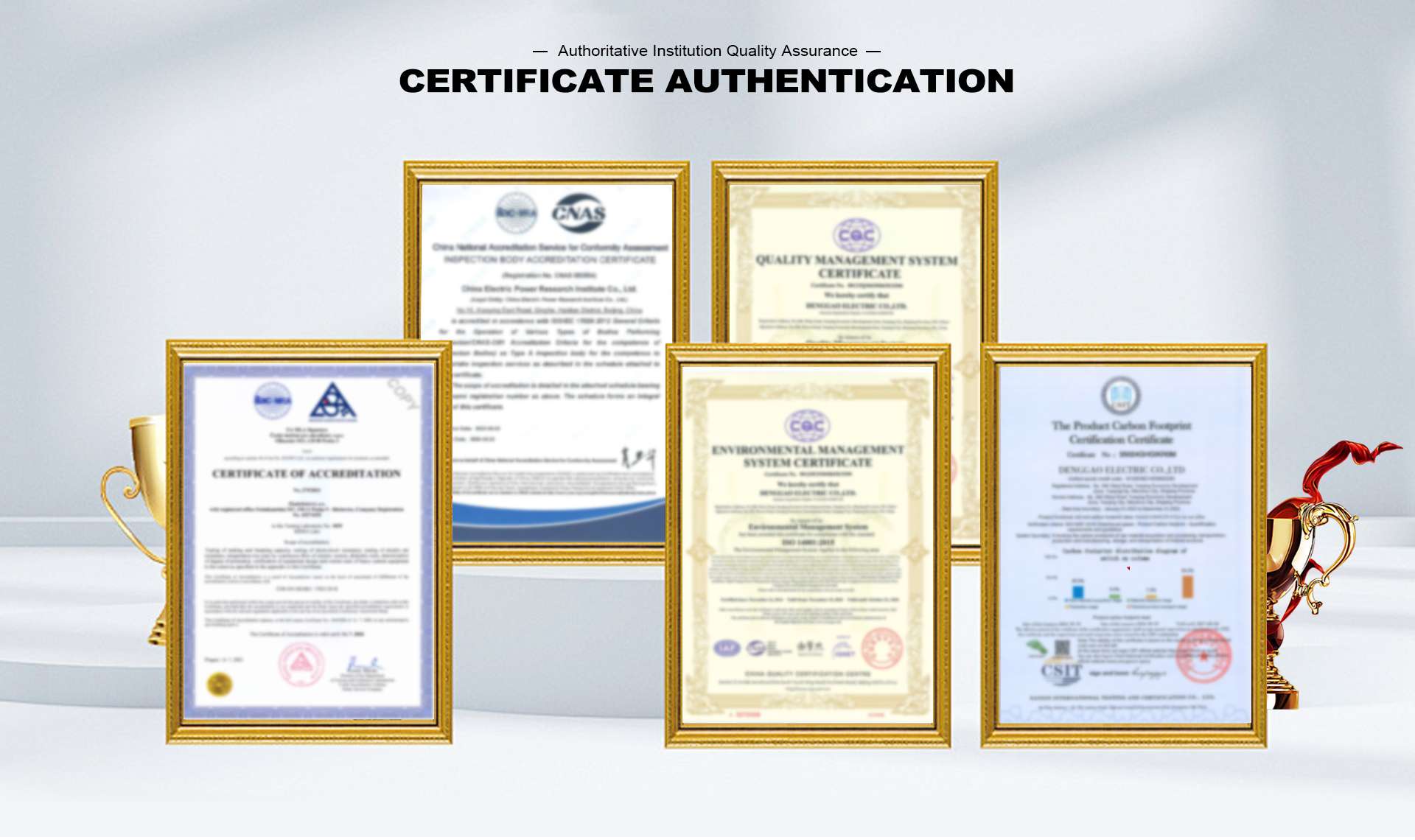
3. Outgoing Pre-Shipment Inspection (OQC): Dielectric high-voltage impulse test at 2,500V for 1 minute, torque endurance on screw terminals, drop-testing of export master cartons, and batch traceability serial assignment.

Accelerate Your Switchgear Sourcing with Factory-Direct Engineering

Whether you are engineering a customized Motor Control Center (MCC), configuring automatic emergency power transfer systems, or seeking private-label distribution pricing, our technical team is ready to assist with full specifications, CAD drawings, and volume quotation.

Get Catalog